
REVIEW · TOKYO
Imperial Palace or Edo Castle Time Trip Learning Walking Tour
Tokyo’s past is under your feet. This low-cost walking tour uses a map of 1650s Edo to explain how the Shogun, Emperor, samurai ruling class, city residents, and Edo Castle women fit into Japanese society. I like the small group of up to eight people and the clear focus on gates, moats, bridges, stone walls, and surviving castle grounds rather than a rushed sightseeing checklist.
I also like the chance to walk from Tokyo Station to the former Edo Castle, now the Imperial Palace East Garden, while building a picture of a place that no longer exists in its original form. The main drawback is the 5.4-kilometer walk, which may feel long in hot, wet, or tiring weather. The starting point has also caused some confusion, although the meeting instructions were updated to direct people to the Marunouchi South Exit on the ground floor.
Key points to know before booking
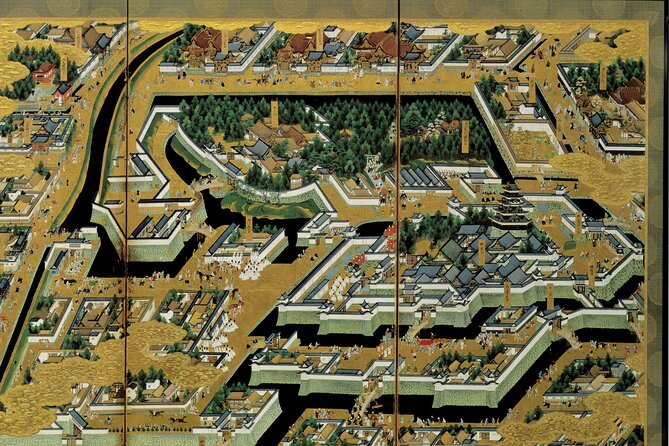
- 1650s Edo map: Your guide uses an illustrated city map to show how Edo was arranged during the shogunate.
- 5.4 kilometers on foot: The tour lasts about two and a half hours, so comfortable shoes and water matter.
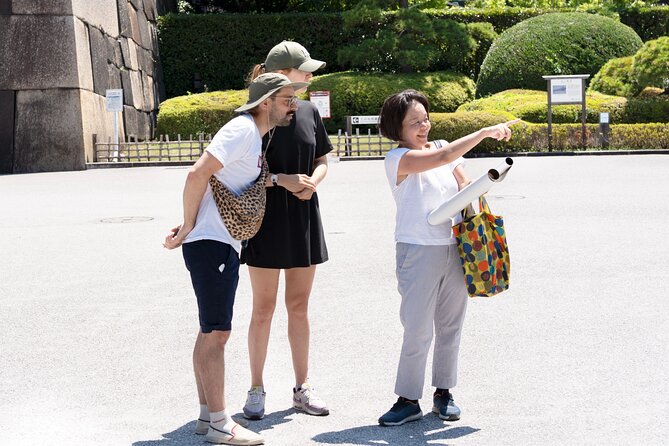
- Government-licensed English-speaking guide: Blanca has been praised for her excellent English, pleasant manner, and strong command of the subject.
- Former Edo Castle grounds: You visit the Imperial Palace East Garden, where gates, huts, walls, moats, and bridges help explain the old fortress.
- Tiny group size: A maximum of eight people should make questions and conversation easier.
- Very low listed price: At $3.25 per person, the tour offers remarkable value if the date and weather work for you.
Why this walk makes Tokyo’s imperial center easier to understand
Tokyo’s Imperial Palace can be hard to read at first glance. You see broad paths, formal bridges, stone walls, water, and carefully controlled entrances, but the original purpose of each feature is not always obvious. This tour gives those structures a story.
The key is the illustrated map of Edo in the 1650s. Instead of treating the palace area as a collection of attractive views, the guide helps you picture a fortified political center within a much larger city. You begin to understand where authority sat and how different groups related to it.
That social explanation is one of the tour’s strongest features. The words Shogun, Emperor, and samurai ruling class often appear in basic descriptions of Japanese history, but the walk connects those titles to a physical place. You also hear about the people who lived beyond the castle and the women connected with life inside it.
I like this approach because it does not require you to memorize a long list of dates. The gates and moats give you something concrete to look at while the guide explains power, status, and daily life. You leave with a better sense of why Edo Castle mattered, even though the original castle buildings are no longer presented as a complete fortress.
More Palace Walking Tours in Japan
- Tokyo: Imperial Palace and Shogun Historical Walking Tour
★ 5.0 · 2,251 reviews - Tokyo Castle & Imperial PalaceーShogun Walking Tour
★ 4.7 · 1,068 reviews - Tokyo: Imperial Palace Japanese History Walking Tour
★ 4.9 · 987 reviews
Meeting at Tokyo Station’s Marunouchi South Exit
The walk begins at Tokyo Station, near the Marunouchi South Gate Dome. The stated address is Tokyo Station, Marunouchi 1-chome 9, in Chiyoda City.
This is the one practical point that deserves attention before you set out. The starting location has not always been clear on maps. The meeting explanation was updated to specify the Marunouchi South Exit on the ground floor, which should make the rendezvous easier, but I would still allow time to find the correct exit inside this large station.
A mobile ticket is provided, and confirmation arrives when you book. The tour is near public transportation, so Tokyo Station is a sensible place to start. Because the group is limited to eight, finding the guide should be manageable once you are at the correct exit, but do not rely on a vague station pin alone.
The guide speaks English and is government licensed. One named guide, Blanca, received especially strong praise for her English, pleasant manner, and command of the subject. Another review described the lady guide as an excellent teacher who gave a very good history lesson. Those comments point to the tour’s main strength: explanation, not just escorting you from one gate to another.
A five-minute introduction at Mitsubishi Ichigokan Museum
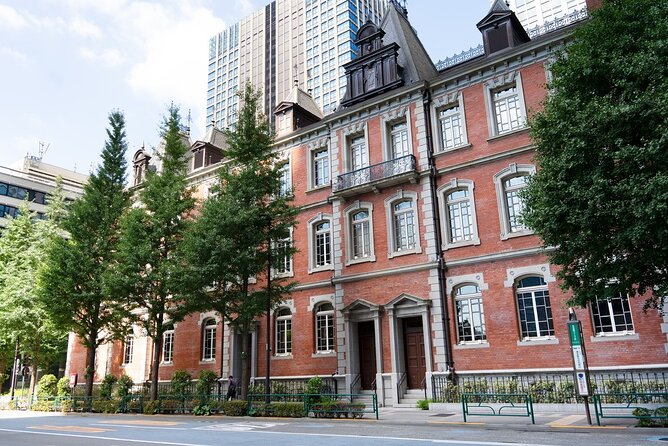
The first stop is Mitsubishi Ichigokan Museum, where the guide gives a short explanation of the Mitsubishi Group and its role in the Japanese economy. The stop lasts only about five minutes, and admission is free.
Do not expect this to be a full museum visit. It functions more as a quick orientation to modern Japanese business and the Marunouchi area before the tour turns toward the Imperial Palace. That contrast is useful. You move from a major economic center of present-day Tokyo toward the older political center represented by Edo Castle.
The short timing also keeps the tour moving. If your main interest is the castle and shogunate, you will not lose much of the walking time here. If you hoped to visit the museum itself, you should treat that as a separate plan rather than part of this experience.
Sakurada Gate and the first view of palace power
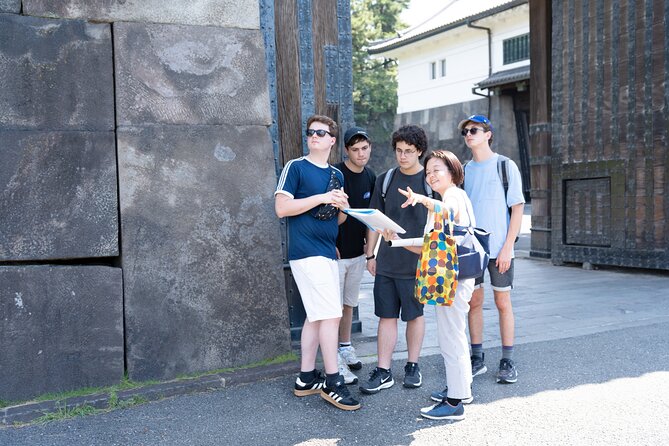
From the station area, the route heads toward Sakurada Gate and the bridges before the main entrance of the Imperial Palace. This is where the tour begins to feel like a time trip rather than a general city walk.
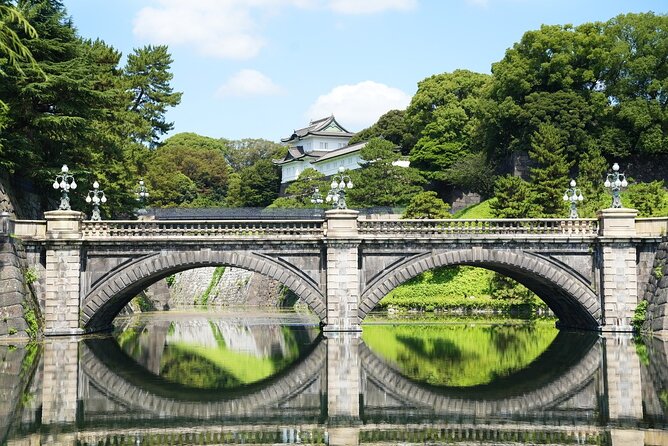
The view of the palace’s double bridges is one of the main visual moments. The route uses that setting to explain the relationship between the formal Imperial Palace entrance and the earlier Edo Castle. You are not simply stopping for a photograph. The guide places the bridges, entrances, and surrounding defenses into the larger design of the old stronghold.
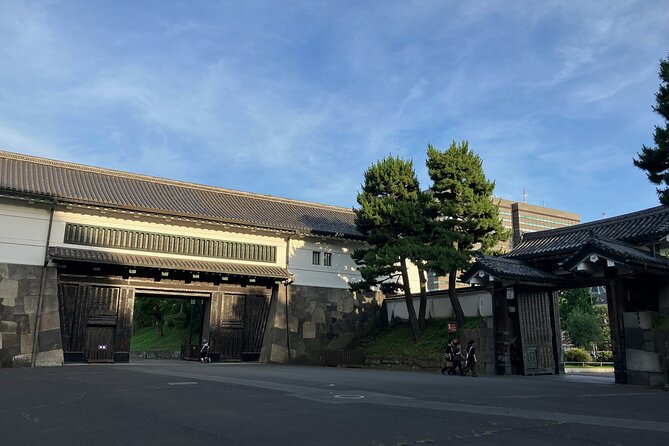
Sakurada Gate also helps you understand how access was controlled. Gates are among the most useful surviving clues because they show that the castle was not an open civic space. Movement into the center of political power was managed through layers of walls, water, bridges, and guarded passageways.
The tour does not promise admission to palace interiors, and the attraction here is the outdoor setting and the guide’s interpretation. That makes the experience a good fit if you want context without paying for a formal palace program. It may feel limited if you are looking for preserved rooms or a large collection of castle objects.
More Royal Palace Tours in Japan
- Tokyo: Imperial Palace and Shogun Walking Tour
★ 4.9 · 935 reviews - Imperial Palace East Garden and Edo Castle Walking Tour in Tokyo
★ 5.0 · 510 reviews - Tokyo: Imperial Palace East Gardens Walking Tour
★ 4.8 · 353 reviews - Tokyo: Imperial Palace, Sensō-ji Temple, & Tokyo Tower Tour
★ 4.5 · 339 reviews
The Imperial Palace East Garden and the former Edo Castle
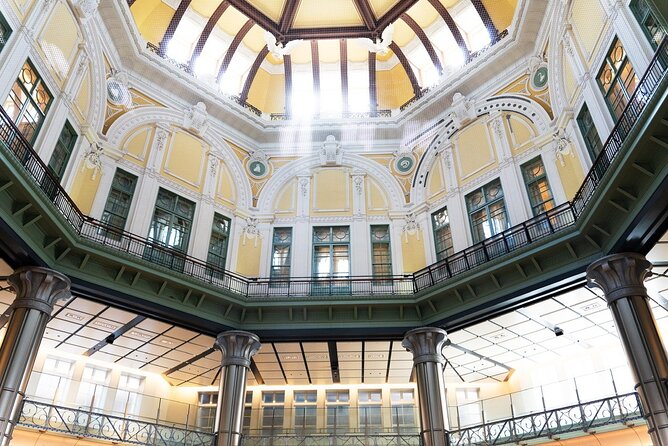
The central portion of the tour takes about two hours and leads into the Imperial Palace East Garden, the site of the former Edo Castle. This is where most of the walking and explanation happens.
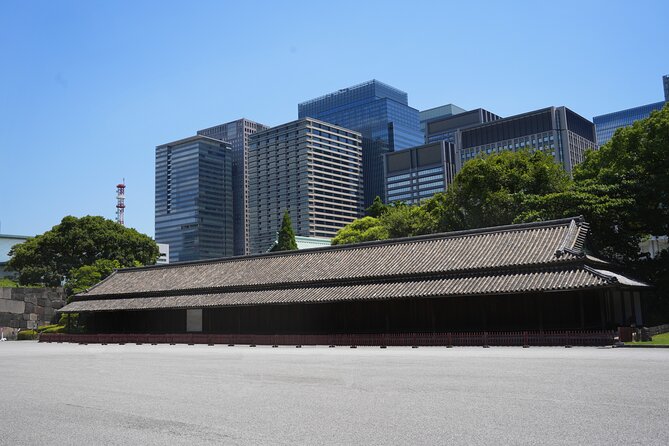
You can expect to see the physical remains and traces that make the old castle easier to imagine: gates, small guard huts, stone walls, moats, and bridges. These are not just decorative details. Each one helps show how the castle was entered, defended, and organized.
The guide’s map is especially useful here. As you walk, the map lets you compare the Edo of the 1650s with the present-day palace grounds. You can picture a larger castle complex and then connect its arrangement to what remains under your feet.
I appreciate that the tour asks you to use your imagination, but it does not depend on imagination alone. The surviving stonework and water defenses give you real points of reference. You are looking at structures that still communicate something about the scale and control of the old site.
The social material adds another layer. The guide discusses the Shogun, the Emperor, the samurai ruling class, people living in Edo, and women of the castle. That range keeps the walk from becoming only a military story. It suggests how authority affected different parts of society.
Because the tour covers 5.4 kilometers in about two and a half hours, the East Garden section involves steady walking. You should be prepared to move between several points rather than stand in one place for long lectures. The pace may suit you if you enjoy learning while walking, but it is less suitable if you need frequent rests or prefer a slow, stationary talk.
The listing identifies the attraction as free to enter, which helps keep the cost low. Still, you should plan around weather. This is an outdoor experience, and the operator states that poor weather can lead to cancellation, a new date, or a full refund.
Hirakawa-mon Gate brings the story together
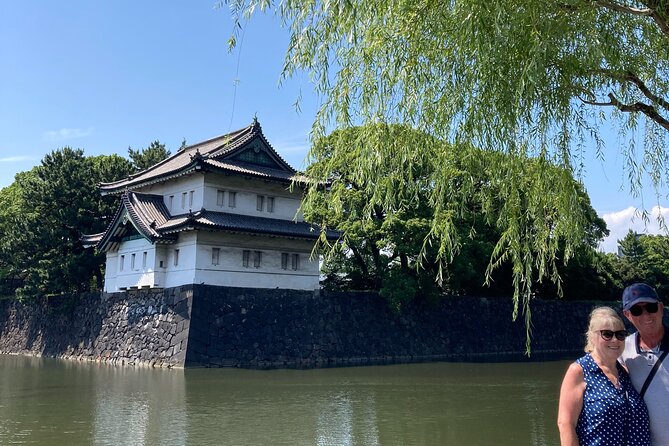
The tour ends at Hirakawa-mon Gate, after a final ten-minute summary. This closing stop is more than a convenient endpoint. It gives the guide a chance to tie together the map, the castle defenses, and the social structure discussed along the route.
The end point is in Chiyoda, near the Imperial Palace area. Since the tour does not return you to Tokyo Station, you should think about your next destination before starting. The end point can also be useful if you plan to continue exploring central Tokyo, but no onward itinerary is included.
A summary at the gate is helpful because the walk covers several related subjects. You have heard about physical defenses, political power, and social groups. The final explanation helps connect those pieces instead of leaving you with a string of disconnected facts.
What the $3.25 price really offers
At the listed price of $3.25 per person, this is unusually inexpensive for a two-and-a-half-hour guided experience in central Tokyo. You receive an English-speaking government-licensed guide and a small gift. Meals and bottled water are not included.
The value comes from the guide’s interpretation. Entry to the grounds is free, but understanding what you are seeing is harder without a map or explanation. Even a short tour can turn an ordinary wall or bridge into evidence of how Edo Castle worked.
The price also makes this an easy add-on for a first visit to Tokyo. You are not committing a large part of your sightseeing budget, and the small group should allow for questions. The main tradeoff is that the experience is basic in its included items. There is no meal, drink, or paid museum entry.
Prices can change, so treat $3.25 as the stated rate rather than a permanent promise. Even if the cost changes, the right comparison is not only admission. Compare it with the price of a private guide, the time needed to research the site yourself, and the benefit of having the map explained as you walk.
Group size, guide quality, and the learning style
The maximum group size is eight people. That is small enough for a more personal format than a large city tour, though the actual number may vary up to that limit.
I would choose this tour for the guide’s teaching role. Blanca was praised for her English and pleasant manner, while another guide was credited with giving an excellent history lesson. Those details matter because this experience depends on clear explanation of unfamiliar names, political roles, and castle design.
The format is active and visual. You walk, look at a structure, hear its purpose, and then connect it to the map and the broader story. If you learn best from objects and places, this method should work well.
If you prefer a relaxed stroll with long breaks, you may find the distance demanding. The tour is described as suitable for most people, but that does not remove the need to judge your own comfort with 5.4 kilometers of walking.
Practical points that can make the walk easier
Wear comfortable shoes. The total distance is a major part of the experience, and the tour is not designed as a short photo stop.
Bring your own water because bottled water is not included. Meals are also not included, so plan food before or after the walk rather than expecting a refreshment break during the route.
Check the weather forecast. The activity requires good weather, and poor conditions can lead to a rescheduled date or full refund. Since much of the experience takes place outside, this policy is sensible rather than a minor footnote.
Arrive with the Marunouchi South Exit in mind, not just Tokyo Station. The meeting explanation was revised after people had difficulty locating the starting point, so use the ground-floor exit detail carefully.
Free cancellation is available until 24 hours before the start time. Cancelling later, or making changes within that period, does not qualify for a refund. That deadline matters if the weather forecast becomes uncertain.
Who should book the Edo Castle walk?
I would recommend this experience to you if you want a low-cost introduction to Tokyo’s political past and enjoy learning through walking. It works particularly well for first-time visitors who want the Imperial Palace area to make sense rather than simply collect a few photographs.
It also suits anyone interested in the shift from Edo Castle to the modern Imperial Palace, the role of the Shogun, or the structure of samurai-era society. The map and surviving castle features give the discussion a useful physical anchor.
Families and mixed-age groups may appreciate the short explanations and outdoor format, although the 5.4-kilometer distance should be considered carefully. Anyone who dislikes walking, needs a lot of sitting time, or wants to enter preserved palace rooms should choose a different activity.
Should you book this Imperial Palace walking tour?
Book it if you want a compact history lesson with real castle remains, a tiny group, and an exceptionally low listed price. The strongest reasons are the illustrated 1650s map, the focus on gates and defenses, and the guide quality shown by the praise for Blanca and the other English-speaking guide.
Skip it if your priority is palace interiors, a food stop, or a short route. Also think twice if hot or wet weather would make 5.4 kilometers unpleasant for you.
For most people who can manage the distance, this is a smart way to give Tokyo’s Imperial Palace area some meaning. You will not see Edo Castle restored as a complete building, but you will gain a clearer picture of the fortress, the people who controlled it, and the society organized around it.
FAQ
How long does the tour last?
The tour lasts approximately two hours and 30 minutes.
How far do you walk?
The route covers about 5.4 kilometers on foot.
Where does the tour start?
It starts at the Marunouchi South Gate Dome at Tokyo Station. The meeting guidance specifies the Marunouchi South Exit on the ground floor.
Where does the tour end?
The tour ends at Hirakawa-mon Gate in Chiyoda City.
Is the tour conducted in English?
Yes. An English-speaking, government-licensed guide leads the experience.
How many people can join the tour?
The maximum group size is eight people.
Are meals or bottled water included?
No. Meals and bottled water are not included.
What happens if the weather is poor?
If poor weather causes a cancellation, you can receive a different date or a full refund. Free cancellation for your own plans is available until at least 24 hours before the start time.
More Royal Palace Tours in Tokyo
- Tokyo: Edo Castle & East Garden of the Imperial Palace Tour
★ 4.7 · 112 reviews - Tokyo Private Tour! Edo Castle & Imperial Palace East Gardens
★ 5.0 · 105 reviews - Full Tokyo: Meiji Shrine, Imperial Palace, Asakusa & Skytree
★ 5.0 · 78 reviews - Tokyo: Imperial Palace, the history of Japan (ENGLISH GUIDE)
★ 5.0 · 77 reviews
More Palace Walking Tours in Tokyo
- Tokyo Castle & Imperial PalaceーShogun Walking Tour
★ 5.0 · 724 reviews - Tokyo Castle, Imperial Palace, Shogun & Garden Walking Tour
★ 5.0 · 211 reviews - Tokyo: Edo Castle and Imperial Palace Guided Walking Tour
★ 5.0 · 6 reviews - Imperial Palace to Tokyo Station Historical Walking Tour
★ 5.0 · 5 reviews
Just added around Tokyo
- From the Imperial Palace to Odaiba : Time travel to Tokyo★ 5.0 · 5 reviews
- Tokyo Skytree, Asakusa, and Imperial Palace 1/2-Day Private Tour★ 5.0 · 3 reviews
- Imperial Palace Tour: Discover Samurai History with a Local Guide★ 5.0 · 20 reviews
- Tokyo Imperial Palace with Kagurazaka Alley Tour★ 5.0 · 54 reviews
- Cherry Blossom Highlights, Asakusa, Ueno, Imperial Palace Garden★ 4.5 · 4 reviews
- Tokyo’s Imperial Palace & Nihonbashi Tour★ 4.5 · 38 reviews
- Private Tour – History, Art and Nature at the Imperial Palace★ 5.0 · 24 reviews
- Tokyo Imperial Palace and Heritage of Edo Castle Private Tour★ 5.0 · 3 reviews
Palace Walking Tours, compared.
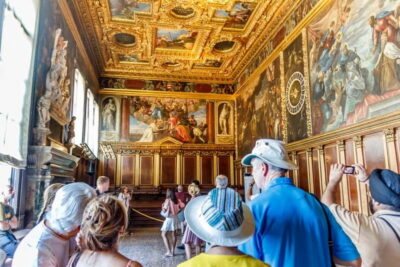
Doge’s Palace and St Mark’s Basilica Walking Tour
Read our review →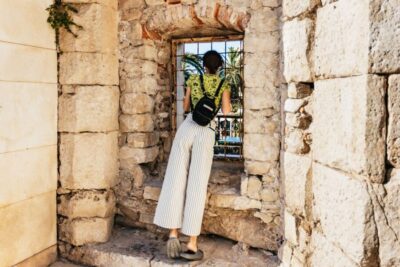

Walking Tour of Split and Diocletian’s Palace
Read our review →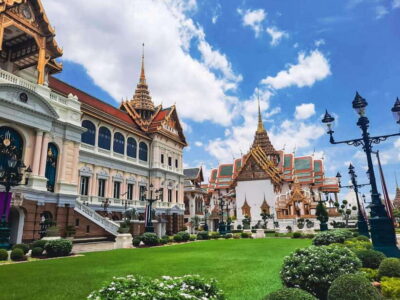
Grand Palace and Wat Phra Kaew Guided Walking Tour
Read our review →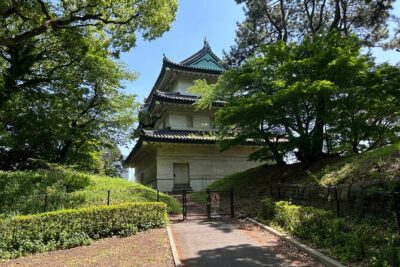
Imperial Palace and Shogun Historical Walking Tour
Read our review →
Madrid Old Town & Royal Palace Walking Tour Skip the Line Ticket
Read our review →
Knossos: Knossos Palace Skip-the-Line Guided Walking Tour
Read our review →
Browse the lists this tour appears in