REVIEW · TOKYO
Tokyo: Imperial Palace East Gardens Walking Tour
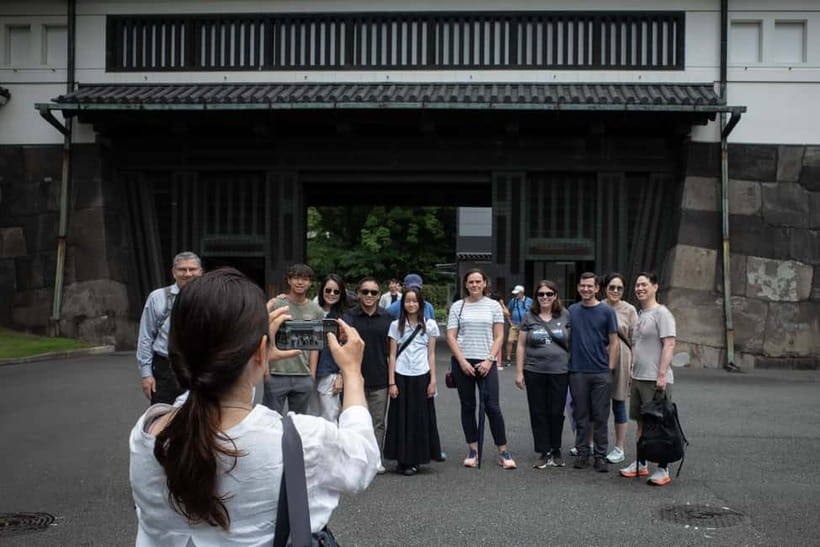
Old Tokyo survives in central Tokyo. This 150-minute walking tour brings you through the East Gardens of the former Edo Castle, where stone walls, guard houses, ponds, bridges, and carefully trimmed trees tell the story of Japan’s shoguns. I especially like the clear contrast between Tokyo’s modern city center and the quiet castle grounds, plus the way guides such as Mei, Kei, and Wakana make the past easy to follow. The main drawback is simple: this tour does not enter the Imperial Palace itself, and the gardens contain more foundations and preserved structures than complete castle buildings.
At $19 per person, I see this as a strong-value introduction to Tokyo’s history, especially if you are visiting the city for the first time. I also like that the walking pace leaves room to stop, ask questions, and take photographs. In rainy weather, though, the experience depends heavily on your guide and your willingness to keep walking outdoors.
Key things to know before you book
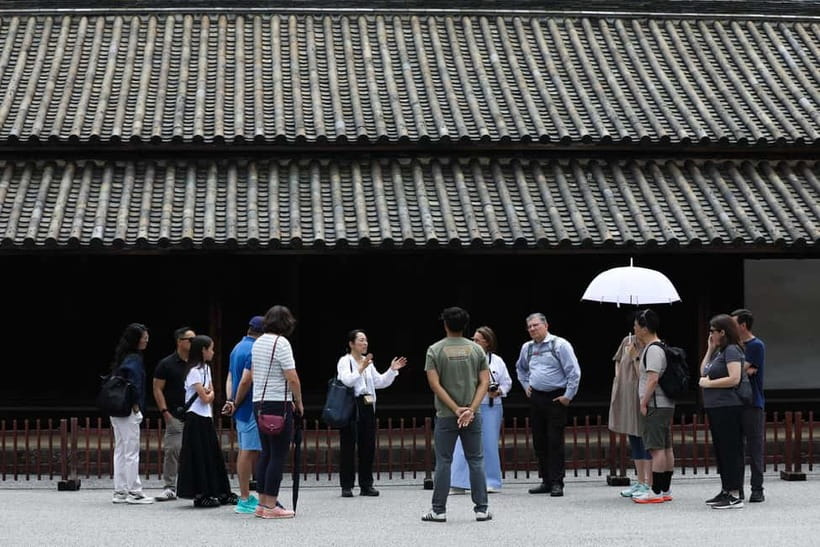
- The East Gardens occupy former Edo Castle grounds: You walk through the area once used by the Tokugawa shoguns, not through the modern Imperial Palace.
- Honmaru shows the castle’s missing center: Foundations, gates, and defensive features help you picture a complex that no longer survives intact.
- Ninomaru Garden is the calmest stop: Ponds, bridges, trees, shrubs, and stone lanterns create a classic Japanese garden setting.
- Guides bring the ruins to life: Mei has used laminated maps and old images, while Kei, Wakana, Tatsie, Loc, and Mieko have earned praise for clear explanations and warm personalities.
- The season changes the mood: Cherry blossoms brighten spring, while late November and fall bring colorful leaves.
- You finish where you began: The meeting point is near Starbucks Coffee at Kokyo Gaien Wadakura Fountain Park, close to Tokyo Station.
Why Edo Castle matters in modern Tokyo
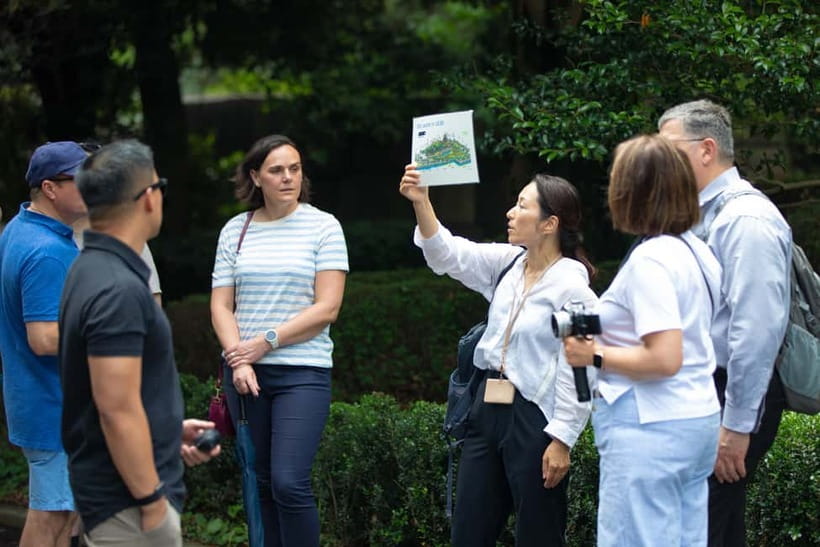
The East Gardens offer a useful way to understand Tokyo before you tackle its temples, museums, and crowded shopping districts. The ground once belonged to Edo Castle, the political center of the Tokugawa shogunate during the Edo period.
That matters because the site connects several chapters of Japanese history in one walk. You hear about shoguns, emperors, samurai society, military planning, and the later role of the Imperial Palace. At the same time, you are looking at a peaceful garden in the middle of a modern capital.
I like this pairing of stories and scenery. A castle ruin by itself can feel abstract. A garden without context can become a pleasant but forgettable stroll. Here, the guide links the two, explaining why a wall was built, how a gate controlled movement, or where an important part of the old castle once stood.
The experience is also a good choice if you want history without committing to a full-day museum visit. The tour lasts two and a half hours, long enough to build a picture of Edo Castle but short enough to fit around other Tokyo plans.
More Palace Gardens and Grounds in Japan
- Imperial Palace East Garden and Edo Castle Walking Tour in Tokyo
★ 5.0 · 510 reviews - Tokyo Castle, Imperial Palace, Shogun & Garden Walking Tour
★ 5.0 · 211 reviews - Tokyo: Edo Castle & East Garden of the Imperial Palace Tour
★ 4.7 · 112 reviews
Meeting at Wadakura Fountain Park
The tour begins near Starbucks Coffee at Kokyo Gaien Wadakura Fountain Park. Your guide waits nearby at the listed coordinates, 35.68299330000001, 139.7611971.
This is a sensible meeting place for a central Tokyo walk, but I would allow time to locate the exact spot. The name Imperial Palace can make the area sound more compact than it is, and the palace grounds spread across a large part of central Tokyo. Check your meeting instructions before leaving your hotel, then arrive early enough to avoid starting the tour in a rush.
The route returns to the same meeting point. That makes the outing easier to fit into a day of sightseeing because you are not left wondering where the walk ends. You can continue toward Tokyo Station, arrange lunch nearby, or move on to another part of the city.
The tour is offered with a live English-speaking guide. An accessible format is listed, but you should still confirm your personal mobility needs before booking because this is a walking experience through historic garden grounds.
Entering the East Gardens

Once inside the East Gardens, the pace shifts. Tokyo’s traffic and towers give way to open paths, trees, ponds, and carefully maintained planting.
The gardens are not simply decorative. Their layout reflects the old castle complex and the Japanese preference for using water, stone, trees, and controlled views to create a sense of order. Your guide points out details that are easy to miss when you walk alone, including stone construction, defensive features, and the purpose of different parts of the grounds.
I would expect the tour to involve steady walking with regular stops for explanations. That is a good format here. You need time to listen, then look around and connect the explanation with what remains on the ground.
The gardens change noticeably with the calendar. Spring brings cherry blossoms, while fall can bring strong color in the trees. Reviews from late November describe the foliage as a highlight. Winter may offer a quieter visit and clearer views of the garden structure, but you will see less seasonal color. Summer can be warm, so comfortable shoes, water, and weather protection make sense.
Honmaru: picturing the castle that is gone
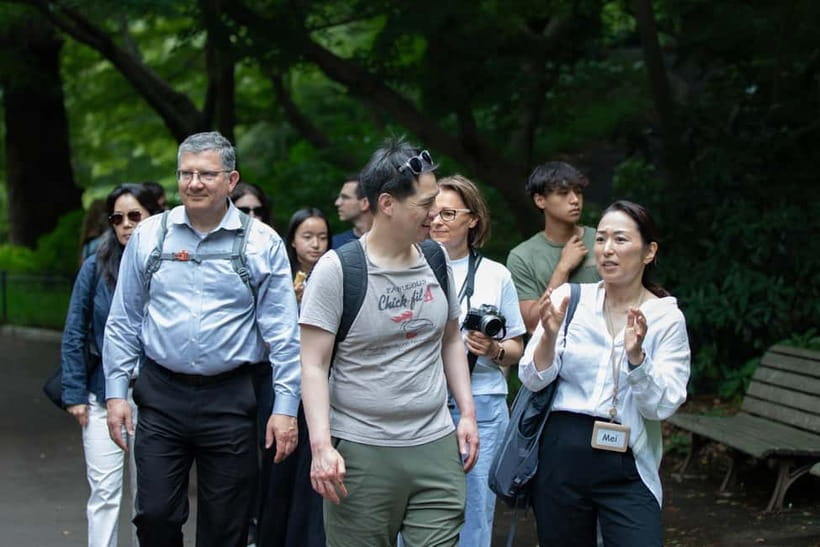
The Honmaru area was once the main compound of Edo Castle. Today, the experience comes from reading the remaining foundations, gates, defensive structures, and open spaces rather than walking through a complete palace.
This is where a guide adds real value. Ruins do not always explain themselves. A stone base may look like an ordinary platform until someone tells you what stood there, how the space related to the rest of the castle, and why its position mattered.
Several guides have used visual aids to help with this problem. Mei, in particular, has shown laminated maps and historical images to make the former castle easier to picture. That is a smart touch because it lets you compare the present garden with the earlier arrangement of buildings and courtyards.
The military side of the site is also interesting. Stone walls, gates, guard houses, and watch towers reveal that Edo Castle was designed for protection as well as ceremony. You get a sense of how movement could be controlled and how the castle’s layout supported its power.
I would not book this tour expecting a grand intact castle interior. There is no palace room, throne hall, or complete keep to explore here. The reward is different: you use fragments, maps, and stories to reconstruct the site in your imagination.
More Palace Walking Tours in Japan
- Tokyo: Imperial Palace and Shogun Historical Walking Tour
★ 5.0 · 2,251 reviews - Tokyo Castle & Imperial PalaceーShogun Walking Tour
★ 4.7 · 1,068 reviews - Tokyo: Imperial Palace Japanese History Walking Tour
★ 4.9 · 987 reviews - Tokyo: Imperial Palace and Shogun Walking Tour
★ 4.9 · 935 reviews
Ninomaru Garden and traditional Japanese design
Ninomaru Garden is likely to be the most visually pleasing part of the walk. Its ponds, bridges, trees, shrubs, and stone lanterns create a composed scene that invites you to slow down.
The design is carefully arranged, but it does not feel stiff. Water opens up the view, trees frame parts of the garden, and stones give the scene structure. Your guide can help explain how these elements work together, rather than treating the garden as a collection of attractive objects.
This is also a good place for photographs. You may have time to look around at your own pace, and guides have offered to take pictures for visitors. That small bit of help matters when you are traveling as a couple or family and want everyone in the frame.
The garden offers a useful counterpoint to Honmaru. In Honmaru, you think about power, defense, and the lost castle. In Ninomaru, you focus on restraint, beauty, and quiet observation. The two areas make the tour feel more varied than a simple walk around old walls.
If gardens are your main reason for booking, you should know that the tour still gives substantial attention to history. This is not a purely botanical walk or a silent garden visit. You will hear plenty about Edo Castle, shoguns, emperors, and Japanese customs.
What the guides add to the experience
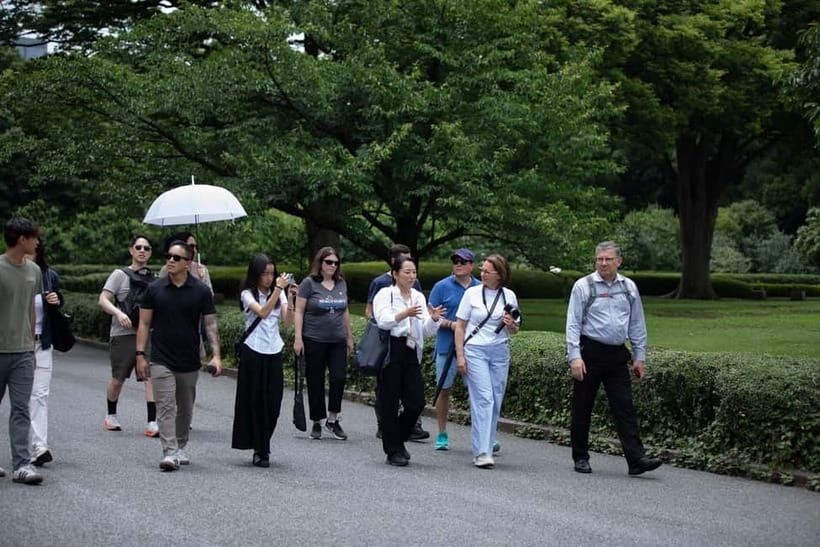
The strongest part of this tour is the human explanation. The route itself is worthwhile, but the guide determines how much you take away from it.
Mei is frequently praised for being friendly, funny, patient, and thorough. She has answered questions, suggested other places to visit, offered to take photographs, and used printed materials to explain the castle. Kei is also praised for clear historical explanations and a welcoming manner.
Wakana has been described as helpful, warm, and easy to talk with, with excellent English. Tatsie has been appreciated for presenting information lightly, mixing history, shogun culture, customs, and humor. Loc has received similar praise for his enthusiasm and ability to explain the samurai, emperors, and the Imperial Palace in an engaging way.
Mieko, Miyu, Midori, Fuku, and other guides have also been praised for friendliness, good pacing, and answers to questions. The names show that you may not receive one particular guide, but the pattern is encouraging: the experience depends on guides who make the subject approachable rather than delivering a dry lecture.
Some guides also share modern connections and occasional stories about the Imperial family. That can make the tour feel less like a distant history lesson. Still, I would treat the informal stories as an extra, not the main reason to book. The strongest content is the explanation of Edo Castle, the gardens, and the shift from shogun rule to imperial Tokyo.
Pace, weather, and practical comfort
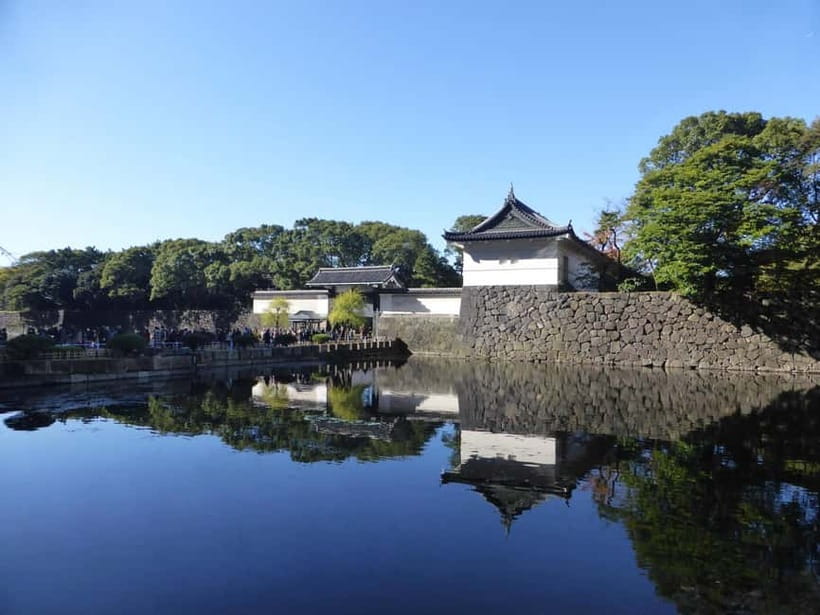
Two and a half hours is a useful length for this route. You get enough time to cover Honmaru and Ninomaru without reducing the walk to a quick photo stop.
The best guides keep the pace moving but allow time to look around. Several comments praise tours that felt well paced, with enough pauses for questions and garden viewing. That balance is important because a history-heavy walk can become tiring if every stop turns into a long speech.
Weather can change the experience. Rain does not necessarily ruin it, and guides have kept groups engaged in wet conditions, but the garden will be less comfortable when paths and open areas are damp. Bring an umbrella or rainwear if the forecast looks uncertain. In hot weather, bring water and wear light clothing. In spring and fall, comfortable walking shoes and a light layer should be enough for most people.
The tour is listed as wheelchair accessible. Because the visit takes place outdoors on historic grounds, I would still confirm the route details in advance if you need specific surface or access arrangements.
Is $19 a fair price?
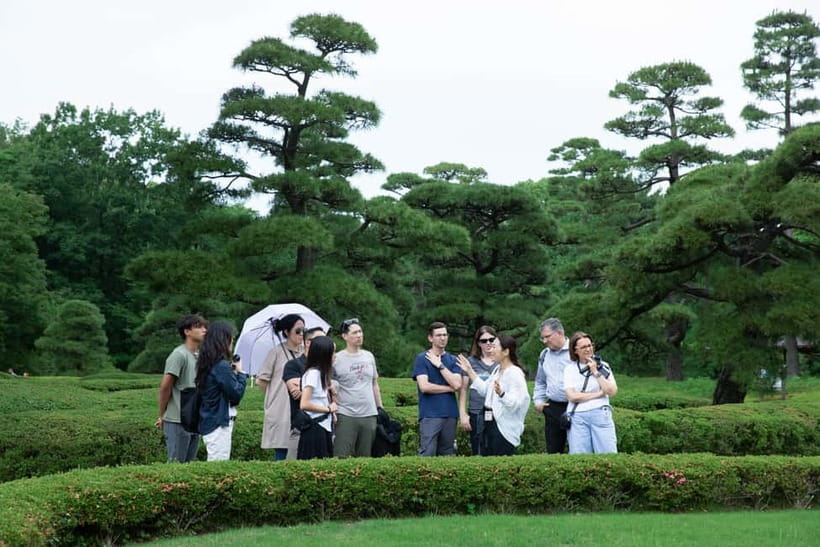
At $19, I consider this a good value if you want context rather than just a walk through attractive gardens.
You can see the East Gardens without paying for a private luxury tour, and the guide gives you a structured way to understand what you are seeing. The price is especially reasonable for solo visitors, couples, and families who might otherwise spend their entire visit looking at stones and trees without knowing how they fit into Edo Castle.
The value is less obvious if you prefer to explore quietly with no commentary. You can enjoy the garden atmosphere on your own, and the tour adds a fixed time commitment. It also does not include entry to the Imperial Palace itself, so you should not confuse this with a palace interior visit.
I would think of the fee as payment for interpretation, route planning, and answers to your questions. The ruins are the raw material. The guide helps turn them into a readable story.
Free cancellation up to 24 hours before the tour and the option to reserve now and pay later make the booking more flexible. Those policies are useful if your Tokyo schedule is still changing.
Who will enjoy this walking tour?

I would recommend it most strongly to:
- First-time visitors who want a clear introduction to Tokyo’s older political center
- People interested in shoguns, samurai, emperors, military design, and Japanese customs
- Garden lovers who want the history behind traditional Japanese planting and water features
- Families who benefit from stories, maps, and a guide who can answer questions
- Visitors staying near Tokyo Station who want a manageable half-day activity
- Photographers visiting in cherry blossom or fall foliage season
I would be more cautious if you want to enter the palace, see preserved castle rooms, or avoid walking outdoors. The site is also less rewarding for anyone who expects a complete castle complex rather than foundations and defensive remains.
Should you book the Imperial Palace East Gardens tour?
I would book this tour if you want a friendly, well-paced explanation of one of Tokyo’s most important historic sites for $19. The combination of Honmaru ruins, Ninomaru Garden, seasonal scenery, and English commentary gives you more than a simple garden stroll.
Choose a spring date for cherry blossoms or a fall date for colorful leaves if scenery matters most. If history is your priority, any season can work, since the castle foundations, walls, gates, and guide’s explanations remain the core of the visit.
Skip it if your main goal is to enter the Imperial Palace. The tour stays in the East Gardens and does not go inside the palace. For everyone else, especially visitors who want Tokyo’s old and modern sides in one outing, this is an easy activity to fit into a busy itinerary.
FAQ
How long does the Imperial Palace East Gardens walking tour last?
The tour lasts 150 minutes, or two and a half hours.
Where does the tour begin?
The meeting point is near Starbucks Coffee at Kokyo Gaien Wadakura Fountain Park. The listed coordinates are 35.68299330000001, 139.7611971.
Does the tour enter the Imperial Palace?
No. The tour visits the East Gardens, which are part of the former Edo Castle grounds, but it does not go inside the Imperial Palace.
Is an English-speaking guide included?
Yes. A live English-speaking guide is included with the walking tour.
What can I see in the East Gardens?
You can see the former Honmaru area, castle foundations, gates, defensive structures, stone walls, guard houses, watch towers, ponds, bridges, bonsai trees, and Ninomaru Garden.
Can I cancel the tour for a refund?
Yes. You can cancel up to 24 hours in advance for a full refund. The experience also offers a reserve-now, pay-later option.
More Royal Palace Tours in Japan
- Kyoto: Imperial Palace & Nijo Castle Guided Walking Tour
★ 4.7 · 453 reviews - Tokyo: Imperial Palace, Sensō-ji Temple, & Tokyo Tower Tour
★ 4.5 · 339 reviews - Kyoto: Nijo Castle and Kyoto Imperial Palace Guided Tour
★ 4.6 · 98 reviews - Kyoto: Discover Every Bit of Kyoto Imperial Palace
★ 4.4 · 21 reviews
Just added around Japan
- Kyoto: Discover Every Bit of Kyoto Imperial Palace★ 4.4 · 21 reviews
- Kyoto: Nijo Castle and Kyoto Imperial Palace Guided Tour★ 4.6 · 98 reviews
- Imperial Palace Tour: Discover Samurai History with a Guide★ 5.0 · 12 reviews
- Full Tokyo: Meiji Shrine, Imperial Palace, Asakusa & Skytree★ 4.7 · 16 reviews
- Tokyo Castle, Imperial Palace, Shogun & Garden Walking Tour★ 5.0 · 211 reviews
- Tokyo: Edo Castle & East Garden of the Imperial Palace Tour★ 4.7 · 112 reviews
- Tokyo: Imperial Palace, Sensō-ji Temple, & Tokyo Tower Tour★ 4.5 · 339 reviews
- Kyoto: Imperial Palace & Nijo Castle Guided Walking Tour★ 4.7 · 453 reviews
Palace Gardens and Grounds, compared.
Versailles Palace and Gardens Full Access Ticket
Read our review →
Skip-the-Line Tour of Palace and Gardens Access
Read our review →
Schönbrunn Palace & Gardens Skip-the-Line Tour
Read our review →
Alhambra & Gardens Tour w/Nasrid Palaces Option
Read our review →
Versailles Palace & Gardens with Transportation
Read our review →
Skip-the-Line Schönbrunn Palace & Gardens Tour
Read our review →
Versailles Palace Guided Tour & Gardens Access
Read our review →