

REVIEW · TOKYO
Imperial Palace Tour: Discover Samurai History with a Local Guide
Tokyo’s past begins behind stone walls. This two-hour walk brings you into the Imperial Palace East Gardens, once part of Edo Castle, where you can see old gates, moats, watchtowers, and castle ruins while a local guide explains the samurai and imperial stories behind them. I like the small group of no more than eight people, and I like the $12.90 price, which makes a guided introduction to central Tokyo easy to fit into a busy trip.
The route also includes memorable sights such as Sakurada Tatsumi Yagura, Nijūbashi Bridge, and the Tenshudai area of the former castle. The main concern is practical rather than historical: one person had trouble finding the guide at the start, so you should allow extra time to locate the Starbucks meeting point at Wadakura Fountain Park.
The tour has a 4.9 rating from 20 ratings, with 100 percent recommending it. That is a strong signal for a low-cost experience, though the small sample and the reported meeting-point confusion are worth keeping in mind.
Key points to know before booking
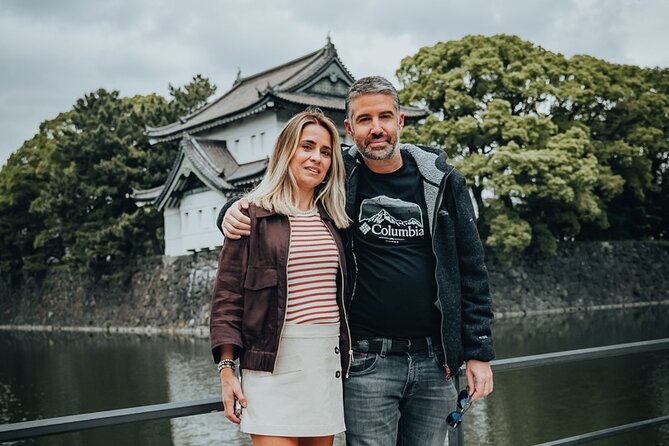
- Edo Castle ruins give the tour its strongest sense of place: You are walking through the former seat of the Tokugawa shogunate, not just viewing a modern palace from outside.
- The maximum group size is eight: This gives you a better chance to hear the guide and ask questions than on a large coach tour.
- Sakurada Tatsumi Yagura is a rare surviving structure: The two-story watchtower helps you picture how Edo Castle was guarded.
- Nijūbashi provides the classic palace view: The elegant bridge and moat offer one of Tokyo’s most recognizable imperial scenes.
- The cost is unusually modest: At $12.90 per person, the tour can be good value if you want context rather than a long, elaborate excursion.
- The walk begins and ends at the same place: The meeting point is Starbucks Coffee at Kokyogaien Wadakura Fountain Park.
Why the Imperial Palace East Gardens matter
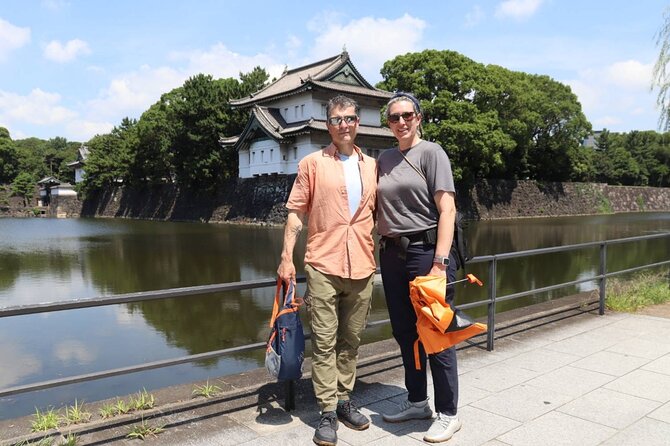
The Imperial Palace can feel distant at first. Much of the inner palace area is not open for ordinary sightseeing, and a casual walk around the outer roads may leave you with more questions than answers. The East Gardens solve that problem by giving you public access to part of the former Edo Castle grounds.
That setting gives the tour real weight. You see broad stone foundations, old walls, gates, planted areas, and traces of the castle that once controlled political life in Japan. The buildings are not all intact, but the remains make the site easier to understand than a museum display alone.
I especially like the way this tour connects three eras. You learn about samurai power under the Tokugawa shogunate, the imperial role that followed, and the modern capital that grew around the palace. The story is not only about warriors and emperors. It is also about how Tokyo changed from Edo, a fortified seat of military government, into the political center of modern Japan.
The guide’s commentary is important here. Without explanation, a stone base or watchtower can look like just another old structure. With context, you can read the walls as evidence of defense, rank, and authority.
More Royal Palace Tours in Japan
- Tokyo: Imperial Palace and Shogun Historical Walking Tour
★ 5.0 · 2,251 reviews - Tokyo: Imperial Palace Japanese History Walking Tour
★ 4.9 · 987 reviews - Tokyo: Imperial Palace and Shogun Walking Tour
★ 4.9 · 935 reviews
Meeting at Wadakura Fountain Park
The tour begins at Starbucks Coffee in Kokyogaien Wadakura Fountain Park, at 3-1 Kōkyogaien in Chiyoda City. This is a useful central starting point, but do not treat it as a place to arrive at the last second. One participant reported difficulty finding the guide before the tour got underway.
I would arrive early, check the exact Starbucks location, and keep the booking confirmation ready on your phone. The activity provides a mobile ticket, and confirmation is sent when you book. The extra few minutes can spare you a rushed start, especially in a busy part of Tokyo where large open spaces and several nearby paths can make orientation less obvious.
The tour returns to the same meeting point. That is helpful if you are planning lunch, another palace-area visit, or a train connection afterward. The schedule is about two hours, but I would avoid booking a tight connection immediately after it. A guided walk can finish close to its stated time, yet the pace may vary.
Sakurada Tatsumi Yagura, a surviving castle watchtower
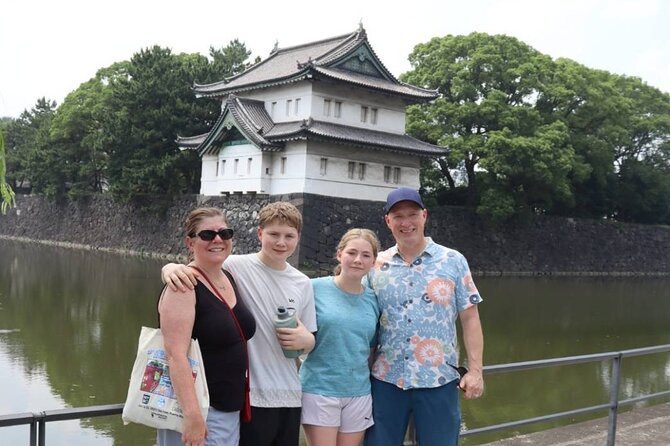
The first major stop is Sakurada Tatsumi Yagura, also called Sakurada Nijū Yagura. You have about 30 minutes here, making it the longest single stop on the route.
This two-story watchtower dates from the Edo period and is one of the few surviving structures connected with the old castle. Its value is not just visual. A watchtower tells you how seriously the castle treated defense. Edo Castle was the center of the Tokugawa shogunate, and towers like this helped guard approaches through the walls and moats.
The name Tatsumi refers to the southeast direction in traditional Japanese directional language. You do not need to remember every term to appreciate the structure, but the detail helps show that the castle was carefully organized, not simply a collection of buildings placed around an open compound.
Thirty minutes is enough time for the guide to explain the tower, point out its architectural features, and connect it to the larger castle system. You may also have time to take photographs and look closely at the surrounding stonework.
The limitation is that you are seeing one surviving tower rather than a complete castle. The Edo Castle buildings are mostly gone, so the experience depends on the guide’s ability to turn fragments into a clear picture. That is one reason the small group matters. You can listen closely and ask for clarification if the layout feels difficult to imagine.
Nijūbashi and the palace’s most familiar view
The next stop is Nijūbashi, known in English as the Two-tiered Bridge. The visit lasts about 15 minutes.
This is one of the most recognizable views associated with the Imperial Palace. The bridge crosses the moat and forms the approach toward the inner palace grounds. Its stone arches and formal setting make it a natural place for photographs, but the guide can also explain why this entrance has become such a familiar symbol of the imperial residence.
The short stop works well because Nijūbashi is mainly a viewpoint and orientation point. You can take in the bridge, moat, palace surroundings, and the contrast between old defensive features and present-day Tokyo.
It is important to keep expectations realistic. This is not described as a palace interior visit, and you should not expect access to private imperial rooms. The appeal lies in the exterior setting and the historical meaning of the approach.
I see this stop as a useful pause between the watchtower and the East Gardens. Sakurada Tatsumi Yagura speaks more directly to military authority. Nijūbashi shifts the mood toward ceremony and the continuing presence of the Imperial Palace.
More Royal Palace Tours in Tokyo:
- Imperial Palace East Garden and Edo Castle Walking Tour in Tokyo
★ 5.0 · 510 reviews - Tokyo: Imperial Palace East Gardens Walking Tour
★ 4.8 · 353 reviews - Tokyo: Imperial Palace, Sensō-ji Temple, & Tokyo Tower Tour
★ 4.5 · 339 reviews - Tokyo Castle, Imperial Palace, Shogun & Garden Walking Tour
★ 5.0 · 211 reviews
East Gardens and the Tenshudai castle ruin
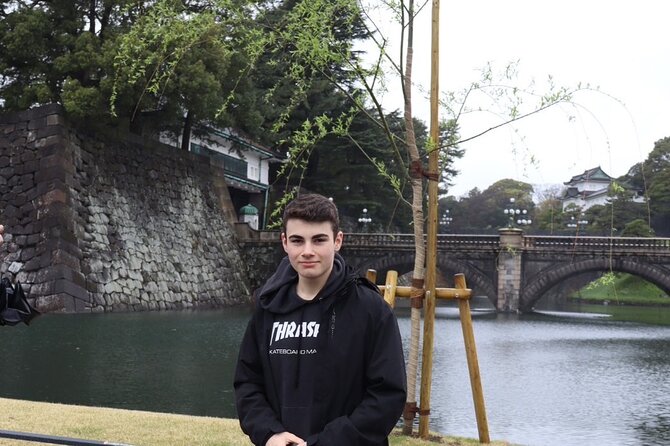
The East Gardens are the heart of the walking portion. You have about 30 minutes to explore the former Edo Castle grounds, including the Tenshudai area.
Tenshudai refers to the stone base of the castle’s main tower. The tower itself is no longer standing, but the foundation gives you a sense of the castle’s scale and position. This is often where the past becomes easiest to picture. A surviving wall is impressive, yet a large stone base lets you understand how much space the main castle structure once occupied.
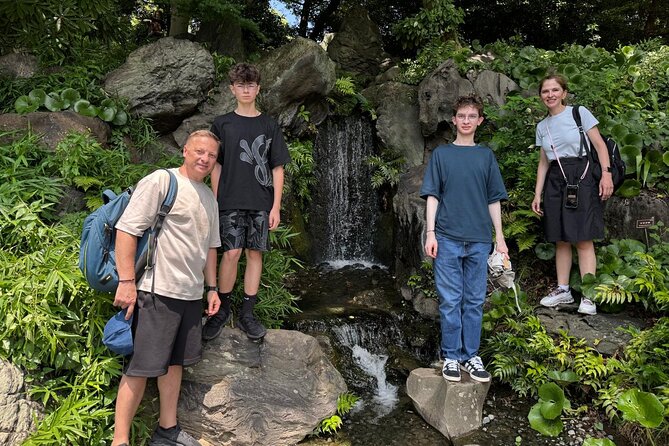
The gardens also add a calmer side to the tour. Paths, seasonal flowers, traditional Japanese planting, gates, and stone walls soften the military character of the old castle. You are not only looking at ruins. You are seeing how the grounds now balance historical remains with carefully maintained public garden space.
The East Gardens are open to the public, which makes this tour a practical way to visit a major historic site without paying a separate admission fee for each stop. The guided format adds interpretation that you would likely miss on a self-guided walk.
Still, the gardens are an outdoor walking environment. The tour requires a moderate level of physical fitness, and you should expect to spend the time on your feet. Comfortable shoes are the sensible choice. The supplied information does not specify a fully accessible route or detailed weather arrangements, so anyone with mobility concerns should confirm those points before booking.
The Imperial Palace and Tokyo’s changing power
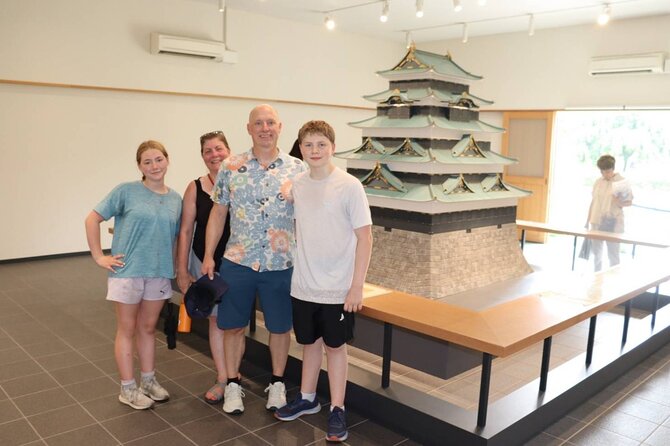
The final stop is the Imperial Palace itself, with about 30 minutes devoted to the site and its setting. The palace is the Emperor of Japan’s residence and occupies the former Edo Castle grounds in Chiyoda Ward.
The key value of this part of the tour is the connection between the visible palace area and the earlier castle story. The same general site has served very different political roles. Under the Tokugawa shogunate, Edo Castle was the base of military government. Today, the Imperial Palace represents Japan’s imperial institution.
That change gives the walk more meaning than a simple list of old structures. You can look at the moats and stone walls while considering how power was organized in different periods. The guide’s discussion of emperors, samurai, and Tokyo’s growth should help you connect the physical setting to those political shifts.
Again, do not book this expecting a full interior palace tour. The experience focuses on outdoor areas, historic remnants, and public views. For many people, that is enough. You get the setting without spending half a day on a formal palace visit.
The tour ends back at the original Starbucks meeting point. That simple return route makes the activity easy to pair with other plans in central Tokyo.
What the $12.90 price really buys you
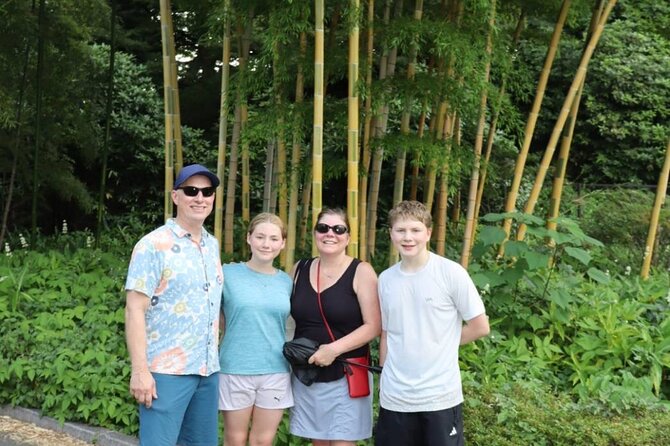
At $12.90 per person, this is a very inexpensive guided experience for central Tokyo. The main thing you are paying for is not admission. The listed stops have free admission. You are paying for a guide who gives meaning to the ruins, explains the samurai and imperial connection, and keeps the visit moving.
That can be good value if you are new to Japanese history or if you want more than photographs. A self-guided walk through the East Gardens is possible, but you might miss why a watchtower mattered, what the Tenshudai represents, or how the palace site changed from Edo Castle into an imperial residence.
The value is also helped by the small maximum group size. Eight people is small enough to make the walk feel more personal without the price of a private tour. Group discounts may also be available, which could make the cost even better for families or companions booking together.
The tradeoff is the short duration. Two hours gives you a clear introduction, not an exhaustive study of the palace grounds. You will not see every corner or explore the full story of Edo-period Tokyo. If you want a long architecture tour or a full-day historical experience, this will feel brief.
Who will enjoy this walk most
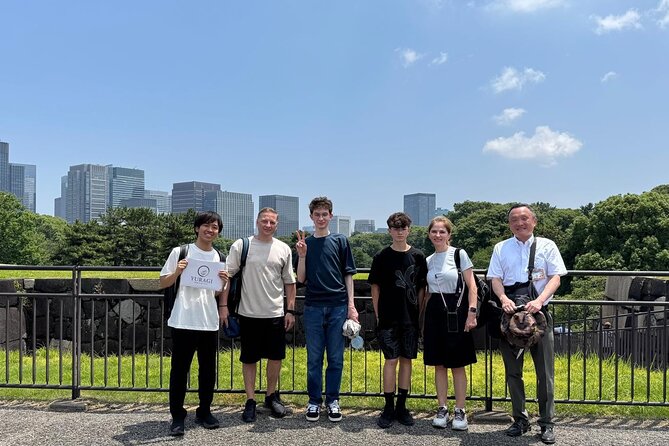
I would recommend this tour to first-time visitors who want a quick historical anchor in Tokyo. It is also a good fit if you enjoy walking, old fortifications, Japanese gardens, and stories about how political power shaped a city.
Families and small groups may appreciate the modest price and limited group size. The guide can make the ruins easier for younger visitors to understand, though the two-hour walk still requires a moderate fitness level.
This is less suitable if you want access to palace interiors, a private guide, or a highly specialized academic lecture. It may also disappoint anyone expecting a complete castle reconstructed in wood. What you see are surviving structures, foundations, walls, moats, and public garden spaces.
The strongest praise attached to the experience is its overall satisfaction score and recommendation rate. The one clear weakness is the start of the meeting process. A little preparation on your part should reduce that risk.
Practical details that affect your decision
The tour is offered with a mobile ticket, and confirmation arrives at booking. Service animals are allowed, and the meeting point is near public transportation. The exact transportation route is not provided, so check your own route to Kokyogaien Wadakura Fountain Park before the day.
Free cancellation is available up to 24 hours before the start time. Canceling within 24 hours, or making changes during that period, does not qualify for a refund. The cut-off follows local Tokyo time.
The activity is provided by YURAGI. Since the experience is outdoors, your comfort will depend on the day’s conditions, your shoes, and your ability to walk for roughly two hours. The supplied details do not list a specific guide name, so you should not expect to select a particular guide when booking.
Should you book the Imperial Palace tour?
I would book it if you want an affordable, focused introduction to Tokyo’s samurai and imperial past. The East Gardens, Sakurada Tatsumi Yagura, Nijūbashi, and Tenshudai give you a strong set of sights in two hours, while the group size keeps the experience from feeling like a mass tour.
I would skip it only if you need palace interior access, a longer historical program, or a fully specified accessibility plan. Arrive early at the Wadakura Fountain Park Starbucks, keep your mobile confirmation handy, and think of the tour as a well-priced orientation rather than a complete exploration of Edo Castle.
For $12.90, that is a fair bargain. You get the walls, ruins, gardens, and iconic bridge, plus the historical thread that ties them together.
FAQ
How long is the Imperial Palace tour?
The tour lasts approximately two hours.
How much does the tour cost?
The listed price is $12.90 per person.
Where does the tour begin?
It begins at Starbucks Coffee in Kokyo Gaien Wadakura Fountain Park, 3-1 Kōkyogaien, Chiyoda City, Tokyo 100-0002, Japan.
Where does the tour end?
The activity ends back at the meeting point.
What is the maximum group size?
The group can include a maximum of eight participants.
Is admission to the stops included?
The listed admission for Sakurada Tatsumi Yagura, Nijūbashi, the East Gardens, and the Imperial Palace is free.
What will I see at Sakurada Tatsumi Yagura?
You will see a historic two-story watchtower from the Edo period, also known as Sakurada Nijū Yagura.
Does the tour visit Nijūbashi Bridge?
Yes. Nijūbashi, also called the Two-tiered Bridge, is one of the scheduled stops.
Is the tour suitable for anyone with limited fitness?
The listed requirements say participants should have a moderate level of physical fitness.
Can I cancel for a full refund?
Yes, if you cancel at least 24 hours before the experience’s start time. Cancellations within 24 hours are not refunded.
More Heritage Trips in Tokyo
- Tokyo: Imperial Palace, the history of Japan (ENGLISH GUIDE)
★ 5.0 · 77 reviews - Private Tour – History, Art and Nature at the Imperial Palace
★ 5.0 · 24 reviews - Imperial Palace Tour: Discover Samurai History with a Guide
★ 5.0 · 12 reviews - Imperial Palace to Tokyo Station Historical Walking Tour
★ 5.0 · 5 reviews
Just added around Tokyo
- From the Imperial Palace to Odaiba : Time travel to Tokyo★ 5.0 · 5 reviews
- Tokyo Skytree, Asakusa, and Imperial Palace 1/2-Day Private Tour★ 5.0 · 3 reviews
- Tokyo Imperial Palace with Kagurazaka Alley Tour★ 5.0 · 54 reviews
- Tokyo’s Imperial Palace & Nihonbashi Tour★ 4.5 · 38 reviews
- Cherry Blossom Highlights, Asakusa, Ueno, Imperial Palace Garden★ 4.5 · 4 reviews
- Private Tour – History, Art and Nature at the Imperial Palace★ 5.0 · 24 reviews
- Tokyo Imperial Palace and Heritage of Edo Castle Private Tour★ 5.0 · 3 reviews
- Imperial Palace to Tokyo Station Historical Walking Tour★ 5.0 · 5 reviews
Royal Palace Tours, compared.
Royal Palace Expert Guided Tour with Skip-the-Line
Read our review →

Dubai To Abu Dhabi: Grand Mosque, Royal Palace & Etihad Towers
Read our review →
Madrid Essential: Historic Center, Plaza Mayor & Royal Palace
Read our review →

Abu Dhabi Day-Trip Grand Mosque, Royal Palace & Lunch
Read our review →
Browse the lists this tour appears in