
REVIEW · TOKYO
Tokyo’s Imperial Palace & Nihonbashi Tour
Tokyo’s old center still rewards curious walkers. This four-hour tour pairs the Imperial Palace East Gardens with Nihonbashi’s long-running food, craft, and shopping shops, giving you both shogun-era history and a taste of present-day Tokyo. I especially like the stop for dashi soup stock and the chance to see traditional washi paper up close. I also like that you can choose a morning or afternoon departure.
The main catch is important: this is not a tour inside the Imperial Palace, and there is no palace interior visit. You walk the outer grounds and East Gardens, which are open to the public, then continue to Nihonbashi. The tour also involves plenty of walking, and some promised shop activities can change if a store is closed or a hands-on session is full.
Key points to know before booking
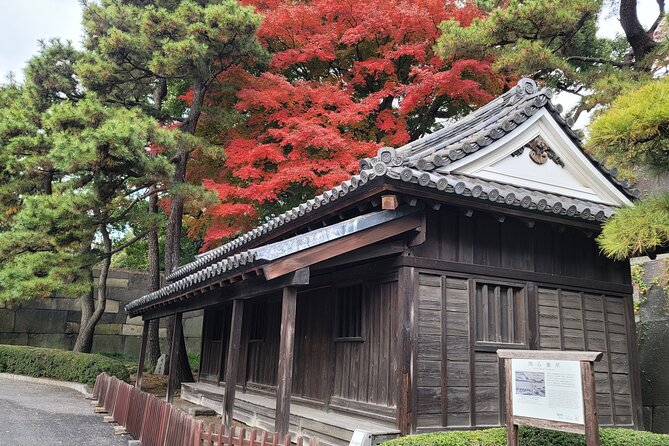
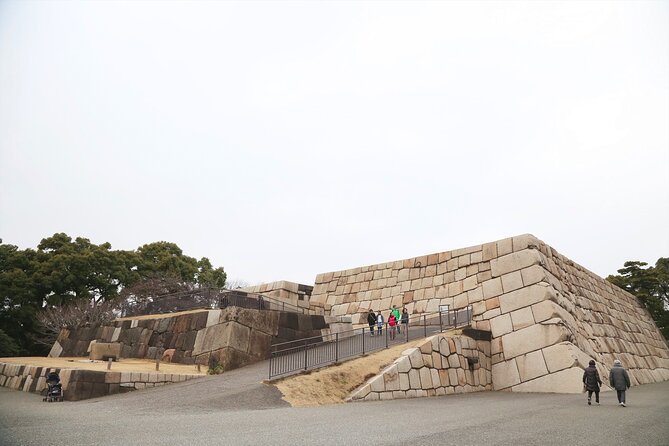
- The East Gardens are the historical heart of the first half: Walk through Otemon Gate, once an entrance to Edo Castle, and see stonework, garden paths, trees, and castle ruins.
- Nihonbashi supplies the local flavor: The route visits old shops selling dashi, nori, knives, and washi paper, rather than keeping you on a standard sightseeing circuit.
- The tour ends with sake from Toyama: A set tasting at a prefectural shop offers a pleasant finish, along with time to browse regional products.
- Expect a walking-heavy half day: The pace can be manageable, but rain, heat, or long walks between stations and stops can make the four hours tiring.
- Guide quality matters: Guides such as Mari, Michi, Kishy, Yama-san, Kudo-san, Toyo, Eriko, Saiyo, Tombi, Yuji, Yoshi, and Andy Watanabe have received warm praise, though one poor report raised concerns about English ability and missed stops.
- The $101.72 price pays for context and access to local shops: It is less attractive if you mainly want a palace visit, since the gardens themselves do not charge admission.
What this Tokyo half-day tour actually covers

The tour begins at Tokyo Station and ends in Nihonbashi, near Nihombashi or Mitsukoshimae stations. That one-way design is useful. You do not finish where you started, and you can continue shopping, eating, or riding the subway from one of central Tokyo’s best-connected areas.
The group can include up to 28 people. That is large enough to feel like a standard group tour, though several experiences have also been run with two guides or very small groups. A morning or afternoon option gives you some control over your day, especially if you are fitting this between other Tokyo plans.
A nationally accredited guide-interpreter leads the walk. This matters in Japan, where a short explanation can make the difference between seeing a shop and understanding why it has survived for generations. The best guides on this tour do more than point out buildings. They explain how Edo Castle shaped the city, why Nihonbashi became a center of trade, and how everyday products such as soup stock, seaweed, knives, and paper fit into Japanese life.
More Royal Palace Tours in Japan
- Tokyo: Imperial Palace and Shogun Historical Walking Tour
★ 5.0 · 2,251 reviews - Tokyo: Imperial Palace Japanese History Walking Tour
★ 4.9 · 987 reviews - Tokyo: Imperial Palace and Shogun Walking Tour
★ 4.9 · 935 reviews
The Imperial Palace grounds and the walk to Otemon Gate
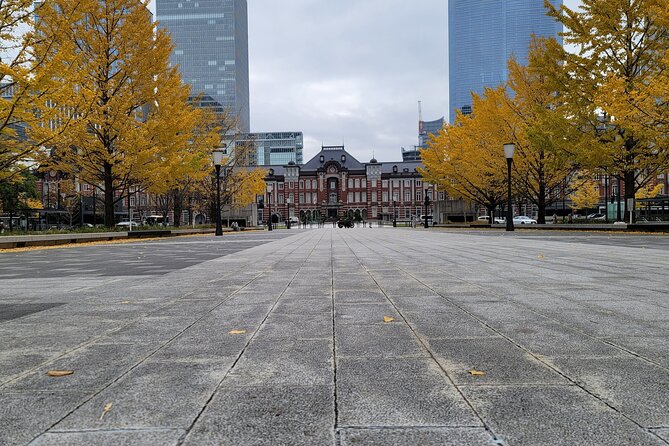
The first portion takes you along a ginkgo-lined avenue toward the Imperial Palace. The outer grounds provide a quiet contrast to the traffic and office towers around Tokyo Station. You will see carefully maintained trees, open space, and palace surroundings rather than grand palace rooms.
That distinction deserves emphasis. The Imperial Palace itself is not toured from the inside. You do not enter the residence of Japan’s Imperial Family. Instead, you explore the accessible outer area and then spend about an hour in the East Gardens.
For many people, this is still the right way to see the palace area. The appeal is not a lavish interior display. It is the sense of stepping from modern Tokyo into the former center of Edo, with broad paths, old gates, stone foundations, and formal gardens close to the city’s financial core.
The gardens can be especially appealing in spring. One visit in mid-April coincided with azaleas and the last cherry blossoms, producing strong seasonal color. The exact display depends on the date, but the grounds are designed for changing seasons rather than a single fixed view.
East Gardens and the Edo Castle ruins
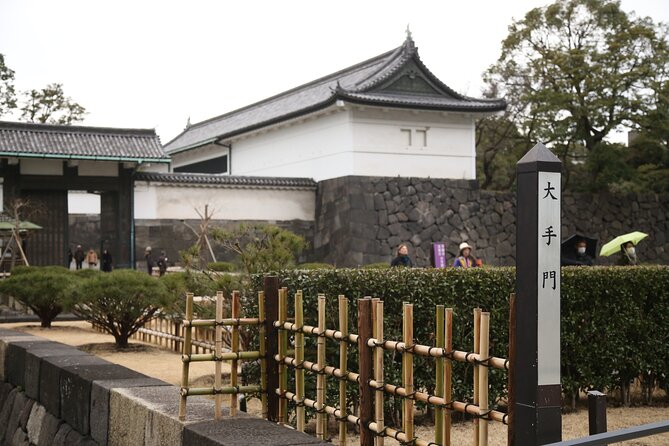
Otemon Gate was once the main entrance to Edo Castle, the seat of the Tokugawa shoguns. Passing through it gives the first half of the tour a clear historical anchor. Inside, the East Gardens combine lawns, trees, flowering plants, defensive stonework, and the remains of the old castle complex.
The guide’s interpretation is the real reason to include this stop. You can walk through the gardens alone, but without context, the ruins may look like walls and stones in a pleasant park. A good guide explains what the castle represented and how the Tokugawa period shaped Japan.
The first palace portion is scheduled for about 75 minutes in total, including the short outer-ground walk and the hour in the gardens. That is enough time for an introduction, but not enough for a slow, detailed botanical visit. If you want to stop at every flower bed or take dozens of photographs, you may feel hurried.
The grounds are also exposed to weather. One family completed the tour in heavy rain with guides who kept the mood upbeat, while another found the walking difficult during a rainy day. In September, heat caused one participant to skip part of the route. Bring water, sun protection, and rain gear according to the forecast. The tour can be adjusted, but the route remains a walking tour.
The move to Nihonbashi
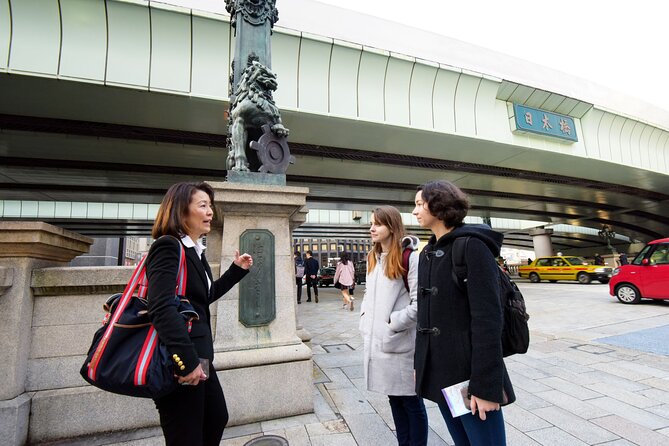
After the palace, the group heads to Nihonbashi. The transfer may involve Tokyo’s subway system, which some people enjoyed as part of the introduction to everyday city life. Transportation to the meeting point is not included, and the tour information does not state that all local transportation costs are covered, so plan for that separately.
Nihonbashi has served as a major commercial district for centuries and marked the start of Japan’s national highway network in the early seventeenth century. The neighborhood is a useful counterpoint to the palace grounds. Here, the focus shifts from political power to trade, craft, food, and established family businesses.
This is the part I find most distinctive. Many Tokyo tours show you large temples, neon streets, or department stores. This one takes you into shops where the products themselves explain Japanese customs.
More Royal Palace Tours in Tokyo:
- Imperial Palace East Garden and Edo Castle Walking Tour in Tokyo
★ 5.0 · 510 reviews - Tokyo: Imperial Palace East Gardens Walking Tour
★ 4.8 · 353 reviews - Tokyo: Imperial Palace, Sensō-ji Temple, & Tokyo Tower Tour
★ 4.5 · 339 reviews - Tokyo Castle, Imperial Palace, Shogun & Garden Walking Tour
★ 5.0 · 211 reviews
Ninben and the taste of dashi
Ninben’s Nihonbashi main store introduces dashi, the soup stock used in dishes ranging from noodle soups to hot pots. The visit lasts about 20 minutes and includes a sample.
Dashi can seem like a small subject, but it is a smart choice for a short cultural tour. It shows how much Japanese cooking depends on carefully prepared basic ingredients. A tasting also gives you something direct to remember, rather than another explanation you will forget by dinner.
The shop has a long history, but the practical value is the demonstration of how stock fits into ordinary meals. You may find packaged products available for purchase, though the included benefit is the sample rather than a full meal.
One caution: the dashi shop may be closed on a particular day. One group arrived to find that this stop was unavailable, and the guides had not known in advance. If this shop is a major reason for booking, understand that the route can change.
Yamamoto Nori and the limits of a shop visit

Yamamoto Noriten Honten has sold nori since 1849. The scheduled visit lasts about 20 minutes and introduces different types of roasted seaweed.
Nori is familiar to many visitors from sushi, but a specialty store gives you a broader look at grades, packaging, and everyday uses. The stop works best when the staff or guide explains what you are seeing and how the seaweed is prepared.
Expect a retail visit, not a factory tour. The advertised description suggests you may watch seaweed being roasted, but at least one group found only packaged nori with little explanation of how it was made. If you are picturing a behind-the-scenes production visit, lower your expectations.
Kiya’s knives and a practical shopping stop
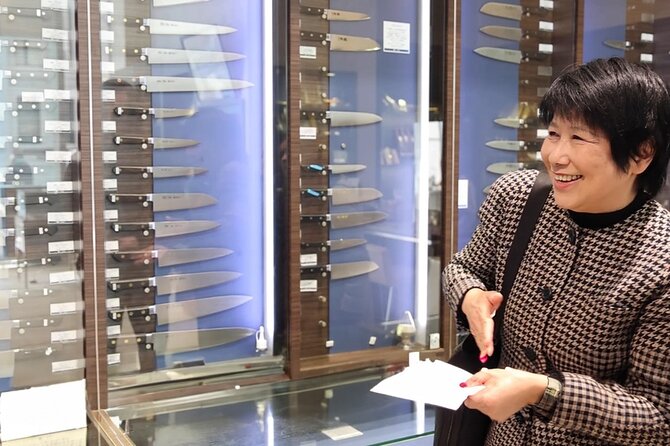
Kiya, founded in 1792, carries traditional Japanese knives along with more modern European-style utensils. The stop lasts about 20 minutes.
This is a good place to browse even if you have no plan to buy. Japanese knives are attractive, useful souvenirs, and a specialist shop lets you compare shapes and purposes in one place. Several people particularly enjoyed the store, while one visitor joked about wanting a beautiful knife but not being able to afford it.
The tour does not promise that you will sharpen a knife yourself. Some descriptions may give that impression, but the reliable expectation is a visit to a historic knife shop with time to look and possibly purchase. Check airline and luggage rules before buying anything large or sharp.
Ozu Washi and the most hands-on stop

Ozu Washi offers the tour’s best craft-focused visit. You see traditional Japanese paper and stationery, learn about washi, and the planned schedule allows about an hour here.
The subject fits Nihonbashi well. Washi is not just decorative paper. It connects material, handwork, writing, packaging, and Japanese design. The store and museum setting provide more depth than a quick retail stop, and the paper display gives you a chance to notice texture and construction.
The description includes making a sheet of washi. In practice, this may not be available to every group. One person found that the activity required advance booking and was already full, with an additional fee for the session. Another group enjoyed a film and the paper store but did not make paper.
Treat paper-making as a possible bonus, not the sole reason to book. The visit remains worthwhile if you like crafts, stationery, or Japanese design, but ask your operator about availability if the hands-on element is essential.
Toyama Prefecture Antenna Shop and the sake finish
The final stop is a Toyama prefectural shop. These antenna shops sell products from one Japanese prefecture, allowing you to sample regional food and goods without leaving Tokyo.
Toyama is on the Sea of Japan coast, and the shop gives the tour a final regional note. The included Japanese sake set is the main attraction. The tasting generally includes three sakes, though the amount of explanation can vary.
This is a relaxed ending after several hours on foot. You can browse products from Toyama, taste sake, and finish near Nihonbashi’s department stores and subway lines. The stop is not a brewery visit or a long sake seminar. It is a shop-based tasting, so expect a simple introduction rather than a technical lesson.
Guide quality can shape the whole day
The strongest part of this tour is often the guide. Mari handled a difficult day of wind and heavy rain with patience. Yama-san and Kudo-san adjusted the pace and asked what a father and son wanted from the visit. Toyo gave special attention to seasonal flowers. Eriko and Saiyo kept a family engaged through a cold, wet day. Michi, Yoshi, Tombi, Yuji, Kishy, and Andy Watanabe were also praised for clear explanations, humor, and local advice.
Several small groups found the guides considerate toward physical limitations and willing to answer questions. That personal attention can turn a basic walk through public gardens into a useful first day in Tokyo.
Still, guide performance is not perfectly consistent. One poor experience involved weak English, missed stops, and a guide who appeared unsure of the route. Since the tour depends heavily on explanation, this is more serious than a minor scheduling flaw. Confirmation of a specific guide is not provided, so you should book for the overall route, not a named individual.
Is $101.72 a fair price?
At $101.72 per person, this is not a cheap walk. The East Gardens are free, the shops are open to the public, and you pay separately for anything you buy. The price makes sense if you value an English-speaking guide, a planned route, dashi and sake samples, and help connecting two areas that you might not naturally combine.
The value is strongest for a first visit. You get a simple explanation of the Tokugawa period, an introduction to central Tokyo, and a look at long-established businesses. You also avoid the work of finding each shop yourself.
The value is weaker if you want a palace interior, a private tour, or guaranteed hands-on workshops. A 28-person maximum can also feel less personal than a small walking tour. Group discounts may help families or friends traveling together, and free cancellation is available up to 24 hours before the start time.
Who should book this tour?
I would recommend it to first-time Tokyo visitors who want history and everyday culture in one half day. It suits you if you enjoy walking, shopping for useful crafts, tasting local products, and asking questions through a guide.
Families can benefit from the variety. The palace gardens provide open space, while the dashi, nori, knife, paper, and sake stops keep the day moving. People with limited stamina should be cautious, since rain and heat have made the route tiring for some participants.
I would skip it if your main goal is to enter the Imperial Palace, see a working food factory, or spend a long time at one museum. I would also avoid booking on a very hot or wet day unless you are comfortable changing the pace.
Should you book it?
Book this tour if you want a guided introduction to two central Tokyo districts and like the idea of learning through ordinary products. The East Gardens provide the historical setting, but Nihonbashi supplies the tour’s strongest character.
Go in with clear expectations. You are visiting palace grounds, not the palace interior. You may see a washi demonstration rather than make paper, and a shop stop may replace a planned visit if a business closes. With those limits understood, the combination of gardens, old shops, dashi, nori, knives, washi, and sake offers a useful and enjoyable half day.
FAQ
How long is the Imperial Palace and Nihonbashi tour?
The tour lasts approximately four hours.
Where does the tour begin?
It begins at Tokyo Station, at 1 Chome-9 Marunouchi, Chiyoda City, Tokyo 100-0005, Japan.
Where does the tour end?
It ends in Nihonbashi. The nearest stations are Nihombashi Station and Mitsukoshimae Station.
Does the tour enter the Imperial Palace building?
No. The route visits the outer grounds and the East Gardens of the Imperial Palace. It does not include an interior palace visit.
Is admission to the East Gardens included?
Yes. Entrance to the East Gardens is included, and no admission ticket fee is listed for the gardens.
Are food and drinks included?
A dashi soup stock sample and a Japanese sake set are included. Other food and beverages are not included.
How many people can join the tour?
The maximum group size is 28 people.
Can I cancel for a full refund?
Yes, if you cancel at least 24 hours before the experience start time. Changes or cancellations made less than 24 hours in advance are not accepted for a refund.
Just added around Tokyo
- From the Imperial Palace to Odaiba : Time travel to Tokyo★ 5.0 · 5 reviews
- Tokyo Skytree, Asakusa, and Imperial Palace 1/2-Day Private Tour★ 5.0 · 3 reviews
- Imperial Palace Tour: Discover Samurai History with a Local Guide★ 5.0 · 20 reviews
- Tokyo Imperial Palace with Kagurazaka Alley Tour★ 5.0 · 54 reviews
- Cherry Blossom Highlights, Asakusa, Ueno, Imperial Palace Garden★ 4.5 · 4 reviews
- Private Tour – History, Art and Nature at the Imperial Palace★ 5.0 · 24 reviews
- Tokyo Imperial Palace and Heritage of Edo Castle Private Tour★ 5.0 · 3 reviews
- Imperial Palace to Tokyo Station Historical Walking Tour★ 5.0 · 5 reviews
Royal Palace Tours, compared.


Royal Palace Expert Guided Tour with Skip-the-Line
Read our review →

Dubai To Abu Dhabi: Grand Mosque, Royal Palace & Etihad Towers
Read our review →
Madrid Essential: Historic Center, Plaza Mayor & Royal Palace
Read our review →

Abu Dhabi Day-Trip Grand Mosque, Royal Palace & Lunch
Read our review →
Browse the lists this tour appears in