
REVIEW · TOKYO
Tokyo: Edo Castle and Imperial Palace Guided Walking Tour
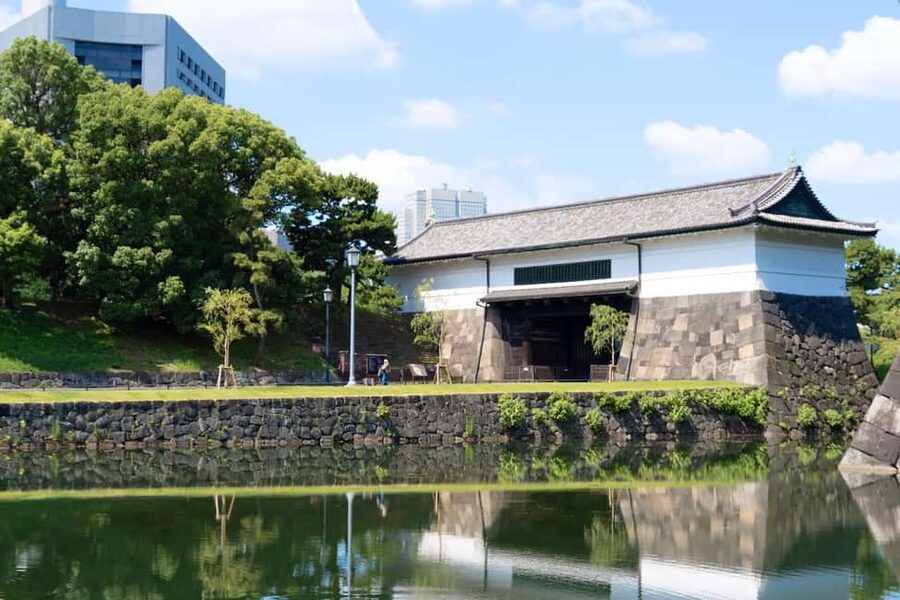
History is hiding in plain sight here. This 150-minute walk turns Tokyo’s castle walls, gates, moats, and ruins into a story about power, politics, and daily life. I especially like the Edo map from the 1650s, which helps you picture a city that no longer exists, and the small group limit of eight, which gives you room to ask questions. The listed price of $3.22 per person is remarkably low for a guided walk, though you should confirm the current price and availability before booking.
I also like the clear link between the Tokugawa Shogunate, the Meiji Restoration, and today’s Imperial Palace. The main consideration is simple: this is a walking tour with many outdoor stops, so cold, heat, rain, or tired feet can affect your enjoyment. Wear good shoes and expect the route to finish at a different place from where it begins.
Key points to know before you go
- The tour begins at Tokyo Station’s Marunouchi South Gate, beneath the historic yellow-colored dome.
- The route covers about 150 minutes, with frequent short walks between gates, guardhouses, moats, and castle ruins.
- The Edo Castle main hall site receives the longest stop, with about 30 minutes for explanation and questions.
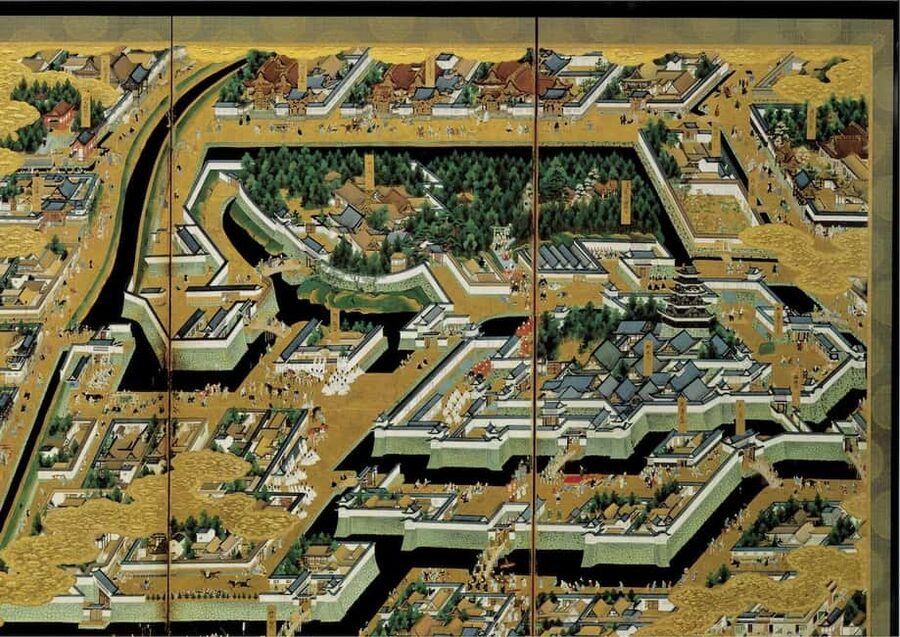
- The guide uses a 1650s map of Edo to show how the shogun’s city was organized.
- The group is limited to eight people, and the tour is conducted in English.
- You finish at Hirakawa Gate, not back at Tokyo Station, so plan your next move from there.
Why Edo Castle matters in modern Tokyo
Tokyo’s Imperial Palace is not an isolated royal attraction. It sits on the grounds of Edo Castle, the political center of Japan for roughly 260 years under the Tokugawa Shogunate.
That change in name and purpose is the key to understanding the walk. First, this was the seat of the shogun, who directed the country’s government from Edo. After the Meiji Restoration, the old order ended, Edo became Tokyo, and the site became the Imperial Palace.
I find this period especially useful for understanding Japan because the tour does not treat the castle as a pile of old stones. It connects the walls to government, class, urban planning, fire, military control, and the lives of people who worked and lived inside the castle compound.
The tour also gives you a physical sense of scale. Rather than viewing the palace from one point, you move around its defensive edges and approach several gates. Moats and stone walls make more sense when you see how they controlled movement and protected the center of power.
More Palace Walking Tours in Japan
- Tokyo: Imperial Palace and Shogun Historical Walking Tour
★ 5.0 · 2,251 reviews - Tokyo Castle & Imperial PalaceーShogun Walking Tour
★ 4.7 · 1,068 reviews - Tokyo: Imperial Palace Japanese History Walking Tour
★ 4.9 · 987 reviews
Meeting at Tokyo Station’s yellow dome
Your starting point is the ground floor of the Marunouchi South Exit at Tokyo Station. Look for the western-style historic dome, which is yellow in color and easy to use as a landmark.
This is a practical meeting place, but Tokyo Station can still feel confusing if you arrive at the wrong exit. Give yourself extra time to find the Marunouchi South Gate rather than relying on a last-minute dash through the station.
From there, the group walks for about five minutes to the Mitsubishi Ichigokan Museum. The museum receives a short guided explanation, about ten minutes, before the route continues toward the castle grounds.
The museum stop helps set the tone for the Marunouchi area, where modern Tokyo sits directly beside the old castle precinct. It is not the main event, so do not expect a full museum visit or extended gallery time. Think of it as an opening point before the tour shifts to gates, stonework, and palace history.
Sakurada-mon Gate and the first castle defenses
After another short walk, you reach Sakurada-mon Gate. The guide spends about ten minutes here, making it one of the more substantial early stops.
Gates are often easy to rush past on your own. On this walk, you have time to look at the entry design, the defensive position, and the relationship between the gate and the surrounding moat. This is where the former castle begins to feel like a working military and political center rather than a pleasant park.
The next few stops are shorter. At a location in Chiyoda, the guide gives about five minutes of explanation, followed by a stop near the Imperial Palace police facility at the Sakashita Gate. You then continue to Kikyo-mon Gate.
These brief pauses may seem small, but they keep the route moving. You are not standing in one place for long stretches, and the steady pattern of walking, looking, and listening suits visitors who prefer a broad overview to a single long lecture.
Kikyo-mon Gate, Sakurada Tatsumi Yagura, and the palace edge
Kikyo-mon Gate and Sakurada Tatsumi Yagura show different parts of the castle’s defensive system. The guide allows about five minutes at Kikyo-mon and six minutes at the yagura, a traditional turret structure.
The route here is useful for noticing how the castle relied on layers of protection. Gates, moats, walls, and guarded approaches worked together. You can also pay attention to the stonework, which becomes one of the tour’s more rewarding details.
A particularly useful point from the tour’s historical discussion is that Edo Castle was built through tenka-bushin, a system in which regional lords contributed labor and materials to major public construction. The stone walls are not all identical. Different sections can show slightly different cutting and fitting styles connected to the groups that built them.
That detail gives you something concrete to look for. Instead of seeing one long wall, you begin comparing the stones and asking how such a huge castle complex was assembled.
More Royal Palace Tours in Japan
- Tokyo: Imperial Palace and Shogun Walking Tour
★ 4.9 · 935 reviews - Imperial Palace East Garden and Edo Castle Walking Tour in Tokyo
★ 5.0 · 510 reviews - Tokyo: Imperial Palace East Gardens Walking Tour
★ 4.8 · 353 reviews - Tokyo: Imperial Palace, Sensō-ji Temple, & Tokyo Tower Tour
★ 4.5 · 339 reviews
Ote-mon Gate and the guarded route inward
Ote-mon Gate is one of the best-known entrances to the former castle, and the guide gives you another five-minute explanation there.
The name and location matter because this was a principal route into the castle. From here, the walk continues to the ruins of Ote-San’no Gate and then to the Hyakunin Bansho Guardhouse.
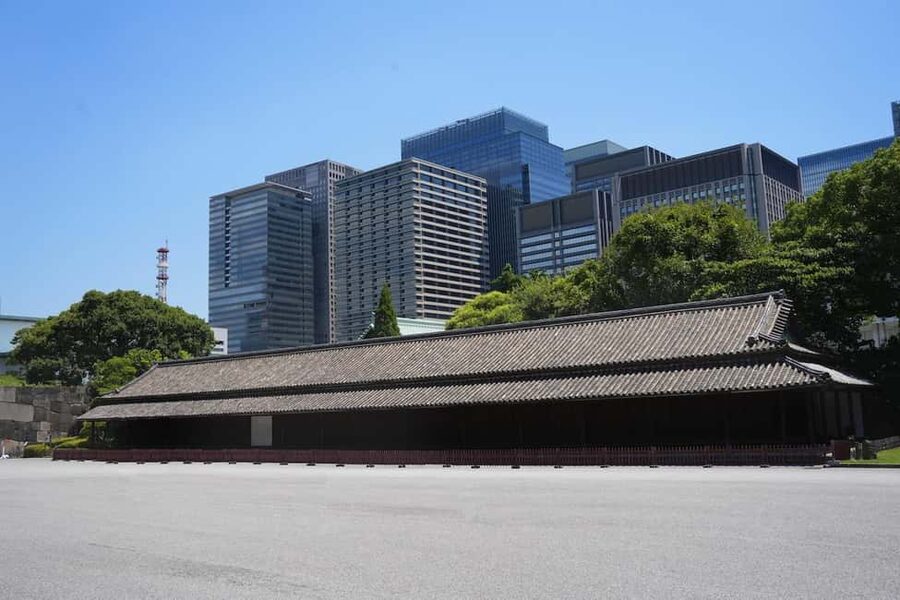
The guardhouse receives about seven minutes, enough time to explain how controlled access worked. A castle was not simply a residence with a wall around it. It had checkpoints, formal approaches, guards, and different levels of access depending on a person’s role.
I like this section because it brings ordinary workers and officials into the picture. The castle story is not only about shoguns and emperors. It also concerns the guards who watched the gates and the many people whose movements were regulated inside the compound.
The frequent short walks can be helpful for your attention, but they also mean you should listen closely. Important points may arrive in five-minute pieces rather than one long talk.
The Honmaru site and the vanished main hall
The most important stop comes at the site of Edo Castle’s Honmaru, or main hall. The guide spends about 30 minutes here, making it the longest explanation on the route.
The main hall itself is gone, so the value lies in learning how this central area functioned and in using the map to picture the former buildings and streets. The 1650s map is especially helpful here. It lets you compare present-day Tokyo with the layout of Edo at the height of the Tokugawa period.
One of the most memorable historical points concerns the Great Fire of Meireki. After the fire, the castle’s keep foundation was completed, but the keep was not rebuilt. The decision favored rebuilding and restoring the city instead of spending resources on a new tower.
That story says a great deal about political choices after disaster. A grand tower would have been a powerful symbol, but repairing Edo and helping the city recover came first. The ruined keep is therefore not just a missing landmark. It represents a decision about priorities.
The discussion also reaches the inner palace area known as the Ooku. You hear about its political side, not only the popular image of a secluded women’s quarter. The tour also introduces features such as the fujomon, or unclean gate, and the obikurawa area. These details show how rules, ritual, privacy, and social rank shaped life inside the castle.
This is the point where the walk becomes most rewarding for people who enjoy social history. You are not merely learning who ruled. You are learning how power was organized and how people lived within that system.
Kita-Hanebashi Gate, Takebashi, and Hirakawa Bridge
After the main hall site, the group moves toward Kita-Hanebashi Gate. The guide gives about five minutes here, followed by a short walk to Takebashi.
Takebashi receives another five-minute explanation. The route then continues to Hirakawa Bridge, where the guide spends about seven minutes before the tour ends at Hirakawa Gate.
These final stops help complete the circuit around the castle’s northern and eastern defenses. The route does not simply end after the main historical talk. You continue seeing how bridges, gates, and moats fitted into the castle’s larger plan.
Hirakawa Gate is an important practical detail. Since the walk ends there, you should not assume you will return to Tokyo Station. The finish point gives you a different position in central Tokyo, so allow a little time to orient yourself before your next activity.
The walking pace, group size, and comfort level
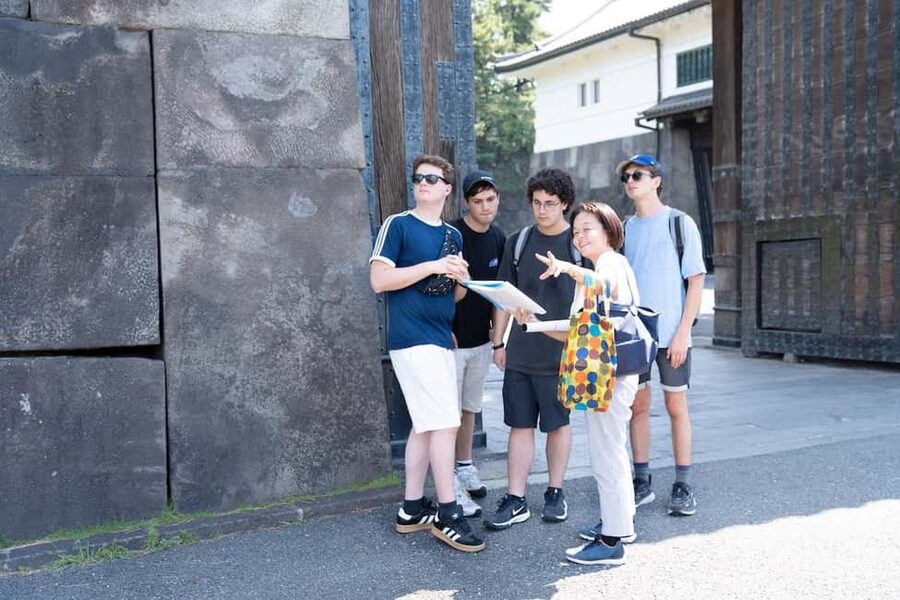
The tour lasts 150 minutes and includes many short walks of four to seven minutes. The total experience is not a strenuous hike, but you remain on your feet for most of the session.
Comfortable shoes are specifically advised, and that is good advice. The route includes outdoor paths, gates, walls, and moats, with repeated movement between stops. If you have mobility concerns, the activity is listed as wheelchair accessible, though you may still want to confirm route conditions and access arrangements before booking.
A maximum of eight participants is a real advantage. Small groups make it easier to hear the English guide, ask about details, and stop without creating a large crowd around each point.
The tour operates in English with a live guide. The guide’s approach includes plenty of historical explanation, and the strongest material covers Edo’s formation, Tokugawa government, cultural development, castle construction, and life inside the palace system.
Is the $3.22 price good value?
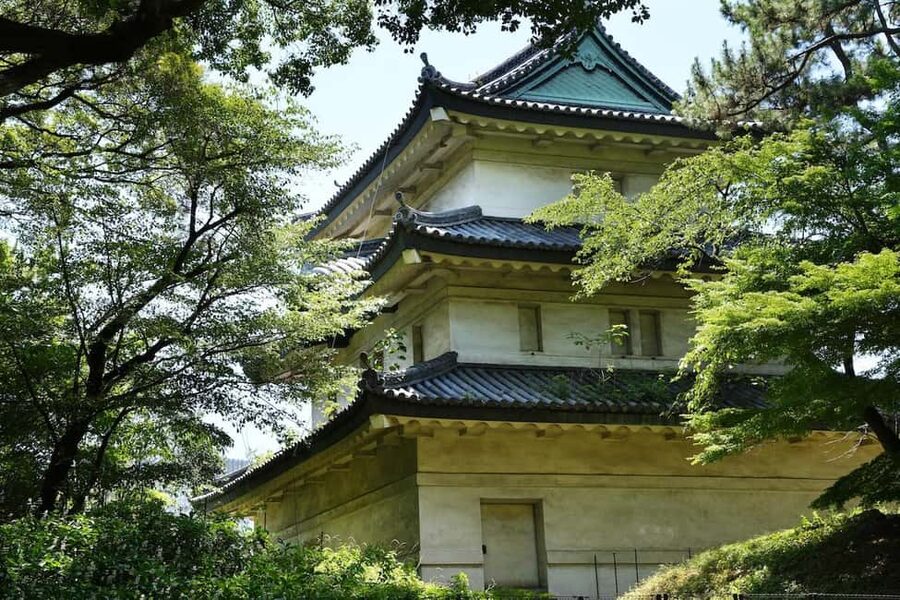
At the listed price of $3.22 per person, the tour offers unusual value if the price is still available. You receive an English-speaking guide, a 150-minute walk, a small gift, and a focused introduction to one of Tokyo’s most important historic sites.
Even at a higher current price, the guide adds something you cannot easily get from walking around the palace grounds with a map alone. The walls and moats are visible, but their purpose is not always obvious. A guide can explain why a gate mattered, how the shogunate operated, and why some structures were rebuilt while others were left in ruins.
The price does not include food, drinks, or transportation to the meeting point. Those costs are easy to manage in central Tokyo, but you should factor them into your day.
The tour also offers free cancellation up to 24 hours before the start time and a reserve-now, pay-later option. Those policies make it easier to fit the walk into a changing Tokyo schedule.
Who should book this castle walk?
I would choose this tour if you want context without committing to a full-day museum program. It suits first-time visitors who want to understand why the Imperial Palace occupies such a central place in Tokyo.
It is also a good match for anyone interested in the Tokugawa Shogunate, the Meiji Restoration, castle construction, or Japanese political history. The discussion of the Great Fire, the abandoned keep reconstruction, the Ooku, and the guard system gives the walk more substance than a simple photo stop.
Families with older children may appreciate the map and the visual clues in the stone walls and moats. The small group format also works well if you like to ask questions.
I would be more cautious if you want to enter many palace buildings, spend a long time indoors, or avoid walking. This is mainly an outdoor history walk, and the Imperial Palace is viewed through its grounds, gates, defenses, and former castle sites.
Should you book the Edo Castle and Imperial Palace tour?
Book it if you want a short, affordable way to connect modern Tokyo with the city of the shoguns. The best parts are the 1650s map, the 30-minute explanation at the Honmaru site, the close look at varied stonework, and the stories about political life inside the castle.
Skip it if your priority is a long palace interior visit or a relaxed sightseeing outing with very little walking. For everyone else, this is a practical introduction to Edo Castle, especially when an English guide and a group of no more than eight people are available at the listed price.
FAQ
Where does the tour begin?
The meeting point is the ground floor of the Marunouchi South Exit at Tokyo Station. Look for the historic yellow-colored western-style dome.
Where does the tour end?
The tour ends at Hirakawa Gate, also written as Hirakawa-mon. It does not finish at the starting point.
How long does the tour last?
The experience lasts 150 minutes, or two and a half hours.
What language is the tour conducted in?
The tour is conducted in English by a live English-speaking guide.
How many people can join the group?
The group is limited to eight participants.
Is transportation included?
Transportation to the meeting point is not included. You need to make your own way to Tokyo Station’s Marunouchi South Exit.
Are meals and drinks included?
No. Meals and drinks are not included.
Is a gift included?
Yes. A small gift is included.
Is the tour wheelchair accessible?
The activity is listed as wheelchair accessible. Since the route includes outdoor walking between gates, walls, moats, and ruins, you may wish to confirm current access details before booking.
What should I wear?
Wear comfortable shoes because the tour involves walking between many outdoor stops.
More Royal Palace Tours in Tokyo
- Tokyo: Edo Castle & East Garden of the Imperial Palace Tour
★ 4.7 · 112 reviews - Tokyo Private Tour! Edo Castle & Imperial Palace East Gardens
★ 5.0 · 105 reviews - Full Tokyo: Meiji Shrine, Imperial Palace, Asakusa & Skytree
★ 5.0 · 78 reviews - Tokyo: Imperial Palace, the history of Japan (ENGLISH GUIDE)
★ 5.0 · 77 reviews
More Palace Walking Tours in Tokyo
- Tokyo Castle & Imperial PalaceーShogun Walking Tour
★ 5.0 · 724 reviews - Tokyo Castle, Imperial Palace, Shogun & Garden Walking Tour
★ 5.0 · 211 reviews - Imperial Palace to Tokyo Station Historical Walking Tour
★ 5.0 · 5 reviews - Tokyo Imperial Palace:Guided Walking Tour of East Gardens
★ 5.0 · 5 reviews
Just added around Tokyo
- From the Imperial Palace to Odaiba : Time travel to Tokyo★ 5.0 · 5 reviews
- Tokyo Skytree, Asakusa, and Imperial Palace 1/2-Day Private Tour★ 5.0 · 3 reviews
- Tokyo Imperial Palace with Kagurazaka Alley Tour★ 5.0 · 54 reviews
- Imperial Palace Tour: Discover Samurai History with a Local Guide★ 5.0 · 20 reviews
- Tokyo’s Imperial Palace & Nihonbashi Tour★ 4.5 · 38 reviews
- Cherry Blossom Highlights, Asakusa, Ueno, Imperial Palace Garden★ 4.5 · 4 reviews
- Private Tour – History, Art and Nature at the Imperial Palace★ 5.0 · 24 reviews
- Tokyo Imperial Palace and Heritage of Edo Castle Private Tour★ 5.0 · 3 reviews
Palace Walking Tours, compared.
Doge’s Palace and St Mark’s Basilica Walking Tour
Read our review →

Walking Tour of Split and Diocletian’s Palace
Read our review →
Grand Palace and Wat Phra Kaew Guided Walking Tour
Read our review →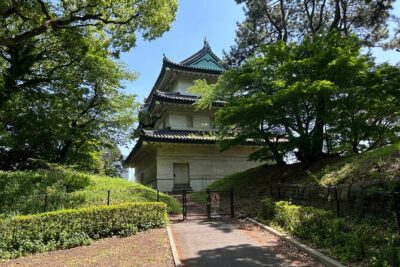
Imperial Palace and Shogun Historical Walking Tour
Read our review →
Madrid Old Town & Royal Palace Walking Tour Skip the Line Ticket
Read our review →
Knossos: Knossos Palace Skip-the-Line Guided Walking Tour
Read our review →
Browse the lists this tour appears in