
REVIEW · TOKYO
Tokyo: Imperial Palace Japanese History Walking Tour
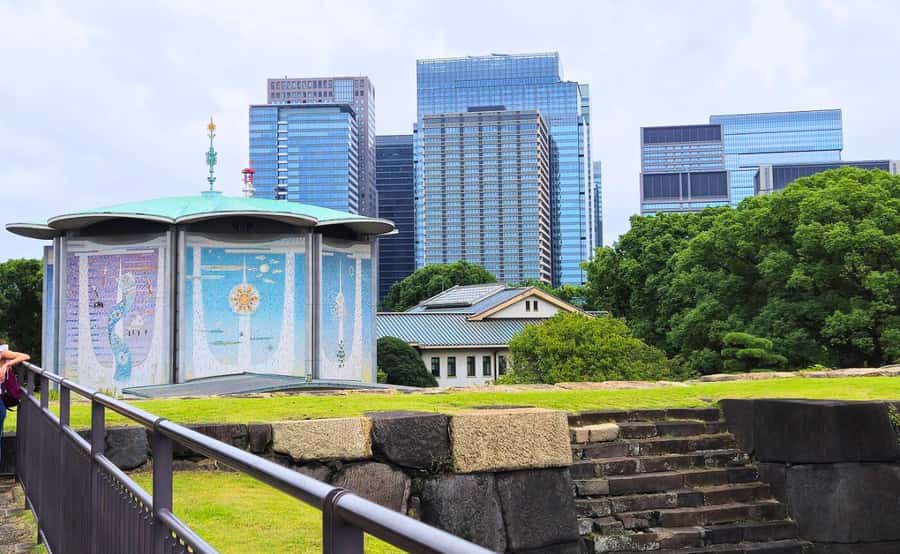
Tokyo’s past begins beneath today’s skyline. This $32 walking tour makes the old Edo Castle site easier to understand, with an engaging English-speaking guide who connects shoguns, samurai, farmers, daimyo, and emperors. I especially like the miniature castle model and the peaceful gardens, where bamboo, royal koi, and trees gifted from around Japan add more than simple sightseeing.
I also like the tour’s human touch. Guides such as Mika, Natsumi, Lakki, and Alexandre have helped visitors with photographs, restaurant ideas, mosquito spray, and questions about Japanese customs. The main consideration is the walking: it takes place rain or shine, and the tour is not suitable for people with mobility, heart, back, fitness, pregnancy, or recent-surgery concerns. The inner palace is also not open to the public.
Key points to know before you book
- The castle is gone, but its story remains: See the former Edo Castle site, surviving stonework, gardens, and a model of the original complex.
- The history is explained in plain English: Guides connect the social order of farmer, samurai, daimyo, and shogun to the rise of modern Japan.
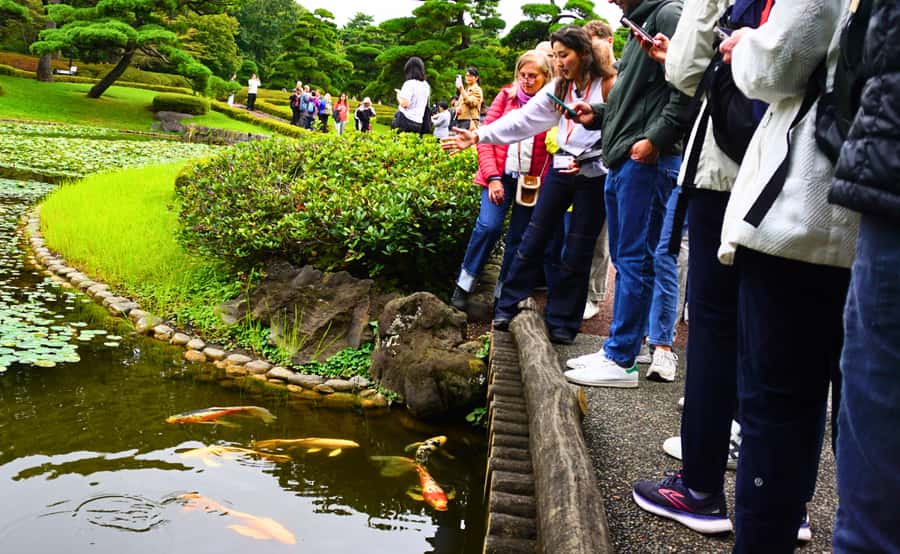
- The gardens are part of the lesson: Bamboo, koi ponds, samurai-related sites, and trees gifted to the emperor make the walk varied.
- The guide can shape your Tokyo trip: Several guides have offered food, culture, etiquette, and sightseeing suggestions after the tour.
- Expect a two-hour outdoor walk: Shade helps in summer, but you should dress for the weather and bring sensible shoes.
- The price is modest for a guided introduction: At $32, you are paying mainly for context, explanation, and help seeing details you could miss alone.
Why this palace walk is worth your time
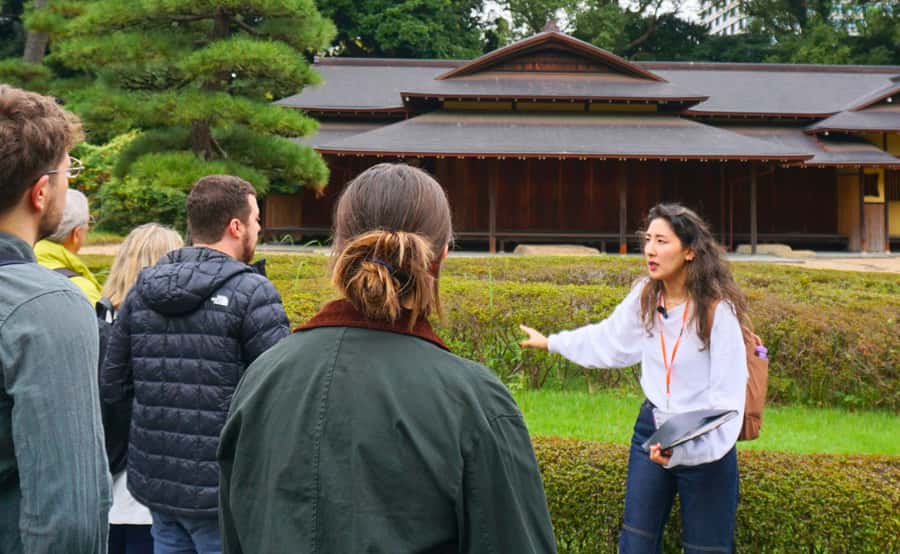
Tokyo’s Imperial Palace can look like a broad green pause in the middle of a huge city. Without context, you may notice stone walls, trees, gates, ponds, and open paths, then wonder where the famous castle went.
That is where this tour earns its keep. The guide turns an attractive garden into a story about power. The ground once held Edo Castle, the seat of the shogun, and later became the emperor’s palace. You are not simply walking around a garden. You are following the change from military rule to imperial government and, eventually, modern Japan.
I like this approach because it gives you a framework for the rest of your visit. The terms shogun, samurai, daimyo, and Edo period can blur together when you first arrive in Japan. A good guide separates them and shows how the old ranking system shaped everyday life and national power.
The tour is especially useful early in a Tokyo stay. One visitor described it as a good first-day activity, and that makes sense. After the walk, streets, shrines, castles, and museums around Japan are easier to place in time.
More Palace Walking Tours in Japan
- Tokyo: Imperial Palace and Shogun Historical Walking Tour
★ 5.0 · 2,251 reviews - Tokyo Castle & Imperial PalaceーShogun Walking Tour
★ 4.7 · 1,068 reviews - Tokyo: Imperial Palace and Shogun Walking Tour
★ 4.9 · 935 reviews
Meeting at Wadakuramon Fountain Park
You meet near the Starbucks by Wadakuramon Fountain Park, a five to ten-minute walk from Tokyo Station or Otemachi Station. The guide waits near the fountain with a SUNRISE ADVENTURE sign, which makes the meeting point easier to spot than a vague station exit.
Give yourself a little extra time for the walk from the station. Tokyo Station is large, and a calm arrival is better than rushing through underground passages with your phone in hand. The tour ends back at the same meeting point, so you can plan lunch or another activity nearby.
The meeting setup is simple, but it matters. A clear sign and a fixed public location remove much of the uncertainty that can spoil a short city tour. Guides have also been described as easy to identify and attentive to the group from the start.
The tour is offered in English and French. If you reserve the French option, Alexandre has been praised for giving a clear introduction to Japanese history and taking extra time to answer questions. English-language guides include Mika, Natsumi, Lakki, Lucky, Nico, Hugo, Arief, and others, though the individual guide is assigned by the operator.
Through Otemon Gate and into Edo Castle’s past
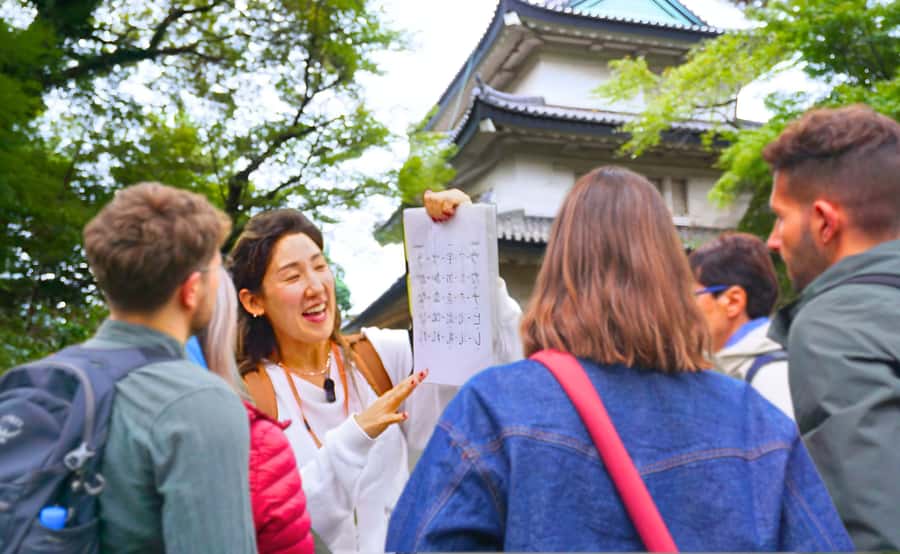
From the meeting point, you walk toward Otemon Gate, the grand entrance to the palace grounds. This is the point where the city begins to feel more formal and defensive. The gate helps set up the main subject: this was once the entrance to an immense castle complex, not simply a royal garden.
The original castle buildings are no longer there. That absence is not a flaw in the tour, but it does change what you should expect. You will not walk through furnished castle rooms or see the inner palace. Instead, the guide uses the remaining grounds, walls, ruins, and a miniature model to explain what once occupied the site.
The model is particularly useful because it gives you a picture of the lost buildings before you look at the open spaces. Without it, the scale and layout of the former castle can be hard to imagine. With it, a wall or foundation becomes part of a larger plan.
This is also where the guide’s storytelling makes a real difference. Natsumi has been praised for explaining Edo Castle’s design and the meaning of architectural details. Mika has received similar praise for making the palace’s past understandable while answering questions in clear English.
Shoguns, samurai, and the road to modern Japan
The central lesson is not just who lived here. It is how Japan was organized and how that system changed.
Your guide explains the old ranking structure, from farmers and samurai to daimyo and shogun. The daimyo were powerful regional lords, while the shogun held military authority over the country. The emperor remained an important figure, but the political balance shifted over time. The palace grounds let you connect those broad ideas to one real place.
The move from Edo Castle to imperial palace also gives the tour a clear turning point. You see how a site built around shogunal power became linked to the emperor and the modern Japanese state. The guide’s job is to keep that story understandable rather than burying you in dates.
This is one of the strongest parts of the experience. Guides have been praised for explaining the Edo and Meiji eras, the duties of samurai, and the growth of Tokyo. A visitor who had studied little Japanese history could follow the tour, while people with more background still had room to ask questions.
The style is interactive rather than a long speech. Some guides ask questions, invite discussion, and use humor. That helps families and children stay involved, although the amount of interaction will depend on the guide and the group.
More Royal Palace Tours in Japan
- Imperial Palace East Garden and Edo Castle Walking Tour in Tokyo
★ 5.0 · 510 reviews - Kyoto: Imperial Palace & Nijo Castle Guided Walking Tour
★ 4.7 · 453 reviews - Tokyo: Imperial Palace East Gardens Walking Tour
★ 4.8 · 353 reviews - Tokyo: Imperial Palace, Sensō-ji Temple, & Tokyo Tower Tour
★ 4.5 · 339 reviews
Gardens, bamboo, and the royal koi

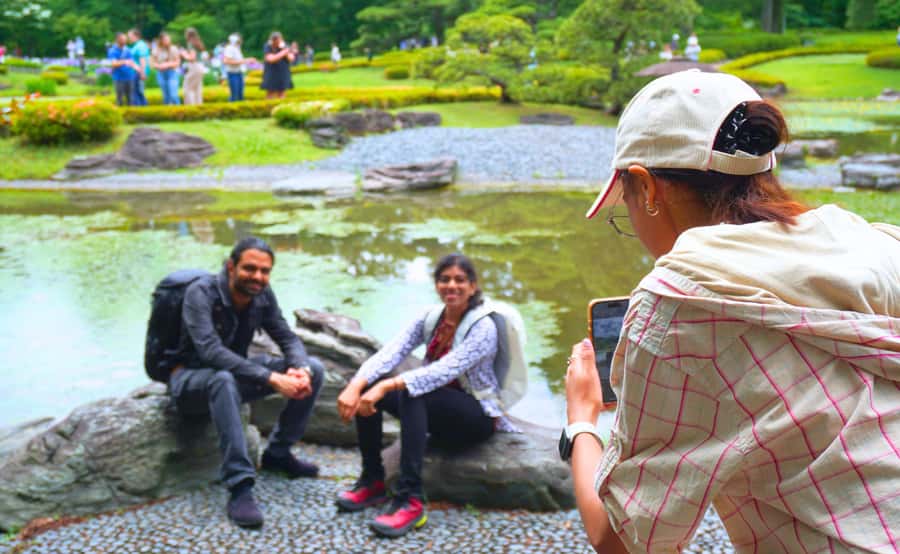
The palace grounds provide a welcome change from Tokyo’s hard surfaces and traffic. You walk among trees from different parts of Japan that were given to the emperor, and you may see bamboo and carefully maintained garden areas.
The koi are another small but memorable stop. These are presented as royal koi fish, and the pond gives the walking route a pleasant change of pace. You are not only hearing about politics and warfare. You are also seeing how the palace grounds function as a place of beauty, ceremony, and controlled nature.
The garden stops are good photo opportunities. Guides have helped with pictures, which is useful when you want a group shot rather than another hurried selfie. The route also includes quieter areas that you might miss if you simply followed a map around the palace grounds.
Do not expect a full botanical tour. The trees, bamboo, and pond are part of the wider historical walk, not a specialist garden lesson. Their value is in showing another side of the palace and giving you shade and breathing room between history stops.
Mosquitoes can be an issue because the grounds contain a lot of nature. Mika has supplied mosquito spray during tours, but I would still suggest bringing your own repellent if you are sensitive to bites. That is a small practical detail that can make the walk more comfortable.
What the walking pace feels like

The tour lasts about two hours according to the described experience, with a steady walk through the palace grounds. The pace has been praised as neither too fast nor too slow, giving time for explanations, questions, photographs, and short pauses.
Summer heat is the main challenge. One guide made a point of stopping in shade and watching the group’s comfort, but shade cannot remove Tokyo’s humidity. Wear light clothing suited to the forecast, use sun protection, and carry water.
Rain does not automatically cancel the walk. The activity runs rain or shine, so a wet-weather plan matters. Comfortable shoes are essential because the experience is built around walking rather than riding between points.
The route is not suitable for wheelchair users or people with mobility impairments. It is also listed as unsuitable for people with back problems, heart problems, low fitness, recent surgery, or pregnancy. These restrictions are worth taking seriously because the grounds are open-air and the experience requires continuous movement.
How the guides shape the experience
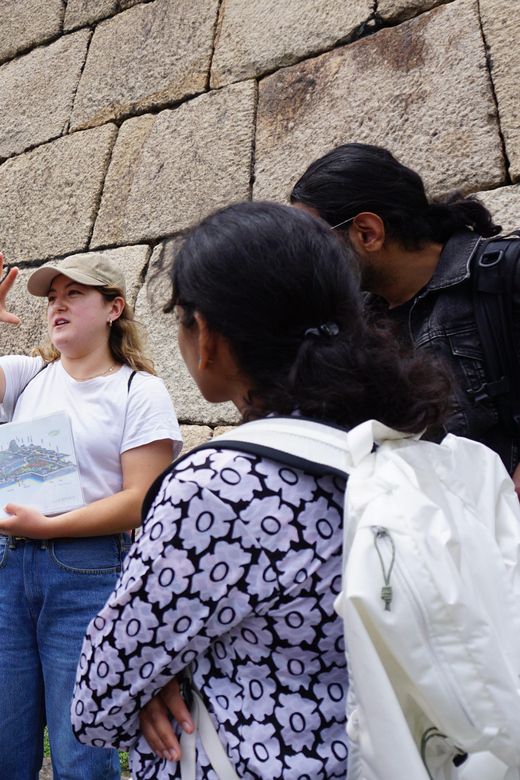
The guide is the main reason to choose this tour rather than walking the gardens alone. The palace grounds are attractive, but the political story is not always obvious from the scenery.
Mika has been praised for clear English, patience, humor, and attention to the group’s needs. Natsumi is often described as a strong storyteller who explains the Edo period, palace design, culture, and Tokyo’s growth in a way that is easy to follow. Lakki and Lucky have been praised for warmth, energy, and their ability to involve children.
Nico has been described as friendly and considerate, with an optional private tour and tea ceremony mentioned as an extra possibility. That tea ceremony is not part of the $32 experience, so treat it as a separate arrangement rather than an included feature.
Alexandre offers French as well as English and has received praise for giving a strong cultural introduction. Hugo has been praised for balancing historical detail with lighter facts. These details suggest a broad guide team, but the precise tone will depend on who leads your departure.
The best guides do more than recite facts. They answer questions about food, etiquette, local customs, restaurants, and other places to visit in Tokyo. Several guides have given useful recommendations after the walk, which adds value if you are still finding your way around the city.
Is $32 good value?
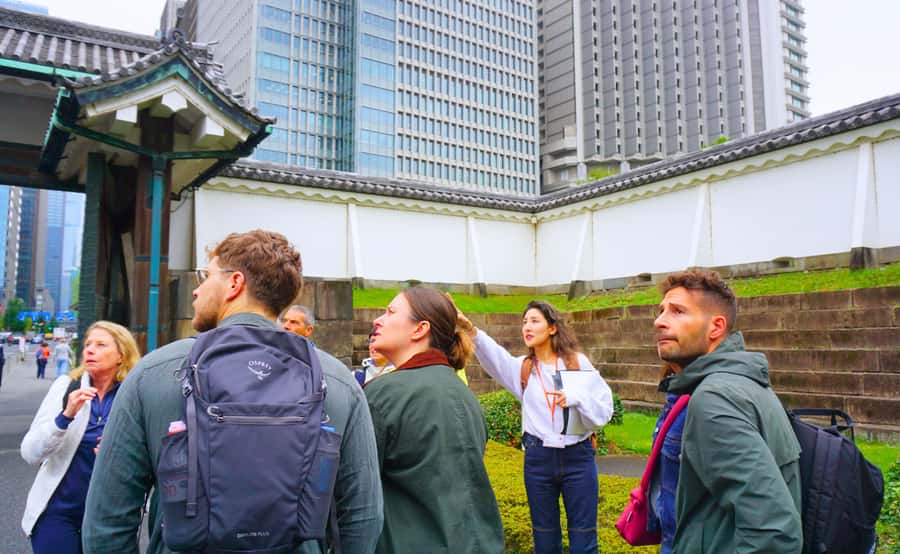
At $32 per person, this is a fair price for a focused two-hour introduction to one of Tokyo’s most important sites. You are not paying for entrance to the inner palace, a meal, transport, or a long full-day excursion. You are paying for a guide who gives meaning to a place you could otherwise see only as walls and gardens.
The value is strongest if Japanese history is new to you. A guide can save you from spending your visit piecing together the difference between the shogun and emperor, or wondering why the castle buildings disappeared.
Independent visitors who already know the Edo and Meiji periods may find the tour less necessary. You can still enjoy the scenery without it, and the inner palace is closed to the public regardless of how you visit. The tour’s benefit is interpretation, not special access.
The reserve-now and pay-later option also helps if your Tokyo schedule is still changing. You can cancel up to 24 hours before the tour for a full refund, according to the booking terms.
Who should book this Imperial Palace tour?
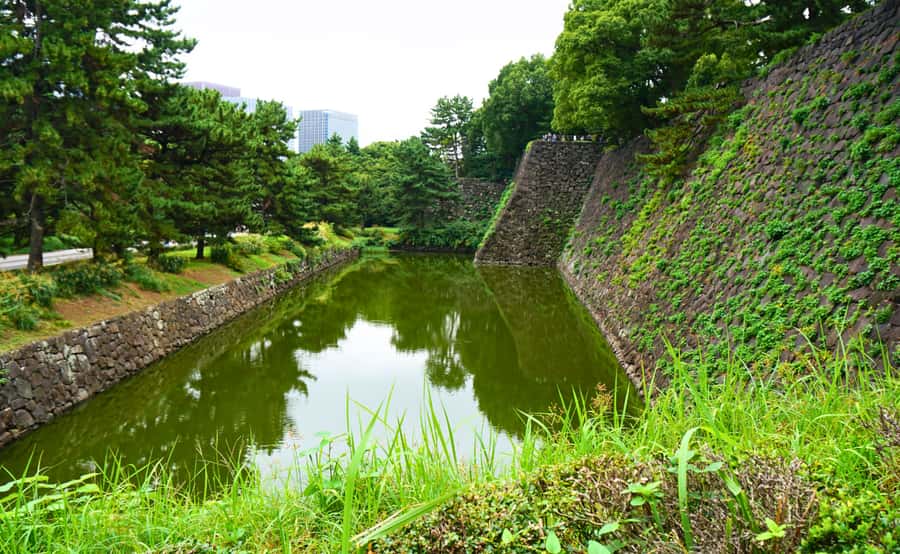
I would choose this walk if you want a clear introduction to Japanese history without committing to a long museum visit. It suits first-time visitors, families who prefer an interactive guide, and anyone who wants help turning a pleasant garden walk into a meaningful stop.
It is also a good choice if you want practical Tokyo advice. The guides have shared food recommendations, etiquette tips, and ideas for the rest of a city stay.
I would hesitate if you need a fully accessible route, dislike outdoor walking in poor weather, or mainly want to enter palace interiors. There is no inner-palace access, and the original castle buildings are gone. The experience is about the site, the remains, the gardens, and the story told around them.
FAQ
Where does the Imperial Palace walking tour meet?
Meet at the Starbucks near the fountain in Wadakuramon Fountain Park. The park is a five to ten-minute walk from Tokyo Station or Otemachi Station. The guide holds a SUNRISE ADVENTURE sign.
Where does the tour finish?
The walk ends back at the original meeting point near Wadakuramon Fountain Park.
Is the inner Imperial Palace open during this tour?
No. The inner palace is not open to the public, and this tour does not include access to it.
What languages are available?
The tour is offered in English and French.
Does the tour operate in bad weather?
Yes. The walk takes place rain or shine, so wear clothing suited to the forecast.
Who may find this tour unsuitable?
The experience is not suitable for pregnant women, people with back, heart, or mobility problems, wheelchair users, people with recent surgeries, or people with a low level of fitness. It also includes walking outdoors for about two hours.
Should you book it?
Book this tour if you want the Imperial Palace grounds to make sense, not just look attractive. For $32, a strong guide can connect Edo Castle, samurai society, the shogun, the emperor, and modern Tokyo in one manageable walk.
I would especially recommend it near the start of your visit, when the historical background can improve everything else you see in Japan. Just prepare for heat, rain, mosquitoes, and a fair amount of walking. If those conditions work for you, this is a friendly, good-value way to meet Tokyo’s past.
More Heritage Trips in Japan
- Imperial Palace Tour: Discover Samurai History with a Guide
★ 5.0 · 12 reviews - Madrid Essential: Historic Center, Plaza Mayor & Royal Palace
★ 5.0 · 6,416 reviews - Venice’s Best: Basilica, Doge’s Palace, Gondola & History Gallery
★ 4.5 · 2,478 reviews - Dubai: Abu Dhabi Grand Mosque, Palace, and Heritage Village
★ 4.8 · 1,265 reviews
Just added around Japan
- Kyoto: Discover Every Bit of Kyoto Imperial Palace★ 4.4 · 21 reviews
- Kyoto: Nijo Castle and Kyoto Imperial Palace Guided Tour★ 4.6 · 98 reviews
- Imperial Palace Tour: Discover Samurai History with a Guide★ 5.0 · 12 reviews
- Full Tokyo: Meiji Shrine, Imperial Palace, Asakusa & Skytree★ 4.7 · 16 reviews
- Tokyo: Edo Castle & East Garden of the Imperial Palace Tour★ 4.7 · 112 reviews
- Tokyo Castle, Imperial Palace, Shogun & Garden Walking Tour★ 5.0 · 211 reviews
- Tokyo: Imperial Palace East Gardens Walking Tour★ 4.8 · 353 reviews
- Tokyo: Imperial Palace, Sensō-ji Temple, & Tokyo Tower Tour★ 4.5 · 339 reviews
Palace Walking Tours, compared.
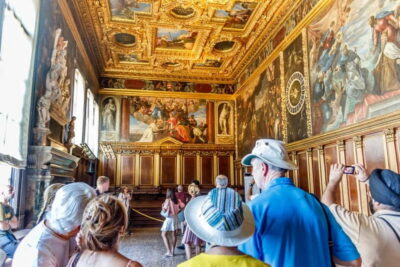
Doge’s Palace and St Mark’s Basilica Walking Tour
Read our review →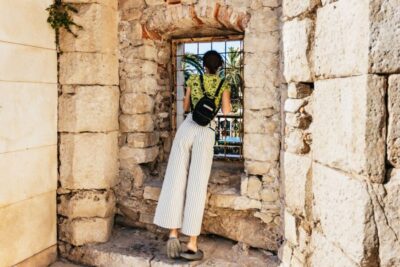

Walking Tour of Split and Diocletian’s Palace
Read our review →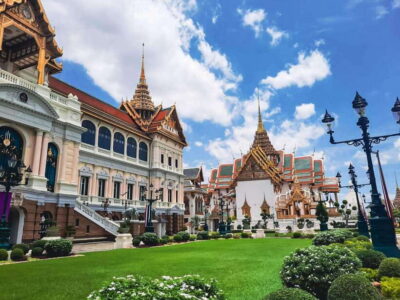
Grand Palace and Wat Phra Kaew Guided Walking Tour
Read our review →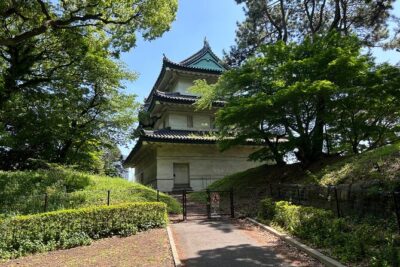
Imperial Palace and Shogun Historical Walking Tour
Read our review →
Madrid Old Town & Royal Palace Walking Tour Skip the Line Ticket
Read our review →
Knossos: Knossos Palace Skip-the-Line Guided Walking Tour
Read our review →
Browse the lists this tour appears in