

REVIEW · TOKYO
Tokyo: Imperial Palace and Shogun Walking Tour
Tokyo’s quietest power center tells big stories. This two-hour walk through the Imperial Palace East Gardens connects Edo Castle’s stone walls and gates with the gardens that once served Japan’s shoguns. I especially like the clear route from Ote-Mon Gate to Ninomaru Garden, and I like how guides such as Tony, Blake, Jim, and Embla bring the political history down to a human scale. The main consideration is that this is an outdoor tour focused on gardens, ruins, and foundations, not a tour of palace interiors.
At $16, the value is unusually strong for central Tokyo. You get an English-speaking guide, a compact lesson in Japanese history, and time to enjoy koi ponds and seasonal plantings without rushing from one famous sight to another. If you already know Edo-period history, some explanations may feel familiar, but a good guide can still show you details you would likely walk past alone.
Key points to know before you go
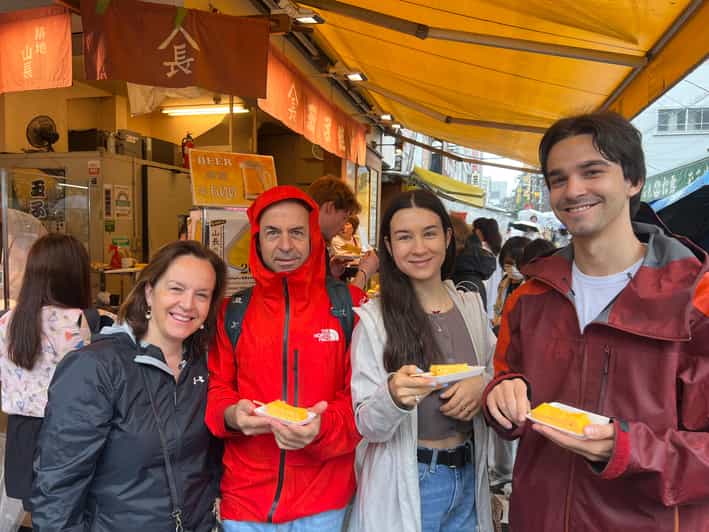
- The East Gardens reveal Edo Castle’s working side: You see gates, guard posts, moats, stone foundations, and defensive walls rather than grand palace rooms.
- Ninomaru Garden is the calm center of the walk: Koi ponds, carefully arranged plantings, and seasonal color offer a quiet break from central Tokyo.
- The castle tower base gives the tour physical scale: The remaining foundation helps you picture how much power and construction once occupied this site.
- Guides make the difference: Tony, Blake, Jim Allen, Embla, Miguel, and several other guides receive repeated praise for clear explanations, humor, patience, and useful Tokyo advice.
- The pace suits a first visit: The route lasts two hours, with stops ranging from 10 to 30 minutes and a short break possible during the walk.
- The price is easy to justify: At $16, you are paying mainly for context, interpretation, and a well-organized introduction to the palace grounds.
Why Edo Castle matters in modern Tokyo

The Imperial Palace East Gardens occupy the former site of Edo Castle, the political heart of the Tokugawa shogunate. That name may sound remote, but this is the place where Japan’s rulers organized a long period of feudal government before the country shifted toward modern imperial rule.
I like this tour because it does not treat the grounds as a collection of pretty views. The stone walls and gates had jobs. Guardhouses controlled movement. Moats added protection. Castle foundations showed the size and authority of the ruling house. When a guide explains those functions on the spot, the gardens become easier to read.
The tour also links the old power center with present-day Tokyo. Tony, one of the most frequently praised guides, is especially good at connecting the old castle layout with the modern city around it. That kind of explanation helps you understand why Tokyo feels both carefully planned and full of historical layers.
You will not tour the private rooms of the Imperial Palace. The experience centers on the East Gardens and historic remains. For me, that is not a serious weakness, since the outdoor site gives you the strongest sense of the castle’s defenses and scale. Still, you should book with the right expectation: this is a history walk through an open garden and former castle ground.
More Palace Walking Tours in Japan
- Tokyo: Imperial Palace and Shogun Historical Walking Tour
★ 5.0 · 2,251 reviews - Tokyo Castle & Imperial PalaceーShogun Walking Tour
★ 4.7 · 1,068 reviews - Tokyo: Imperial Palace Japanese History Walking Tour
★ 4.9 · 987 reviews
Meeting at Wadakura Fountain Park
The walk begins in front of Starbucks Coffee at Kokyo Gaien Wadakura Fountain Park. The listed coordinates are 35.6830391, 139.7614181, so I would save the meeting point before leaving your hotel and allow time to locate the fountain park.
This starting point gives the tour a useful transition. You begin in modern Tokyo, close to office buildings and busy roads, then move toward gates, moats, and stonework connected with the old castle. It is a better opening than beginning inside the gardens with no explanation of how the site fits into the city.
Because the tour uses a live English-speaking guide, you can ask questions as you go. That matters here. The names and political changes of Japanese history can blur together when you read them on signs, but a guide can stop, explain, and adjust the story to the group.
Ote-Mon Gate: the castle entrance
The first major stop is Ote-Mon Gate, with about 10 minutes of guided attention. This gate once controlled an important entrance to Edo Castle, and it gives you an immediate sense of how seriously movement was managed.
I find gates more useful than they first appear. A quick photograph tells you little, but the stonework, layered entry points, and defensive purpose make more sense once you know what to look for. This is also where the guide begins to explain the difference between a castle as a residence and a castle as an administrative and military center.
Do not expect a long stop. Ten minutes is enough for orientation, basic history, and photographs, but not a detailed architectural study. The short visit works because the tour has several other places where the story develops.
The Imperial Palace and the meaning of the site
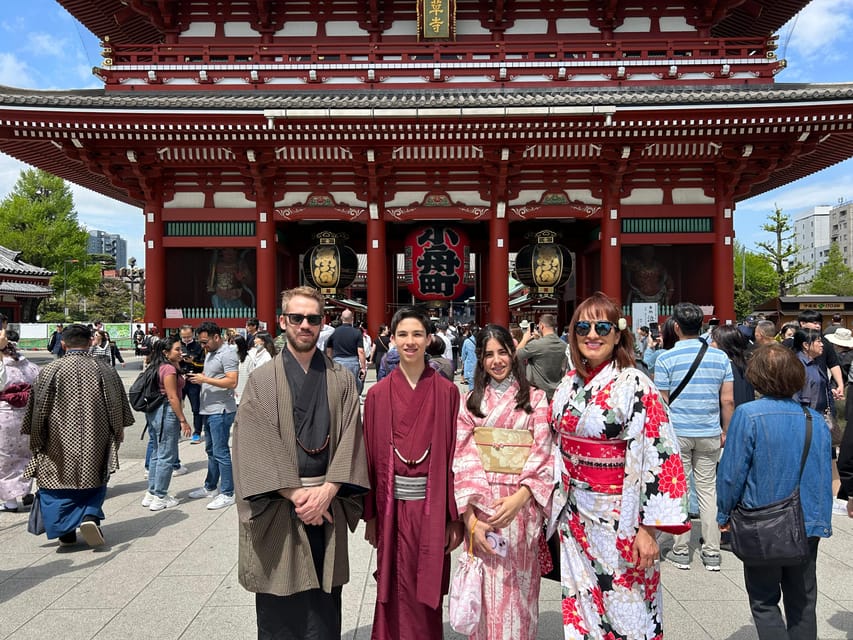
The next section is listed as a 15-minute visit and guided tour of Tokyo’s Imperial Palace. The important point is the setting. The palace grounds represent the later imperial chapter of Japanese government, while the East Gardens preserve much of the earlier Edo Castle story.
That shift from shogun rule to modern imperial Japan is one of the tour’s strongest themes. You are not simply looking at a garden from one period. You are seeing a place that carried political importance through major changes in how Japan was governed.
A guide can also explain why the site feels so open and peaceful today despite its earlier role as a fortified center. That contrast gives the walk its appeal. You can stand among trees, ponds, and broad paths while learning that decisions made here once shaped the country.
More Royal Palace Tours in Japan
- Imperial Palace East Garden and Edo Castle Walking Tour in Tokyo
★ 5.0 · 510 reviews - Kyoto: Imperial Palace & Nijo Castle Guided Walking Tour
★ 4.7 · 453 reviews - Tokyo: Imperial Palace East Gardens Walking Tour
★ 4.8 · 353 reviews - Tokyo: Imperial Palace, Sensō-ji Temple, & Tokyo Tower Tour
★ 4.5 · 339 reviews
Hyakunin Bansho Guardhouse and the human side of security
The Hyakunin Bansho Guardhouse receives about 10 minutes. The guardhouse offers a more grounded look at castle life. Instead of discussing only shoguns and major political events, the guide can point to the people who watched entrances, checked visitors, and helped protect the complex.
This is where the tour’s title makes sense. The shogun’s world was not just grand ceremonies and powerful families. It depended on layers of staff, rules, and security. A guardhouse makes that system visible.
I would pay close attention to the guide’s explanation here, since a building of this size may not seem dramatic at first glance. The value comes from understanding its purpose. Blake is often praised for interactive explanations and imaginative storytelling, qualities that can make a practical structure easier to remember.
Fujimi-yagura: a surviving watchtower view

The route then reaches Fujimi-yagura, with about 15 minutes for sightseeing and explanation. A yagura served as a watchtower, and Fujimi-yagura is one of the surviving structures associated with the former castle.
This stop helps you picture the castle as a defended compound rather than a single building. From a watchtower, officials could observe approaches and maintain control over the area. The name also connects the structure with views toward Mount Fuji, though the supplied tour details do not promise that you will see the mountain on the day.
I like that the itinerary gives this stop more time than the guardhouse. Fifteen minutes lets the guide explain the tower, give you time to look closely, and keep the group moving without turning the visit into a rushed photo stop.
East Gardens: ruins set among living gardens

The largest central portion of the walk is a 30-minute visit to the Imperial Palace East Gardens. This is where the tour becomes less about individual structures and more about how the entire site works together.
The gardens combine historic ruins, open areas, stonework, ponds, and carefully maintained plantings. That mix is valuable because you get both evidence of the former castle and the quiet beauty of a public garden. I would not come expecting a reconstructed medieval fortress. Much of the experience comes from reading what remains.
The massive stone walls deserve time. Their size is easy to admire, but the guide’s interpretation tells you why they mattered. They formed defensive barriers, marked status, and required enormous labor to build. Standing beside them gives you a physical sense of the authority behind the Tokugawa government.
You can also expect koi in tranquil ponds within the palace grounds. The fish and water give the visit a slower rhythm after the more formal explanations of gates and guardhouses. For families and first-time visitors, this is likely the point where the tour feels both educational and restful.
The grounds can be beautiful in different seasons, so the exact mood will vary with your visit. The tour description specifically highlights seasonal beauty, but it does not promise a particular bloom or color. I would enjoy the garden for its design and atmosphere first, then treat seasonal flowers as a bonus.
Ninomaru Garden and the shogun’s inner world
Ninomaru Garden receives about 30 minutes, the longest single stop. It is the emotional center of the walk. The garden is associated with the shogun’s inner grounds, and its ponds, koi, paths, and plantings offer a quieter way to think about power.
The phrase inner garden can sound decorative, but the historical setting gives it weight. This was not simply a public park. It belonged to a controlled world at the center of the shogunate. Today, you can pause beside the ponds and see a peaceful space that once formed part of a much more restricted political environment.
I appreciate the 30-minute timing here. You get room for photographs and quiet observation while the guide explains the garden’s place in the castle complex. A shorter stop would make Ninomaru feel like another item on a checklist.
The garden may be especially useful for anyone who finds long historical explanations hard to hold in their head. Water, trees, stones, and koi create visual anchors. When the guide refers back to the shogun, castle defenses, or political change, you have a real setting to connect those ideas to.
The castle tower base: where authority became stone
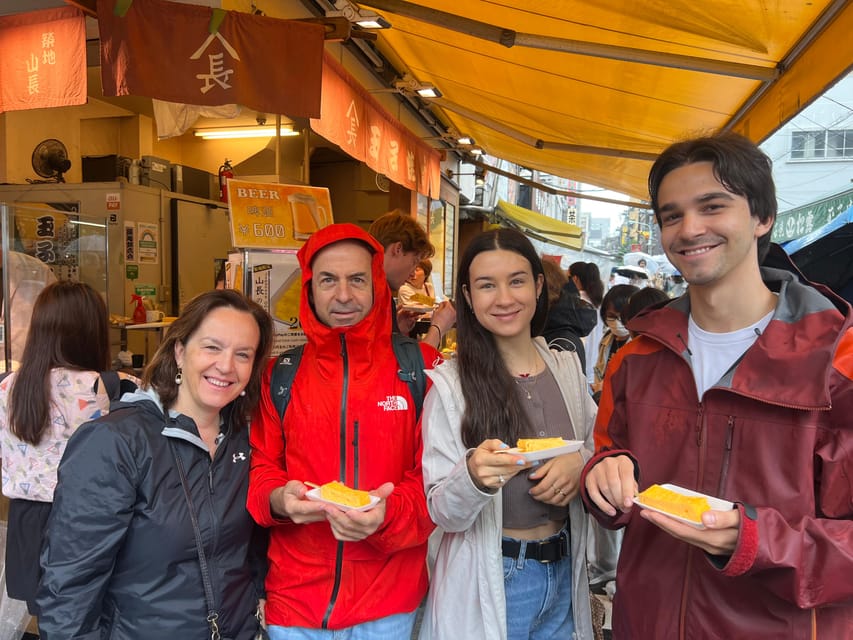
The remains of the castle tower base are among the most important sights on the route. The tower itself is gone, but the foundation shows the scale of what once occupied the site.
This is the best place to consider the title’s promise of standing where power was actually wielded. You may not be entering a surviving throne room, yet the stones under your feet mark the physical center of authority. A guide can help you imagine the structure without pretending that the ruins are more complete than they are.
The foundations also make the tour more honest and useful. You see what survived, what disappeared, and how later gardens now share space with earlier political structures. I prefer that to a polished attraction that hides the gaps in the record.
What the guides add to the experience
The strongest pattern in the available feedback is the quality of the guiding. Tony is praised for explaining history in straightforward language, answering questions, and suggesting places to eat or things to do elsewhere in Tokyo. Blake receives praise for patience, humor, good pacing, and imaginative explanations that make the garden easier to picture.
Jim Allen is noted for giving teenagers a reason to stay interested, while Embla is praised for warmth and a strong grasp of the palace and Edo Castle. Miguel, Thomas, Dylan, Lasse, Michi, Mayumi, Manny, Izzy, and others are also described as friendly, approachable, and clear.
You should not book this expecting a single named guide unless your reservation specifically confirms one. The practical takeaway is that the experience depends heavily on live interpretation, and the available feedback points to a consistent focus on historical explanation and personal interaction.
Some guides also offer recommendations for the rest of your Tokyo visit. That can be useful early in a trip, when you still need ideas. It is not a formal city orientation, so I would treat those suggestions as an added benefit rather than the main reason to book.
Pace, comfort, and accessibility
The full experience lasts two hours. That is long enough to build a story but short enough to fit before lunch, dinner, or another central Tokyo activity. The route includes several walking stops, with the longest pauses at the East Gardens and Ninomaru Garden.
The pace is repeatedly described as comfortable and well managed. One guide even included a quick sitting break and a chance to get a drink from a vending machine. Still, you should expect an outdoor walk, not a seated lecture.
The activity is listed as wheelchair accessible. Since the route takes place in gardens and historic grounds, I would still confirm the practical route details when booking if you have specific mobility needs. The key point is that accessibility is explicitly offered.
English is the only listed tour language. You receive a live guide rather than an audio device or self-guided booklet, so the quality of spoken explanation matters. If you have trouble hearing in groups, stay close to the guide and say so early.
Is $16 good value?
Yes, especially if this is your first visit to Tokyo or your first encounter with Edo-period history. The entrance to the story is cheap because you are paying only $16 for a two-hour guided walk, not for an elaborate attraction with interiors or transport.
The value comes from what the guide helps you notice. On your own, you can admire a gate, photograph a pond, and walk past a foundation. With context, you can connect those objects to castle defenses, the Tokugawa shogunate, the imperial transition, and modern Tokyo.
I would be less enthusiastic if you already know the site well and prefer to wander alone. The route is fixed and the experience is guided, so independent visitors may find the structure limiting. For most first-time visitors, though, the low price makes the risk small.
Free cancellation up to 24 hours before the start and reserve-now, pay-later booking also make the activity easy to fit into a changing Tokyo schedule. Starting times vary, so check availability for your date.
Who should book this walk?
I would recommend it to first-time Tokyo visitors, history fans, families who want a manageable activity, and anyone who likes learning through real places rather than museum labels. It also works well near the beginning of a Japan trip, when a guide’s explanation can give you a frame for later visits to castles, temples, and historic districts.
The tour suits you less if you want access to palace interiors, a private experience, or a long architectural study. It is also not the right pick if you want a full-day excursion outside Tokyo. This is a focused two-hour introduction.
Final decision: book it for context, not palace interiors
I would book this tour if you want the Imperial Palace East Gardens to mean more than a pleasant walk. The route combines Ote-Mon Gate, a guardhouse, Fujimi-yagura, the castle tower base, koi ponds, and Ninomaru Garden in a compact package, and the $16 price is hard to fault.
Book it early in your Tokyo stay if you value practical recommendations and historical orientation. Skip it only if you prefer exploring alone or specifically want to enter palace buildings. For most visitors, a clear guide turns a quiet garden into one of Tokyo’s most useful history lessons.
FAQ
Where does the tour begin?
It begins in front of Starbucks Coffee at Kokyo Gaien Wadakura Fountain Park. The listed coordinates are 35.6830391, 139.7614181.
How long does the tour last?
The walking tour lasts two hours.
What language is the tour offered in?
The live tour guide speaks English. English is the only listed language.
What parts of the Imperial Palace area does the tour visit?
The route includes Ote-Mon Gate, Tokyo Imperial Palace, Hyakunin Bansho Guardhouse, Fujimi-yagura, the Imperial Palace East Gardens, and Ninomaru Garden.
Does the tour include Ninomaru Garden?
Yes. The visit to Ninomaru Garden includes about 30 minutes of guided time.
Will I see koi ponds?
Yes. Koi swim in tranquil ponds within the palace grounds, including the garden areas visited during the walk.
Is the tour wheelchair accessible?
Yes, the activity is listed as wheelchair accessible.
Is a guide included?
Yes. An English-speaking live guide is included with the guided walking tour.
How much does the tour cost?
The listed price is $16 per person.
Can I cancel the tour for a refund?
Yes. You can cancel up to 24 hours in advance for a full refund. You can also reserve now and pay later.
Just added around Japan
- Kyoto: Discover Every Bit of Kyoto Imperial Palace★ 4.4 · 21 reviews
- Kyoto: Nijo Castle and Kyoto Imperial Palace Guided Tour★ 4.6 · 98 reviews
- Imperial Palace Tour: Discover Samurai History with a Guide★ 5.0 · 12 reviews
- Full Tokyo: Meiji Shrine, Imperial Palace, Asakusa & Skytree★ 4.7 · 16 reviews
- Tokyo: Edo Castle & East Garden of the Imperial Palace Tour★ 4.7 · 112 reviews
- Tokyo Castle, Imperial Palace, Shogun & Garden Walking Tour★ 5.0 · 211 reviews
- Tokyo: Imperial Palace, Sensō-ji Temple, & Tokyo Tower Tour★ 4.5 · 339 reviews
- Tokyo: Imperial Palace East Gardens Walking Tour★ 4.8 · 353 reviews
Palace Walking Tours, compared.
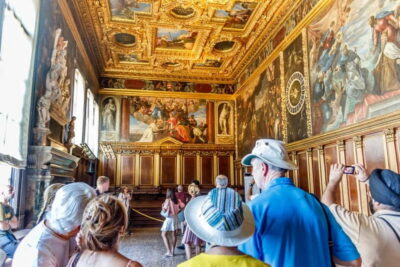
Doge’s Palace and St Mark’s Basilica Walking Tour
Read our review →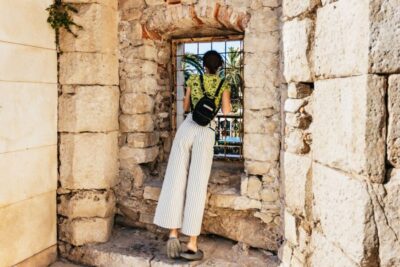

Walking Tour of Split and Diocletian’s Palace
Read our review →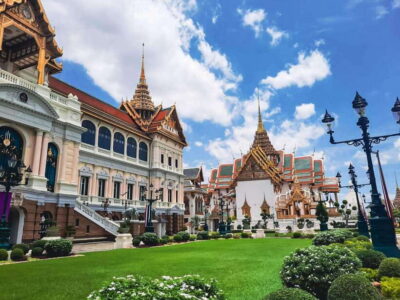
Grand Palace and Wat Phra Kaew Guided Walking Tour
Read our review →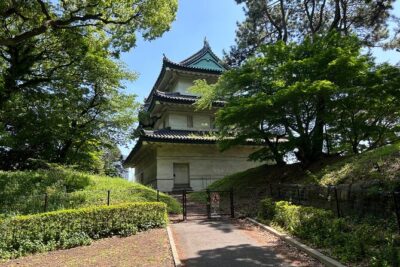
Imperial Palace and Shogun Historical Walking Tour
Read our review →
Madrid Old Town & Royal Palace Walking Tour Skip the Line Ticket
Read our review →
Knossos: Knossos Palace Skip-the-Line Guided Walking Tour
Read our review →
Browse the lists this tour appears in