
REVIEW · TOKYO
Tokyo: Edo Castle & East Garden of the Imperial Palace Tour
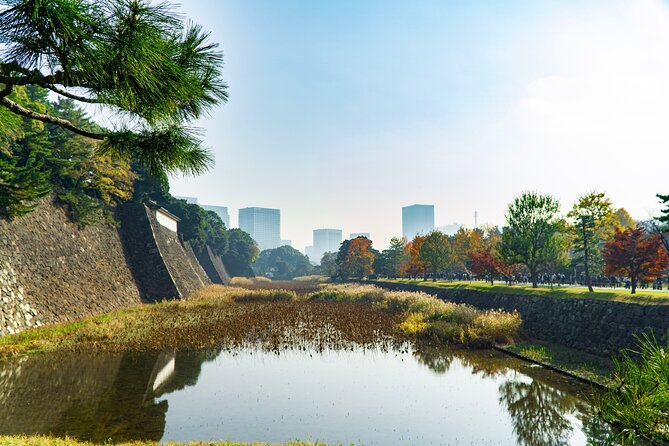
Tokyo’s imperial calm begins behind busy streets. This two-hour walk through the Imperial Palace East Gardens connects clipped greenery, old stone walls, castle ruins, and shogun-era stories in a way that is easy to follow. I like the gentle pace, and I especially like that guides use photos and visual aids to show what vanished buildings once looked like.
I also like the human touch. Guides such as Hitoshi, Naoko, Shigeru, Masahito, and Mikio have been praised for clear English, patient explanations, family-friendly storytelling, and extra help after the tour. The main drawback is simple: you do not enter the Imperial Palace itself, and the gardens are closed on Mondays and Fridays.
Key points to know before you go
- The meeting point is Wadakura Fountain Park, where your guide holds a sign marked Gotcha.
- The East Gardens occupy the former grounds of Edo Castle, once the seat of shogun power.
- The tour lasts two hours and returns to the same fountain park.
- The gardens are free to enter, so the $42 price mainly pays for the guide, interpretation, and organized route.
- English-speaking guides add historical context about shoguns, daimyo, ninjas, emperors, architecture, plants, and Japanese customs.
- A baggage inspection is required, and knives or similar items must be stored before the meeting.
Why the East Gardens are worth two hours
Tokyo can feel like a city of towers, trains, neon, and tight sidewalks. The East Gardens offer a sharp change of pace. Inside the old castle grounds, you walk past broad lawns, stone foundations, trees, ponds, and carefully maintained gardens while the guide explains how this site once functioned as the political heart of Japan.
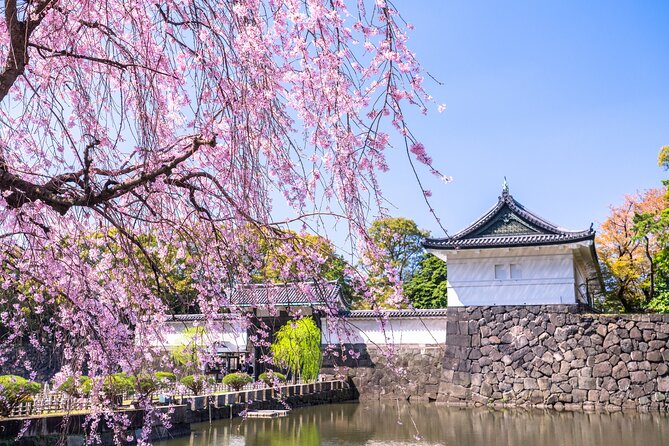
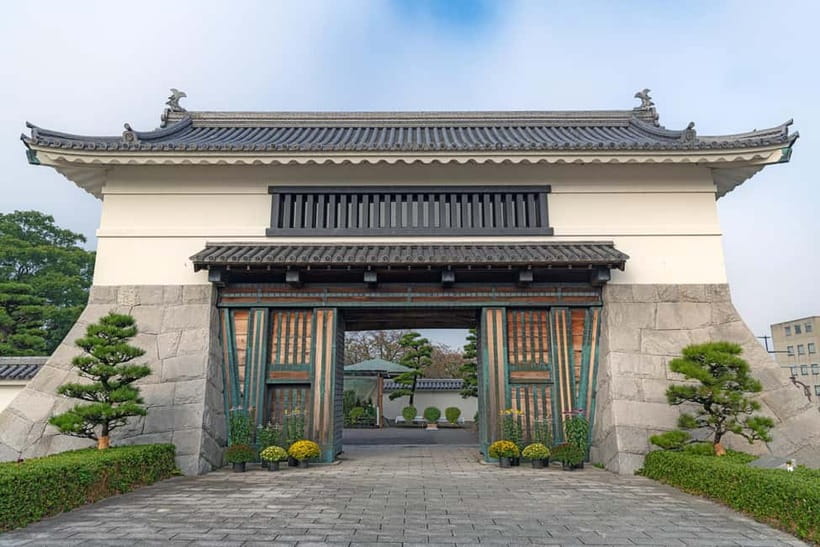
The setting works well for first-time visitors because the history is visible under your feet. Massive stone walls show the scale of Edo Castle. Open spaces help you picture military compounds and castle buildings that no longer survive. A guide can point out details you might pass without noticing, then connect them to the larger story of shoguns and emperors.
I find this kind of visit more useful than simply taking photographs from outside the palace grounds. The gardens are attractive on their own, but the walk gains purpose when you understand who controlled the castle, how power shifted, and why the Imperial Palace occupies such an important place in Tokyo.
The experience is also less demanding than a full-day excursion to Nikko or Mount Fuji. You get a focused introduction to Japanese history without losing most of your day. At the same time, the price deserves a close look because the garden itself is free.
More Palace Gardens and Grounds in Japan
- Imperial Palace East Garden and Edo Castle Walking Tour in Tokyo
★ 5.0 · 510 reviews - Tokyo: Imperial Palace East Gardens Walking Tour
★ 4.8 · 353 reviews - Tokyo Castle, Imperial Palace, Shogun & Garden Walking Tour
★ 5.0 · 211 reviews
Meeting at Wadakura Fountain Park
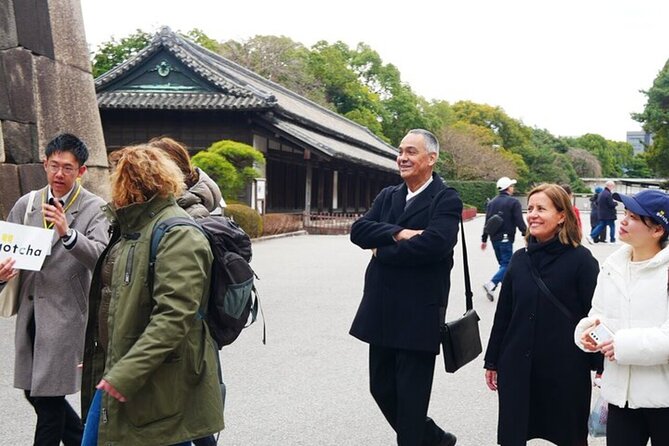
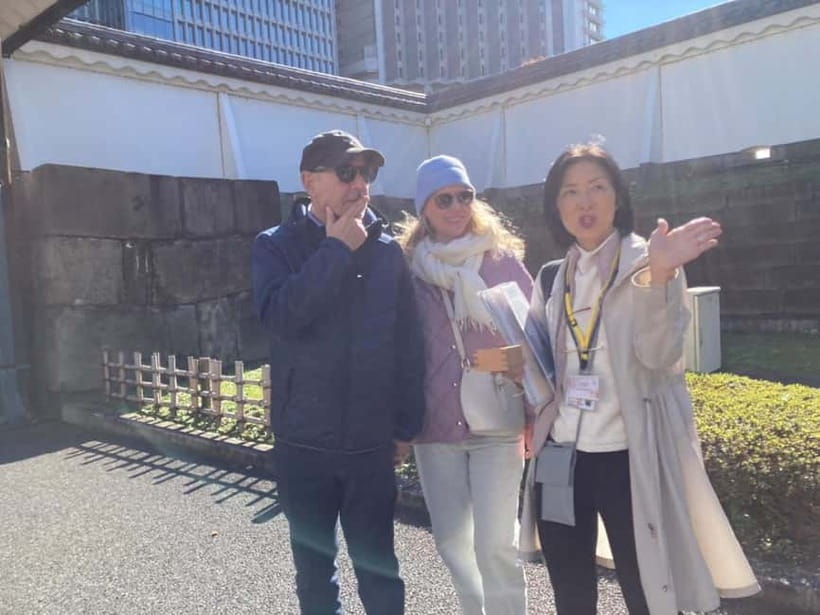
The tour begins in front of the fountain at Wadakura Fountain Park. Your guide holds a sign saying Gotcha, which gives you a clear visual marker in an area where several paths and open spaces can otherwise look alike.
This is a useful start because you are not asked to find an obscure shop or wait beside an unnamed gate. Still, allow enough time to locate the fountain and settle in before the scheduled departure. The walk begins from the park and ends there, making it easy to continue to another Tokyo sight afterward.
The guides often set the tone immediately. Hitoshi has been praised for his clear English, patience, and care with older visitors. Shigeru has helped people reach subway stations after the tour, while other guides have assisted with photographs and onward directions. These small acts matter in Tokyo, where a short walk to the right station can save you considerable confusion.
Entering the former grounds of Edo Castle
The central idea of the walk is that the East Gardens were built on the main grounds of Edo Castle. During the Edo period, the shogun ruled Japan from here, making the site far more than a pleasant public garden.
Your guide explains the difference between the shogun’s political authority and the emperor’s symbolic and imperial role. That background helps make sense of the buildings, walls, entrances, and broad spaces you see. Several guides have used printed pictures to recreate lost structures, which is particularly helpful because much of the original castle is gone.
Do not expect a complete castle complex with furnished rooms and towers. The appeal lies in reading the remaining foundations and defensive works, then using the guide’s explanations to imagine the site at its height. If you prefer intact interiors, this visit may feel limited. If you enjoy ruins, old walls, and historical reconstruction, the setting gives the guide plenty to work with.
The walk also introduces the social order of the period, including shoguns, daimyo, and ninjas. The best part is not simply memorizing names. It is understanding how authority, residence, defense, ceremony, and daily life fitted together inside a castle city.
Gardens, ponds, koi, and quiet pauses
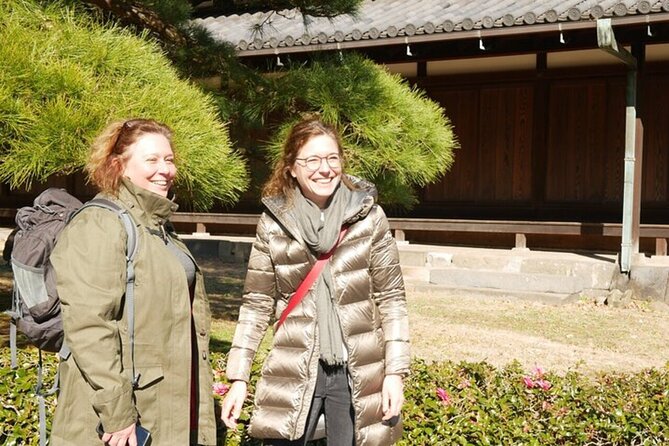
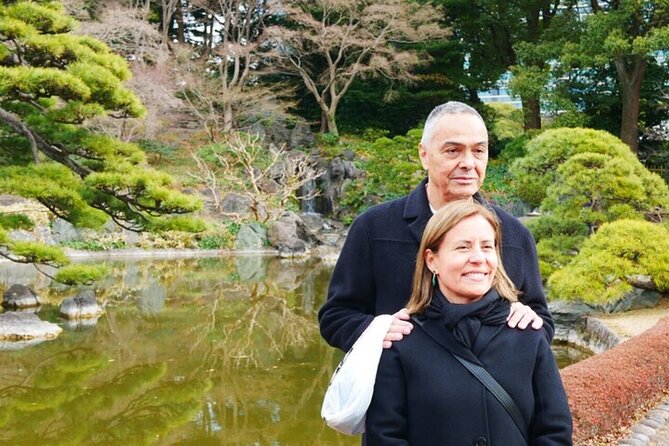
The East Gardens are not just historical ground. They are also a carefully arranged public garden with trees, flowers, ponds, paths, and open views. The greenery softens the castle story and gives you time to walk without being rushed.
One special feature is the koi. The experience highlights a distinctive and almost magical breed of koi fish, so keep an eye on the ponds and listen when your guide explains what makes them notable. Even if you are not interested in ornamental fish, the ponds provide some of the calmest moments of the tour.
The garden section also gives the guide room to discuss Japanese culture. Guides have pointed out the importance of particular trees and plants, explained design choices, and shared small cultural details that are easy to miss on a solo stroll. These details help you see the garden as a planned expression of taste and order, not simply a patch of greenery beside a palace.
The pace is one of the tour’s strongest features. Mike from the United Kingdom described it as a lovely slow walk, and that matches the general feel. You stop for explanations, photographs, questions, and short rests rather than racing from one landmark to the next.
More Royal Palace Tours in Japan
- Tokyo: Imperial Palace and Shogun Historical Walking Tour
★ 5.0 · 2,251 reviews - Tokyo: Imperial Palace Japanese History Walking Tour
★ 4.9 · 987 reviews - Tokyo: Imperial Palace and Shogun Walking Tour
★ 4.9 · 935 reviews - Kyoto: Imperial Palace & Nijo Castle Guided Walking Tour
★ 4.7 · 453 reviews
How the guides bring the past to life
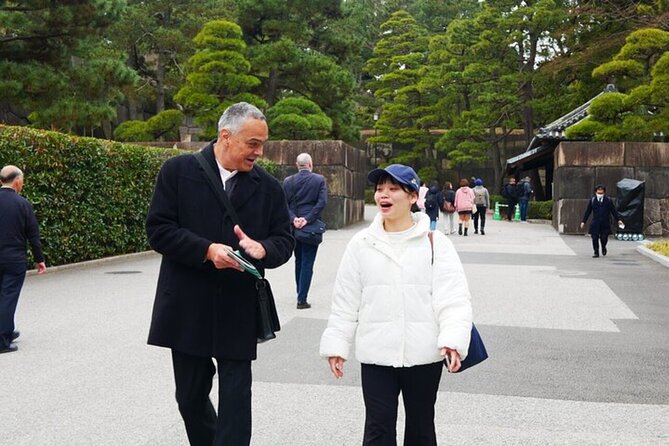
The guide makes or breaks this experience. The strongest guides do more than recite dates. They explain the site in plain English, answer questions, show photographs, and adjust the pace to the group.
Hitoshi has received especially warm praise for his history lessons, clear communication, and kindness toward visitors with mobility needs. Mikio has been appreciated for answering many questions, stopping often, and using images to show how the gardens looked in earlier times. Naoko has been praised for working well with groups of older visitors and for making the explanations both fun and easy to follow.
Masahito is another guide who has impressed people with his preparation, humor, and broad knowledge of Japanese culture. He has also gone beyond the basic route, including a stop to show cherry blossoms in a nearby park when conditions allowed. Shigeru has helped with photographs, shared origami, and offered useful subway assistance after the official walk ended.
These examples suggest a tour with a strong guiding culture, but your exact experience will depend on the person assigned that day. The guide names and styles vary. The consistent advantage is having someone who can explain what you are seeing instead of leaving you to decode stone walls and garden features alone.
What the two-hour route feels like
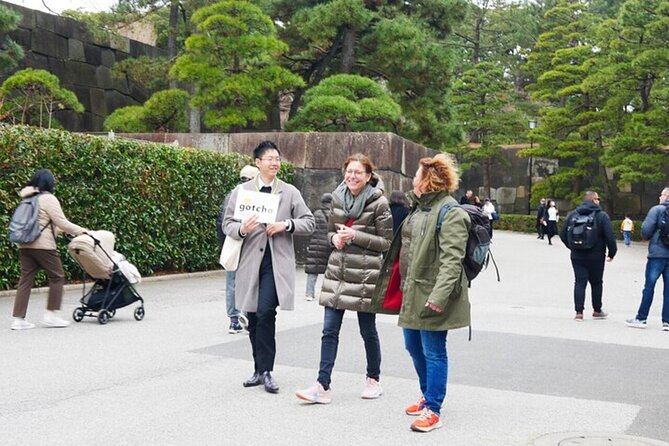
The two-hour duration is well judged for a first visit. It is long enough to cover the main parts of the East Gardens and give the historical setting proper attention. It is short enough to fit between other plans in central Tokyo.
You begin at Wadakura Fountain Park, enter the East Gardens, and follow a guided route through the old castle grounds. The walk combines historical landmarks with garden areas, so the scenery changes as you go. You then return to the fountain park rather than ending at an unfamiliar location.
The route is described as leisurely, but it remains a walking tour. Wear comfortable shoes and bring protection from sun or rain. One group enjoyed the tour despite heavy rain, which suggests the guide can keep the history engaging in poor weather, but the gardens will naturally be more enjoyable in dry conditions.
The route can suit families and older visitors, especially when the guide adjusts the pace. A nine-year-old child was able to follow along well, and one guide took special care with a wheelchair user. Still, the supplied information does not promise a fully accessible route, so you should confirm your own mobility needs before booking.
Is $42 a fair price?
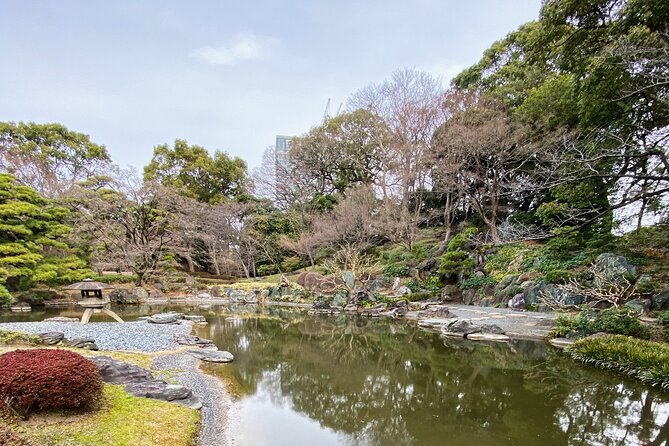
The cost is $42 per person for two hours. Since the East Gardens are free to enter, you are paying mainly for the English-speaking guide and the added interpretation.
That makes the price reasonable for you if you want context, questions answered, and a carefully paced introduction to Japanese history. Several guides have helped visitors understand castle remains, garden design, imperial traditions, and the Edo period in a single visit. For a first day in Tokyo, that structure can be worth more than wandering through the grounds alone.
The value is less convincing if you already know Japanese history or prefer to explore independently. One person fairly pointed out that the same money can contribute to a full-day trip to Nikko or Mount Fuji. That comparison is worth keeping in mind. This is not a grand day excursion. It is a compact city experience built around explanation and ease.
I would see it as a good use of money for couples, families, older visitors, and anyone who wants a clear introduction without spending half a day on transport. It is less suited to someone seeking palace interiors, elaborate access, or a long sightseeing program.
Important limits before you book
The biggest misunderstanding to avoid is the name. This is a tour of the Imperial Palace East Gardens, not an entrance tour of the Inner Palace. The Inner Palace is not open to the public as part of this activity, and you should not expect to enter the emperor’s private grounds.
The gardens close on Mondays and Fridays, so check the day before choosing your time. Starting times vary, and the total duration is two hours.
There is also a baggage inspection when you enter the Imperial Palace grounds. If you plan to buy Japanese knives or other items that could be used as weapons in Tsukiji, Asakusa, or elsewhere, place them in a coin locker before meeting the guide. This is an easy detail to overlook if you are combining the tour with shopping.
Cancellation is flexible up to 24 hours before the activity for a full refund. You can also reserve and pay later, which helps if your Tokyo schedule is still changing.
Who should book this East Gardens walk?
I would choose this tour if you want three things: a quiet garden break, a clear explanation of Japan’s political past, and a short activity that leaves room for other Tokyo plans.
It is especially useful early in your visit. Once you understand the roles of the shogun, daimyo, and emperor, later stops around Tokyo become easier to place. Families can benefit from the stories and visual materials, while older visitors may appreciate the patient pace and willingness of several guides to pause.
You should think twice if your main goal is to enter the Imperial Palace, see preserved castle rooms, or spend a full day outside Tokyo. The tour cannot provide those things. Its strength is interpretation of an open historic site, not exclusive access.
FAQ
How long does the tour last?
The guided walking tour lasts two hours and returns to Wadakura Fountain Park.
Where do I meet the guide?
Meet in front of the fountain at Wadakura Fountain Park. The guide will hold a sign that says Gotcha.
What language is the tour conducted in?
The tour is conducted in English with a live English-speaking guide.
Can I enter the Imperial Palace itself?
No. The tour visits the East Gardens and does not enter the Inner Palace, which is not open to the public through this activity.
On which days are the East Gardens closed?
The East Gardens are closed on Mondays and Fridays.
Is there a baggage inspection?
Yes. Visitors are subject to a baggage inspection when entering the Imperial Palace grounds.
Can I bring a Japanese knife purchased before the tour?
You should leave Japanese knives or other items that could be used as weapons in a coin locker or similar storage before the meeting.
Should you book it?
Book it if you value explanation more than access. The free gardens are pleasant, but the guide gives the stone walls, castle remains, ponds, koi, and plants a clear place in Japanese history. Two hours is enough to learn a lot without taking over your day.
At $42, this is not the cheapest way to see a free garden. It can still be good value if you want patient English commentary, help with photographs and directions, and stories that make Edo Castle easier to picture. Just arrive on a day when the gardens are open, store any knife purchases first, and book with the understanding that the Inner Palace remains off limits.
Just added around Japan
- Kyoto: Discover Every Bit of Kyoto Imperial Palace★ 4.4 · 21 reviews
- Kyoto: Nijo Castle and Kyoto Imperial Palace Guided Tour★ 4.6 · 98 reviews
- Imperial Palace Tour: Discover Samurai History with a Guide★ 5.0 · 12 reviews
- Full Tokyo: Meiji Shrine, Imperial Palace, Asakusa & Skytree★ 4.7 · 16 reviews
- Tokyo Castle, Imperial Palace, Shogun & Garden Walking Tour★ 5.0 · 211 reviews
- Tokyo: Imperial Palace, Sensō-ji Temple, & Tokyo Tower Tour★ 4.5 · 339 reviews
- Tokyo: Imperial Palace East Gardens Walking Tour★ 4.8 · 353 reviews
- Kyoto: Imperial Palace & Nijo Castle Guided Walking Tour★ 4.7 · 453 reviews
Palace Gardens and Grounds, compared.
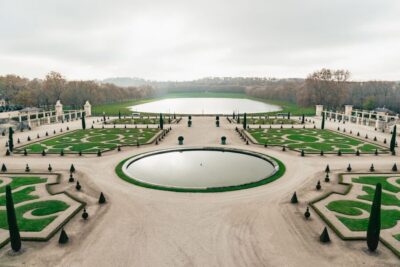
Versailles Palace and Gardens Full Access Ticket
Read our review →
Skip-the-Line Tour of Palace and Gardens Access
Read our review →
Schönbrunn Palace & Gardens Skip-the-Line Tour
Read our review →
Alhambra & Gardens Tour w/Nasrid Palaces Option
Read our review →
Versailles Palace & Gardens with Transportation
Read our review →
Skip-the-Line Schönbrunn Palace & Gardens Tour
Read our review →
Versailles Palace Guided Tour & Gardens Access
Read our review →
Versailles Palace and Gardens Tour from Paris
Read our review →Browse the lists this tour appears in