
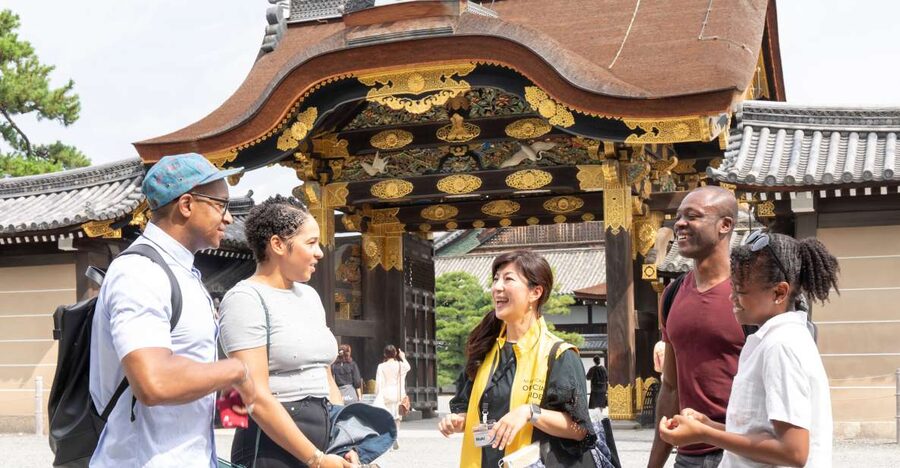
REVIEW · JAPAN
Kyoto: Nijo-jo Castle and Ninomaru Palace Guided Tour
History comes alive beneath your feet. This one-hour tour makes Nijo Castle far more than a quick photo stop, with clear explanations of shogun politics, palace customs, artwork, and daily life. I especially like the access to areas normally closed to the public and the way guides such as Ai, Miki, Kaoru, and Don bring the rooms to life.
The focused route also works well for a busy Kyoto day. You see the castle’s key gates, Ninomaru Palace, and Ninomaru Garden without losing half a day. The main drawback is simple: the $16 tour price does not include the castle admission fee, which must be paid in cash on site. Summer heat inside the palace can also be tough, since there is no air conditioning.
Key points to know
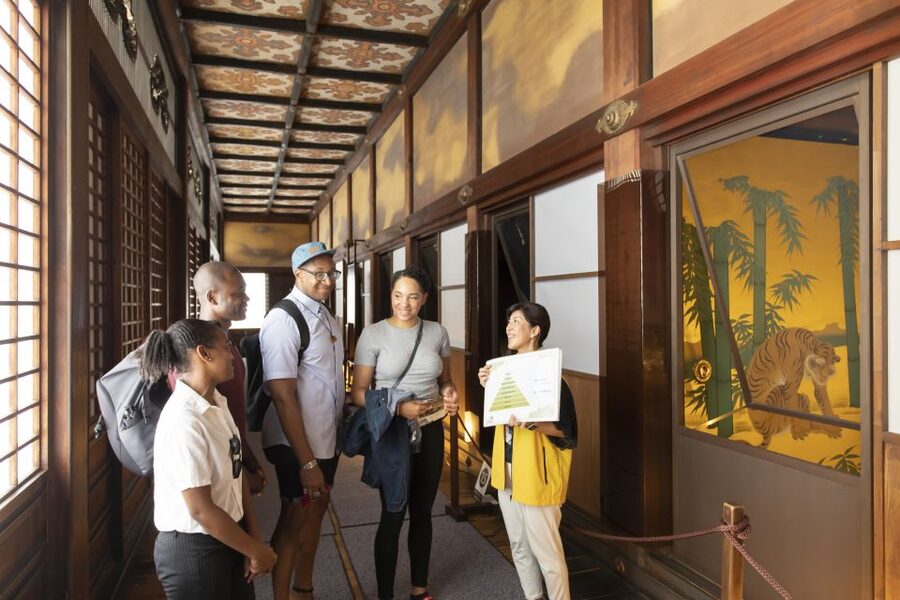
- Restricted areas add real value: The guided group may enter two areas not open to ordinary visitors, including sections connected with the shogun’s private quarters.
- The palace is the main event: Ninomaru Palace preserves rooms, murals, carved details, and symbolic decorations that are easy to pass without a guide.
- English explanations are the tour’s strength: Guides including Ayu, Ai, Miki, Kaoru, and Don have been praised for clear speech, humor, and thoughtful answers.
- One hour is enough for the highlights: You cover Higashi Ote-mon Gate, Kara-mon Gate, Ninomaru-goten Palace, and Ninomaru Garden at a steady pace.
- Admission costs extra: The tour is $16 per person, with the castle entrance fee paid separately in cash.
- Families get a useful break: Each paying adult may bring one child aged 0 to 12 free, though only paying participants receive earphones.
Why Nijo Castle matters in Kyoto
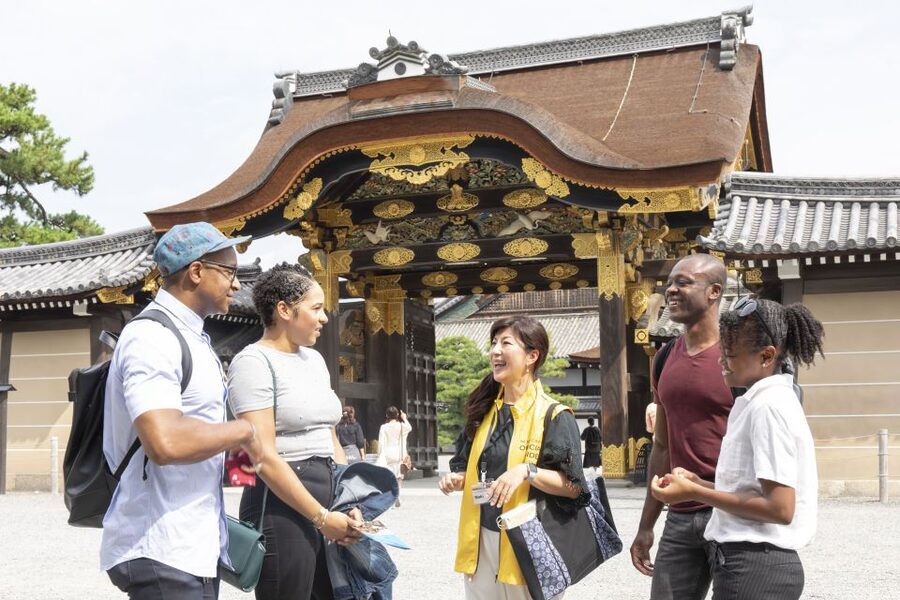
Nijo Castle was built in 1603 as the Kyoto residence of Tokugawa Ieyasu, the first shogun of the Edo Period. That detail explains the castle’s character. This is not simply a fortress built to repel attackers. It was also a political stage, a residence, and an office for the shogun when he came to Kyoto.
After the Tokugawa Shogunate ended in 1867, the property became an imperial palace. Later, it was given to Kyoto City and opened as a historic site. The castle joined the UNESCO World Heritage list in 1994.
I find that timeline especially useful because it helps you read the buildings in layers. You are not looking at one frozen moment in Japanese history. You are seeing a shogun’s working residence, a former imperial property, and a public monument in one compact site.
Nijo Castle has three main sections. The Honmaru, or main defensive circle, sits within the grounds. The Ninomaru is the secondary defensive circle and contains the palace most people come to see. Gardens connect the two areas and soften what could otherwise feel like a stern military complex.
The guided visit focuses on the East Main Gate area, the Kara-mon Gate, Ninomaru-goten Palace, and Ninomaru Garden. That selection gives you the strongest introduction without trying to cover every corner of the grounds.
A few more palace visits around Japan worth a look
- Tokyo: Imperial Palace and Shogun Historical Walking Tour
★ 5.0 · 2,251 reviews - Tokyo: Imperial Palace Japanese History Walking Tour
★ 4.9 · 987 reviews - Tokyo: Imperial Palace and Shogun Walking Tour
★ 4.9 · 935 reviews
Meeting your guide at the East Main Gate
The meeting point is the Nijo Castle Tour Ticket Booth. Enter through the East Main Gate, then go to the reception area beside the General Reception, on the left after you enter. You need to notify the staff that you have arrived.
This is one place where I would not cut timing too close. You cannot join after the tour begins, so arrive well before the scheduled start. The castle grounds and the meeting point are not the sort of place where you want to be searching for directions while the group is already moving.
The activity runs in English only. That makes the guide’s speaking style important, and the strongest reports point to guides who speak clearly and keep explanations in manageable sections. Michiko, for example, was praised for calmly leading a group through a busy palace. Kaori was noted for expressive English, while Ai and Miki were repeatedly described as energetic and easy to understand.
Group size can vary, but some groups have been very small, including one with only four people. A smaller group gives you more room to ask questions and makes it easier to stay close to the guide inside crowded rooms.
The East Main Gate and the first lesson in power
The East Main Gate is more than a place to enter. It sets up the difference between a castle built for military defense and one designed to display authority.
From here, your guide begins placing the property in its political setting. Nijo Castle was the shogun’s Kyoto base, and its gates, walls, gardens, and palace arrangements all helped communicate status. The tour gives you a reason to notice those details instead of marching straight toward the palace.
The route then leads toward Kara-mon Gate, the ornate entrance to the Ninomaru area. This gate is one of the early visual rewards of the visit, with elaborate decoration that signals the importance of what lies beyond.
A guide can also help explain why decoration mattered in a place tied to government. The carvings and painted motifs were not random finishing touches. They helped express rank, authority, protection, and taste. One particularly memorable explanation connected some dragon imagery with characters familiar from Dragon Ball, while other details prompted comparisons with Pokémon inspiration. Those links are fun, but the serious point is that the artwork still speaks to modern visitors because animals and symbols were used to carry meaning.
Kara-mon Gate and the approach to Ninomaru Palace
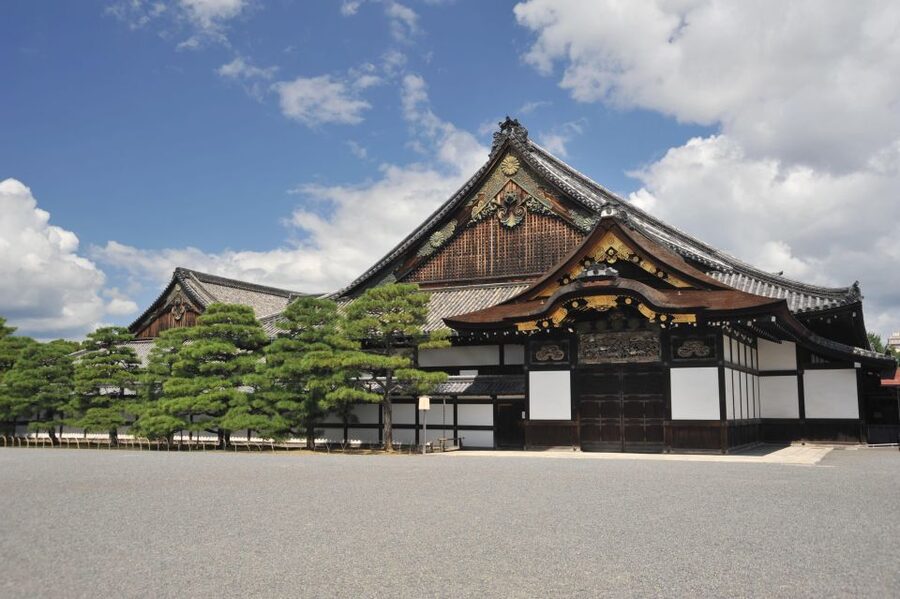
Kara-mon Gate is the threshold to Ninomaru Palace, and it prepares you for the palace’s formal design. The gate’s decoration can be easy to treat as a background for photographs, but the guide slows the experience down and explains what you are seeing.
The palace itself was the shogun’s residence and office during visits to Kyoto. That dual purpose matters. You are walking through rooms linked to government decisions, formal meetings, hospitality, and private life. The tour helps you separate those functions instead of seeing a series of beautiful but indistinct rooms.
The route is not a private palace visit. Other people may be moving through the same spaces, and crowded periods can make it harder to hear. Guides have handled this well by keeping groups together, speaking clearly, and stopping at points where the explanation can be heard.
Comfort depends heavily on the season. The palace has no air conditioning, and water and photography are not allowed inside. August heat can be severe, so carry a cold drink for the outdoor portions and expect the interior to feel warm. The guide may adjust the pace and watch the group, but the weather remains a genuine consideration.
Same place, a different set of state rooms:
- Tokyo Castle & Imperial PalaceーShogun Walking Tour
★ 4.7 · 1,068 reviews - Tokyo Castle & Imperial PalaceーShogun Walking Tour
★ 5.0 · 724 reviews - Imperial Palace East Garden and Edo Castle Walking Tour in Tokyo
★ 5.0 · 510 reviews - Kyoto: Imperial Palace & Nijo Castle Guided Walking Tour
★ 4.7 · 453 reviews
Ninomaru Palace: rooms, murals, and silent floors
Ninomaru Palace is the heart of the tour. The building remains remarkably intact, and the rooms show how the shogun’s public and private worlds were arranged.
One famous feature is the floor. As you walk through, the boards make a soft squeaking sound. The effect is practical as well as memorable: movement could be detected inside a building where security mattered. You do not need to know every technical detail to appreciate the atmosphere. The palace makes you feel that people once watched, waited, negotiated, and guarded their position in these rooms.
The murals deserve time. Large painted scenes, including animals and plants, were selected for more than beauty. Guides explain how artwork helped define the status of each room and the people who used it. The meaning of a painted tiger, dragon, or other motif can change depending on where it appears and who was meant to see it.
This is where the tour earns its $16. You could walk through the palace alone, but it would be easy to miss why one room is more formal than another or why a particular mural belongs in a certain setting. Guides have explained the ruling structure, court intrigue, Samurai customs, dinner preparation, and the risks of poisoning. Those details turn architecture into human drama.
I also like the attention to ordinary routine. The palace was not only a setting for grand ceremonies. It was a workplace and residence where meals were planned, visitors received, messages delivered, and strict etiquette followed. The best guides, including Kingo and Kaoru, have been praised for explaining daily life as clearly as major political events.
The extra-access areas for tour groups
The most distinctive feature is access to part of the castle normally unavailable to the public. Several guided groups have entered two additional areas connected with the shogun’s private quarters or other restricted facilities.
The exact access may depend on castle operations, but you should understand the value of this feature. You are not paying only for someone to walk beside you through the standard route. The guided visit can open a section that independent visitors cannot see.
This access is also one reason I would choose the tour even if you already enjoy reading about Japanese castles. A guide can point out features in the restricted areas and explain how they fit with the palace’s political and domestic functions. It is a small privilege, but it makes the visit feel more personal.
Do not treat it as a guarantee of a long private visit. The total activity lasts 60 minutes, and the extra sections are part of a carefully timed route. Still, the chance to see closed-off rooms adds a useful edge to the experience.
Ninomaru Garden and time to wander alone
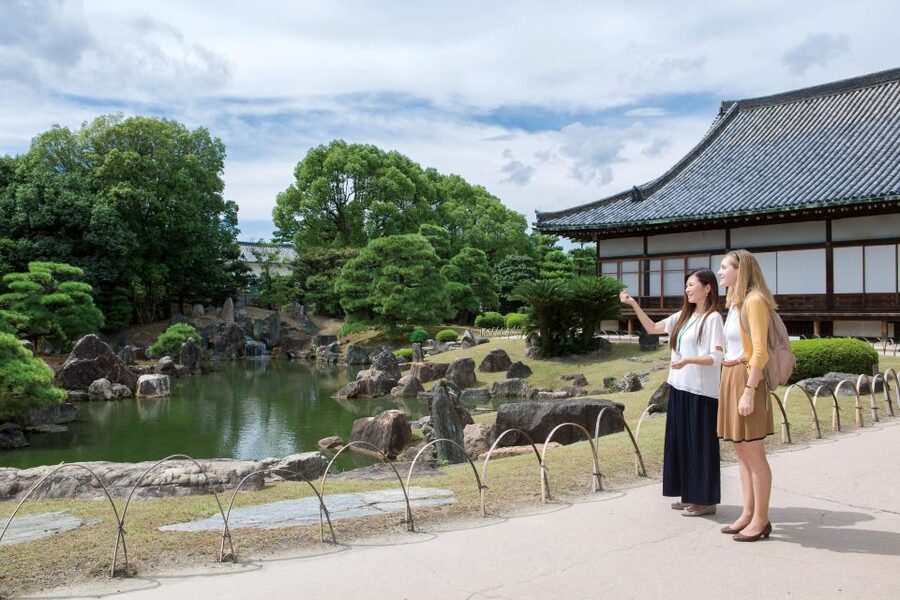
The tour includes Ninomaru Garden, which provides a needed change after the formal palace interiors. The garden circles the main areas of the castle and gives you space to look back at the buildings from outside.
The guided explanation is most useful inside the palace, but the garden is a good place to continue at your own pace. One effective way to use the hour is to stay with the guide for the full route, then spend extra time wandering afterward if your schedule allows.
The garden also helps you understand the castle as a complete property. Walls and gates establish control, the palace expresses rank, and the garden provides a setting for movement and display. You see how the site balances defense, government, and ceremony.
The tour itself does not include transportation. You are responsible for reaching the castle and paying the separate admission fee. One detailed price note puts the admission at 1,300 yen, though you should confirm the current amount before arrival. Bring cash, since the entrance fee must be paid on site.
Is $16 good value?
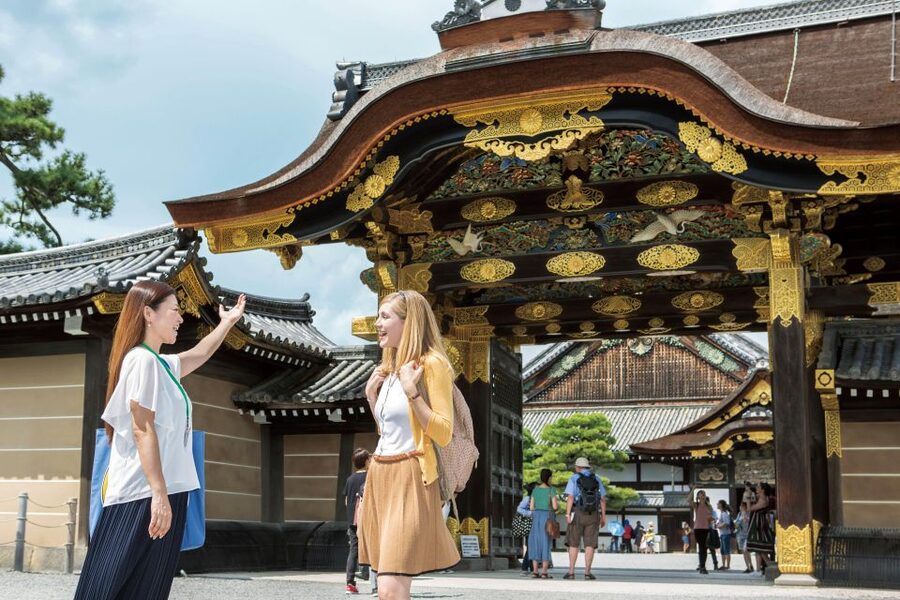
At $16 per person, the tour is reasonably priced for a focused English explanation and possible entry into restricted areas. The extra admission fee means the total cost is higher than the advertised tour price, so budget for both parts.
The value depends on how you like to visit historic sites. If you prefer to read signs, move slowly, and make your own discoveries, you can explore the castle without this tour. You will still see the gates, palace, and gardens.
I would pay for the guide if you want to understand the symbolism, room functions, and political setting. Nijo Castle has plenty of beauty, but its real interest is in how the pieces work together. Without context, the murals may look like decoration and the rooms may blur together.
The tour also saves time. A one-hour route covers the main sights at a sensible pace, which suits a full Kyoto itinerary. Afterward, you can continue exploring independently rather than committing to a long guided walk.
Who should book this Kyoto tour?
I recommend it most strongly to first-time visitors, anyone interested in Samurai-era government, and people who want clear English explanations without a long lecture. It also suits solo visitors, since guides have helped individuals with photographs and made it easy to join the group.
Families can benefit from the child policy. One child aged 0 to 12 may join free with each paid participant, but the child must stay with an adult. Earphones are supplied only to paying participants, so a child who needs an earphone should have an adult ticket.
The tour is less suitable for anyone visiting on a Tuesday in July, August, December, or January, or from December 26 through January 3. Ninomaru-goten Palace closes during those periods, so the main part of the experience is unavailable.
Practical tips for a smoother visit
- Enter at the East Main Gate, not another entrance.
- Arrive early and check in at the reception beside the General Reception.
- Bring cash for the separate castle admission fee.
- Wear comfortable shoes for the grounds and palace route.
- Carry water or a cold drink, especially from June through August.
- Remember that photography and water are not allowed inside Ninomaru Palace.
- Ask questions. Guides such as Miki, Ai, Ayu, Don, and Kaoru have been especially good at adding context and answering them.
- Keep your schedule flexible after the tour so you can wander the garden and grounds on your own.
Should you book the Nijo-jo Castle guided tour?
Book it if you want Nijo Castle to make sense, not simply look impressive. The one-hour format is efficient, the English guiding is a major strength, and the chance to enter normally restricted areas gives the visit something beyond a standard self-guided walk.
Skip it if you want complete independence or if you are trying to avoid the extra admission cost. For most people, though, the guide adds the missing layer: who used each room, why the artwork matters, how the shogun’s household worked, and how this Kyoto residence became a political center. Arrive early, bring cash, and avoid the hottest part of summer if you can.
FAQ
How long does the Nijo-jo Castle guided tour last?
The guided tour lasts 60 minutes.
What language is the tour conducted in?
The tour is conducted only in English.
Is the Nijo Castle admission fee included?
No. The castle admission fee is separate and must be paid with cash on site.
Where does the tour meet?
Meet at the Nijo Castle Tour Ticket Booth. Enter through the East Main Gate, then go to the reception area next to the General Reception on the left after entering.
What places are included in the route?
The route includes Higashi Ote-mon Gate, Kara-mon Gate, Ninomaru-goten Palace, and Ninomaru Garden.
Can I visit an area that is normally closed to the public?
The tour includes access to a part of the castle normally unavailable to the public. Some guided groups have entered two additional areas connected with the shogun’s private quarters.
Can children join the tour for free?
Each paid participant may bring one child aged 0 to 12 free of charge. The child must be accompanied by an adult.
Do children receive earphones?
Earphones are provided only to paid participants. If a child needs an earphone, an adult ticket should be purchased for that child.
Can I take photographs inside Ninomaru Palace?
No. Photography is not allowed inside the palace.
When is Ninomaru-goten Palace closed?
The palace is closed every Tuesday in July, August, December, and January. It is also closed from December 26 through January 3.
Just added around Japan
- Kyoto: Discover Every Bit of Kyoto Imperial Palace★ 4.4 · 21 reviews
- Kyoto: Nijo Castle and Kyoto Imperial Palace Guided Tour★ 4.6 · 98 reviews
- Imperial Palace Tour: Discover Samurai History with a Guide★ 5.0 · 12 reviews
- Full Tokyo: Meiji Shrine, Imperial Palace, Asakusa & Skytree★ 4.7 · 16 reviews
- Tokyo: Edo Castle & East Garden of the Imperial Palace Tour★ 4.7 · 112 reviews
- Tokyo Castle, Imperial Palace, Shogun & Garden Walking Tour★ 5.0 · 211 reviews
- Tokyo: Imperial Palace East Gardens Walking Tour★ 4.8 · 353 reviews
- Tokyo: Imperial Palace, Sensō-ji Temple, & Tokyo Tower Tour★ 4.5 · 339 reviews
Japan Palace Tours, compared.
Imperial Palace and Shogun Historical Walking Tour
Read our review →
Tokyo Castle & Imperial PalaceーShogun Walking Tour
Read our review →

Tokyo Castle & Imperial PalaceーShogun Walking Tour
Read our review →
Imperial Palace East Garden and Edo Castle Walking Tour in Tokyo
Read our review →
Imperial Palace & Nijo Castle Guided Walking Tour
Read our review →
Browse the lists this tour appears in