
REVIEW · JAPAN
Kyoto Imperial Palace and Nijo Castle Walking Tour
Kyoto reveals itself on foot. This seven-hour private tour links a major Buddhist temple, Nishiki Market, Nijo Castle, and the Kyoto Imperial Palace into one clear day of history, food, religion, and royal power. I like the way it compares two very different seats of authority: the shogun’s decorated castle and the emperor’s restrained palace. I also like the local guidance at Nishiki Market, where your guide can help you make sense of Kyoto food rather than leaving you to wander past unfamiliar stalls.
The other strength is the private format. Your group has the guide’s full attention, and guides such as Naoko, Chie, Fuji, and others have been praised for answering questions, helping families, and managing the day well. The main drawback is simple: seven hours on foot is a lot, and the advertised price does not include admission or public transportation.
Key points before you book
- Four very different Kyoto stops: See Higashi Hongan-ji Temple, Nishiki Market, Nijo Castle, and the Kyoto Imperial Palace in one day.
- A private tour for your group: You are not joining a large shared crowd, so questions and pacing can be handled more personally.
- Strong family appeal: Guide Naoko has been especially praised for making history interesting for children.
- Useful food guidance: At Nishiki Market, guides can recommend local dishes and help you choose where to eat.
- Budget for extra costs: Add ¥1,300 per person for admission and about ¥1,000 per person for public transportation.
- A full walking day: You need moderate fitness and comfortable shoes.
Starting at Kyoto Station at 9:00 am
The meeting point is outside Hotel Granvia Kyoto, at the JR Kyoto Station Central Entrance. This is a practical place to begin because Kyoto Station is a major transport hub and easy to identify, though you should allow time to find the correct entrance in the station’s large interior.
The tour starts at 9:00 am and returns to the same meeting point after about seven hours. That makes the schedule useful if you want a structured first full day in Kyoto, but it also means you should not plan a demanding evening immediately afterward. The combination of walking, standing, castle floors, and public transportation can leave you ready for a quieter dinner.
Because this is a private activity, the guide can focus on your interests. Ask about religion, architecture, food, imperial life, or the difference between the shogun and emperor. The strongest guide moments reported for this tour come from that back-and-forth exchange. Fuji, for example, was praised for answering questions or finding the answers, while Chie was praised for getting the group around efficiently.
English ability appears strong among the guides. One guide was specifically praised for speaking very good English, and the comments about Naoko, Chie, and Fuji point to a service built around explanation rather than simply leading you from gate to gate.
More Palace Walking Tours in Japan
- Tokyo: Imperial Palace and Shogun Historical Walking Tour
★ 5.0 · 2,251 reviews - Tokyo Castle & Imperial PalaceーShogun Walking Tour
★ 4.7 · 1,068 reviews - Tokyo: Imperial Palace Japanese History Walking Tour
★ 4.9 · 987 reviews
Higashi Hongan-ji and Kyoto’s Buddhist life
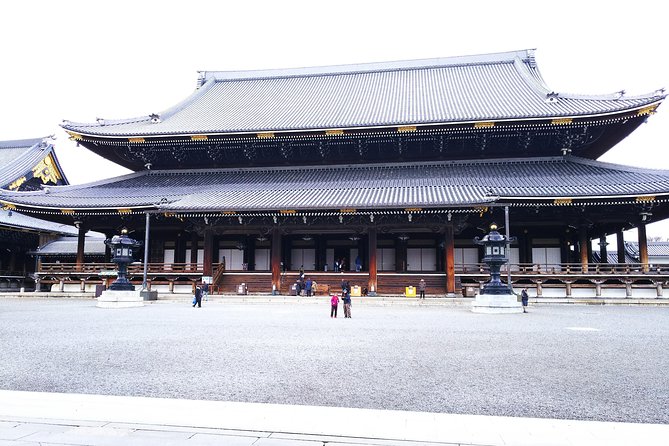
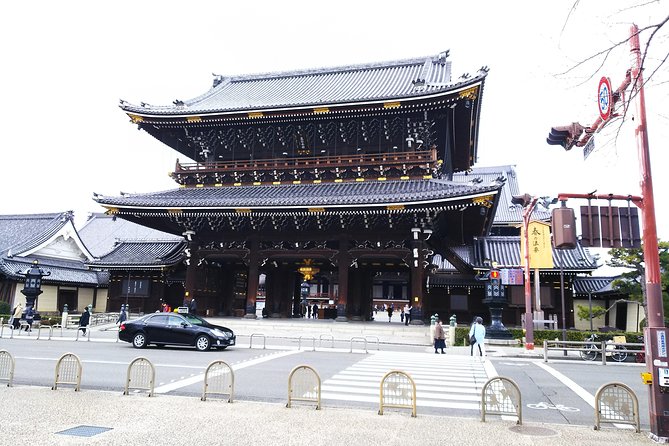
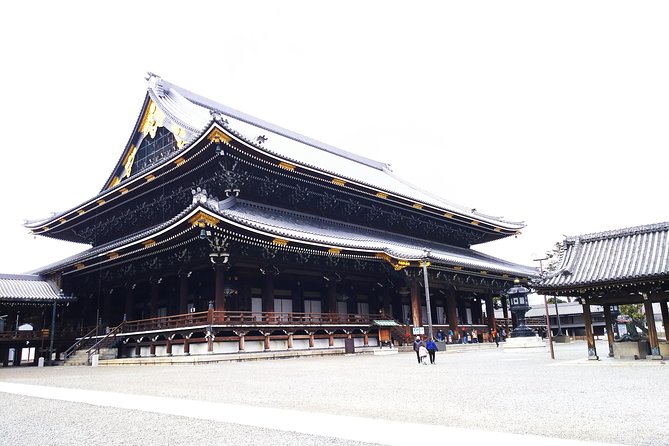
The first stop is Higashi Hongan-ji Temple, with about 30 minutes set aside and no admission charge. This is a short visit, but it gives the day an important starting point. Before you move into castles, palaces, and shopping streets, you get a look at the religious life that shaped ordinary people in Japan.
The tour places the temple within the world of Japanese Buddhism and its different sects. The temple is linked with the Shingon Otani tradition, described as one of Japan’s largest Buddhist sects, with about eight million believers. That context helps you see Buddhism not as a remote monument subject, but as a living part of daily life and community identity.
Thirty minutes will not allow for a slow, meditative visit to every corner. Still, the short stop works well in a day packed with major sights. Your guide can explain what you are seeing, point out features you might miss alone, and connect the temple to later stops in Kyoto.
If religious history is your main interest, you may find this portion too brief. If you want a broad introduction to Kyoto, the timing is sensible. It gives you a useful foundation without using up the morning before the larger sites.
Nishiki Market, Kyoto’s food corridor
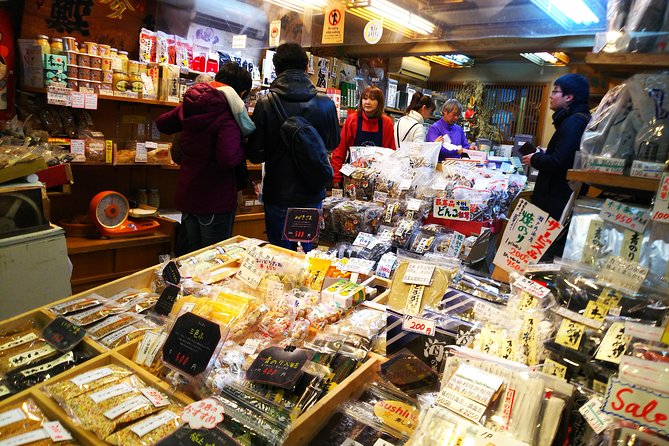
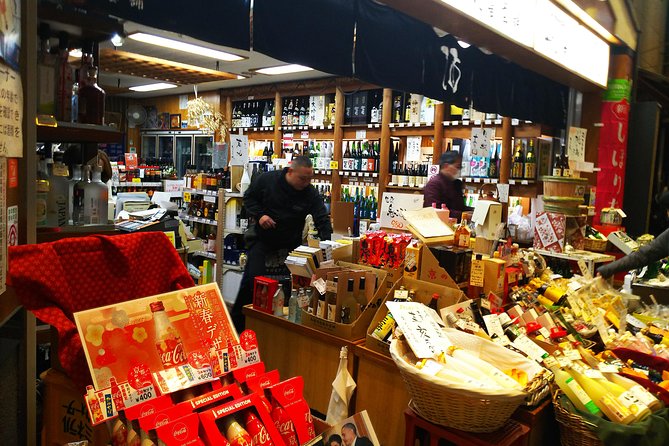
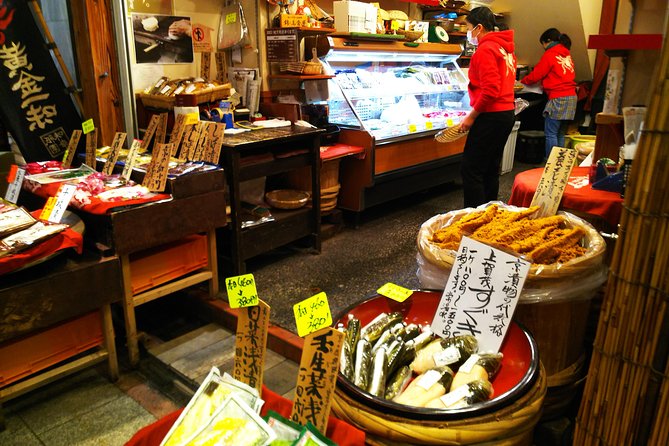
The next stop is Nishiki Market, known as Kyoto’s kitchen, with about 30 minutes to explore. This is where the tour shifts from formal history to everyday culture. The market is associated with Kyoto’s long-standing supply of fresh water, and the tour explains the underground reservoir said to lie beneath the district.
The most useful part of this stop may be the guide’s practical help. Fuji was praised for making food recommendations at Nishiki Market, and another guide suggested a restaurant that became a highlight of the day. That kind of advice can save you from simply buying the first attractive snack you see.
Thirty minutes is enough for an introduction, a few tastes, and quick shopping, but it is not a full market meal. You may want to ask your guide at the start of the visit which foods are worth prioritizing. If you stop at every stall, the schedule will feel tight.
This is also one of the better places to ask questions about Kyoto customs. Your guide can explain not only what a food is, but how it fits into local eating habits. For families, the market provides a break from formal sightseeing. For children, small food discoveries can make the historical parts of the day easier to enjoy.
Keep in mind that food purchases are not listed as included. The guide can suggest places, but you should expect to pay for any snacks, drinks, or restaurant meal yourself.
Nijo Castle and the shogun’s Kyoto residence
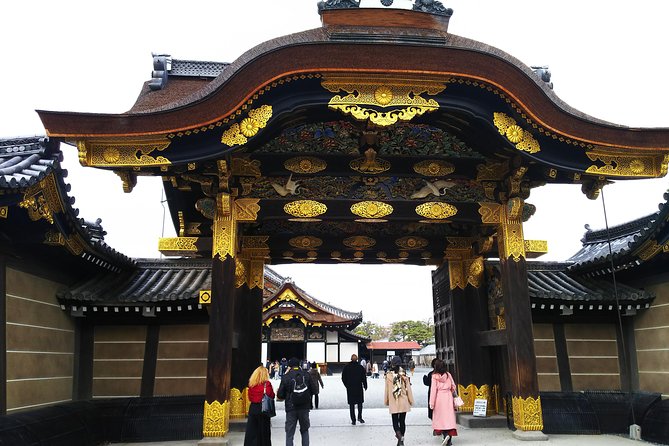
Nijo Castle receives about one hour and is the tour’s main paid attraction. The castle was built in 1603, when the shogun moved his government to Edo, now Tokyo. It served as the shogun’s residence during visits to Kyoto, so this stop gives you a direct look at military rule operating within the emperor’s old capital.
Inside, the castle contains more than 1,000 decorative paintings. That detail alone explains why the site needs more time than the temple or market. The interiors are designed to communicate rank, power, and ceremony, not simply to provide comfortable living space.
Your guide’s explanations are particularly useful here. The castle can look like a series of rooms and painted panels if you do not know what to watch for. With context, the layout becomes a lesson in authority and social order. You begin to understand how a shogun presented power when visiting a city still tied to the imperial court.
One of the most helpful planning points is the contrast between Nijo Castle and the Imperial Palace. The castle is decorated and connected to military government. The palace is more restrained and tied to the emperor’s role. Seeing both on the same day gives you a sharper sense of how Japan’s political systems overlapped and changed.
Admission is not included in the guide fee. The listed additional charge is ¥1,300 per person. Confirm the current amount when booking, since site fees can change. You should also be ready to remove shoes or walk across traditional flooring if required by the site’s current rules, although the provided tour information does not specify the exact entry procedures.
More Royal Palace Tours in Japan
- Tokyo: Imperial Palace and Shogun Walking Tour
★ 4.9 · 935 reviews - Imperial Palace East Garden and Edo Castle Walking Tour in Tokyo
★ 5.0 · 510 reviews - Kyoto: Imperial Palace & Nijo Castle Guided Walking Tour
★ 4.7 · 453 reviews - Tokyo: Imperial Palace East Gardens Walking Tour
★ 4.8 · 353 reviews
Kyoto Imperial Palace and the end of imperial rule
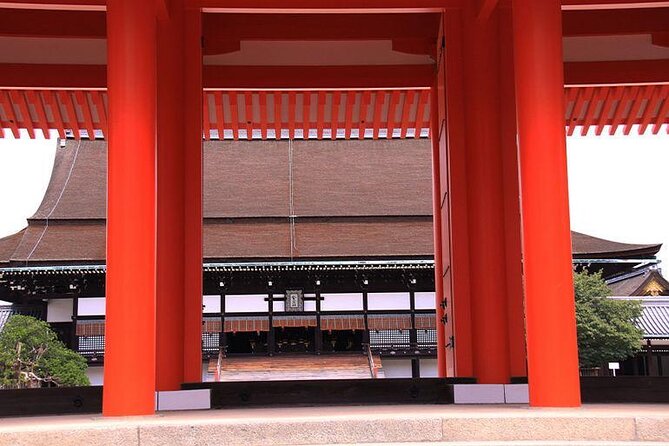
The Kyoto Imperial Palace is scheduled for about one hour and 15 minutes, the longest stop of the day. It occupies a large area in central Kyoto and served as the emperor’s residence until the capital moved to Tokyo in 1868. The imperial family still uses the palace on certain occasions, adding a modern connection to what can otherwise feel like a distant historical site.
Set your expectations correctly. This is not a European palace filled with heavy furniture, gold decoration, and grand indoor rooms. One of the most useful pieces of advice from the tour feedback is to expect a different visual language. The palace’s appeal comes from its scale, layout, formality, and simplicity rather than lavish display.
The contrast with Nijo Castle is the point. At the castle, you see the shogun’s world of painted rooms and military authority. At the palace, you see a more restrained imperial setting. The guide can help you read the difference instead of treating both places as similar old buildings.
The large grounds also make this stop physically demanding after a morning of walking. Take the pace seriously. You can ask your guide questions as you go, but the day is designed to cover a lot, not to provide long periods of quiet sitting.
Admission to the Imperial Palace is listed as free, while the separate ¥1,300 charge applies to the paid site in the itinerary. Your guide can clarify exactly how the day’s entry arrangements work when you meet.
What the private format adds
A private tour costs $111.03 per person before the listed extras, and that is not a bargain-basement price for a walking day. The value comes from the amount of interpretation and personal attention packed into one schedule.
You are paying for the guide’s fare and for a planned route that joins sights you might otherwise visit on separate days. Public transportation costs about ¥1,000 per person, and admission adds ¥1,300 per person, so build those amounts into the real budget.
The private setup matters most if you are traveling as a family or small group. Naoko was praised for keeping children interested, and other guides were praised for answering detailed questions and finding efficient ways through the day. If you prefer to stop often, focus on architecture, or ask about Japanese culture, a private guide is more useful than a fixed group with a rigid script.
The value is weaker if you already know Kyoto well, dislike scheduled days, or prefer to spend an entire afternoon at one site. You will see four major places, but none receives the slow attention possible on a dedicated visit.
Walking, transport, and practical comfort
The tour involves quite a bit of walking and some public transportation. You need moderate physical fitness, comfortable shoes, and enough energy for a full morning and afternoon. The route includes temple grounds, market streets, castle areas, and the extensive Imperial Palace grounds, so expect plenty of standing as well.
Public transportation is not included. The listed estimate is ¥1,000 per person. The tour begins and ends at Kyoto Station, which is convenient, but the day is not a door-to-door hotel pickup service.
Service animals are allowed, and the stops are near public transportation. Confirmation is provided when you book. The activity requires good weather, so poor conditions may lead to a different date or a full refund.
Free cancellation is available until 24 hours before the start time. Cancellations or changes made inside that window are not refunded or accepted, so do not wait until the last minute if your schedule is uncertain.
Who should book this Kyoto day?
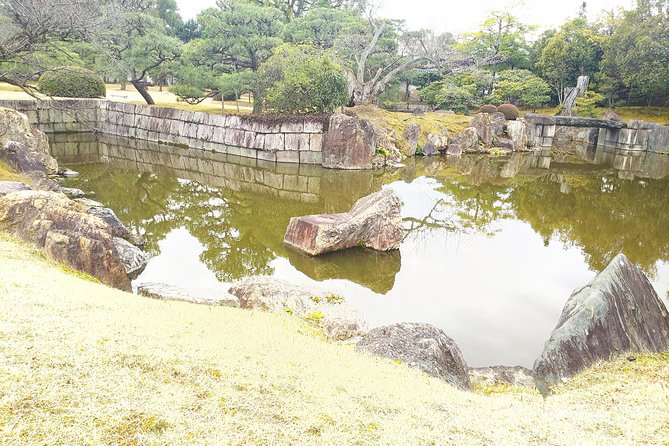
I would choose this tour if you have limited time in Kyoto and want a guide to connect religion, food, military rule, and imperial life. It is especially useful as an early Kyoto visit because the four stops give you a working framework for the city.
Families should give it serious consideration. Naoko’s ability to make the subject interesting for children is a strong sign that the day does not depend on adults already caring about political history. The market also breaks up the formal sightseeing.
This is a good fit for first-time visitors who want explanation, not just photographs. It also suits people who value food advice and local context but do not want to plan every train, entrance, and historical stop themselves.
I would hesitate if you have mobility concerns, dislike walking, or need a relaxed pace. The schedule covers a lot of ground. I would also compare the total cost with arranging a shorter private guide and visiting one or two sites on your own, especially if Nijo Castle or the palace matters more to you than the market and temple.
Should you book the Kyoto Imperial Palace and Nijo Castle tour?
Book it if you want a guided overview of Kyoto’s power, faith, food, and daily life in one day. The private format, strong English communication, family-friendly approach, and practical food suggestions give it real value.
Just budget for the ¥1,300 admission, about ¥1,000 in transport, personal food purchases, and a long day on your feet. If you prepare for that, this is a well-planned introduction to Kyoto, with the best payoff coming from the sharp contrast between Nijo Castle and the Kyoto Imperial Palace.
FAQ
Where does the tour start and finish?
The tour starts at Hotel Granvia Kyoto, by the JR Kyoto Station Central Entrance, at 9:00 am. It ends back at the same meeting point.
How long does the tour last?
The tour lasts approximately seven hours.
Is this a private tour?
Yes. Only your group participates in the activity.
What admission and transport costs are extra?
The listed additional costs are ¥1,300 per person for admission and about ¥1,000 per person for public transportation.
Is the tour suitable for children?
Yes. The tour information and guide feedback indicate that guides can make the sights interesting for children. Naoko was specifically praised for engaging a family’s children.
What happens if the weather is poor?
The tour requires good weather. If it is canceled because of poor weather, you can choose a different date or receive a full refund. You can also cancel for a full refund up to 24 hours before the start time.
Just added around Japan
- From the Imperial Palace to Odaiba : Time travel to Tokyo★ 5.0 · 5 reviews
- Tokyo Skytree, Asakusa, and Imperial Palace 1/2-Day Private Tour★ 5.0 · 3 reviews
- Imperial Palace Tour: Discover Samurai History with a Local Guide★ 5.0 · 20 reviews
- Tokyo Imperial Palace with Kagurazaka Alley Tour★ 5.0 · 54 reviews
- Tokyo’s Imperial Palace & Nihonbashi Tour★ 4.5 · 38 reviews
- Cherry Blossom Highlights, Asakusa, Ueno, Imperial Palace Garden★ 4.5 · 4 reviews
- Private Tour – History, Art and Nature at the Imperial Palace★ 5.0 · 24 reviews
- Tokyo Imperial Palace and Heritage of Edo Castle Private Tour★ 5.0 · 3 reviews
Palace Walking Tours, compared.
Doge’s Palace and St Mark’s Basilica Walking Tour
Read our review →

Walking Tour of Split and Diocletian’s Palace
Read our review →
Grand Palace and Wat Phra Kaew Guided Walking Tour
Read our review →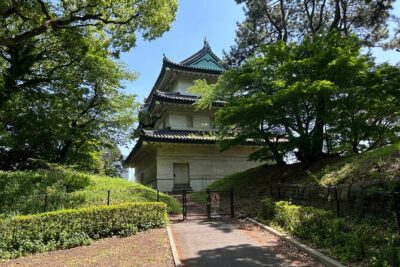
Imperial Palace and Shogun Historical Walking Tour
Read our review →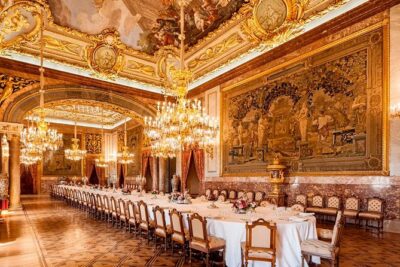
Madrid Old Town & Royal Palace Walking Tour Skip the Line Ticket
Read our review →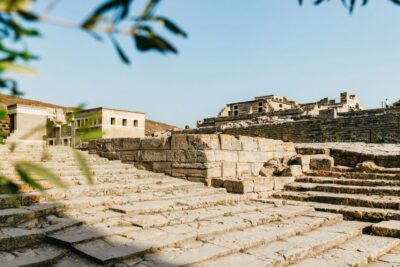
Knossos: Knossos Palace Skip-the-Line Guided Walking Tour
Read our review →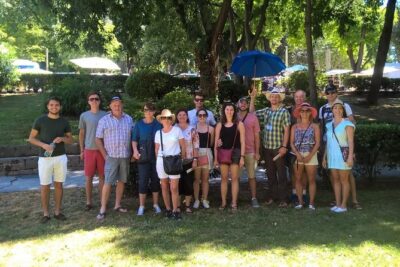
Browse the lists this tour appears in