
REVIEW · ROME
Palazzo Barberini (Bernini Exhibition Is Not Included)
Baroque Rome begins indoors. Palazzo Barberini gives you grand architecture and a serious art collection in one stop, with Raphael’s Fornarina and Pietro da Cortona’s vast ceiling fresco as the main rewards. I like the chance to see over 1,400 works from the 13th to the 18th century, and I like that the same ticket includes Palazzo Corsini on another day. The main catch is that the Bernini exhibition is not included, and the digital audio guide may be awkward if your phone signal is weak inside the thick-walled palace.
This is a self-guided museum visit, not a traditional tour with a person leading you from room to room. You receive help at the Touristation office, then enter Palazzo Barberini with an audio guide app available in English, German, French, or Italian. Allow about two hours, though the collection can easily reward a slower visit.
Key things to know before visiting
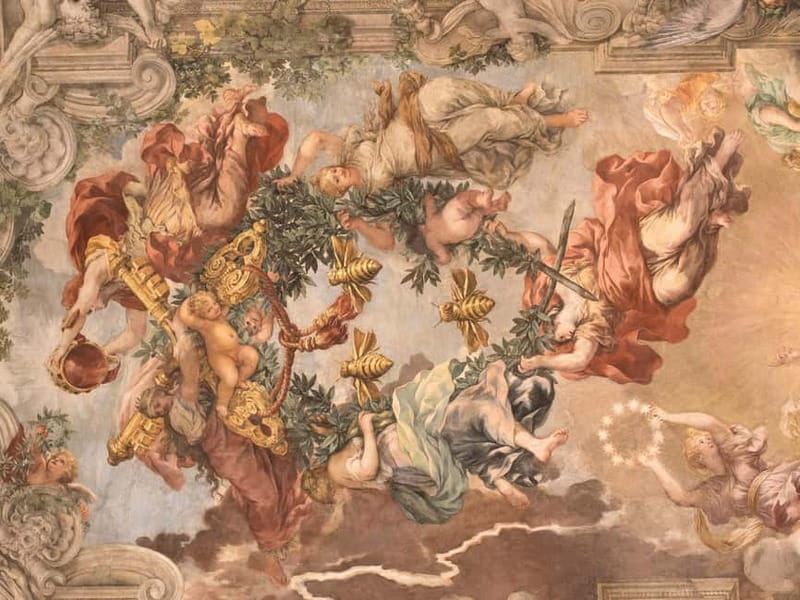
- The palace itself is a major attraction: The central hall rises through the full height of the building and carries Pietro da Cortona’s famous Baroque ceiling fresco.
- Raphael’s Fornarina is here: It is one of the museum’s best-known paintings and a key reason many art lovers make the visit.
- The art spans six centuries: You will find works associated with Raphael, Filippo Lippi, Bernini, Borromini, Caravaggio, and other major names.
- Your ticket also covers Palazzo Corsini: You can visit that gallery on another day during your stay in Rome.
- This is an audio-guided visit: You explore at your own speed, but you need to manage the app on your smartphone.
- The Bernini exhibition costs extra: Do not assume the regular Palazzo Barberini ticket includes every temporary display.
Why Palazzo Barberini deserves two hours
Rome has no shortage of grand churches, ancient ruins, and famous museums. Palazzo Barberini earns its place on your schedule because it brings together two different experiences: the spectacle of a 17th-century palace and a major collection of Italian painting.
The building was commissioned by Maffeo Barberini, who became Pope Urban VIII in 1623. Urban VIII was an important patron of the Baroque, a style built around motion, drama, theatrical light, and bold decoration. He wanted a residence that could match the grandest homes of Rome’s aristocratic families, and the result was far more than a comfortable urban villa.
As you move through the palace, look up as often as you look at the walls. The architecture is not just a container for the paintings. Wide spaces, monumental decoration, and the towering central hall help explain the confidence of the Barberini family during the 17th century.
I would plan on two hours for a focused visit. You can move quickly through the less familiar works and spend more time with the famous paintings, or take a slower look at the rooms and the ceiling fresco. The listed duration is not a strict guided schedule, which gives you useful freedom.
More Museum Visits in Rome:
- Private Tour – National Museum of Palazzo Massimo
★ 5.0 · 51 reviews - Doria Pamphilj Palace Gallery and Museum Private Tour with Local Guide
★ 4.5 · 10 reviews - National Museum of Palazzo Massimo: 2-Hour Private Tour
★ 5.0 · 3 reviews
Entering the Baroque central hall
The central hall is the first major architectural event. It occupies the entire height of the building, creating a dramatic vertical space unlike an ordinary museum gallery. The scale gives you an immediate sense of the power and ambition behind Palazzo Barberini.
The ceiling fresco by Pietro da Cortona is the room’s great visual prize. It is a major example of Baroque illusionism, the art of making a painted ceiling feel as if it opens into a larger world above you. Figures, movement, and architectural effects work together to pull your eye upward.
Give yourself time here before rushing toward the paintings. The hall can be busy with visual information, and you may need to pause to understand how the ceiling is organized. A hat and comfortable shoes are sensible items for a Rome sightseeing day, though the most important practical tip is to protect your neck from too much upward gazing.
The hall also helps you read the rest of the museum. Baroque art is not shy. It wants movement, emotion, and theatrical effect. Once you understand that mood in the architecture, you will notice similar choices in the paintings.
Raphael’s Fornarina and the museum’s famous paintings
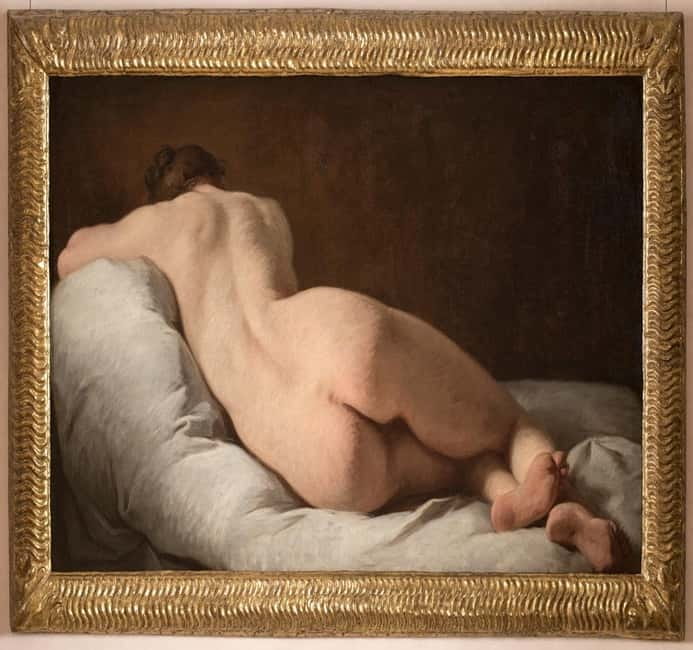
The Fornarina by Raphael is one of the collection’s best-known works. Its fame comes partly from the subject’s identity and the painting’s long association with Raphael, but the picture also gives you a chance to see the artist’s control of color, flesh tones, and pose.
You should not treat the painting as the only reason to enter. It is an important anchor for the visit, but the surrounding collection gives you a wider view of Italian art. Works range from the 13th through the 18th centuries, so you can trace changes in religious imagery, portraiture, composition, and the use of light.
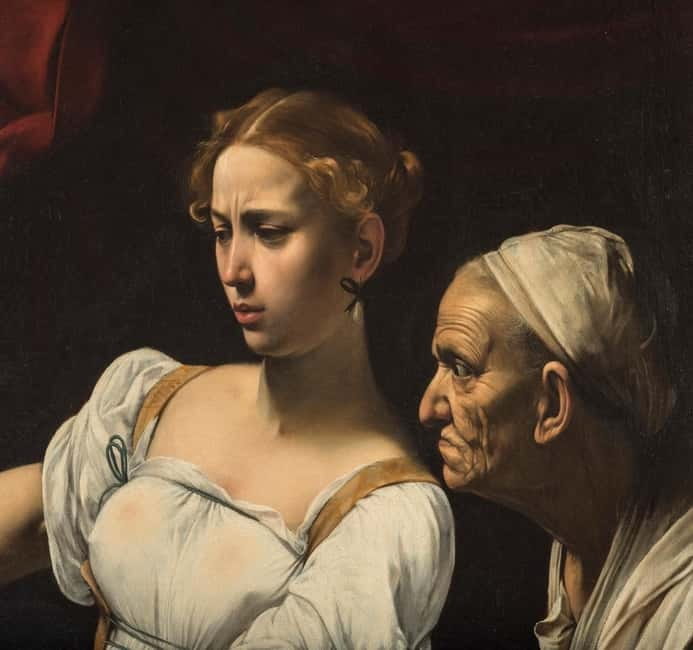
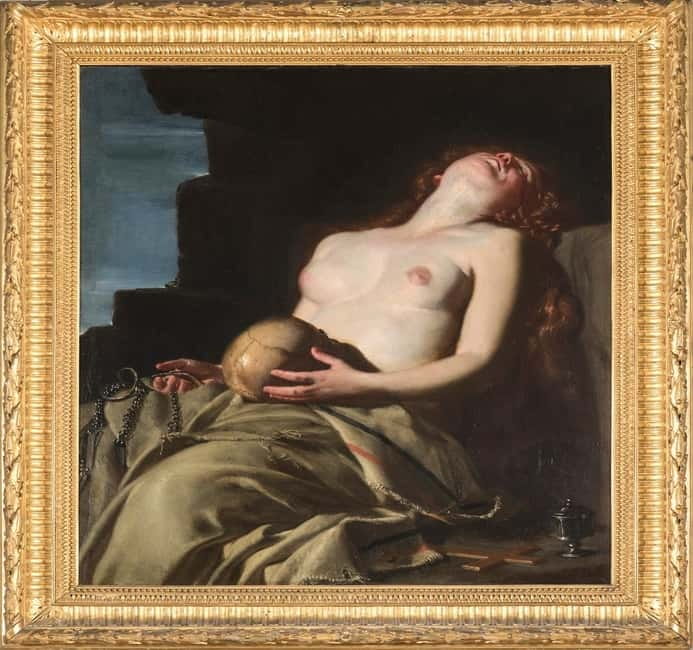
The collection includes paintings connected with Filippo Lippi, Caravaggio, Bernini, Borromini, and other major artists. The names are familiar, but the value of the museum is in seeing them within a larger sequence rather than as isolated textbook images.
Caravaggio’s presence is especially useful for understanding how dramatic light and ordinary human emotion changed painting in Rome. Bernini and Borromini represent different sides of the Baroque world, one associated with sculpture and artistic energy, the other closely tied to inventive architecture. Their inclusion adds depth to a visit that might otherwise feel focused only on Raphael.
Do not confuse works by Bernini in the permanent collection with the separate Bernini exhibition. The special exhibition is not included in this ticket and may require an additional admission.
How the audio guide changes the visit
The Palazzo Barberini audio guide is provided through an app that you download onto your own smartphone. It gives you a flexible way to explore, since you are not tied to a guide’s pace or to a fixed group route.
That freedom is useful in a museum with more than 1,400 works. You can pause, skip sections, and spend extra time with paintings that catch your attention. If you prefer to read labels and follow your own instincts, you can also treat the app as a supplement rather than the entire visit.
The main weakness is technical. The palace has thick walls, and poor internet reception can make the app difficult to use. I would prepare before entering by making sure the app is downloaded, your phone is charged, and any required content is ready. Do not assume you can rely on a strong signal inside the historic building.
The audio guide is available in English, German, French, and Italian. It is not described as a live guided tour, so book this experience only if you are comfortable exploring independently. One unhappy customer expected a person-led tour and had to rent an audio guide because the phone connection was poor. That is a useful warning: read the format carefully before paying.
A few more palace visits around Rome worth a look
- Rome: Opera Concert at Palazzo Poli – Fontana di Trevi
★ 4.7 · 1,026 reviews - Rome: Colonna Palace Entry Ticket
★ 4.8 · 609 reviews - The Great Opera Arias Concert at Palazzo Poli – Trevi Fountain
★ 5.0 · 533 reviews - Colosseum Underground, Roman Forum & Cesar Palace Special Access
★ 4.5 · 421 reviews
The art collection beyond the headline names
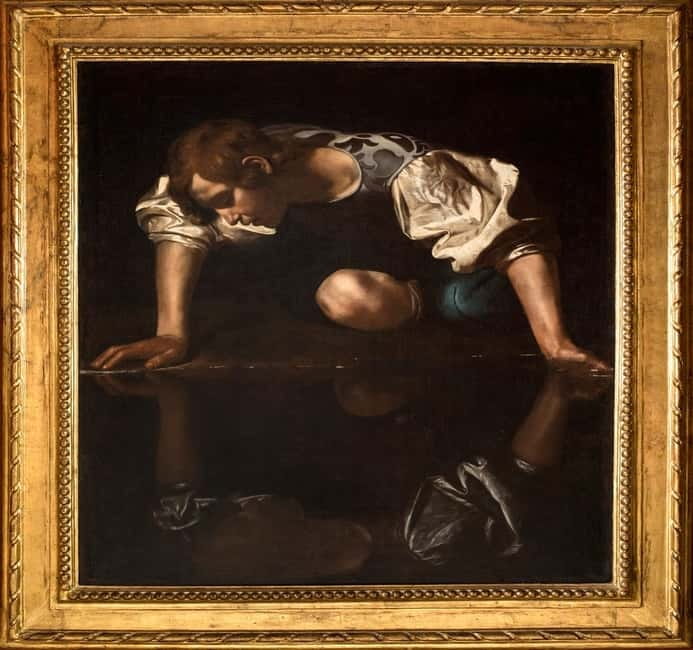
A museum with famous names can sometimes feel like a checklist. Palazzo Barberini offers more than that, provided you give the less familiar rooms some attention.
The range from the 13th to the 18th century lets you see how Italian painting developed over time. Earlier religious works can feel more formal and devotional, while later Baroque pictures often push toward drama, movement, and strong emotional effect. You do not need a specialist’s background to follow these changes.
I suggest choosing a few paintings for close study instead of trying to absorb every room. Look at how artists handle faces, hands, fabric, and light. Compare a calm Renaissance composition with the more forceful energy of a later Baroque work. Small comparisons like these make the collection easier to remember.
The setting also changes your response to the art. You are not walking through a plain modern gallery. You are seeing major paintings inside a former papal family residence, surrounded by rooms designed to impress. That connection between art and power is one of the most interesting parts of the visit.
Adding Palazzo Corsini to your Rome plans
The ticket includes admission to Palazzo Corsini on another day during your stay in Rome. This is a useful benefit, especially if you enjoy historic interiors and Renaissance and Baroque painting but do not want to cram two museums into one afternoon.
The Corsini Gallery is described as home to an elegant collection of Renaissance and Baroque masterpieces. Since you can use the admission on a separate day, you can schedule it when you are already in that part of Rome or when you want a quieter art-focused morning.
The two-gallery option improves the value of the $29 price. The standard adult admission to Palazzo Barberini is listed as €15, while minors aged 0 to 17 have a listed admission price of €0. The difference between the basic ticket and the experience price covers the added services, including assistance at the Touristation office, the app audio guide, and access to Palazzo Corsini.
That makes the offer less attractive if you only want a simple entry ticket and plan to spend a short time inside. It makes more sense if you want the app, prefer help coordinating your entrance, and expect to visit both galleries.
Price, timing, and the small practical details
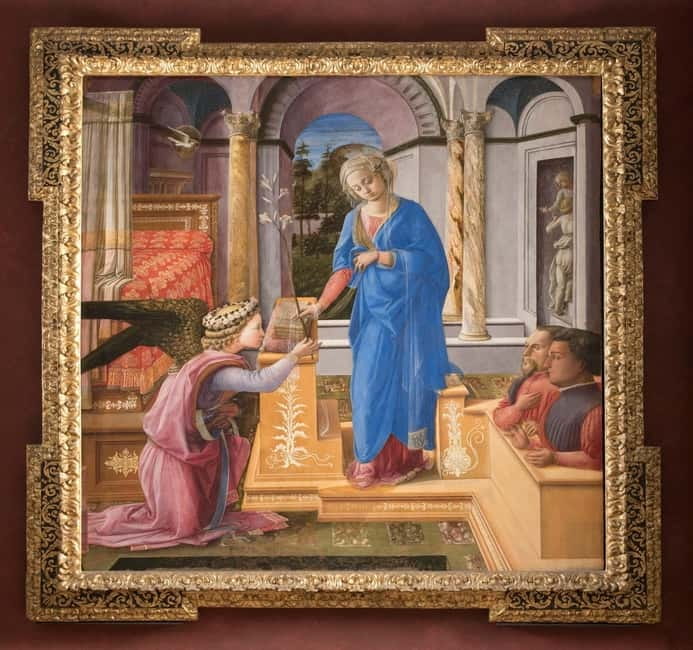
At $29 per person, this is not the cheapest way to enter Palazzo Barberini. The listed adult admission is €15, so you are paying a clear premium for the added arrangement and services. I would consider the price fair only if you value the audio guide, skip-the-ticket-line access, Touristation assistance, and the second gallery.
The voucher is not the entry ticket itself. An operator contacts you with information and instructions for coordinating entry, so do not simply arrive at the palace expecting the voucher alone to open the gate. Read the messages you receive and keep the instructions available on your phone.
The gallery is closed on Mondays. Last admission is one hour before closing, which matters if you are planning a late afternoon visit. Check the available start times before booking, since the experience is listed as two hours but does not offer one universal starting time.
Photography is allowed without flash. A camera is fine, but leave the flash switched off so you do not disturb the paintings or other people. Water, sunscreen, a hat, and comfortable shoes make sense as part of a full day in Rome, especially if you are walking between sights.
There is no hotel pickup or drop-off, and food and drinks are not included. You are arranging your own way to the museum and should plan a meal or coffee separately.
Who should book Palazzo Barberini?
I would recommend this experience to you if you enjoy art, historic buildings, and self-guided sightseeing. It works particularly well for someone who wants more than one famous painting but does not want a long group tour dictating every minute.
It is also a good fit if you are interested in Baroque Rome. The building, the central hall, and Cortona’s ceiling fresco give you a strong sense of the period before you even begin studying the collection.
Families with children aged 0 to 17 should check the ticket terms carefully, since the listed retail admission for minors is €0. The audio guide may or may not hold a young child’s attention, and the palace’s visual impact will appeal more to children who enjoy paintings, grand interiors, or dramatic architecture.
This is not the right choice if you want a live guide, a completely effortless phone-free visit, or a ticket to the Bernini special exhibition. It is also listed as unsuitable for wheelchair users and people with mobility impairments, so accessibility needs careful consideration before booking.
Should you book Palazzo Barberini?
Book it if you want a focused art stop with impressive architecture, Raphael’s Fornarina, a major Baroque ceiling, and the option to visit Palazzo Corsini later. The strongest part of the experience is the combination of palace spectacle and serious art, not just the chance to check off one famous painting.
Skip it if you only want the cheapest admission, expect a guide in person, or mainly want the Bernini exhibition. If you do book, prepare the audio app before arrival, read the entry instructions carefully, avoid Monday, and leave enough time to look up at the central hall. That small bit of planning will make the $29 package much easier to justify.
FAQ
Is the Bernini exhibition included?
No. The Bernini exhibition is specifically excluded from this experience. The regular visit includes Palazzo Barberini and its permanent collection.
How long does the Palazzo Barberini visit last?
The listed duration is two hours. You can explore with the audio guide at your own pace within the available opening and entry times.
Is this a guided tour with a live guide?
No. The experience includes an audio guide app for your smartphone, available in English, German, French, and Italian. Assistance is provided at the Touristation office, but the museum visit itself is self-guided.
Can I visit Palazzo Corsini with the same ticket?
Yes. The ticket includes entrance to Palazzo Corsini on another day during your stay in Rome.
Is Palazzo Barberini open on Mondays?
No. The gallery is closed on Mondays. Last admission on open days is one hour before closing.
Can I take photographs inside?
Yes. Photography is allowed without flash. Flash photography is not permitted.
Just added around Rome
- Palazzo Barberini: 2-Hour Private Tour★ 4.9 · 9 reviews
- Rome: Dinner and Opera Performance at Palazzo Pamphili★ 4.9 · 14 reviews
- Rome: New Year’s Concert at Palazzo Doria Pamphilj with Tour★ 4.0 · 3 reviews
- National Museum of Palazzo Massimo: 2-Hour Private Tour★ 5.0 · 3 reviews
- Rome: Palazzo Braschi Reserved Entrance Ticket★ 3.7 · 9 reviews
- Lateran Palace Entry Ticket with Audio Guide★ 3.1 · 16 reviews
- Rome: Palazzo Barberini Guided Tour★ 4.6 · 31 reviews
- Colosseum, Roman Forum and Emperors’ Palace Private Guided Tour★ 5.0 · 14 reviews
Museums, compared.
Venice’s Best: Basilica, Doge’s Palace, Gondola & History Gallery
Read our review →
Royal Palace & Prado Museum Skip the Line Guided Tour
Read our review →
City Pass with Museums including Doge’s Palace
Read our review →
Knossos Palace and Museum E-Tickets with Audio Guides
Read our review →
Venice Museum Pass & Doge’s Palace Entrance Ticket
Read our review →
Palace, Museum, Madrasa & Medina Highlights Tour
Read our review →
Browse the lists this tour appears in