
REVIEW · ROME
National Museum of Palazzo Massimo: 2-Hour Private Tour
Ancient Rome speaks through objects. This private two-hour tour of the National Museum of Palazzo Massimo brings Roman calendars, household frescoes, marble gods, and funeral art into one clear story. I like the focused route through major works, and I like having an English-speaking guide explain why these objects mattered in daily Roman life. The main drawback is time: two hours gives you a strong introduction, not a complete museum visit.
The price is $130.28 per person, which is a serious outlay for a short museum visit. Still, a private guide can make the difference between admiring beautiful marble and understanding Roman ideas about time, status, religion, home life, and death. I would especially consider it if you want context without joining a large group.
Key points to know before booking
- The Boxer at Rest is the emotional centerpiece: This powerful bronze presents an ancient athlete with a tired, battered face, offering more than the usual polished image of a Greek or Roman hero.
- Villa of Livia frescoes bring a Roman garden indoors: The painted scenes show how wealthy Romans decorated their homes and shaped peaceful, idealized spaces.
- Ancient calendars reveal Roman control of time: Calendars from Praeneste and Anzio connect museum objects with public life, ritual, work, and civic order.
- The Sarcophagus of Portonaccio turns death into battle drama: Its carved combat scene shows how elite Romans wanted courage and military identity remembered.
- A private format keeps the visit focused: Your guide can explain the pieces most relevant to your interests instead of following a fixed group pace.
- Plan around the museum, not a suitcase: Large bags and luggage are not allowed, and you should arrive 15 minutes early at the entrance.
Why Palazzo Massimo deserves two focused hours
Palazzo Massimo is a good choice when you want Roman history told through original objects rather than reconstructed ruins. The museum’s collection covers daily habits, public institutions, religion, portraiture, home decoration, and burial customs.
That range matters because ancient Rome can feel like a parade of emperors and battles. Here, the story is more human. You look at a calendar and think about how people organized a year. You study a portrait and ask how a Roman wanted to be remembered. You see a fresco and consider what comfort, beauty, and status meant inside a wealthy home.
I like this approach because it links art to behavior. The guide is not only pointing out what is old or famous. The goal is to explain why the object existed and what it tells you about Roman society.
The museum visit lasts two hours, so the route needs discipline. You should not expect to inspect every room or linger at every case. That limitation is also the tour’s strength. You get a selected path through important works, with time for explanations and questions.
More Private Palace Tours in Italy
- Private Tour – National Museum of Palazzo Massimo
★ 5.0 · 51 reviews - Private Tour – Palazzo Barberini
★ 5.0 · 23 reviews - Colosseum, Roman Forum and Emperors’ Palace Private Guided Tour
★ 5.0 · 14 reviews
Ancient calendars from Praeneste and Anzio
The tour begins with objects that can look modest beside statues and frescoes: ancient calendars connected with the cities of Praeneste and Anzio. Their value lies in the questions they raise.
A calendar is not just a list of dates. In Roman society, time was tied to civic rules, religious observances, work, festivals, and public authority. Studying these calendars helps you see that the Roman year was organized by institutions as much as by the movement of the sun or moon.
Your guide can use these pieces to explain how Romans marked important days and how public life depended on shared systems. This is one of the places where a private tour earns its fee. If you are curious about Roman customs, you can ask how calendars shaped ordinary routines. If you prefer art, the guide can keep the explanation short and connect it to the objects that follow.
I would not expect the calendars to provide an instant visual thrill. They are valuable because of their meaning, not because they are the largest or most dramatic objects in the museum. Give them time. They establish the tour’s main idea: Roman civilization was built from systems, habits, and beliefs, not only grand monuments.
The Boxer at Rest and the human face of ancient art
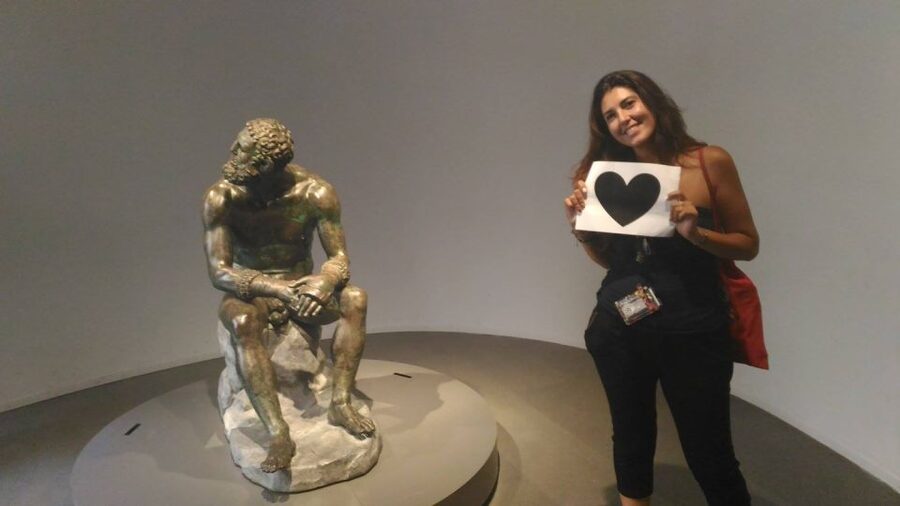
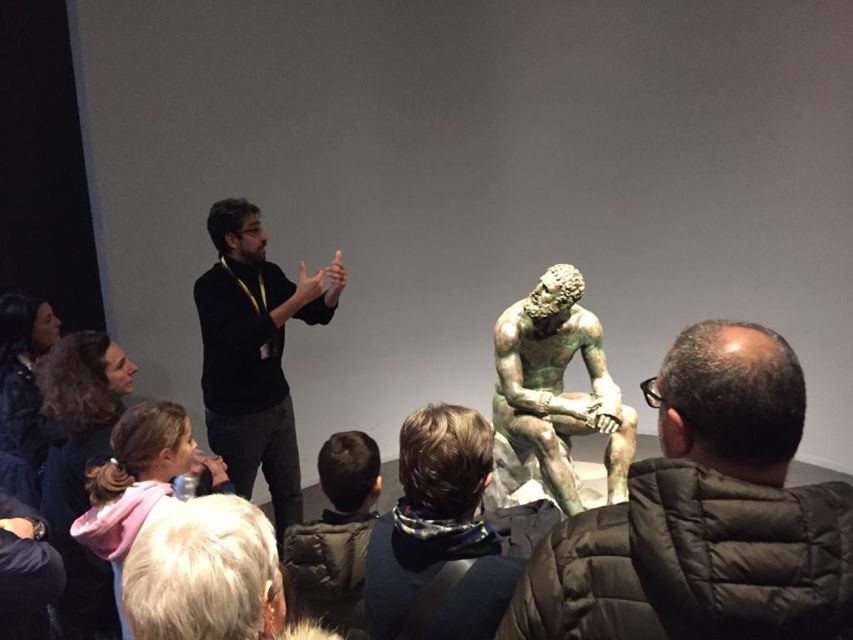
The Boxer at Rest is one of the major reasons to choose this visit. Unlike idealized athletic statues with smooth bodies and calm faces, this bronze boxer looks worn down by effort. His body and expression suggest fatigue, pain, and alertness.
That directness makes the sculpture easy to connect with. You do not need a long lecture to understand that this is not a distant, perfect hero. You see a person who has endured a hard contest.
The statue also offers a useful comparison with the many images of gods and heroes in the museum. Roman and Greek art often presented powerful figures as physically perfect. The Boxer at Rest complicates that tradition by showing strain and vulnerability.
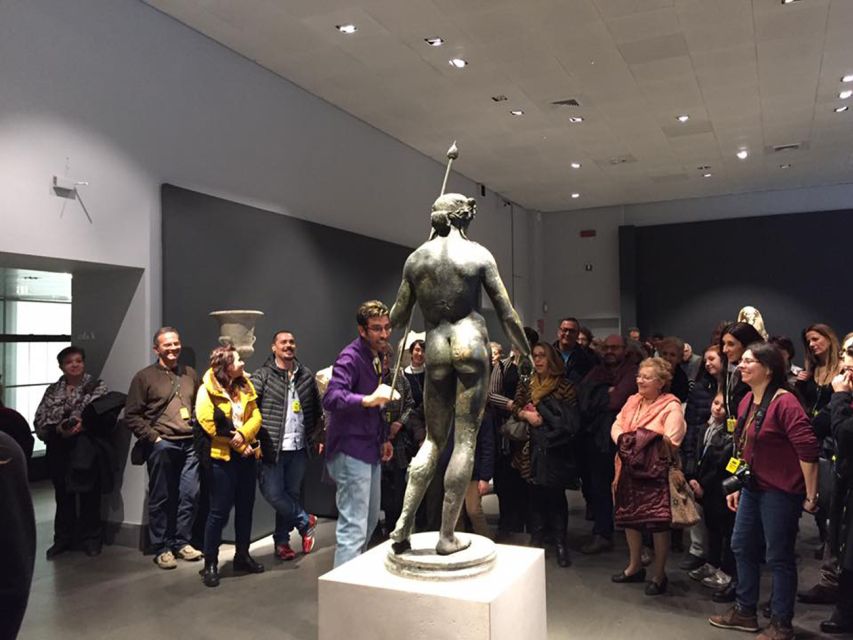
A good guide can point out details you might otherwise miss and explain how ancient artists presented the body, achievement, and defeat. Vincenzo has been praised for making these subjects lively and clear, using animated explanations to connect major works with important figures and activities in Roman life. If he leads your tour, his energy should suit this sculpture especially well.
I would plan to spend real time here. It is tempting to take a quick photograph and move on, but the work rewards a slower look. Notice the contrast between the athletic body and the tired expression. The tension is what makes the statue memorable.
Roman and Greek gods in marble
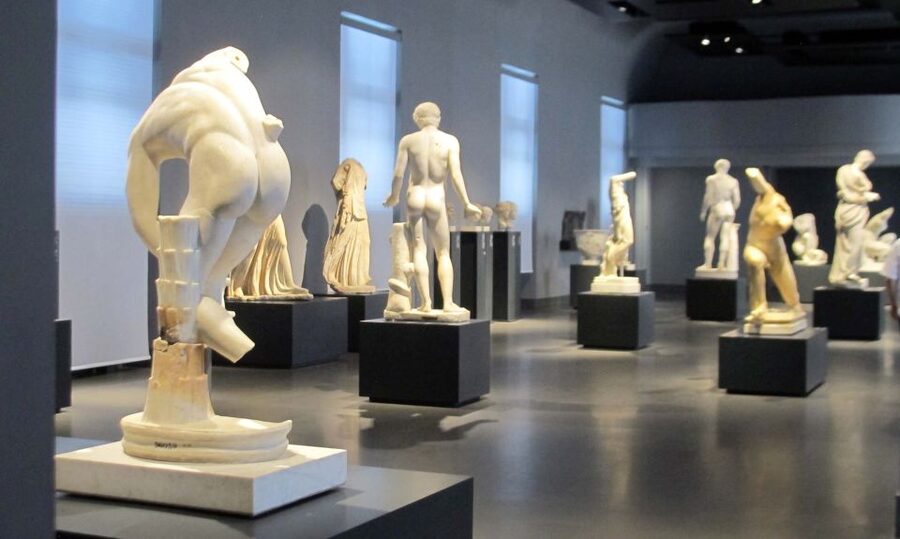
The museum also gives you the chance to walk among marble statues of Roman and Greek gods. These works help explain how Roman culture borrowed, adapted, and reworked Greek religious imagery.
The labels can tell you a god’s name, but a guide adds the useful layer: how the Romans viewed divine power, how they represented ideal bodies, and why particular gods mattered in public and private life. The tour’s focus on religious customs helps you see these figures as more than decoration.
This section may appeal most to you if you enjoy mythology or classical art. It can also feel repetitive if you have already visited several collections of Roman statues. The private format helps because you can ask the guide to compare figures or concentrate on the ones that interest you most.
Look for the difference between a god shown as timeless and powerful and a human figure shown with age, emotion, or physical strain. That contrast runs through ancient art. The museum becomes easier to understand when you see how Romans balanced divine perfection with the very human wish for recognition.
More Private Palace Tours in Rome
- Doria Pamphilj Palace Gallery and Museum Private Tour with Local Guide
★ 4.5 · 10 reviews - Palazzo Barberini: 2-Hour Private Tour
★ 4.9 · 9 reviews
Villa of Livia frescoes and the Roman home
The frescoes from the Villa of Livia offer a change of pace from statues and formal objects. These painted scenes help you picture how a wealthy Roman home might create a sense of nature and calm indoors.
The frescoes are important because Roman wall painting was not a minor finishing touch. It shaped the feel of a room and helped communicate taste, wealth, and refinement. The Villa of Livia scenes allow you to think about the people who lived with this decoration every day, not just the modern visitor seeing it in a museum.
I like this section because it brings domestic life into the tour. A military relief tells you how a man wanted to be remembered in public. A garden fresco suggests how people wanted to feel at home.
Your guide can explain how the paintings fit into Roman house design and why garden imagery carried such appeal. You might find that this is one of the easier sections for children to enjoy, since the subject is visual and less dependent on names and dates.
Do not expect the frescoes to recreate the entire villa. The museum presents preserved decoration, not a full walk through the original house. That is a small limitation, but the paintings still help you understand how Romans used art to transform interior spaces.
The Sarcophagus of Portonaccio and Roman memory
The Sarcophagus of Portonaccio is the tour’s strongest stop for understanding death, status, and military identity. Its carved battle scene is crowded with action, figures, weapons, and conflict.
At first glance, the relief may seem too busy. That is part of its message. The scene presents the deceased as a brave commander connected to victory and Roman power. The burial object becomes a public statement about the person’s character and achievements.
The guide’s explanation is especially useful here because funerary art can be hard to read without context. You can learn why Romans decorated sarcophagi with battle scenes, how the dead were honored, and how religion shaped ideas about memory and mourning.
I would ask about the difference between historical accuracy and symbolic storytelling. A sarcophagus did not need to show one exact moment from a campaign. It could present an ideal image of courage and command.
This piece also ties together several themes from the tour. The calendars show public order. The gods show religious belief. The frescoes show private life. The sarcophagus shows how a Roman family wanted one person’s life presented after death.
What the private guide adds
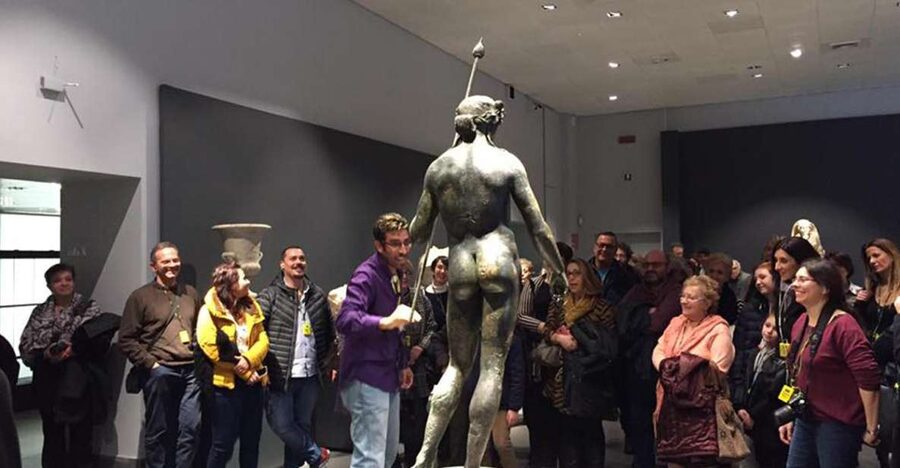
The clearest benefit of this experience is not simply entry to the museum. You can enter a museum on your own and read labels. The benefit is having one person connect separate objects into a story.
The guide speaks English or Italian, and the group is private. That means you can ask for more detail about portraiture, religious life, home decoration, or burial customs instead of listening to a general talk designed for strangers with different interests.
The strongest feedback about the guiding is consistent: the experience is described as fun, educational, lively, and passionate. Vincenzo is praised for explaining key Roman characters and activities with animated descriptions. That matters in a museum where a flat delivery could make even excellent objects feel remote.
Of course, a private tour is only as good as the individual guide on the day. The supplied details name Vincenzo in particularly warm terms, but they do not promise that he will lead every departure. I would book this for the private format and clear subject matter, not on the assumption that a specific guide is guaranteed.
Is $130.28 per person good value?
At $130.28 per person, this is not a bargain museum stop. You are paying for entry, a private guide, and a two-hour visit. Hotel pickup and drop-off are not included, so you also need to arrange your own way to the museum.
The value improves if you are traveling as a couple or small private party and want questions answered. A guide who explains the Boxer at Rest, the calendars, the Villa of Livia frescoes, and the Sarcophagus of Portonaccio can save you from wandering through the collection without a plan.
The value is lower if you enjoy reading labels alone, already know Roman art well, or want a long unhurried museum session. Two hours is a selected introduction. You may leave with a strong grasp of the main works while still wishing you had more time for lesser-known rooms.
I would also compare the cost with your wider Rome plans. If you have already booked several expensive private tours, this museum could be visited independently. If the rest of your itinerary is mostly outdoor sightseeing, this focused indoor visit gives you a useful change of rhythm, especially on a rainy day. The tour runs rain or shine.
Timing, meeting point, and practical details
You should arrive 15 minutes before the scheduled start. The guide waits in front of the museum entrance with a sign bearing the tour name, and tickets are handed out at the beginning.
The tour ends back at the meeting point. Since transportation is not included, allow extra time to reach the museum and do not schedule another activity so tightly that a small delay causes trouble.
Large bags and luggage are not allowed. Travel light, especially if you are arriving with suitcases or a full daypack. A passport or identity card is required for children, according to the tour information.
The booking terms are fairly flexible. You can reserve now and pay later, and cancellation is free up to 24 hours before the activity for a full refund. Check the available starting times before you commit, since the duration is fixed at two hours but the departure time depends on availability.
Who should book this Palazzo Massimo tour?
I would recommend it to first-time Rome visitors who want a clear introduction to ancient Roman society, not only a list of emperors. It also suits couples, families with older children, and anyone who prefers a private conversation to a large group presentation.
Art lovers will get the most from the Boxer at Rest, the marble gods, and the Villa of Livia frescoes. History-minded visitors will appreciate the calendars and the Sarcophagus of Portonaccio. You do not need specialist knowledge. The tour is designed to explain the basic ideas behind the objects.
I would think twice if you want to see the entire museum or spend an afternoon studying every display. Two hours passes quickly, and the private tour follows a focused selection. I would also avoid bringing luggage, since large bags are not permitted.
Should you book it?
Book this tour if you want ancient Rome explained through daily life, religion, art, and memory. The selected works are strong, and the private format lets you ask questions and keep the discussion at a useful pace.
Skip it if you prefer independent museum visits or if $130.28 per person feels too high for two hours. For everyone else, this is a practical way to turn Palazzo Massimo from a quiet collection of old objects into a readable portrait of Roman life.
FAQ
How long is the National Museum of Palazzo Massimo private tour?
The tour lasts two hours. Starting times depend on availability.
What is included in the tour price?
The price includes museum entry tickets, a guide, and a private tour.
Is hotel pickup included?
No. Hotel pickup and drop-off are not included.
Where does the tour start?
You meet the guide in front of the museum entrance. The guide waits with a sign showing the tour name, and tickets are distributed at the start.
How early should I arrive?
You should arrive 15 minutes before the activity begins.
What languages are available?
The live tour guide is available in English and Italian.
Can I bring luggage or a large bag?
No. Luggage and large bags are not allowed.
What is the cancellation policy?
You can cancel up to 24 hours in advance for a full refund. You can also reserve now and pay later.
More Two-Hour Trips in Rome
- Bangkok: 2 Hours Grand Palace & Wat Pho Private Tour
★ 4.9 · 15 reviews
More Museum Visits in Rome
- Palazzo Barberini (Bernini Exhibition Is Not Included)
★ 4.0 · 34 reviews - Venice’s Best: Basilica, Doge’s Palace, Gondola & History Gallery
★ 4.5 · 2,478 reviews - Royal Palace & Prado Museum Skip the Line Guided Tour
★ 4.5 · 1,347 reviews - Venice: City Pass with Museums including Doge’s Palace
★ 4.1 · 1,020 reviews
Just added around Rome
- Palazzo Barberini (Bernini Exhibition Is Not Included)★ 4.0 · 34 reviews
- Palazzo Barberini: 2-Hour Private Tour★ 4.9 · 9 reviews
- Rome: Dinner and Opera Performance at Palazzo Pamphili★ 4.9 · 14 reviews
- Rome: New Year’s Concert at Palazzo Doria Pamphilj with Tour★ 4.0 · 3 reviews
- Rome: Palazzo Braschi Reserved Entrance Ticket★ 3.7 · 9 reviews
- Lateran Palace Entry Ticket with Audio Guide★ 3.1 · 16 reviews
- Rome: Palazzo Barberini Guided Tour★ 4.6 · 31 reviews
- Colosseum, Roman Forum and Emperors’ Palace Private Guided Tour★ 5.0 · 14 reviews
Private Palace Tours, compared.
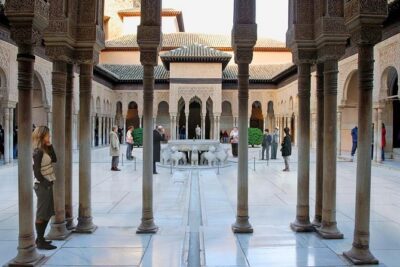
Alhambra Private/Small Group Tour & Nasrid Palaces Skip the Line
Read our review →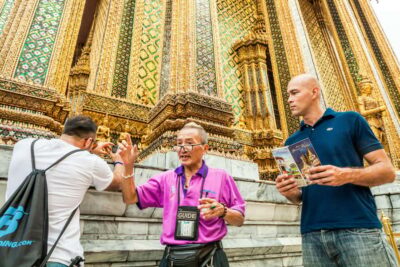
Grand Palace, Wat Pho, and Wat Arun Private Tour
Read our review →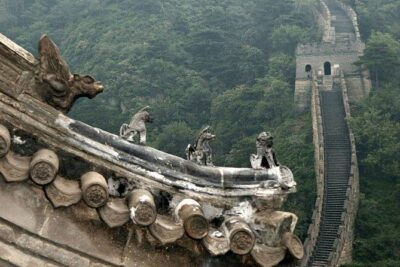
Mutianyu Great Wall&Summer Palace Excursion:Group/Private Options
Read our review →
Private Tour of Sintra, Cabo da Roca and Cascais with 2 Palaces
Read our review →
Private 4hrs Venice Tour: Doge’s Palace, Grand Canal & St Mark’s
Read our review →
Knossos Palace Skip-the-Line Ticket & Private Guided Tour
Read our review →

Private Tour Sintra from Lisbon Palaces of Pena and Regaleira
Read our review →Browse the lists this tour appears in