
REVIEW · ROME
Private Tour – Palazzo Barberini
Art rewards a closer look. This two-hour private tour of Palazzo Barberini brings Rome’s Renaissance and Baroque art into focus, with works by Caravaggio, Titian, El Greco, and Pietro da Cortona. I like the private format, which gives you room to ask questions, and I like that admission is already included. The main drawback is the price: at $138.03 per person, it costs more than a standard museum visit, especially if you have only a casual interest in art.
The tour begins at 3:30 pm and ends at the museum, so you need to make your own way to Via delle Quattro Fontane. There is no hotel pickup or private transportation. Still, the chance to connect political and religious change with the art on the walls makes this a strong choice for anyone who wants more than a quick look at famous paintings.
Key points to know before you book
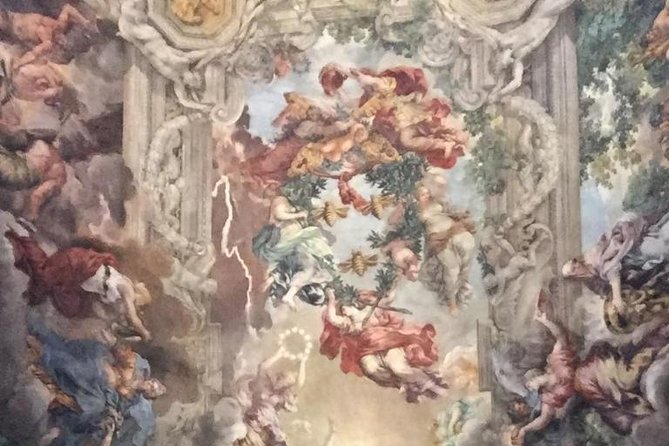
- Pietro da Cortona’s ceiling fresco: The grand Baroque fresco is a central highlight and gives the visit a dramatic visual focus.
- Private English-language format: Your group participates alone, with time to ask questions instead of following a large crowd.
- Artists across several eras: The collection covers Italian art from the Middle Ages through the Renaissance and Baroque periods.
- Admission is included: You do not need to buy a separate museum ticket for the scheduled visit.
- A 3:30 pm start: The timing works well after a morning of sightseeing, but you must arrive at the Palazzo Barberini meeting point on your own.
- Mandatory checkroom stop: Bags and backpacks must be left in the museum checkroom, so bring only what you need.
What the Palazzo Barberini visit gives you
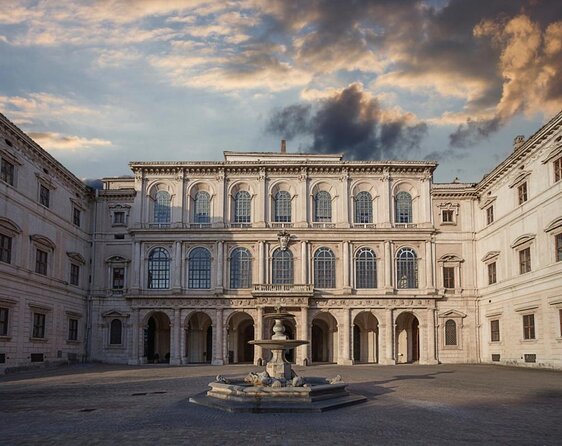
Palazzo Barberini is a useful place to follow the changing language of Italian art. Rather than focusing on one artist or a single century, the tour moves through art from the Middle Ages to the Renaissance and then into the Baroque age.
That broad range matters because Rome’s art did not change in isolation. Religious shifts, political power, wealthy patrons, and the growing importance of dramatic public images all influenced what artists made and how people saw it. A guide can help you connect those forces to the paintings and decoration in front of you.
You can expect the visit to focus on major works rather than every room in equal detail. Two hours is enough for a thoughtful introduction, but not enough to examine every object in a large national collection. I see that as a reasonable trade. A focused tour often leaves you with a clearer sense of the museum than an ambitious march through dozens of rooms.
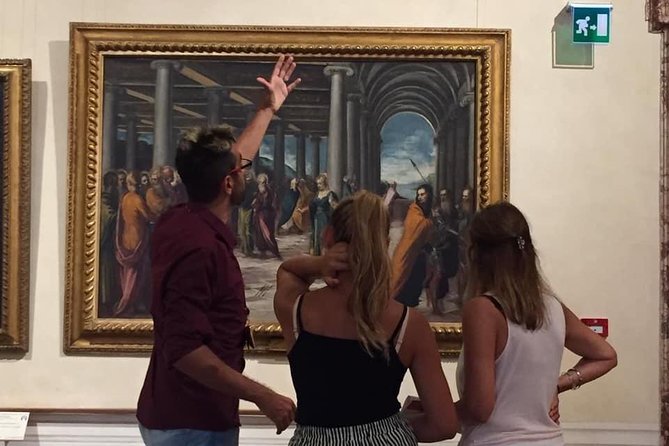
The private setup is the key difference. You are not sharing the guide with a large group, so you can ask why a particular painting matters, how an artist worked, or what a religious symbol means. If you already know a little about Italian art, you can use the time for more specific questions. If you are new to the subject, you can ask for the basic story without feeling that you are slowing anyone down.
More Private Palace Tours in Italy
- Private Tour – National Museum of Palazzo Massimo
★ 5.0 · 51 reviews - Colosseum, Roman Forum and Emperors’ Palace Private Guided Tour
★ 5.0 · 14 reviews - Doria Pamphilj Palace Gallery and Museum Private Tour with Local Guide
★ 4.5 · 10 reviews
From medieval art to the Baroque age
The museum’s chronological range gives the tour a natural story. Early Italian art can feel formal and unfamiliar if you see it without context. A guide’s explanation can show you how images served religious purposes and how artistic choices changed over time.
As the tour reaches the Renaissance, you can look for greater attention to human figures, space, emotion, and the classical world. The point is not simply to identify a famous name. It is to see how artists responded to new ideas and to the demands of powerful patrons.
The Baroque period then brings a sharper sense of movement and drama. This is where the political and religious material becomes especially useful. Art was not only decoration. It could persuade, instruct, celebrate a family, or present authority in a grand visual form.
I like this approach because it gives you a way to read the museum. Instead of collecting names like Caravaggio and El Greco, you begin to notice the choices behind the art: light, gesture, scale, emotion, and the placement of the viewer.
Caravaggio, Titian, and El Greco
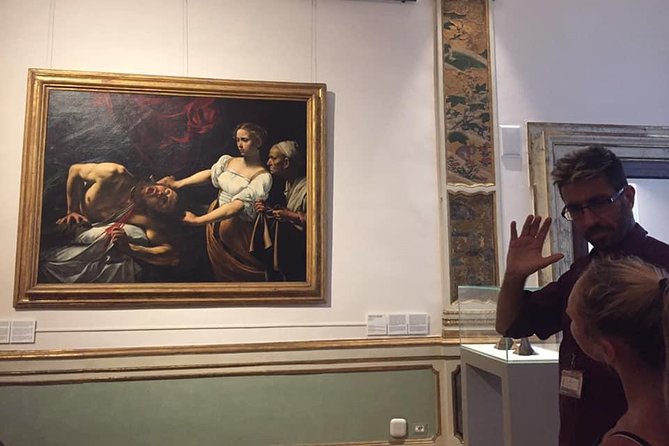
The tour includes works by Caravaggio, Titian, El Greco, and other important artists. These names alone make Palazzo Barberini worthwhile for many visitors, but the value comes from seeing how different their artistic personalities are.
Caravaggio is associated with forceful realism and dramatic light. His paintings can make a religious scene feel immediate and human rather than distant. A private guide can point out how the light directs your eye and how ordinary-looking figures can carry the emotional weight of a sacred story.
Titian offers a different experience. His work is closely tied to color, presence, and the Venetian painting tradition. Looking at Titian beside artists from other regions helps you see that Italian art was not one uniform style. Regional habits mattered, and artists developed very different ways to create mood and meaning.
El Greco adds another change in tone. His distinctive figures and expressive style can seem unusual beside more naturalistic Renaissance works. That contrast is useful. You are not simply being shown three famous painters. You are seeing several answers to the question of what a painting should do.
The tour’s English-language format also matters here. Art vocabulary can become a barrier when a guide moves too quickly or assumes you already know the background. The private setting gives you a better chance to stop and clarify a point before the tour moves on.
Pietro da Cortona’s grand Baroque ceiling
The most frequently praised feature of the visit is Pietro da Cortona’s fresco. This is the moment to look up and allow yourself time to take in the scale and movement of the ceiling decoration.
Baroque frescoes are designed to create a sense of motion and spectacle. The painted architecture, figures, and upward pull can make the ceiling feel less like a flat surface and more like an opening into another space. That effect is easy to miss if you walk through quickly.
A guide can explain the imagery and the political message behind such a commission. That context helps you understand why a ceiling could be more than an attractive decoration. It could present a family’s status, reinforce a religious idea, and turn a palace interior into a statement of power.
This is also where the tour may feel most memorable for people who are not art specialists. You do not need to know every painter or period to respond to a huge, theatrical fresco. The explanation simply gives the visual experience a clearer meaning.
If you have a neck or balance issue, remember that examining a ceiling involves looking upward for a while. The supplied information does not give details about seating or specific accessibility arrangements, so you should ask the provider if you need a particular accommodation.
More Private Palace Tours in Rome
- Palazzo Barberini: 2-Hour Private Tour
★ 4.9 · 9 reviews - National Museum of Palazzo Massimo: 2-Hour Private Tour
★ 5.0 · 3 reviews
Why the private format changes the experience
A private tour is not automatically better for every visitor. It is more personal, but it is also more expensive. The strongest reason to pay extra here is the chance to shape the conversation around your own interests.
You might want to focus on Caravaggio and religious imagery. You might care more about the Barberini family, political power, or the development of Baroque decoration. You could also ask basic questions about how to look at a painting. The guide can adjust the discussion more easily when the group consists only of your party.
The available feedback gives particular praise to Viscenzo, described as enthusiastic, interactive, and full of stories about the artists. If he is leading your tour, you may get a lively presentation that goes beyond dates and labels. Still, guide assignments can vary, so I would not book solely on the expectation of one named guide.
The private format suits couples, families, and small groups with different levels of art knowledge. It also works well for people who dislike large tour groups or who want to pause without losing contact with the guide.
On the other hand, solo visitors may find the per-person cost harder to justify. If you prefer to move at your own pace, a museum ticket and self-guided visit may be a better fit, provided you are comfortable supplying your own background.
The two-hour itinerary and what it means for you
The entire experience takes place at Palazzo Barberini and lasts about two hours. There is no second sight, transfer, or neighborhood walk folded into the schedule. That focus is helpful because you spend the available time on the collection instead of moving between locations.
Your meeting point is the Gallerie Nazionali di Arte Antica at Palazzo Barberini, Via delle Quattro Fontane 13, Rome. The tour starts at 3:30 pm and returns to the same meeting point when it ends.
Plan your route carefully. Hotel pickup and drop-off are not included, and neither is private transportation. The museum is near public transportation, which makes the location practical, but the information provided does not specify which route you should take. Check your own transport plan before setting out and allow enough time to find the entrance.
Bags and backpacks must be left in the checkroom. This is a firm practical point, not a suggestion. Carry only the essentials you need during the two-hour visit, and avoid arriving with a large bag that could slow you down at the entrance.
The timing can work nicely in a busy Rome schedule. A 3:30 pm start lets you visit another nearby sight earlier in the day, then spend the late afternoon with art. You should avoid placing a tight reservation immediately afterward, since the stated duration is approximate.
Is $138.03 per person good value?
At $138.03 per person, this is a premium museum visit. The price includes admission, a local guide, and a professional private tour, so you are paying for both access and interpretation.
The value depends on how you like to see museums. If you want to understand why the art matters, ask questions, and spend two hours with only your own group, the price can make sense. A good guide can save you from wandering through a major collection without knowing what deserves your attention.
The price is harder to defend if you only want to see a few famous paintings and move on. Palazzo Barberini may be better experienced with a standard ticket if you already have a strong background in Italian art or prefer reading labels at your own speed.
Group discounts are available, but no specific discount amount is provided. For a family or group, check the final price before booking rather than assuming the discount will change the total dramatically.
The included ticket removes one common planning step. You do not have to arrange separate admission, and the guide is already part of the booking. That convenience has real value in Rome, where a clear schedule can be worth more than a small saving.
Who should book this Palazzo Barberini tour?
I would recommend it most strongly to:
- People who enjoy art but want help making sense of it
- Visitors interested in Renaissance and Baroque Rome
- Couples or small groups who prefer private guiding
- Families who want to ask questions without joining a large group
- Anyone especially interested in Caravaggio, Titian, El Greco, or Pietro da Cortona
- Visitors who want to connect art with religious and political change
You may want to skip it if you want a cheap museum stop, a self-guided visit, or a broad Rome sightseeing tour. This is not a general city tour. It is a concentrated art experience at one museum.
The perfect participant is curious rather than expert. You do not need an art degree. You simply need to be willing to look closely and listen to the stories behind the works.
Booking advice and cancellation terms
Book ahead if the date matters to you. The experience is booked an average of 34 days in advance, which suggests that popular dates can fill well before your visit.
Confirmation arrives at booking, and the activity is offered in English. Most people can participate, but the mandatory checkroom rule applies to everyone. Free cancellation is available when you cancel at least 24 hours before the local start time. Cancellations or changes made inside that window are not refunded or accepted.
The current rating is 5 out of 5, with 100 percent of the listed participants recommending the experience. The strongest praise centers on the guide’s ability to bring the museum to life, explain each artwork clearly, and tell engaging stories about the artists.
Should you book it?
Book this private Palazzo Barberini tour if you want a focused, guided look at Rome’s art and you value conversation over the lowest price. The included ticket, two-hour format, and private group make the visit easy to manage, while the coverage of Caravaggio, Titian, El Greco, and Pietro da Cortona gives it real artistic range.
Skip it if $138.03 feels too steep for a single museum or if you prefer to explore alone. For everyone else, especially visitors curious about how faith and power shaped Italian art, this is a thoughtful way to spend two hours in Rome.
FAQ
Where does the tour begin?
It begins at Gallerie Nazionali di Arte Antica, Palazzo Barberini, Via delle Quattro Fontane 13, 00184 Rome, Italy.
What time does the tour start?
The scheduled start time is 3:30 pm.
How long does the experience last?
The tour lasts approximately two hours.
Is admission to Palazzo Barberini included?
Yes. Museum admission tickets are included in the experience.
Is this a private tour?
Yes. Only your group participates in the private activity.
Is transportation included?
No. Hotel pickup, hotel drop-off, and private transportation are not included. The museum is near public transportation.
Can I cancel for a full refund?
Yes, if you cancel at least 24 hours before the experience start time. Cancellations or changes made less than 24 hours before the start are not refunded or accepted.
Just added around Rome
- Palazzo Barberini: 2-Hour Private Tour★ 4.9 · 9 reviews
- Palazzo Barberini (Bernini Exhibition Is Not Included)★ 4.0 · 34 reviews
- Rome: Dinner and Opera Performance at Palazzo Pamphili★ 4.9 · 14 reviews
- Rome: New Year’s Concert at Palazzo Doria Pamphilj with Tour★ 4.0 · 3 reviews
- National Museum of Palazzo Massimo: 2-Hour Private Tour★ 5.0 · 3 reviews
- Rome: Palazzo Braschi Reserved Entrance Ticket★ 3.7 · 9 reviews
- Lateran Palace Entry Ticket with Audio Guide★ 3.1 · 16 reviews
- Rome: Palazzo Barberini Guided Tour★ 4.6 · 31 reviews
Private Palace Tours, compared.
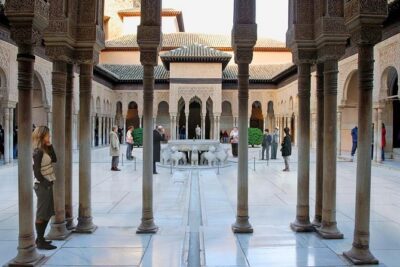
Alhambra Private/Small Group Tour & Nasrid Palaces Skip the Line
Read our review →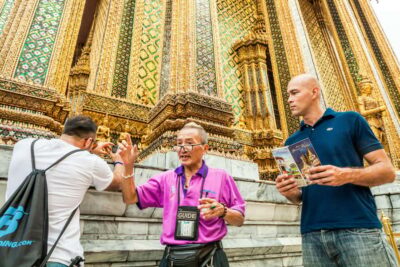
Grand Palace, Wat Pho, and Wat Arun Private Tour
Read our review →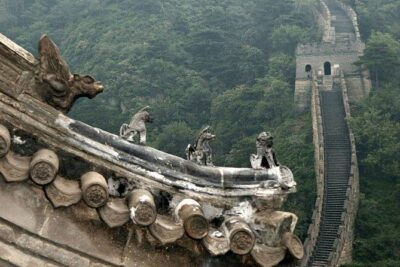
Mutianyu Great Wall&Summer Palace Excursion:Group/Private Options
Read our review →
Private Tour of Sintra, Cabo da Roca and Cascais with 2 Palaces
Read our review →
Private 4hrs Venice Tour: Doge’s Palace, Grand Canal & St Mark’s
Read our review →
Knossos Palace Skip-the-Line Ticket & Private Guided Tour
Read our review →

Private Tour Sintra from Lisbon Palaces of Pena and Regaleira
Read our review →Browse the lists this tour appears in