
REVIEW · SEOUL
Time Travel in Seoul: Gyeongbokgung Palace, Folk Museum & Bukchon
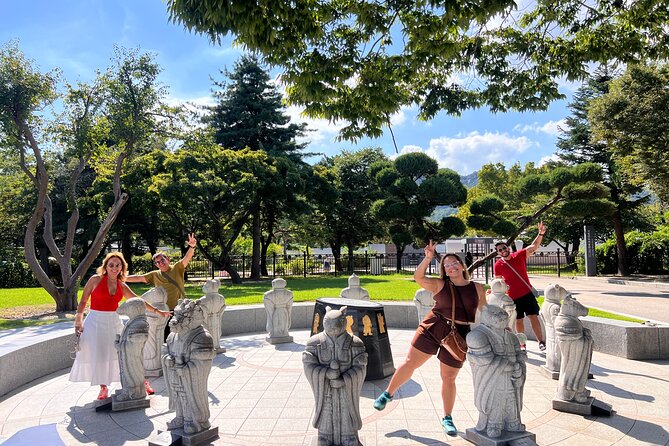
History comes alive in three compact stops. This Seoul tour combines Gyeongbokgung Palace and the National Folk Museum with a guided walk through quiet Bukchon alleys, making it a good choice if you want more context than a quick photo stop. I especially like the maximum group size of six and the included drink at a hanok café with rooftop views. The main tradeoff is time: three hours is enough for a strong introduction, but the palace and Bukchon sections may feel brisk if you prefer to linger.
Guide Mina receives the strongest praise here. She speaks excellent English, explains both Korean history and present-day life, and adjusts the experience when needed. One especially thoughtful touch was helping a participant reach a pharmacy after noticing an aching ankle. Still, you should expect walking, steps, and uneven streets in Bukchon, so comfortable shoes matter.
Five things to know before booking
- The group is capped at six people, giving you a better chance to ask questions and hear your guide clearly.
- Gyeongbokgung Palace takes the first 50 minutes, with admission included.
- The National Folk Museum adds daily-life context, not just royal history.
- Bukchon includes quieter alleys and viewpoints that are easy to miss without a local guide.
- A drink at a hanok café is included, with a rooftop view over traditional Korean rooftops.
- The tour ends near Anguk Station, making it easy to continue exploring Jongno afterward.
Why this three-hour route works in Seoul
Seoul can feel enormous on a first visit. Its modern streets, royal compounds, preserved homes, cafés, and busy shopping areas sit close together, but they do not always make sense as one story when you explore alone.
This route gives you a clear sequence. You begin with the Joseon royal court at Gyeongbokgung, move into ordinary Korean life at the National Folk Museum, then walk through Bukchon Hanok Village, where traditional homes remain part of a living neighborhood.
That progression is useful. The palace shows power and ceremony. The museum explains family life, work, clothing, customs, and seasonal traditions. Bukchon then places those ideas in an urban setting where old-style houses meet modern Seoul.
I also like the scale. With no more than six people, this should feel less like following a flag through a crowd and more like walking with a local who can respond to your interests. The tour is still structured, but it has room for questions and small adjustments.
The route lasts about three hours. That makes it a practical morning or afternoon activity, especially if you are building a first day around Jongno. It is not a full-day historical program, and it does not try to cover every room or street. Instead, it gives you a focused introduction to three important places.
More Gyeongbokgung and Seoul Palace Tours in Seoul:
- Seoul: Gyeongbok Palace, Bukchon Village, and Gwangjang Tour
★ 4.9 · 2,321 reviews - Best Seoul City Tour (Gyeongbokgung Palace,Insadong,Namsan Tower)
★ 5.0 · 1,647 reviews - Seoul City Sightseeing Tour Including Gyeongbokgung Palace, N Seoul Tower, and Namsangol Hanok Village
★ 5.0 · 1,423 reviews
Meeting at Gyeongbokgung Station
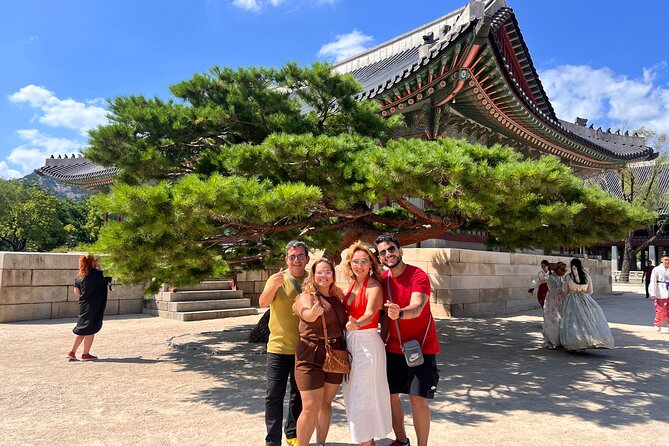
The tour begins at Gyeongbokgung Station on Seoul Subway Line 3. The listed meeting location is in Jeokseon-dong, in Jongno District, near the station.
Starting at a subway station is helpful because you do not need to find a distant hotel lobby or private transport pickup. You should still allow a little time to identify the correct exit and meeting point, especially if you are new to Seoul’s large stations.
The route finishes near Anguk Station, also on Line 3, at Exit 3. That gives the tour a sensible eastward flow through the historic Jongno area. Afterward, you can continue around Insadong or return by subway without retracing the whole route.
Since the tour uses a mobile ticket, keep your booking details easy to open on your phone. Confirmation is provided at booking, and the activity is offered near public transportation.
Gyeongbokgung Palace in 50 minutes
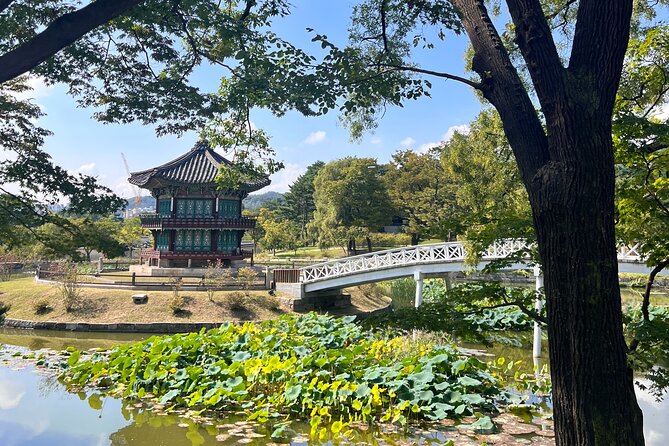
Gyeongbokgung is the grandest of Seoul’s royal palaces, and it makes a strong opening stop. The 50-minute visit focuses on the main highlights rather than attempting every building and courtyard.
That time limit is both a benefit and a compromise. You get the palace setting without spending half a day on a single complex. If this is your first visit, a guide can help you notice the purpose behind the major spaces instead of simply walking from one impressive gate to the next.
The palace is especially valuable with explanation. Architecture alone can be beautiful, but stories about royal life, ceremony, and Korean traditions give the courtyards meaning. Mina’s style, based on the available feedback, includes historical explanation along with practical observations about modern Korea.
Admission to Gyeongbokgung is included in the tour price. You will not need to arrange a separate palace ticket for this visit.
The possible drawback is pace. Fifty minutes can pass quickly, especially if you want photographs or hope to explore side areas. I would treat this portion as an introduction, not a complete palace visit. If Gyeongbokgung is your main reason for coming to Seoul, you may want to return independently with extra time.
Still, as the first part of a three-stop route, the timing makes sense. You receive the broad royal setting, key explanations, and a foundation for understanding the rest of the morning.
The National Folk Museum and everyday Korean life
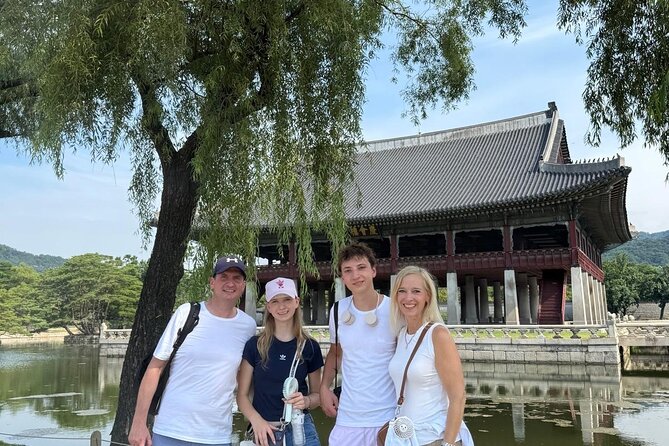
The National Folk Museum receives about 30 minutes. It is free to enter as part of this experience, and its role is different from the palace.
At Gyeongbokgung, the focus is royal power and formal architecture. At the museum, you look at how Korean people lived in earlier periods and how customs continue today. That can include the practical side of life, such as traditions, family routines, clothing, work, and celebrations, though the exact displays may vary.
I like this change in focus. Palace tours can leave you with an image of Korea that is all kings, gates, and grand ceremonies. The Folk Museum helps bring the story down to street level.
Thirty minutes is enough for a guided overview, but not for a careful look at every gallery. You may find yourself moving steadily through the exhibits. That is not a flaw if you want a compact orientation, but museum lovers may wish for a longer independent visit later.
The museum stop also makes the Bukchon walk more meaningful. When you later see traditional houses and narrow lanes, you have a better sense that Korean heritage is not only preserved behind palace walls. It also appears in domestic architecture and neighborhood life.
More Museum Visits in Seoul:
- Venice’s Best: Basilica, Doge’s Palace, Gondola & History Gallery
★ 4.5 · 2,478 reviews - Royal Palace & Prado Museum Skip the Line Guided Tour
★ 4.5 · 1,347 reviews - Venice: City Pass with Museums including Doge’s Palace
★ 4.1 · 1,020 reviews - The Hague: Escher in The Palace Museum Ticket
★ 4.6 · 896 reviews
Bukchon Hanok Village beyond the main photo streets
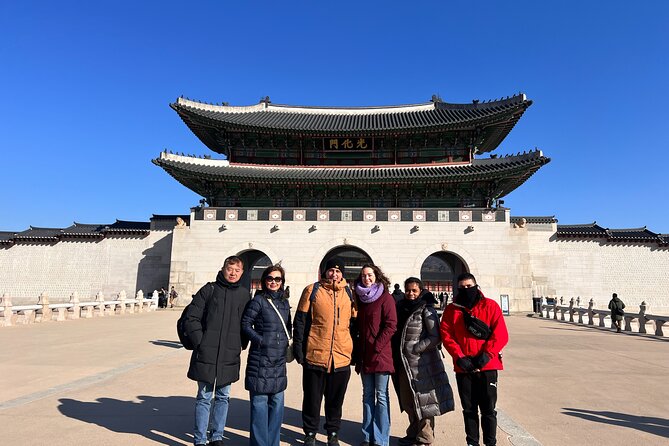
The longest part of the tour is Bukchon Hanok Village, with about 90 minutes for walking and the café break. This is where the small group and local guide matter most.
Bukchon is known for its hanok, or traditional Korean houses, spread across hilly streets between Gyeongbokgung and Changdeokgung. The most famous lanes can be busy, and independent visitors often follow the same obvious route. A guide can lead you through quieter alleys, viewpoints, and less apparent corners.
The appeal is not simply finding a better photograph. The guide can explain how the neighborhood works and point out the contrast between preserved homes and present-day Seoul. You get a sense of Bukchon as a real district rather than a backdrop.
The description promises local details that are difficult to find alone. That is a meaningful benefit for a short visit. You do not have to spend your limited time studying maps or guessing which uphill lane leads to a good view.
You should prepare for walking. Bukchon streets can involve slopes, stairs, and uneven paving, and the tour description does not suggest a vehicle between stops. Service animals are allowed, and most people can participate, but anyone with mobility concerns should consider the route’s walking demands before booking.
The small group should also help here. Six people can usually pause without blocking a narrow lane, and you can ask Mina to explain a house, view, or custom that catches your attention. One participant’s sore ankle was noticed and handled with unusual care, with Mina going out of her way to help find a pharmacy. That detail suggests a guide who watches the group rather than simply reciting a script.
The hanok café break and rooftop view
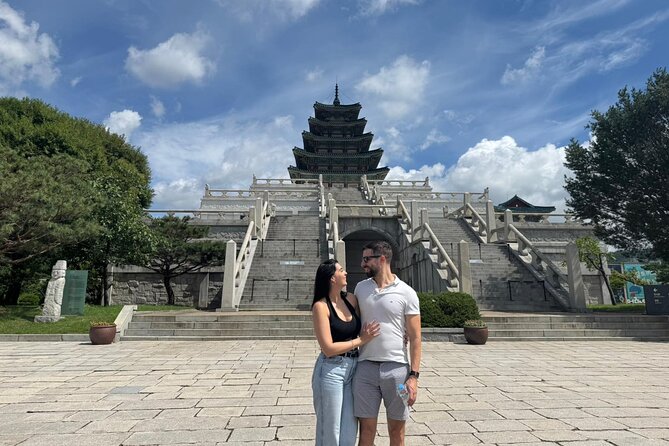
The tour ends its Bukchon section with a drink at a hanok café. The break is included, and the café has a panoramic rooftop view across traditional rooftops.
This is a smart way to finish the walking portion. You have time to sit, drink something, and take in the neighborhood from above instead of rushing straight from one lane to another. The view also gives you a useful visual summary of Bukchon’s character: traditional rooflines spread across a hilly urban district, with modern Seoul beyond.
The exact drink is not specified, so you should not book this expecting a particular tea, coffee, or specialty beverage. The important point is that a refreshment and a pause are built into the experience.
I see this as more than a café stop. It gives the tour a relaxed ending and creates space for final questions. Mina is praised for sharing tips about present-day Korea as well as explaining the past, so this is likely a natural time to ask about food, neighborhoods, etiquette, or what to see next.
The rooftop setting may also be a highlight for photographers. You should remember that Bukchon is a residential area, so respectful behavior matters. Keep voices low, follow the guide’s directions, and avoid treating private homes as photo props.
What Mina adds to the experience
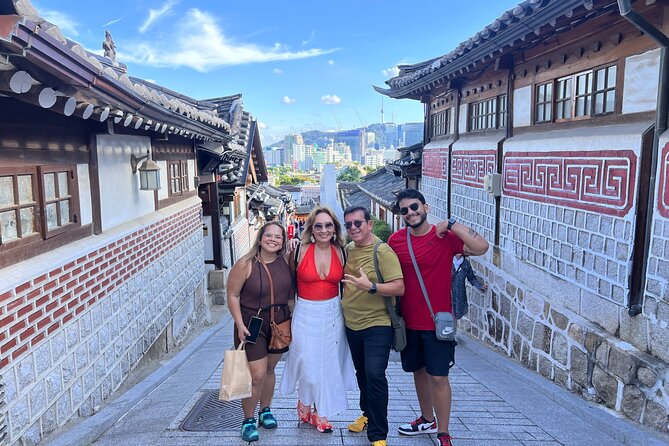
The guide can make or break a short cultural tour. Mina’s strengths are clear: friendly communication, excellent English, historical explanation, and practical help.
That combination matters because the tour crosses several subjects quickly. You need someone who can explain a palace without turning the visit into a lecture, connect museum displays to daily life, and then shift naturally into neighborhood stories.
Mina is also described as flexible. The experience can be customized, and extra moments may appear along the way. That does not mean you should expect an entirely private itinerary, but it suggests the route is not locked into a rigid script.
Her advice about modern Korea is another plus. Historical tours sometimes stop at dates and buildings. Practical comments about how people live now can help you read Seoul more clearly during the rest of your trip.
The group size supports this kind of guiding. A six-person maximum makes conversation possible. In a group of thirty, a guide has to keep moving and repeat every point loudly. Here, you have a better chance to ask a follow-up question or request a little more time at a stop.
Is $57.09 a good value?
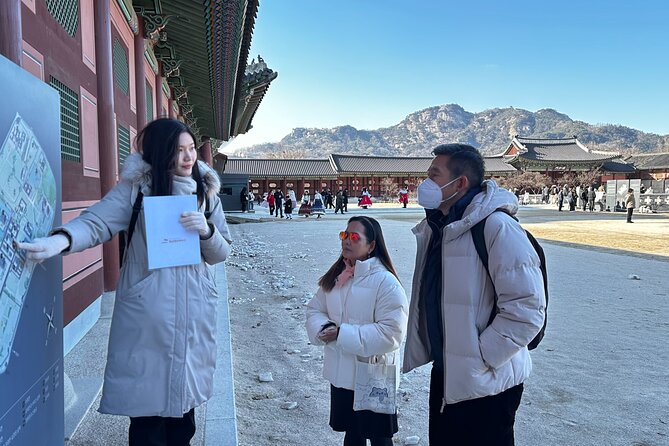
The price is $57.09 per person. That is not the cheapest way to see these locations, particularly because the Folk Museum and Bukchon portion do not require a separate admission charge.
The value comes from the service around the places. You are paying for a small group, a guide, palace admission, route planning, local interpretation, a café drink, and access to quieter Bukchon areas that can take time to locate alone.
For a first-time visitor with only a few days in Seoul, that package can make sense. You cover three major cultural stops in three hours and finish near a useful subway station. The guide’s English communication and practical help add value that an audio guide or map cannot always provide.
The price is less compelling if you are comfortable navigating alone, already know the Jongno area, or want to spend a long time inside the palace and museum. You could visit parts of this route independently and set your own pace.
Group discounts are available, though the specific discount amount is not provided. If you are booking for several people, check the final price before payment rather than assuming a fixed saving.
Who should book this tour?
I would recommend it to first-time Seoul visitors who want a compact introduction to royal history, Korean daily life, and traditional architecture.
It should suit you especially well if you:
- Prefer a small group over a large coach tour
- Want an English-speaking guide
- Like asking questions as you walk
- Have limited time in Jongno
- Want help finding quieter Bukchon lanes
- Appreciate a scheduled café break
- Are comfortable walking through hilly streets
Families, couples, and small groups of friends may also like the flexible format. Most people can participate, and service animals are allowed.
I would think twice if your priority is a slow, detailed palace visit. The 50-minute palace stop and 30-minute museum stop are designed for broad coverage. You should also reconsider if hills, steps, or extended walking are difficult for you.
The tour is booked, on average, 24 days ahead, which suggests you should not leave it until the last moment if your Seoul dates are fixed. Free cancellation is available up to 24 hours before the start time. Cancellations made less than 24 hours ahead are not refunded, and late changes are not accepted.
Final verdict: a smart first look at historic Seoul
Book this tour if you want three important Seoul experiences connected by a clear story and a small, friendly group. The best reasons are the six-person limit, Mina’s strong communication, the quieter Bukchon route, and the included rooftop café break.
Skip it if you prefer to explore independently or need a full day for palace and museum details. For most visitors seeking an efficient first look at Jongno, though, $57.09 buys more than admission. It buys direction, context, and a calmer way to see a part of Seoul that can otherwise feel confusing and crowded.
FAQ
How long does the tour last?
The experience lasts approximately three hours.
Where does the tour begin?
It begins near Gyeongbokgung Station on Line 3, in Jeokseon-dong, Jongno District, Seoul.
Where does the tour end?
The tour ends at 95-2 Jae-dong, near Anguk Station on Line 3, Exit 3.
How many people can join the tour?
The group has a maximum of six travelers.
Is admission to Gyeongbokgung Palace included?
Yes. Admission to Gyeongbokgung Palace is included in the tour price.
Can I cancel for a full refund?
Yes, if you cancel at least 24 hours before the experience start time. Cancellations made less than 24 hours before the start time are not refunded.
Just added around Seoul
- Small-Group Seoul Tour with Gyeongbokgung Palace (hotel pick-up)★ 5.0 · 68 reviews
- Gyeongbokgung Palace & Bukchon Village Walking Tour★ 5.0 · 3 reviews
- Seoul Night Tour with Han River Cruise and Gyeongbokgung Palace★ 5.0 · 53 reviews
- Seoul Palace Morning Tour★ 4.5 · 53 reviews
- Seoul Private Tour Gyeongbok Palace Bukchon and Gwangjang Market★ 5.0 · 4 reviews
- Seoul UNESCO Heritage Palace, Shrine, and More Tour★ 4.5 · 13 reviews
- Seoul Night Tour (Gwangjang Market, Royal Palace and Naksan Park)★ 5.0 · 92 reviews
- Seoul Royal Palace,Bukchon Hanok Village & Gwangjang Market Feast★ 4.5 · 16 reviews
Gyeongbokgung and Seoul Palace Tours, compared.
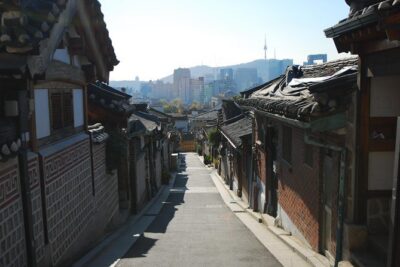
Gyeongbok Palace, Bukchon Village, and Gwangjang Tour
Read our review →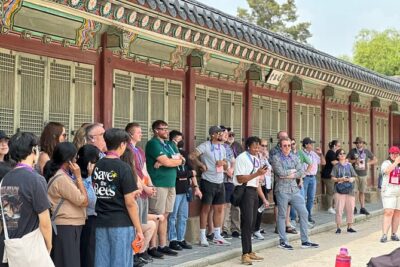
Best Seoul City Tour (Gyeongbokgung Palace,Insadong,Namsan Tower)
Read our review →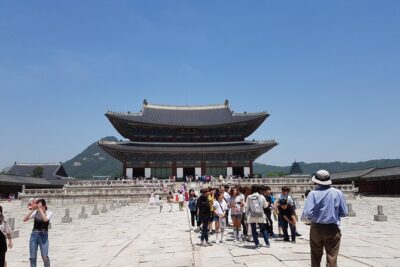
Seoul City Sightseeing Tour Including Gyeongbokgung Palace, N Seoul Tower, and Namsangol Hanok Village
Read our review →Gyeongbok Palace, Bukchon Village, and Gwangjang Tour
Read our review →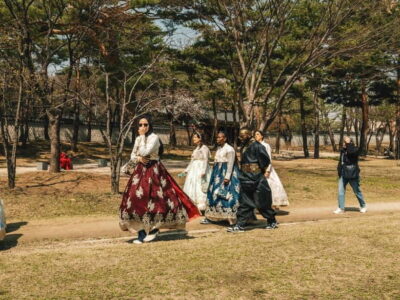
Seoul Half-Day City Highlight, Palace Tour with Hanbok
Read our review →
Hanbok Photoshoot and History Tour at Gyeongbokgung Palace
Read our review →Browse the lists this tour appears in