
REVIEW · SOUTH KOREA
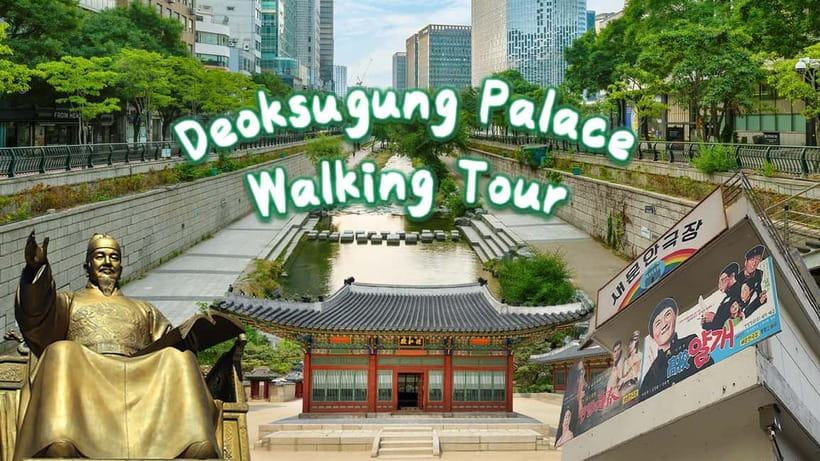
Seoul: Deoksugung Palace Heritage Walking Tour
Seoul’s past is packed into three walkable hours. I like the way this tour connects Deoksugung Palace with the foreign missions, churches, schools, and government sites that helped shape modern Korea. I also like the route’s variety: royal courtyards, old city streets, a café break, preserved homes, grand monuments, and a restored stream. The main consideration is simple: this is a real walking tour, so comfortable shoes matter, and the palace visit itself lasts about 45 minutes.
The tour is especially useful if you want history explained in plain English instead of simply photographing famous gates. Guide Mitch has been praised for answering questions about both major historical events and everyday Korean life, including school and work culture. The tradeoff is that food, drinks, and transportation are not included, although the route begins and ends in central Seoul and uses public streets throughout.
Key points to know before booking
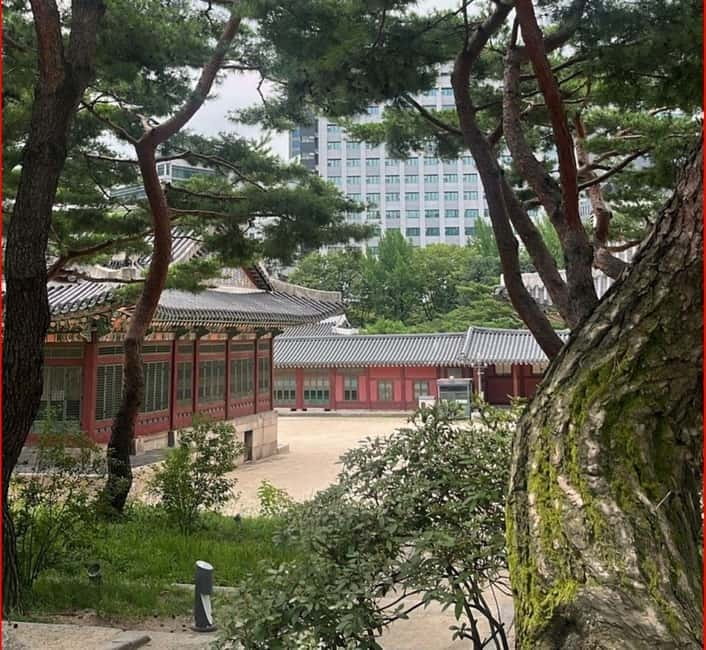
- Deoksugung mixes Korean and Western architecture: This palace shows how royal Seoul changed as Korea faced outside powers and opened to the world.
- Jeongdong-gil is the historical surprise: The route passes former missionary institutions, Chungdong First Methodist Church, the Russian Embassy, Paichai Academy, and Gyeonggyojang.
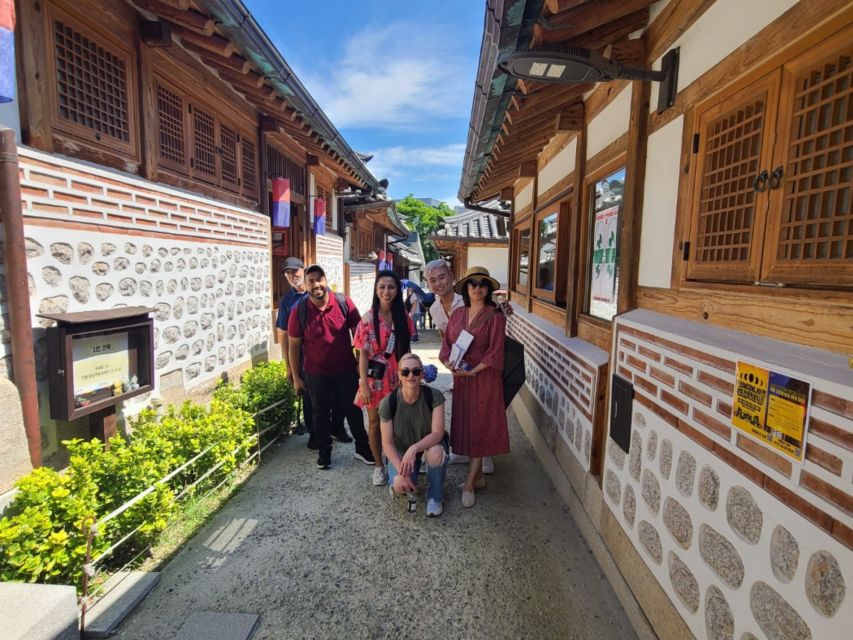
- Donuimun Museum Village preserves 40 old houses: Buildings from the 1900s through the 1980s help you picture ordinary city life, not just royal life.
- Gwanghwamun Square explains modern national identity: Its statues and monuments give the guide a stage for telling stories about Korea’s progress and values.
- Cheonggyecheon provides a calm finish: The former drainage ditch is now a public stream lined with sculptures, cafés, restaurants, and seasonal festivals.
- The price includes more than a palace ticket: At $56 per person, you are paying mainly for an English-speaking guide who links separate sites into one clear story.
Starting at City Hall and entering Deoksugung
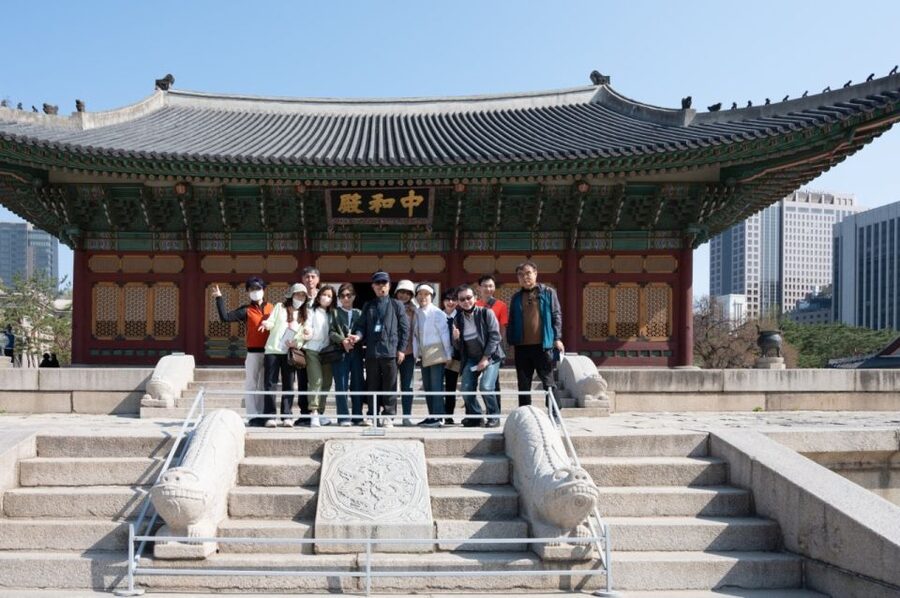
Meet in front of the Deoksugung Palace ticket office, near Exit 2 of City Hall Station. That is a practical meeting point, but take a moment to confirm the exact spot before the tour begins. You should also have an instant messaging method ready in case the guide needs to contact you on the day.
Deoksugung is a fitting place to start because it sits where old royal Seoul meets the modern city. The palace began as a residence connected to the royal family in the late 14th century. After the Japanese invasion of 1592, it became a principal palace, giving the site a direct link to one of the most troubled periods in the Joseon Dynasty.
You get roughly 45 minutes inside with the guide. That is enough time for a focused introduction to the palace, its royal role, and its architectural contrasts. It is not enough for an exhaustive examination of every building, so you should think of this visit as the first chapter of a larger story.
The most interesting feature is the meeting of Korean and Western elements. Deoksugung helps explain how the royal court responded to new diplomatic pressure, foreign influence, and Korea’s gradual opening to the outside world. Instead of presenting the palace as an isolated relic, the guide can show you why its design and history reflect a country in transition.
This is where a good guide matters. The strongest praise for the tour has focused on clear explanations and the ability to answer questions beyond the scheduled sites. Mitch, one named guide, was singled out for handling questions about Korean culture, work, and education as well as palace history. That kind of flexibility can turn a standard palace visit into a useful conversation about present-day Seoul.
More Palace Walking Tours in Seoul:
- Seoul: Gyeongbok Palace and Bukchon Hanok Walking Tour
★ 4.8 · 157 reviews - Best Walking Tour to Gyeongbok Palace Bukchon Hanok Village
★ 5.0 · 138 reviews - Walking Tour with Gyeongbokgung Palace, Bukchon, Insadong
★ 5.0 · 5 reviews
Following the government corridor through Jung-gu
After Deoksugung, the route continues through Jung-gu for about 20 minutes. This section is less about entering a single attraction and more about learning how the city’s institutions gathered along nearby streets.
The tour describes this part of central Seoul as a government corridor. That phrase helps you read the city differently. Instead of seeing offices, roads, and monuments as unrelated pieces, you begin to notice how royal power, foreign diplomacy, religion, education, and national government developed close to one another.
The street walk also gives the experience a more local feel. You are not spending all three hours inside ticketed sights. You are moving through working Seoul, with the guide pointing out places that can be easy to miss if you walk alone.
The route includes Jeongdong-gil, a particularly important stretch of road. Foreign missionary institutions were originally located here, and several foreign embassies also had a presence nearby. The story is not only about outsiders arriving in Korea. It is about the institutions that helped shape education, religion, diplomacy, and modern public life.
You pass Paichai Academy, Chungdong First Methodist Church, the Russian Embassy, and Gyeonggyojang. These names may not mean much before the tour, which is exactly why a guide helps. Their importance becomes clearer when placed in the wider story of Korea’s late Joseon period and its contact with foreign powers.
A short café break, not a full meal
The schedule includes about 15 minutes at a local café for coffee or tea. This is a modest pause, but it breaks up the walking and gives you time to ask questions or catch your breath.
Food and drinks are not included in the $56 price, so plan to pay for your own order. The short stop is better viewed as a rest period than as a meal. If you need a substantial breakfast or lunch, eat before the tour or plan food after it.
That pause can also make the pace feel more human. Three hours of city walking can pass quickly when each stop has a story, but the route still covers several areas. A brief seat and drink are welcome, especially if the weather is warm or you have spent the morning sightseeing elsewhere.
Donuimun Museum Village and everyday Seoul
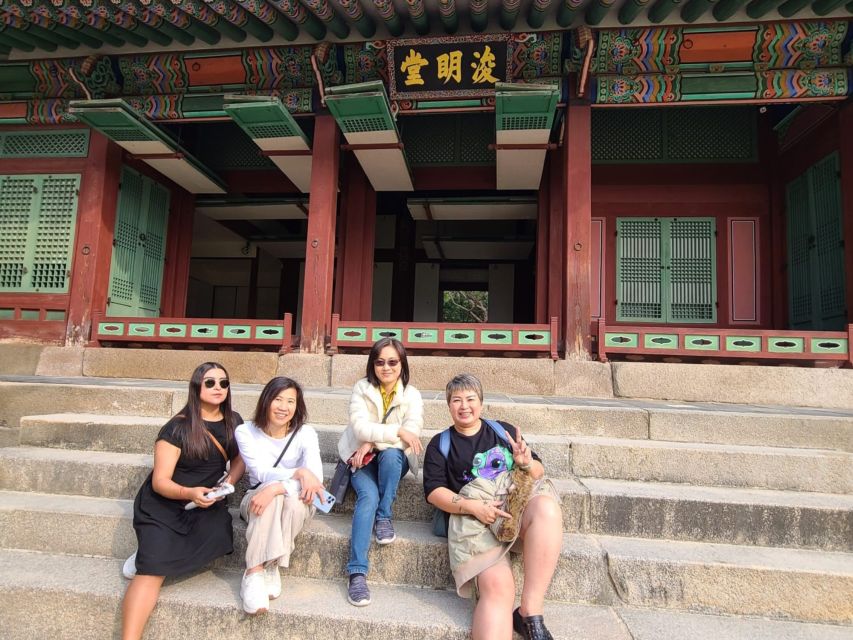
The next major stop is Donuimun Museum Village, with about 20 minutes for a guided visit. Founded in September 2017, the outdoor village preserves 40 of 63 houses from the historic Saemunan district.
The buildings cover a long stretch of Seoul’s urban life, from the 1900s through the 1980s. That range is valuable because palace tours can leave you with a grand, official picture of Korea. Donuimun adds ordinary homes and neighborhood architecture to the story.
You should not expect a huge museum complex or a long independent visit here. The scheduled time is short, and the village is one part of a larger route. Still, it gives the guide a chance to explain how Seoul’s built environment changed as the city moved from the late Joseon period into the modern age.
This stop is also a useful contrast with Deoksugung. At the palace, the focus is royal power and national crisis. At Donuimun, the focus shifts toward homes, streets, and the physical traces of everyday life. Together, the sites help you see Korea as more than palaces and war stories.
More Heritage Trips in Seoul:
- Hanbok Photoshoot and History Tour at Gyeongbokgung Palace
★ 5.0 · 276 reviews - Korean Heritage Tour: Palaces and Villages of Seoul Including Gyeongbokgung Palace
★ 4.0 · 25 reviews - Seoul Cultural Tour – Kimchi Making, Gyeongbok palace with Hanbok
★ 5.0 · 25 reviews - Seoul UNESCO Heritage Palace, Shrine, and More Tour
★ 4.5 · 13 reviews
Walking to Gwanghwamun Square
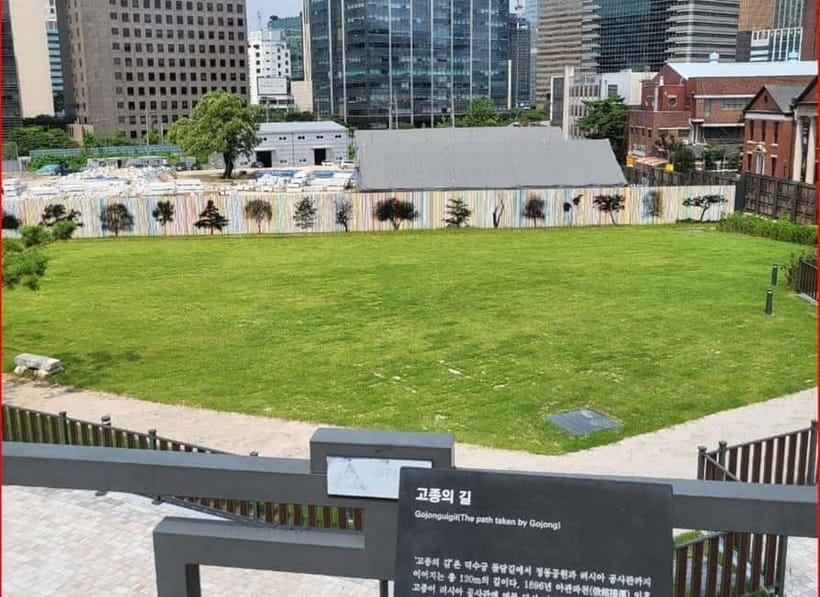
A further 20 minutes on foot brings you toward Gwanghwamun Square. This connection between sites is part of the experience, not dead time. You get a sense of how central Seoul’s historic districts fit together geographically.
The route does require steady walking. If you prefer a tour with long vehicle transfers or extended indoor visits, this may feel demanding. On the other hand, you avoid the stop-start rhythm of a bus tour and see the city at street level.
Gwanghwamun Square is one of the biggest visual moments of the tour. It sits at the heart of Seoul and contains major statues and monuments tied to important moments in Korean history. The guide uses these public symbols to explain national progress and cultural values.
The square can be busy, and the open space offers little shelter depending on the weather. Your guide’s commentary is especially useful here because the monuments can otherwise feel impressive but unclear. With context, they become part of a continuing national story rather than isolated photo stops.
This is also a good place to ask broader questions. The tour’s strongest guide feedback centers on conversations that go beyond dates and names. If you are curious about how history relates to Korean society today, this section offers a natural opening.
Ending beside the restored Cheonggyecheon
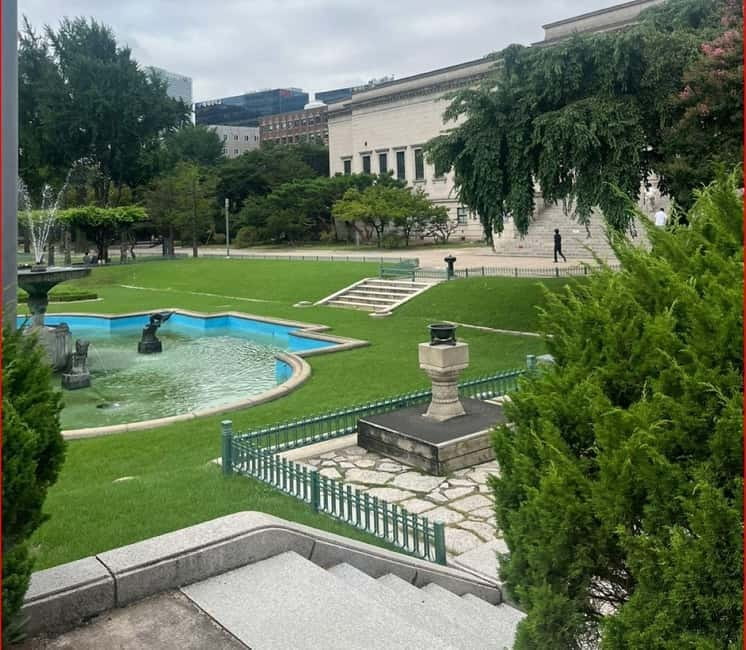
The final stop is Cheonggyecheon, where the tour ends at 1 Cheonggyecheon-ro in Jongno-gu. You spend about 30 minutes walking beside the stream and learning how the site changed.
Cheonggyecheon was once an unpleasant drainage ditch. It has since been renovated into a major public area, with sculptures, restaurants, cafés, and seasonal festivals along the water.
This makes a pleasant finish because the setting is less formal than the palace or square. After several hours of political and cultural history, you can walk beside the stream and watch present-day Seoul carry on around you.
The ending location is useful for the rest of your day. You are in central Seoul, near food, cafés, and further sightseeing options. Transportation back to your hotel is not included, but the tour does not leave you in an isolated area.
What the $56 price really buys you
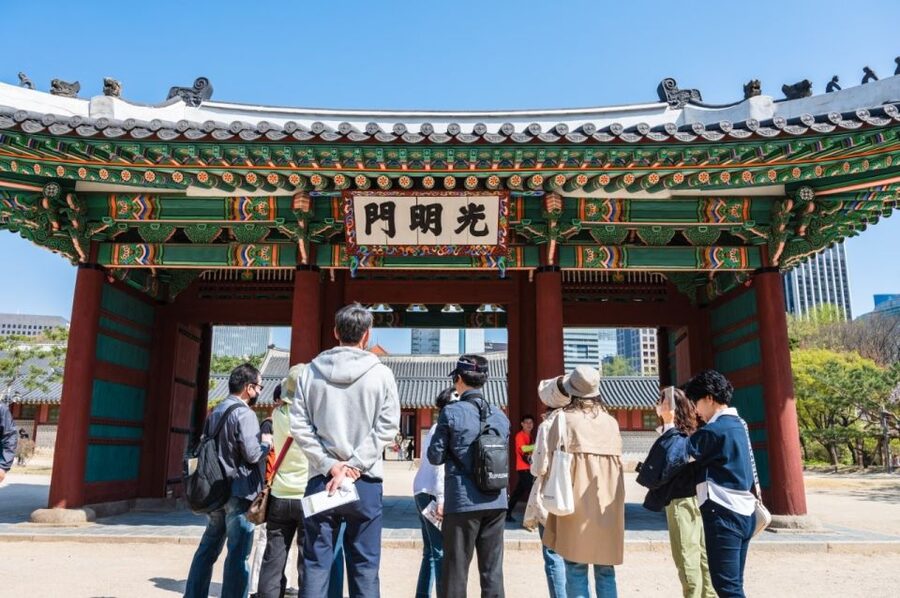
At $56 per person, this is not the cheapest way to see Deoksugung. You can visit a palace independently for less, and you can walk along several of these streets without paying a guide.
The value comes from the connections. The tour explains why Deoksugung, Jeongdong-gil, Donuimun, Gwanghwamun Square, and Cheonggyecheon belong in one story. Without that link, you may see attractive buildings and public spaces without understanding how Korea moved from a royal order toward a modern nation.
Your fee includes an English-speaking historical guide and the entrance ticket. Korean is also available as a tour language, and a private group option can be chosen if you want a more personal format. A group tour is likely the better value for solo visitors or couples who enjoy meeting others. A private option makes more sense if you want to control the pace or ask many questions.
The tour has a rating of 4.9 based on five reviews, and the strongest praise centers on the guide’s preparation, clear explanations, and ability to discuss topics outside the formal route. That is important here because the sites are connected by ideas rather than by one spectacular attraction.
Pace, preparation, and practical concerns
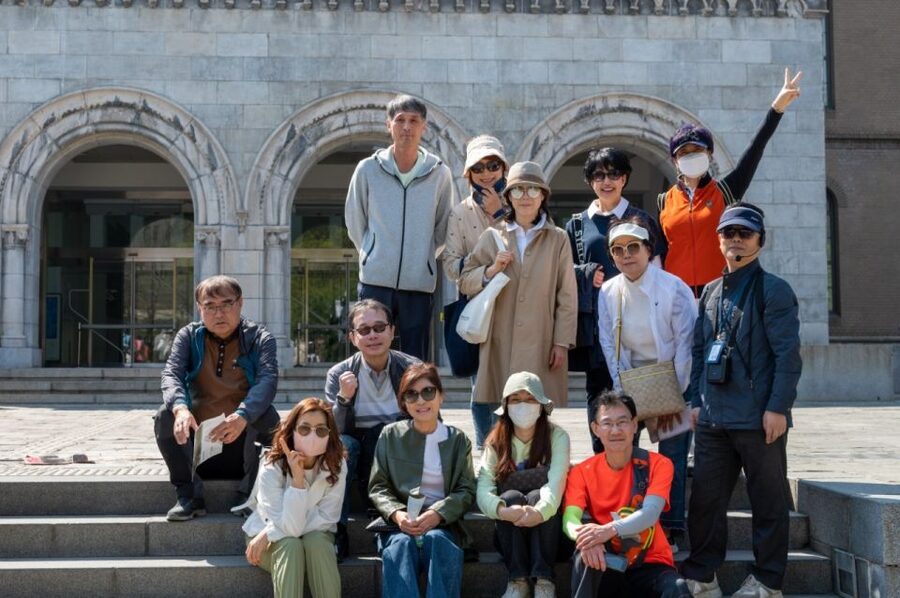
Wear comfortable shoes. This is the clearest practical advice because the tour includes palace paths, sidewalks, neighborhood streets, and roughly 20 minutes of walking between Donuimun and Gwanghwamun Square.
Check the starting time when booking. The activity lasts three hours, but available departure times can vary. The tour has a minimum traveler requirement, so it may be canceled if that number is not met. In that case, you are offered another date or a full refund.
You can cancel up to 24 hours before departure for a full refund, and you can reserve now and pay later. Those terms are helpful if your Seoul plans are still shifting.
The tour does not include transportation, food, or drinks. Since the route begins at City Hall Station and finishes near Cheonggyecheon, you can use the subway and then decide where to eat or continue sightseeing. The café stop is short, so do not count on it as your main meal.
The guide speaks English or Korean. If you need emergency contact on the day, make sure you can receive instant messages and share your location. That small preparation can prevent confusion at the meeting point.
Who will enjoy this Seoul walking tour?
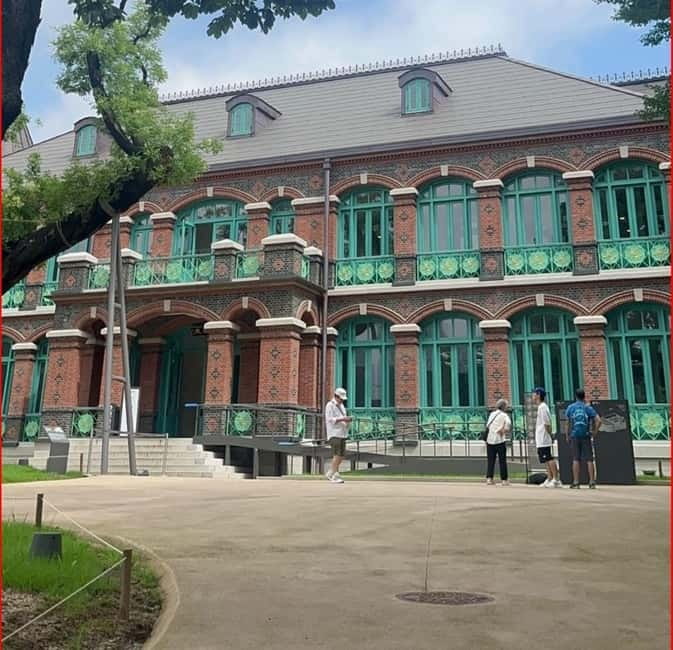
I would recommend this experience to first-time Seoul visitors who want historical structure rather than a collection of disconnected sights. It is also a strong choice if you have already seen major palaces and want to understand the foreign, religious, civic, and neighborhood layers around them.
History-minded visitors will get the most from it, especially if you enjoy asking questions. The guide’s role is central, and Mitch’s ability to discuss Korean work and school culture suggests that the experience can go well beyond memorized palace facts.
The tour may suit you less if you want a slow palace visit with lots of time for photographs. Deoksugung receives about 45 minutes, and several other stops are brief. You will also need to be comfortable walking outdoors for the full three hours.
Families and mixed-interest groups may appreciate the changing scenery. A palace can bore some people after a while, but this route shifts from royal buildings to streets, old homes, monuments, and a stream. Still, children who need frequent breaks may find the pace challenging.
Should you book it?
Book this tour if you want context, conversation, and a compact route through Seoul’s changing identity. The strongest reason to choose it is not one landmark. It is the way the guide links the Joseon court, foreign institutions, missionary activity, preserved homes, national monuments, and urban renewal.
Skip it if you prefer to explore at your own pace, spend hours inside Deoksugung, or avoid walking. At $56, the tour earns its price through the guide’s historical explanations and the range of included stops. For a first or second day in Seoul, it is a practical way to get your bearings while seeing places that many simple palace visits leave out.
FAQ
Where does the tour begin?
It begins in front of the Deoksugung Palace ticket office near Exit 2 of City Hall Station.
Where does the tour finish?
The tour finishes at 1 Cheonggyecheon-ro in Jongno-gu, Seoul, beside Cheonggyecheon.
How long does the tour last?
The walking tour lasts three hours.
What languages are available?
The live tour guide is available in English or Korean.
Are food and drinks included?
No. Food and drinks are not included, although the schedule includes a short café break for coffee or tea.
What should I bring?
Bring comfortable shoes because this is a walking tour. You should also have an instant messaging method available for emergency contact on the day of departure.
Just added around Seoul
- Small-Group Seoul Tour with Gyeongbokgung Palace (hotel pick-up)★ 5.0 · 68 reviews
- Gyeongbokgung Palace & Bukchon Village Walking Tour★ 5.0 · 3 reviews
- Seoul Night Tour with Han River Cruise and Gyeongbokgung Palace★ 5.0 · 53 reviews
- Seoul Palace Morning Tour★ 4.5 · 53 reviews
- Seoul Private Tour Gyeongbok Palace Bukchon and Gwangjang Market★ 5.0 · 4 reviews
- Seoul UNESCO Heritage Palace, Shrine, and More Tour★ 4.5 · 13 reviews
- Seoul Night Tour (Gwangjang Market, Royal Palace and Naksan Park)★ 5.0 · 92 reviews
- Seoul Royal Palace,Bukchon Hanok Village & Gwangjang Market Feast★ 4.5 · 16 reviews
Palace Walking Tours, compared.
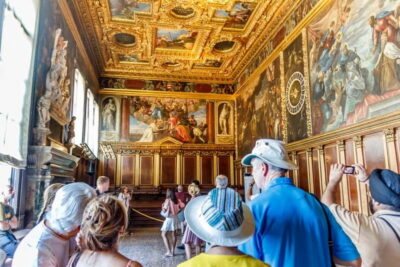
Doge’s Palace and St Mark’s Basilica Walking Tour
Read our review →
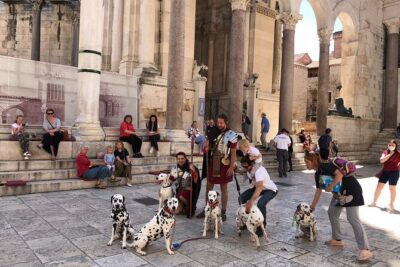
Walking Tour of Split and Diocletian’s Palace
Read our review →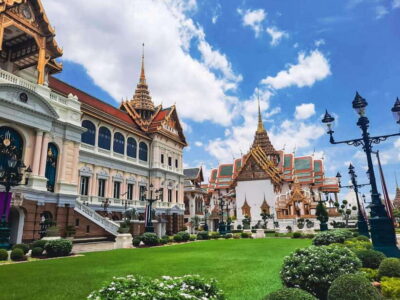
Grand Palace and Wat Phra Kaew Guided Walking Tour
Read our review →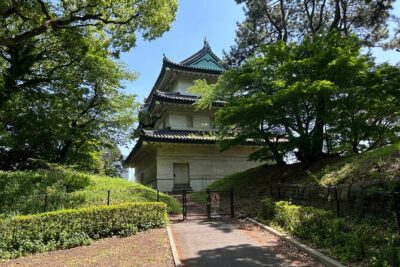
Imperial Palace and Shogun Historical Walking Tour
Read our review →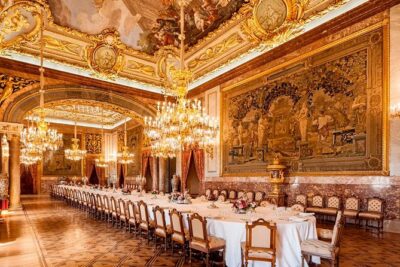
Madrid Old Town & Royal Palace Walking Tour Skip the Line Ticket
Read our review →
Knossos: Knossos Palace Skip-the-Line Guided Walking Tour
Read our review →
Browse the lists this tour appears in