
REVIEW · SEOUL
Seoul: DMZ, Gyeongbokgung Palace & City Tour
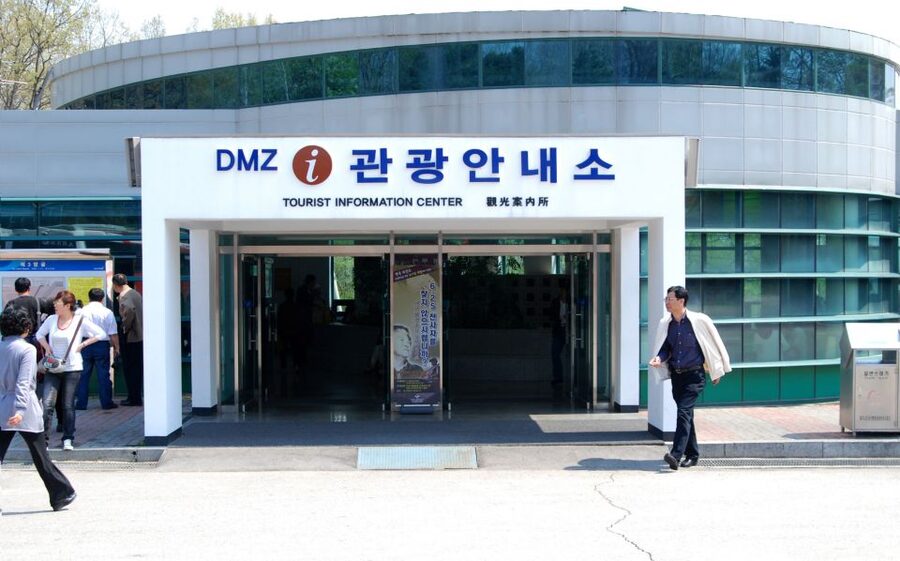
Two Koreas, one memorable day. This 10-hour outing brings together the DMZ, the tense border zone between North and South Korea, and Gyeongbokgung Palace, Seoul’s grand royal complex. I like the useful mix of modern military history and royal tradition, and I like that transport, entrance fees, and an English-speaking guide are included. The main drawback is the long day, with strict military schedules, plenty of walking, and no guaranteed access to every DMZ stop if officials close the area.
The tour also earns points for its guides. Molly has been praised for clear explanations, warm service, and helpful photos, while Ron Han and SP have made strong impressions with their humor and careful answers. Wear proper sneakers and carry your passport, because this is not a casual hop-on, hop-off city outing.
Key things to know before booking
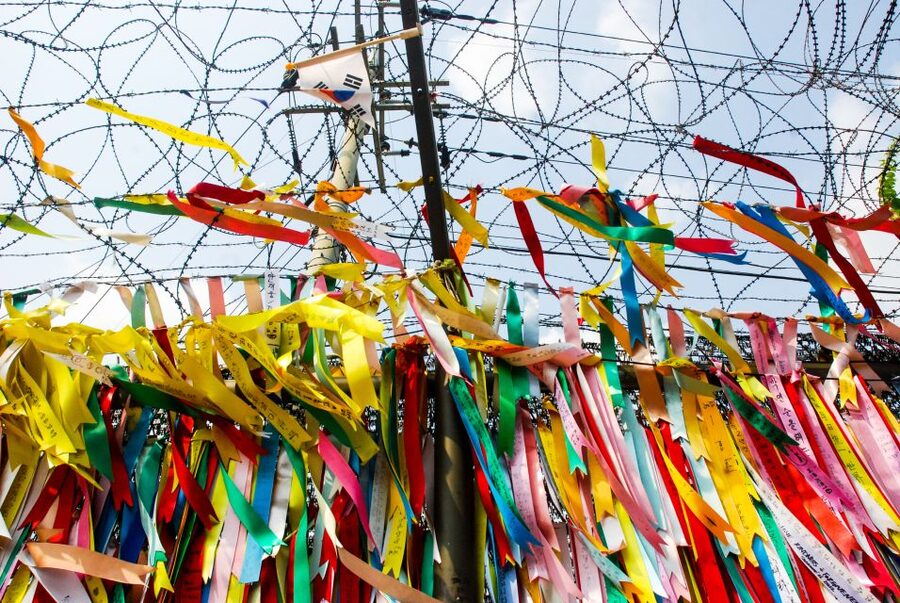
- The DMZ takes center stage: Visit the Third Tunnel, an observatory, Imjingak, and the War History Pavilion, subject to military access.
- Gyeongbokgung adds royal Seoul: Learn how the palace worked as a large administrative center, not simply a home for the king.
- A full 10-hour schedule: The coach saves energy between stops, but the day still involves walking and fixed departure times.
- Your passport is required: Every participant must carry a current valid passport on the day of the tour.
- The price covers the basics: At $110 per person, transportation, hotel pickup and drop-off, a professional guide, and DMZ admission are included.
- The plan can change: Military training or official events can replace the DMZ route, and Gyeongbokgung is replaced by Deoksugung Palace on Tuesdays.
Why this pairing works so well
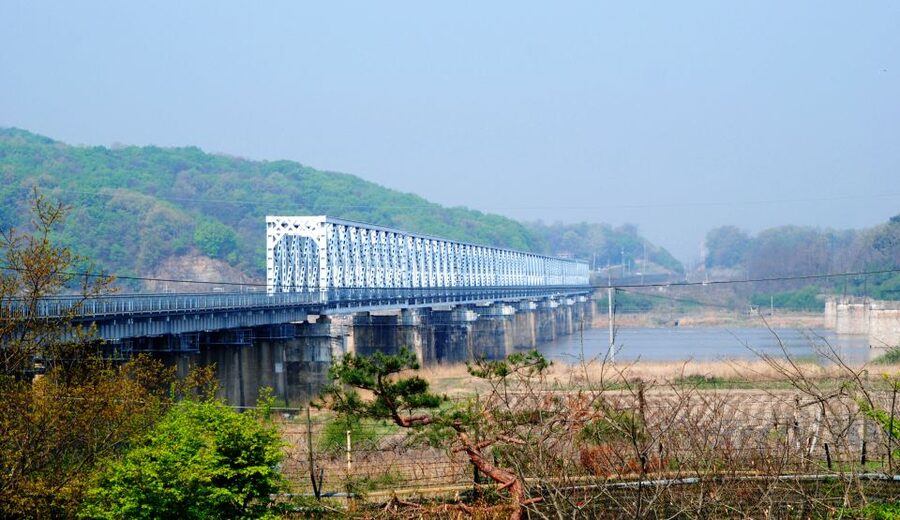
Seoul can feel like several countries packed into one city. Its royal compounds point back to the Joseon dynasty, while its glass towers, technology firms, and global pop culture look firmly toward the future. The DMZ adds a difficult present tense to that story.
I like this tour because it puts those parts of Korea side by side. At Gyeongbokgung, you learn about kings, advisers, palace workers, and the machinery of government. At the DMZ, you confront the continuing division created by the Korean War in 1950. The contrast gives the day more meaning than either stop would have on its own.
The included guide matters here. The border area has rules, military controls, and political details that are hard to understand from signs alone. A professional security guide can explain the relationship between North and South Korea while keeping the tone grounded. The best guides on this tour seem to do more than recite dates. Molly, Ron Han, and SP have each been singled out for answering questions, taking photos, and helping the day feel personal.
Still, you should set realistic expectations. This is an organized military tourist route, not a chance to wander freely near the border. You travel in an authorized bus, follow photo restrictions, and keep to the timetable. That structure protects access to the area, but it can also make the day feel tightly controlled.
More Gyeongbokgung and Seoul Palace Tours in Seoul:
- Seoul: Gyeongbok Palace, Bukchon Village, and Gwangjang Tour
★ 4.9 · 2,321 reviews - Best Seoul City Tour (Gyeongbokgung Palace,Insadong,Namsan Tower)
★ 5.0 · 1,647 reviews - Seoul City Sightseeing Tour Including Gyeongbokgung Palace, N Seoul Tower, and Namsangol Hanok Village
★ 5.0 · 1,423 reviews
Starting early from Seoul at 7:30 a.m.
The standard meeting point is Exit 7 of City Hall Station at 7:30 a.m. Hotel pickup in Seoul is also available, which is useful if you are staying away from central City Hall or prefer not to navigate the subway before breakfast.
An early start is necessary. The DMZ is outside Seoul, and military access can depend on the day’s schedule. You spend part of the morning on the coach, which is a practical advantage. Instead of arranging several train, bus, and shuttle connections yourself, you can rest while the guide sets the context.
Transportation is included, along with hotel drop-off after the tour. That makes the $110 cost easier to assess. You are paying not just for admission, but also for a full day of transport and an English-speaking guide in an area where independent access is limited.
Bring a current passport. It is not an optional form of identification for this tour. You should also wear sneakers rather than sandals or slippers. The Third Tunnel involves walking, and the broader schedule includes outdoor stops and fixed-time movement between sites.
Entering the DMZ through the Third Tunnel
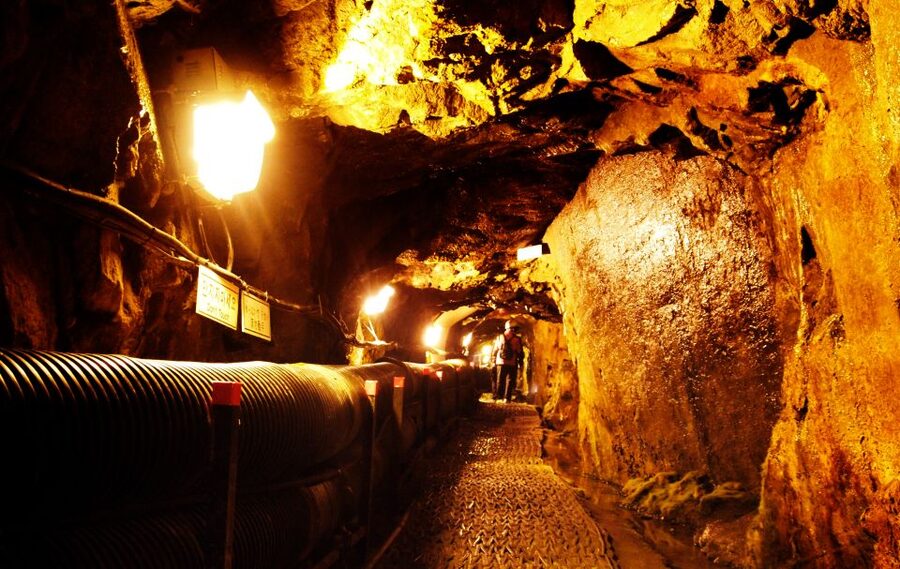
The Third Tunnel is one of the day’s most unusual stops. North Korea built it as part of an attempt to move troops and tanks into South Korea. Its purpose gives the visit a physical quality that a museum cannot provide. You are not simply hearing about military planning. You are walking through a space cut into the ground for a possible invasion.
The tunnel experience is likely to be one of the more demanding parts of the day. That is why sturdy shoes matter. You should also expect the tour to control the timing closely, since the group needs to move through the authorized route and return to the shuttle or coach on schedule.
The tunnel can feel narrow and serious rather than scenic. That is part of its value. The setting helps you understand that the division of Korea is not only a line on a map or a chapter in a textbook. It involved concrete plans, military engineering, and the constant fear of renewed conflict.
Photography rules apply across the DMZ experience. You cannot assume that every viewpoint allows unlimited pictures. The guide will explain where you may take photos and when you need to move on.
Looking north from the observatory
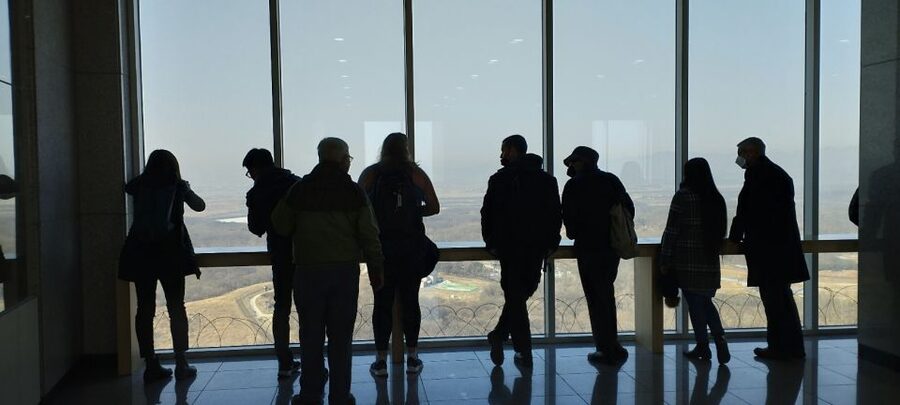
The observatory offers one of the clearest ways to connect the political story to real life. From the viewing area, you may be able to look toward North Korea and see parts of its territory and, depending on conditions, residents.
That view can be powerful precisely because it is so ordinary. You may see fields, hills, buildings, or distant activity rather than a dramatic military scene. The distance makes the situation feel both close and unreachable. You are looking at another country, but you are also looking at a society separated from South Korea by a heavily controlled border.
Visibility can vary, and the tour cannot promise a perfect view. Weather, official restrictions, and the day’s conditions all matter. I would treat the observatory as a chance to understand the border, not as a guaranteed photo opportunity.
The guide adds essential context here. Without explanation, a distant view can become a quick glance through binoculars. With a careful account of North and South Korean relations, it becomes a way to think about why the peninsula remains divided and why the DMZ still matters decades after the war began.
A few more palace visits around Seoul worth a look
- Small-Group Royal Palace and Seoul City Tour (hotel pick-up)
★ 5.0 · 1,474 reviews - Seoul: Gyeongbok Palace, Bukchon Village, and Gwangjang Tour
★ 5.0 · 1,044 reviews - Seoul Half-Day City Highlight, Palace Tour with Hanbok
★ 4.9 · 764 reviews - Seoul: Palace, Temple and Market Guided Foodie Tour at Night
★ 4.9 · 750 reviews
Imjingak and the War History Pavilion
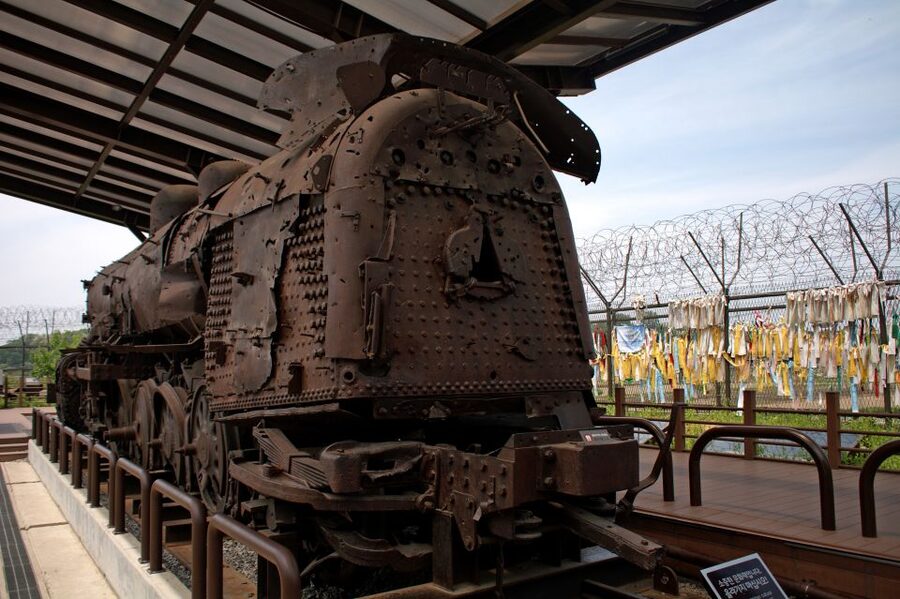
Imjingak gives the DMZ visit a more public and reflective setting. It is associated with the division of Korea and the hopes of families separated by the border. The stop helps connect military events with the personal cost of separation.
The War History Pavilion adds another layer. The tour includes admission to a venue that explains the history of war, giving you a place to organize what you have seen at the tunnel and observatory. I find that sequence helpful. First you encounter the physical border, then the tour gives you historical material to make sense of it.
An exhibition center also looks at Korea’s past, present, and future. That broader view keeps the outing from becoming only a grim account of conflict. You learn how South Korea developed as a democracy and major economy while North Korea became more closed off. The point is not to turn the day into a political lecture, but to show how the division shaped both countries in different ways.
The guide’s style can make a large difference at these stops. If you want dates, military facts, and political background, ask direct questions. Guides such as SP and Ron Han have been praised for answering questions fully, while Molly has been praised for explaining the war and dynastic history in an approachable way.
Gyeongbokgung Palace and the business of royal rule
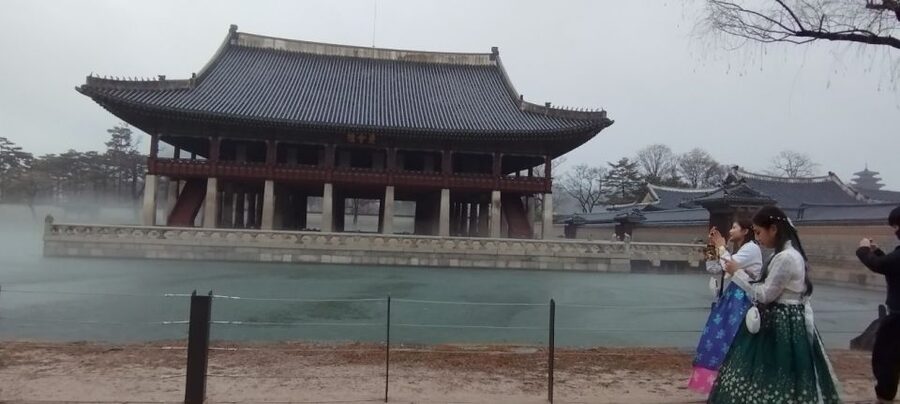
Gyeongbokgung Palace changes the mood from border security to royal ceremony. Built as the main palace of the Joseon dynasty, it was once home to the king, his family, and roughly 2,000 other people who supported the court.
The most useful idea here is that the palace was not simply a private royal residence. It operated more like a large business or government complex, with employees, advisers, officials, and defined responsibilities. That detail makes the palace easier to understand. You are looking at the headquarters of a ruling system, not just a collection of photogenic gates and courtyards.
Your guide can explain how the king’s household and administration worked together. The palace’s buildings become more meaningful when you know who used them and why. The tour is especially helpful if you are seeing Korean royal architecture for the first time and want more than a quick walk through the grounds.
The palace visit may be one of the day’s calmer sections, but it still adds walking. After the DMZ, you may appreciate having time to move at a slower pace. At the same time, a 10-hour outing can feel tiring by this point, especially if you have spent much of the day outdoors or walking through the tunnel.
Gyeongbokgung is closed on Tuesdays. On those days, the itinerary switches to Deoksugung Palace. That replacement still provides a royal palace experience, but you should not book expecting Gyeongbokgung specifically if your date falls on Tuesday.
What the coach and group format mean for you
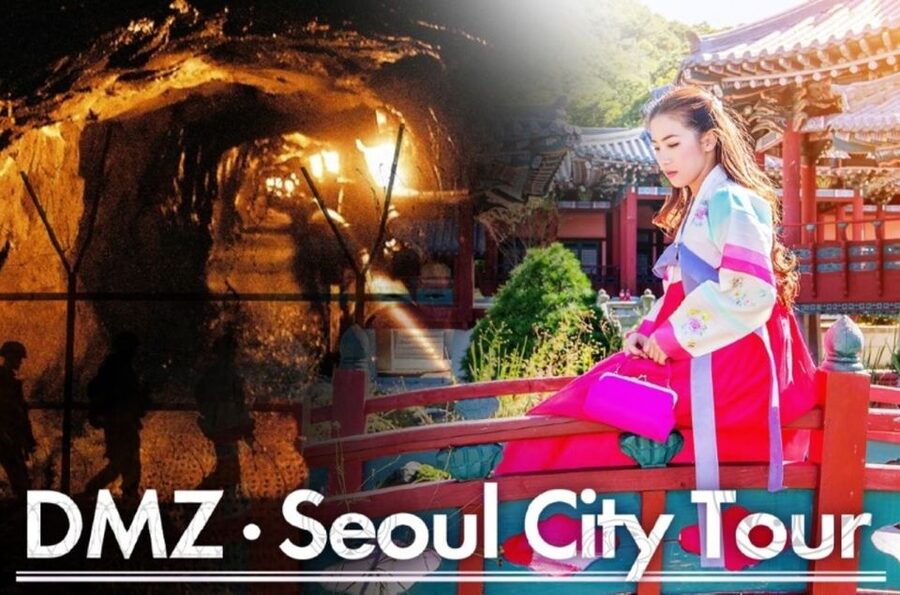
The coach is one of the tour’s practical strengths. The DMZ is not an area where you can freely improvise your own route, and the authorized bus system helps keep the day organized. You can sit down between stops rather than manage a chain of local transfers.
The tradeoff is limited flexibility. The group must follow official instructions, meet strict photo rules, and return to the bus on time. If you want to linger at one viewpoint or spend an hour taking palace photographs, this will not be the right format.
A private group option is available. That may suit families or friends who want more control over questions and pacing, though the military portion will still follow official restrictions. Children must be accompanied by an adult, and unaccompanied minors cannot take part.
The tour is not wheelchair accessible. The tunnel, walking routes, shuttle arrangements, and military sites can be difficult for anyone with limited mobility. If you use a wheelchair, this outing is not suitable.
Is $110 a fair price?
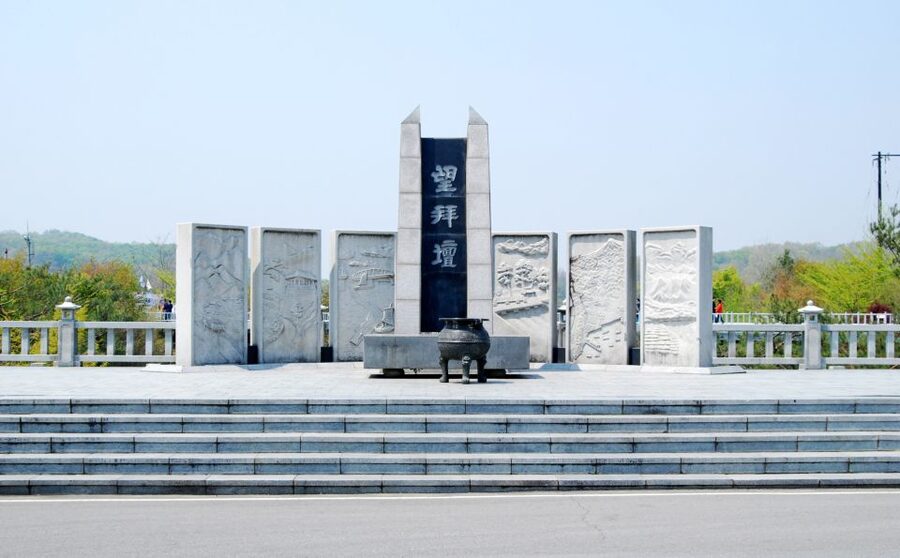
At $110 per person, this is not the cheapest way to see Seoul. But the cost covers several items that are difficult to arrange efficiently on your own: transportation for a full day, a professional English-speaking guide, DMZ admission, hotel pickup and drop-off when selected, and access to the authorized tour system.
The value is strongest if you want historical explanation. An independent visit to a palace is easy enough, but the DMZ requires more planning and is subject to official rules. You are paying for access, transport, timing, and interpretation in a sensitive area.
Lunch is not included. Plan to pay for your own meal, unless your particular day includes an informal lunch arrangement. One visitor praised a traditional lunch provided during the experience, but the published inclusions do not promise lunch, so you should not count on it when budgeting.
You can reserve now and pay later, and cancellation is free up to 24 hours before departure. Those terms help if your Seoul plans are still shifting, though DMZ availability can change with little notice because military training and official events may close the route.
What happens if the DMZ closes?
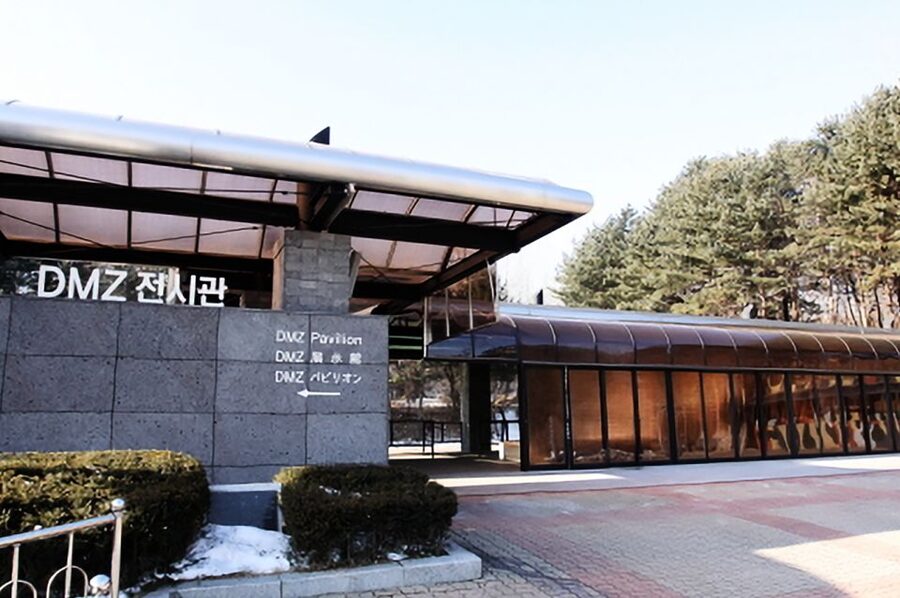
The operator can replace the DMZ route if there is an unannounced military training exercise or official event. The alternate plan includes Tomorrow’s Whistle, Bunker Beat 131, Odusan Unification Tower, and the War Memorial of Korea.
That replacement still focuses on Korea’s division and war history, but it is not the same as visiting the Third Tunnel or looking toward North Korea from the DMZ observatory. You should book this tour knowing that military access always comes first.
This is not a flaw unique to one operator. The border zone is a working security area, not a standard sightseeing district. The changing plan is the price of visiting a place where official events can override tourism.
Who will get the most from this tour?
I would recommend this day to you if you want a structured introduction to Korea’s division and prefer having the politics and military background explained as you go. It also suits first-time visitors who want to pair a major Seoul palace with a major regional sight without arranging separate transport.
You will probably enjoy it most if you can handle an early start, a full schedule, walking, and firm time limits. The tour is a good fit for history-minded adults, families with supervised children, and visitors who want a guide willing to answer questions.
I would hesitate if you dislike organized groups, cannot walk comfortably, need wheelchair access, or want an unhurried palace visit. The DMZ is controlled and serious, and the day does not leave much room for spontaneous detours.
FAQ
Where does the tour meet?
The standard meeting point is Exit 7 of City Hall Station at 7:30 a.m. Hotel pickup in Seoul is also available as an optional service.
How long does the experience last?
The tour lasts 10 hours and includes the DMZ area, an exhibition or war history venue, and Gyeongbokgung Palace or a replacement palace when necessary.
Is lunch included?
Lunch is not included in the stated tour inclusions. Personal expenses are also not included.
Do I need my passport?
Yes. You must bring a current valid passport on the day of travel.
What happens if the DMZ is closed?
If an unannounced military training exercise or official event prevents access, the tour is replaced with a route including Tomorrow’s Whistle, Bunker Beat 131, Odusan Unification Tower, and the War Memorial of Korea.
Can I visit Gyeongbokgung Palace on a Tuesday?
Gyeongbokgung Palace is closed on Tuesdays. On that day, the tour uses Deoksugung Palace instead.
Should you book it?
Book this tour if you want the DMZ explained by a guide and like the idea of pairing Korea’s modern division with its royal past. The included transport and admission make $110 reasonable for a demanding full-day outing, especially if hotel pickup and drop-off save you extra planning.
Go in with sturdy shoes, your passport, and patience for military rules. If you do, the Third Tunnel, the view toward North Korea, Imjingak, and Gyeongbokgung Palace can give you a strong first look at Korea’s past and present in a single day.
Just added around Seoul
- Seoul: Nighttime Tour of Palace, Market, Naksan Park & More★ 4.9 · 143 reviews
- Gyeongbokgung Palace, Jogyesa Temple and Bukchon village★ 5.0 · 12 reviews
- Private Seoul City Tour Palace, village, temple, market★ 5.0 · 21 reviews
- Seoul: Full-Day Royal Palaces Private Tour★ 4.9 · 33 reviews
- Customizable Seoul Private Tour Palaces Food and Markets★ 5.0 · 27 reviews
- Customized Private Seoul tour: Palace, Market etc(Airport Option)★ 5.0 · 46 reviews
- Seoul: Gyeongbokgung Palace Half Day Tour★ 4.9 · 111 reviews
- Full-Day Palace Tour in Seoul★ 5.0 · 155 reviews
Gyeongbokgung and Seoul Palace Tours, compared.
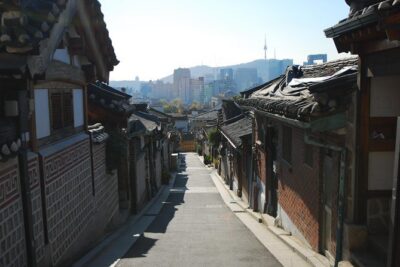
Gyeongbok Palace, Bukchon Village, and Gwangjang Tour
Read our review →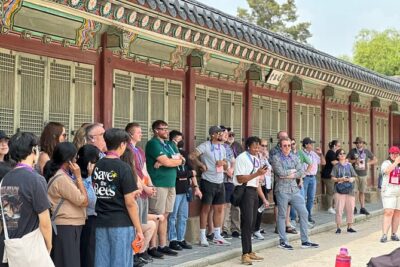
Best Seoul City Tour (Gyeongbokgung Palace,Insadong,Namsan Tower)
Read our review →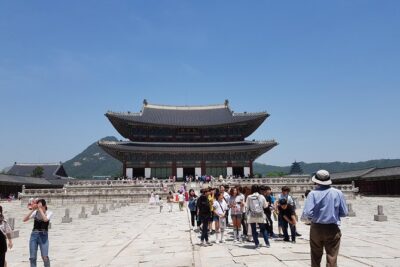
Seoul City Sightseeing Tour Including Gyeongbokgung Palace, N Seoul Tower, and Namsangol Hanok Village
Read our review →Gyeongbok Palace, Bukchon Village, and Gwangjang Tour
Read our review →
Seoul Half-Day City Highlight, Palace Tour with Hanbok
Read our review →

Hanbok Photoshoot and History Tour at Gyeongbokgung Palace
Read our review →Browse the lists this tour appears in