
REVIEW · SEOUL
Seoul: Deoksugung Palace Night Tour
Seoul looks different after sunset. This two-hour Deoksugung Palace tour brings you into the former Korean Empire through softly lit courtyards, royal halls, and unusual Western-style architecture. I like the evening setting, which gives the palace a calmer mood, and I like the guide-led storytelling, especially for anyone who wants more than names and dates.
The tour costs $35 per person and begins near City Hall Station at about 6:20 pm for a 6:30 pm start. The main drawback is its minimum of four participants. If fewer people book, the tour can be canceled, so you need to watch your WhatsApp or email before setting your evening plans in stone.
Key points to know before booking
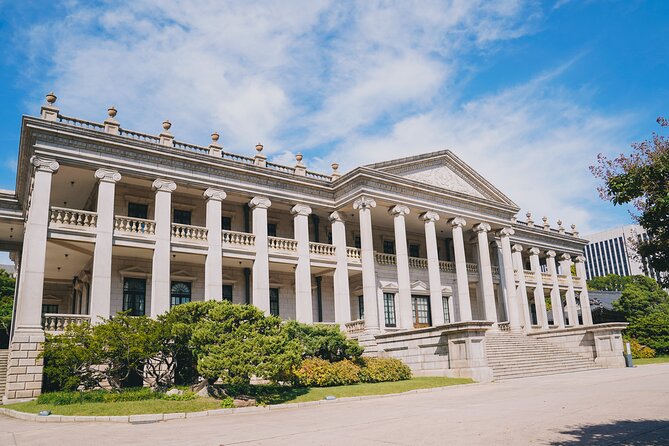
- Deoksugung is Seoul’s palace of contrasts: Traditional Korean halls share the grounds with Western-style buildings, reflecting the country’s push toward modernization.
- Night lighting changes the mood: The palace becomes quieter and more atmospheric after dark, while the nearby stone wall adds a pleasant walk before or after the tour.
- The Korean Empire is the main story: You’ll hear about the period roughly one hundred years ago, the end of the Joseon era, King Gojong, and the pain caused by Japanese invasion.
- Alan Han and Mr. Lee received especially warm praise: Their storytelling and ability to explain architecture were major strengths.
- The group can reach 20 people: A guide can answer questions, but a larger group may feel less personal than a small one.
- Plan around the Monday closure: Deoksugung is closed Mondays, though the operator offers a Gyeongbokgung Palace tour instead.
Why Deoksugung feels different from Seoul’s other palaces
Deoksugung is not simply another royal compound to tick off in Seoul. It represents a turning point. The palace served as the main royal residence instead of Gyeongbokgung during the period when Korea was called the Korean Empire, not Joseon or South Korea.
That transition gives the visit a sharper focus than a standard palace walk. You are not only looking at old buildings. You are seeing a court trying to respond to outside pressure, new technology, foreign influence, and military threat.
The architecture makes this story visible. Traditional Korean halls sit alongside Western-style structures, an unusual pairing within Seoul’s historic palaces. That mixture is one of the strongest reasons to choose this tour. A guide can explain why the buildings look different and what they reveal about the era.
I would not book this experience expecting a long palace visit with every corner explored. The tour lasts about two hours and follows a set route through several important buildings. Its value comes from the explanation, the evening atmosphere, and the political story tied to the site.
More Evening Trips in Seoul:
- Seoul: Palace, Temple and Market Guided Foodie Tour at Night
★ 4.9 · 750 reviews - Seoul Night Palace & Market Food Tour with Vehicle
★ 5.0 · 275 reviews - Seoul Night Tour (Gwangjang Market, Royal Palace and Naksan Park)
★ 5.0 · 92 reviews
Meeting at City Hall Station at 6:20 pm
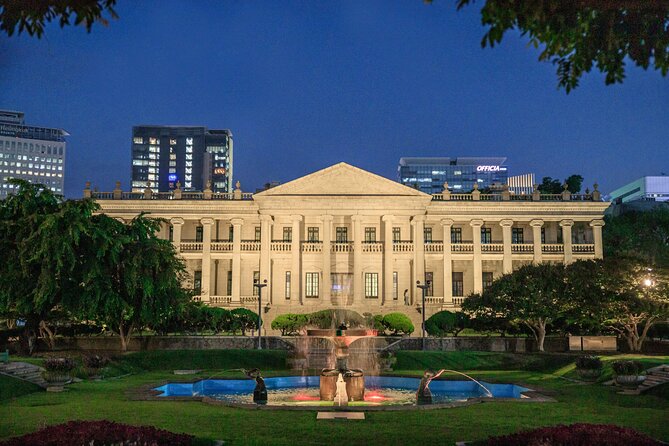
The meeting point is in front of Exit 1 of City Hall Station, served by Seoul Subway Lines 1 and 2. That is practical for a short evening activity because the palace sits near central Seoul’s City Hall and Gwanghwamun area.
Your stated meeting time is 6:20 pm, with the tour beginning at about 6:30 pm. The details sent by email or WhatsApp are important, so check them before leaving your hotel. The operator asks you to provide a name and a phone number or a messaging contact that works in Korea. An incorrect or unavailable number can create serious trouble, especially because joining after the tour begins is not allowed.
I would arrive early. This is not just general good advice. The instructions specifically say that late arrivals cannot join once the group has started. You also need to account for finding the correct station exit, crossing nearby streets, and locating the guide in a busy central district.
The tour ends at Jeonggwanheon, also written as Jungkwanhun, inside Deoksugung. This is useful because you finish near the palace’s Western-style café building and can continue exploring the City Hall area afterward.
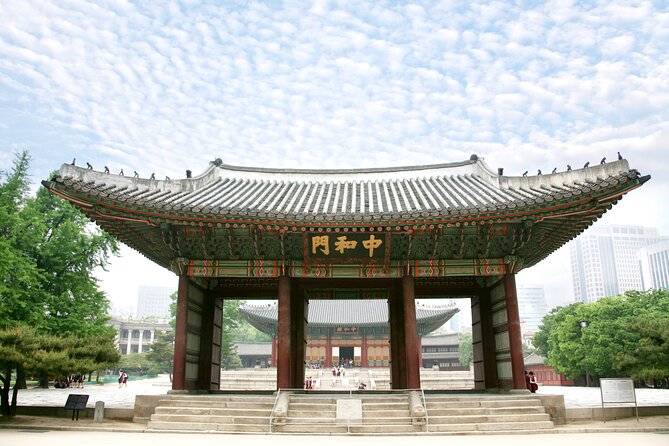
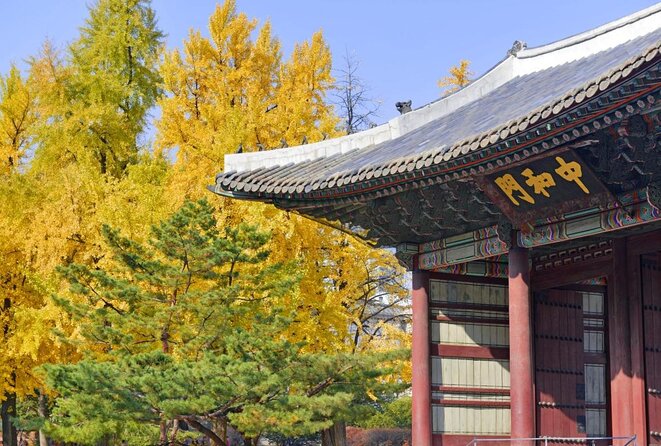
Junghwajeon, the main throne hall
The first major stop is Junghwajeon, the palace’s main throne hall. This is where the formal royal side of Deoksugung comes into view.
The guide’s explanation matters here. A throne hall can look similar to other Korean palace buildings if you only glance at its roofline, painted details, and courtyard. The tour connects the building to the Korean Empire period and helps you understand Deoksugung’s role as a main palace.
At night, lighting can pick out the roof, entrance, and broad front space in a way that feels more focused than a bright daytime visit. You may find it easier to concentrate on the building when there is less visual noise around you.
The guide also speaks about the end of the Joseon dynasty and the creation of the Korean Empire. That political context gives Junghwajeon more weight. You are not simply admiring a ceremonial hall. You are considering the last years of royal power before Korea faced foreign control and sweeping change.
The main limitation is that the tour’s value depends heavily on the guide’s delivery. The building itself is worth seeing, but the political background is dense. A strong guide makes it clear; a rushed explanation would leave the visit feeling more like a photo stop.
Seokjojeon and the palace’s Western face
Seokjojeon is one of the most distinctive stops. It is a Western-style building within a royal Korean palace, and its presence helps explain why Deoksugung is different from Gyeongbokgung and the other major palace sites.
This is where the idea of modernization becomes concrete. Instead of hearing only about foreign influence, you can see it in the stone construction and formal European design. The contrast with the traditional halls nearby is the visual center of the tour.
I like this part for visitors who are interested in architecture, not only royal stories. You can compare the shapes, materials, and overall feel of Seokjojeon with the timber palace buildings visited earlier. The guide can also answer questions, which is useful because the building raises natural questions about who used it and why it appeared on the grounds.
Do not expect the tour information to turn into a full architectural lecture. The available description promises explanations of the palace’s architecture, and the guide can take questions, but the exact depth will depend on the group and the guide. Still, Seokjojeon gives the evening a subject beyond royal ceremony.
A few more palace visits around Seoul worth a look
- Seoul: Gyeongbok Palace, Bukchon Village, and Gwangjang Tour
★ 4.9 · 2,321 reviews - Best Seoul City Tour (Gyeongbokgung Palace,Insadong,Namsan Tower)
★ 5.0 · 1,647 reviews - Small-Group Royal Palace and Seoul City Tour (hotel pick-up)
★ 5.0 · 1,474 reviews - Seoul City Sightseeing Tour Including Gyeongbokgung Palace, N Seoul Tower, and Namsangol Hanok Village
★ 5.0 · 1,423 reviews
Seokeodang, a favorite of King Gojong
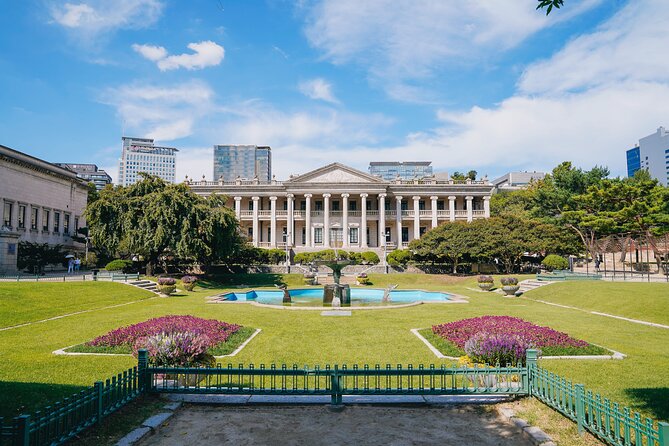
Seokeodang is described as King Gojong’s most beloved building. That detail gives the route a more personal turn.
Junghwajeon represents official power, while Seokeodang helps you think about the king’s private preferences and daily connection to the palace. A guide who tells the story well can make the site feel less like a collection of monuments and more like a place used by real people.
This stop also helps balance the tour’s political material. The Korean Empire period includes major national trauma, but a palace visit should not reduce everything to battles and dates. The story of a favorite building gives you a small human detail to hold onto.
The exact reason for Gojong’s attachment is not provided in the tour information, so you should not expect a full personal biography at this stop. Think of it as a short but memorable detail within the larger story.
Hamnyeongjeon, the king’s bed-chamber
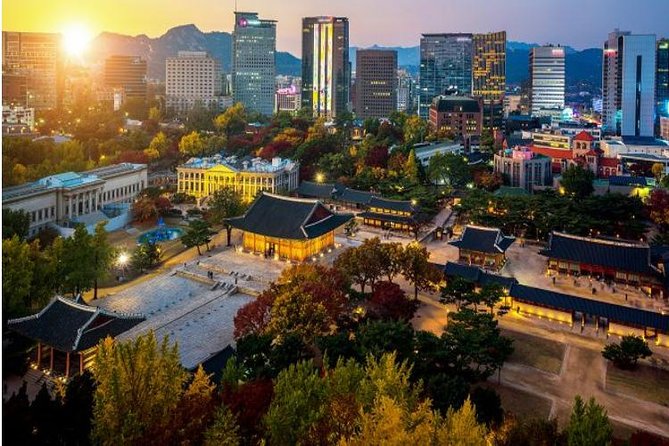
Hamnyeongjeon was the king’s bed-chamber. It offers a quieter contrast to the throne hall and the Western-style architecture.
A bed-chamber can help you picture the palace as a working residence rather than a ceremonial stage. The king held formal events in one place, but he also slept, rested, and lived within the compound. That shift in scale is useful, especially after seeing buildings designed for state business.
Night is a good fit for this stop. The tour’s evening setting is intended to be peaceful, and a private residential building benefits from a slower pace. You can focus on the arrangement of the structure and the guide’s explanation without feeling pushed through a daytime sightseeing schedule.
Again, the stop is brief within a two-hour route. If you want a long architectural study of every room, this will feel limited. If you want the bed-chamber placed into the story of King Gojong and the final royal period, it earns its place.
Jungkwanhun and the walk back into modern Seoul
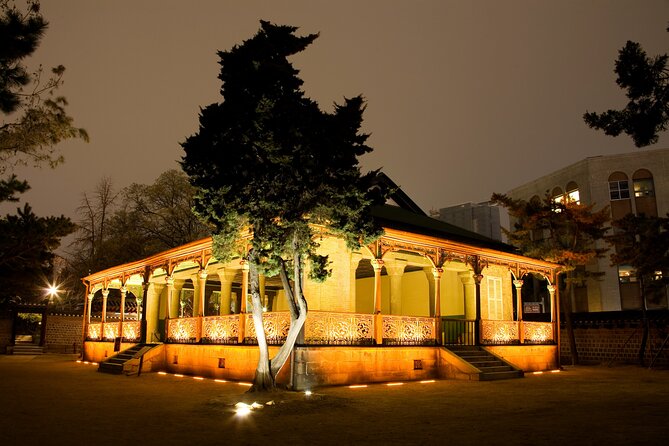
The tour ends at Jungkwanhun, also spelled Jeonggwanheon. The itinerary describes it as a cafeteria, while the meeting information identifies it as the end point. This is a useful final stop because it brings together the palace’s traditional and Western influences.
By the time you reach it, you have seen a throne hall, a Western-style structure, a favorite royal building, and a bed-chamber. Ending at Jungkwanhun gives the route a sense of closure without returning you to the subway entrance.
The palace’s stone wall is another part of the experience. It is famous for its beauty, and you should allow yourself a little time to notice it rather than rushing away as soon as the formal tour ends. The wall helps connect Deoksugung to the surrounding city, with historic masonry on one side and modern Seoul close by.
Because the tour ends inside the palace area, check the guide’s directions before separating from the group. You may want to continue along the wall or return toward City Hall, but the tour information does not promise an extended walk after Jungkwanhun.
Night lighting, pace, and group size
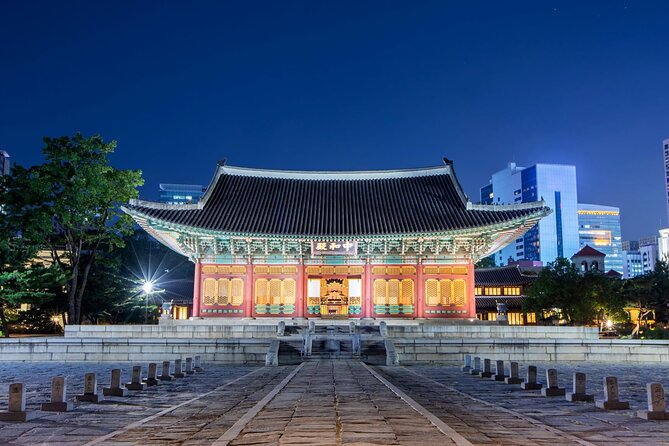
The central appeal here is the timing. Deoksugung in the evening offers a different mood from a daytime palace visit. The buildings are lit around dusk and after dark, and the setting is described as more beautiful and peaceful at night.
That does not mean every night will feel perfectly quiet. The palace is near central stations and major city streets. Still, the evening schedule can make the royal compound feel more removed from the city for a short time.
The maximum group size is 20 people. That is small enough for a guide to address questions, but it is not a private tour. The operator also says private tours can be requested by email, which may suit families or small groups seeking a more flexible pace.
Two people received particularly strong praise for their guiding. Alan Han led one tour for a solo participant and provided detailed explanations of the end of the Joseon dynasty and the architecture. Mr. Lee was praised for arriving on time, knowing the history, and telling the palace story in an engaging way.
The tour offers explanations in English and Chinese. Confirm your preferred language when booking or through the contact message. The guide can answer questions, which makes this a better choice than a basic audio guide if you want to connect the buildings with the period’s political changes.
Is $35 good value for two hours?
At $35, this is not the cheapest way to see a Seoul palace. You can often view historic sites more cheaply on your own, and the admission ticket for this activity is listed as free. The price is mainly paying for the guide, organization, and evening visit.
That value depends on your interests. If you already know the Korean Empire period and prefer moving at your own pace, you may find the fee hard to justify. You could see the palace and stone wall without a guide, though you would lose the structured explanation.
If you want help understanding why Deoksugung has both traditional and Western buildings, the cost is more reasonable. The palace’s story is not instantly obvious from the architecture alone. A guide adds context about King Gojong, the end of Joseon, modernization, and Japanese invasion.
The tour is often booked about 45 days ahead, which suggests you should not leave it until the last evening of a short Seoul visit. The group minimum adds another reason to plan early, although you should still monitor messages in case the operator needs to cancel or move the date.
Important conditions before you commit
Deoksugung is closed on Mondays. On that day, the operator says you can book a Gyeongbokgung Palace tour instead, but you should confirm the replacement arrangement before assuming your original plan will go ahead.
The experience depends on good weather. If poor weather causes cancellation, you will be offered another date or a full refund. You can also cancel for a full refund if you do so at least 24 hours before the start time. Cancellations or schedule changes inside 24 hours are not accepted.
The tour requires at least four participants. If that minimum is not reached, the operator will send a cancellation notice through WhatsApp. Provide a working Korean phone number or a messaging service such as WeChat or Line, and check your messages on the day.
Pets are not allowed, and there is no stated place to leave them. Recording or filming the tour is also not allowed. Most people can participate, and the meeting point is near public transportation.
Who will enjoy this palace walk most?
I would recommend the tour to you if you like history explained through buildings. It is especially useful if Seoul is your first introduction to the Korean Empire period, or if you have already visited Gyeongbokgung and want a palace with a different architectural story.
It also suits anyone who prefers a quieter evening activity. You get two hours of sightseeing without committing to a full-night food tour or a long excursion across Seoul.
Families and small groups may appreciate the chance to ask questions, though a private arrangement would be better if you want to control the pace. Architecture students, history fans, and visitors curious about the meeting of Korean tradition and Western design should get the most from the route.
I would hesitate if your schedule is uncertain, if you dislike fixed meeting times, or if you need guaranteed departure plans. The no-late-entry rule and four-person minimum make this less flexible than a self-guided visit.
Should you book the Deoksugung night tour?
Book it if you want the palace’s story, not just its buildings. The night lighting, stone wall, unusual mix of traditional and Western architecture, and strong guides such as Alan Han and Mr. Lee give the experience real appeal.
Skip it if you only want quick photos or the lowest-cost palace visit. You are paying for explanation and atmosphere, and the $35 price makes sense only when those things matter to you.
For the best chance of a smooth evening, book ahead, arrive at City Hall Station Exit 1 early, provide a working Korean contact number, and confirm the meeting message. If those conditions work for you, this is a thoughtful way to spend two hours with one of Seoul’s most revealing royal sites.
FAQ
How long does the Deoksugung Palace night tour last?
The tour lasts approximately two hours.
Where does the tour meet?
The meeting point is in front of Exit 1 of City Hall Station, served by Subway Lines 1 and 2. The stated meeting time is 6:20 pm, with a start time of about 6:30 pm.
What language is the tour offered in?
Explanations are available in English and Chinese.
What happens if fewer than four people book?
The tour may be canceled if fewer than four participants join. The cancellation notice is sent through WhatsApp, so you should provide a working contact number or messaging account.
Is Deoksugung Palace open on Mondays?
No. Deoksugung Palace is closed on Mondays. The operator says you can book a Gyeongbokgung Palace tour instead.
Can I cancel for a full refund?
Yes, if you cancel at least 24 hours before the experience starts. Cancellations or changes made less than 24 hours before the start time are not accepted. If poor weather or the minimum group requirement causes cancellation, you will be offered another date or a full refund.
Just added around Seoul
- Small-Group Seoul Tour with Gyeongbokgung Palace (hotel pick-up)★ 5.0 · 68 reviews
- Gyeongbokgung Palace & Bukchon Village Walking Tour★ 5.0 · 3 reviews
- Seoul Night Tour with Han River Cruise and Gyeongbokgung Palace★ 5.0 · 53 reviews
- Seoul Palace Morning Tour★ 4.5 · 53 reviews
- Seoul Private Tour Gyeongbok Palace Bukchon and Gwangjang Market★ 5.0 · 4 reviews
- Seoul UNESCO Heritage Palace, Shrine, and More Tour★ 4.5 · 13 reviews
- Seoul Night Tour (Gwangjang Market, Royal Palace and Naksan Park)★ 5.0 · 92 reviews
- Seoul Royal Palace,Bukchon Hanok Village & Gwangjang Market Feast★ 4.5 · 16 reviews
Evening Experiences, compared.
Lords of the Night Prison’s Palace Cells & Tortures
Read our review →
Exclusive Evening at Schönbrunn Palace: After-Hours Audiotour, Dinner, Concert
Read our review →
Schönbrunn Palace Evening Tour, Dinner and Concert
Read our review →
Palace, Temple and Market Guided Foodie Tour at Night
Read our review →
Alhambra and Nasrid Palaces Guided Tour at Night
Read our review →
Evening at Schönbrunn Palace Vienna: 3-course Dinner and Concert
Read our review →
Seoul Night Palace & Market Food Tour with Vehicle
Read our review →
Browse the lists this tour appears in