
REVIEW · ROME
National Museum of Palazzo Venezia in Rome
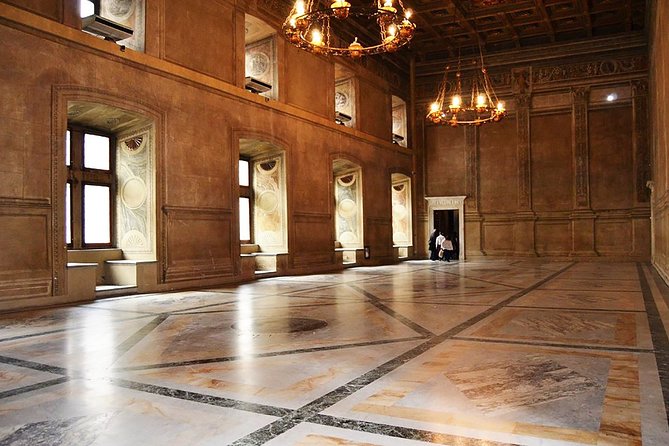
Rome keeps a quieter palace in plain sight. The National Museum of Palazzo Venezia gives you a look inside the former residence of Venetian Pope Paul II Barbo, with beautiful original floors and ceilings alongside Italian and German art. I like the range of objects here, from Renaissance bronzes and sculpture to porcelain, furniture, and historic arms. I also like the calm inner garden, a pleasant place to pause in central Rome.
The main drawback is that this is an independent museum visit, not automatically a guided tour. Some ticket arrangements connected with Palazzo Venezia, the Altar of the Fatherland, and the Museum of the Risorgimento can be confusing, so check exactly what your ticket includes before you arrive. At about $27.87 per person, the value depends on how much time you give the palace and whether your admission is part of a wider Rome sightseeing package.
Key points to know before visiting
- A papal palace from 1464 to 1471: Palazzo Venezia began as the grand residence of Pietro Barbo, later Pope Paul II.
- Applied arts take center stage: The museum focuses on useful and decorative objects, not only famous paintings.
- Italian and German works share the rooms: Expect sculpture, bronzes, ceramics, porcelain, furniture, arms, and decorative pieces.
- The inner garden is a quiet highlight: It offers a shaded break from Rome’s busy streets and is described as free to enter.
- Plan for one to three hours: The visit can be brief, but the long corridors and varied collections reward a slower pace.
- Accessibility is helped by elevators and ramps: Staff have been described as helpful, though the building is large and the museum route includes extended corridors.
A papal residence built for collecting
Palazzo Venezia began with Cardinal Pietro Barbo, who became Pope Paul II in 1464. He used the building as his residence, and his interest in collecting helped shape its artistic purpose. You are not entering a neutral gallery built for modern exhibitions. You are walking through a historic palace where the building itself is part of the experience.
The museum opened in 1921, with a focus on applied arts. That phrase matters. You will not find only paintings arranged in a clean sequence of famous names. Instead, the collection shows how art appeared in daily and ceremonial life through furniture, arms, ceramics, sculpture, metalwork, and other finely made objects.
This gives the visit a different rhythm from Rome’s major painting museums. You may stop for a carved figure, then turn toward a bronze, a piece of porcelain, or a decorated piece of furniture. The variety can feel refreshing, especially if you have already spent days looking at ancient statues and Renaissance frescoes.
The building also carries several centuries of change. The main interest reaches from the 15th through the 18th centuries, with material connected to Italian and German artistic traditions. Some descriptions of the collection also place objects within a broader period extending from the Middle Ages into the 19th century. In practical terms, expect a collection that crosses periods rather than following one narrow theme.
More Museum Visits in Rome:
- Rome: Palazzo Venezia Reserved Entrance with Museum
★ 4.2 · 52 reviews - Private Tour – National Museum of Palazzo Massimo
★ 5.0 · 51 reviews - Palazzo Barberini (Bernini Exhibition Is Not Included)
★ 4.0 · 34 reviews
What you see inside the museum
The visit begins with the palace and then moves through rooms and corridors displaying the museum’s collections. The route may feel less dramatic at first than you expect. One account describes an opening stretch of small, sparsely furnished rooms that can make you wonder if you have taken a wrong turn.
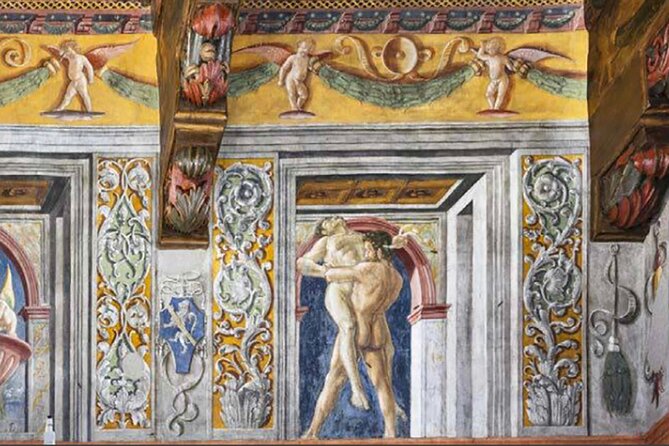
Do not judge the whole visit by the first rooms. The palace becomes more rewarding as you reach the decorated and frescoed spaces, where original floors and ceilings give the building its character. Some rooms are in excellent condition, and the contrast between plain passageways and more elaborate interiors makes the palace feel like a real building rather than a purpose-built display box.
I would give yourself time to look down as well as up. The inlaid mosaic floors are one of the details most worth noticing. Ceilings and floor patterns can easily become background decoration in Rome, where every church and palace competes for attention. Here, they help you understand the care that went into the residence itself.
The long corridors also affect the pace. If you try to rush through, the museum may feel like a sequence of rooms without a clear story. If you slow down, you can compare the different types of objects and see how decorative arts change from one period to another.
Italian and German art beyond the famous paintings
The collection is strongest for anyone who enjoys objects made for use, ceremony, display, or decoration. The Italian and German works give the museum a broad European reach without turning it into a general survey of all European art.
Sculpture is a major part of the appeal. You will find Italian and German examples, including works that show how artists handled the human figure, religious subjects, and ornamental detail. Some pieces may command attention immediately, while others reward close inspection of carving and surface.
The Renaissance bronzes offer a different experience from stone sculpture. Their smaller scale and technical detail make them good stopping points along the route. You can look for movement, fine modeling, and the way the metal catches light. The museum is useful here because the objects are presented within a palace setting, where decorative arts feel connected to rooms and furnishings.
Ceramics and porcelain add another layer. They show that artistic skill was not limited to paintings and monumental sculpture. Glaze, color, shape, and delicate decoration all matter. If you enjoy household objects, courtly decoration, or the history of craftsmanship, you may find these displays more interesting than expected.
The antique weaponry provides a sharper change of mood. Historic arms bring questions of status, ceremony, and protection into the collection. They are not simply practical tools. In a palace museum, their decoration and workmanship can be as important as their original function.
Furniture and other decorative pieces tie the collection together. They help you picture how an interior might have looked when art was part of the room, not separated from it by a gallery label and a velvet rope. That connection is one of the museum’s best qualities.
The palace interiors and the peaceful garden
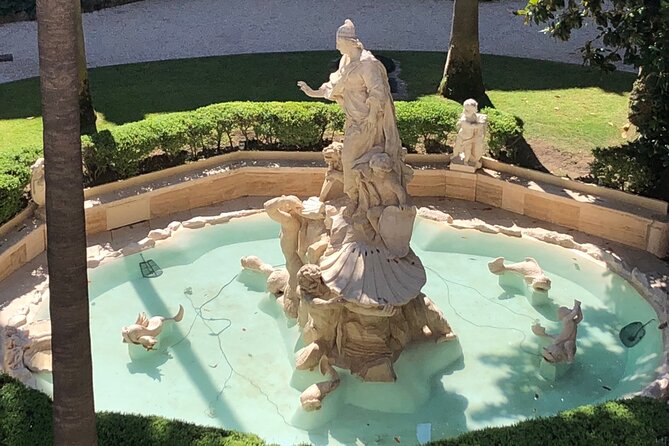
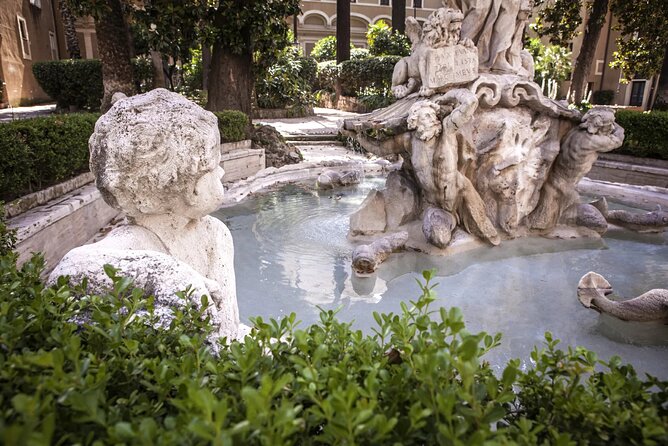
The inner garden is one of the easiest reasons to add Palazzo Venezia to a day in central Rome. It is described as a tranquil, shaded place where local people sit and take a break. The garden is free, according to the available information, so you may be able to enjoy it even if you decide not to spend a full visit inside the museum.
This matters because the palace sits in one of Rome’s busiest sightseeing zones. The garden gives you a quieter pause without requiring a taxi ride or a separate park visit. It is not the main art collection, but it can make the stop feel more complete.
Inside, the decorated rooms and frescoed areas carry the visual weight. You may also have a view toward the Altar of the Fatherland from a balcony. That connection helps place the palace within modern Rome’s monumental center, while the interior keeps your attention on an earlier period.
The building does not reveal all its best features at once. Some areas can feel bare, and the route may lack the clear visual drama of Rome’s major churches. I would treat the palace as a place for patient looking rather than instant spectacle.
A few more palace visits around Rome worth a look
- Rome: Opera Concert at Palazzo Poli – Fontana di Trevi
★ 4.7 · 1,026 reviews - Rome: Colonna Palace Entry Ticket
★ 4.8 · 609 reviews - The Great Opera Arias Concert at Palazzo Poli – Trevi Fountain
★ 5.0 · 533 reviews - Colosseum Underground, Roman Forum & Cesar Palace Special Access
★ 4.5 · 421 reviews
How long to allow and how to plan your visit
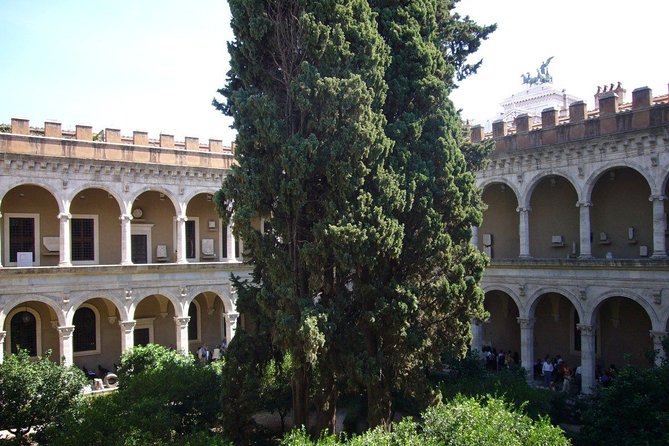
The stated duration is about one to three hours. I would allow close to an hour if you want only a quick look at the palace and a few major objects. Two hours is more comfortable if you want to read labels, inspect the applied arts, and spend time in the garden.
Three hours makes sense if you are especially interested in decorative arts, furniture, arms, sculpture, or the building’s interiors. The long corridors can make the museum feel larger than its headline description suggests.
The museum is near public transportation, so you do not need private transport. Private transportation is not included, and none is needed for the basic visit. Because the palace is in central Rome, it can fit naturally between other major sights, but you should avoid treating it as a quick five-minute add-on if the collection is your main reason for going.
Admission is included in the experience price. Confirmation is sent within 48 hours of booking, subject to availability. The important practical point is that the admission described here is for an independent visit. It does not promise a guide or a structured tour.
Some ticket combinations in this part of Rome connect Palazzo Venezia with the Altar of the Fatherland elevator, panoramic terrace, or the Museum of the Risorgimento. Those arrangements can make the price more attractive, but they can also create confusion about which entrances and services are included. Read the ticket wording carefully and do not assume that a palace admission includes a guide.
Is $27.87 a fair price?
At $27.87 per person, this is not the cheapest small museum stop in Rome. The price can be reasonable if you want a substantial palace visit and plan to spend at least an hour or two with the collection. It is less convincing if you only want to see the garden or expect a guided experience.
The strongest value comes from the combination of building and collection. You are paying for access to a former papal residence, its floors and ceilings, rooms, corridors, applied arts, and garden setting. That is more than a single gallery of paintings.
The price becomes harder to justify if your expectations are centered on famous masterpieces. This museum’s appeal lies in variety, craftsmanship, and setting. You may recognize fewer names than you would at the Vatican Museums or the Borghese Gallery, but you can gain a better sense of how art shaped palace interiors and daily life.
The mixed overall rating of 3.1 from 10 recorded ratings also suggests that expectations matter. The negative reactions focus on staff behavior, confusion over guided versus independent visits, and a sense that the palace is not presented as clearly as it could be. The positive reactions praise the garden, the interiors, the accessible route, and the range of historic objects.
That split is useful. I would not book this expecting a polished, highly directed tour. I would book it as a self-guided museum visit in an important building, with enough time to form your own impression.
Accessibility and the practical experience
The palace is described as accessible through an elevator and ramps. That is helpful in a historic building, where stairs and uneven routes can otherwise make a visit difficult. Most people can participate, and the museum is near public transportation.
The building is large, and the museum route includes long corridors. If you have limited stamina, plan a slower visit and use the available access features. Staff have been described as helpful in connection with accessibility, though the general service experience has not been consistent.
One practical warning concerns the difference between a guided visit and an accompanied or independent admission. If you want a guide, do not assume the word visit means guided instruction. The experience described here provides entrance for an independent visit, and guided services may be available only at specific times, including some weekends.
The cancellation terms are strict. This experience is non-refundable and cannot be changed after booking, so confirm your date and the ticket details before paying.
Who will enjoy Palazzo Venezia most?
I would recommend this museum to you if you enjoy:
- Historic houses and palace interiors
- Sculpture, furniture, ceramics, bronzes, and arms
- Italian and German art
- Quiet museums away from Rome’s biggest crowds
- Self-guided visits at your own pace
- Short breaks in shaded gardens
It may not suit you if you want a guide to explain every room, a tightly organized route, or a museum built around a long list of famous masterpieces. Families and first-time Rome visitors can still enjoy it, but the collection may make more sense to people who like looking closely at objects rather than checking off headline sights.
The garden also makes the stop useful for companions with different interests. One person can enjoy the palace interiors while another appreciates a quiet place to sit. Just remember that free garden access and museum admission may not be the same thing.
Should you book this experience?
Book it if you want to see a former papal residence and prefer decorative arts over a parade of famous paintings. The original floors and ceilings, Italian and German sculpture, Renaissance bronzes, porcelain, arms, and peaceful garden give you a varied visit in central Rome.
Skip it if you are expecting a guided tour, a perfectly explained route, or a major blockbuster museum. At $27.87, the visit earns its price when you use the palace as a whole, not when you rush through the collection.
My practical choice would be to book only after confirming the ticket coverage and independent-visit format. Give yourself around two hours, take your time with the interiors, and save a few quiet minutes for the garden. That approach makes Palazzo Venezia a thoughtful change of pace from Rome’s louder, more famous sights.
FAQ
Where is the National Museum of Palazzo Venezia?
It is in Rome, Italy, inside Palazzo Venezia, the former residence associated with Venetian Pope Paul II Barbo.
What is the ticket price?
The listed price is $27.87 per person.
How long does the visit take?
The expected duration is approximately one to three hours, depending on how closely you view the collection and interiors.
Is admission included?
Yes. An entrance ticket is included.
Is private transportation included?
No. Private transportation is not included, but the museum is near public transportation.
Is this a guided tour?
No. The experience provides admission for an independent visit. A guided visit is a different service and should not be assumed from this ticket.
What kind of art is inside?
The museum contains applied and decorative arts, including Italian and German sculpture, Renaissance bronzes, porcelain, ceramics, furniture, paintings, and historic arms.
Can I see the garden?
The inner garden is described as a peaceful, shaded area and as free to enter. Garden access and museum admission may be handled separately.
Is the museum accessible?
The palace is described as accessible by elevator and ramps. Most people can participate.
When is booking confirmed?
Confirmation is sent within 48 hours of booking, subject to availability.
Just added around Rome
- Prince for a day, Colonna Palace complete tour, package price★ 5.0 · 5 reviews
- Skip-the-Lines Barberini Palace Museum and Gallery Private Tour★ 5.0 · 4 reviews
- The Colonna Palace Walking Tour★ 5.0 · 6 reviews
- Roman Domus of Palazzo Valentini Ticket★ 4.0 · 42 reviews
- Paint & Sip in a 17th-Century Palazzo with Wine & Pizza★ 4.5 · 18 reviews
- Rome, Vittoriano Rooftop View and Palazzo Venezia Official Entry★ 4.0 · 12 reviews
- Rome Barberini Palace Guided Tour★ 3.5 · 5 reviews
- Private Chauffeured Tour to Caserta Royal Palace from Rome and Designer Outlet★ 5.0 · 2 reviews
Museums, compared.
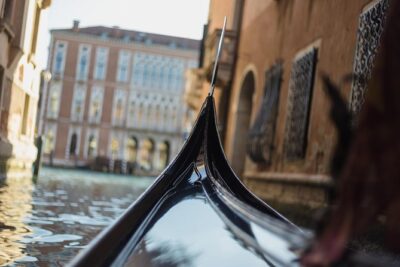
Venice’s Best: Basilica, Doge’s Palace, Gondola & History Gallery
Read our review →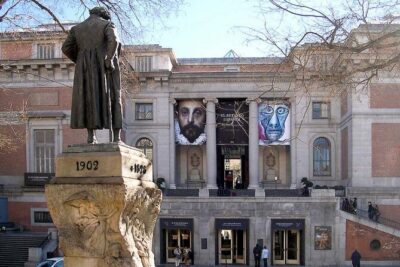
Royal Palace & Prado Museum Skip the Line Guided Tour
Read our review →
City Pass with Museums including Doge’s Palace
Read our review →
Knossos Palace and Museum E-Tickets with Audio Guides
Read our review →
Venice Museum Pass & Doge’s Palace Entrance Ticket
Read our review →
Palace, Museum, Madrasa & Medina Highlights Tour
Read our review →
Browse the lists this tour appears in