REVIEW · SOUTH KOREA
Seoul: Gyeongbokgung Palace Half Day Tour
Royal Seoul begins here. This two-hour visit brings you into Gyeongbokgung Palace, founded in 1395 as the main palace of the Joseon Dynasty, with an English-speaking guide to explain what you are seeing. I like the clear route through the palace grounds and the way guides connect architecture with daily royal life. I also like that the ticket is included, so the $38 price covers both entry and live commentary.
The main drawback is the short format. Two hours gives you a useful introduction, but not time for every corner or a slow visit to the wider palace complex. Weekend and holiday bookings also cannot be confirmed, and the tour may be canceled if fewer than four people sign up. Check your messages carefully, since the operator sends meeting details by email or WhatsApp.
Key points at a glance
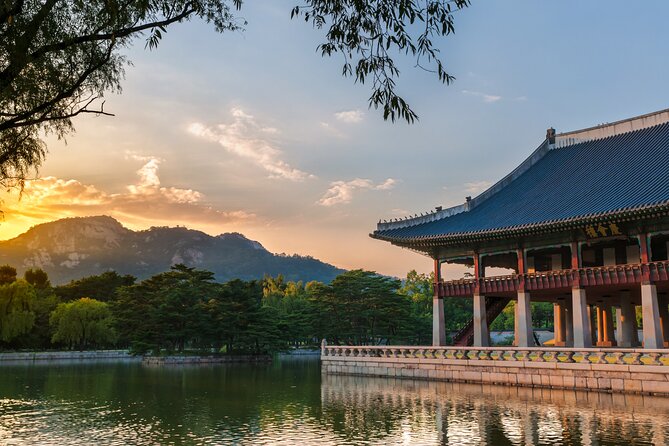
- The tour ends at Gyeonghoeru, the palace’s large pavilion beside a man-made lake, giving the visit a strong visual finish.
- Guides explain more than building names, linking palace design to kings, queens, court life, and the Joseon Dynasty’s five centuries of rule.
- The meeting point is outside Exit 5 of Gyeongbokgung Station, at the stairs by the National Palace Museum of Korea.
- Several guides have earned special praise, including Joy, Alan, Sally, Sora, Steven Lee, and So-Ra, for warm explanations and help with photographs.
- The pace suits a first visit, with time after the guided portion to continue exploring on your own.
- At $38, the tour is good value if you want context and a planned route instead of simply walking through the palace alone.
Why Gyeongbokgung deserves your morning
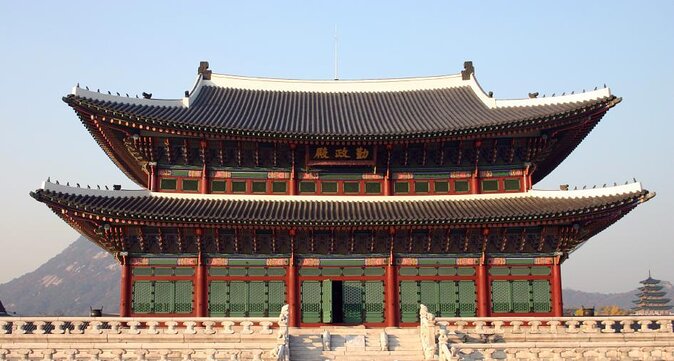
Gyeongbokgung is the palace most closely tied to Seoul’s public image. Its broad courtyards, formal gates, painted wooden buildings, and ceremonial spaces give you a sense of how the Joseon court organized power and daily life.
The date matters. Gyeongbokgung was established in 1395, soon after the Joseon Dynasty began. For roughly five centuries, the dynasty shaped Korean government, social customs, education, architecture, and royal ceremony. A guide helps you see those connections instead of treating the palace as a collection of attractive buildings.
I would not choose this tour only for pretty photographs, though you will have plenty of chances for them. The real value is learning why the buildings are arranged as they are, who used them, and what royal life looked like behind the grand roofs and gates.
The palace grounds also make the tour feel different from a museum visit. You walk between structures, stop in open courtyards, and see how the setting controlled movement and status. Your guide can point out where kings and queens once stood and explain the function of key spaces.
More Palace Day Trips in Seoul
- Seoul City Half Day Tour-Gyeongbok Palace Guard Changing Ceremony
★ 4.5 · 357 reviews - Full-Day Palace Tour in Seoul
★ 5.0 · 155 reviews - Seoul City Full Day Tour – Changdeok Palace (wearing Hanbok)
★ 5.0 · 55 reviews
Meeting at Exit 5
The tour begins outside Gyeongbokgung Station Exit 5, at the stairs in front of the National Palace Museum of Korea. This is a practical meeting point, but you should allow a little time to find the exact spot. Seoul’s large stations can have several exits and busy pedestrian areas, so do not leave it until the last minute.
The operator sends information about the time and meeting place by email or WhatsApp. Keep an eye on both, especially if your booking is close to the travel date. One useful detail from the tour experience is that a guide named Sally helped a participant who had been directed to the wrong place by a map app. That is reassuring, but your best plan is still to check the instructions before leaving your hotel.
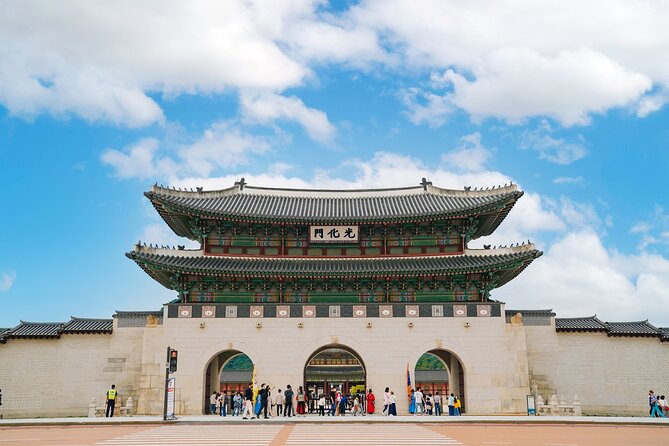
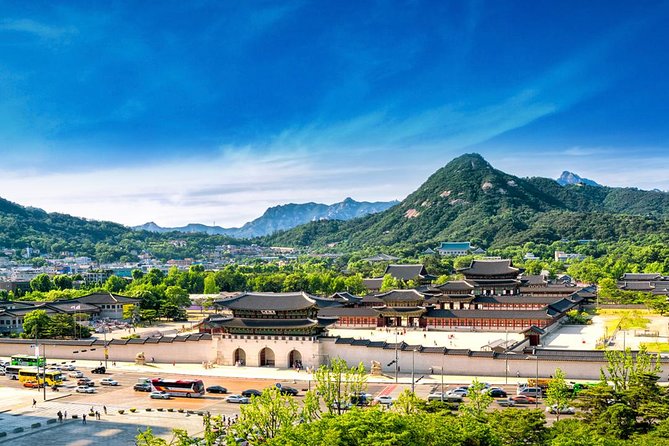
Once the group is together, the guide leads you toward the palace’s main gate. The entrance itself sets the tone. You move from modern Seoul into a formal royal compound, with the city still close behind you.
The main gate and first palace views
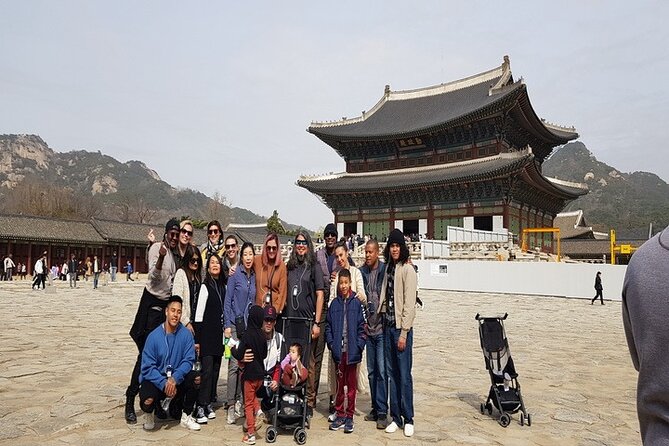
The opening part of the visit is about orientation. Your guide introduces the palace and explains its place in the Joseon Dynasty before leading you through the main areas.
This is where a guide earns the admission price. Without help, you can see painted beams, tiled roofs, courtyards, and large timber halls, but it is harder to understand which spaces mattered most. A good explanation turns the layout into a story about rank, ceremony, family, and government.
The guides on this tour have different personalities, but the strongest pattern is clear: they keep the information lively and allow questions. Joy has been praised for making history easy to follow while adding humor. Alan is known for an upbeat manner and clear explanations. Sally has guided visitors through the palace’s architecture and functions, while Steven Lee has been willing to answer questions about other historic places in Seoul.
That variety means your exact experience depends on who leads your group. Still, the repeated praise for warmth, good pacing, and useful answers suggests that the human side of the tour is one of its best features.
Reading the palace through its architecture
Gyeongbokgung works best when you understand that the buildings were not arranged at random. Royal spaces reflected order and authority. The guide explains how the palace functioned, where royal family members lived and worked, and how court life operated within the compound.
You will hear about kings and queens, the Joseon court, and the dynasty’s effect on Korean society. The history is not presented as a list of dates alone. The stronger guides connect the palace to the people who used it and to the decisions made inside it.
That context is especially useful if Korean history is new to you. You do not need background reading to follow the visit. Sora, Joy, and Alan have all been praised for explaining the setting to people with little prior knowledge, while still answering more detailed questions from those who want extra context.
The tour also gives you a chance to ask about modern Seoul and Korean history beyond the palace. Several guides have answered questions about other city sights and present-day life. Do not expect a full city tour, but you can make the most of the guide’s local knowledge during pauses and at the end.
More Palace Day Trips in South Korea
- Seoul: Full-Day Royal Palaces Private Tour
★ 4.9 · 33 reviews
Gyeonghoeru and the man-made lake
The tour finishes at Gyeonghoeru, the palace’s largest pavilion. The building sits beside a man-made lake and was used as an event hall. Its setting gives you a quieter, more spacious view after the formal sequence of gates and halls.
This is a smart endpoint. Gyeonghoeru is visually memorable, but its purpose becomes clearer when your guide explains how the palace hosted important occasions. You get architecture, water, ceremony, and royal function in one place.
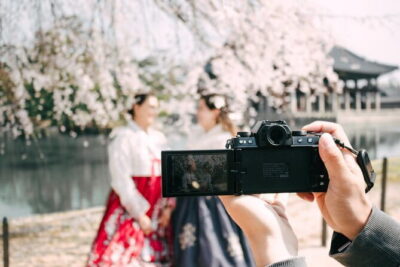
The pavilion is also a good spot for photographs. Guides such as Joy and Alan have been praised for helping visitors get pictures, and one family specifically appreciated the care taken with group photos. That help is a pleasant extra, though it should not be treated as a guaranteed photography service.
After the guided portion ends, you can continue exploring at your own pace. This makes the short tour more useful. You get a structured introduction first, then freedom to return to a building, take more photographs, or simply walk through the areas that caught your attention.
Can you see the guard-changing ceremony?
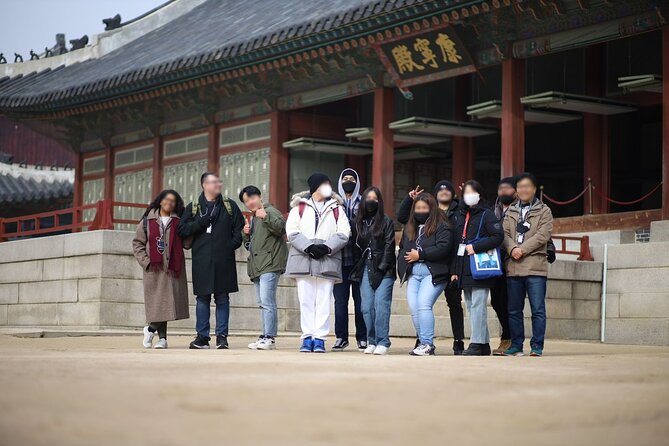
Some tours have been timed so that the group could watch the changing of the guards. That can add a lively ceremonial moment to your visit, but it should not be treated as guaranteed because the experience depends on the tour start time and the day’s schedule.
If this matters to you, ask about the timing before booking or check with the operator after your reservation. Even without the ceremony, the palace itself is the main event, and the tour focuses on its buildings, history, and royal functions.
A two-hour pace: useful, but not exhaustive
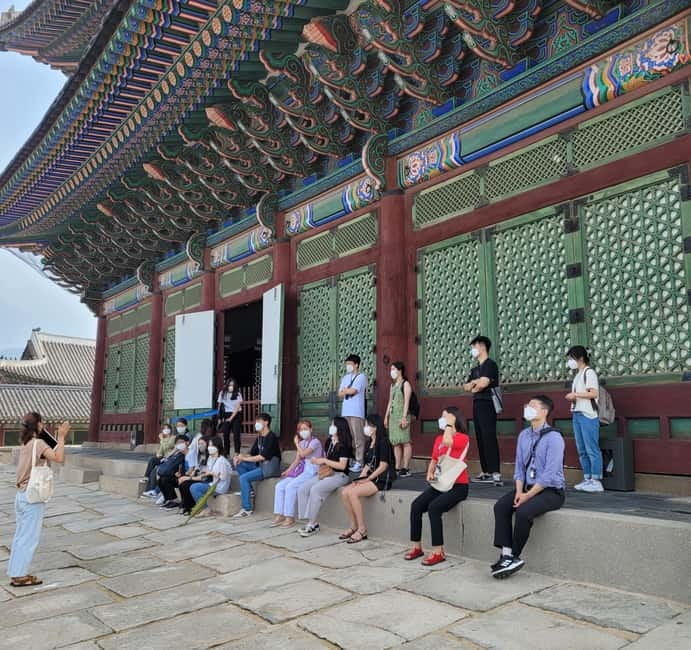
Two hours is enough for a strong first look. You can hear the main story, visit important sections, reach Gyeonghoeru, and still have time afterward to continue alone.
The short duration also helps if you have only a few days in Seoul. You can fit the palace into a morning or afternoon without giving up the rest of your day. The tour pairs well with nearby cultural sights, though this experience itself does not include transport, meals, or a wider city itinerary.
The tradeoff is depth. Gyeongbokgung is a large palace compound, and two hours will not let you examine every structure at a slow pace. If you want a detailed study of royal architecture or several hours of independent photography, use the guided visit as an introduction and stay afterward.
Wear comfortable shoes. You will be walking around palace grounds, and the tour is more enjoyable when you are not thinking about sore feet. The site is listed as wheelchair accessible, though you may still want to confirm the exact route with the operator if you have specific mobility needs.
What the $38 price gets you
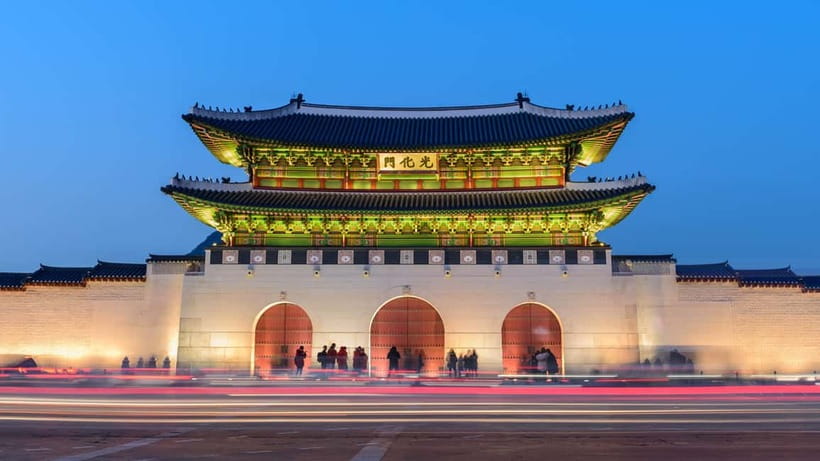
At $38 per person, this is not the cheapest way to enter Gyeongbokgung, but the price is reasonable for a two-hour guided introduction with admission included.
You are paying for three useful things:
- An English-speaking local guide
- The entrance ticket
- A planned route through a large historic site
The value depends on your travel style. If you enjoy reading signs, researching in advance, and setting your own route, independent entry may suit you better. If you want the palace to make sense while you are standing inside it, the guide adds real value.
I especially like the small-group feel described in the tour experience. One participant appreciated being able to ask many questions because the group was quite small. The operator does not provide a fixed maximum group size in the information available, so you should not assume a private tour, but a small group can make the two-hour format much more personal.
The reserve-now-and-pay-later option also helps if your Seoul schedule is still changing. Free cancellation is available up to 24 hours before the tour for a full refund. A same-day cancellation or no-show receives no refund, and the tour may be canceled if fewer than four people sign up. If that happens, the operator says the notice will be sent through WhatsApp.
Which guide might you get?
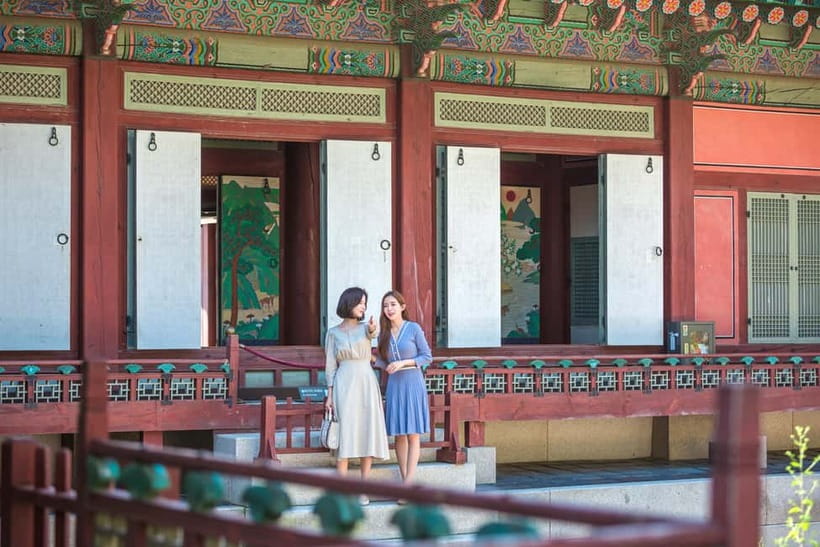
The guide is a major part of this experience, and several names appear repeatedly in the strongest accounts of the tour.
Joy is praised for warmth, humor, clear explanations, and thoughtful help with photographs. Alan is described as friendly, funny, and good at making the palace’s functions easy to understand. Sally is valued for her knowledge of palace architecture and for helping people find the meeting point.
Other guides, including Sora, So-Ra, and Steven Lee, have also been praised for an engaging approach and willingness to answer questions. One guide even helped with metro directions after the tour, including assistance with getting transport cards and finding the correct subway route.
You cannot choose your guide from the information provided, so treat those names as examples of the style you may encounter, not a promise. The common thread is a friendly, conversational approach rather than a dry lecture.
Who should book this palace tour?
I would recommend it to first-time visitors who want the palace to make sense without spending half a day studying it. It also suits solo visitors, couples, families, and anyone who likes to ask questions while sightseeing.
The tour is particularly useful if Korean history is unfamiliar to you. The guides explain the Joseon Dynasty, royal family life, architecture, and palace functions in plain English. You also get a planned route, which removes the guesswork from a large site.
Families may appreciate the moderate two-hour length and the help with photographs. Solo visitors can enjoy the social ease of a small guided group. History fans should book it if they want an overview first, then plan to stay longer afterward.
I would hesitate only if you dislike group tours, prefer total control over your pace, or want an in-depth visit to every building. In those cases, independent exploration may fit better, perhaps after using this tour as your orientation.
Practical advice before you book
Check your booking messages for the confirmed meeting time and instructions. The meeting point is at the station, not simply anywhere near the palace, and map apps may send you toward the wrong entrance.
Plan around the weekend and holiday restriction. Reservations cannot be confirmed on those days, so this tour is easier to fit into a weekday Seoul itinerary.
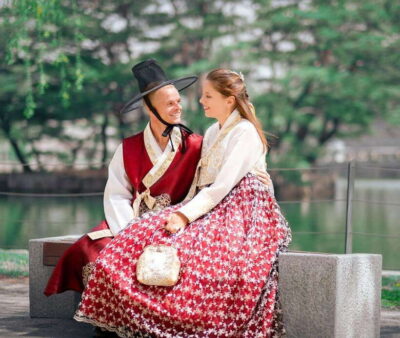
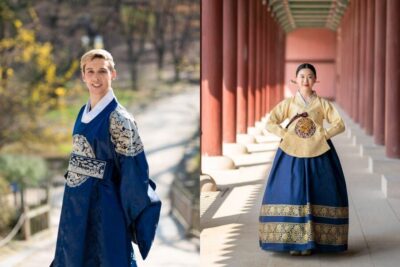
Bring comfortable shoes and a phone that can receive email or WhatsApp messages. If you hope to see the guard-changing ceremony, ask about timing before you go. If you want to wear a hanbok for photographs, one participant wished they had arranged it before the tour, so consider that in advance.
Should you book it?
Book this tour if you want clear history, included admission, and a friendly guide without spending an entire day at the palace. The $38 fee is fair for the structure and commentary, especially if you are new to Seoul or Korean history.
Skip it if you want a completely independent visit or a long, slow architectural study. For most first-time visitors, though, the two-hour route is a sensible introduction, and the chance to keep exploring after Gyeonghoeru gives you welcome freedom.
FAQ
How long does the Gyeongbokgung Palace tour last?
The guided tour lasts two hours. Afterward, you can continue exploring the palace at your own pace.
What does the $38 price include?
The price includes an English-speaking local guide and the entrance ticket to Gyeongbokgung Palace.
Where is the meeting point?
Meet the guide outside Exit 5 of Gyeongbokgung Station, at the stairs in front of the National Palace Museum of Korea.
Is the tour offered in English?
Yes. The listed tour language is English, and the experience includes live commentary from the guide.
Can I cancel for a full refund?
You can cancel up to 24 hours in advance for a full refund. No refund is provided for a same-day cancellation or no-show.
What happens if fewer than four people book?
The tour may be canceled if fewer than four people participate. The cancellation notice is sent by WhatsApp.
More Gyeongbokgung and Seoul Palace Tours in Seoul
- Seoul: Gyeongbok Palace, Bukchon Village, and Gwangjang Tour
★ 4.9 · 2,321 reviews - Best Seoul City Tour (Gyeongbokgung Palace,Insadong,Namsan Tower)
★ 5.0 · 1,647 reviews - Seoul City Sightseeing Tour Including Gyeongbokgung Palace, N Seoul Tower, and Namsangol Hanok Village
★ 5.0 · 1,423 reviews - Seoul: Gyeongbok Palace, Bukchon Village, and Gwangjang Tour
★ 5.0 · 1,044 reviews
Just added around Seoul
- Seoul: Nighttime Tour of Palace, Market, Naksan Park & More★ 4.9 · 143 reviews
- Gyeongbokgung Palace, Jogyesa Temple and Bukchon village★ 5.0 · 12 reviews
- Seoul: DMZ, Gyeongbokgung Palace & City Tour★ 4.5 · 36 reviews
- Customizable Seoul Private Tour Palaces Food and Markets★ 5.0 · 27 reviews
- Customized Private Seoul tour: Palace, Market etc(Airport Option)★ 5.0 · 46 reviews
- Private Seoul City Tour Palace, village, temple, market★ 5.0 · 21 reviews
- Seoul: Full-Day Royal Palaces Private Tour★ 4.9 · 33 reviews
- Full-Day Palace Tour in Seoul★ 5.0 · 155 reviews
Gyeongbokgung and Seoul Palace Tours, compared.
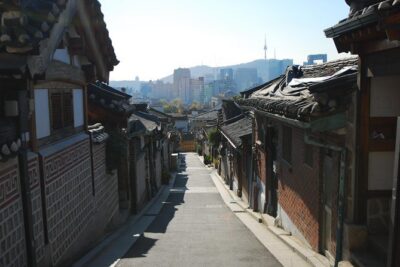
Gyeongbok Palace, Bukchon Village, and Gwangjang Tour
Read our review →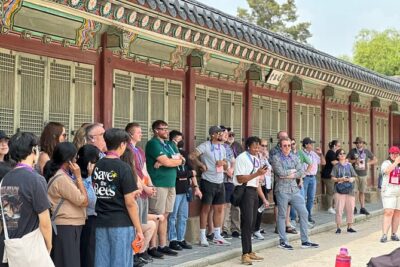
Best Seoul City Tour (Gyeongbokgung Palace,Insadong,Namsan Tower)
Read our review →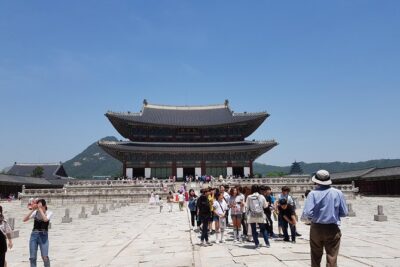
Seoul City Sightseeing Tour Including Gyeongbokgung Palace, N Seoul Tower, and Namsangol Hanok Village
Read our review →Gyeongbok Palace, Bukchon Village, and Gwangjang Tour
Read our review →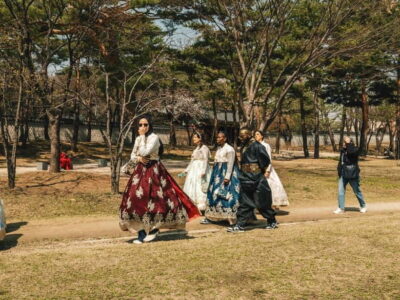
Seoul Half-Day City Highlight, Palace Tour with Hanbok
Read our review →