
REVIEW · SEOUL
Seoul: Colonial History Tour with Prison&Palace, Market Food
History can make lunch taste better. This four-hour Seoul tour connects Seodaemun Prison, Dilkusha, Deoksugung Palace, and Namdaemun Market in one tightly packed outing. I like the way it links Korea’s independence movement to the city you see today, and I especially like the final meal of handmade noodles and market snacks. The main drawback is the pace: with several sites and a moderate amount of walking, this is not a slow, casual afternoon.
I also like the mix of serious history and everyday Seoul life. You move from prison cells and political struggle to palace architecture, city landmarks, and a bowl of hot kalguksu. The guide matters here, and the experience has been especially well served by guides such as Janice and Ron, both praised for clear explanations and friendly answers. Wear comfortable shoes, and expect the vehicle route to change to walking if local conditions require it.
Key points to know before booking
- Seodaemun Prison takes center stage: Allow 80 minutes for the most emotionally heavy part of the tour, focused on Korean independence fighters under Japanese rule.
- Dilkusha adds an international angle: The former home of American journalist Albert Taylor shows how news from Korea reached the outside world.
- Deoksugung mixes old and new: You will see traditional Korean palace design alongside Western architectural influence during a period of political change.
- Namdaemun provides the reward: The tour ends with food tastings, market browsing, and a meal in Kalguksu Alley.
- The day is compact but active: Four hours covers several districts and landmarks, with enough walking to require reasonable fitness.
- The value is strongest for first-time visitors: Entrance fees, transportation, an English-speaking guide, and food tastings are included for $58 per person.
Why this four-hour route works
Seoul can feel like several cities at once. Glass towers, palace courtyards, old gates, department stores, and traditional markets all sit close together, but the connections are not always obvious when you explore alone.
This tour gives those places a shared thread. You begin at Dongnimmun, or Independence Gate, then visit a prison linked to the independence movement. From there, Dilkusha adds the perspective of a foreign journalist, Deoksugung shows Korea negotiating modernity, and the route finishes at Namdaemun Market, where old food traditions are still part of daily life.
That structure gives the tour more purpose than a simple list of sights. You are not just checking off landmarks. You are following a story about pressure, resistance, outside attention, political change, and ordinary food.
The four-hour length is useful if you have limited time in Seoul. It is long enough for real context, but short enough to fit around other plans. The tradeoff is that each stop has a set time, so you should not expect extended wandering or a relaxed meal with no schedule.
More Food and Drink Trips in Seoul:
- Seoul Night Palace & Market Food Tour with Vehicle
★ 5.0 · 275 reviews - Customizable Seoul Private Tour Palaces Food and Markets
★ 5.0 · 27 reviews - 4 Hours UNESCO Palace and Street Food Tour in Seoul
★ 5.0 · 7 reviews
Starting at Dongnimmun Station
The meeting point is Dongnimmun Station, Exit 5. Look for the guide holding a Tripper sign.
This is a practical starting point because the first major visit, Seodaemun Prison History Hall, is nearby. It also gives the tour an immediate sense of place. The name Dongnimmun means Independence Gate, and the opening location points directly toward the political story that follows.
Your guide leads the group from the station and handles the route between stops. Transportation costs are included, though the vehicle plan can change to walking based on conditions at the time. That flexibility is useful in central Seoul, but it means you should plan for more walking than the basic schedule might suggest.
The tour ends back at the starting point. That makes it easier to continue sightseeing afterward or return to your accommodation without arranging a separate pickup.
Seodaemun Prison History Hall: the emotional core
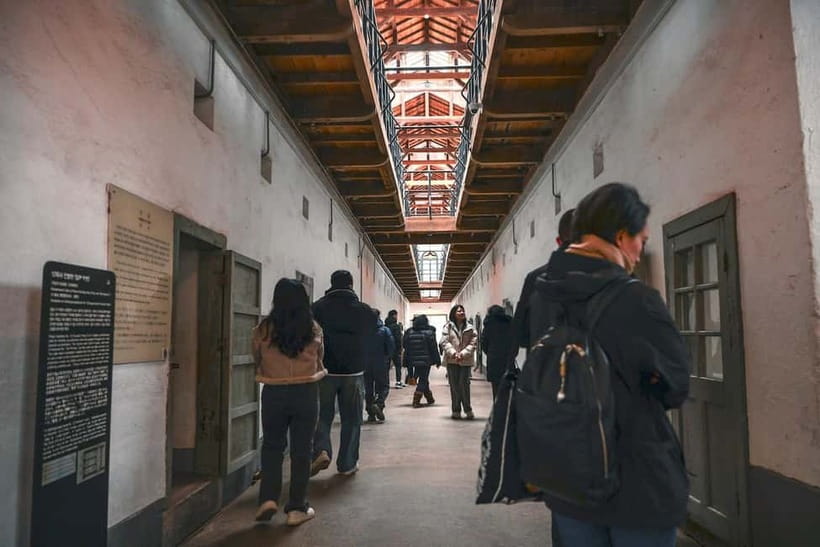
The first main stop lasts about 80 minutes, making it the longest visit of the day. That is appropriate. Seodaemun Prison is not a quick photo stop, and the site needs time.
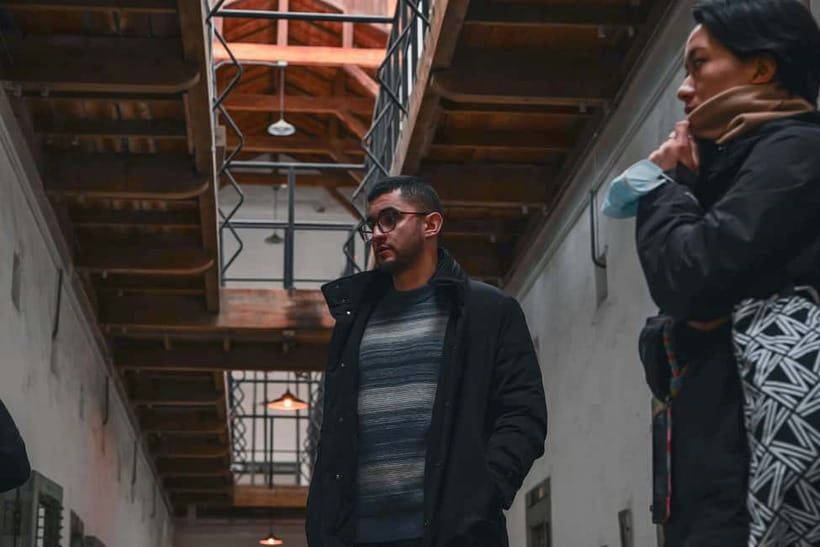
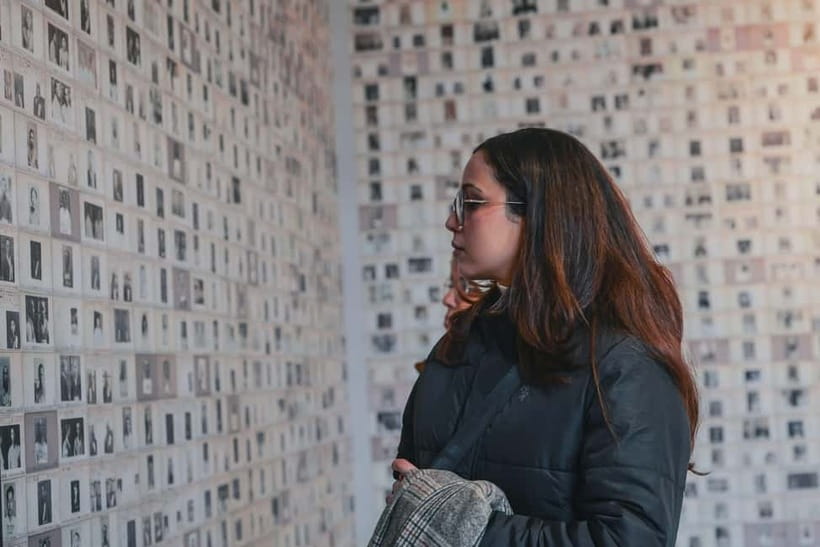
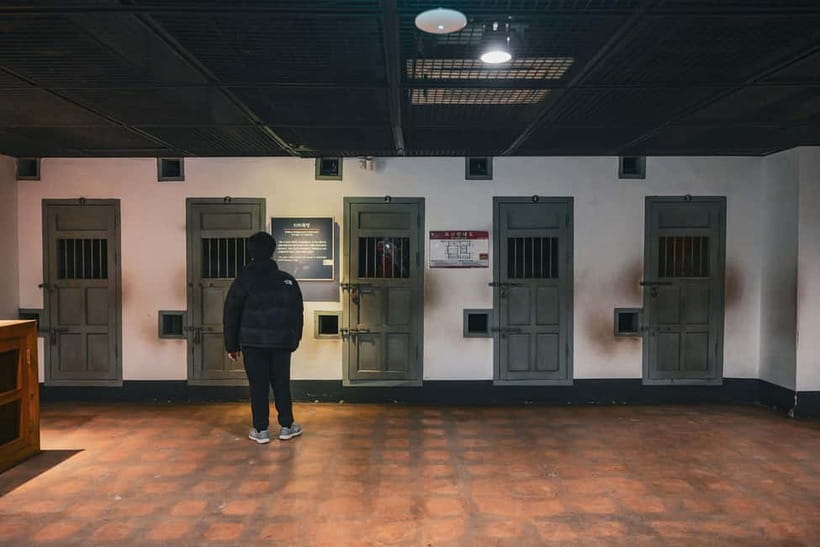
The former prison was used during Japanese colonial rule. Here, you learn about Korean independence fighters who were imprisoned, tortured, and executed for resisting foreign control. The setting gives those stories weight. Instead of hearing about the independence movement only through dates and political names, you encounter the spaces where people were confined and punished.
This part of the tour can be difficult. One person described the experience as including a touch of emotional damage, which is a fair warning. The subject is painful, and the prison is meant to make you uncomfortable. That is also why this stop is so valuable. It helps you understand that Korea’s modern freedom was not an abstract political achievement.
The guide’s role is important here. A good explanation can connect the exhibits to the wider story without turning the visit into a lecture. Ron was praised for helping make modern Korean history easier to understand, while Janice was noted for her passion and memorable stories. You can ask questions about the independence movement, Korean culture, or other periods of history as the tour continues.
Give yourself a little mental space after this visit. The route moves on, but the first stop may remain the part you think about most.
Dilkusha and the story of Albert Taylor
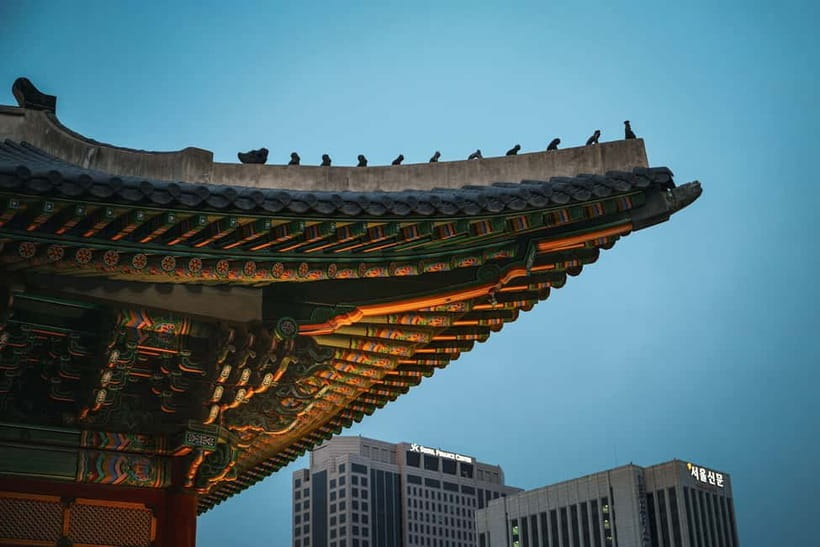
Dilkusha, the former home of American journalist Albert W. Taylor, gives the tour a different point of view. The visit lasts about 15 minutes, so it is brief, but its role in the route is clear.
Taylor supported Korea’s independence cause and helped share news of the country’s struggle with the outside world. His story shows that the independence movement was not isolated within Korea. International observers, journalists, and allies could influence how events were understood beyond the peninsula.
The house also adds a personal scale to a large political story. Seodaemun shows imprisonment and organized resistance. Dilkusha shows how one foreign resident responded to what he saw and heard.
Do not expect a long house tour. Fifteen minutes is enough for a focused introduction, but not enough for every detail. Still, this short stop breaks up the heavier prison visit and adds useful context before the palace.
More Food Trips in Seoul:
- Seoul: Palace, Temple and Market Guided Foodie Tour at Night
★ 4.9 · 750 reviews - The Only Locally Owned Non-Touristy Food Tour by Spade & Palacio
★ 5.0 · 701 reviews - Private Split: Visit Diocletian Palace & Taste Food at the Market
★ 5.0 · 33 reviews - Taman sari water castle, sultan palace & local food tasting
★ 4.7 · 11 reviews
Deoksugung Palace and Korea’s changing architecture
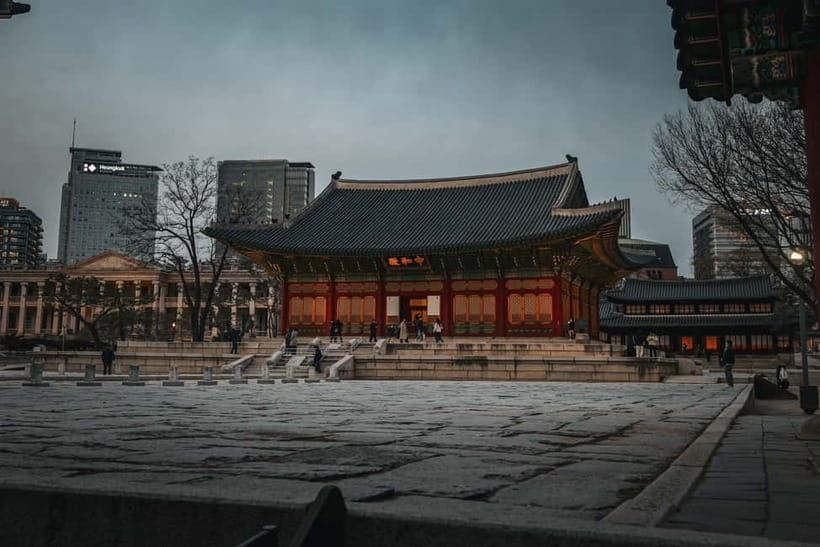
The tour allows about one hour at Deoksugung Palace. This is where the route shifts from colonial-era struggle to the tension between tradition and modernization.
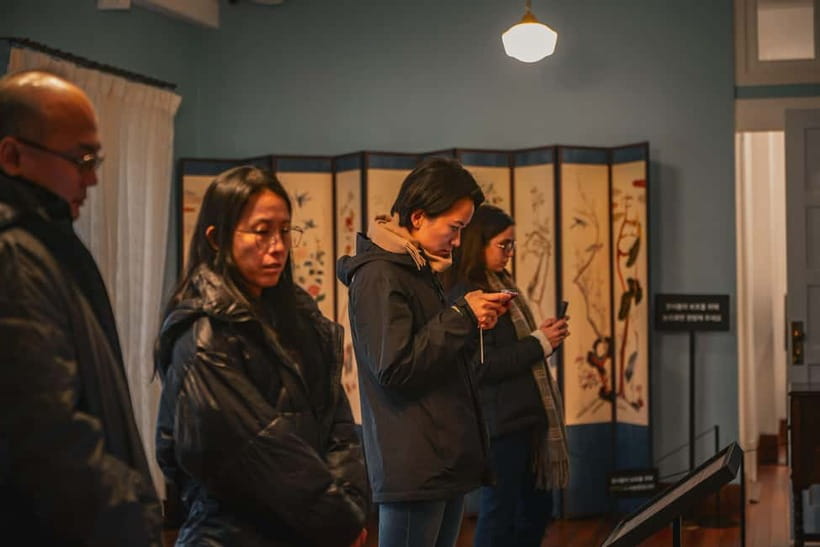
Deoksugung is known for its combination of Korean palace buildings and Western architectural styles. That mix makes the site especially helpful for understanding a country adapting to new pressures. You are not seeing a purely traditional royal complex. You are seeing a royal setting shaped by political turbulence and contact with the outside world.
I like this stop because architecture does much of the explaining. The contrast between building styles makes change visible. You do not need to memorize every political event to notice that Korea was being pulled in more than one direction.
The palace also gives the tour a welcome visual change after Seodaemun Prison. The mood is still tied to national history, but the surroundings are more open and beautiful. You can expect a guided walk rather than free time to explore every corner at your own pace.
The one-hour visit is enough to appreciate the palace and hear its broader story. If you want extensive photography or a quiet palace stroll, you may wish you had more time. For a history-focused half day, the timing is sensible.
Seoul City Hall and Sungnyemun Gate
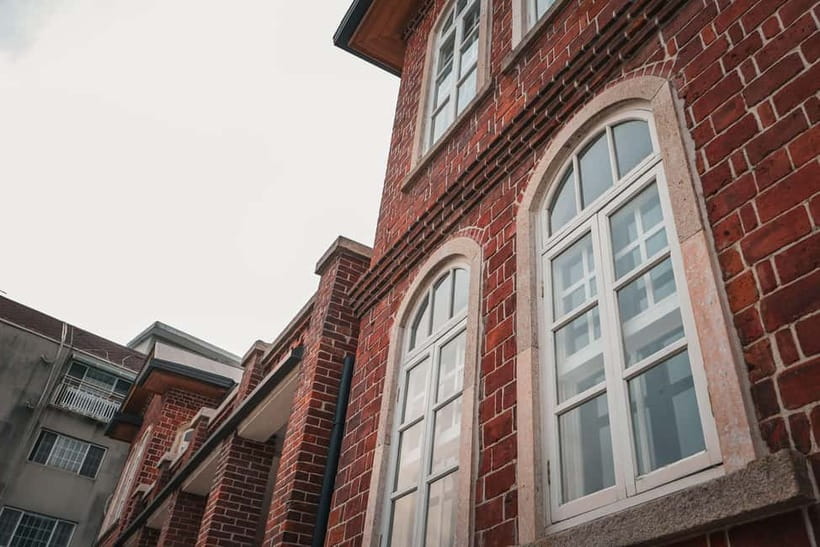
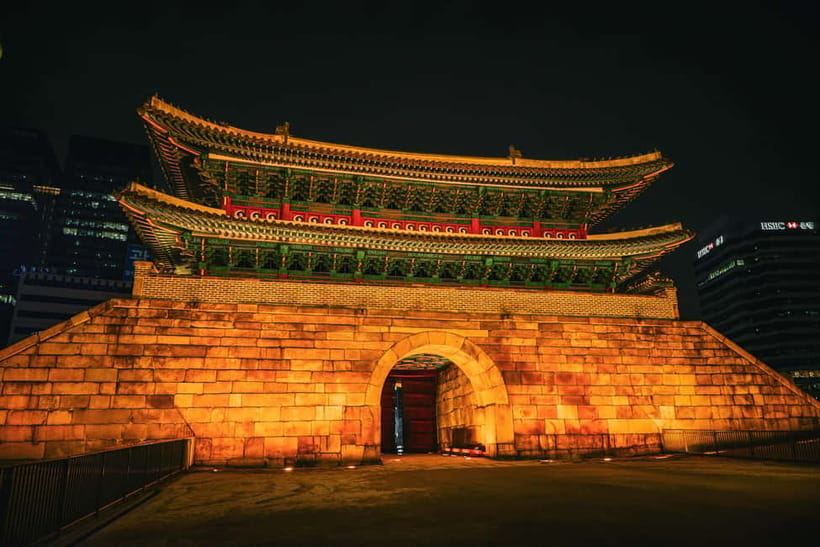
The route also includes short visits of about 10 minutes at two important city landmarks: Seoul City Hall and Sungnyemun Gate, also called Namdaemun Gate.
Seoul City Hall represents a very different Seoul from the one associated with colonial rule. The stop helps connect the past to the present, showing the city as a modern capital and functioning democracy. It is a quick look rather than a full architectural tour, so think of it as a transition point in the larger story.
Sungnyemun Gate brings you much further back. The gate is a 600-year-old national treasure and served as the southern entrance to Seoul during the Joseon Dynasty. Its age gives the day a wider frame. The tour is not only about the Japanese colonial period. It places that difficult chapter within a longer Korean story.
Ten minutes at each landmark is short. You will have time to see the sites and hear why they matter, but not to linger. These stops work best as guided orientation points, especially if you are new to Seoul and want to return later for a longer look.
Namdaemun Market and Kalguksu Alley
The final hour takes place at Namdaemun Market, Korea’s largest and oldest traditional market. The market has operated for more than 600 years, and it remains one of the best places on this route to see daily commerce rather than formal heritage.
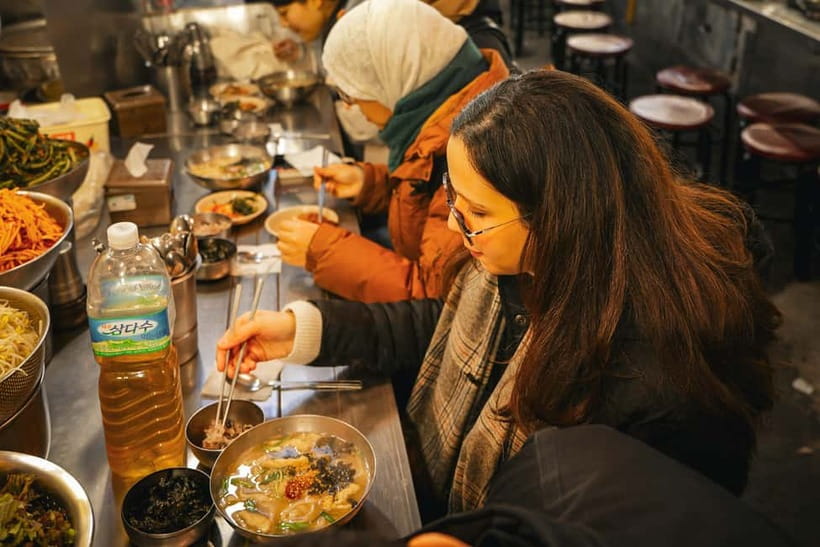
This is where the tour becomes more relaxed and social. You explore food stalls, sample street dishes, and share a meal in Kalguksu Alley. The signature dish is kalguksu, a warm bowl of handmade knife-cut noodles. After the sober opening, that hot meal is more than a snack. It gives the day a human finish.
You can also expect street foods such as hotteok and gimbap. Hotteok is a sweet filled pancake, while gimbap consists of rice and fillings rolled in seaweed. The tour includes food tastings, so you can try several items without having to plan every order yourself.
Kalguksu Alley is made up of small food stalls where locals gather for steaming noodle soup. The setting is part of the experience. This is not a polished restaurant meal with lots of personal space. It is a close-up look at a working market food tradition.
The market stop is one of the strongest reasons to choose this tour instead of a purely historical walk. You get to taste the city rather than only look at it. Still, the one-hour limit may feel tight if you want to shop, photograph the market, and eat slowly. Come ready to follow the guide and keep moving.
What the $58 price gets you
At $58 per person, the tour is priced above a simple self-guided palace visit, but the inclusions make the value easier to judge.
Your fee covers:
- An English-speaking professional guide
- Entrance fees
- Transportation costs
- Food tastings at Namdaemun Market
The main value is the guide and the organization. Seodaemun Prison, Dilkusha, Deoksugung, City Hall, Sungnyemun, and Namdaemun Market are not difficult to find separately, but creating a coherent route between them takes planning. You also avoid paying separate entrance fees and guessing what to order at the market.
The food adds practical value, especially if you are curious about Korean dishes but unsure where to begin. You still need to pay for any extra fees or additional purchases, so do not treat the included tastings as an unlimited market meal.
For a short stay in Seoul, the price is reasonable if you want history explained in English and prefer a planned route. If you enjoy setting your own pace, reading exhibits independently, or spending an entire afternoon at one palace, a self-guided visit may suit you better.
Who should book this experience?
I would recommend this tour to you if you want modern Korean history explained in a clear, connected way. It is particularly useful early in a Seoul visit, since the context can help you understand other sites and conversations during the rest of your trip.
It also suits food-focused visitors who want more than a restaurant reservation. Namdaemun Market and Kalguksu Alley provide a local setting, and the food tastings reduce the guesswork.
The tour may be less suitable if you need step-free access. It is not suitable for wheelchair users, and the moderate walking requirement means you should have a reasonable level of fitness. Comfortable shoes are essential.
You should also be prepared for emotionally heavy material at Seodaemun Prison. This is not a light sightseeing loop with a food stop added at the end. The food is enjoyable, but the first half asks you to pay attention to suffering and political resistance.
The tour is conducted in English. Tour-related information is sent through WhatsApp one to two days before departure, so provide a phone number that can receive those messages.
The final verdict
Book this tour if you want Seoul’s landmarks to connect into a story. The strongest parts are the 80-minute visit to Seodaemun Prison, the guide’s explanations, and the satisfying shift from difficult history to handmade noodles and market food.
Skip it if you dislike a fixed schedule, moderate walking, or emotionally serious sites. For everyone else, $58 buys a well-shaped half day with entrance fees, transport, an English-speaking guide, and food tastings. I would choose it early in a Seoul trip, then return to any place that deserves more time.
FAQ
Where does the tour begin?
The tour begins at Dongnimmun Station, Exit 5. Meet the guide holding a Tripper sign.
Where does the tour end?
The activity ends back at the meeting point at Dongnimmun Station.
How long does the tour last?
The tour lasts four hours. Starting times depend on availability.
Is an English-speaking guide included?
Yes. The tour includes a live English-speaking professional guide.
What food is included?
Food tastings at Namdaemun Market are included. The experience features kalguksu in Kalguksu Alley, along with street foods such as hotteok and gimbap.
Is the tour suitable for wheelchair users?
No. The tour is not suitable for wheelchair users and includes a moderate amount of walking. Comfortable shoes are recommended.
More Shopping Trips in Seoul
- Customized Private Seoul tour: Palace, Market etc(Airport Option)
★ 5.0 · 46 reviews - Private Seoul City Tour Palace, village, temple, market
★ 5.0 · 21 reviews - Seoul Royal Palace,Bukchon Hanok Village & Gwangjang Market Feast
★ 4.5 · 16 reviews - Seoul Day Tour: Gyeongbok Palace, Bukchon, Gwangjang Market
★ 4.7 · 7 reviews
More Market Visits in Seoul
- Korean Palace and Market Tour in Seoul Including Insadong and Gyeongbokgung Palace
★ 4.0 · 174 reviews - Seoul: Nighttime Tour of Palace, Market, Naksan Park & More
★ 4.9 · 143 reviews - Seoul: Gyeongbok Palace, N Tower, & Local Market City Tour
★ 4.9 · 107 reviews - Seoul Night Tour (Gwangjang Market, Royal Palace and Naksan Park)
★ 5.0 · 92 reviews
Just added around Seoul
- Small-Group Seoul Tour with Gyeongbokgung Palace (hotel pick-up)★ 5.0 · 68 reviews
- Gyeongbokgung Palace & Bukchon Village Walking Tour★ 5.0 · 3 reviews
- Seoul Night Tour with Han River Cruise and Gyeongbokgung Palace★ 5.0 · 53 reviews
- Seoul Palace Morning Tour★ 4.5 · 53 reviews
- Seoul Private Tour Gyeongbok Palace Bukchon and Gwangjang Market★ 5.0 · 4 reviews
- Seoul Night Tour (Gwangjang Market, Royal Palace and Naksan Park)★ 5.0 · 92 reviews
- Seoul UNESCO Heritage Palace, Shrine, and More Tour★ 4.5 · 13 reviews
- Seoul Royal Palace,Bukchon Hanok Village & Gwangjang Market Feast★ 4.5 · 16 reviews
Historical Tours, compared.
Madrid Essential: Historic Center, Plaza Mayor & Royal Palace
Read our review →
Venice’s Best: Basilica, Doge’s Palace, Gondola & History Gallery
Read our review →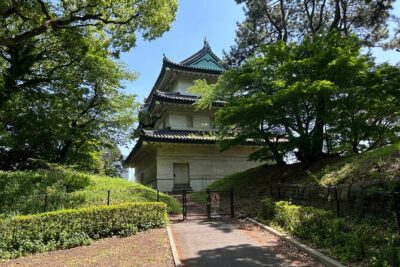
Imperial Palace and Shogun Historical Walking Tour
Read our review →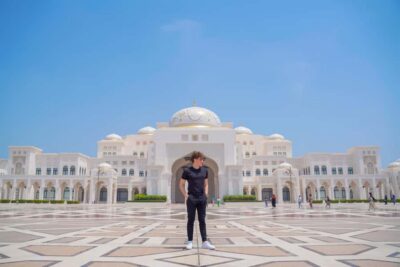
Abu Dhabi Grand Mosque, Palace, and Heritage Village
Read our review →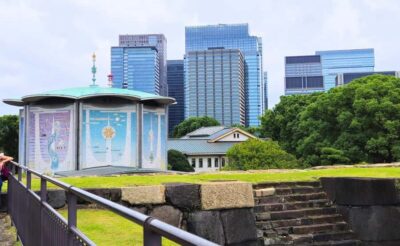
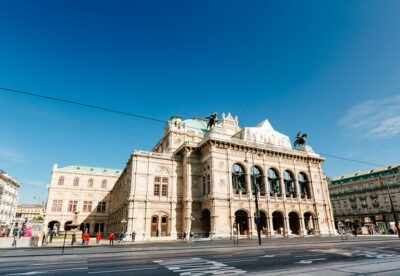
Skip-the-Line Schonbrunn Palace Guided Tour and Vienna Historical City Tour
Read our review →
Madrid in a Day Tour:Royal Palace, Historic Center & Prado Museum
Read our review →
Basilica, Doge’s Palace, History Gallery & Bell Tower Option
Read our review →Browse the lists this tour appears in