
REVIEW · FRANCE
Paris: Château de Vincennes Entry Ticket
Châteaux are not all polished palace rooms. Château de Vincennes gives you a medieval fortress, a tall keep, and a clear look at how French power shifted from royal rule to the modern state. I like the chance to climb the 52-meter tower, and I like that the ticket remains valid for 365 days, giving you useful flexibility. The main drawback is that transport, food, and an English-speaking guide are not included.
This is a good choice if you want a substantial historic site without paying Versailles prices. You can explore at your own pace with multilingual material and an augmented reality terminal in Charles V’s study. Just remember that much of the regular guided program is in French, and the keep requires climbing stairs.
Key points at a glance
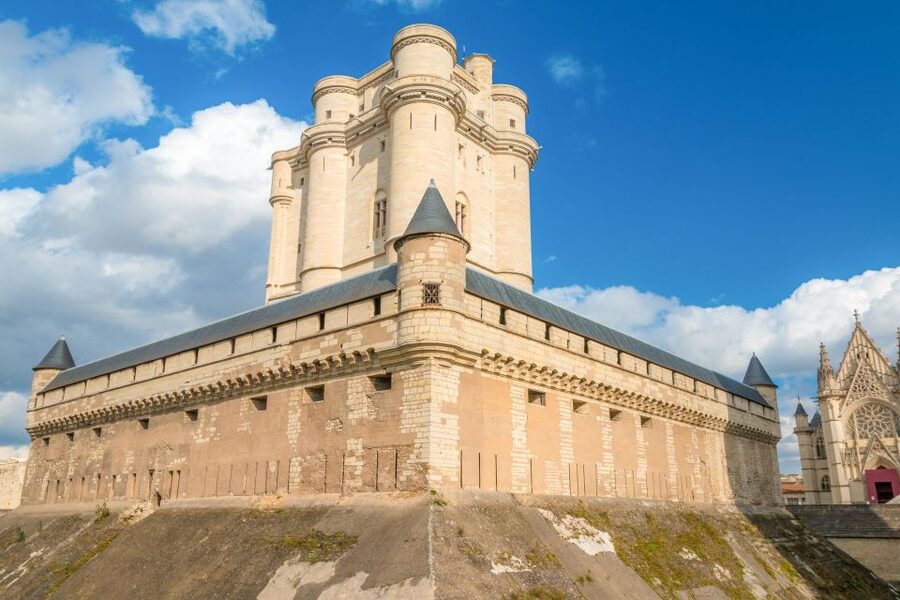
- A 52-meter medieval keep: Climb the tallest fortified tower of its kind in Europe and see the rooms once used as prison cells.
- Royal power outside central Paris: The fortress guarded the capital and protected French kings from uprisings.
- A long timeline in one visit: The site connects the 14th century, the French monarchy, Napoleon I, 19th-century invasions, and the Second World War.
- Flexible 365-day validity: The ticket works well for visitors who do not want to lock themselves into one sightseeing day.
- French guided tours each afternoon: Free guided visits are offered daily at 2:15 PM and 3 PM, with no reservation required.
- Good value at $15: You get the entrance ticket, self-guided material, and access to the historic monument, though transport is extra.
Why Château de Vincennes makes a worthwhile side trip
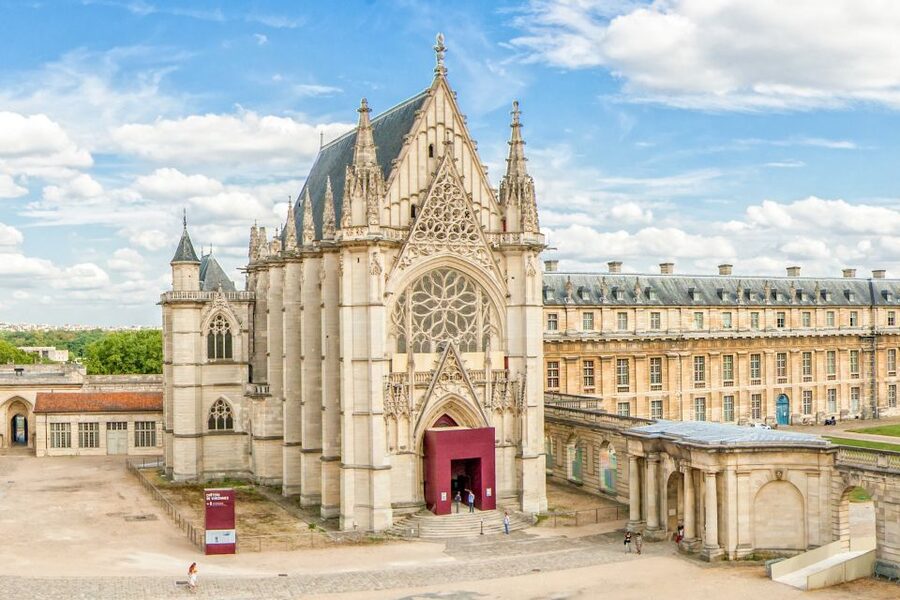
Château de Vincennes sits in Vincennes, just east of Paris, at Avenue de Paris. It is outside the usual central sightseeing circuit, but the short trip gives you a different view of France than the grand museums and royal apartments in the city center.
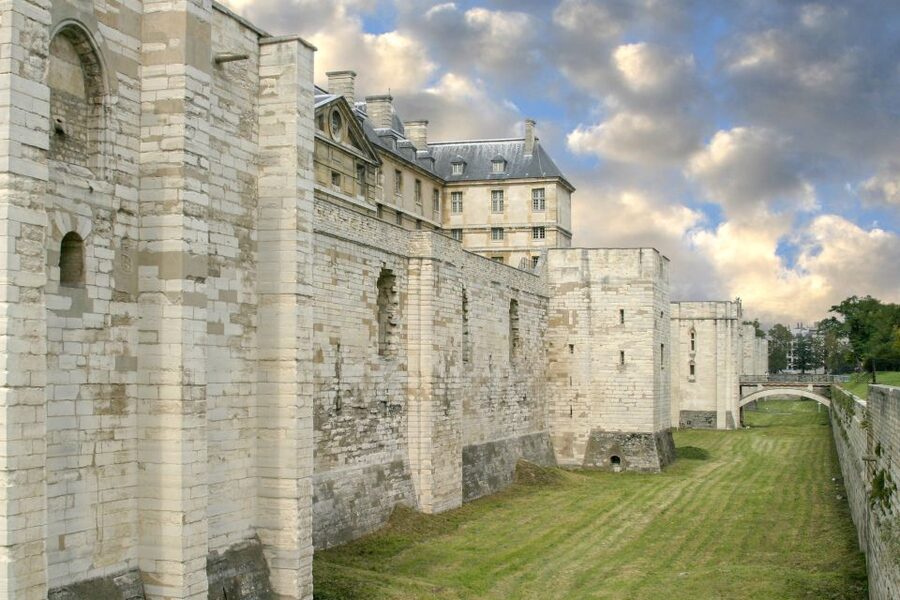
The fortress was built in the 14th century to strengthen the monarchy. Its purpose was practical and political. It guarded the capital, provided a secure royal residence, and helped protect kings during periods of unrest. That makes the site more than an old castle. You are looking at a building designed to show power and defend it.
I especially like the way the visit connects architecture to government. The walls and tower were not built only for beauty. Their height, thickness, and defensive design made a clear statement: the king could control access, protect his court, and watch over the approach to Paris.
The ticket costs $15 per person. That is a reasonable price for a major fortified complex, especially because it includes self-guided visits and remains valid for a full year. It is not the cheapest historic stop in the Paris area, but the keep and the long political story give it more substance than a quick photo stop.
More Chateau and Wine Estate Tours in France
- Medoc or Saint Emilion Wine Tasting and Chateau from Bordeaux
★ 5.0 · 1,415 reviews - From Paris: Full-Day Loire Valley Chateaux Tour
★ 4.4 · 1,269 reviews - Versailles Château and Gardens Walking Tour
★ 4.5 · 727 reviews
Reaching the fortress from eastern Paris
You make your own way to the Château de Vincennes, since transportation is not included. The activity begins at the château on Avenue de Paris, 94300 Vincennes, rather than at a central Paris meeting point.
That arrangement is simple, but you need to allow time for the short trip from central Paris. If you are building a full day around the visit, check the opening hours and plan your route before leaving. The 365-day validity helps if your schedule changes, but it does not remove the need to arrive before the final admission time.
Last entry is 45 minutes before closing. This matters at a site where the keep, courtyard, rooms, and displays need more than a rushed glance. I would avoid arriving close to the cutoff, especially if you want to climb the tower and read the historical material.
The location also makes the château a useful change of pace. After busy central Paris, you get a more spacious historic setting focused on military and royal power. The site is still close enough for a practical half-day visit, though the exact length depends on how carefully you explore.
The medieval fortress and the rise of royal authority
Your visit begins with a building created to reinforce the French monarchy in the 14th century. At that point, the château was part residence, part defensive stronghold, and part symbol of royal control.
The design tells you how insecure political power could be. A king needed a protected home near the capital, but he also needed a place that could resist attack and uprisings. Château de Vincennes answered both needs with fortified walls and a dominant keep.
The monarchy used the château until 1682, when Louis XIV moved the royal court to Versailles. That date gives the site an important role in the story of France. Vincennes was not simply abandoned after the king moved away. It remained tied to government, security, and the changing needs of the state.
As you move through the complex, try to read the fortress as a working machine rather than a decorative palace. The thick defenses and tall tower were built for control. The royal connection gives the site drama, but the military purpose keeps the visit grounded.
Climbing the 52-meter keep
The keep is the main physical challenge and the clearest reason to buy admission. At 52 meters, it is described as the tallest fortified tower of its kind in Europe.
You reach it by climbing stairs. That detail matters. The experience is active rather than purely museum-like, and anyone who dislikes stairs should plan for a slower ascent. The effort pays off with a closer look at the tower’s defensive structure and the rooms inside it.
The keep also changes your sense of scale. From ground level, the fortress feels imposing. Inside the tower, you understand how much vertical space was used for security, storage, residence, and confinement. The height is not just a statistic. It explains why this tower could dominate the surrounding area and serve as a serious defensive position.
I would give the keep enough time instead of treating it as one stop among many. Its rooms and stairways hold much of the château’s strongest atmosphere. The visit is less about a grand royal interior and more about seeing how people lived and were confined inside a fortified tower.
More Palace Entry Tickets in France
- Loire Valley: Château Royal d’Amboise Entrance Ticket
★ 4.6 · 476 reviews - Paris: Palais Garnier Mystery Game with Entry Ticket
★ 4.3 · 400 reviews - Chateau Gaillard Royal Domain Admission Ticket
★ 4.5 · 250 reviews - Château of Azay-le-Rideau Entry Ticket
★ 4.7 · 227 reviews
Prison rooms linked to famous names
From the 16th through the 19th century, the keep served as a prison. That later use adds a darker layer to the royal story.
You can see rooms associated with Fouquet, the Marquis de Sade, and Mirabeau. These names connect the building to financial scandal, controversial writing, and revolutionary politics. The prison history also shows how a royal fortress could change purpose as the country changed around it.
The rooms connected to these prisoners are valuable because they make the timeline personal. Instead of thinking only about kings and military defenses, you are reminded that the château held people who had fallen out of favor or threatened established authority.
King Henry V also died at Château de Vincennes. The site therefore links royal residence, royal death, political detention, and national memory in one compact visit. You should not expect every room to feel heavily staged. The interest comes from the building itself and from understanding who was held there and why.
From Napoleon’s barracks to national defense
Under Napoleon I, the château changed again. It became a barracks and arsenal, reflecting the needs of a modern military state rather than a medieval court.
This transition is one of the strongest parts of the visit. You can follow the building from a king’s fortified residence to a prison, then to a military installation. Each phase tells you something about France’s priorities at the time.
During invasions in the 19th century, the fortress helped protect Paris. Its role was no longer mainly about defending a monarch inside a feudal power structure. It was now part of a broader national defense system.
The site suffered extensive damage during the Second World War and was later restored. That fact adds another layer to the visit. What you see today is not untouched medieval fabric. It is also a restored place of remembrance, shaped by destruction and repair.
Today, the château houses the historical services of France’s three armed forces. That continuing military connection helps explain why the building remains more than a tourist attraction. It is still connected to the country’s public institutions and memory.
Self-guided material and the French afternoon tours
Your admission includes self-guided visits and a visitor guide in several languages. That is the better option if you want to move slowly, pause for photographs, or read only the sections that interest you.
An augmented reality terminal in Charles V’s study adds another way to understand the site. It can help you picture the space in a more vivid way than bare walls and stone alone. This is particularly useful if you are visiting with children or if you prefer visual explanations.
French guided tours are offered every day at 2:15 PM and 3 PM, with no reservation required. If you understand French, these tours can add context and structure. If you do not, the multilingual material gives you a more dependable way to follow the story.
The ticket does not include a personal guide. That distinction is important. You are buying entry with interpretive support, not a private or dedicated English-language tour. The small group limit of 10 participants may keep scheduled activity manageable, but you should not assume that every part of the visit is guided.
How long the visit can take
The ticket is valid for 365 days, not just one fixed date. This is useful if you are staying in the Paris area for a longer period or prefer to decide around the weather and your energy.
The supplied duration is listed as 365 days, which refers to ticket validity rather than the number of hours inside the château. Your actual visit can be shorter or longer depending on your pace. A quick visit may focus on the keep and main historical points, while a careful visit will take more time for the rooms, prison history, military changes, and visitor material.
I would avoid combining the château with too many tightly timed attractions. The 2:15 PM and 3 PM French tours may shape your schedule, and the final admission cutoff leaves little room for delay.
Is the $15 ticket good value?
At $15, this is a solid-value historic visit for anyone interested in French government, military architecture, or royal history. You receive entrance, self-guided resources, multilingual information, and access to the keep.
The value is strongest if you climb the tower and take time with the building’s changing roles. If you only want a quick exterior photograph, the paid ticket will feel less worthwhile. The attraction rewards attention rather than speed.
The 365-day validity also reduces the risk of wasting the ticket if your plans shift. Still, the activity is non-refundable, so buy it only when you are reasonably sure you will use it.
You can save the admission fee in several specific cases. Entrance is free for anyone under 18 and for EU citizens under 26, but you must show a photo ID at the ticketing station before going to the monument entrance. Admission is also free on the first Sunday of January, February, March, November, and December, as well as during European Heritage Days on the third weekend of September.
The château closes on January 1, May 1, and December 25. Those dates are easy to overlook when planning a short Paris visit.
Who will enjoy this château most?
I recommend Château de Vincennes to you if you want more than palace decoration. It suits people who enjoy fortifications, political history, prison stories, and the way buildings change with national events.
It is also a good option for repeat visitors to Paris. If you have already seen the major central monuments, the château offers a fresh subject without requiring a full-day expedition.
Families may appreciate the tower and augmented reality terminal, though the stairs and serious prison history may not suit every young child. People with limited comfort on stairs should consider the keep carefully, since climbing is a central part of the experience.
This is less ideal if you want a fully guided visit in English, a food stop included in the activity, or transportation arranged from your hotel. You handle those parts yourself.
Practical tips before you go
Bring a passport or photo ID. You may need it for age-based free admission, and the ticket information specifically lists it among the things to bring.
Try to arrive with enough time for the keep rather than saving it for the end. Last entry is 45 minutes before closing, and a late arrival could leave you rushing through the tower.
If you speak French, consider joining the 2:15 PM or 3 PM guided tour. If not, use the multilingual guide and the augmented reality terminal in Charles V’s study to build your own route.
Check the calendar before setting out. The château is closed on January 1, May 1, and December 25, while some first Sundays and European Heritage Days offer free entry.
Should you book Château de Vincennes?
Book it if you want a reasonably priced, flexible visit with real historical weight. The tower, prison rooms, and shifting military role give you plenty to see for $15, and the year-long validity is unusually forgiving.
Skip it if you want an English-language guide included, dislike stairs, or have only a few hours in Paris and prefer to remain in the city center. For everyone else, this is a smart side trip: practical, substantial, and far less polished than Versailles in the best possible way.
FAQ
Where is Château de Vincennes?
The château is at Avenue de Paris, 94300 Vincennes, France, in the eastern Paris area.
How much does admission cost?
The listed price is $15 per person.
How long is the ticket valid?
The ticket is valid for 365 days. This refers to the admission validity, not a required 365-day visit.
Are guided tours included?
French guided tours are offered every day at 2:15 PM and 3 PM, with no reservation required. The ticket also includes self-guided visits and a visitor guide in several languages.
Is admission free for some visitors?
Yes. Admission is free for visitors under 18 and EU citizens under 26, with photo ID required at the ticketing station. Entry is also free on the first Sunday of January, February, March, November, and December, and during European Heritage Days on the third weekend of September.
When is the château closed?
Château de Vincennes is closed on January 1, May 1, and December 25. Last entry is 45 minutes before the stated closing time.
Just added around France
- Pierrefonds: Château de Pierrefonds Entrance Ticket★ 4.7 · 152 reviews
- Paris: Versailles Palace and Queen Hamlet E-Bike Tour★ 5.0 · 126 reviews
- Paris: Versailles Golf Cart & Bike Tour with Palace Entry★ 4.8 · 58 reviews
- Petit Palais Paris Museum of Fine Arts Tour with Tickets★ 4.2 · 3 reviews
- Paris: Royal Palais, Tuileries and D’Orsay Tour★ 4.8 · 3 reviews
- PARIS: Private transfer Château Versailles van 7 people 4H★ 3.0 · 4 reviews
- Paris: Palace of Versailles Private Tour with Transportation★ 5.0 · 2 reviews
- Paris: Palace of Versailles Ticket with Private Transfer★ 4.4 · 24 reviews
Chateau and Wine Estate Tours, compared.

Medoc or Saint Emilion Wine Tasting and Chateau from Bordeaux
Read our review →
Versailles Château and Gardens Walking Tour from Paris by Train
Read our review →
Loire Valley: Château Royal d’Amboise Entrance Ticket
Read our review →
Fontainebleau & Vaux-le-Vicomte Châteaux Day Tour from Paris
Read our review →
Fontainebleau and Vaux le Vicomte Chateaux Day Trip from Paris
Read our review →Browse the lists this tour appears in