
REVIEW · FRANCE
Château of Azay-le-Rideau Entry Ticket
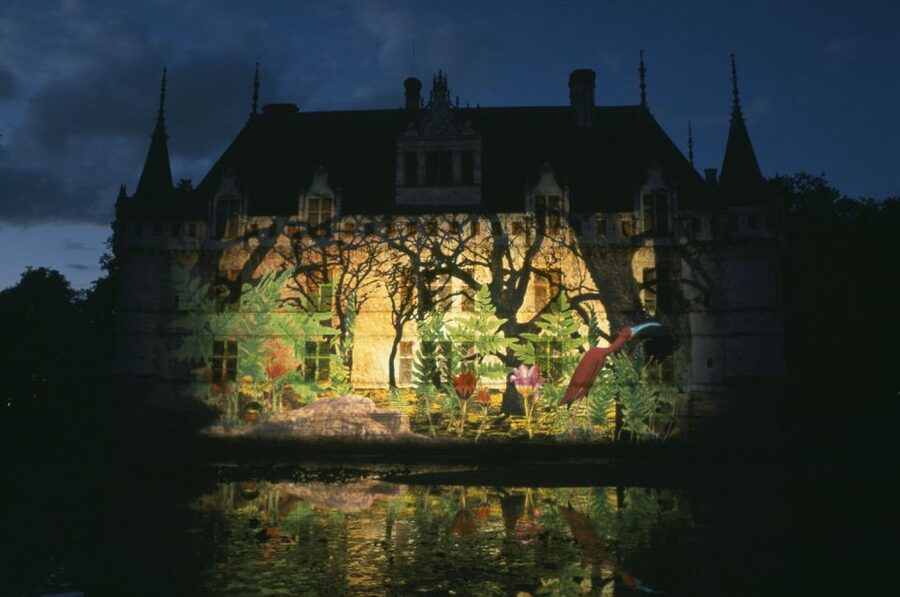
Renaissance stone meets river water. I like Azay-le-Rideau’s island setting and the carefully restored 19th-century rooms linked to the Marquis of Biencourt. The château feels smaller and more focused than some Loire palaces, which makes a visit easy to fit into a busy day.
I also like the atmospheric kitchen staging and the chance of a short French guided presentation included with admission. The main drawback is that the interiors can feel more like a museum than a fully furnished historic home, with fewer period scenes than you might expect.
Key points before you go
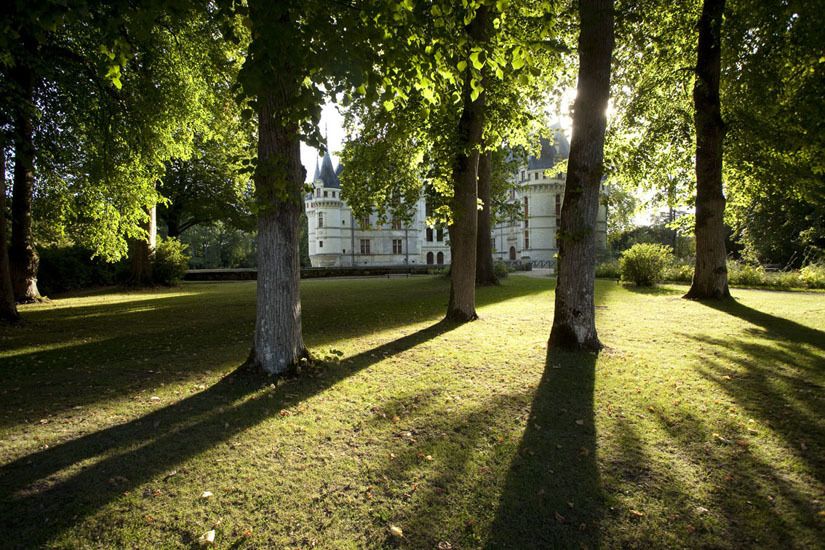
- The Indre River setting: The château rises from an island, with water and parkland framing its façades.
- A Renaissance design: Built during François I’s reign, it combines French Gothic details with fashionable Italian decoration.
- Biencourt rooms: The 19th-century living room and dining room show how the Marquis of Biencourt shaped the building’s later identity.
- A visit of about 1.5 hours: You can see the principal rooms without giving up an entire day in the Loire Valley.
- Practical access: The château is wheelchair accessible, with adapted tours available, but baby strollers and large bags are not allowed inside.
- A useful $15 ticket: The price is fair for a major Loire château, especially if you value the setting and recent restoration work.
Arriving at an island château in the Loire Valley
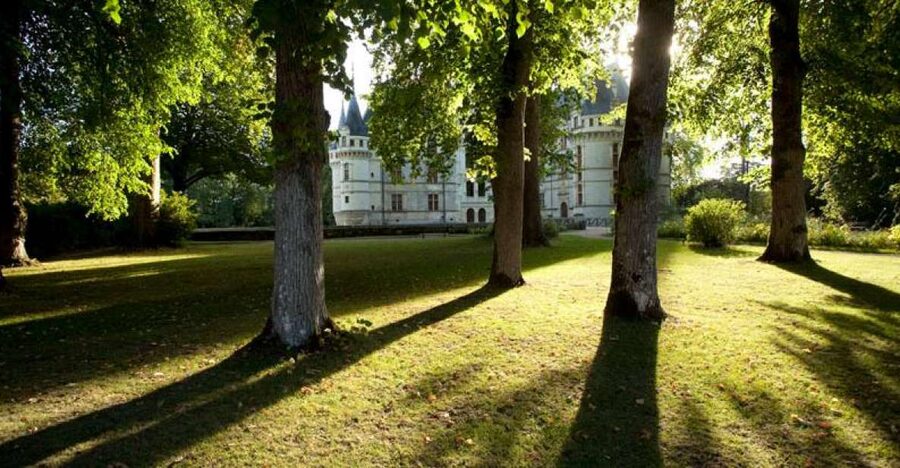
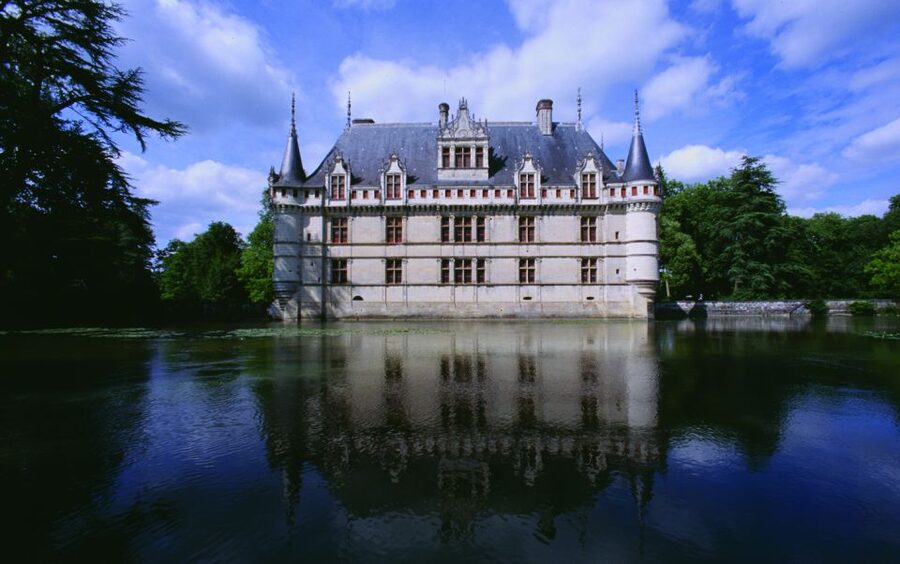
Azay-le-Rideau is at Château d’Azay-le-Rideau, 37190 Azay-le-Rideau. The building occupies an island formed by the Indre River, and that location does much of the visual work before you even enter.
The water gives the château a romantic quality without requiring grand scale. Instead of approaching a huge fortress across a broad courtyard, you see façades reflected beside trees and park paths. The effect is intimate, almost storybook-like, though the building’s past was shaped by money, politics, and royal favor rather than fairy tales.
I would plan on about 1.5 hours inside and around the grounds. You receive a full day of validity, but that means you can enter at a suitable time rather than needing to rush through every room. It also leaves room to combine Azay-le-Rideau with other stops in the Loire Valley.
The entrance process requires identification in some cases. Bring a passport or ID card, especially if you may qualify for free admission because you are under 18 or an EU citizen under 26. You must show photo identification at the ticketing station before going to the monument entrance.
More Chateau and Wine Estate Tours in France
- Medoc or Saint Emilion Wine Tasting and Chateau from Bordeaux
★ 5.0 · 1,415 reviews - From Paris: Full-Day Loire Valley Chateaux Tour
★ 4.4 · 1,269 reviews - Versailles Château and Gardens Walking Tour
★ 4.5 · 727 reviews
Why the exterior is worth your time
The château was built in the early 16th century during the reign of François I. Its design reflects the period when French builders were adopting Italian Renaissance ideas while keeping older Gothic habits.
Look closely at the outside and you will find a mixture of styles rather than one clean architectural statement. Gothic motifs appear beside Renaissance ornamentation. Overhanging corner turrets give the building a defensive look, while the decorative façades facing the water feel polished and residential.
This contrast is one of the pleasures of Azay-le-Rideau. It is not simply a medieval fortress with a few later decorations. It is a noble residence designed to look current in its own time, when Italian-inspired architecture was fashionable among the French elite.
Give yourself time to view the château from several angles. The park is not just a backdrop for photographs. It helps you understand the building’s proportions, the way the turrets sit at the corners, and how the Indre River changes the mood from one side to another.
The romantic 19th-century park owes much to the Marquis Charles de Biencourt. His work helped shape the gardens and the setting that people enjoy today. If you rush straight indoors, you miss a large part of the experience.
Inside the 16th-century architectural masterpiece
Inside, the visit follows a path through restored rooms, highlighted collections, and interpretive areas. The exact order can vary, but the main themes remain clear: Renaissance construction, royal connections, and the château’s 19th-century revival.
The building’s story begins with Gilles Berthelot, who acquired the seigneurie and fortress of Azay in 1510. He began rebuilding the site in an Italian style that signaled wealth and ambition. His relative Semblança had helped him build his position in the region, but an accusation of embezzlement led to Semblança’s execution and Berthelot’s flight.
François I then gave the château to Antoine Rafin, one of his companions-in-arms. Rafin’s descendants lived there until the 18th century. Later, the property passed to Charles de Biencourt, whose taste and investment helped define the interiors and gardens you see today.
You do not need to memorize every name to enjoy the building, but these events explain why Azay-le-Rideau feels like more than a pretty country house. Its appearance changed as owners responded to royal power, fashion, and family fortunes.
The interpretation area helps make those changes easier to follow. It is especially useful if you want context but do not plan to join a full guided tour. Mobile tour guide applications are also available, giving you another way to move through the rooms at your own pace.
The Biencourt living room and dining room
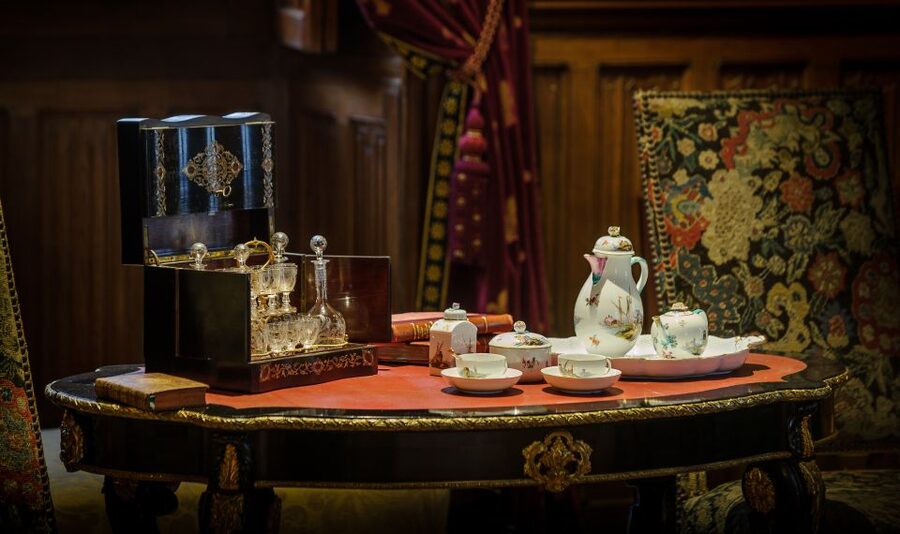
The strongest indoor section is the 19th-century living room and dining room associated with the Marquis of Biencourt. These rooms show the château as a lived-in residence rather than only as a Renaissance shell.
The decoration is important because it records how a later owner wanted the past to look. You are not seeing a perfectly untouched 16th-century interior. You are seeing a 19th-century interpretation of aristocratic life inside an older château.
That distinction makes the rooms more interesting, not less. I would pay attention to the relationship between the historic architecture and the later furnishings. The spaces show how restoration can preserve a building while also adding a new chapter to its identity.
This is also where expectations matter. If you want every room filled with dramatic scenes, servants, elaborate beds, and theatrical displays, Azay-le-Rideau may feel restrained. One portion of the experience has been described as more museum-like, with fewer period scenes than expected.
For me, that is a fair trade if you enjoy architecture and interiors. The rooms are valuable because they show layers of ownership and taste. If your priority is a highly staged historical recreation, you may find the visit quieter than anticipated.
More Palace Entry Tickets in France
- Loire Valley: Château Royal d’Amboise Entrance Ticket
★ 4.6 · 476 reviews - Paris: Palais Garnier Mystery Game with Entry Ticket
★ 4.3 · 400 reviews - Paris: Château de Vincennes Entry Ticket
★ 4.5 · 342 reviews - Chateau Gaillard Royal Domain Admission Ticket
★ 4.5 · 250 reviews
The kitchen staging and new interpretation area
The kitchen has been given atmospheric staging, which adds a welcome change of pace after the formal rooms. Kitchens can explain daily life better than grand salons, and this presentation gives the château a more practical human scale.
Do not expect a full working-life reenactment. The staging is designed to create atmosphere and offer clues, not to turn the building into a living-history attraction. Still, it helps balance the polished architecture and gives you another way to imagine the household functioning.
The new interpretation area is useful for filling gaps between rooms. It provides a place to understand the restoration programme and the decisions involved in presenting the château today. I find this type of space worthwhile because it prevents the visit from becoming a parade of beautiful rooms with no explanation.
A short guided portion may sometimes be included with admission. The listed guided tours are in French, while audio guides are available in French, English, German, Italian, and Spanish. If you do not speak French, the audio guide is the safer choice for detailed information.
What the restoration adds
Azay-le-Rideau has undergone an extensive restoration programme. That matters here because the building’s appeal depends on both its architecture and its condition.
Restoration can be a mixed blessing. Fresh work may make decorative details easier to read, but it can also remove some of the worn, irregular feeling that gives old buildings their character. At Azay-le-Rideau, the programme supports a more organized visit, with highlighted collections, a clearer tour path, mobile guide options, and updated interpretation.
I would treat the restoration as part of the story rather than expect a frozen moment from the 16th century. The château has been altered by several generations, and the current presentation continues that process.
The site is protected by UNESCO, which adds to its importance but does not mean every room will be equally spectacular. The greatest visual reward remains the combination of the building, water, turrets, and park. Inside, the most successful sections are the Biencourt rooms, kitchen staging, and displays that explain the building’s changing role.
Is the $15 price good value?
At about $15 per person, the admission is reasonably priced for a major Loire Valley château. You are paying for access to the building, grounds, restored interiors, interpretation, and a visit that fits comfortably into half a day.
The value is strongest if you appreciate setting and architecture. The island location gives Azay-le-Rideau an atmosphere that cannot be reduced to the number of rooms open to the public. You also get a manageable experience rather than a massive palace visit that takes several hours to cover.
The value is less certain if your main goal is a heavily furnished royal residence. The interiors may strike you as sparse in places, and the museum-like presentation will not satisfy everyone who wants constant theatrical detail.
The ticket is valid for one day, and the average visit lasts about 1.5 hours. That is a useful combination. You can arrive at a convenient time, take your time outside, and still continue to another Loire Valley sight without feeling that you have spent the entire day indoors.
Tea rooms operate from April 1 through September 30. Their seasonal schedule makes a warm-weather visit more convenient, but you should not count on them during the rest of the year.
Access, timing, and small practical restrictions
The château is wheelchair accessible, and adapted tours are available for disabled people. That is important in a historic building, where access can otherwise be limited by old stairs and narrow spaces.
Baby strollers are not allowed, and luggage or large bags are also prohibited. Plan accordingly before you arrive. Bicycle storage is included, which is useful if you are exploring this part of the Loire Valley by bike.
Flash photography is not allowed. You can still take in the details and photograph the setting, but protect the interiors and follow the house rules.
The last entry is one hour before closing. Do not arrive at the very end of the day and expect a full visit. Since the average visit is already short, arriving earlier gives you time for both the rooms and the park.
The château closes on January 1, May 1, and December 25. Free entry is offered on the first Sunday of January, February, March, November, and December, as well as during European Heritage Days on the third weekend of September. Free admission still requires attention to the identification rules when an age or EU-residency exemption applies.
Who will enjoy Azay-le-Rideau most?
I would recommend this château to you if you like elegant architecture, smaller-scale historic sites, gardens, and buildings with several periods of history visible at once. It is also a good choice if you want a Loire Valley stop that can be completed in roughly half a day.
Families should note the stroller restriction. Young people under 18 enter free, but you need the required photo ID at the ticketing station. The visit may suit older children who enjoy castles and water views, while children expecting costumed scenes in every room may lose interest.
It also works well for people who prefer independent sightseeing. You can use an audio guide in five listed languages, follow the marked route, and spend extra time outside without being tied to a group. The small-group limit of 10 participants matters mainly for any organized portion, since the basic experience is an entry visit rather than a long, scheduled excursion.
French speakers may get the most from any live guided section. English, German, Italian, and Spanish speakers can use the audio guide, which keeps the visit accessible even when the spoken tour is in French.
Should you book the Azay-le-Rideau ticket?
Book it if you want a graceful Renaissance château with a superb river setting, well-presented 19th-century rooms, and a visit that does not consume your whole day. At $15, the combination of architecture, park, restoration work, and interpretation offers solid value.
Think twice if you need every room packed with dramatic period scenes or if you dislike museum-style presentation. Azay-le-Rideau is strongest as a beautiful, layered architectural experience, not as a nonstop historical show.
Bring photo identification, avoid large bags and strollers, and arrive with enough time for the exterior views as well as the interiors. If you do that, this is one of the Loire Valley’s easier château visits to recommend.
FAQ
Where is the Château of Azay-le-Rideau?
It is located at Château d’Azay-le-Rideau, 37190 Azay-le-Rideau, in France’s Loire Valley.
How long does a visit usually take?
The average visit lasts about 1.5 hours.
How long is the ticket valid?
The ticket is valid for one day.
What languages are available for the audio guide?
Audio guides are available in French, English, German, Italian, and Spanish.
Are guided tours available in English?
The listed guided tours are in French. Audio guides are available in English and the other languages noted above.
Is the château wheelchair accessible?
Yes. The château is wheelchair accessible, and adapted tours are available for disabled people.
Can I bring a baby stroller?
No. Baby strollers are not allowed.
Can I bring luggage or a large bag?
No. Luggage and large bags are not allowed.
When are the tea rooms open?
The tea rooms are open from April 1 through September 30.
When is the château closed?
It is closed on January 1, May 1, and December 25.
Just added around France
- Pierrefonds: Château de Pierrefonds Entrance Ticket★ 4.7 · 152 reviews
- Paris: Versailles Palace and Queen Hamlet E-Bike Tour★ 5.0 · 126 reviews
- Paris: Versailles Golf Cart & Bike Tour with Palace Entry★ 4.8 · 58 reviews
- Petit Palais Paris Museum of Fine Arts Tour with Tickets★ 4.2 · 3 reviews
- Paris: Palace of Versailles Private Tour with Transportation★ 5.0 · 2 reviews
- Paris: Royal Palais, Tuileries and D’Orsay Tour★ 4.8 · 3 reviews
- PARIS: Private transfer Château Versailles van 7 people 4H★ 3.0 · 4 reviews
- Paris: Palace of Versailles Ticket with Private Transfer★ 4.4 · 24 reviews
Chateau and Wine Estate Tours, compared.

Medoc or Saint Emilion Wine Tasting and Chateau from Bordeaux
Read our review →
Versailles Château and Gardens Walking Tour from Paris by Train
Read our review →
Loire Valley: Château Royal d’Amboise Entrance Ticket
Read our review →
Fontainebleau & Vaux-le-Vicomte Châteaux Day Tour from Paris
Read our review →
Browse the lists this tour appears in