
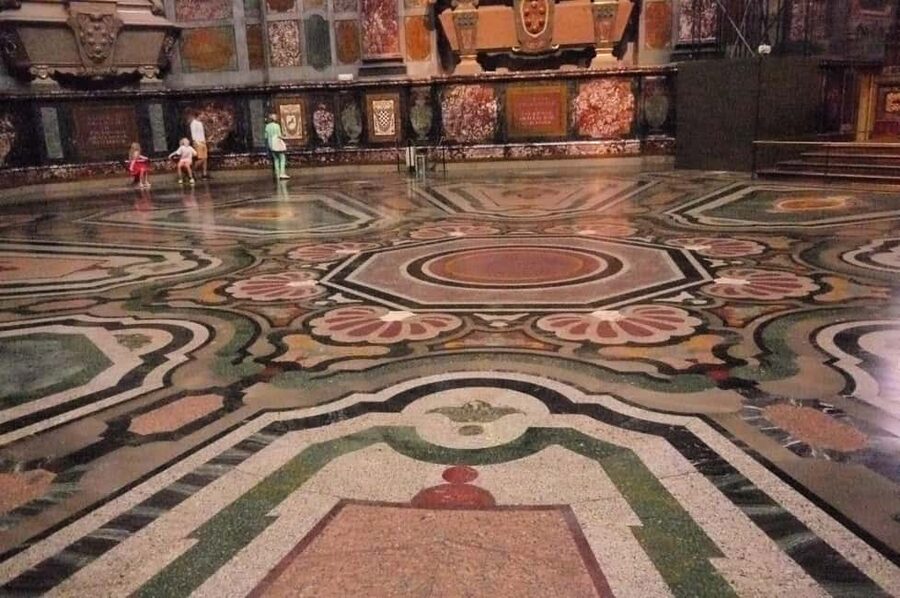
REVIEW · FLORENCE
The places of the Medici family: the Palace and the Chapels
Florence’s Medici story comes alive in two remarkable buildings. This three-hour private tour links the Palazzo Medici Riccardi with the Medici Chapels, giving you a clear look at how one banking family shaped Florence’s politics, art, and public life. I like the route because it combines grand rooms with personal family tombs, and because the Chapel of the Magi offers one of the tour’s great visual surprises. The main concern is the guide: past visitors have praised guides such as Rossana, Christina, Catherina, Susanna, and Adriana, but one person found a heavy accent difficult to follow.
The tour is especially useful if you want Florence’s Renaissance story explained rather than simply admired. You get a private group, a live guide in English, Italian, Spanish, German, French, or Portuguese, and skip-the-ticket-line access. The three hours should suit most people, though the subject is detailed and art-focused, so it may feel long if you prefer a quick look at monuments.
Key points to know before booking
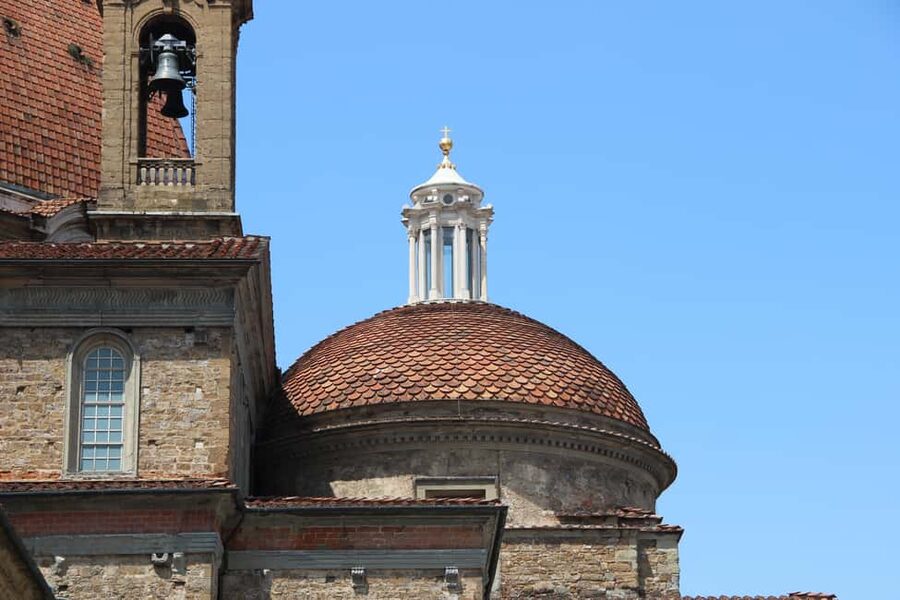
- Two Medici monuments in one tour: Visit the family palace and their burial complex in a single three-hour route.
- The Chapel of the Magi is the visual highlight: This richly decorated chapel inside the palace is designed to make an immediate impression.
- Michelangelo appears at the Medici Chapels: The New Sacristy gives you a close look at his work in a setting built for Medici family remembrance.
- The Chapel of the Princes is lavishly decorated: Florentine mosaic made from semi-precious stones covers this grand memorial space.
- Private guiding makes the history easier to follow: You can ask questions and request a pause for water or photographs.
- The tour begins at the palace and ends at the chapels: A short stop in Piazza San Lorenzo links the two parts of the story.
Why the Medici family matters in Florence
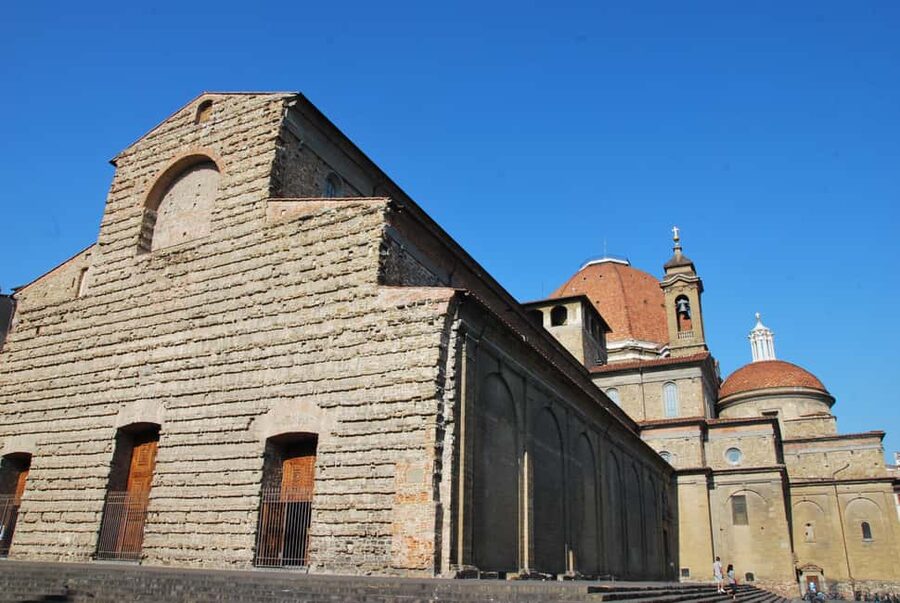
The Medici family governed Florence’s fortunes for almost three hundred years. They began as bankers, then used money, marriage, political skill, and artistic patronage to build influence far beyond their family home.
That influence helped Florence become one of Europe’s great centers of art and learning. The family supported figures such as Botticelli, Brunelleschi, and Michelangelo. They also produced three popes and two queens of France, a useful reminder that their reach extended well beyond Tuscany.
I find this tour appealing because it shows both sides of Medici power. At the palace, you see how the family lived and presented itself. At the chapels, you see how it wanted to be remembered after death. The grand interiors were not decoration for decoration’s sake. They announced status, wealth, religious devotion, and control.
The Medici story can be confusing if you meet it only through isolated paintings and buildings. Names, marriages, rivalries, and titles quickly blur together. A good guide gives you a thread to follow. One highly praised guide, Christina, was specifically appreciated for explaining how the Medicis rose to power and how Florence changed from the Renaissance to the present day. That wider connection is valuable because it helps you understand why these buildings matter beyond their beautiful surfaces.
A few more palace visits around Florence worth a look
- Florence: Palazzo Vecchio Entrance Ticket & Audioguide
★ 4.4 · 4,822 reviews - Florence: Uffizi, Pitti Palace & Boboli Combined 5-Day Pass
★ 4.5 · 1,726 reviews - Florence: Palazzo Vecchio Guided Tour
★ 4.8 · 1,260 reviews
Starting at Palazzo Medici Riccardi
The tour starts at the Riccardi Medici Palace, known more commonly as Palazzo Medici Riccardi. This was the Medici family’s city residence and a visible symbol of their political and cultural power.
Allow about one hour for the guided visit. You can expect the guide to place the rooms in the context of noble Renaissance life, rather than treating the palace as a series of empty halls. The large rooms offer a sense of ceremony and status, and the building helps explain how a banking family made itself look like Florence’s natural ruling house.
The palace is an excellent first stop because it gives you the family’s public face. Before you reach the tombs, you see the world the Medicis built around themselves. Their home was not simply private accommodation. It was a setting for influence, display, and careful control of appearances.
I would pay close attention to how your guide explains the difference between formal political rule and informal power. The Medici did not need to act like kings at every stage of their rise. Banking connections, alliances, patronage, and strategic marriages helped them guide the city’s direction. That background makes the later monuments easier to read.
The Chapel of the Magi and its wow moment
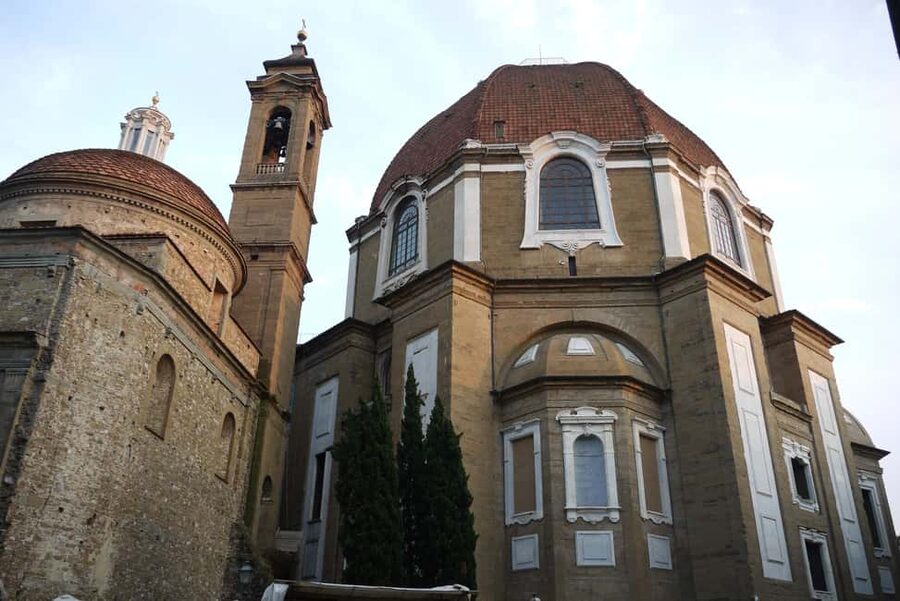
The Chapel of the Magi is inside the palace and is the artistic high point of the first visit. The tour description calls it a wow-effect moment, and that is a fair warning to slow down here.
The chapel’s importance comes from the way art and family image meet. This was a private religious space connected to the Medici household, but it also carried a public message about wealth, taste, and importance. The decoration presents the family in a world of ceremony and prestige.
You might find this room more immediately impressive than the palace’s larger spaces. Big halls can show scale, but a chapel concentrates attention. The subject matter, decoration, and family connection give the guide plenty to explain, and this is the point where a live tour offers more than a recorded narration.
Take time to look before moving on. The room is easy to remember as a beautiful interior, but the political message matters too. The Medicis were presenting themselves as serious patrons and leading citizens whose place in Florence deserved recognition.
Several guides have been praised for keeping attention through this section. Catherina, for example, was described as passionate about Florence’s art and history, with enough energy to hold interest across all three hours. That matters here because the chapel is the sort of place where a quick description can leave you noticing only the color and glitter, not the purpose behind it.
Piazza San Lorenzo creates a useful pause
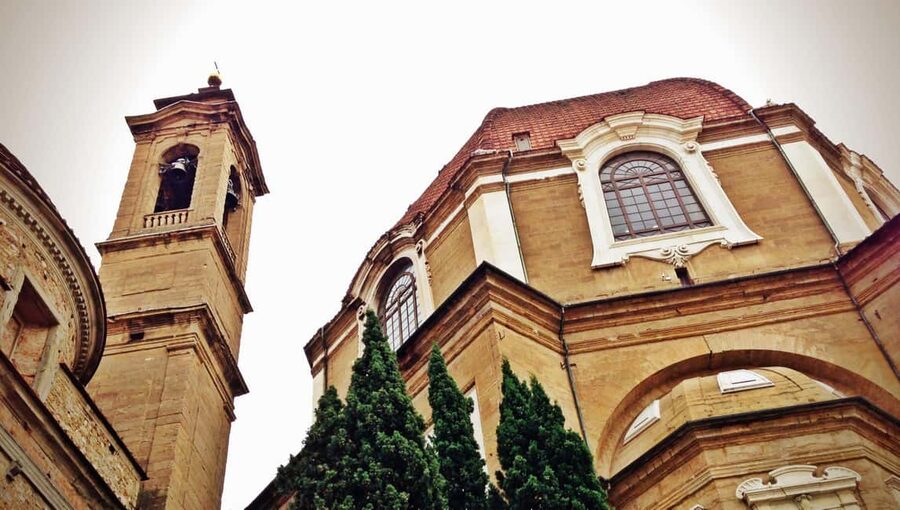
After the palace, the itinerary includes a 15-minute guided stop in Piazza San Lorenzo. This is a short section, but it gives the tour a change of pace before the Medici Chapels.
You can expect a photo stop and a brief explanation of the area. The square helps connect the family residence with the religious and memorial buildings that follow. It also gives you a chance to take photographs, ask questions, or simply reset your attention.
Do not expect a separate long sightseeing visit here. Fifteen minutes is enough for an introduction and a few pictures, not an extended exploration. Still, the pause is practical. Three hours of close looking at palace and chapel interiors can be mentally tiring, and this short outdoor break keeps the route from feeling like one continuous indoor lecture.
A guide who reads the group well can make this part useful. Susanna received especially strong praise for being enthusiastic, engaging, and accommodating when someone wanted water or photographs. That sort of flexibility is one of the advantages of a private group. You are not locked into the pace of a large crowd.
Same place, a different set of state rooms:
- Florence: Palazzo Vecchio Entry Ticket with Audio Guide
★ 4.4 · 837 reviews - Florence: Pitti Palace and Boboli Gardens Ticket & eBook
★ 4.5 · 835 reviews - Florence: Pitti Palace, Boboli Garden, Palatine Gallery Tour
★ 4.9 · 558 reviews - Florence: Palazzo Vecchio Skip-the-Line Entry Ticket
★ 4.2 · 349 reviews
The Medici Chapels and the family tombs
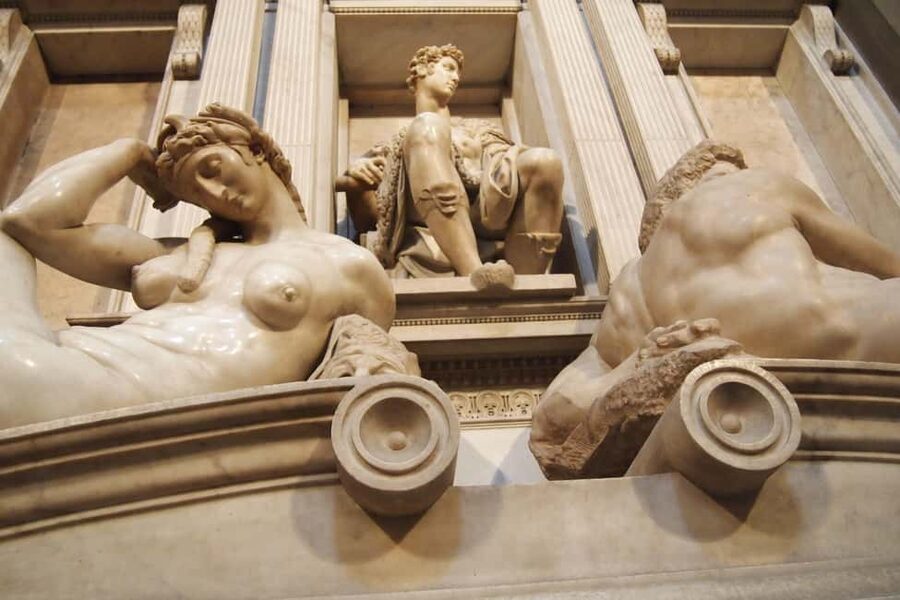
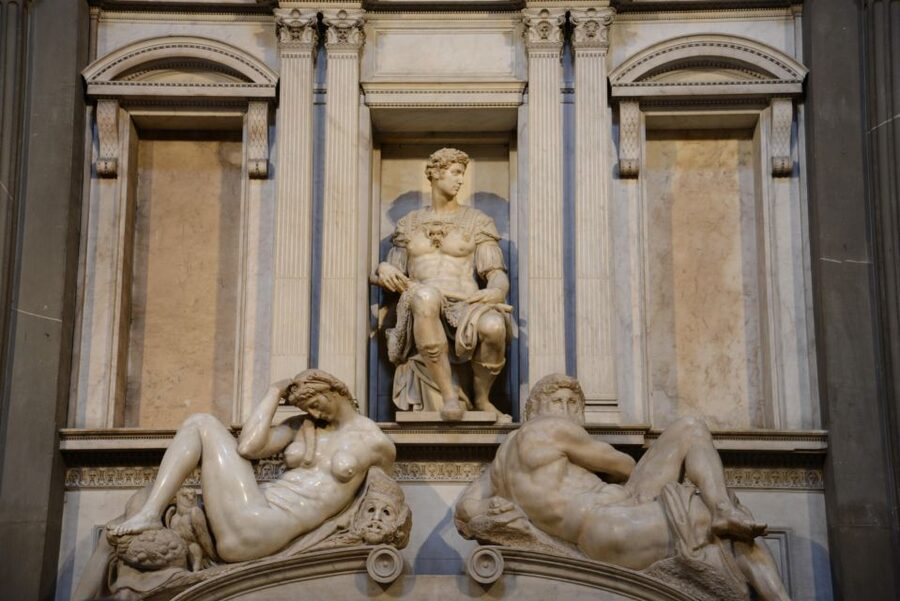
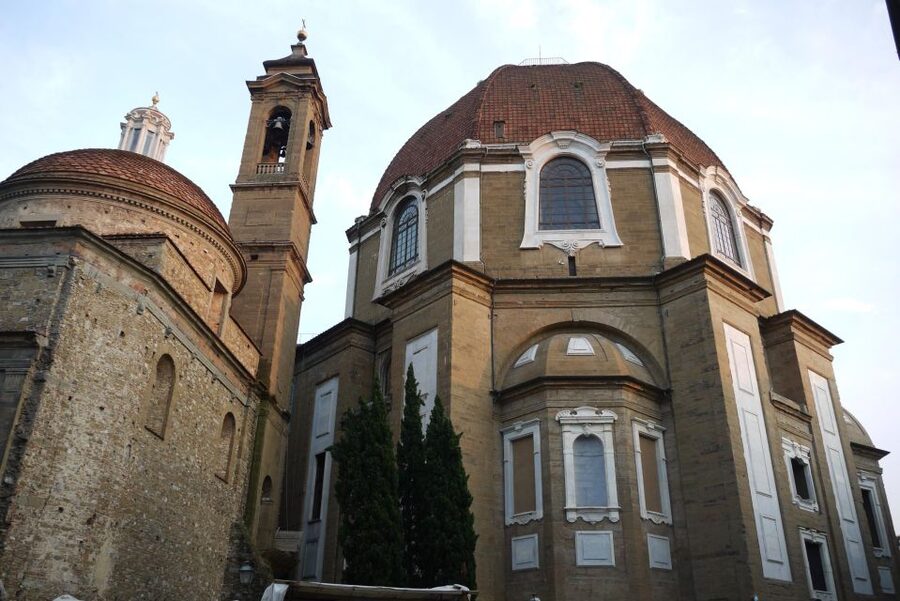
The second major visit lasts about one hour at the Medici Chapels. This complex served as the burial place of the Medici family, and its mood differs from the palace.
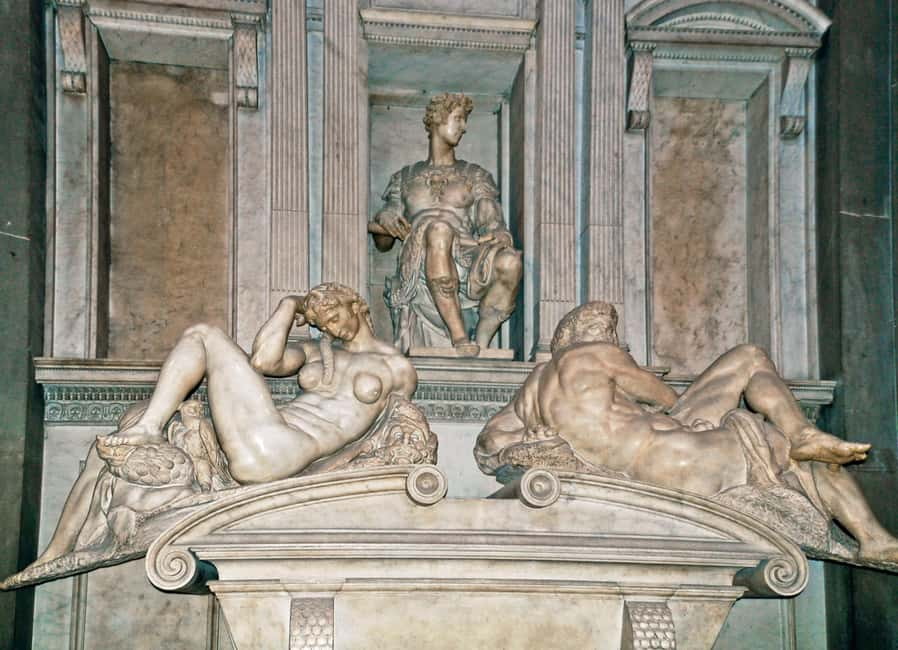
Here, the family’s ambition becomes monumental. You see the New Sacristy, designed by Michelangelo, the Chapel of the Princes, covered in Florentine mosaic made from semi-precious stones, and the solemn Crypt, where members of the family are buried.
The New Sacristy is the main reason many art lovers will want this tour. Michelangelo’s work gives the room great artistic importance, but the space also has a personal purpose. It was built as a place of family memory, not merely as a showcase for sculpture. A guide can help you connect the architecture, tombs, and Medici politics instead of treating Michelangelo as an isolated genius.
The Chapel of the Princes offers a very different effect. Its surface decoration is lavish, using colored stones in complex Florentine mosaic work. If the New Sacristy feels focused and sculptural, this chapel feels grand and ceremonial. The contrast between the two rooms is one of the most useful things to notice.
The Crypt brings the family story back to earth. The grand patrons who financed artists and influenced governments are buried here as people, not just names in a textbook. The shift from display to burial gives the final part of the tour a more serious tone.
I would ask your guide to explain who is buried where and how the family’s public image changed over time. The information provided for the tour confirms the Crypt as the burial place of Medici members, but the exact amount of family genealogy you receive will depend on your guide and your questions.
How the private format changes the experience
This is a private group tour, which is one of its strongest practical features. You are not sharing the guide with a large mixed crowd, so the visit can respond more easily to your interests.
If you care most about Michelangelo, you can ask for more attention to the New Sacristy. If family politics interest you more, you can request extra explanation about Medici power and succession. The guides have also shown a willingness to pause for water and photographs, an especially useful courtesy during a three-hour visit.
The private format also helps families and mixed-age groups. Someone who wants to stop and look closely does not have to feel they are holding up a large party. Someone who already knows the basic story can ask more advanced questions.
There is one tradeoff. A private tour depends heavily on the individual guide. The strongest feedback praises enthusiasm, clarity, and a gift for answering questions. One person found a heavy accent hard to understand. Language choice is available in six languages, but you may still want to make sure the selected language and guide communication suit your group.
Three hours, skip-the-line access, and daily comfort
The stated duration is three hours. The scheduled visits account for roughly two hours and 15 minutes: one hour at the palace, 15 minutes in Piazza San Lorenzo, and one hour at the chapels. The remaining time allows for movement, entry, orientation, and the natural pauses of a private guided visit.
That timing makes the experience a good morning or afternoon anchor. I would avoid placing another major museum visit directly after it. The subject requires concentration, especially when the guide explains the connection between art, religion, banking, and political authority.
Skip-the-ticket-line access is important in Florence, where popular sites can take time even when the building visit itself is fairly short. It does not mean you can ignore the meeting instructions, so arrive ready at the Riccardi Medici Palace and keep your identification available.
A passport or identity card is required, and a copy is accepted. The tour is wheelchair accessible, another useful point for visitors who need step-free planning. Starting at the palace and finishing at the Medici Chapels also gives the route a clear direction rather than sending you back to the first site.
The tour allows free cancellation up to 24 hours before the start, and you can reserve now and pay later. Those terms are helpful if your Florence schedule is still changing. The price itself is not provided here, so I would judge value by comparing it with your group size and interests. For a private group that wants a guide’s full attention at two important sites, the format can be worthwhile. For one person mainly wanting to see the chapels quickly, a reserved entry ticket may offer better value.
Who will enjoy this Medici tour most
I would recommend this experience to you if you want a clear explanation of Florence’s ruling family and care about the connection between art and power.
It suits:
- First-time Florence visitors who want historical context early in their stay
- Art lovers interested in Michelangelo, Renaissance painting, and Florentine mosaic
- Families or friends who prefer a private guide
- Visitors who want both the Medici home and burial place in one outing
- People who enjoy asking questions instead of following a fixed large-group script
It may suit you less if you prefer to move quickly, read labels on your own, or spend an entire visit focused on one artist. The three-hour format gives the Medici story room to breathe, but that also means you need to stay engaged.
One American visitor wished they had taken the tour on their first day because it would have provided a better sense of Florence. I agree with that advice. The tour can work at any point in a stay, but early placement may help you understand other Medici buildings and artworks around the city.
Should you book the Medici Palace and Chapels tour?
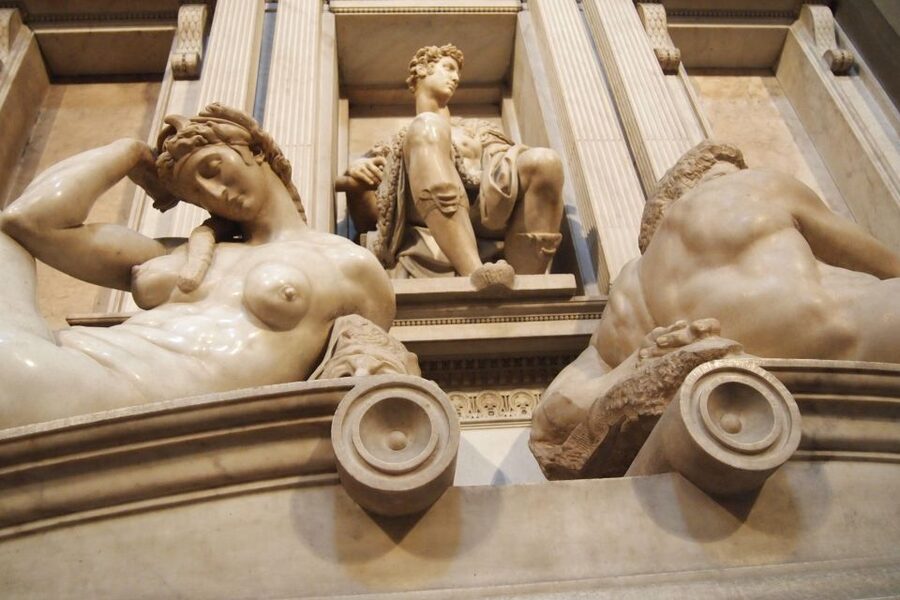
Book it if you want Florence’s Medici story told as one connected story, from family palace to grand burial complex. The Chapel of the Magi, Michelangelo’s New Sacristy, the semi-precious stonework of the Chapel of the Princes, and the Crypt give you four distinct experiences in three hours.
The strongest reason to choose it is the private guide. Guides such as Rossana, Christina, Catherina, Susanna, and Adriana have been praised for warmth, energy, historical skill, and personal attention. Keep in mind the one concern about accent and clarity, since a guide’s speaking style can shape the entire visit.
I would choose this tour for a couple, family, or small private group that wants more than pretty rooms. If you only want quick entry to the Medici Chapels, book a simpler ticket. If you want to understand how money, patronage, politics, religion, and family memory shaped Florence, this three-hour route earns its place on your schedule.
FAQ
Where does the tour begin?
The tour begins at Riccardi Medici Palace, also known as Palazzo Medici Riccardi.
Where does the tour finish?
It finishes at the Medici Chapels.
How long does the tour last?
The tour lasts three hours.
Which sites are included?
The tour includes Palazzo Medici Riccardi, the Chapel of the Magi inside the palace, a guided stop in Piazza San Lorenzo, and the Medici Chapels with the New Sacristy, Chapel of the Princes, and Crypt.
Is the tour private?
Yes. It is offered for a private group.
Which languages are available?
The live guide is available in English, Italian, Spanish, German, French, and Portuguese.
Just added around Florence
- the Medici family in Florence: Palazzo Medici and Medici Chapels★ 4.5 · 10 reviews
- Uffizi and Palazzo Vecchio Combo Private Tour★ 5.0 · 3 reviews
- The Pitti Palace private tour: Splendours of the Royal Residence★ 5.0 · 4 reviews
- FLORENCE: Uffizi Gallery + Palazzo Vecchio monolingual Guided Tour – Small Group★ 5.0 · 9 reviews
- Small-Group Palazzo Vecchio Secret Passages Tour with Lunch Or “Gelato”★ 4.0 · 92 reviews
- Pitti Palace, Palatina Gallery and the Medici: Arts and Power in Florence.★ 4.5 · 223 reviews
- Palazzo Vecchio Tales – into Medici’s secrets and mythology simbols★ 5.0 · 18 reviews
- The Medicis: The Movie, The Family, The Palace!★ 5.0 · 9 reviews
Florence Palace Tours, compared.
Uffizi, Pitti Palace & Boboli Combined 5-Day Pass
Read our review →

Pitti Palace, Boboli Garden, Palatine Gallery Tour
Read our review →
Pitti Palace, Boboli Garden & Palatina Gallery Guided Tour
Read our review →Browse the lists this tour appears in