
REVIEW · GEORGIA
Tbilisi: Ritual Palace & Vintage Car Museum
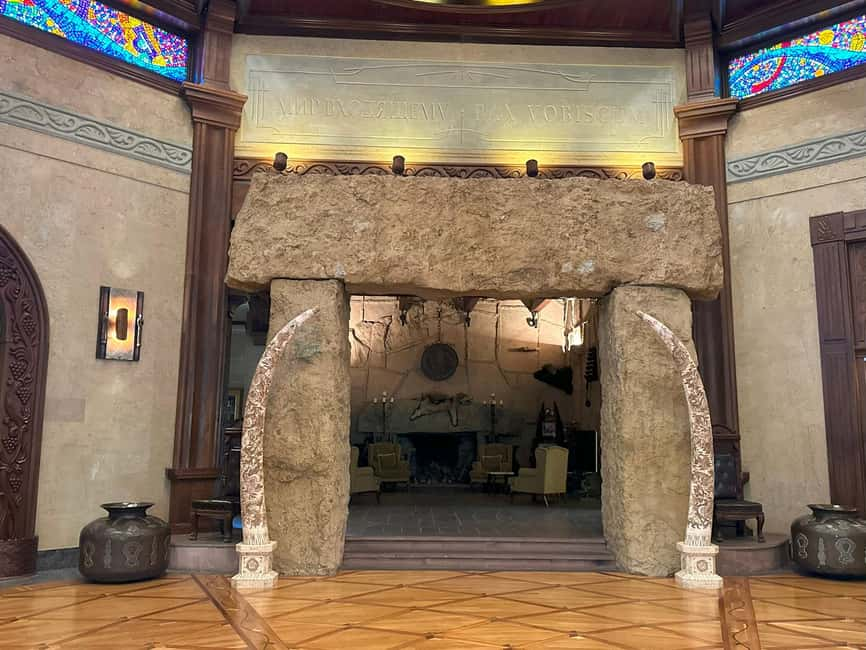
A Soviet wedding palace with peacocks? Tbilisi’s Palace of Rituals offers a wonderfully odd mix of architecture, ceremony, gardens, and cars. Built in 1985 by Georgian architect Victor Jorbenadze, the palace was meant to give Soviet wedding rituals a grand setting, yet its design quietly brings in Georgian religious and cultural ideas.
I especially like the bold architecture and the collection of historic cars, including Daimlers associated with Queen Elizabeth II and a car linked to Yuri Gagarin. The peacocks around Arkadia Hall add another memorable touch. The main drawback is the limited schedule: tours run only Monday through Friday, at 11:00 and 16:00, and the experience is not suitable for children under 18 or wheelchair users.
The two-hour visit includes an English-speaking guide and admission to the palace, Arkadia event hall, gardens, and vintage car park. At $44 per person, it is not a cheap sightseeing stop, but it offers access to several unusual places that would be difficult to understand fully on your own.
Key points to know before you go
- Victor Jorbenadze’s 1985 design mixes Georgian church forms with Soviet ceremonial purpose.
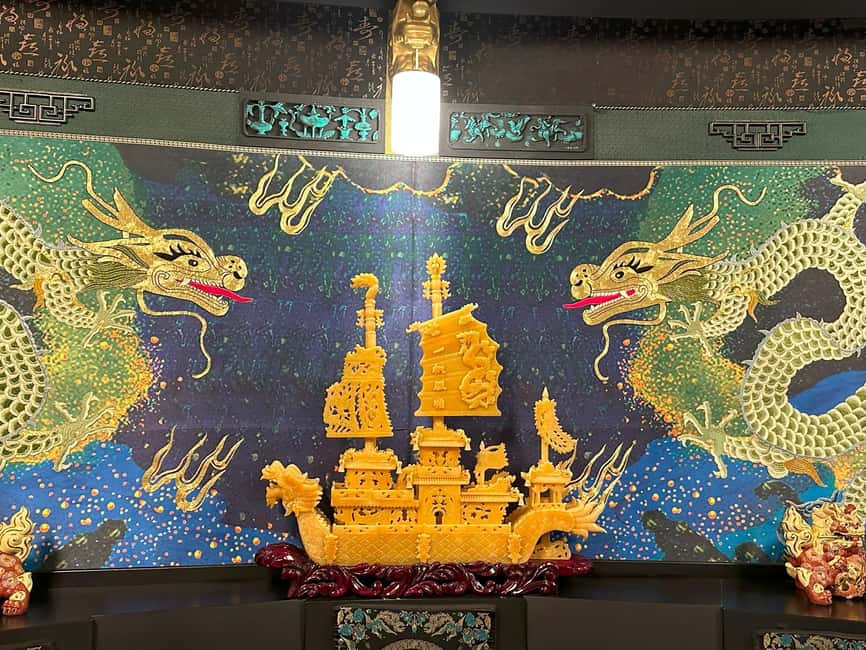
- Several themed halls represent places such as Egypt, China, France, and Morocco.
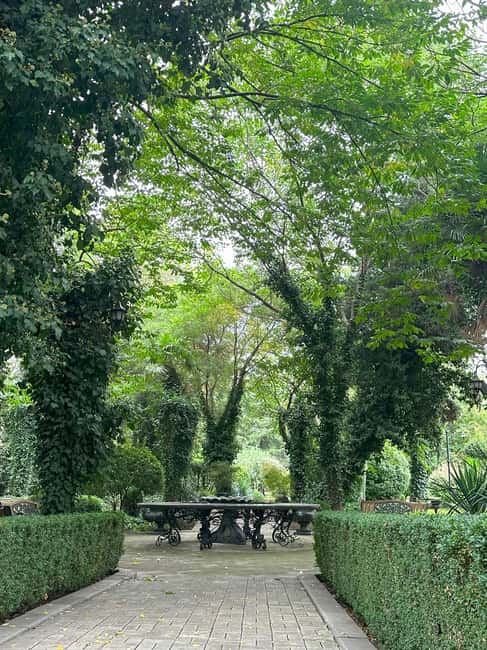
- Arkadia Hall’s garden includes rare trees and free-roaming peacocks.
- The car collection includes Daimlers linked to Queen Elizabeth II, Yuri Gagarin’s personal car, and a World War II-era car associated with Joseph Goebbels.
- The tour lasts 1.5 to 2 hours and runs Monday through Friday at 11:00 and 16:00.
- Churchkhela and homemade Georgian wine are available at extra cost in the Georgian Room.
Why the Palace of Rituals is worth your time
Tbilisi has plenty of grand churches, old balconies, and fortress views. The Palace of Rituals gives you something different: a late-Soviet building that tries to make a civil wedding feel sacred.
That tension is what makes the place interesting. The building was created during the Soviet period, when official ideology did not encourage religious ceremony. Yet Jorbenadze worked Georgian traditions into the design. You can expect church-like forms, frescoes, a bell tower, and tall interior spaces that give the palace a solemn feel.
This is not a plain government hall dressed up for weddings. The design has a strong personality. It can feel theatrical, strange, and beautiful at the same time. If you enjoy architecture that tells a political and cultural story, you will get much more from this visit than a quick look at an unusual building.
The guide matters here. The architectural details are not always self-explanatory, especially if you do not know much about Georgia’s religious traditions or the Soviet period. An English-speaking guide helps connect the shapes, decorations, and ceremonial purpose.
The tour is also delivered at a relaxed pace. The available feedback praises the clear explanations, friendly service, and well-planned flow. That matters because the palace has many details, and rushing from room to room would reduce it to a collection of odd-looking spaces.
More Museum Visits in the world:
- Venice’s Best: Basilica, Doge’s Palace, Gondola & History Gallery
★ 4.5 · 2,478 reviews - Royal Palace & Prado Museum Skip the Line Guided Tour
★ 4.5 · 1,347 reviews - Venice: City Pass with Museums including Doge’s Palace
★ 4.1 · 1,020 reviews
Entering a postmodern building shaped for weddings
The palace was built in 1985, but its style does not fit neatly into one category. Its creator, Victor Jorbenadze, used postmodern ideas while drawing on Georgian church architecture and traditional decoration.
As you move through the building, look for the way ceremonial space is created. The soaring interiors, frescoes, and bell tower give the building a sense of importance. A wedding here was meant to feel like a major life event, not a quick administrative appointment.
That original purpose still shapes the visit. You are not simply looking at an art object. You are seeing a building designed around public ritual, family celebration, and state ceremony. The Soviet authorities wanted a secular setting, while the architect introduced visual reminders of older Georgian forms.
The result is unusual. It is grand but not polished in the predictable European palace sense. Its appeal comes from the mix of official ambition, local culture, and personal architectural vision.
You should allow time to look upward and across the rooms. The scale of the interior is one of the main reasons to come. Comfortable shoes are sensible, since the tour involves walking through several parts of the property.
The Egyptian, Chinese, French, and Moroccan halls
One of the palace’s most curious features is its set of rooms dedicated to different nations. The tour includes Egyptian, Chinese, French, and Moroccan halls, each intended to create a different atmosphere.
These rooms show how the palace tried to make wedding ceremonies feel international and special. Rather than using one plain hall for every couple, the building offered a series of themed settings. Today, the rooms also reveal something about the late-Soviet desire to present ceremony with a touch of global style.
You may find these spaces more theatrical than historically precise. That is part of the fun. The rooms are best understood as decorative settings within a wedding palace, not as full museum displays about Egypt, China, France, or Morocco.
The guide can help you read these rooms in context. Without explanation, you might focus only on the colors and decorations. With context, you can see how the rooms fit the building’s original purpose and the period in which it was created.
A Georgian courtyard copied from an old Tbilisi home
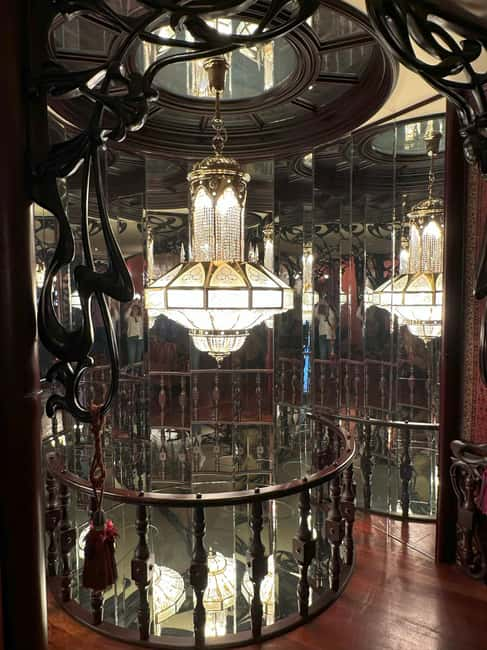
The tour also visits a Georgian courtyard described as an exact replica of Badri Patarkatshvili’s home in old Tbilisi. This adds a more local, domestic note to the palace’s grand ceremonial rooms.
Old Tbilisi is known for its distinctive homes and shared courtyard arrangements. Within this tour, the courtyard provides a contrast to the formal halls. It helps you picture a more personal side of Georgian life, away from official ceremonies and international decoration.
The courtyard is especially useful for understanding the palace as a blend of public and private ideas. The building was made for major family events, but it also tries to evoke home, tradition, and local identity.
If you are interested in Georgian culture, this may be one of the more meaningful stops. It is not presented as a broad survey of Tbilisi housing, so keep your expectations focused. You are seeing one recreated setting, included as part of the larger palace experience.
A few more palace visits around the world worth a look
- Venice: Doge’s Palace Reserved Entry Ticket
★ 4.6 · 42,716 reviews - Paris: Versailles Palace and Gardens Full Access Ticket
★ 4.6 · 41,579 reviews - Granada: Alhambra & Nasrid Palaces Tour with Tickets
★ 4.7 · 19,801 reviews - Sintra: Pena Palace and Park Entrance Ticket
★ 4.2 · 17,410 reviews
Rare trees and peacocks around Arkadia Hall
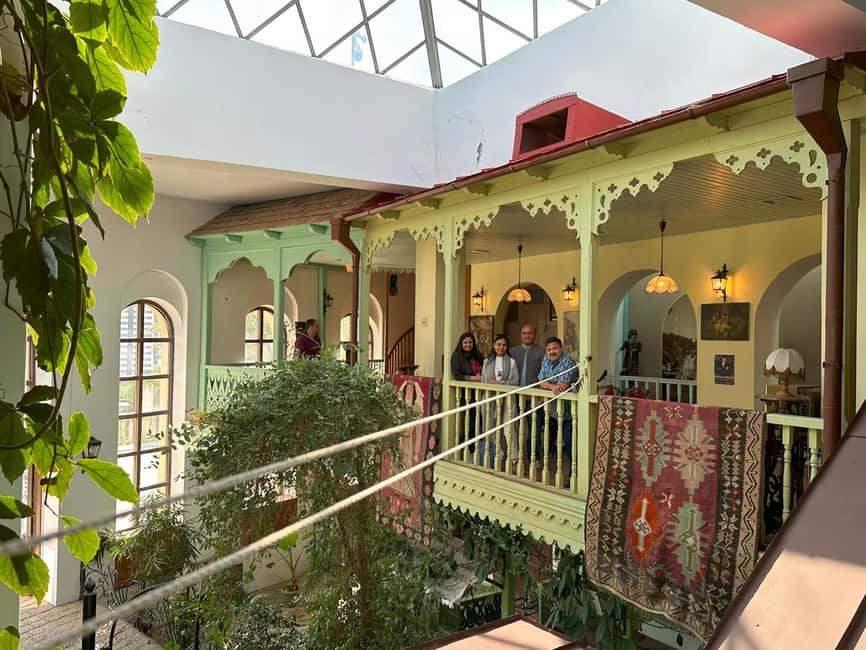
The garden brings an entirely different mood. Rare trees were brought to Georgia from the Lappen Baumschule tree nursery, a world-famous nursery. The grounds around Arkadia Hall also contain peacocks.
The peacocks are not a minor detail. They give the property an almost theatrical quality, especially alongside the ceremonial architecture. Arkadia Hall and its garden feel separate from the palace’s interior drama, offering fresh air and a chance to slow down.
You can expect the garden visit to be more than a simple walk between buildings. The rare trees give the grounds a botanical interest, while the birds make the setting memorable even if you are not especially interested in formal gardens.
Bring water and wear comfortable clothes. Food and drinks are not allowed as part of the site rules, so plan to have anything you need before or after the visit. High heels are also not allowed, which makes practical footwear the easy choice.
The vintage car park and its unusual stories
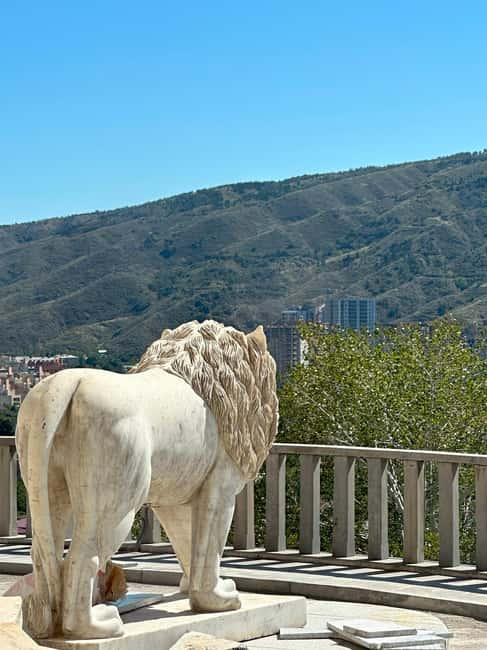
The vintage car section changes the subject again, but it does not feel completely disconnected. The palace is about ceremony and status, while the cars show how grand vehicles can become part of public memory.
The collection includes Daimler cars belonging to Queen Elizabeth II, a personal car associated with Yuri Gagarin, and a World War II car associated with Joseph Goebbels. These are the kind of details that give the car park its appeal, particularly if you enjoy royal, political, or military history.
The collection also includes the rarest Excalibur model in the world, described as a neo-classical automobile and a favorite among gangsters. That car adds a very different flavor from the royal Daimlers. It is flashy, stylized, and built around the idea of power and glamour.
I would not approach this as a large automobile museum with rows of technical displays. The attraction is the selection of distinctive cars and the stories attached to them. The guide’s explanation is important because the background gives the vehicles much of their interest.
Car enthusiasts may wish the visit were longer or more focused on mechanical details. For most people, though, the car park works well as part of a varied two-hour outing. You get architecture, gardens, ceremony, and famous names without spending an entire day in one subject.
What the guided format adds
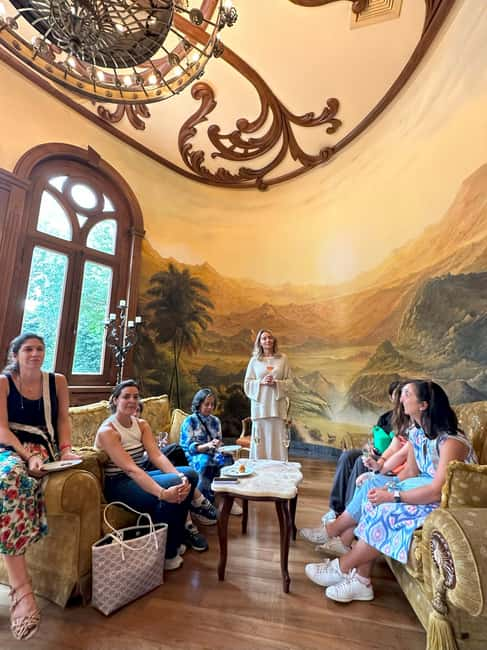
The English-speaking guide is included in the $44 price. That is important because the Palace of Rituals is not an obvious place to explore without context.
The tour includes all the main sites: the Ritual Palace, Arkadia event hall, garden, and vintage car park. The route is planned to fit into about 1.5 to 2 hours, and the pace is described as relaxed rather than rushed.
The available feedback gives the guide high marks for clear explanations, friendly service, and strong organization. One particularly useful point is that the tour feels polished from start to finish without becoming hurried. That makes the experience a good fit if you want a focused cultural visit between other plans in Tbilisi.
There is no guide name provided, so you should not expect to request a particular person. The meeting point is simple: go to the main gate at 21 Bochorma Street and look for the guide wearing a Concierge Tbilisi badge.
Arrive ready to begin at the stated time. The experience is scheduled only at 11:00 and 16:00 from Monday through Friday, beginning September 3. That narrow timetable is the biggest planning issue.
Is $44 a fair price?
At $44 per person, this is more expensive than entering one ordinary city attraction. The price includes a live English-speaking guide and admission to every part of the experience, not just the palace.
Value depends on your interests. If you only want to see the exterior, the cost will feel high. If you want the stories behind the architecture, access to the themed halls, the Georgian courtyard, the garden, Arkadia Hall, and the vintage cars, the price becomes easier to justify.
The visit also saves you from trying to arrange several unusual stops separately. The palace and car park are the main draw, while the garden and Arkadia Hall add variety. You are paying for a compact, organized cultural experience rather than a standard museum ticket.
Churchkhela tasting and a glass of homemade Georgian wine are optional and cost extra. Cash is worth carrying if you want either addition. Neither is included in the advertised price, so ask about the cost before ordering.
Who should book this experience?
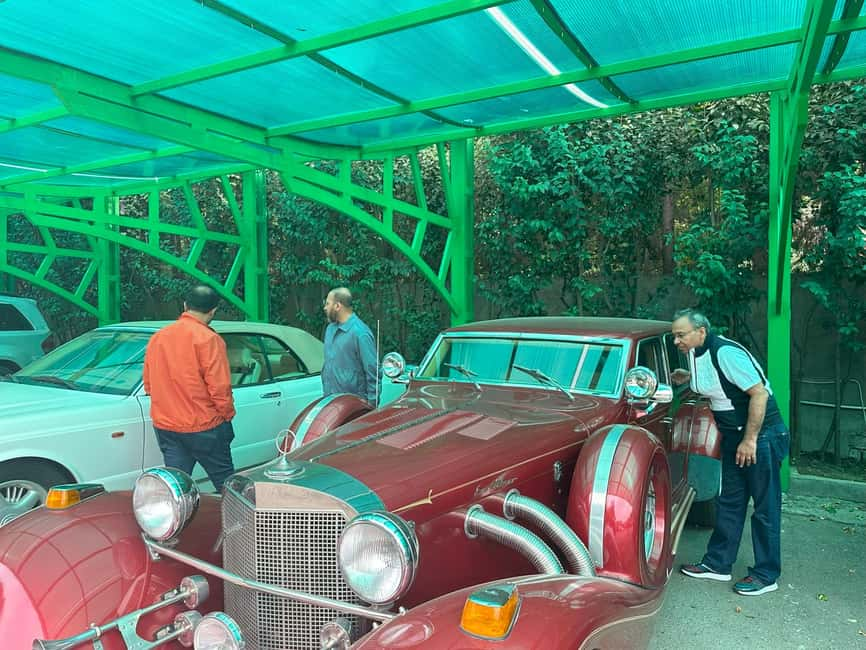
I would recommend it most strongly to adults interested in architecture, design, Soviet-era culture, Georgian traditions, or unusual collections of historic cars.
It also suits people who have already seen Tbilisi’s best-known churches and old-town streets and want something less familiar. The palace offers a different view of the city, one shaped by the late twentieth century rather than medieval or imperial periods.
You should think twice if you want a flexible activity that can happen any day. The Monday through Friday schedule rules out weekends, and the two start times may not fit every itinerary.
The experience is not suitable for children under 18. It is also not suitable for wheelchair users, and the site rules exclude mobility scooters, electric wheelchairs, non-folding wheelchairs, baby strollers, and baby carriages. Smoking indoors, chewing gum, jumping, and bringing food or drinks are not allowed.
Practical tips for a smoother visit
Wear comfortable shoes and comfortable clothes. You will move through indoor halls, the garden, Arkadia Hall, and the car area, so practical clothing is more useful than formal dress.
Bring water for before or after the tour, but do not bring food or drinks into the site. Carry some cash for optional churchkhela and homemade wine.
The meeting point is the palace’s main gate at 21 Bochorma Street. Look for the Concierge Tbilisi badge rather than wandering around the entrance trying to find the right person.
The tour offers free cancellation up to 24 hours before the start time, and you can reserve now and pay later. That flexibility helps if your Tbilisi schedule is still changing, though the limited operating days still need attention.
Should you book the Ritual Palace tour?
Book it if you want an unusual, adult-focused Tbilisi experience with strong architecture, local cultural references, garden scenery, and memorable cars. The guide-led format is a real advantage, since the palace’s meaning is not obvious from its exterior alone.
Skip it if you need wheelchair access, are visiting with children under 18, or want a weekend activity. Also skip it if you prefer a conventional museum with a large collection and extensive written displays.
For the right visitor, this is a smart two-hour addition to a Tbilisi itinerary. The mix of Georgian design, Soviet ceremony, peacocks, rare trees, royal cars, and a gangster-favorite Excalibur is too strange to be forgettable.
FAQ
How long does the Ritual Palace and Vintage Car Museum tour last?
The tour takes about 1.5 to 2 hours. The advertised duration is two hours.
What days and times is the tour available?
It operates Monday through Friday, with start times at 11:00 and 16:00. The operating schedule begins September 3.
Where is the meeting point?
Meet at the main gate of the Palace of Rituals, at 21 Bochorma Street. The guide will be waiting with a Concierge Tbilisi badge.
Is the tour offered in English?
Yes. The tour includes a live English-speaking guide.
What is included in the price?
The price includes the guide, entrance to the Ritual Palace, Arkadia event hall, vintage car park, and garden tour.
Are food and wine included?
No. Churchkhela tasting and a glass of homemade Georgian wine are optional extras at the Georgian Room.
Is the tour suitable for wheelchair users?
No. The experience is not suitable for wheelchair users, and mobility scooters, electric wheelchairs, and non-folding wheelchairs are not allowed.
Can children join the tour?
No. The experience is not suitable for children under 18 years old.
Just added around the world
- Wine Tasting near Royal Palace of Turin★ 4.5 · 24 reviews
- Reggia di Venaria and Stupinigi Hunting Palace★ 5.0 · 5 reviews
- Stupinigi Hunting Palace & Sacra di San Michele★ 4.5 · 13 reviews
- Royal Palace and Sacra di San Michele★ 4.0 · 9 reviews
- Turin Royal Palace Private Guided Tour with Skip-the-Line Entry★ 5.0 · 5 reviews
- Private Turin Royal Palace Tour with Holy Shroud Chapel★ 4.5 · 73 reviews
- Turin: Royal Palace Guided Tour★ 5.0 · 4 reviews
- Skip-the-Line Ticket and Guided Royal Palace of Turin Group Tour★ 4.5 · 10 reviews
Museums, compared.
Venice’s Best: Basilica, Doge’s Palace, Gondola & History Gallery
Read our review →
Royal Palace & Prado Museum Skip the Line Guided Tour
Read our review →
City Pass with Museums including Doge’s Palace
Read our review →
Knossos Palace and Museum E-Tickets with Audio Guides
Read our review →
Venice Museum Pass & Doge’s Palace Entrance Ticket
Read our review →
Palace, Museum, Madrasa & Medina Highlights Tour
Read our review →
Browse the lists this tour appears in