
REVIEW · NORTHERN TAIWAN, TAIWAN
Taipei: National Palace Museum and Taiwan Aborigines Museum
Start with Taiwan’s first peoples. This one-day museum pairing gives you two very different views of Taiwan: Indigenous cultures at the Shung Ye Museum of Formosan Aborigines and thousands of years of Chinese art at the National Palace Museum. I like the clear contrast between the two collections, and I like the freedom to spend three or four hours, or only a quick visit, at the larger museum. The main drawback is that the Shung Ye Museum is small, and the National Palace Museum can feel like a lot to take in without its own audio guide.
For about $15 per person, you get admission to both museums, which makes this a strong-value choice for anyone interested in art, history, and Taiwan’s many cultural layers. Just remember that you must redeem both tickets at Shung Ye first, and cameras and filming equipment are not allowed inside the museums.
Key Points to Know Before You Go
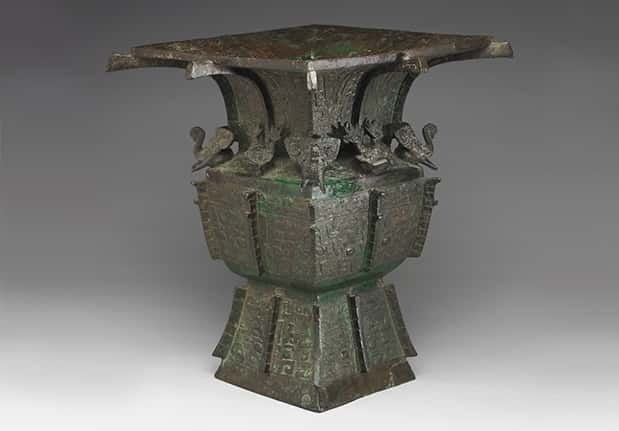
- Two museums, two different stories: Learn about Taiwan’s Indigenous tribes, then explore Chinese calligraphy, ceramics, paintings, and imperial treasures.
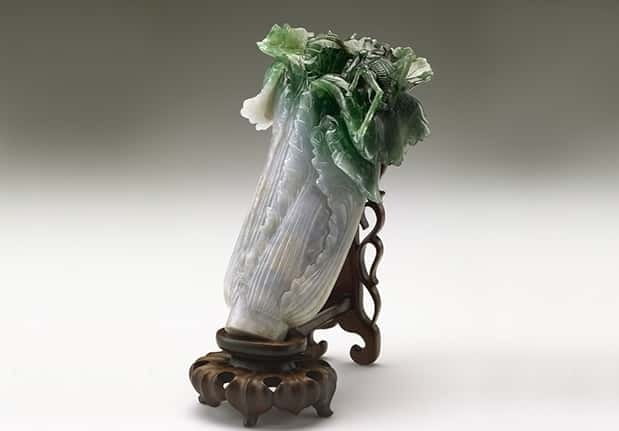
- The jadeite cabbage is here: The famous jade carving is one of the National Palace Museum’s best-known objects, though it is only one part of a very large collection.
- Start at Shung Ye: You must redeem both admissions there before walking to the National Palace Museum.
- The smaller museum needs less time: Plan your day around the National Palace Museum, which can fill three or four hours without difficulty.
- An audio guide is optional: The Shung Ye Museum audio guide is included only when you select that option. The National Palace Museum audio guide is not included.
- Bring identification and pack lightly: You need a passport or ID card, and filming equipment must go into lockers costing about TWD20 each.
Why These Two Taipei Museums Belong Together
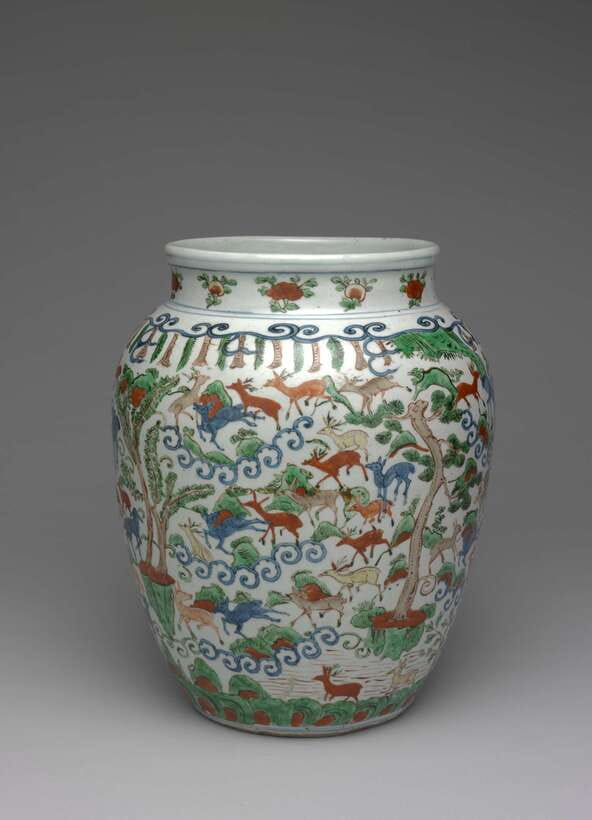
These museums work well as a pair because they present two major parts of Taiwan’s cultural story without trying to blend them into one vague display. At Shung Ye, you focus on the Indigenous peoples who lived on the island first. At the National Palace Museum, you see Chinese art and objects preserved over roughly 5,000 years.
That contrast matters. A visit focused only on the National Palace Museum can leave you with a strong understanding of Chinese imperial art but less awareness of Taiwan’s own Indigenous communities. Shung Ye adds that missing context through displays about clothing, festivals, religion, daily life, and the present condition of Indigenous people in Taiwan.
I also like the scale of the pairing. You are not signing up for a fixed group tour with a guide rushing you from room to room. You receive admission for both museums and set your own pace. If a display catches your attention, you can stay. If your interest fades, you can move on.
The $15 price is especially reasonable if you plan to spend several hours at the National Palace Museum. Admission to two major museums at that price gives you more value than a short sightseeing stop, but only if you enjoy museums. One visitor found the experience merely acceptable because museum visits are a matter of taste. That is fair advice. This is not a light entertainment outing. It is a serious cultural day with plenty of reading, looking, and thinking.
More Museum Visits in the world:
- Venice’s Best: Basilica, Doge’s Palace, Gondola & History Gallery
★ 4.5 · 2,478 reviews - Royal Palace & Prado Museum Skip the Line Guided Tour
★ 4.5 · 1,347 reviews - Venice: City Pass with Museums including Doge’s Palace
★ 4.1 · 1,020 reviews
Begin at Shung Ye Museum of Formosan Aborigines
Your first stop must be the Shung Ye Museum of Formosan Aborigines at No. 282, Section 2, Zhi Shan Road, in Taipei’s Shilin District. Go here first to redeem both museum admissions. This detail is easy to miss, and arriving at the National Palace Museum first could leave you needing to backtrack.
The museum covers Taiwan’s Indigenous tribes and their ways of life. You can expect displays about colorful clothing, festivals, religions, and everyday customs. The exact amount of time you need depends on how closely you read and watch, but the museum is small compared with the National Palace Museum.
That smaller size is not a weakness for every visitor. I like that Shung Ye gives you a focused introduction before you tackle the enormous collection next door. You can get a basic sense of the island’s original communities without spending half a day on the subject.
The museum also shows films in an auditorium. These films add information about the present conditions of Indigenous people in Taiwan, which is important because the subject is not only about older traditions or objects behind glass. If you have time, include a film rather than treating the museum as a quick ticket counter.
An audio guide is available if you select that option when booking. The commentary can make the displays easier to follow, especially if you want more than labels and photographs. The National Palace Museum audio guide is not included, so do not assume the two museums offer identical services.
The Indigenous Story Requires More Than a Quick Look
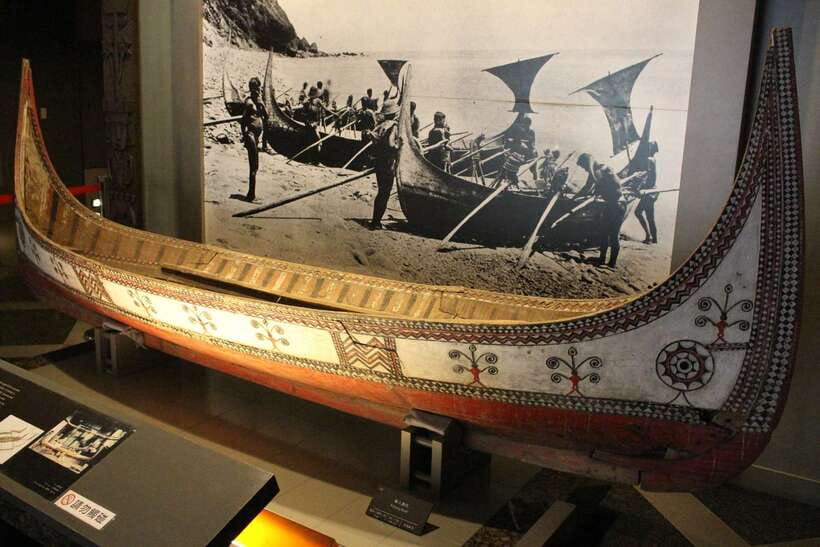
The Shung Ye Museum may be modest in size, but its subject is broad. Taiwan has numerous Indigenous communities, each with its own traditions and identity. The displays introduce you to that variety through material culture and explanations of community life.
You may find the museum most rewarding if you approach it as an introduction rather than a complete account. It cannot cover every community, event, and modern issue in one visit. Still, it gives you useful grounding before you spend time with the much larger Chinese collection.
One useful feature is the link between older cultural practices and current conditions. The auditorium films help move the subject beyond costumes and ceremonial objects. That balance is valuable because Indigenous cultures should not be presented only as something from the past.
A practical tip: set aside enough time to watch at least one film if the schedule allows. The museum’s displays are easier to understand when you combine objects with the broader social context provided by the films.
Walk to the National Palace Museum for the Main Collection
After Shung Ye, take the short walk to the adjacent National Palace Museum. The change in scale is immediate. The National Palace Museum holds more than 700,000 pieces of Chinese art, including calligraphy, ceramics, and paintings.
You will not see all of it in one day. The museum uses exhibitions to show selected portions of the collection, so the exact objects on display can vary. That makes a self-guided visit useful. You can focus on the rooms and subjects that interest you rather than trying to follow every corridor.
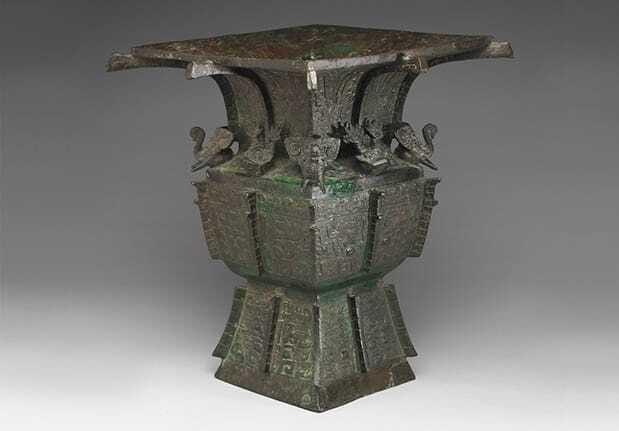
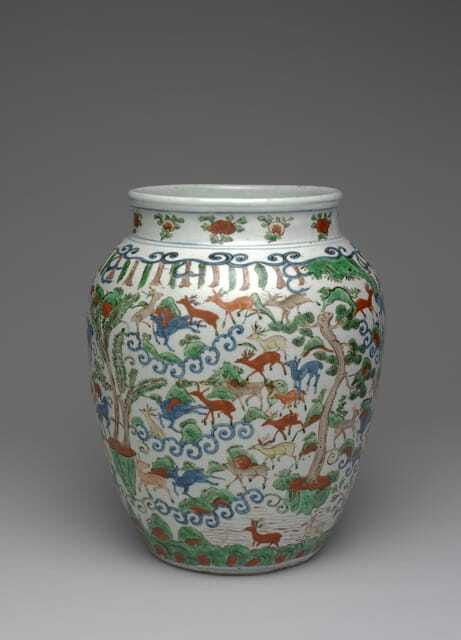
The museum presents a long story of Chinese culture, art, and daily life, covering about 5,000 years. That time span can sound abstract, but the objects make it tangible. A ceramic vessel, a painting, or a piece of calligraphy can show how materials, artistic taste, and social life changed across different periods.
I would plan on three to four hours here if you want the museum to feel like the main event rather than an afterthought. One particularly enthusiastic visitor described it as the memorable part of the day and appreciated having more time than on a previous visit decades earlier. That is a useful way to think about the schedule: Shung Ye sets the scene, but the National Palace Museum deserves the larger block of time.
A few more palace visits around the world worth a look
- Venice: Doge’s Palace Reserved Entry Ticket
★ 4.6 · 42,716 reviews - Paris: Versailles Palace and Gardens Full Access Ticket
★ 4.6 · 41,579 reviews - Granada: Alhambra & Nasrid Palaces Tour with Tickets
★ 4.7 · 19,801 reviews - Sintra: Pena Palace and Park Entrance Ticket
★ 4.2 · 17,410 reviews
Seeing the Jadeite Cabbage
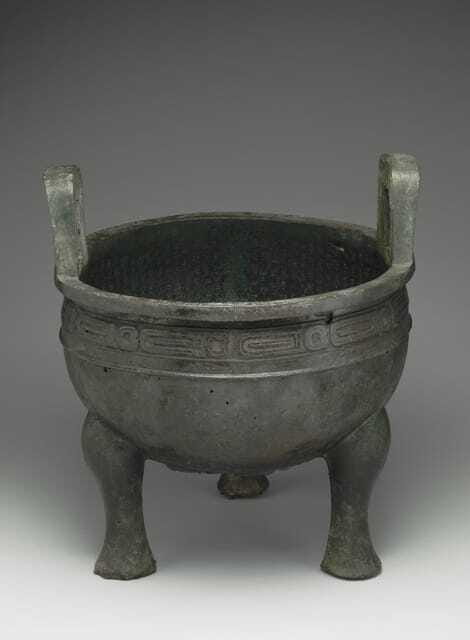
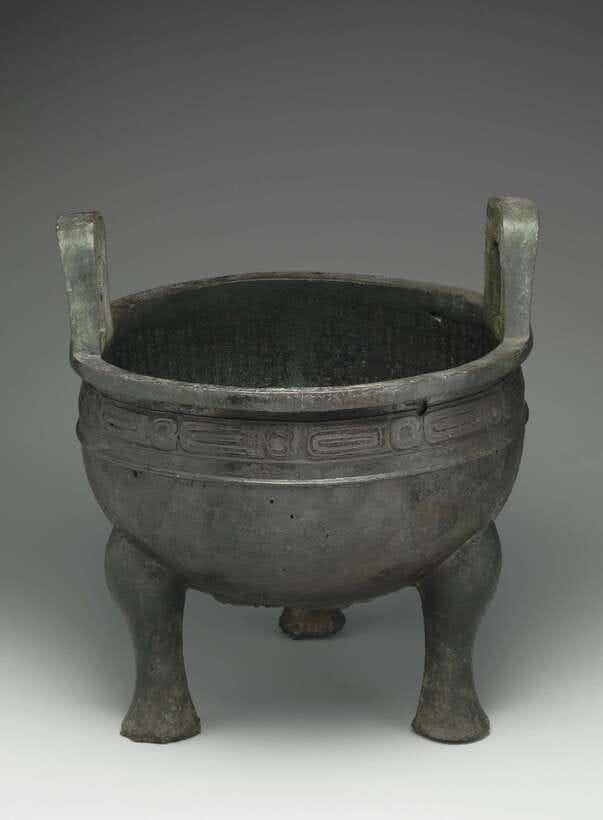
The jadeite cabbage carving is the object many people expect to see. It is well known for its cabbage leaves and small insects, and it has become one of the museum’s most recognizable pieces.
The carving is worth seeking out, but do not build the entire visit around it. The National Palace Museum contains far more than one famous object, and the collection’s strength comes from its range of art forms. Calligraphy, ceramics, and paintings provide a fuller sense of the artistic traditions represented here.
Famous objects can also attract extra attention, so patience helps. If the cabbage is displayed in a busy area, take your look and then keep moving. The museum is a better experience when you treat the famous carving as an entry point, not the finish line.
How to Plan Your One-Day Visit
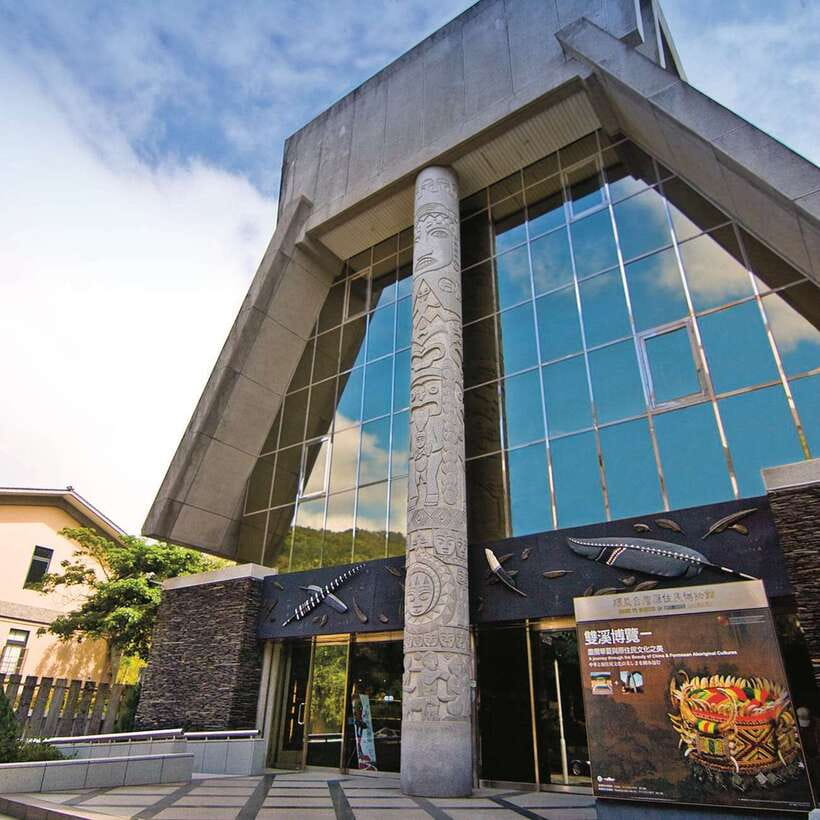
Both museums are closed on Mondays according to the supplied opening schedule. Shung Ye is open from 9:00 a.m. to 5:00 p.m. Tuesday through Sunday. The National Palace Museum is open from 8:30 a.m. to 6:30 p.m. Tuesday through Sunday, with extended hours until 9:00 p.m. on Fridays and Saturdays.
Because you must redeem the tickets at Shung Ye, begin there even though the National Palace Museum opens earlier. A practical plan looks like this:
- Arrive at Shung Ye in the morning and redeem both tickets.
- Spend time with the Indigenous culture displays and watch a film if available.
- Walk to the National Palace Museum.
- Give the larger museum at least three hours if Chinese art is a major interest.
- Use the Friday or Saturday evening hours if you prefer a slower schedule.
The two museums are near each other, so this arrangement avoids unnecessary transport between distant parts of Taipei. The main transport challenge is reaching the first museum. From Exit 1 of Shilin MRT Station on the red line, take bus 255, S18, or S19. Get off at Wesley Girls High School, shown in Chinese as 衛理女中.
The bus directions are worth saving before you leave. The location is in Shilin District, not directly at the MRT station, so arriving by train alone does not finish the journey.
Audio Guides, Lockers, and Museum Rules
The optional Shung Ye audio guide is a useful choice if you want lively commentary while examining the displays. Since no National Palace Museum audio guide is included, you will need to rely on the museum’s own information and your personal pace there.
Bring a passport or ID card. Children under seven enter free. Cameras and flash photography are not allowed, and filming equipment must be placed in onsite lockers. The locker fee is about TWD20 per item.
These rules affect how you pack. If you are carrying a camera, video equipment, or other filming gear, allow a little extra time at the start of the visit. Do not expect to keep filming equipment with you in the galleries.
The experience is wheelchair accessible, which makes the two-museum plan possible for visitors who need accessible facilities. You still need to follow the ticket redemption procedure at Shung Ye first.
Who Will Enjoy This Museum Day Most?
I would recommend this experience to you if you enjoy art museums, cultural history, or learning how different communities shape one country’s identity. It also suits repeat visitors to Taipei who have already seen the city’s main urban sights and want a quieter day in Shilin.
Families with older children may find the two museums useful for comparing art, clothing, religion, and daily life. The National Palace Museum can be demanding for very young children, so keep expectations realistic. The free admission for children under seven helps with cost, but it does not make the collection more entertaining for a child who dislikes museums.
The day also suits visitors who prefer independent sightseeing. You are not locked into a guide’s schedule, and you can choose how much time to give each display. That freedom is a real advantage in a museum of this size.
You may want to skip it if you have little interest in historical museums or if you want a fast, highly visual attraction. Shung Ye is compact, and the National Palace Museum asks for patience. The experience is rewarding because of its content, not because it offers rides, performances, or a quick photo opportunity.
Is the $15 Price Good Value?
At $15 per person, the admission is good value for a full museum day. You receive entry to both institutions, and the National Palace Museum alone can occupy several hours. The optional Shung Ye audio guide adds useful support if you choose that version.
The value is strongest when you use the ticket for both museums. Visiting only Shung Ye would not justify the same amount of time or attention, while skipping Shung Ye creates a practical problem because both tickets must be redeemed there.
The price does not include the National Palace Museum audio guide or locker fees. Those are small extra costs compared with the admission price, but you should know about them before arriving. The TWD20 locker charge is modest, yet it is still better to bring only what you need.
Flexible booking also helps. You can cancel up to 24 hours in advance for a full refund, and the reserve-now, pay-later option lets you keep plans open. Availability and starting times should be checked for your chosen date.
Final Recommendation: Book It If You Want Context, Not Just Icons
I recommend booking this museum pairing if you want to understand Taipei through both Indigenous Taiwan and Chinese art. Start at Shung Ye, use the film and optional audio guide to build context, then give the National Palace Museum the time it deserves.
The strongest parts are the clear cultural contrast, the famous jadeite cabbage, the huge range of Chinese art, and the freedom to explore without a fixed group schedule. The main cautions are the smaller scale of Shung Ye, the lack of a National Palace Museum audio guide, the no-camera rule, and the need to redeem both tickets at the first museum.
Book it if you can spare a full day and enjoy museums. Skip it if you want a short, effortless attraction. For curious visitors, $15 buys an unusually broad look at Taiwan’s cultures in one well-planned stop.
FAQ
How long is the experience valid?
The admission is valid for one day.
Where do I redeem the tickets?
You must redeem both museum tickets at the Shung Ye Museum of Formosan Aborigines before visiting the National Palace Museum.
What is the meeting point?
The meeting point is the Shung Ye Museum of Formosan Aborigines at No. 282, Section 2, Zhi Shan Road, Shilin District, Taipei City, Taiwan 111.
How do I reach Shung Ye from the MRT?
From Exit 1 of Shilin MRT Station on the red line, take bus 255, S18, or S19. Get off at Wesley Girls High School, or 衛理女中.
Is the National Palace Museum audio guide included?
No. The National Palace Museum audio guide is not included.
Is the Shung Ye audio guide included?
It is included only if you select the audio guide option when booking.
When are the museums open?
Shung Ye is open from 9:00 a.m. to 5:00 p.m. Tuesday through Sunday. The National Palace Museum is open from 8:30 a.m. to 6:30 p.m. Tuesday through Sunday, with hours extended to 9:00 p.m. on Fridays and Saturdays.
Can children enter for free?
Children under seven enter free.
Can I take photographs inside?
Cameras and flash photography are not allowed. Filming equipment must be left in onsite lockers.
What should I bring?
Bring a passport or ID card. If you carry filming equipment, expect to use an onsite locker, which costs around TWD20 each.
Just added around the world
- Wine Tasting near Royal Palace of Turin★ 4.5 · 24 reviews
- Reggia di Venaria and Stupinigi Hunting Palace★ 5.0 · 5 reviews
- Stupinigi Hunting Palace & Sacra di San Michele★ 4.5 · 13 reviews
- Royal Palace and Sacra di San Michele★ 4.0 · 9 reviews
- Turin Royal Palace Private Guided Tour with Skip-the-Line Entry★ 5.0 · 5 reviews
- Private Turin Royal Palace Tour with Holy Shroud Chapel★ 4.5 · 73 reviews
- Turin: Royal Palace Guided Tour★ 5.0 · 4 reviews
- Skip-the-Line Ticket and Guided Royal Palace of Turin Group Tour★ 4.5 · 10 reviews
Museums, compared.
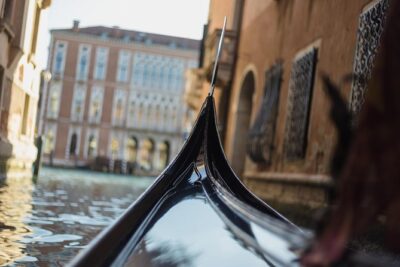
Venice’s Best: Basilica, Doge’s Palace, Gondola & History Gallery
Read our review →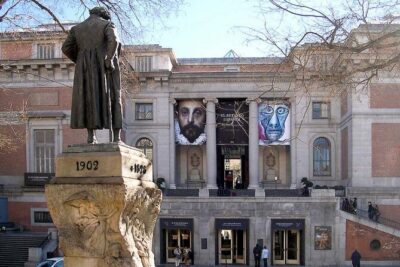
Royal Palace & Prado Museum Skip the Line Guided Tour
Read our review →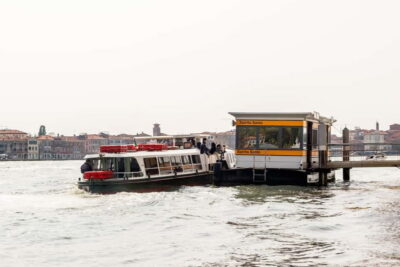
City Pass with Museums including Doge’s Palace
Read our review →
Knossos Palace and Museum E-Tickets with Audio Guides
Read our review →
Venice Museum Pass & Doge’s Palace Entrance Ticket
Read our review →
Palace, Museum, Madrasa & Medina Highlights Tour
Read our review →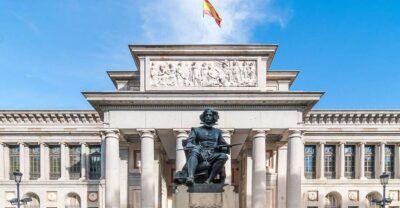
Browse the lists this tour appears in