
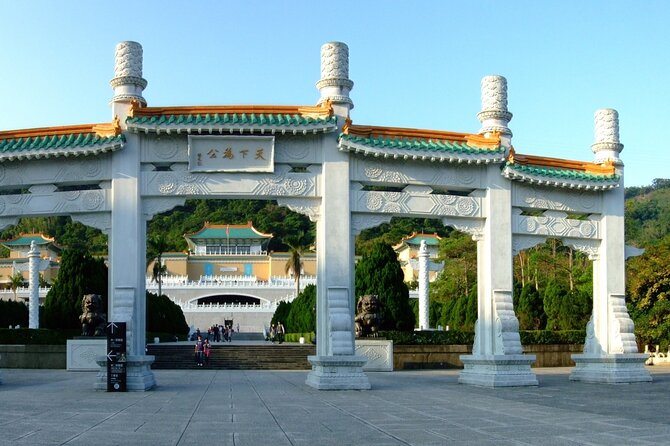
REVIEW · TAIPEI, TAIWAN
National Palace Museum Northern Branch Taiwan Admission
History comes alive behind quiet museum walls. This admission experience gives you a full day to explore the National Palace Museum Northern Branch, home to more than 700,000 Chinese artifacts spanning 8,000 years. I like the wide sweep of the collection, from Neolithic objects to modern works, and I like that your ticket also gives you access to the peaceful Zhishan Garden.
The museum’s modern design, set among northern Taiwan’s greenery, adds another layer to the visit. The main drawback is simple: this is an admission ticket, not a guided tour, so you must plan your own route and make sense of the displays at your own pace. Also, the listed ticket price is $21 per person, which is fair for a full museum day but less appealing if you only have an hour or two.
Key points at a glance
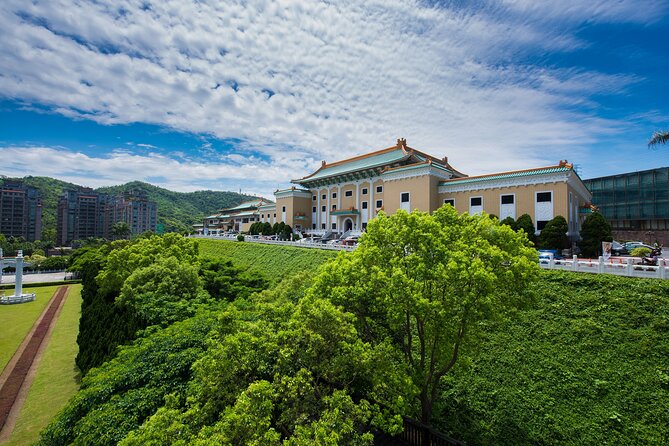
- More than 700,000 artifacts: The collection covers roughly 8,000 years of Chinese art and history, though only a portion can be displayed at one time.
- Over 6,000 works on show: Expect calligraphy, ceramics, paintings, and objects from the Neolithic period through the modern era.
- Zhishan Garden included: This garden offers a quieter look at Chinese design, feng shui, and architecture.
- Modern building, traditional subject: The museum’s contemporary structure is designed to work with its natural surroundings.
- Tuesday to Sunday access: The Northern Branch opens from 9:00 a.m. to 5:00 p.m. and closes on Mondays.
- Bring the right identification: On arrival, you need to present a Taiwan ID card, ISIC, or APRC so staff can scan your QR code.
What your $21 admission gives you
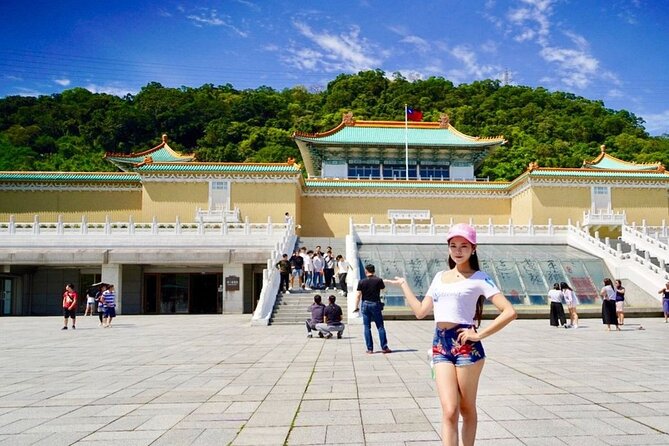
At $21 per person, this is not a bargain-basement museum ticket, but it can be good value if you give the museum several hours. You are paying for access to one of Taiwan’s most important cultural institutions, a collection stretching across thousands of years, and the chance to visit the Zhishan Garden as part of the same outing.
The visit is listed as approximately eight hours, though that does not mean you must spend every minute inside. It means the experience can fill most of a day if you take your time. You can focus on the main galleries, pause for the garden, and return to exhibits that deserve a second look.
I would be less enthusiastic about the price if you are squeezing the museum into a short Taipei stop. With limited time, the sheer size of the collection may feel like too much. With half a day or more, the ticket makes more sense because you can enjoy both the famous objects and the quieter spaces without racing from room to room.
More Museum Visits in the world:
- Venice’s Best: Basilica, Doge’s Palace, Gondola & History Gallery
★ 4.5 · 2,478 reviews - Royal Palace & Prado Museum Skip the Line Guided Tour
★ 4.5 · 1,347 reviews - Venice: City Pass with Museums including Doge’s Palace
★ 4.1 · 1,020 reviews
Entering a collection that spans 8,000 years
The main attraction is the range. You are not visiting a museum devoted to one narrow period or one artistic style. The displays cover Chinese culture from the Neolithic period to the modern era, allowing you to see changes in materials, technique, taste, and artistic purpose over a very long stretch of time.
The collection contains more than 700,000 artifacts, while the visit description points to more than 6,000 works on display. That difference matters. The museum’s holdings are enormous, but you will only see a selection during any one visit. Exhibits can change, and the full collection cannot be shown at once.
I like this kind of museum best when I treat it as a place for several focused visits rather than one heroic attempt to see everything. You might begin with ceramics, then move to calligraphy, and finish with paintings. Another approach is to choose one period and follow how artistic ideas change over time.
The displays are especially useful if you are new to Chinese art. Calligraphy can look difficult at first if you do not know what to look for. Ceramics and paintings offer more immediate visual appeal, while historical objects give you a sense of how people made, used, and valued things across different periods.
Ceramics, calligraphy, and paintings
The museum’s art selection includes three especially important areas: calligraphy, ceramics, and paintings. Each rewards a different pace.
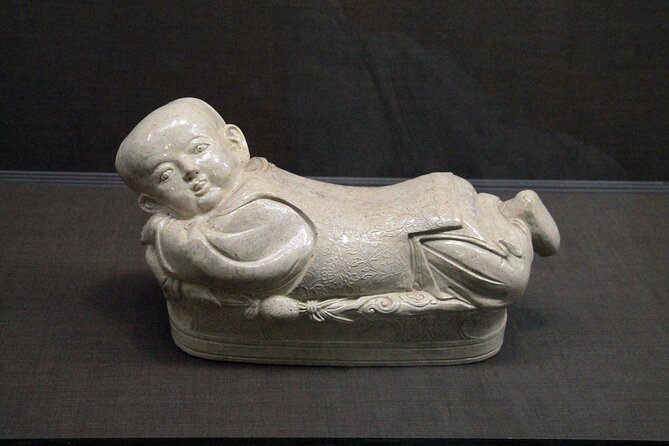
Ceramics often catch your eye first because shape, color, and surface are easy to appreciate without specialist knowledge. Look closely at the workmanship. A small vessel can show more control and patience than a large, dramatic object. If you enjoy design, this part of the museum may be your natural starting point.
Calligraphy asks for more time. The beauty is not only in the written meaning but also in the movement of the brush, the balance of each character, and the way the work occupies the page. Even if you cannot read the Chinese text, you can still appreciate the rhythm and discipline.
Paintings give you another way to see Chinese artistic ideas. Pay attention to how space is handled and how much the artist leaves open. You might find that the quiet areas matter as much as the painted subjects. This is a good place to slow down, since a quick glance rarely tells you why a work is important.
You should not expect every object to explain itself in a single sentence. The museum is large, and the number of exhibits can be tiring. I recommend choosing a few sections that truly interest you instead of trying to give equal attention to everything.
The Northern Branch building and its natural setting
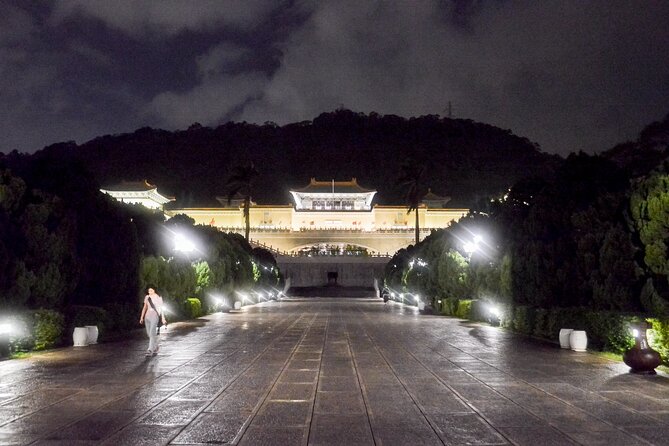
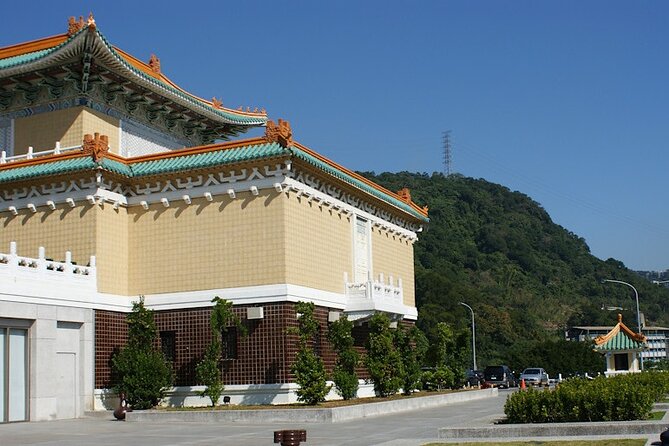
The building itself is part of the visit. The Northern Branch uses modern architecture while presenting traditional Chinese art and history. Its design is intended to work with the surrounding greenery, giving the museum a calmer feel than a completely enclosed urban gallery.
That contrast is one of the more appealing features. Inside, you are surrounded by objects that may be hundreds or thousands of years old. Outside, the setting offers space to pause and clear your head. The combination makes the visit feel less like a rapid gallery circuit and more like a full cultural outing.
The architecture may appeal to you if you enjoy buildings as much as exhibits. It gives the museum a contemporary identity without ignoring the traditions represented inside. Still, the main reason to visit remains the collection. Do not expect the building alone to justify the ticket if ancient art does not interest you.
The supplied details do not provide a guided architectural tour or explain the building’s individual design features. You will need to experience the structure for yourself and read any information provided on site.
A few more palace visits around the world worth a look
- Venice: Doge’s Palace Reserved Entry Ticket
★ 4.6 · 42,716 reviews - Paris: Versailles Palace and Gardens Full Access Ticket
★ 4.6 · 41,579 reviews - Granada: Alhambra & Nasrid Palaces Tour with Tickets
★ 4.7 · 19,801 reviews - Sintra: Pena Palace and Park Entrance Ticket
★ 4.2 · 17,410 reviews
A slower break in Zhishan Garden
Zhishan Garden adds welcome breathing room to the day. It is presented as a place to see the relationship between feng shui and Chinese architecture, so it offers more than a simple patch of greenery beside the museum.
I would make time for it even if your main goal is the galleries. Museum fatigue is real, especially when you are looking at delicate objects and detailed artwork. A walk through the garden can help you reset before returning indoors.
The garden also gives you a different way to think about Chinese design. In the galleries, design appears on objects and painted surfaces. In Zhishan Garden, it appears in the relationship between buildings, pathways, natural features, and open space. The visit becomes more varied because you are not spending the entire day under artificial light.
Keep your expectations measured. The information provided does not describe a formal garden tour, special performances, or seasonal events. You are visiting the garden as part of the museum experience, not booking a separate attraction.
How to plan an eight-hour museum day
The stated duration is approximately eight hours, which is generous for an admission ticket. The museum is open from 9:00 a.m. to 5:00 p.m., Tuesday through Sunday, so an early arrival gives you the best chance of using the full day.
I suggest beginning with the galleries that matter most to you. If ceramics are your priority, start there while your attention is fresh. If you are visiting mainly for paintings or calligraphy, make those your first stops instead of assuming you will have the energy for them later.
After the first gallery block, use the garden as a natural pause. Then return to the museum for a second round of exhibits. You do not need to spend eight straight hours examining objects. A steady rhythm will make the visit more enjoyable.
The schedule also requires care. The Northern Branch is closed on Mondays. Its listed hours are 9:00 a.m. to 5:00 p.m. from Tuesday through Sunday. The Library Building has a different schedule and is closed on Mondays, Sundays, and public holidays, so do not assume that every part of the museum complex follows the same hours.
Entry requirements you should not overlook
Confirmation is provided at the time of booking, but entry still involves an on-site check. You must present one of the accepted documents and have staff scan your QR code.
The accepted documents listed are:
- Taiwan ID card
- ISIC, or International Student Identity Card
- APRC, or alien permanent resident certificate
This detail is important because the ticket is not simply described as an unrestricted scan-and-enter pass. Check that you have the correct document with you before heading to the museum. If you have an ISIC or APRC, keep it ready along with the QR code connected to your booking.
The museum is near public transportation, which helps if you are making your own way there. No private transfer, escort, or guide is included in the admission. You are responsible for getting to the museum and organizing your time once inside.
Is the experience guided?
No guide is included in the admission. That can be a weakness if you want someone to explain the collection, point out important objects, or build a story from one gallery to the next.
It can also be an advantage. You set the pace, skip sections that do not interest you, and spend as long as you like with a favorite painting or ceramic piece. Independent visitors often prefer this freedom, especially in a museum with such a large collection.
If you want a structured interpretation, you will need to look for information on site or arrange separate guidance. The details provided here do not promise an audio guide, group tour, docent, or named guide. Plan on exploring independently.
For a first visit, I would prepare a simple personal plan rather than trying to understand the entire museum at once. Choose two or three subjects, allow time for the garden, and accept that you will leave many rooms for another day.
Who will get the most from this visit?
This admission suits you if you enjoy art, architecture, or long stretches of cultural exploration. It is also a strong choice for a first visit to Taipei if you want context for Chinese traditions and artistic development.
Families and mixed-interest groups can make it work because the museum covers many types of objects. One person can focus on ceramics, another on paintings, and someone else can enjoy the building and garden. The large collection gives different interests room to coexist.
Students may find the ISIC entry provision useful, though the price and entry process still need to be checked against the booking terms that apply to them. The museum can also suit visitors who prefer to explore alone rather than follow a fixed tour.
You may want to skip it if you dislike museums, have only a very short time in Taipei, or need a guide to explain every room. The visit is not a quick attraction. It asks for patience and attention.
Weather, cancellation, and practical value
The experience requires good weather. If poor weather causes cancellation, you are offered a different date or a full refund. That condition matters because the visit includes the outdoor Zhishan Garden and is planned as a substantial day out.
You can cancel for a full refund if you do so at least 24 hours before the experience start time. Cancellations made less than 24 hours before the start time are not refunded, and changes inside that window are not accepted. The cut-off uses local time in Taiwan.
This policy is reasonably flexible if you make your decision early. It is less forgiving once your visit is close, so check your Taipei schedule before the final day.
The experience has an overall rating of 4.7 from three reviews, including strong praise for the museum as a way for a first-time Taipei visitor to learn about the country’s culture and past. That praise matches the museum’s main strength: it offers a broad introduction without requiring you to join a tour group.
My verdict on the Northern Branch admission
I would book this admission if you have at least half a day and a real interest in Chinese art, history, architecture, or gardens. The combination of a huge collection, modern museum design, and Zhishan Garden gives you more variety than a short gallery visit.
At $21, the value depends on how much time you use. Spend only an hour and the ticket may feel costly. Give it several hours, choose your priority galleries, and include the garden, and the price becomes easier to justify.
The main caution is the lack of a guide. You need to make your own plan, follow the opening schedule, and bring the required identification for the QR scan. For independent visitors, that freedom is part of the appeal. For anyone who wants a tightly organized explanation from start to finish, it may feel too unstructured.
FAQ
How much does admission to the National Palace Museum Northern Branch cost?
The listed price is $21 per person.
How long does the experience last?
The approximate duration is eight hours.
When is the Northern Branch open?
The Northern Branch is open Tuesday through Sunday from 9:00 a.m. to 5:00 p.m.
Is the museum open on Mondays?
No. The Northern Branch is closed on Mondays.
Is the Zhishan Garden included?
Yes. The visit includes time at Zhishan Garden, where you can see the relationship between feng shui and Chinese architecture.
What documents are accepted for entry?
You must present a Taiwan ID card, ISIC, or APRC and have on-site staff scan your QR code.
Is transportation included?
No. The admission includes the National Palace Museum Northern Branch ticket only. The museum is near public transportation, but you arrange your own transport.
Can I cancel for a refund?
Yes. You can receive a full refund if you cancel at least 24 hours before the experience start time. Less than 24 hours before the start time, the payment is not refunded.
Just added around the world
- Wine Tasting near Royal Palace of Turin★ 4.5 · 24 reviews
- Reggia di Venaria and Stupinigi Hunting Palace★ 5.0 · 5 reviews
- Stupinigi Hunting Palace & Sacra di San Michele★ 4.5 · 13 reviews
- Royal Palace and Sacra di San Michele★ 4.0 · 9 reviews
- Turin Royal Palace Private Guided Tour with Skip-the-Line Entry★ 5.0 · 5 reviews
- Private Turin Royal Palace Tour with Holy Shroud Chapel★ 4.5 · 73 reviews
- Turin: Royal Palace Guided Tour★ 5.0 · 4 reviews
- Skip-the-Line Ticket and Guided Royal Palace of Turin Group Tour★ 4.5 · 10 reviews
Museums, compared.
Venice’s Best: Basilica, Doge’s Palace, Gondola & History Gallery
Read our review →
Royal Palace & Prado Museum Skip the Line Guided Tour
Read our review →
City Pass with Museums including Doge’s Palace
Read our review →
Knossos Palace and Museum E-Tickets with Audio Guides
Read our review →
Venice Museum Pass & Doge’s Palace Entrance Ticket
Read our review →
Palace, Museum, Madrasa & Medina Highlights Tour
Read our review →
Browse the lists this tour appears in