
REVIEW · FLORENCE
Florence: Palazzo Vecchio Guided Tour
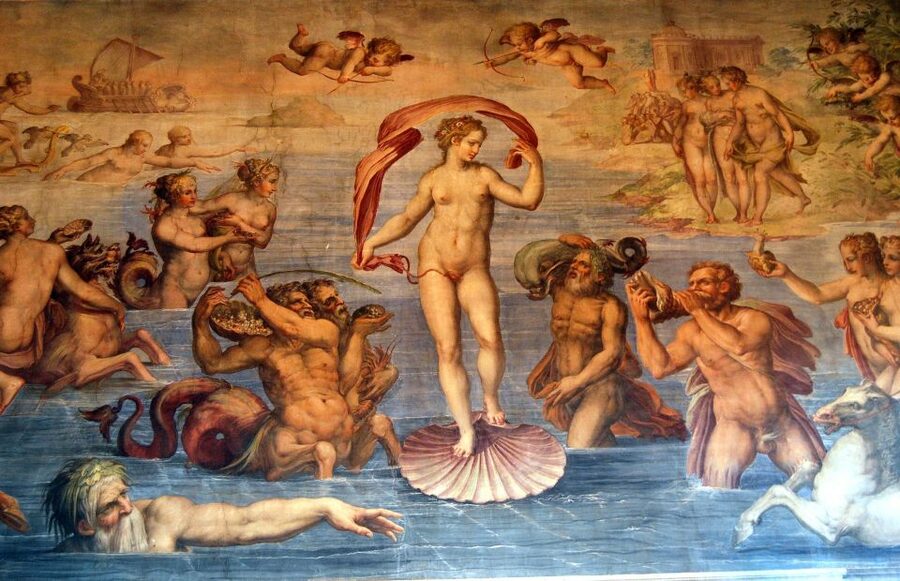
History comes alive behind Florence’s stone walls. This 90-minute tour makes the Salone dei Cinquecento easier to understand, then leads you through Medici apartments, painted chambers, and lesser-known passages. I like the small-group format, which gives you a better chance to hear the guide and ask questions. I also like the guides’ storytelling, with names such as Ivan, Francesca, Annette, Sara, and Ivano praised for making art and politics clear rather than dusty.
The main drawback is that the palace has many vertical steps, and the Salone dei Cinquecento may not be fully accessible if official political business closes part of the building. You must also arrive on time at Piazza della Signoria, since latecomers are not accepted.
Key points to know before booking
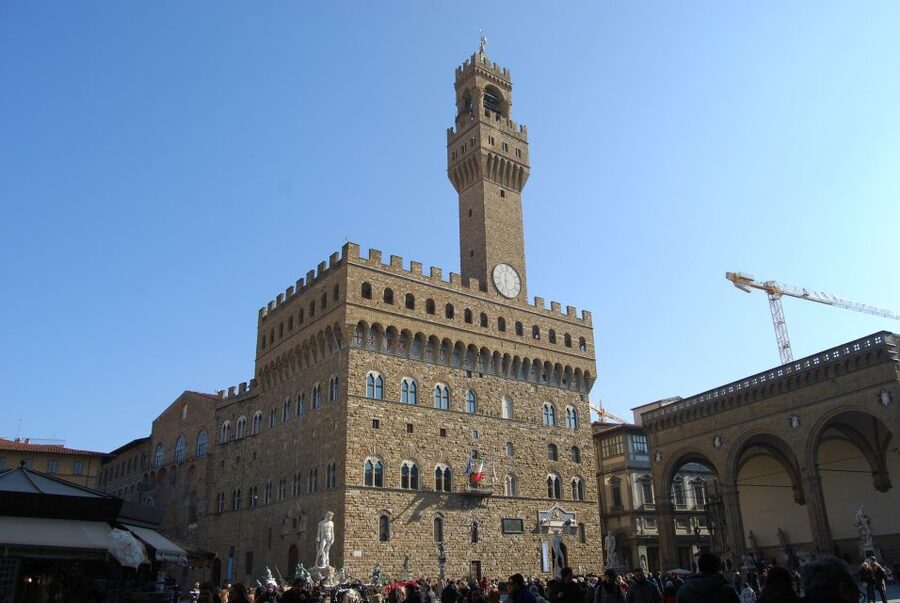
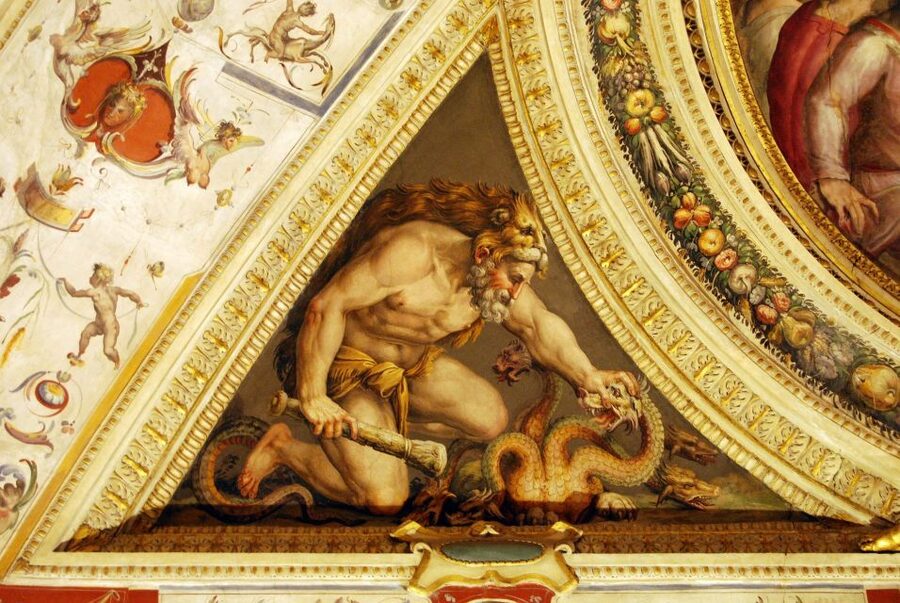
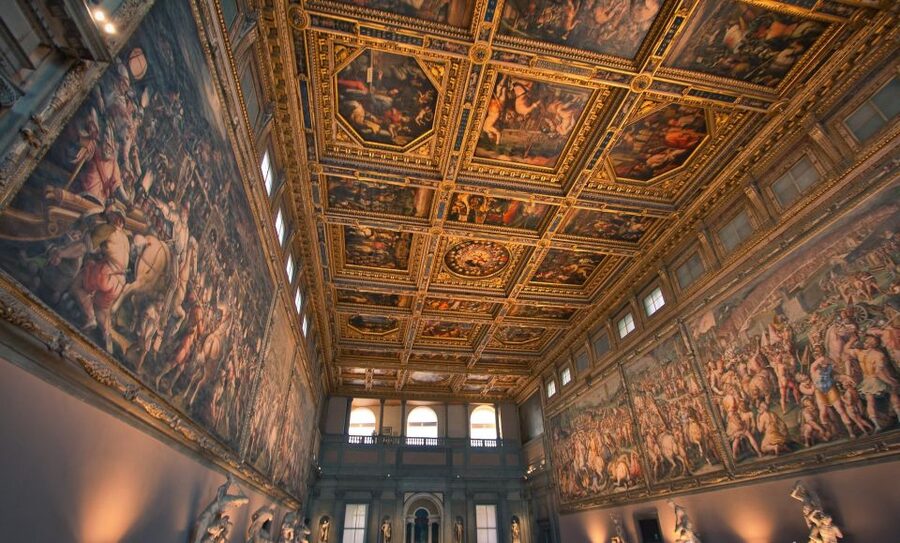
- The Hall of the Five Hundred is the star: Painted walls, a grand ceiling, gold details, and large sculpture make this the visual high point.
- Medici power shapes the whole visit: The tour explains how this building changed from civic headquarters to Medici residence and political center.
- Small groups make a difference: A quieter group helps you hear stories and ask about details in the artwork.
- The second floor rewards close attention: The Apartments of the Elements, Eleonora of Toledo’s apartments, the Hall of Priors, small rooms, and a Bronzino-painted chapel each add another layer.
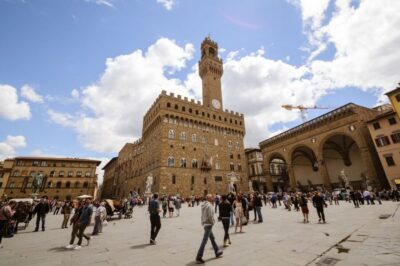
- The meeting point needs care: Find the guide behind the Neptune Fountain, near the small public fountain and the bronze equestrian statue.
- The tower is not included: The tour covers the palace, but the tower requires a separate ticket.
Why Palazzo Vecchio belongs on your Florence list
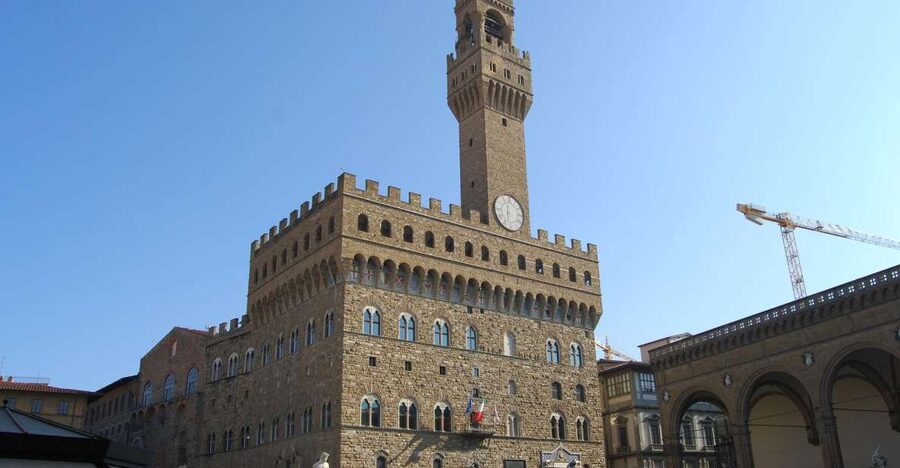
Florence has no shortage of famous art museums. Palazzo Vecchio offers something different. It is not simply a collection of paintings hung in quiet galleries. It is the city’s historic town hall, a fortress-like civic building, a Medici residence, and an active political site.
That mix gives the visit unusual force. The rooms were made for government, ceremony, display, and control. The art was not decoration in the modern sense. It helped communicate Florence’s power, the Medici family’s authority, and the city’s place in the wider world.
You can walk through the palace on your own, but the symbolism is easy to miss. A painted figure may represent a political idea. A map may reflect Renaissance ambitions. A passage or small chamber may make more sense once you know who used it and why.
The tour’s greatest service is context. Guides explain what you are looking at, then connect it to Florence’s political and artistic past. That makes the building easier to read.
More Palazzo Vecchio and Pitti Palace Tours in Florence:
- Florence: Palazzo Vecchio Entrance Ticket & Audioguide
★ 4.4 · 4,822 reviews - Florence: Uffizi, Pitti Palace & Boboli Combined 5-Day Pass
★ 4.5 · 1,726 reviews - Florence: Palazzo Vecchio Entry Ticket with Audio Guide
★ 4.4 · 837 reviews
Meeting your guide in Piazza della Signoria
The meeting point is on the square behind the Neptune Fountain, on the left side of Palazzo Vecchio. Look for the small public fountain and the bronze statue of the man on horseback. The guide carries a sheet or a purple flag marked Hidden Experiences.
Give yourself extra time to find the spot. Piazza della Signoria is open, crowded, and full of statues, entrances, and people waiting for different activities. The directions are specific, but the palace frontage can still be confusing if you arrive at the last moment.
Latecomers are not accepted. This is one place where Florence’s relaxed café pace will not help you. Plan to be at the meeting point early, especially if you are coming from another sight across the historic center.
Your entrance ticket is included, as is a certified guide. The tour also skips the ticket line, a useful benefit during busy periods when the square fills with visitors.
Entering the Salone dei Cinquecento
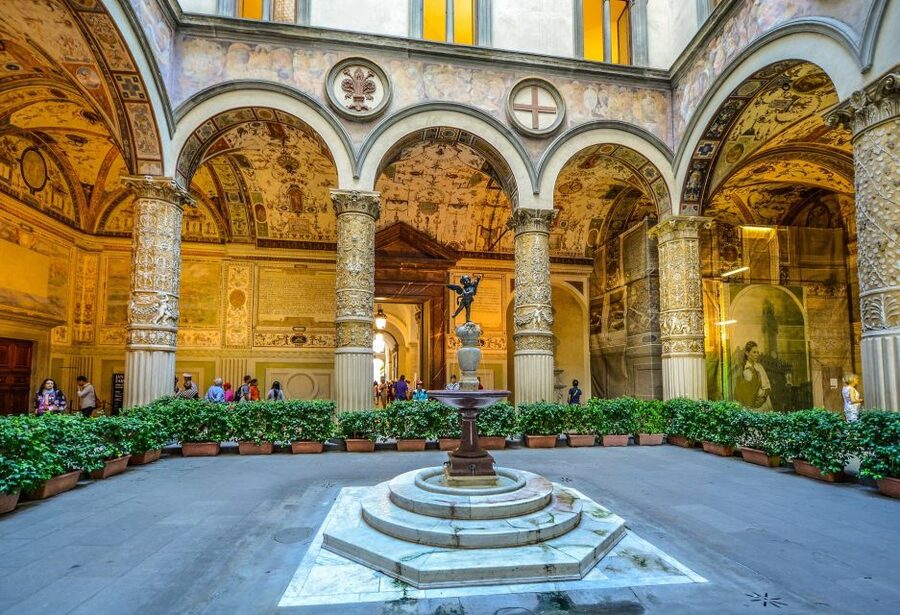
The Salone dei Cinquecento, or Hall of the Five Hundred, is the palace’s grand visual statement. It is the largest and most important room in the building for both art and history.
Inside, look up first. The paneled ceiling is heavy with painted and gilded decoration. Then take in the large wall frescoes and the imposing sculptures. The scale can be hard to judge in photographs, but inside the room the proportions are the point. This was designed to impress a large audience and make civic power feel almost physical.
A guide gives you more than names and dates. The better explanations show how the room functioned and why its imagery mattered. Several guides praised in the feedback, including Ivano, Lorenzo, and Francesca, were singled out for connecting the artwork with the political story of Florence.
There is one important uncertainty. Palazzo Vecchio remains an active political site, so institutional events can restrict access. On those occasions, you may only be able to look into the hall from the first floor. The room is still worth seeing, but full access is not guaranteed. If this space is the main reason you are booking, keep that limitation in mind.
The Medici story behind the rooms
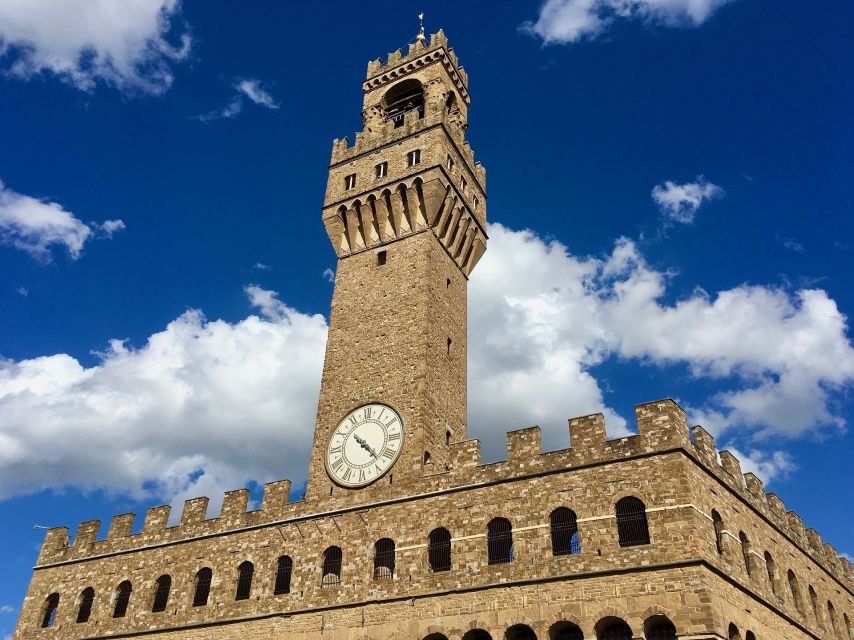
The Medici family is central to this tour. You will hear how their influence shaped Florence during the Renaissance and how Palazzo Vecchio became tied to their rule.
This is useful even if you already know the basic Medici story. The building gives the family a physical setting. You see where public authority, private life, art, and ceremony met.
Several guides are praised for making this material easy to follow. Ivan is repeatedly described as warm, witty, and clear. Francesca is praised for her explanations of the palace, paintings, and secret rooms. Annette is remembered for her strong English and easy delivery. Sara is praised for patience and kindness, while Steffi is noted for lively and detailed presentations.
Guide quality can vary in personality, of course, but the pattern is encouraging. The strongest part of the experience is not simply the amount of information. It is the way the guides turn the Medici family into people with ambitions, rivalries, habits, and political problems.
That matters because Renaissance Florence can become a blur of names. A good guide gives you a thread to follow.
A few more palace visits around Florence worth a look
- Florence: Pitti Palace and Boboli Gardens Ticket & eBook
★ 4.5 · 835 reviews - Florence: Pitti Palace, Boboli Garden, Palatine Gallery Tour
★ 4.9 · 558 reviews - Florence: Palazzo Vecchio Skip-the-Line Entry Ticket
★ 4.2 · 349 reviews - Pitti Palace, Boboli Garden & Palatina Gallery Guided Tour
★ 5.0 · 264 reviews
Second-floor apartments and private spaces
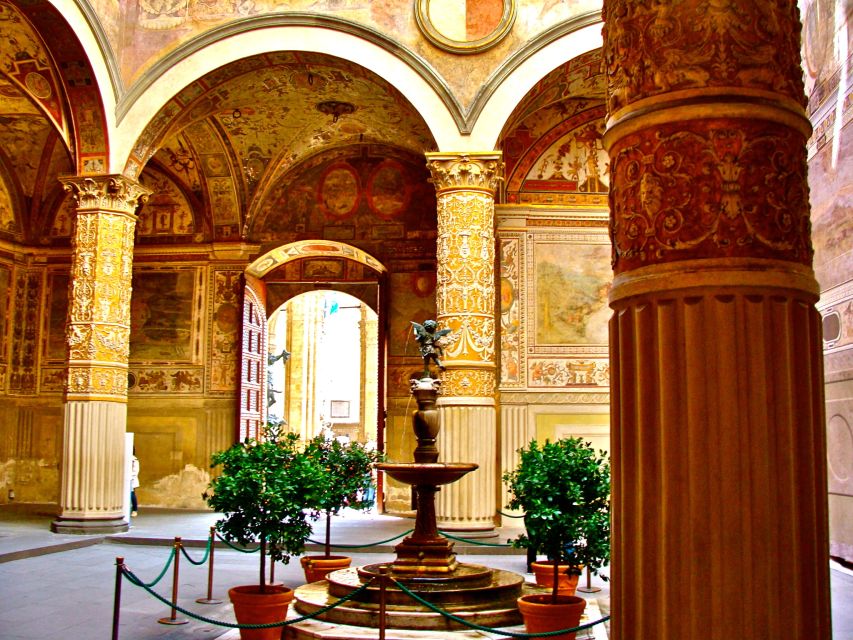
After the great hall, the tour moves through rooms with a more personal feel. The Apartments of the Elements are elegant and heavily decorated, while the Apartments of Eleonora of Toledo offer a closer look at the life of a Medici court figure.
These rooms are less overwhelming than the Hall of the Five Hundred, but they reward patience. Look at the ceilings, wall decoration, doorways, and transitions between rooms. The palace is full of details that vanish if you hurry from one major chamber to the next.
The original Hall of Priors adds another civic chapter to the visit. It helps show that Palazzo Vecchio was not only a residence. It was also a place where Florence’s political leadership worked and met.
You will also pass through smaller chambers and a chapel frescoed by Bronzino. These spaces can be especially valuable with a guide because their scale is modest and their purpose may not be obvious at first glance.
The tour does not treat every room as an isolated stop. It explains how the formal halls, private apartments, working spaces, and religious areas fitted together. That sense of connection is one reason a guided visit can be more rewarding than simply wandering with an audio guide or map.
The map room and details you could miss
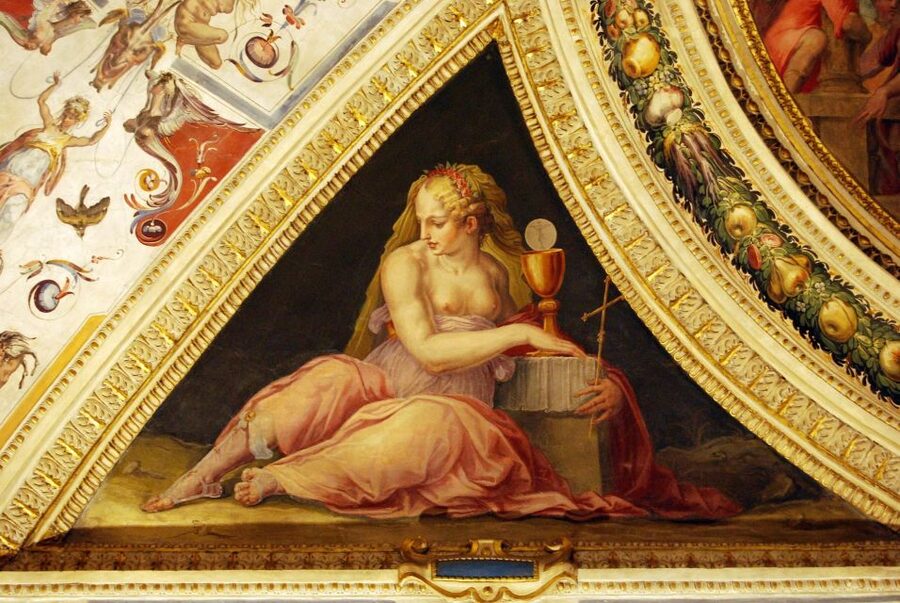
One particularly well-liked stop is the map room. It provides a change of pace after the painted halls and formal apartments, while also showing how Renaissance people pictured the wider world.
The map room works best when your guide points out what to notice. You might otherwise see a series of old maps without understanding their purpose or the ideas behind them. A guide can connect the room to Florence’s interest in geography, knowledge, trade, and political reach.
The same principle applies throughout the palace. Guides have pointed out secret rooms, symbols in frescoes, and details most people would pass without a second look. One guide, Alessandra, was praised for giving an overview before focusing on selected exhibits. That is a smart method in a building with so much decoration.
You do not need to remember every artist or date. Try to leave with a few clear ideas: how the Medici used art, how the palace served civic government, and how the rooms expressed status.
What the 90-minute pace feels like
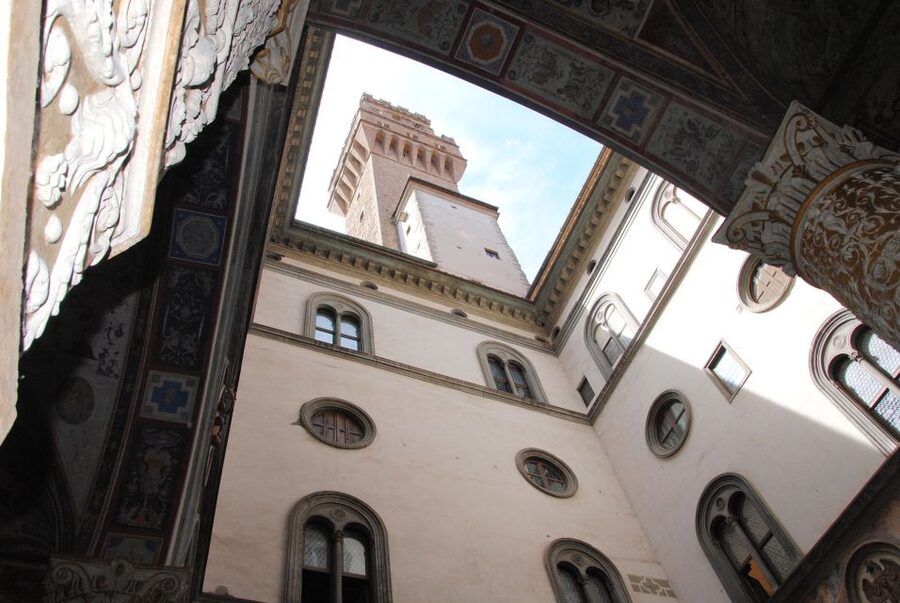
Ninety minutes is long enough for a serious introduction, but not enough for every corner of Palazzo Vecchio. That is a fair trade for most people visiting Florence with a full sightseeing schedule.
The tour moves at a purposeful pace. You should have time to look around, take photographs, and ask questions, but this is not an open-ended afternoon inside the building. One guide was praised for adjusting to a visitor’s pace and allowing time for photos. Another guide extended the visit by about 30 minutes, but you should treat that as a personal choice rather than a promised part of the tour.
The stairs matter. You will encounter many vertical steps inside the palace, so wear comfortable shoes and be realistic about your energy. The activity is listed as wheelchair accessible, but the historic interior still includes stairs and changing movement through the rooms. If mobility is a major concern, confirm the current route before booking.
Backpacks and large bags must go to the cloakroom. Do not arrive expecting to carry a full day bag through the palace. A small, light bag will make the visit easier, though the specific restriction on backpacks remains important.
Languages, groups, and guide style
Tours are offered in Italian, English, Spanish, and French. Private groups are also available, which may suit families or friends who want a more personal pace.
The regular small-group format is the better value for many visitors. A smaller group means less time waiting for people to catch up and a better chance of hearing the guide in the larger rooms. A few bookings have also ended up feeling almost private when only two or three people attended.
The guides receive the strongest praise for three qualities: clear explanations, humor, and patience. That combination matters in Palazzo Vecchio. A guide who only recites facts can make even magnificent frescoes feel remote. The best guides use stories and modern comparisons to keep the palace connected to your experience.
Families can do well here, too. One guide, Rossella, was especially praised for keeping children interested with an engaging introduction. The subject is serious, but the presentation does not need to be stiff.
Is $52 a fair price?
At $52 per person, this is not the cheapest way to enter Palazzo Vecchio. The value depends on how much you want from the visit.
If you only want to see the rooms and take photographs, a standard admission may be enough. If you want to understand the Medici connection, the meaning of the frescoes, and the relationship between civic government and palace life, the guided format earns its price.
The ticket, guide, small-group setting, and skip-the-line entry are included. You are paying partly for access, but mainly for interpretation. A strong guide can save you from spending an hour looking at magnificent rooms without knowing what made them important.
The separate tower ticket is worth noting. This experience does not include the tower, so you will need another ticket if climbing it is part of your plan. Do not assume the palace tour covers every part of the complex.
Free cancellation up to 24 hours before the start gives you some flexibility, and you can reserve now and pay later. Those terms are helpful when you are arranging several Florence activities around weather, museum hours, and train schedules.
Who will enjoy this tour most?
I would choose this tour if you want the palace to make sense, not just look impressive. It suits first-time visitors, art and history fans, and anyone curious about the Medici family.
It is also a good fit if you have limited time in Florence. Ninety minutes gives you a focused introduction without taking over your whole day.
Families can benefit from the stories and shorter format. A private group may be worth considering if your children need frequent pauses or your party has a particular interest in Renaissance politics.
You might skip the tour if you strongly prefer exploring alone, dislike fixed meeting times, or cannot manage stairs. You should also think twice if the Salone dei Cinquecento must be fully open for your visit, since access can change because of official events.
Should you book Palazzo Vecchio with a guide?
I would book it for the context, the small-group format, and the chance to understand rooms that can otherwise feel crowded with symbols and decoration.
The palace is impressive on its own, but the guided route gives the building a human story. Guides such as Ivan, Francesca, Annette, Sara, and Ivano have been praised for being clear, friendly, and good at bringing the Medici period into focus.
Book early in your planning, arrive well before the meeting time, leave your backpack at the cloakroom, and expect stairs. If you can accept the possibility of viewing the main hall from above, this is a strong use of 90 minutes and $52 in Florence.
FAQ
How long is the Palazzo Vecchio guided tour?
The guided tour lasts 1.5 hours, or 90 minutes.
What is included in the price?
The price includes a certified tour guide, entrance to Palazzo Vecchio, and a small-group tour.
Is the tower included?
No. Admission to the tower requires a separate ticket.
Where do I meet the guide?
Meet in Piazza della Signoria, behind the Neptune Fountain. Look near the small public fountain and the bronze statue of the man on horseback, on the left side of Palazzo Vecchio. Look for a sheet or purple flag marked Hidden Experiences.
What happens if I arrive late?
Latecomers are not accepted, so arrive early enough to find the meeting point.
Can I bring a backpack?
Backpacks and large bags must be left at the cloakroom. Backpacks are not allowed inside the tour.
Is the Salone dei Cinquecento guaranteed to be open?
No. Palazzo Vecchio is an active political site, and institutional events can restrict access. You may sometimes only be able to view the hall from the first floor.
What languages are available?
The tour is available in Italian, English, Spanish, and French. Private groups are also available.
Just added around Florence
- Palazzo Vecchio Secret Passages Tour & Lunch or “Gelato”★ 4.3 · 16 reviews
- Palazzo Vecchio Small Group Tour★ 4.9 · 10 reviews
- Palazzo Vecchio: Private Guided Museum Tour & Tower Tickets★ 4.7 · 18 reviews
- Palazzo Vecchio 90-Minute Morning Guided Tour★ 4.7 · 104 reviews
- Florence: Palazzo Vecchio Museum★ 4.6 · 56 reviews
- Guided tour of Palazzo Pitti: Botticelli, Caravaggio, and Raphael compared★ 5.0 · 2 reviews
- Florence:Palazzo Vecchio Skip-the-line Ticket & Audio Guide★ 4.3 · 95 reviews
- Florence: Pitti Palace Guided Tour With Entry Tickets★ 4.4 · 3 reviews
Palazzo Vecchio and Pitti Palace Tours, compared.
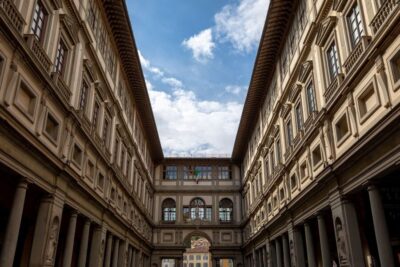
Uffizi, Pitti Palace & Boboli Combined 5-Day Pass
Read our review →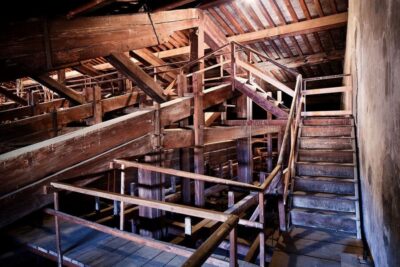
Palazzo Vecchio: Skip-the-Line Entry and Secret Passage Tour
Read our review →
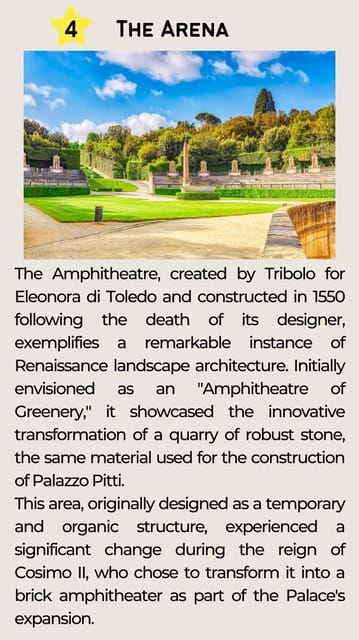

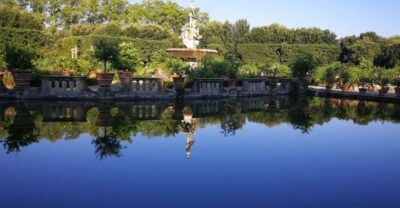
Pitti Palace, Boboli Garden, Palatine Gallery Tour
Read our review →Browse the lists this tour appears in