
REVIEW · KATHMANDU, NEPAL
Narayanhiti Palace Museum Tour (Former Royal Palace of Nepal)
The palace keeps its secrets in plain sight. Narayanhiti Palace Museum gives you a close look at Nepal’s former royal home, from formal reception rooms to the site of the 2001 royal massacre. I like the small-group format and the guide’s help in making sense of a large, solemn building. I also like the included hotel pickup and drop-off, though the $80 price is high if you mainly want to walk through the rooms without much explanation.
This is not a light sightseeing stop. You will see elegant interiors, royal objects, and carefully labeled rooms alongside a painful chapter in Nepal’s modern past. The visit lasts about three hours, and the tone is best suited to anyone who wants context, not just palace photographs.
Key points to know before you book
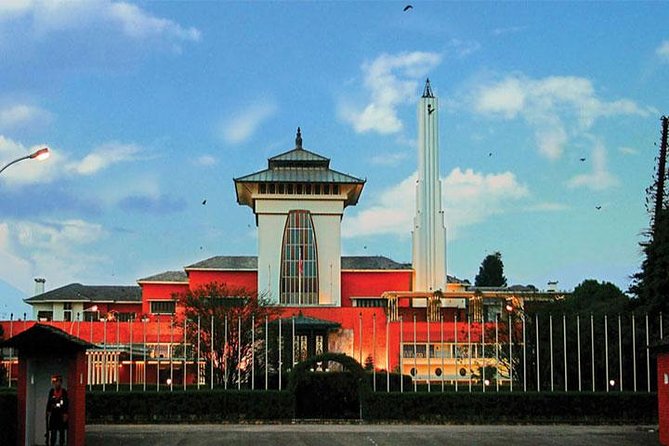
- The palace has 52 named rooms: Each room, or sadan, is named after one of Nepal’s 75 districts.
- Three palace sections shape the visit: You see the guest wing, state wing, and private wing, each serving a different royal purpose.
- The 2001 massacre is part of the experience: The subject is treated as history, but the setting can feel upsetting.
- The throne room is called Gorkha Baithak: This was the ceremonial heart of the palace.
- Kaski Sadan shows royal government at work: Monarchs received politicians there and oversaw formal oath ceremonies.
- Hotel transfers are included: The tour begins at your hotel in Kathmandu and ends back at the meeting point.
Why Narayanhiti Palace matters
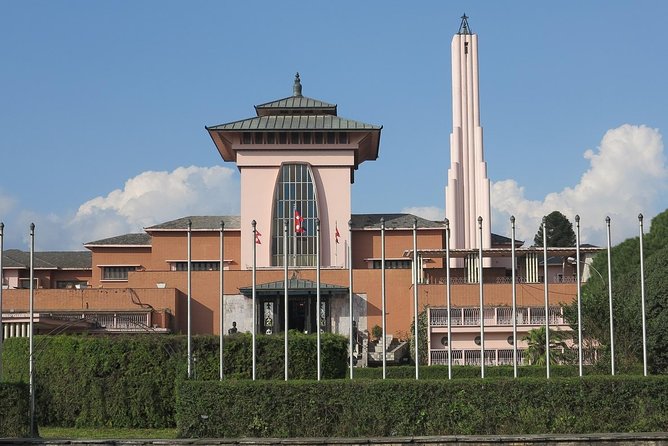
Narayanhiti was once a private royal estate and later became the main home of Nepal’s Shah monarchs. The building is not simply a grand residence. It also served as a stage for government, ceremonies, formal audiences, and the public image of the monarchy.
That mix is what makes the museum worthwhile. You are not only looking at furniture and decorated rooms. You are seeing how Nepal’s royal family presented power, received officials, and organized private life behind palace walls.
The story moves from the long rule of Nepal’s kings to the monarchy’s final removal in 2008. The 2001 massacre sits at the center of the modern story. Members of the royal family were killed at the palace, and the event changed Nepal’s political future. A visit here asks you to hold two ideas at once: the palace is visually impressive, and its most important rooms are tied to grief and national upheaval.
I would not choose this as a casual stop between shopping and lunch. The museum deserves a slower pace and a willingness to listen.
More Royal Palace Tours in the world:
- Madrid: Royal Palace Fast-Access Admission Ticket
★ 4.6 · 13,856 reviews - Madrid: Royal Palace Expert Guided Tour with Skip-the-Line
★ 4.7 · 8,407 reviews - Amsterdam: Royal Palace Entry Ticket + Audio guide
★ 4.6 · 7,889 reviews
Getting there with the included hotel pickup
A professional guide meets you at your Kathmandu hotel and takes you to the museum. That sounds like a small perk, but it has real value in a city where finding the correct entrance and arriving at the right time can be tiring.
The listed start time is 10:15 a.m. The museum opens at 11 a.m., from February through October, and closes at 4 p.m. During November through January, it closes earlier, at 3 p.m. Because the listed departure is before opening, confirm the exact pickup and entry timing when you book. The ticket redemption point is the museum’s North Gate on North Gate Road in Kathmandu.
The transfer also keeps the outing tidy. You do not have to arrange a taxi for the start and then find another ride back. At the end, the activity returns to the meeting point, with hotel drop-off included.
The group information needs a little care. The tour is described as a small group of no more than 15, while the additional booking information says the activity will have a maximum of two travelers. That is a meaningful difference. Ask for clarification if the size of the group matters to you, especially if you are paying for a quieter private-style visit.
Three wings and 52 named rooms
Inside, Narayanhiti is divided into three broad sections: the guest wing, state wing, and private wing. This division helps you understand how the palace worked.
The guest wing points to the public face of royal life. Formal visitors, officials, and dignitaries needed rooms that projected order and status. The state wing connects the building to ceremonies and government. The private wing gives a sense of the royal household away from official functions.
The palace contains 52 rooms, known as sadan. Each takes its name from one of Nepal’s 75 districts. This naming system gives the building a national reach. The palace was in Kathmandu, but its rooms symbolically connected the monarchy to the whole country.
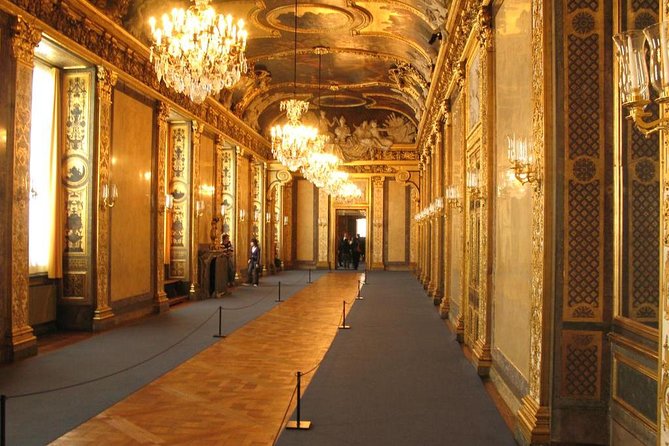
You will see interiors influenced by late Victorian design. Expect decorated rooms with a formal, old-fashioned feel rather than a stripped-down modern museum. The rooms are nicely presented, and signage helps explain what you are seeing. That matters because a palace can otherwise become a parade of furniture, curtains, and polished floors with no clear story.
Do not rush from room to room. Pause over the labels and let the guide connect the objects to royal custom. Without that help, you may notice the decoration but miss why a particular hall mattered.
Kaski Sadan and the public face of the monarchy
Kaski Sadan is the reception hall where Nepal’s Shah monarchs gave audiences to politicians. It was also used for oath ceremonies involving prime ministers and heads of constitutional bodies during the kingdom.
This room helps explain the palace’s political role better than a general description can. It was a working ceremonial space, not only a lavish sitting room. Here, the monarchy met the people who helped run the state and gave public weight to official appointments.
For you, the value is in seeing the setting where authority was displayed. A room used for formal audiences tells a different story from a private bedroom or family area. It shows how the royal institution wanted to be seen: composed, official, and tied to the machinery of government.
Your guide’s explanation is especially useful here. The room’s purpose is not always obvious from its decoration, and the political context gives the visit a clear thread.
More Museum Visits in the world:
- Venice’s Best: Basilica, Doge’s Palace, Gondola & History Gallery
★ 4.5 · 2,478 reviews - Royal Palace & Prado Museum Skip the Line Guided Tour
★ 4.5 · 1,347 reviews - Venice: City Pass with Museums including Doge’s Palace
★ 4.1 · 1,020 reviews - The Hague: Escher in The Palace Museum Ticket
★ 4.6 · 896 reviews
Gorkha Baithak, the throne room
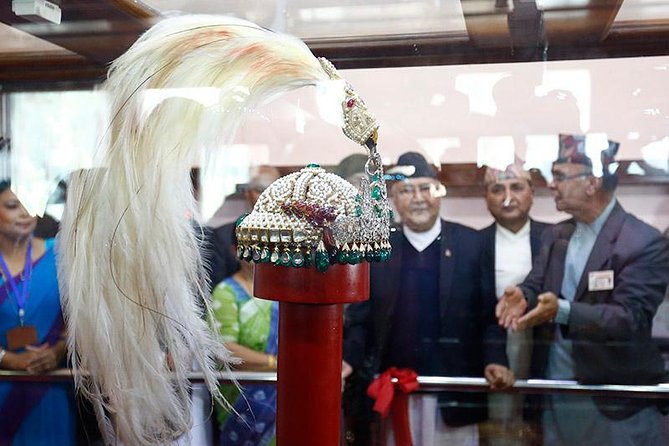
The throne room, called Gorkha Baithak, is the ceremonial center of the palace. This is one of the main highlights of the visit, especially if you want to understand how royal power was staged.
A throne room can feel theatrical, and that is part of the point. The setting was designed for ceremony, presence, and hierarchy. It gave the monarch a central place and made official occasions feel larger than ordinary life.
The guide can help you read the room as a political space rather than simply a grand interior. Look at how the room is arranged and consider who stood where, who approached the monarch, and how ceremony reinforced rank. The supplied tour details do not provide a full account of every object in the room, so you should treat the guide’s explanation as the main way to connect the setting to Nepal’s royal system.
This is also a good place to slow the pace. Three hours is enough for a meaningful visit, but only if you do not hurry through the ceremonial rooms.
The 2001 massacre and the palace’s most difficult rooms
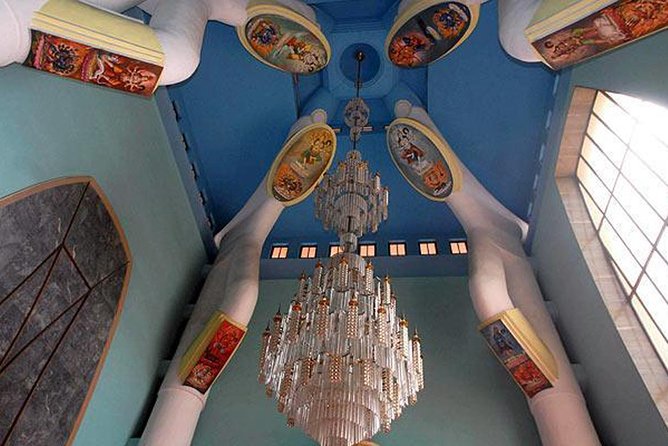
The most emotionally demanding part of Narayanhiti is the connection to the 2001 massacre of the royal family. The event remains central to the palace’s identity as a museum and to Nepal’s modern political story.
You may find the site deeply sad. The physical setting can feel stark because the building’s beauty sits beside such a violent event. One personal account described the visit as inspiring and educational while also feeling very sad at the tragedy spot. That contrast is exactly what you should expect.
The museum does not let you separate royal decoration from royal vulnerability. A polished hall may sit within the same larger story as the family’s final hours. If you prefer cheerful sightseeing, this may not be the right stop. If you want to understand why Nepal’s monarchy ended, it is difficult to avoid.
The monarchy was finally removed in 2008. Seeing the palace after learning about the massacre and the political changes that followed gives the visit a strong chronological shape: royal rule, catastrophe, political transition, and the end of the institution.
I would allow yourself time after the visit before scheduling something demanding. The subject is not a quick anecdote. It can stay with you.
Royal objects, signage, and the back lot
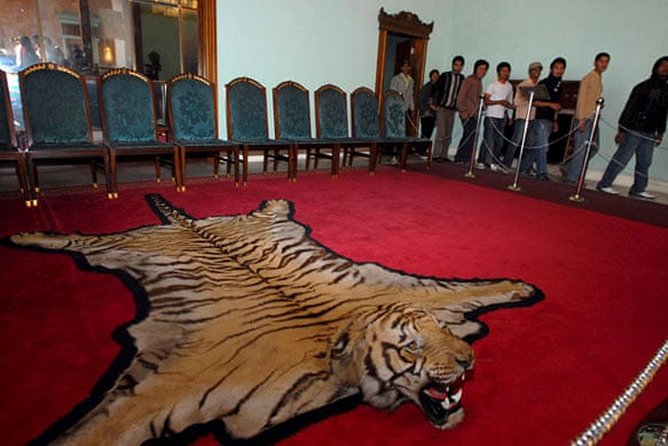
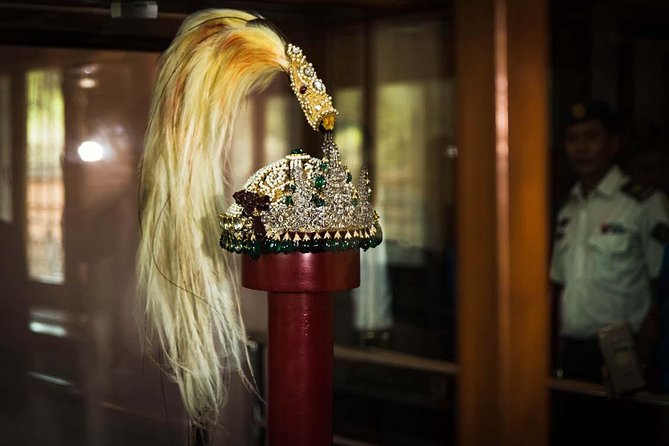
The palace rooms contain historical artifacts and decorative details that reward patient looking. Signage helps you understand the purpose of each area, which is useful when the building’s scale starts to blur together.
There is also a back lot with a collection of royal cars. This is an easy feature to overlook if you focus only on the main palace rooms, but it adds a practical and personal side to the royal story. Cars show how the monarchy moved through the modern world, while the formal rooms show how it performed tradition and authority.
The car collection also gives the visit some variety. After several reception spaces and ceremonial rooms, the vehicles provide a change of subject. If your interest is mainly architecture, you may find this section less important. If you want a fuller picture of royal life, it is worth including.
Security procedures are part of the visit, so you should expect to follow the museum’s rules before entering. The supplied information does not spell out every restriction, so pack lightly and be ready for instructions at the entrance.
Is $80 a fair price?
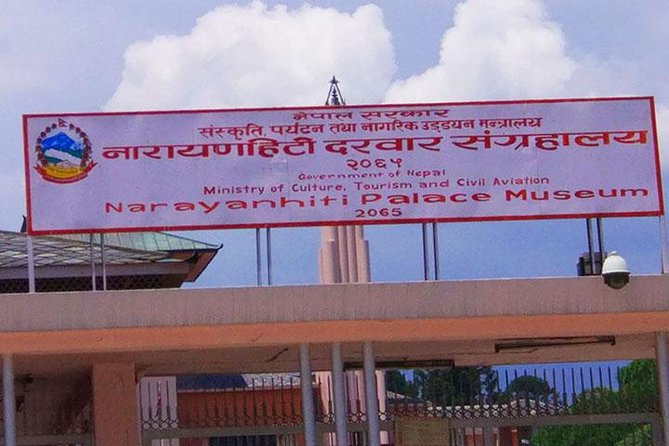
At $80 per person, this is not a budget museum visit. The admission ticket, professional guide, hotel pickup, and hotel drop-off are included, but lunch and alcoholic drinks are not.
I see the price as reasonable only if you value the explanation and transport. The palace is large, its rooms have specific political functions, and the story moves across several periods. A guide can turn disconnected rooms into a clear account of royal life and the monarchy’s fall.
If you are comfortable arranging your own transport and reading the signs at your own pace, you may prefer a less expensive independent visit. The tour’s value comes from convenience and interpretation, not from an unusually long itinerary. You spend about three hours at one site.
The small-group design helps protect the value. A group of 15 allows questions without creating a crowd around every room. If the maximum of two listed in the additional information is accurate for your booking, the experience could feel even more personal. Confirm that point before paying.
Who will enjoy this three-hour visit?
I would recommend Narayanhiti Palace Museum to you if you enjoy political history, royal architecture, museums, or difficult modern stories. It is also a good fit if you want a structured introduction to Nepal’s monarchy rather than a quick look at an old palace.
Families can participate because the minimum age is five. Still, the massacre may be hard for young children to understand. I would use your judgment and explain ahead of time that this is a museum about both royal life and a violent event.
The tour suits visitors who want door-to-door convenience. Pickup removes some of the day’s small transport decisions, and the return transfer makes it easy to plan around the rest of your Kathmandu schedule.
I would hesitate to recommend it to you if you want lively entertainment, open wandering, or a cheerful cultural activity. The subject is serious, and the strongest part of the visit is the historical explanation.
Practical details that can shape your visit
Book ahead if your Kathmandu dates are fixed. The experience averages about 40 days of advance booking, which suggests that waiting until the last minute may limit your options.
The tour begins at 10:15 a.m., with the museum’s seasonal opening hours worth checking carefully. From February through October, it is open from 11 a.m. to 4 p.m. From November through January, it is open from 11 a.m. to 3 p.m.
Free cancellation is available if you cancel at least 24 hours before the start time. Cancellations made within 24 hours are not refunded, and late changes are not accepted. Those cutoffs use Kathmandu local time.
Confirmation arrives at booking. Admission is included, but food is not, so plan your meal separately. Alcoholic drinks are available to purchase, though they are not part of the tour.
Should you book Narayanhiti Palace Museum?
Book this tour if you want the former royal palace explained, not merely photographed. The combination of Kaski Sadan, Gorkha Baithak, the 52 named rooms, royal cars, and the 2001 massacre creates a serious but worthwhile three-hour visit.
I especially like it for a first visit to Kathmandu when you want historical footing for Nepal’s recent political change. The guide and transfers add real convenience, though the $80 price requires you to care about those benefits.
Skip it if your schedule is tight, your budget is limited, or you would rather spend your sightseeing time outdoors. If you do book, confirm the group size and pickup timing, then arrive ready for a museum that is beautiful, formal, and at times painful.
FAQ
How long does the Narayanhiti Palace Museum tour last?
The tour lasts approximately three hours, including the visit to the palace museum.
What time does the tour start?
The listed start time is 10:15 a.m.
Is hotel pickup included?
Yes. A professional guide meets you at your hotel, and hotel drop-off is also included.
What is included in the $80 price?
The price includes the small-group tour, admission ticket, professional guide, hotel pickup, and hotel drop-off.
Are meals included?
No. Lunch is not included. Alcoholic drinks are available to purchase but are not included.
What are the museum’s opening hours?
From February through October, the museum is open from 11 a.m. to 4 p.m. From November through January, it is open from 11 a.m. to 3 p.m.
Can children join the tour?
Yes. The minimum age is five years, and most people can participate.
Just added around the world
- Wine Tasting near Royal Palace of Turin★ 4.5 · 24 reviews
- Reggia di Venaria and Stupinigi Hunting Palace★ 5.0 · 5 reviews
- Stupinigi Hunting Palace & Sacra di San Michele★ 4.5 · 13 reviews
- Royal Palace and Sacra di San Michele★ 4.0 · 9 reviews
- Turin Royal Palace Private Guided Tour with Skip-the-Line Entry★ 5.0 · 5 reviews
- Private Turin Royal Palace Tour with Holy Shroud Chapel★ 4.5 · 73 reviews
- Turin: Royal Palace Guided Tour★ 5.0 · 4 reviews
- Skip-the-Line Ticket and Guided Royal Palace of Turin Group Tour★ 4.5 · 10 reviews
Royal Palace Tours, compared.
Royal Palace Expert Guided Tour with Skip-the-Line
Read our review →
Dubai To Abu Dhabi: Grand Mosque, Royal Palace & Etihad Towers
Read our review →
Madrid Essential: Historic Center, Plaza Mayor & Royal Palace
Read our review →
Abu Dhabi Day-Trip Grand Mosque, Royal Palace & Lunch
Read our review →
Browse the lists this tour appears in