
REVIEW · CHINA
Hong Kong Palace Museum Ticket
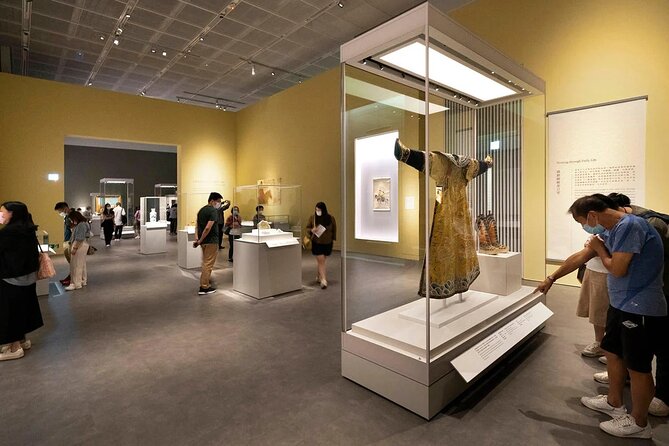
Step into China’s imperial past. I like the timed entry because it should make the museum feel calmer, and I like the chance to see Palace Museum treasures in Hong Kong, including ceramics, paintings, calligraphy, and court objects. The modern building also gives you Victoria Harbour views, adding a welcome change of scene between galleries.
The main catch is that this ticket covers Galleries 1 through 7 only. Galleries 8 and 9 require a separate special-exhibition ticket, and the booking is non-refundable if you miss your selected time or simply change your plans.
Key points to know before you book
- Seven galleries included: Your ticket covers Galleries 1 through 7, with exhibitions about more than 5,000 years of Chinese art and culture.
- Timed admission: You must arrive for the date and time selected, with valid photo identification.
- Imperial treasures: Expect Ming and Qing ceramics, calligraphy, paintings, and objects from the Palace Museum in Beijing.
- Two highlighted exhibitions: Clay to Treasure focuses on porcelain, while From Dawn to Dusk looks at life inside the Forbidden City.
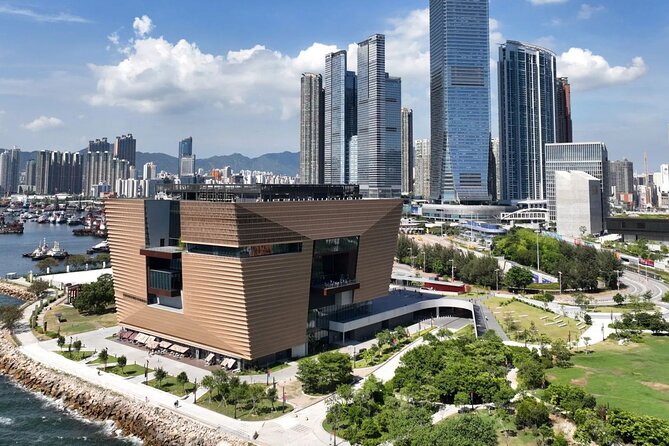
- West Kowloon location: The museum sits at the western tip of the West Kowloon Cultural District, near public transportation.
- Special exhibitions excluded: Galleries 8 and 9 are not included, so check what you want to see before buying.
What the Hong Kong Palace Museum ticket really gives you
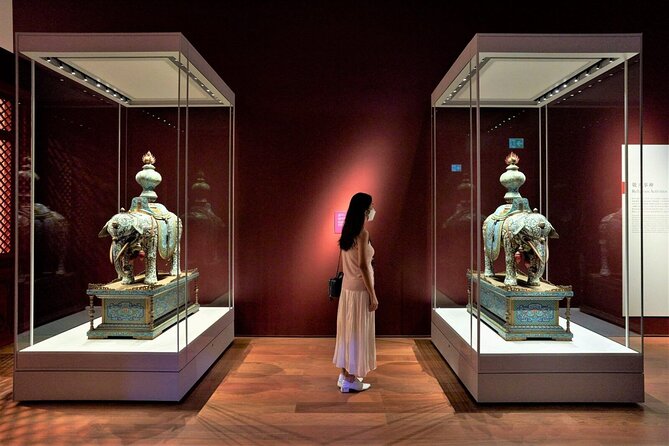
This is a museum admission ticket, not a guided tour. That distinction matters. You receive entry to the main exhibition areas, but you are responsible for getting to the museum, choosing your own pace, and deciding how much time to spend with each display.
The advertised duration is approximately seven to eight hours. That is a generous window for a museum visit, and you do not need to spend every minute inside the galleries. You can treat the ticket as a full cultural day in West Kowloon, with time for the museum, the surrounding district, harbour views, food, and a slower afternoon.
At $15.95 per person, the price looks reasonable for access to seven galleries containing major Chinese art and imperial objects. The value is strongest if you enjoy museums and plan to spend several hours looking closely rather than making a quick visit for photographs.
If your Hong Kong schedule is packed, the ticket may be less useful. You are paying for access to a large cultural collection, not a short highlights tour with a guide pointing out the famous pieces. I would set aside at least several hours if you want the price to feel worthwhile.
More Museum Visits in China:
- Beijing:Jingshan Park (Palace Museum Garden) Ticket
★ 4.5 · 185 reviews - Beijing: JingShan park (palace museum garden) entry ticket
★ 4.7 · 18 reviews - Beijing: Palace Museum (The Forbidden City) Entry Ticket
★ 3.9 · 16 reviews
Finding the museum in West Kowloon
The Hong Kong Palace Museum is at the western end of the West Kowloon Cultural District and is near public transportation. Pickup and drop-off from your hotel, home, or another location are not included, so you need to make your own way there.
That arrangement keeps the ticket simple and usually suits independent visitors. You can combine the museum with other stops in West Kowloon instead of following a fixed tour route. It also means you should allow time for the journey and avoid cutting arrival too close to your entry slot.
The building itself is part of the appeal. Its design takes inspiration from Beijing’s Forbidden City, but it presents that idea in a modern Hong Kong setting. The result gives you a sense of place before you even reach the art.
Panoramic views of Victoria Harbour offer a useful pause from the displays. Museum fatigue is real, especially when you are studying objects behind glass for hours. A harbour view can help you reset before continuing to another gallery.
Galleries 1 through 7 and the main collection
The ticket includes Galleries 1 through 7. Together, these spaces present thematic exhibitions covering more than 5,000 years of Chinese art and culture.
The thematic layout should help you understand the objects as part of wider traditions instead of seeing one unrelated display after another. You may find ceramics, paintings, calligraphy, and other artifacts arranged around particular periods, ideas, or aspects of Chinese life.
The connection with Beijing’s Palace Museum is especially important. Several hundred treasures from that collection are shown in Hong Kong, and some are being presented to the public for the first time. That gives the museum more weight than a standard overview of Chinese art.
I would pay close attention to the labels and exhibition themes rather than rushing from one famous-looking object to the next. A small ceramic piece can tell you about technology, taste, trade, and court life. A work of calligraphy can reveal how art and writing were treated as one discipline.
You should also expect variety. Ceramics appeal to visitors who enjoy fine detail and craftsmanship. Paintings reward patience, especially when you take time to look at composition and brushwork. Court artifacts provide a more direct link to the people, rules, and ceremonies of imperial life.
Because the admission does not include a personal guide, you may want to read the introductory material at the start of each gallery. This gives you a framework for the objects ahead and makes the visit easier to follow.
Clay to Treasure: a close look at Chinese porcelain
Clay to Treasure is one of the clearest highlights for anyone interested in ceramics. The exhibition focuses on exquisite porcelain pieces, showing how ordinary clay could become an object of great beauty and value.
Porcelain is easy to admire only as decoration, but the subject has more to offer. Look for the shape, surface, painted details, and evidence of careful firing. These small features help you see why certain pieces became prized in imperial settings.
This section may suit you especially well if you like craft, design, or close visual study. It also works for first-time museum visitors because the basic idea is easy to grasp: material, technique, and artistic skill come together in one object.
Families can use this gallery as a simple way to talk about how objects are made. Children may respond better to the transformation from clay to finished treasure than to long discussions of dynasties and court customs.
Do not judge the display by size. Some of the most interesting objects may be compact. Give yourself time to look at the details rather than assuming the largest piece is the most important one.
A few more palace visits around China worth a look
- Beijing: The Temple of Heaven or Summer Palace Entry Ticket
★ 4.6 · 1,286 reviews - Beijing: Mutianyu Great Wall & Summer Palace Day Tour
★ 4.8 · 1,004 reviews - Mutianyu Great Wall&Summer Palace Excursion:Group/Private Options
★ 5.0 · 816 reviews - Beijing: Summer Palace Entry Ticket and Optional Guided Tour
★ 4.7 · 810 reviews
From Dawn to Dusk and life inside the Forbidden City
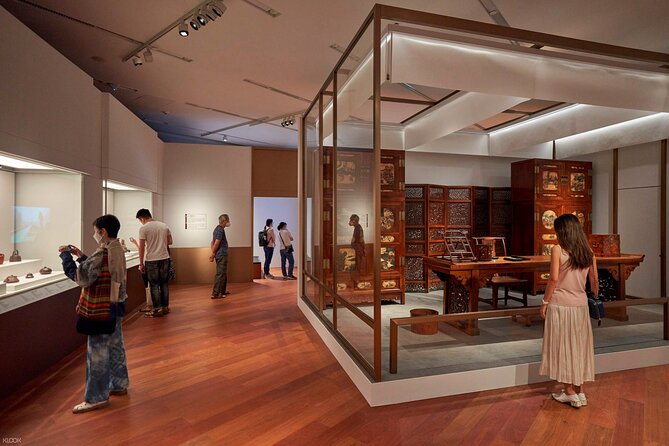
From Dawn to Dusk shifts attention from objects to daily life in the Forbidden City. The exhibition offers insight into how time passed within the imperial compound, from morning routines through the end of the day.
That theme gives the museum a more human side. Imperial palaces can seem distant when you see only grand objects and formal portraits. A look at daily schedules, customs, and routines helps you picture the people who lived and worked within those walls.
This section is a good choice if you want more than a lesson in art styles. It can help you connect the objects to meals, ceremonies, work, private life, and the strict structure of court society.
I would allow extra time here if social history interests you. The exhibition may be especially useful for families and first-time visitors because it turns an enormous palace complex into a story about how people spent a day.
Together, Clay to Treasure and From Dawn to Dusk provide a helpful balance. One concentrates on material skill and porcelain, while the other gives you a window into palace life. The museum is at its best when you move between those two kinds of understanding.
Why the timed entry matters
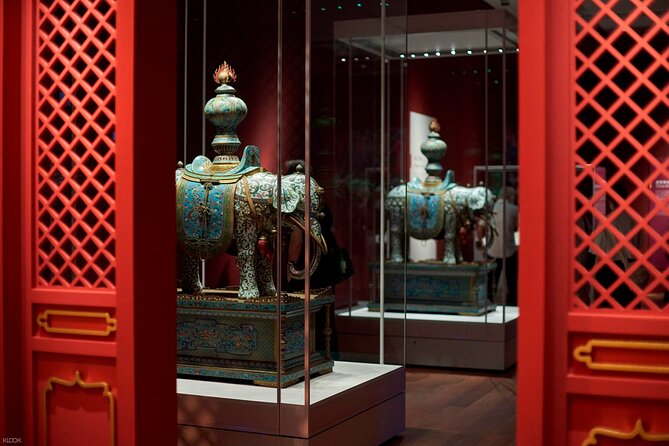
Timed admission is one of the strongest practical features of this ticket. A scheduled entry time helps control the number of people arriving at once, which can make it easier to look at objects without being pushed along by a crowd.
The museum has been praised for its calm, peaceful atmosphere, and that is exactly the setting you want for fine art. Quiet galleries allow you to linger over a piece, read the text, and return to an object without fighting for a clear view.
Still, timed entry is also a firm obligation. Your ticket is valid only for the date and time selected. If you fail to arrive on time, the booking is treated as a no-show, with no rescheduling or refund.
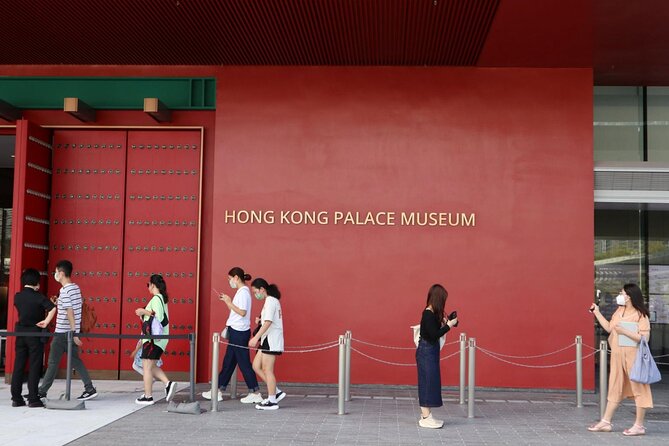
Plan your route before the day. Leave room for public transportation, finding the entrance, and showing your identification. You will need a valid photo ID or passport at the entrance, so keep it easy to reach.
The electronic ticket is sent by email by one day before the visit. You do not need to print it. Showing the ticket on your smartphone is accepted, though I would make sure your phone is charged before leaving.
Is seven to eight hours too long?
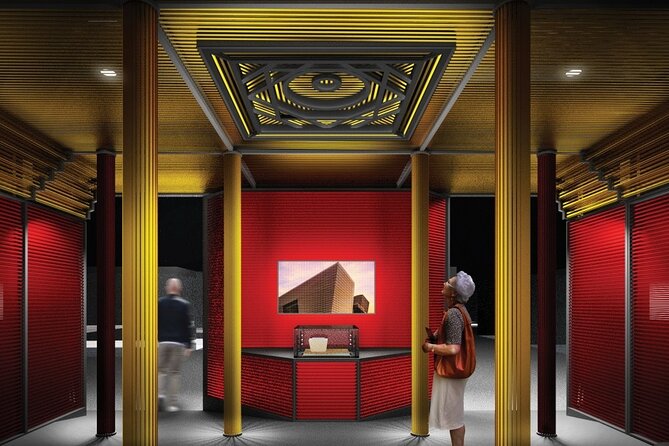
For most people, seven to eight hours is longer than the time needed to view the included galleries in one continuous stretch. That is not a problem, as long as you understand the duration as an approximate visit window rather than a required schedule.
I would plan the day in sections. Start with the main galleries while your attention is fresh. Take a break for food or a harbour view, then return for the displays that deserve more time.
The museum does not include food, drinks, or shopping in the ticket price. You should budget separately for those needs. The lack of included refreshments is normal for an admission ticket, but it matters if you expect a full day away from your hotel.
A long visit works best for people who read labels, compare objects, and enjoy quiet observation. If you prefer to see a museum quickly, you can still use the ticket, but the seven to eight hour estimate should not pressure you into staying all day.
Galleries 8 and 9 are not part of this ticket
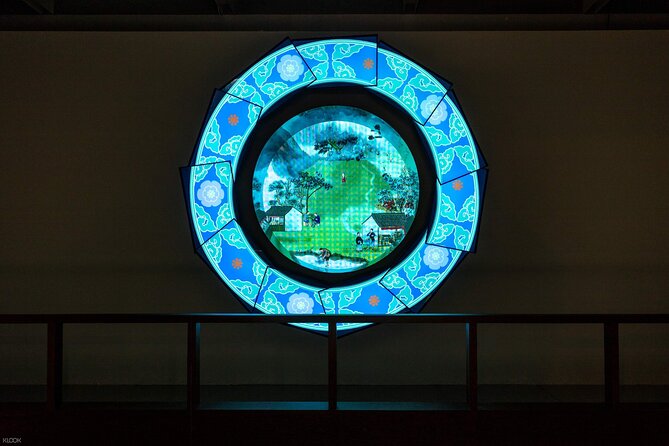
The museum contains nine galleries in total, but this admission covers Galleries 1 through 7. Special exhibitions in Galleries 8 and 9 are excluded.
This is the most important detail to check before purchase. If a temporary exhibition is the main reason you want to visit, this ticket may not meet your needs. You would need to investigate separate admission for those galleries.
For a broad introduction to Chinese art and culture, Galleries 1 through 7 provide plenty to see. For a particular special exhibition, confirm the gallery number and ticket requirements first so you are not surprised at the entrance.
Who will get the most from this visit?
I would recommend this ticket to several kinds of visitors:
- First-time Hong Kong visitors who want a major cultural stop without arranging a guided tour.
- Art and history enthusiasts who enjoy ceramics, paintings, calligraphy, and imperial objects.
- Families looking for an indoor activity with a calm setting and varied subjects.
- Independent visitors who prefer to set their own pace and combine the museum with West Kowloon.
- Photography and architecture fans who appreciate the modern building and Victoria Harbour views.
It may be less suitable if you want transport, a guide, meals, or a tightly organized sightseeing program. It is also not ideal if you are likely to miss a fixed entry time, since the no-show terms are strict.
The peaceful atmosphere is a real benefit for anyone who dislikes crowded cultural sites. You can take your time with the displays instead of treating the museum like a checklist.
Practical details that can save you trouble
Bring the same valid photo ID or passport connected with your booking. You must show identity proof at the entrance, and a phone-only plan is not enough if you leave your identification behind.
Keep the electronic ticket available on your phone. It should arrive by email no later than one day before the selected date, and printing is not required.
Children must remain with an adult throughout the visit for safety. That makes the ticket suitable for families, but it also means you should plan the pace around the youngest person in your group.
The experience requires good weather. If poor weather causes cancellation, you will be offered a different date or a full refund. For ordinary changes of mind, cancellations or amendments are not refundable.
The provider is Royal Smart Tourism. Since this is admission only, do not expect hotel pickup, a tour leader, or included food and drinks.
Should you book the Hong Kong Palace Museum ticket?
Book it if you want a quiet, self-guided look at Chinese art and imperial culture, especially if porcelain, calligraphy, paintings, and palace life interest you. The $15.95 price is fair for seven galleries and several hundred Palace Museum treasures, provided you give the visit enough time.
I would be particularly comfortable recommending it to families, first-time Hong Kong visitors, and anyone who prefers a peaceful museum over a crowded attraction. Check the exclusion of Galleries 8 and 9, choose your time carefully, and bring your passport or photo ID.
Skip it if you need a guided tour, transport, or flexible cancellation. For everyone else, this is a thoughtful West Kowloon stop with serious cultural value and a pleasant harbour-side setting.
FAQ
What does the Hong Kong Palace Museum ticket include?
It includes general admission with timed entry to Galleries 1 through 7 at the Hong Kong Palace Museum.
Are Galleries 8 and 9 included?
No. Special exhibitions in Galleries 8 and 9 are not included with this ticket.
How much does the ticket cost?
The listed price is $15.95 per person.
How long does the experience take?
The approximate duration is seven to eight hours, although you can decide how long to spend viewing the included galleries.
Do I need to bring identification?
Yes. You must bring a valid photo ID or passport and show it at the entrance.
Can I use an electronic ticket on my phone?
Yes. The electronic ticket is sent by email by one day before the selected visit date, and you can show it on your smartphone without printing it.
Just added around China
- Private Day Tour to Shenyang Imperial Palace, Zhaoling Mausoleum and Fuling Tomb★ 5.0 · 5 reviews
- 4-Hour Private Tour of Pudong with China Art Palace Museum and Shanghai Tower★ 5.0 · 2 reviews
- 4-Hour Private Shenyang Imperial Palace Tour★ 5.0 · 2 reviews
- Private Guided Day Tour Potala Palace and Sera Monastery★ 5.0 · 22 reviews
- Chengdu City Tour of Qingyang Palace, Wuhou Temple and Jinli Street★ 5.0 · 2 reviews
- Summer Palace Walking Tour – Beijing★ 5.0 · 3 reviews
- Half Day Tour of Beijing’s Summer Palace with Guide and Driver★ 5.0 · 8 reviews
- Summer Palace and Temple Of Heaven Private Tour★ 5.0 · 9 reviews
Museums, compared.
Venice’s Best: Basilica, Doge’s Palace, Gondola & History Gallery
Read our review →
Royal Palace & Prado Museum Skip the Line Guided Tour
Read our review →
City Pass with Museums including Doge’s Palace
Read our review →
Knossos Palace and Museum E-Tickets with Audio Guides
Read our review →
Venice Museum Pass & Doge’s Palace Entrance Ticket
Read our review →
Palace, Museum, Madrasa & Medina Highlights Tour
Read our review →
Browse the lists this tour appears in