
REVIEW · BEIJING
Beijing: Prince Kung’s Palace Museum Ticket—Must-See Spot
History wears a human face here. Prince Kung’s Palace Museum gives you grand Qing Dynasty halls, quiet gardens, and a close look at how powerful nobles lived. I like the smaller scale, which makes the palace easier to understand than the enormous Forbidden City, and I like the mix of architecture, rockeries, water features, and courtyards. The main drawback is timing: the palace can become crowded after 11 a.m., and the included PDF guide cannot replace a live guide or audio commentary.
This is a good choice for anyone who wants more than a quick photograph outside a famous building. The former residence of He Shen, an influential minister under Emperor Qianlong, later became the home of Prince Gong. That layered past helps explain why the site is sometimes described as half of Qing Dynasty history.
At $20 per person, the ticket offers solid value if you spend at least two hours exploring carefully. You receive entry and an English PDF guide, but not a live guide or audio guide. I would treat this as a self-guided cultural visit, not a fully escorted tour.
Key points to know before you go
- Plan for at least two hours: The halls, courtyards, gardens, and displays deserve more than a rushed walk-through.
- Go early: The palace becomes much harder to enjoy after 11 a.m., with heavier crowds and less room to pause.
- Expect an easier visit than the Forbidden City: The site is smaller, less tiring, and easier to follow.
- Look beyond the main halls: Pavilions, rockeries, water features, and less obvious corners reward slow exploration.
- Use the English PDF guide: It helps explain what you are seeing when no live guide or audio guide is included.
- Add nearby sights: The walk from Shichahai metro station can take you past scenic streets and the Drum Tower.
Why Prince Kung’s Palace matters in Beijing
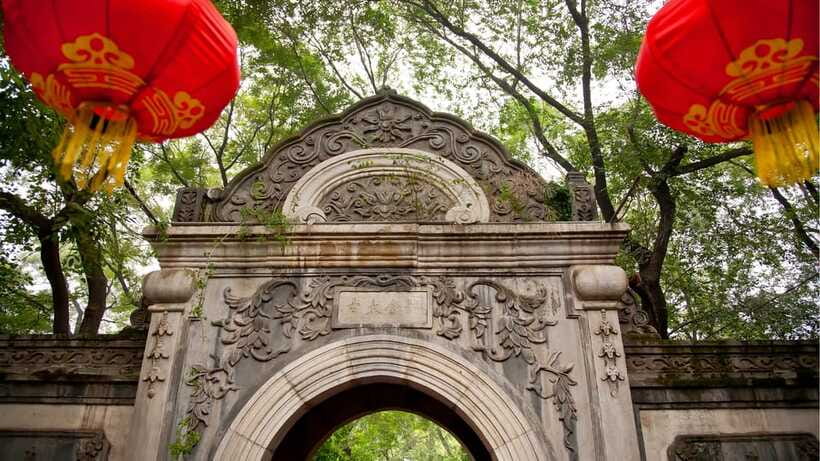
Beijing has no shortage of imperial buildings, but Prince Kung’s Palace offers a different view of Qing power. The Forbidden City presents the formal center of the empire. This palace shows how a prince and a wealthy court official might live away from the emperor’s main residence.
The complex was built in the late 18th century. Its first famous owner was He Shen, a highly influential minister serving Emperor Qianlong. He Shen’s wealth and position shaped the mansion, while its later connection with Prince Gong gave the site its present name.
That change of ownership matters. You are not looking at a single frozen moment from the Qing period. The palace reflects the social world of high-ranking officials, princely families, household life, ceremony, and private retreat. The buildings and gardens help turn political history into something you can see at ground level.
I find that especially useful if you have already visited the Forbidden City. The two sites complement one another. The Forbidden City can feel ceremonial and overwhelming. Prince Kung’s Palace feels more personal, with rooms, courtyards, and garden spaces that are easier to take in as a complete setting.
More Museum Visits in Beijing:
- Beijing:Jingshan Park (Palace Museum Garden) Ticket
★ 4.5 · 185 reviews - Beijing: JingShan park (palace museum garden) entry ticket
★ 4.7 · 18 reviews - Beijing: Palace Museum (The Forbidden City) Entry Ticket
★ 3.9 · 16 reviews
Entering the mansion and getting your bearings
Your visit begins with the Qing palace entry ticket. Skip-the-line access is included, which matters in Beijing, where popular heritage sites can absorb time before you even reach the first courtyard.
Once inside, give yourself a few minutes to understand the layout. The palace is made up of halls, corridors, courtyards, and garden areas rather than one single grand building. A hurried walk can blur these spaces together, so I recommend checking the PDF guide before moving too far into the complex.
The guide is most useful when it points you toward the important halls, garden features, and historical objects. It gives your visit a basic route and helps explain why certain spaces deserve extra attention. Without it, you can still enjoy the architecture, but some of the details may feel disconnected.
There is no live tour guide included. You also do not receive an audio guide, so the experience depends on how much context you bring with you and how closely you use the PDF. If you want a flowing story with questions answered along the way, this may feel a little spare. If you prefer your own pace, it is a real advantage.
Reading the Qing architecture one courtyard at a time
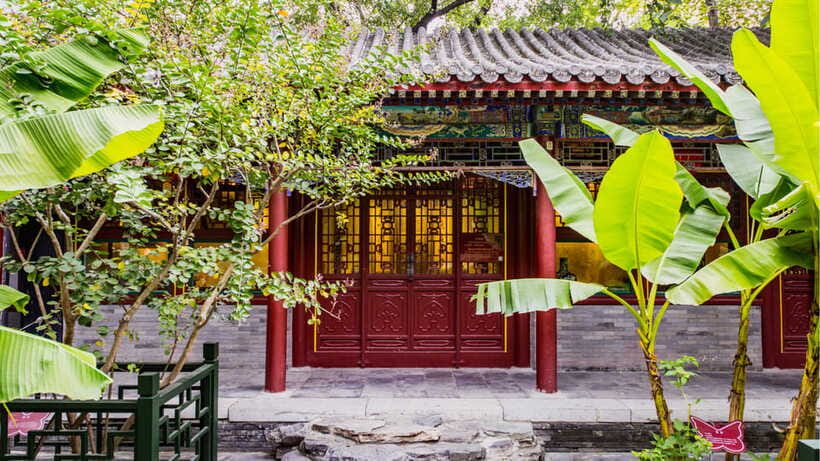
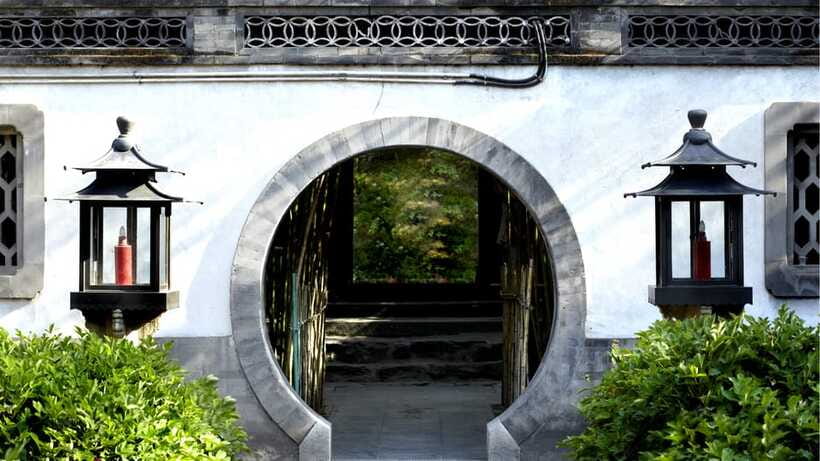
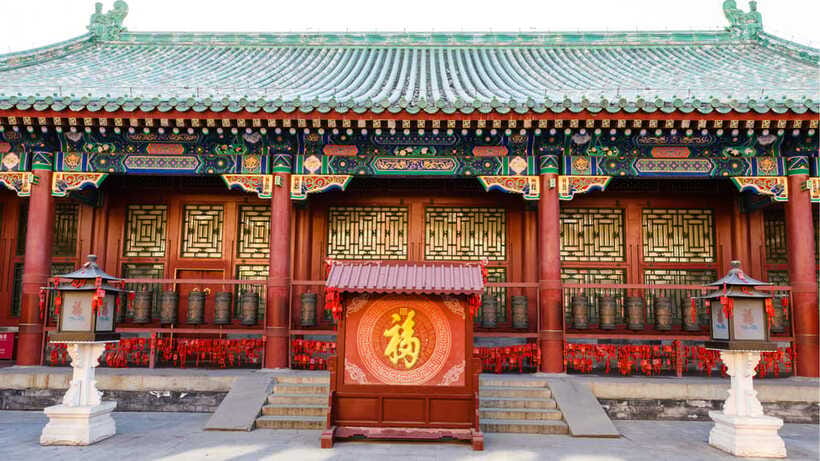
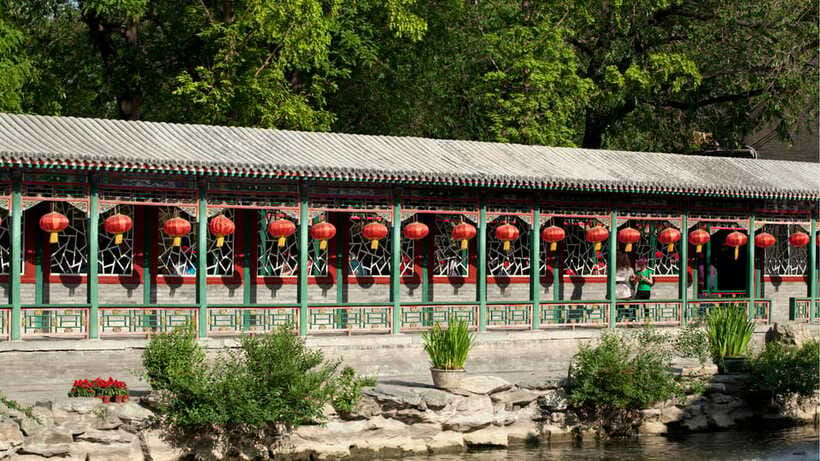
The palace’s appeal comes from variety. You move through formal halls, covered passages, enclosed courtyards, and more relaxed garden areas. Each space has a slightly different mood, which keeps the visit from becoming a long series of identical rooms.
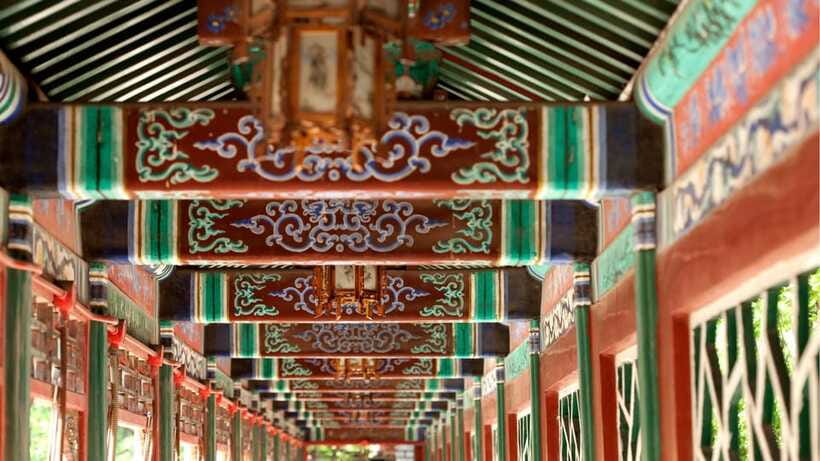
The halls reflect the wealth and rank of the people who lived here. Look closely at the layout and decoration rather than simply moving from doorway to doorway. The architecture expresses order, status, and refined taste. Even if you do not know the name of every building, the arrangement tells you that this was a place built to separate public duties from private life.
Corridors provide a useful change of pace. They frame views into courtyards and gardens, creating small scenes that work well for photography. The design encourages you to look through openings rather than see everything at once. That is one reason the palace feels more intimate than the Forbidden City.
The displays and preserved objects add another layer. They help connect the rooms to Qing customs and elite life. The supplied information does not promise a particular collection or individual artifact, so I would not visit expecting a single famous object. Come for the full setting: buildings, courtyards, decorations, and the story they tell together.
The garden, rockeries, and water features
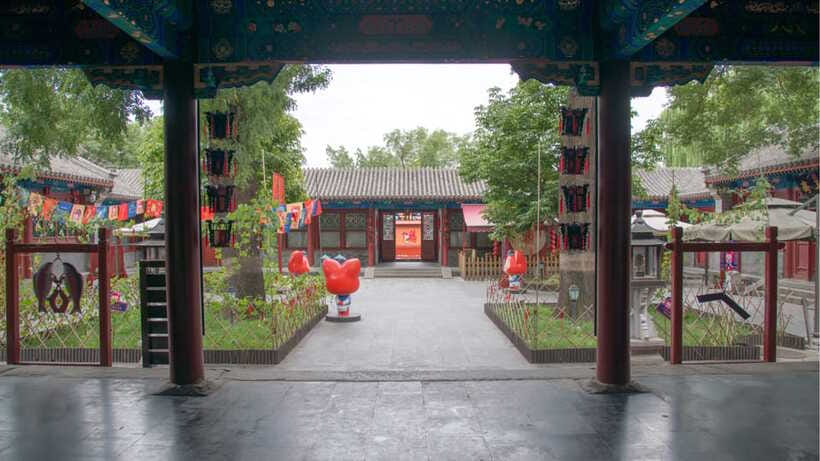
The garden is the part many people remember most. After the formal architecture, it offers a slower and quieter setting, with pavilions, rockeries, and water features shaped according to traditional Chinese feng shui principles.
The rockeries are not just decorative piles of stone. They help create height, enclosure, and changing views within a limited space. From one path, a feature may block your view. From another, it may frame a pavilion or garden corner. Take your time here, especially if photography is one of your reasons for visiting.
Water adds calm to the complex. It also changes the feeling of the palace from official residence to private retreat. This contrast is important. You see the power of the Qing elite in the grand halls, then their taste for controlled nature in the garden.
I would save extra time for this section rather than treating it as something to cross off after the main buildings. The garden is where the palace feels least like a museum route and most like a lived-in estate. It also provides a welcome break if you have already spent the morning in other major Beijing sights.
A few more palace visits around Beijing worth a look
- Beijing: The Temple of Heaven or Summer Palace Entry Ticket
★ 4.6 · 1,286 reviews - Beijing: Mutianyu Great Wall & Summer Palace Day Tour
★ 4.8 · 1,004 reviews - Mutianyu Great Wall&Summer Palace Excursion:Group/Private Options
★ 5.0 · 816 reviews - Beijing: Summer Palace Entry Ticket and Optional Guided Tour
★ 4.7 · 810 reviews
A better alternative to a second exhausting palace visit
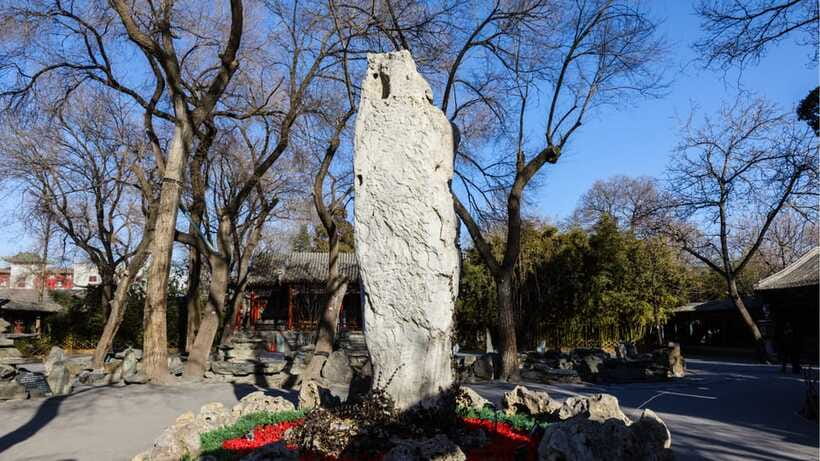
Prince Kung’s Palace works well on a full Beijing sightseeing day because it is substantial without being punishing. One visitor described it as less tiring and easier to navigate than the Forbidden City, even when visiting both on the same trip. That is a fair way to think about it.
The Forbidden City has extraordinary scale, but scale can also be the problem. You may walk a long way, see many formal spaces, and still feel unsure about what mattered most. Prince Kung’s Palace gives you a more contained experience. You can slow down, read the guide, take photographs, and still finish without feeling that the day has disappeared.
That does not mean the palace is a substitute for the Forbidden City. It lacks the same imperial centrality and vast ceremonial reach. Instead, it offers a closer look at elite domestic life and the social world around the Qing court.
I would pair the two sites if your schedule allows. Visit the Forbidden City for imperial power and national scale. Visit Prince Kung’s Palace for courtyards, gardens, personal spaces, and a more manageable rhythm.
How to reach the palace and extend the walk
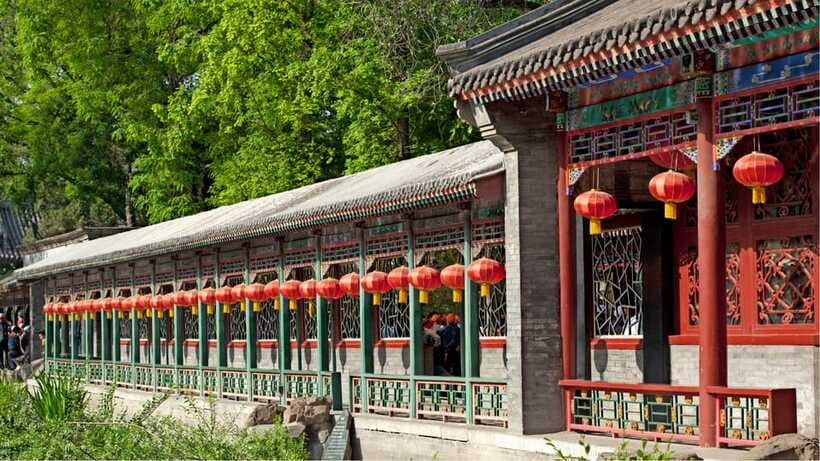
The most useful transport tip is the route from Shichahai metro station. From there, you can walk through a scenic area toward the palace and also see the Drum Tower. This makes the visit feel like part of a wider Beijing neighborhood rather than an isolated museum stop.
Allow extra time if you choose this approach. The palace ticket covers entry to the museum, not transportation or a guided neighborhood walk. Still, the surrounding area adds value, particularly if you prefer seeing ordinary city streets and nearby historic sights between major attractions.
The location also makes the palace a practical stop for a day in northern central Beijing. You can build a walking route around the museum instead of traveling across the city for one short visit. Keep in mind that crowds can increase later in the day, so starting near the opening period is the wiser plan.
Timing, crowds, and the best pace
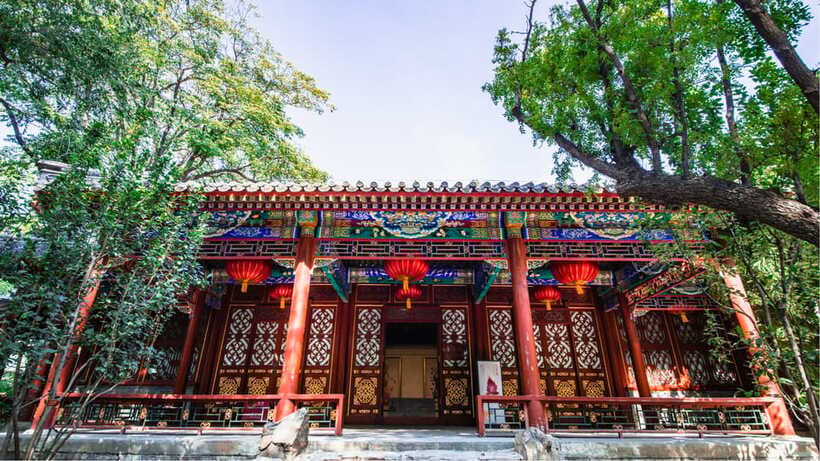
Timing may be the most important part of this experience. Aim to arrive early. After 11 a.m., the palace can become crowded enough that you have trouble seeing details or pausing where you want.
Crowds affect more than photographs. They change how well you can read displays, move through narrow passages, and enjoy the garden. A crowded courtyard turns a reflective space into a queue. An early start gives you more control over the visit.
Plan on a minimum of two hours. That allows time for the main halls, courtyards, garden, and some reading. If you are interested in architecture or photography, allow longer. The one-day duration means you are not restricted to a short timed tour, so you can shape the visit around your own schedule.
An afternoon visit is possible, but it comes with a trade-off. You may have more flexibility after visiting another attraction, yet the palace is likely to feel busier. If the garden and photography matter most, early morning is the clear choice.
The evening light show and cultural performance
A light show and cultural performance are listed among the experience highlights. These can add an evening entertainment element to the historical visit, giving you something different from a daytime walk through halls and gardens.
Still, check the available schedule before you plan your day around them. The supplied details do not specify show times, performance length, or whether every ticket includes these events. Treat them as a possible extra rather than the main reason to book.
The palace is worthwhile without the evening program. Its strongest features are the Qing architecture, historical setting, garden design, and freedom to explore at your own pace. If the performance is available during your visit, it may be a pleasant way to finish. If not, the daytime museum remains the core experience.
Is the $20 ticket good value?
At $20 per person, the price is reasonable for a major Beijing cultural attraction with skip-the-line entry and an English guidebook. You are paying for access to a large Qing princely residence, preserved interiors, courtyards, gardens, and displays, not just a single monument.
The value improves if you use the PDF guide well. Read it before entering, decide which halls and garden areas matter most to you, and leave room for unplanned discoveries. The guide turns a self-guided walk into a more focused visit.
The price is less compelling if you expect a personal explanation from a guide. Live guiding and audio commentary are not included. You may need to do more preparation, and you will not have someone on hand to explain every object or answer questions.
Flexible booking terms also help. You can cancel up to 24 hours in advance for a full refund, and the reserve-now, pay-later option lets you hold a place without paying immediately. These policies are useful when your Beijing schedule includes weather, transport, or other major sights that may shift.
Who will enjoy this palace most?
I would recommend Prince Kung’s Palace to:
- History and culture enthusiasts who want more Qing context after the Forbidden City.
- Photographers looking for courtyards, pavilions, rockeries, and framed views.
- Independent visitors who enjoy moving at their own pace.
- People who want a major cultural site that is easier to navigate than a huge imperial complex.
- Anyone planning a walk around Shichahai and the Drum Tower.
- Visitors who can arrive early and spend at least two hours.
I would be more cautious if you want a fully guided tour. The PDF is useful, but it is not the same as a person leading you through the palace. I would also think twice if you have only a very short window and cannot arrive before the crowds build.
Should you book Prince Kung’s Palace Museum?
Book it if you want a well-preserved Qing residence with architecture, gardens, and a calmer scale than the Forbidden City. The combination of formal halls and peaceful outdoor spaces gives you a fuller sense of noble life than a quick photo stop can provide.
The best plan is simple: reserve the ticket, arrive early, download or read the English PDF guide, and allow two or more hours. Add the Shichahai to Drum Tower walk if you want to make the palace part of a broader neighborhood outing.
Skip it only if your schedule is extremely tight or you require a live guide. For most independent visitors, this is one of Beijing’s more manageable major historical sites, and the $20 price is fair for the time and setting you receive.
FAQ
What is included in the Prince Kung’s Palace Museum ticket?
The ticket includes entry to Prince Kung’s Palace Museum and an English PDF guidebook.
Is a live tour guide included?
No. The experience does not include a live tour guide or an audio guide.
How much time should I allow for the visit?
Plan on at least two hours to see the palace, courtyards, gardens, and displays without rushing.
When should I visit to avoid heavy crowds?
Arrive early. The palace can become overcrowded after 11 a.m., making it harder to see the buildings and garden comfortably.
What identification should I bring?
Bring your passport or ID card.
Can I cancel the booking?
Yes. You can cancel up to 24 hours in advance for a full refund. You can also reserve now and pay later.
Just added around Beijing
- Mutianyu Wall, Summer Palace & Old Summer Palace Day Tour★ 4.8 · 34 reviews
- Mutianyu Wall, Summer Palace & Old Summer Palace Day Tour★ 4.9 · 57 reviews
- Beijing:Jingshan Park (Palace Museum Garden) Ticket★ 4.5 · 185 reviews
- Forbidden City, Summer Palace & Temple of Heaven Tour★ 4.9 · 177 reviews
- Beijing:Tiananmen&Forbidden City&summer palace etc(optional)★ 4.7 · 42 reviews
- Beijing:Summer Palace & Tea or Calligraphy Experience Tour★ 4.6 · 4 reviews
- Beijing: Temple of Heaven & Summer Palace Group Guided Tour★ 5.0 · 2 reviews
- Beijing:Forbidden City Tour—Temple, Summer Palace&Great Wall★ 4.8 · 6 reviews
Museums, compared.
Venice’s Best: Basilica, Doge’s Palace, Gondola & History Gallery
Read our review →
Royal Palace & Prado Museum Skip the Line Guided Tour
Read our review →
City Pass with Museums including Doge’s Palace
Read our review →
Knossos Palace and Museum E-Tickets with Audio Guides
Read our review →
Venice Museum Pass & Doge’s Palace Entrance Ticket
Read our review →
Palace, Museum, Madrasa & Medina Highlights Tour
Read our review →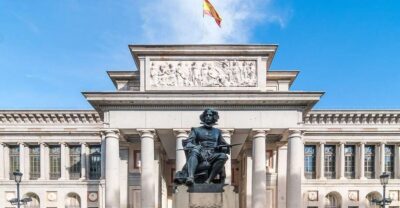
Browse the lists this tour appears in