
REVIEW · NORTHERN TAIWAN, TAIWAN
Taipei: National Palace & Shung Ye Aborigines Museums Ticket
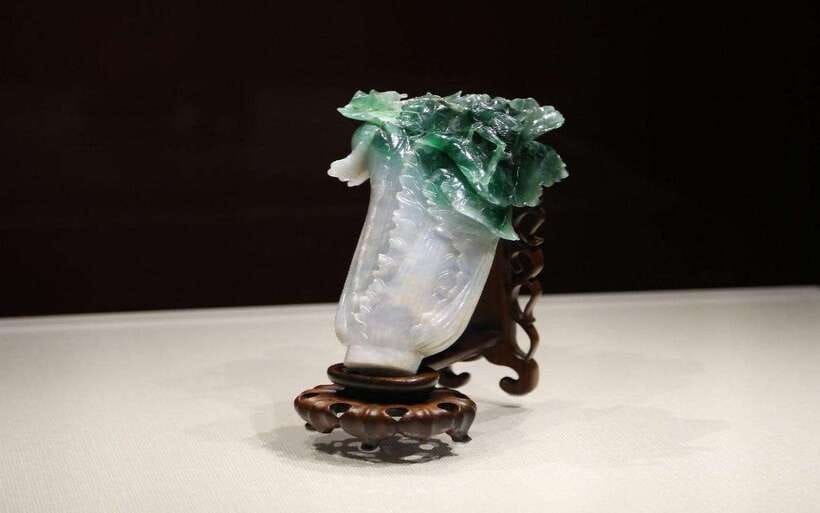
Two museums, one clear picture of Taiwan. This one-day ticket pairs the National Palace Museum’s ancient Chinese treasures with the Shung Ye Museum of Formosan Aborigines, giving you two very different ways to understand the island. I like the famous Jadeite Cabbage, the bronze ritual vessels, and the calligraphy scrolls, but I also like the smaller museum’s direct look at Taiwan’s 14 recognized Indigenous tribes. The main drawback is that Shung Ye is quite small, and some visitors may finish it in about 30 minutes.
At $12 per person, this is a strong value if you want culture without paying for a guided excursion. I also like the simple QR-code entry and the freedom to explore at your own pace. Just remember that the ticket covers admission only, so you arrange your own transport, food, and interpretation.
Key points to know before you go
- The Jadeite Cabbage is the star object: This small jade carving is one of the National Palace Museum’s best-known treasures.
- Five thousand years of Chinese art fill the National Palace Museum: You will see objects from several periods, including bronze vessels and calligraphy.
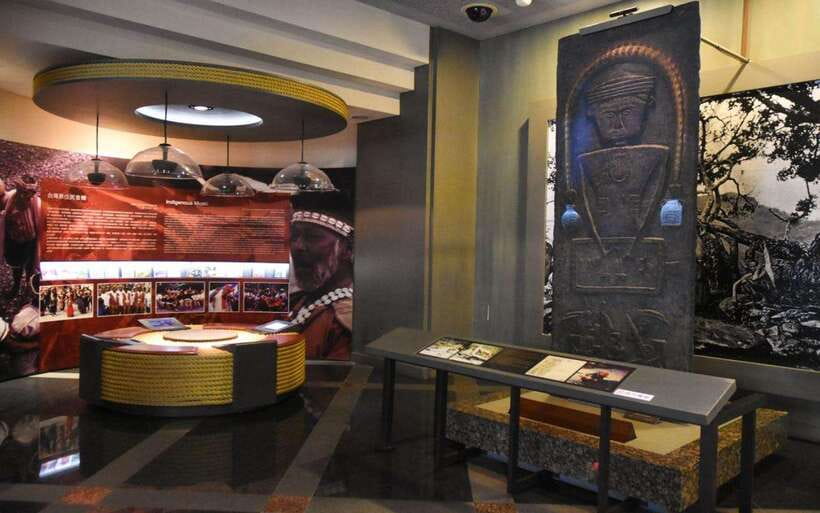
- Shung Ye focuses on Taiwan’s 14 recognized Indigenous tribes: Clothing, hunting tools, ceremonial objects, and multimedia displays explain different traditions.
- One ticket covers both museums for one day: You can plan your visit around your own pace rather than joining a fixed group.
- An audio guide can improve the National Palace visit: The collection is large enough that interpretation helps you decide what deserves your attention.
- Accessibility requires advance thought: Wheelchair access is limited, and the activity is not recommended for wheelchair users.
Why these two Taipei museums belong together
Taiwan’s story cannot be reduced to one tradition. The National Palace Museum presents thousands of years of Chinese art and imperial culture, while the Shung Ye Museum places Taiwan’s Indigenous peoples at the center of the story.
That contrast is the real strength of the ticket. At the first museum, you look at objects made for courts, scholars, rituals, and collectors. At the second, you encounter clothing, tools, and ceremonial items tied to community life and the island’s original peoples.
I find this pairing more useful than visiting either museum alone. The National Palace Museum gives you scale and historical depth. Shung Ye gives you a closer look at the cultures that existed in Taiwan and continue to shape its identity.
You should also set your expectations correctly. This is not a guided tour with a host leading you from room to room. It is a self-guided museum day. That suits me when I want to linger over a favorite object, but you need to be comfortable choosing your own route.
More Museum Visits in the world:
- Venice’s Best: Basilica, Doge’s Palace, Gondola & History Gallery
★ 4.5 · 2,478 reviews - Royal Palace & Prado Museum Skip the Line Guided Tour
★ 4.5 · 1,347 reviews - Venice: City Pass with Museums including Doge’s Palace
★ 4.1 · 1,020 reviews
Entering the National Palace Museum with the QR code
The admission process is straightforward. You can scan the QR code at the entrance, then begin exploring without spending time in a standard ticket queue. The ticket is valid for one day, and admission includes the permanent and special exhibitions available at the museum.
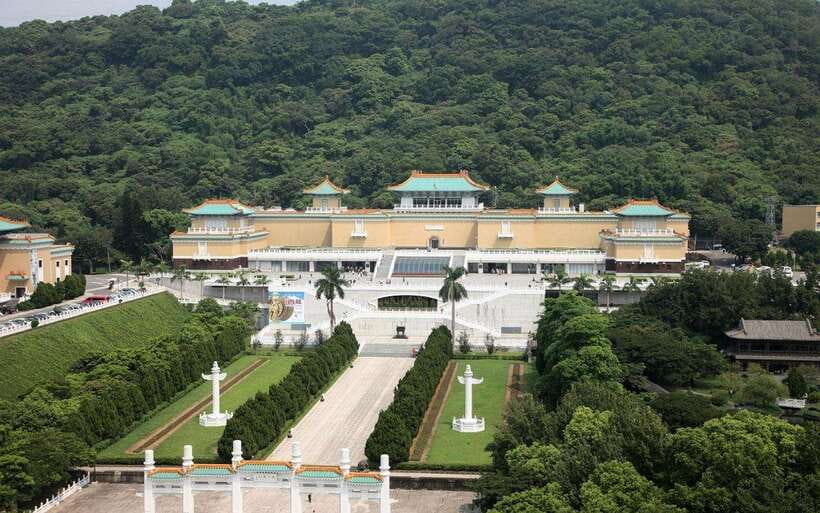
The museum is famous for holding one of the world’s largest collections of Chinese art and artifacts. The collection covers about 5,000 years, so you are not looking at a single era or style. You move through a long sweep of Chinese civilization, with objects connected to art, writing, ritual, daily life, and court culture.
The scale can feel overwhelming at first. You may see one remarkable object after another, then realize that you have been walking past hundreds of other pieces. I recommend choosing a few themes before you begin. You might focus on jade, bronze, calligraphy, or objects from a particular period.
The building’s layout helps keep the experience manageable. You can explore room by room instead of facing one endless hall. Still, give yourself enough time to look carefully. A quick pass will show you the highlights, but an unhurried visit gives the objects room to make an impression.
The Jadeite Cabbage and Meat-Shaped Stone
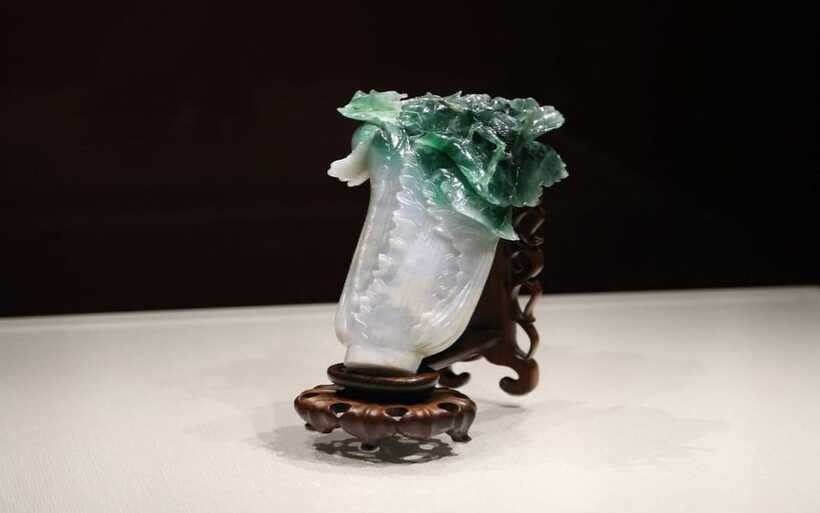
The Jadeite Cabbage is the object most people want to see. Carved from a piece of jadeite, it uses the stone’s natural color differences to suggest the pale leaves and green cabbage top. Small insects appear on the surface, adding another layer of detail to an already clever carving.
Its appeal is easy to understand. It is not a huge sculpture or a grand ceremonial monument. It is a familiar vegetable transformed into a highly detailed work of art. You can appreciate the technical skill, but you can also enjoy the humor and close observation built into the piece.
The Meat-Shaped Stone is another celebrated object. Its layered appearance resembles a piece of cooked pork, with color and texture that make the stone look remarkably natural. Like the cabbage, it rewards a close look because the artist turned an ordinary subject into a display of patience and control.
These famous works are worth seeing, but do not let them become the entire visit. The museum’s larger collection includes bronze ritual vessels, calligraphy scrolls, and many other objects that explain how art and culture changed across different periods. If the famous pieces have a queue or a crowd around them, you can use that moment to explore nearby galleries.
Bronze vessels, calligraphy, and the wider collection
The bronze ritual vessels offer a different experience from the jade carvings. Their forms and decoration point to ceremonial use, and they show how art could carry religious, political, and social meaning. You do not need specialist knowledge to appreciate their shapes, but the labels and an audio guide can help explain why these objects mattered.
The calligraphy scrolls ask for a slower kind of attention. You may not read the writing, but you can still see the controlled brushwork, spacing, and rhythm. The scroll format also reminds you that Chinese art was not limited to framed pictures on a wall. Writing itself could be treated as a visual art.
I recommend the audio guide if it is available during your visit. One visitor specifically found it useful for choosing key exhibits and understanding their significance. That is practical advice here because the museum contains more material than most people can absorb in one sitting.
The multilingual staff are described as helpful and efficient, which can make basic questions easier. The ticket itself does not include a guide, so you should not expect a personal explanation of every object. If you want a guided experience, you would need to arrange that separately.
A few more palace visits around the world worth a look
- Venice: Doge’s Palace Reserved Entry Ticket
★ 4.6 · 42,716 reviews - Paris: Versailles Palace and Gardens Full Access Ticket
★ 4.6 · 41,579 reviews - Granada: Alhambra & Nasrid Palaces Tour with Tickets
★ 4.7 · 19,801 reviews - Sintra: Pena Palace and Park Entrance Ticket
★ 4.2 · 17,410 reviews
What the National Palace Museum does best
The museum’s greatest strength is the quality and range of its collection. You can move from a small jade carving to large bronze objects, then to delicate calligraphy, and still feel that each piece belongs to a much larger story.
The setting also adds to the visit. The museum sits on a hillside, and the location gives the building a memorable sense of place. You are not simply checking off an indoor attraction in central Taipei. The setting helps the museum feel like a major cultural landmark.
Its weakness is the same as its strength: there is too much to see. If you try to examine everything, you may grow tired before reaching the later rooms. I suggest identifying the Jadeite Cabbage, Meat-Shaped Stone, bronze vessels, and calligraphy as priorities, then allowing yourself to follow your interests.
Food and drinks are not allowed inside the exhibit areas. Plan to pause outside the galleries rather than carrying a snack through the collection. That simple rule protects the objects, but it also means you should avoid rushing in hungry.
A different view at Shung Ye Museum
The Shung Ye Museum of Formosan Aborigines is much smaller and narrower in scope. That is not a criticism so much as a planning point. You may be able to see the main displays in around 30 minutes, especially if you move quickly.
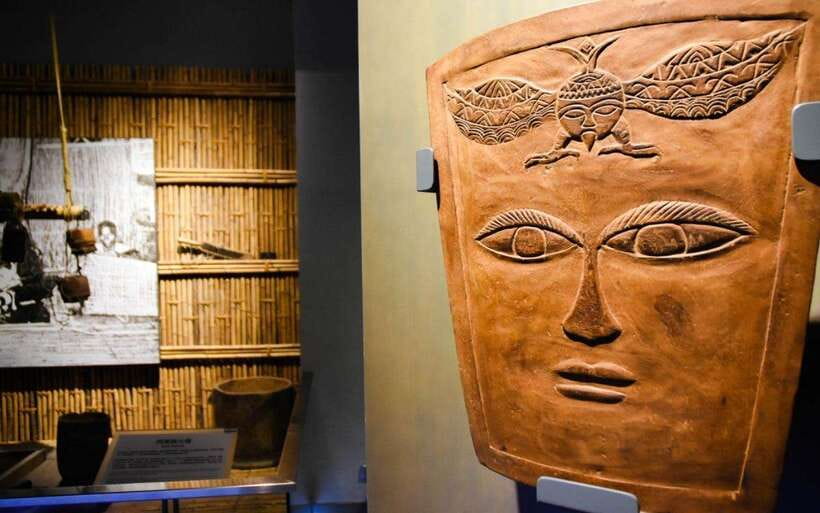
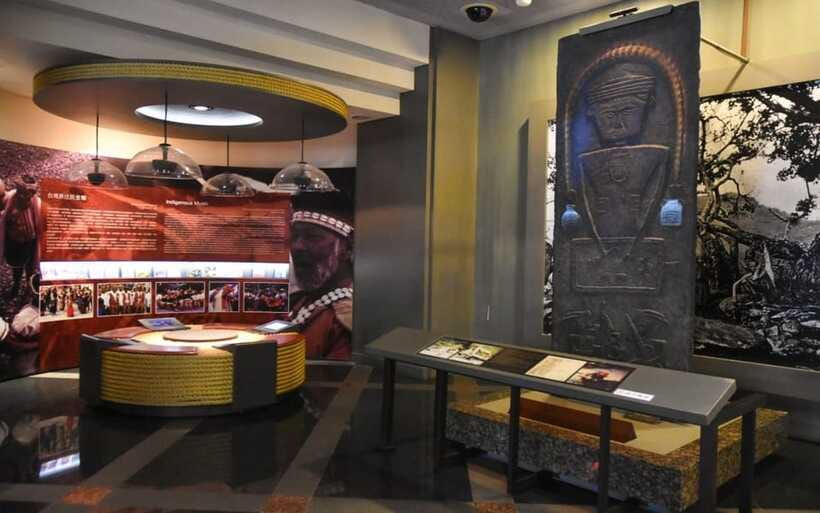
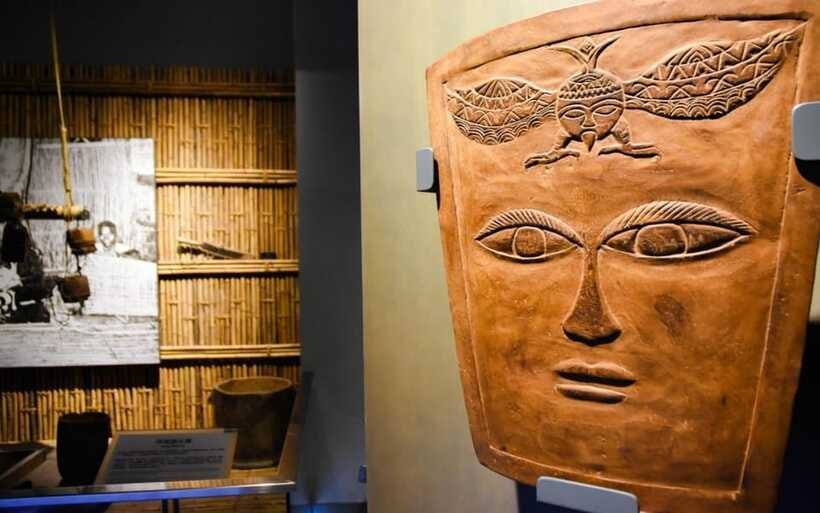
I would not skip it just because it is small. The museum changes the focus from imperial collections to Taiwan’s Indigenous peoples. Its displays cover the history and culture of 14 recognized tribes, using traditional clothing, hunting tools, ceremonial objects, tribal arts, handicrafts, and multimedia presentations.
These objects help you think about culture through daily life. Clothing shows identity and skill. Hunting tools point to practical knowledge and local ways of living. Ceremonial objects suggest beliefs and community traditions. The displays are not simply decorative; they give you a way to consider how different groups have maintained distinct customs.
The multimedia material can make the visit easier to follow, especially if you are unfamiliar with Taiwan’s Indigenous cultures. You may find that the museum works best as a focused introduction rather than a full study of every tribe.
Why the smaller museum matters
Shung Ye also adds historical balance. Taiwan’s Indigenous peoples have suffered under colonialism and occupation, and the museum presents their cultures as an important part of the island’s identity rather than as a footnote.
I appreciate that the museum’s modest size can encourage a more concentrated visit. At the National Palace Museum, the challenge is deciding what to leave out. At Shung Ye, you can take time with the displays without feeling that an enormous collection is waiting behind every door.
The museum is especially worthwhile after the National Palace Museum. You have just seen objects connected to long Chinese artistic traditions. Shung Ye then asks you to consider Taiwan through its own Indigenous cultures, languages, crafts, and social traditions.
Do not expect the same grand scale or famous single object. The value here is the shift in perspective. If you have only a short amount of time, the National Palace Museum will take up more of your day. If you care about Taiwan itself, Shung Ye deserves a place in the plan.
How to plan your one-day visit
The ticket is valid for one day, but no fixed starting time is stated. That gives you some flexibility, though you still need to check availability when booking. You arrange your own transport, and hotel pickup and drop-off are not included.
A sensible plan is to give the National Palace Museum the larger share of your time, then visit Shung Ye as a shorter, focused stop. The exact order depends on your schedule and the opening times available on your date.
At the National Palace Museum, begin by finding the major highlights. See the Jadeite Cabbage and Meat-Shaped Stone, then look for the bronze vessels and calligraphy rooms. After that, follow your interests instead of trying to cover every gallery.
At Shung Ye, read the introductory material and take time with the clothing, tools, ceremonial objects, and multimedia displays. Because this museum is smaller, it can work well as a final stop when you want something thoughtful but not exhausting.
Wear shoes suitable for a full museum day. You may spend much of the day walking and standing, and wheelchair accessibility is limited. The experience is not considered suitable for wheelchair users, so check your needs carefully before reserving.
Is the $12 ticket good value?
At $12, the ticket offers very good value if you plan to visit both museums. Admission to two major cultural institutions for one day costs less than many guided sightseeing activities, and you are free to set your own pace.
The value is strongest for independent visitors who already know how to use a museum. You receive admission to the National Palace Museum, admission to Shung Ye, and access to permanent and special exhibitions. You do not receive a guide, food, drinks, or transport.
That missing guide matters more at the National Palace Museum than at Shung Ye. The huge collection can be hard to sort through, so an audio guide may be a smart extra purchase if available. At Shung Ye, the smaller scale makes self-guided viewing easier.
The free cancellation option up to 24 hours before the visit adds useful flexibility, and reserve now, pay later is available. Those policies do not change the content of the experience, but they can help if your Taipei schedule is still shifting.
Who will enjoy this museum combination?
I would recommend this ticket to anyone who wants more than modern Taipei, shopping, or food. It suits people interested in art, history, Indigenous cultures, and the different forces that shaped Taiwan.
It is also a good choice for first-time visitors who want a broad introduction in one day. The National Palace Museum provides an impressive view of Chinese art across five millennia. Shung Ye adds an important focus on Taiwan’s 14 recognized Indigenous tribes.
Families with older children may also find the objects approachable. The cabbage and meat-shaped stone are easy entry points, while the clothing, tools, and multimedia displays at Shung Ye can make Indigenous culture easier to discuss.
You may want to skip this ticket if you dislike museums, have very limited time, or need full wheelchair access. You may also find the National Palace Museum too large if you prefer a short, tightly focused attraction. In that case, visit only the displays that interest you most rather than forcing yourself through every room.
Should you book this Taipei museum ticket?
Book it if you want an affordable, self-guided look at both Chinese art and Taiwan’s Indigenous cultures. The National Palace Museum is the main event, with famous treasures, bronze vessels, calligraphy, and thousands of years of material to explore.
The Shung Ye Museum is smaller, but it gives the ticket its broader purpose. It reminds you that Taiwan’s story includes 14 recognized Indigenous tribes, not only imported imperial collections and later political history.
My practical advice is simple: plan your priorities before entering, consider an audio guide at the National Palace Museum, and allow enough time for the smaller museum even if you expect to finish it quickly. For $12, this is an easy cultural choice, provided you are comfortable exploring without a guide and can manage the limited accessibility.
FAQ
What does the ticket include?
The ticket includes admission to the National Palace Museum and the Shung Ye Museum of Formosan Aborigines. It also includes access to permanent and special exhibitions.
How long is the ticket valid?
The ticket is valid for one day. Check availability for the starting times offered on your chosen date.
Does the ticket include a guided tour?
No. Guided tours are not included, so you explore both museums independently.
Does the ticket include food or drinks?
No. Food and drinks are not included, and they are not allowed inside the exhibit areas.
Are hotel pickup and drop-off included?
No. You arrange your own transportation because hotel pickup and drop-off are not included.
Can I use a QR code to enter?
Yes. The entry process allows you to scan the QR code at the entrance.
Is flash photography allowed?
No. Flash photography is not allowed inside either museum.
Is the experience wheelchair accessible?
Wheelchair accessibility is limited, and the activity is not considered suitable for wheelchair users.
Just added around the world
- Wine Tasting near Royal Palace of Turin★ 4.5 · 24 reviews
- Reggia di Venaria and Stupinigi Hunting Palace★ 5.0 · 5 reviews
- Stupinigi Hunting Palace & Sacra di San Michele★ 4.5 · 13 reviews
- Royal Palace and Sacra di San Michele★ 4.0 · 9 reviews
- Turin Royal Palace Private Guided Tour with Skip-the-Line Entry★ 5.0 · 5 reviews
- Private Turin Royal Palace Tour with Holy Shroud Chapel★ 4.5 · 73 reviews
- Turin: Royal Palace Guided Tour★ 5.0 · 4 reviews
- Skip-the-Line Ticket and Guided Royal Palace of Turin Group Tour★ 4.5 · 10 reviews
Museums, compared.
Venice’s Best: Basilica, Doge’s Palace, Gondola & History Gallery
Read our review →
Royal Palace & Prado Museum Skip the Line Guided Tour
Read our review →
City Pass with Museums including Doge’s Palace
Read our review →
Knossos Palace and Museum E-Tickets with Audio Guides
Read our review →
Venice Museum Pass & Doge’s Palace Entrance Ticket
Read our review →
Palace, Museum, Madrasa & Medina Highlights Tour
Read our review →
Browse the lists this tour appears in