
REVIEW · TURIN
Turin: Palazzo Madama Museum of Ancient Art Entrance Ticket
Turin’s past is built into every wall. Palazzo Madama gives you far more than a standard museum visit, combining Roman remains, medieval defenses, royal rooms, ancient art, a botanical garden, and a panoramic tower in one central Turin stop. I especially like the chance to see Filippo Juvarra’s monumental staircase and Antonello da Messina’s Ritratto d’uomo without paying a steep admission fee.
I also like the way the museum connects objects to the building itself. You are not simply moving from painting to painting. You are tracing the site from Roman gate to medieval fortress, Acaja castle, and later royal residence. The main consideration is that temporary exhibitions and guided activities cost extra, so the basic ticket may not cover everything advertised during your visit.
Five things to know before visiting Palazzo Madama
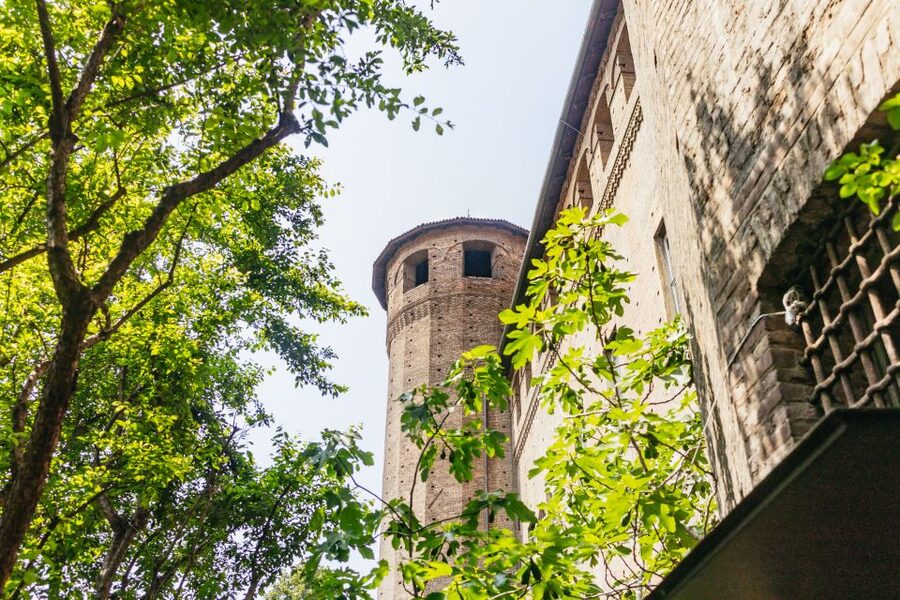
- Roman beginnings: The palace began as part of a Roman gate before becoming a medieval fortress and later a castle for the Acaja princes.
- Juvarra’s staircase: Filippo Juvarra’s grand stairway is one of the building’s most memorable architectural features.
- Antonello da Messina’s portrait: The permanent collection includes the important Ritratto d’uomo.
- Tower views: A panoramic tower gives you a high viewpoint over Turin.
- Garden and art included: Your ticket covers both the ancient art museum and the medieval botanical garden.
- Good value at $11: For a full day of access in central Turin, this is a useful choice for museum lovers and history-minded visitors.
Why Palazzo Madama belongs on your Turin itinerary
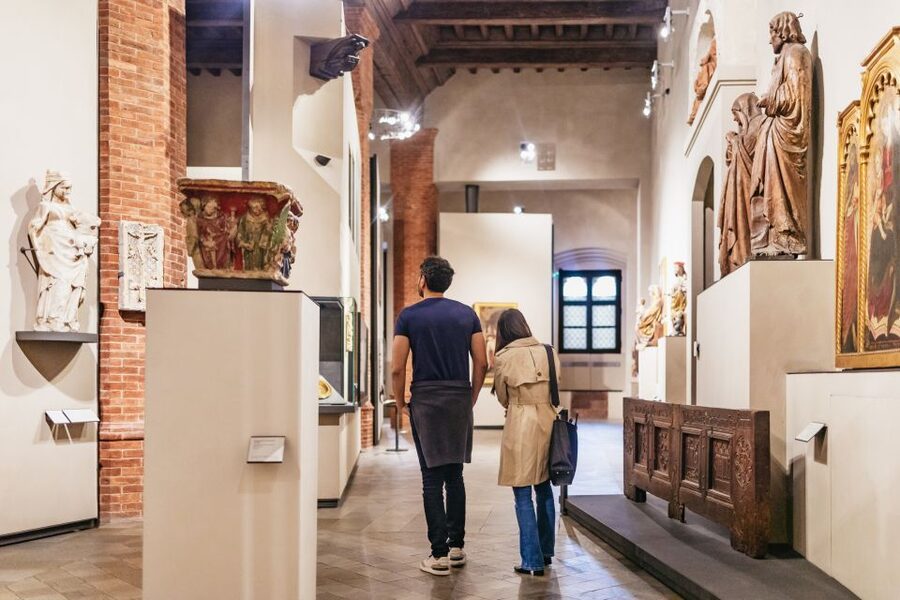
Turin can sometimes feel formal and reserved, with broad squares, arcaded streets, royal buildings, and grand museums. Palazzo Madama adds a more layered kind of sightseeing. The building is not just a container for art. It is the main object on display.
The site began as a Roman gate, a practical defensive point in the city. During the Middle Ages, it became a fortress. Later, the Acaja princes transformed it into a castle, and the palace continued to change as Turin grew in political importance. It eventually became linked with the first Senate in the Kingdom of Italy.
That sequence gives your visit a clear shape. You can look at a medieval object and then think about the stonework around you. You can admire a Baroque interior and remember that earlier walls are still part of the same structure. Few museum visits make the passage of time this visible.
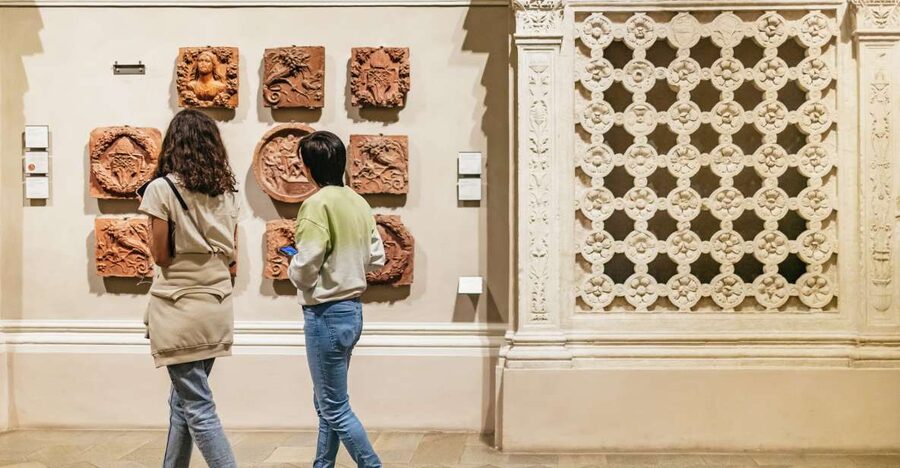
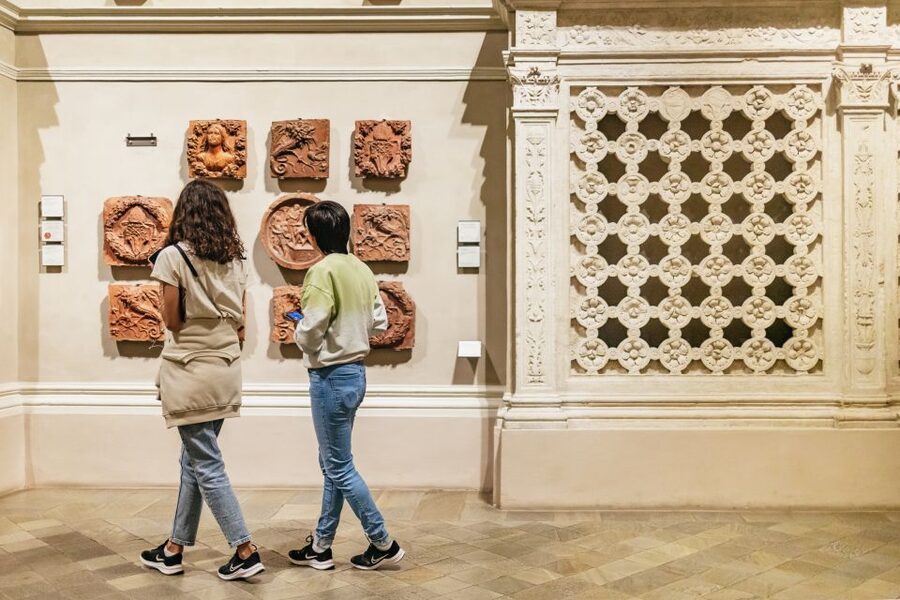
Since 1934, Palazzo Madama has housed Turin’s Civic Museum of Ancient Art. Its collection includes more than 70,000 works dating from the Early Middle Ages through the Baroque period. You may find paintings, sculpture, illuminated manuscripts, majolica, porcelain, gold and silver objects, furniture, and textiles.
That range is helpful if your interests are broad. It is also a lot to take in. I would not try to inspect every object in detail. Instead, use the museum’s themes of history, architecture, and collections to create a route that keeps you interested.
More Palace Entry Tickets in Italy
- Venice: Doge’s Palace Reserved Entry Ticket
★ 4.6 · 42,716 reviews - Florence: Palazzo Vecchio Entrance Ticket & Audioguide
★ 4.4 · 4,822 reviews - Florence: Entrance Ticket to Pitti Palace
★ 4.5 · 4,528 reviews
Entering through Turin’s Roman and medieval past
The first major pleasure is the building itself. Palazzo Madama lets you see how one site can be reused across centuries. A Roman gate suggests the earliest defensive role. The medieval fortress points to a city concerned with protection and power. The later castle introduces court life and dynastic ambition.
This layered setting gives the collection more meaning. A sculpture or manuscript is not floating in a neutral gallery. It belongs to a museum housed in a place that has repeatedly been rebuilt and repurposed.
You should allow time to look up, around, and behind the objects. The palace’s architecture is not merely background decoration. Its stairs, rooms, and changing styles help explain why Turin became such an important center in Piedmont.
The building also connects the museum to national politics. Palazzo Madama was home to the first Senate in the Kingdom of Italy. That detail adds another chapter after the medieval and royal periods. You are seeing a place tied not only to art, but also to the formation of modern Italy.
Juvarra’s monumental staircase deserves a pause
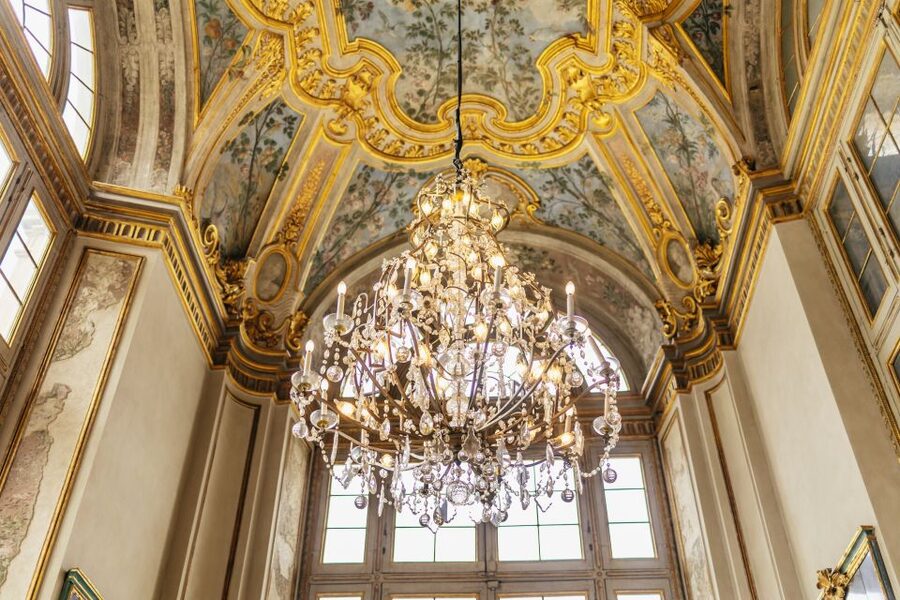
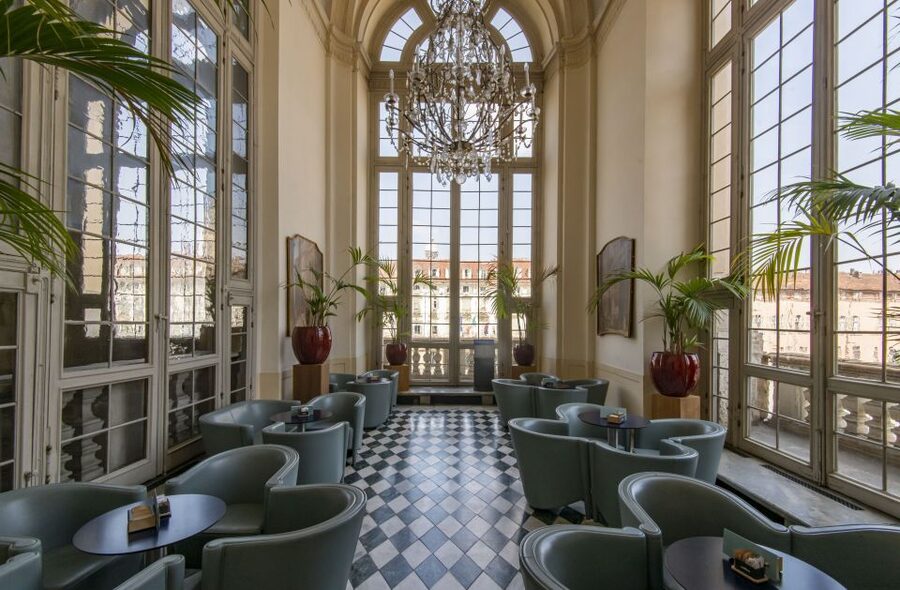
Filippo Juvarra’s monumental staircase is one of the clearest highlights. Even if you are not a specialist in Baroque architecture, the scale and drama of the stairway make an impression.
The staircase is useful as an introduction to the palace. It prepares you for a building where movement, ceremony, and display mattered. It also gives you a sense of how architecture can announce status before you even reach the galleries.
I would pause here rather than treating it as a passage to the next room. Notice the way the staircase controls your view and makes an ordinary act, climbing upward, feel ceremonial. This is one of those places where the route between exhibits becomes part of the visit.
If your sightseeing day has already included several churches and palaces, the staircase offers a change of pace. You do not need a guide to appreciate its shape and scale, although the ticket does not include guided activities.
The ancient art collection from the Early Middle Ages to Baroque
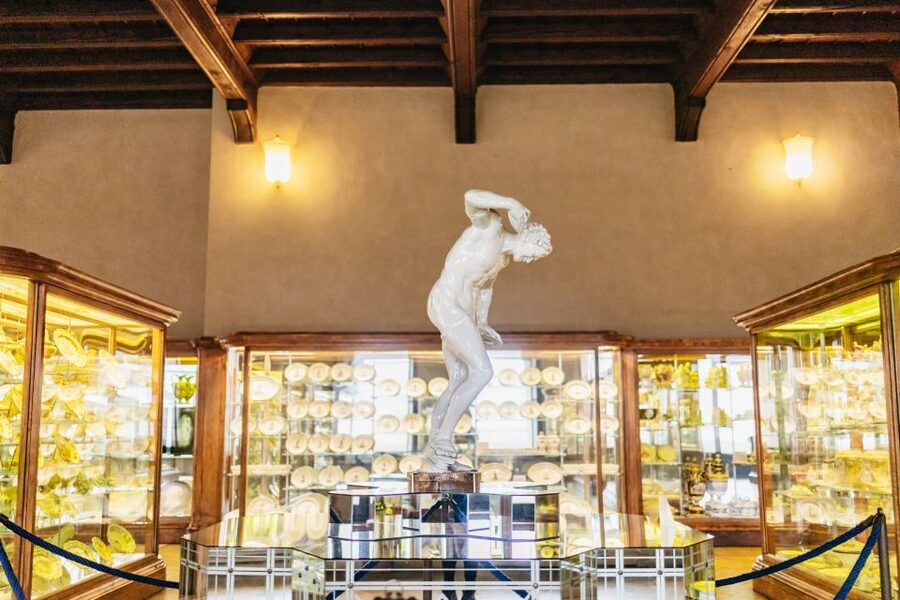
The permanent collection covers a long period, from the Early Middle Ages to the Baroque era. That span allows you to watch European art change over time rather than focusing on one short period.
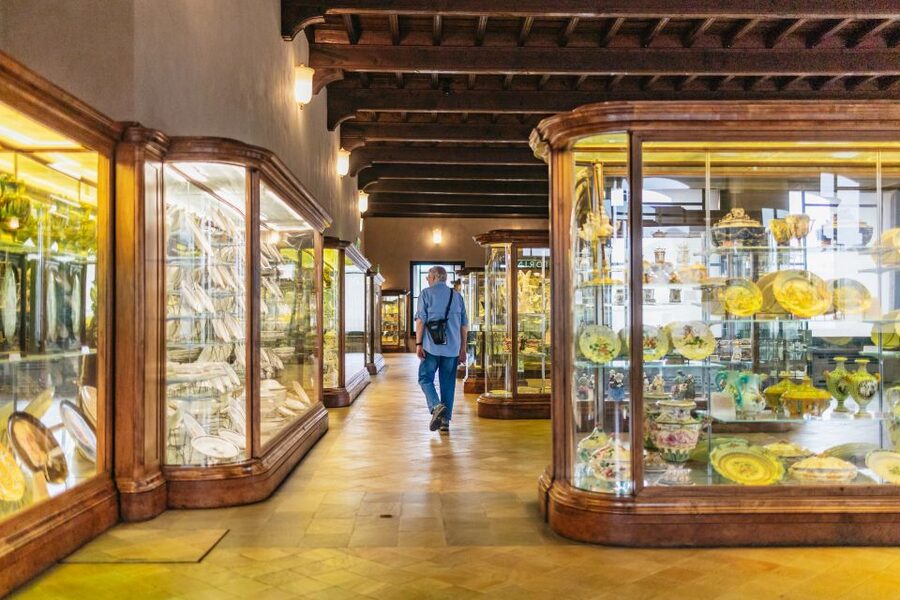
You can expect a mix of paintings, sculptures, illuminated manuscripts, ceramics, precious metalwork, furniture, and textiles. This variety matters because it shows how art functioned in daily life, religious practice, court culture, and domestic interiors.
Paintings may attract most attention, but do not rush past the smaller works. Illuminated manuscripts reward close looking. Majolica and porcelain show the importance of fine household objects. Gold and silver objects reveal how craft and status were closely linked. Furnishings and textiles help you imagine how rooms once looked and felt.
The collection’s size, more than 70,000 works, also means the museum cannot be reduced to one famous picture. You can visit for a headline object and still find plenty of material around it. At the same time, a short visit may leave you feeling that you only sampled the collection.
For that reason, I would decide before entering how much time you have. If you have one hour, focus on the building, the key artworks, and the tower. If you have several hours, follow the collection themes and give the decorative arts proper attention.
Same place, a different set of state rooms:
- Doge’s Palace & St. Mark’s Basilica with Terrace Access Tour
★ 4.7 · 10,697 reviews - Venice: Doge’s Palace and St Mark’s Basilica Walking Tour
★ 4.4 · 6,291 reviews - Legendary Venice: Doge’s Palace, St Mark’s & VIP Terrace Access
★ 4.5 · 5,033 reviews - Venice: Doge’s Palace and St. Mark’s Basilica Tour
★ 4.5 · 3,734 reviews
Antonello da Messina’s Ritratto d’uomo
Antonello da Messina’s Ritratto d’uomo is one of the museum’s signature works. Its presence gives the visit a clear artistic focus, especially for anyone interested in Italian Renaissance portraiture.
A portrait like this rewards patience. Take time to study the face, expression, and handling of detail rather than treating it as a quick stop on a checklist. The work also gains from its setting. After moving through a palace shaped by Roman, medieval, royal, and national history, a single portrait can feel surprisingly personal.
I would plan to see this work even if you are not visiting for a full museum day. It gives you a strong reason to enter, while the rest of the collection turns the stop into more than a single-artwork visit.
The museum also gives you a chance to compare different artistic purposes. A portrait, manuscript, ceramic piece, textile, or religious object asks you to look in a different way. That range is one of Palazzo Madama’s strengths.
The medieval botanical garden adds a quieter break
The medieval botanical garden is included with the entrance ticket. It offers a welcome pause between rooms and gives the visit an outdoor element.
The garden is especially useful if you are visiting with someone who does not want hours of indoor art. You can move from paintings and manuscripts into a quieter setting, then return to the palace when you are ready. It also reinforces the connection between the museum and earlier ways of living, when plants, gardens, medicine, and food were part of everyday knowledge.
Do not expect the garden to replace a large public park. Its value is in the contrast. After the palace’s heavy architecture and dense collections, a garden can help you reset your attention.
Because the ticket includes it, I would not skip the garden simply because it is not the main headline. It makes the visit feel more varied and gives you a natural stopping point.
The panoramic tower and Turin from above
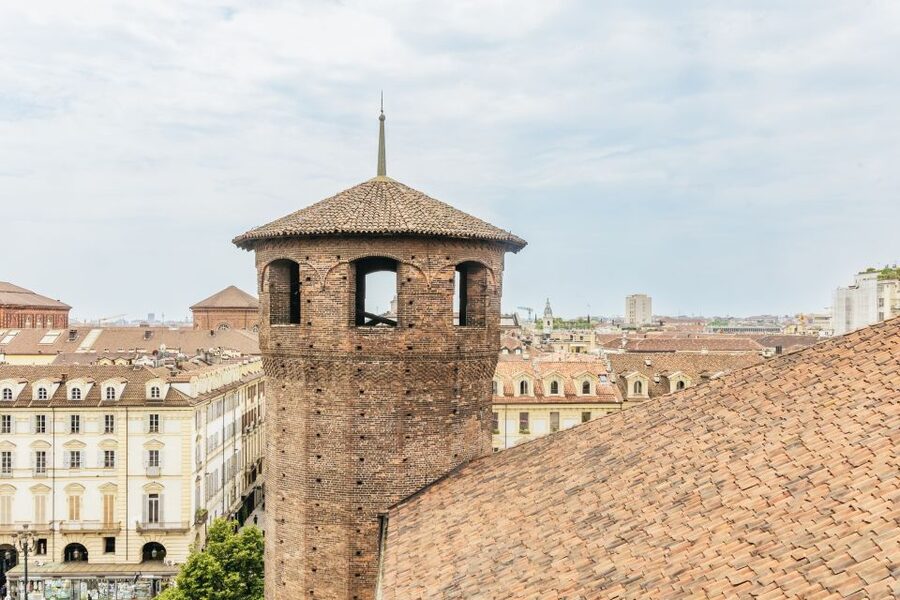
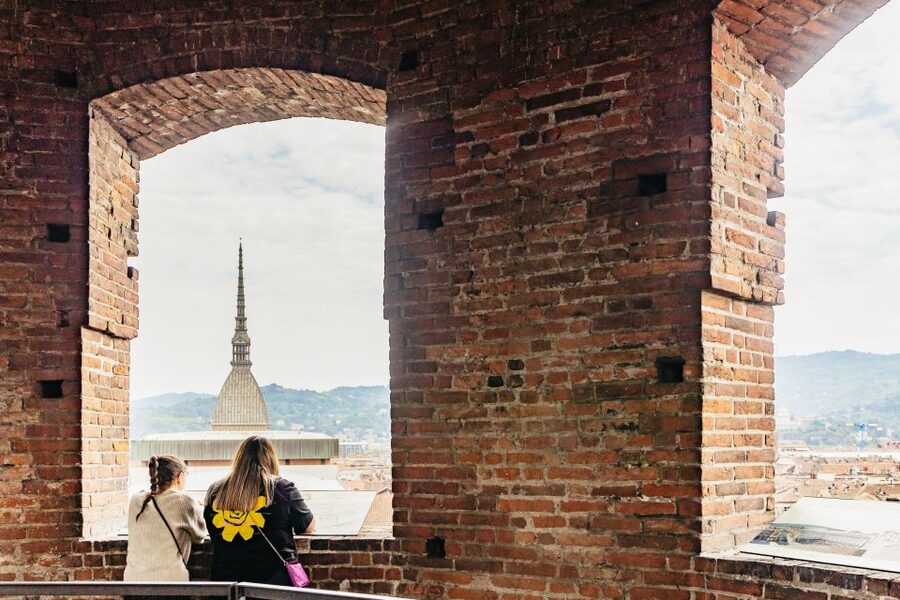
The panoramic tower is another major reason to buy the ticket. A high viewpoint changes how you understand Turin. From street level, the city can seem dominated by grand facades and orderly squares. From above, you gain a wider sense of its urban form and the setting around the palace.
One recent visitor described the view as breathtaking, and another called the tower amazing. Those reactions fit the feature’s appeal: the museum is not only about enclosed galleries. It gives you a chance to look outward.
The tower is also a good final stop. After seeing the palace’s long story from inside, the view lets you place the building within modern Turin. I would save it for the end if the route allows, since it provides a natural finish.
The ticket information confirms that the museum is wheelchair accessible, but it does not specify every detail of tower access. If the tower is essential to your visit, check the current arrangements before booking.
Is $11 good value for one day?
At $11 per person, this is a strong-value museum ticket for central Turin. You receive access to the permanent ancient art collection and the medieval botanical garden, with validity for one day. That gives you flexibility to set your own pace instead of rushing through a short timed visit.
The value is strongest if you like architecture and art equally. A visitor interested only in one famous portrait might find the full museum more than needed. But if you want a substantial cultural stop with several types of art and an outdoor area, the price is reasonable.
The one caution is that the permanent collection ticket does not guarantee a discount on temporary exhibitions. If a temporary show interests you, expect to pay according to its separate conditions. Guided activities are also excluded.
At this price, I would treat Palazzo Madama as one of Turin’s better rainy-day plans, but it works just as well in fair weather because of the garden and tower.
How much time should you plan?
The ticket is valid for one day, but no fixed visit length is provided. Your ideal timing depends on how closely you look.
For a quick visit, allow enough time for the staircase, Antonello’s portrait, a selection of ancient art, the garden, and the tower. For a slower visit, give yourself several hours and explore the range of paintings, sculptures, manuscripts, ceramics, precious objects, furniture, and textiles.
The collection is large enough that you should not feel guilty about leaving some rooms for another visit. A museum of more than 70,000 works cannot be absorbed in one pass. I prefer to choose a few themes and let the building guide the day.
The one-day validity is useful if your schedule changes. Check the available starting times when you book, since the ticket is tied to the museum’s available entry arrangements.
Practical rules and access
Food and drinks are not allowed inside. Large bags and luggage are also excluded, so plan to visit without bulky belongings. Pets are not permitted, although assistance dogs are allowed, and flash photography is forbidden.
The museum is wheelchair accessible. That makes Palazzo Madama a practical choice for visitors who need accessible facilities, though the available information does not explain every route or tower detail.
You can cancel up to 24 hours before the visit for a full refund, and a reserve now, pay later option is available. Those policies are useful if your Turin plans are still shifting.
Who should buy this ticket?
I would recommend Palazzo Madama to you if you enjoy museums where the building matters as much as the collection. It is also a good choice if you want one admission to cover art, architecture, a garden, and a city view.
History-minded visitors will appreciate the Roman, medieval, Acaja, royal, and national chapters. Art lovers have a clear reason to visit through Antonello da Messina’s portrait, while anyone interested in decorative arts can spend time with porcelain, majolica, metalwork, furniture, and textiles.
Families and mixed-interest groups may also find the variety helpful. Not everyone has to stare at paintings for the entire visit. The staircase, garden, tower, and palace setting offer several different kinds of engagement.
You may want to skip it if your Turin schedule is extremely tight and you prefer only one focused masterpiece or a short guided tour. The ticket does not include guided activities, and the collection can feel broad if you are searching for a tightly edited exhibition.
Should you book Palazzo Madama?
Book it if you want Turin’s art and history in one central stop. The $11 price is fair, the one-day validity gives you breathing room, and the combination of Juvarra’s staircase, Antonello’s portrait, the medieval botanical garden, and the panoramic tower offers more variety than a basic gallery visit.
Go with realistic expectations. Temporary exhibitions cost extra, guided activities are not included, and the permanent collection is large enough to require choices. If you focus on the palace’s architecture, the key artworks, the garden, and the tower, Palazzo Madama can become one of the most satisfying museum stops in Turin.
FAQ
What does the Palazzo Madama entrance ticket include?
The ticket includes entrance to the museum’s permanent ancient art collection and the medieval botanical garden.
Are temporary exhibitions included?
No. Temporary exhibitions and guided activities are not included. The permanent collection ticket also does not guarantee a reduced price for temporary exhibitions.
How long is the ticket valid?
The ticket is valid for one day.
How much does the ticket cost?
The listed price is $11 per person.
Is Palazzo Madama wheelchair accessible?
Yes. The museum is wheelchair accessible.
What items are not allowed inside?
Food and drinks, luggage or large bags, pets, and flash photography are not allowed. Assistance dogs are permitted.
More Museum Visits in Italy
- Venice’s Best: Basilica, Doge’s Palace, Gondola & History Gallery
★ 4.5 · 2,478 reviews - Venice: City Pass with Museums including Doge’s Palace
★ 4.1 · 1,020 reviews - Venice Museum Pass & Doge’s Palace Entrance Ticket
★ 3.9 · 769 reviews - Basilica, Doge’s Palace, History Gallery & Bell Tower Option
★ 5.0 · 586 reviews
Just added around Italy
- Palermo: City & Palazzo dei Normanni Guided Walking Tour★ 4.7 · 28 reviews
- Palermo: Norman Palace Ticket & Audio App Downloadable★ 3.5 · 4 reviews
- Palermo: Palatine Chapel, Audio App & optional Norman Palace★ 3.8 · 70 reviews
- Palazzo Normanni and Palatine Chapel Tour – Ticket Included (Italian)★ 3.8 · 14 reviews
- Palazzo Vecchio Secret Passages Tour & Lunch or “Gelato”★ 4.3 · 16 reviews
- Palazzo Vecchio Small Group Tour★ 4.9 · 10 reviews
- Palazzo Vecchio: Private Guided Museum Tour & Tower Tickets★ 4.7 · 18 reviews
- Palazzo Vecchio 90-Minute Morning Guided Tour★ 4.7 · 104 reviews
Palace Entry Tickets, compared.



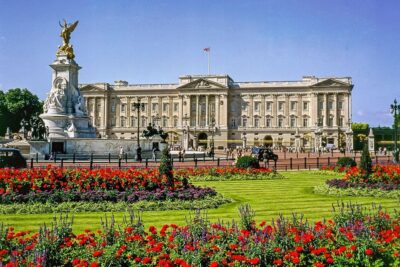
Buckingham Palace: The State Rooms Entrance Ticket
Read our review →

Prague Castle and Lobkowicz Palace Entry Tickets
Read our review →Browse the lists this tour appears in