
REVIEW · FRANCE
Wine Tour – Château Labrie Saint Emilion Grand Cru
A small estate can tell a big wine story. Château Labrie offers a personal look at vineyard work, winemaking, and aging on a 1.6-hectare family property just five minutes from Saint-Émilion. I like the intimate private format and the chance to meet Aurélien, whose friendly, passionate presentation has made this visit a highlight for many people. I also like the simple finish: a tasting of two Château Labrie vintages, not a rushed stop at a large commercial operation. The main consideration is clear: the visit is entirely in French, so you will get more from it if you understand the language.
The one-hour format fits neatly into a Saint-Émilion day, and the $11.64 price is unusually modest for a guided estate visit with wine tasting. You should not expect a long, grand château tour or a full afternoon of food and wine. This is a small family farm visit, focused on how the wine is made and the people behind it.
Five things to know before visiting Château Labrie
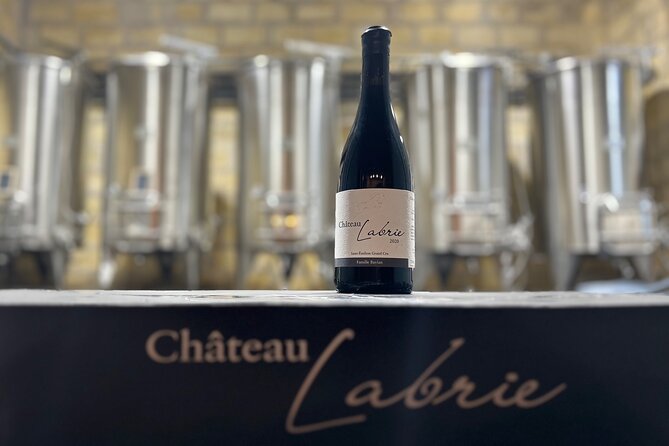
- A 1.6-hectare family estate: The small size gives the visit a personal, hands-on feel rather than the polished scale of a major wine house.
- Five minutes from Saint-Émilion: Château Labrie is in Vignonet, making it a practical addition to a day in the famous wine town.
- A one-hour visit: You will cover vineyard practices, winemaking, aging, and a tasting of two vintages without giving up half your day.
- Aurélien leads with warmth: His passion, kindness, and clear explanations are central to the experience.
- The visit is entirely in French: This is the biggest practical issue for anyone who does not understand French.
- Private for your group: You will not be placed in a large shared group, and the tour ends where it begins.
Why this small Saint-Émilion estate feels different
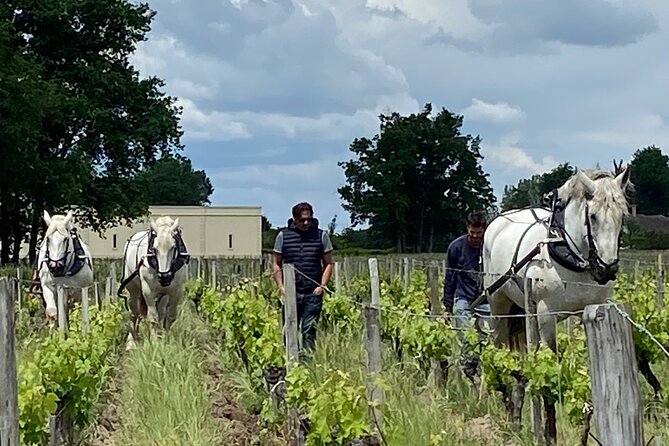
Saint-Émilion has no shortage of wine stops. Some are grand, formal, and carefully staged. Château Labrie offers something more modest: access to a family property where the work of the vines and the making of wine remain the main attraction.
The estate covers only 1.6 hectares. That number matters. A property of this size feels easier to understand than a sprawling wine domain. You can connect the vineyard work, the cellar process, and the finished bottle without feeling lost in a large corporate operation.
I like this kind of visit because it puts the producer at the center. You are not only looking at a building or sampling a famous label. You are learning how one family manages its vines, makes its wine, and ages it before release.
The setting in Vignonet also gives you a useful break from the busiest parts of Saint-Émilion. Château Labrie sits about five minutes from the center, so it is close enough to pair with sightseeing but separate enough to offer a different pace. You get the famous appellation without spending the entire day in the town itself.
The tone is personal. Aurélien presents the family farm with enthusiasm and kindness, and his welcome has been praised as both professional and warm. That combination matters in a wine visit. A technical explanation can become dry very quickly, but a producer who cares about the work can make even basic vineyard details worth hearing.
More Chateau and Wine Estate Tours in France
- Medoc or Saint Emilion Wine Tasting and Chateau from Bordeaux
★ 5.0 · 1,415 reviews - From Paris: Full-Day Loire Valley Chateaux Tour
★ 4.4 · 1,269 reviews - Versailles Château and Gardens Walking Tour
★ 4.5 · 727 reviews
Starting at 185 Route de Labrie in Vignonet
Your visit begins at 185 Rte de Labrie, 33330 Vignonet, France. The meeting point is also the end point, so the activity does not involve moving between several stops or arranging a separate return.
The location is close to Saint-Émilion, but you should plan your route carefully and allow enough time to find the property. The supplied information does not specify transportation, parking, or pickup service, so do not assume that a transfer from central Saint-Émilion is included. Check the meeting details before setting out.
The one-hour length is one of the tour’s strongest practical features. You can fit it before or after time in Saint-Émilion, and you are unlikely to feel that the visit has swallowed your whole day. At the same time, an hour means the presentation has to stay focused. You will receive an introduction to the estate, its growing practices, winemaking, and aging methods, followed by the tasting.
This is not designed as an open-ended day on a vineyard. It is a compact introduction to a small producer. If you want a long lunch, several estates, or a detailed comparison of many appellations, you will need to add those separately.
Looking at the vines and growing practices
The first important part of the visit concerns the vineyard itself. Château Labrie presents how the estate grows its grapes, giving you a look at the work that begins long before wine reaches your glass.
The supplied details do not list specific grape varieties, pruning methods, or farming certifications, so I would not expect a detailed technical profile of every vineyard practice. What you can expect is a direct explanation of how this family property approaches growing and how that work shapes the wine.
That focus is valuable because wine tasting often begins at the bottle and works backward. Here, you are given the chance to think about the vineyard as the starting point. The estate’s small size also makes the subject easier to follow. You are learning about the practices of one property rather than receiving a broad lecture on every producer in Saint-Émilion.
If you understand French, this section should be especially rewarding. Aurélien’s passion for the farm is a major part of the visit, and the presentation has been praised for showing the know-how behind the work. The tone appears to be practical rather than theatrical, which suits a family property.
If you do not understand French, this is where the experience becomes less satisfying. You may still enjoy the setting and the tasting, but the central purpose is the explanation. There is no indication that the tour is offered in English or that written translations are supplied.
From grapes to wine in the cellar
The next stage covers winemaking. You will hear how the estate turns its harvest into finished wine, with the family’s methods and decisions explained as part of the visit.
Again, the information provided does not name specific tanks, barrels, fermentation schedules, or cellar equipment. That is worth knowing before you book. The appeal is not a highly technical master class with a printed chart for every stage. It is a personal explanation of how this producer makes wine on a small property.
I see that as a strength for many people. You can ask yourself practical questions: How does the estate handle its grapes? What choices shape the final style? How does a family producer work on a modest scale? The tour is built around those broad questions.
The visit also gives context to the tasting. Instead of trying two wines with no explanation, you first hear about the work that goes into them. That makes the glass in front of you more than a sample. It becomes the result of the vineyard and cellar decisions you have just discussed.
The intimate format should help here. Since the activity is private for your group, you will not be sharing the hour with a large crowd. That can make it easier to follow Aurélien’s presentation and ask questions, provided you can communicate in French.
Same place, a different set of state rooms:
- Paris: Versailles Palace and Gardens Full Access Ticket
★ 4.6 · 41,579 reviews - Versailles: Skip-the-Line Tour of Palace and Gardens Access
★ 4.7 · 10,429 reviews - From Paris: Versailles Palace & Gardens with Transportation
★ 4.6 · 6,222 reviews - Versailles: Skip-the-Line Guided Palace Tour and Full Access
★ 4.6 · 5,214 reviews
Aging techniques and the final two-vintage tasting
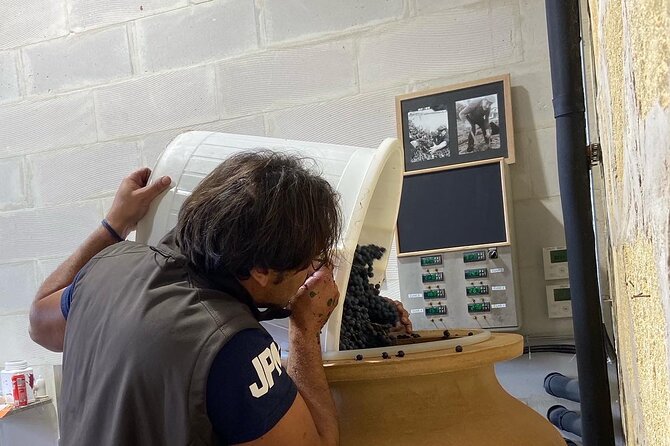
Aging is the final production topic before the wine reaches your glass. Château Labrie explains how its wines are aged, adding another piece to the chain from vineyard to bottle.
The details do not specify the length of aging or the exact containers used. You should therefore view this as an introduction to the estate’s aging approach, not a promise of a barrel-room lesson with every technical measurement. The value comes from seeing how the producer thinks about the wine after fermentation.
The tour closes with two Château Labrie vintages. This is a smart way to finish. Tasting two wines gives you a small point of comparison, and it lets you connect the production talk with the finished product.
Do not expect an extensive tasting flight. Two vintages are enough for a focused introduction, but not enough for a broad survey of the estate’s entire range. I would consider this a positive if you prefer a short, purposeful tasting rather than a long session that leaves you trying to remember too many glasses.
Only people aged 18 and over may consume alcohol. The tour itself may suit most participants, but anyone under 18 cannot take part in the wine tasting. Service animals are allowed, and the activity is described as suitable for most people.
The value of $11.64 for one private hour
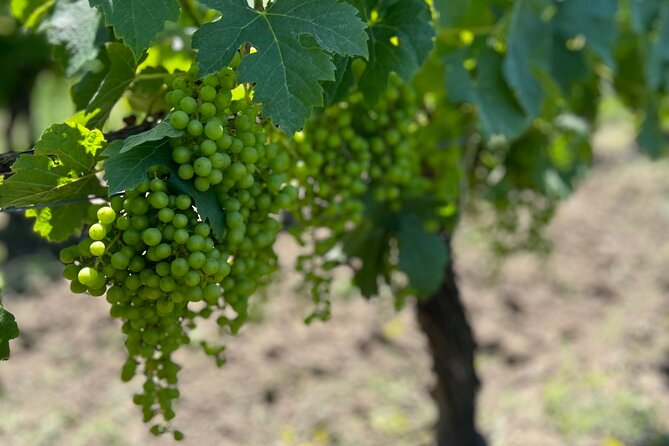
At $11.64 per person, this visit offers strong value if you are already spending time near Saint-Émilion. You receive about an hour at a family estate, a guided explanation of growing, winemaking, and aging, plus two vintages to taste.
The price is especially appealing because the activity is private for your group. A low-cost private visit can be a better fit than a cheaper shared tour if you value a calmer setting and direct contact with the producer.
Still, price should be matched to expectations. You are paying for a concise estate visit, not transportation, a meal, or a full-day wine program. The supplied information does not include food, transfers, or several tasting stops. If those are important to you, the low price does not cover them.
I would also judge the value by your interest in small producers. If you want the grandest buildings, famous names, or a large museum-style presentation, another Saint-Émilion experience may suit you better. If you want to understand the work behind a small family wine property, this price is easy to justify.
The free cancellation policy adds useful flexibility. You can cancel at least 24 hours before the start time for a full refund. Cancellations or changes made within 24 hours are not accepted for a refund, and the cut-off follows local time.
The French-language question you should take seriously
The tour is entirely in French. This is not a minor footnote. The spoken presentation is the heart of the experience, so your language ability will shape how much you gain from it.
If you understand French, the language adds to the local character. You can hear Aurélien explain his family property in the language used in its daily work, and you may find the personal tone more natural than a scripted multilingual presentation.
If you know only a little French, you might still enjoy the visit, particularly the vineyard setting and tasting. But you should not book expecting an English translation unless the provider confirms one directly. The available details do not mention an interpreter, translated materials, or an English-language option.
This language point also affects children and mixed-language groups. Anyone who wants to follow the production explanation should be able to understand French. People who mainly want to taste two wines may be content with less verbal detail, but that means missing much of what makes this experience special.
Who will enjoy Château Labrie most
I would recommend this visit to people who prefer small family producers over polished commercial attractions. It suits anyone who wants a close look at how a modest estate works, especially if you are already visiting Saint-Émilion and want something nearby.
It is also a good choice for wine drinkers who like to connect a tasting with the people and methods behind it. Aurélien’s personal welcome is a major draw, and the visit seems built around honest explanation rather than ceremony.
The experience may suit you if:
- You understand French well enough to follow a one-hour presentation.
- You want a short stop rather than a full-day wine program.
- You value a private group setting.
- You are curious about vineyard work, winemaking, and aging.
- You want to taste two vintages from the same family property.
- You are staying or sightseeing near Saint-Émilion.
I would hesitate if you need English guidance, want a large tasting selection, or expect transportation from your accommodation. Those features are not included in the available details.
Should you book this Saint-Émilion wine visit?
Book Château Labrie if you want an affordable, personal introduction to a small Saint-Émilion wine estate. The combination of a one-hour visit, two-vintage tasting, private group format, and warm welcome from Aurélien gives it a clear identity.
Before booking, make two checks. Confirm that you can follow French, and plan how you will reach 185 Route de Labrie in Vignonet. If both points work, this is an easy addition to a Saint-Émilion day and a good way to meet the people behind the bottle.
FAQ
Where is Château Labrie located?
Château Labrie is at 185 Rte de Labrie, 33330 Vignonet, France, about five minutes from the center of Saint-Émilion.
How long does the visit take?
The visit lasts approximately one hour.
What does the tour include?
The visit covers the estate’s growing practices, winemaking, and aging techniques, followed by a tasting of two Château Labrie vintages.
Is the tour conducted in English?
No. The visit is conducted entirely in French.
Is this a private activity?
Yes. Only your group will participate in the activity.
Where does the activity end?
The activity ends back at the meeting point in Vignonet.
Who may consume the wine?
Only people over the age of 18 may consume alcoholic beverages.
Can I cancel for a full refund?
Yes. You can cancel at least 24 hours before the experience start time for a full refund. Cancellations or changes made less than 24 hours before the start time are not refunded or accepted.
More Wine Tours in France
- St-Emilion & Médoc Wine Day Tour: Chateaus, Tastings and Lunch
★ 5.0 · 430 reviews - Beaune: Wine Tasting at Château de Pommard
★ 4.6 · 353 reviews - Nice : Wine Tasting at a Historic Château in a Land Rover !
★ 4.9 · 156 reviews - Essential Wine Tour with Tasting & Chateau Visits from Bordeaux
★ 5.0 · 133 reviews
Just added around France
- Day Tour of Chateaux of Chenonceau, Chambord & Caves Ambacia from Tours/Amboise★ 4.5 · 155 reviews
- Day Tour of Chateaux of Chenonceau & Chambord from Tours/Amboise★ 5.0 · 17 reviews
- Guided walking tour of Chenonceau chateau★ 4.5 · 2 reviews
- Price instead: From Strasbourg to Château ,Riquewihr and Colmar★ 4.0 · 5 reviews
- Visit and Tasting Château Saint-Georges Cote Pavie, Grand Cru Classé★ 5.0 · 135 reviews
- Area ,Opera, Jewellery,Fashion,Palais Royal walking tour★ 5.0 · 47 reviews
- WW1 Belleau Wood and American Monument in Château-Thierry – Day trip from Paris★ 5.0 · 15 reviews
- Versailles Palace & Giverny Private Tour with Lunch&Hotel Pick-up★ 5.0 · 48 reviews
Chateau and Wine Estate Tours, compared.
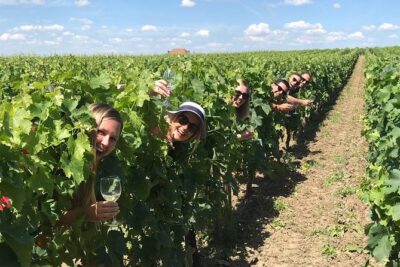
Medoc or Saint Emilion Wine Tasting and Chateau from Bordeaux
Read our review →
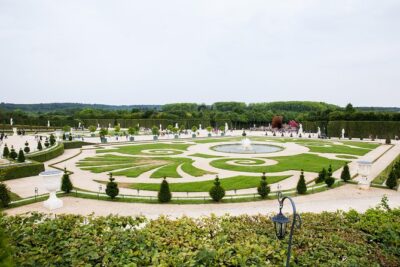
Versailles Château and Gardens Walking Tour from Paris by Train
Read our review →
Loire Valley: Château Royal d’Amboise Entrance Ticket
Read our review →
Fontainebleau & Vaux-le-Vicomte Châteaux Day Tour from Paris
Read our review →
Browse the lists this tour appears in