
REVIEW · PALERMO
Tour Cappella Palatina e palazzo Reale: patrimonio Unesco
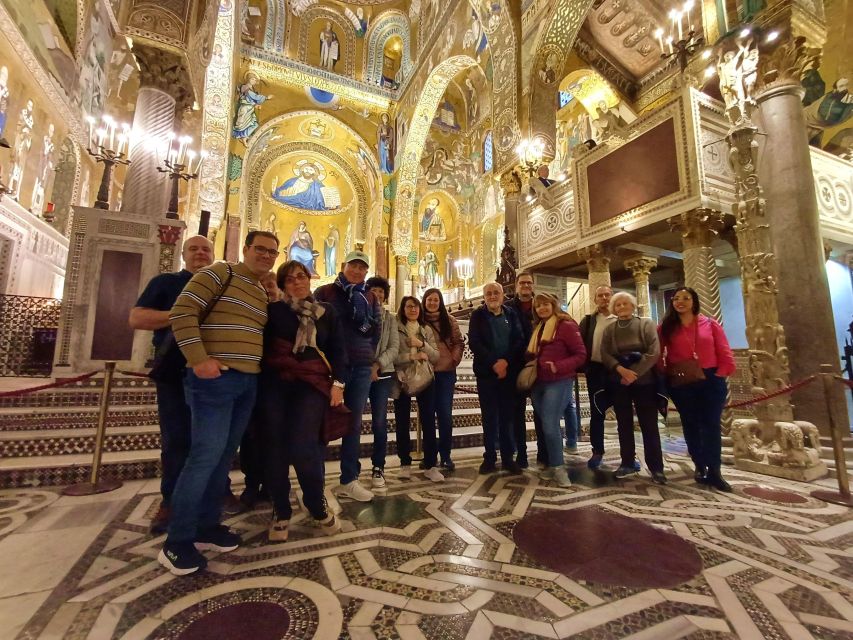
Gold begins before the tour does. Palermo’s Royal Palace and Palatine Chapel bring together Norman kings, Byzantine mosaics, Islamic design, and Sicily’s long political story in one compact visit. I especially like the chance to see the Palatine Chapel’s gold mosaics and the palace rooms connected with Frederick II. The main drawback is clear: the €14 guide service does not include admission, and the tour is conducted only in Italian.
I also like that the guide service adds structure to a place that can otherwise feel like a series of grand rooms and dazzling surfaces. Fabrizio receives particularly strong praise for his clear explanations and lively style, while Claudio is noted for keeping the visit engaging and energetic. If you do not understand Italian, this is not the right tour for you, since the guide’s historical explanation is a central part of the experience.
Key points to know before booking
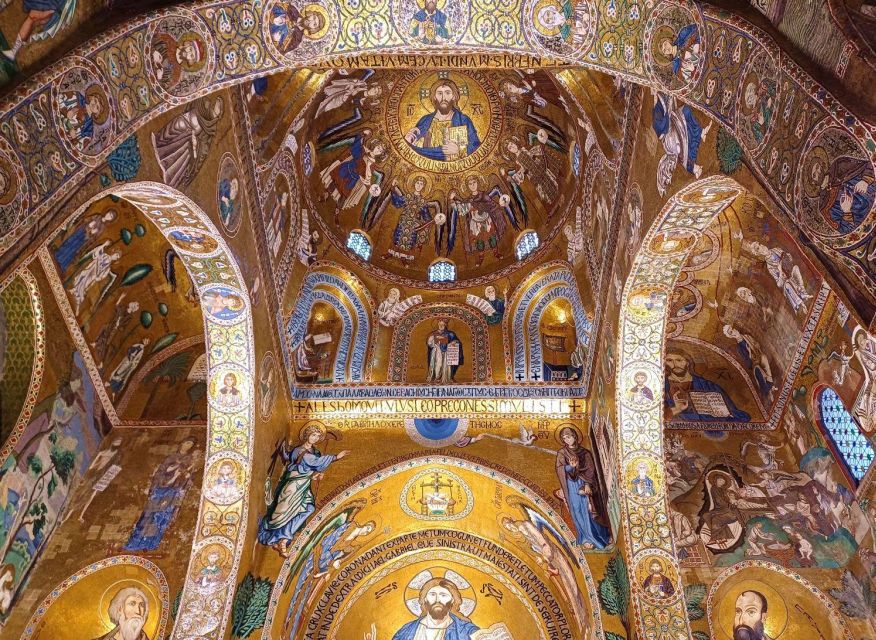
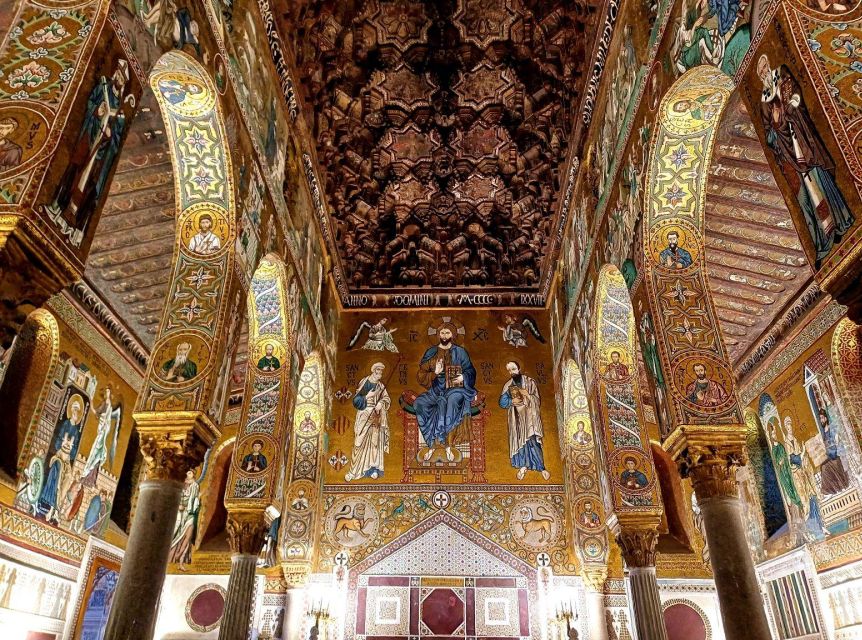
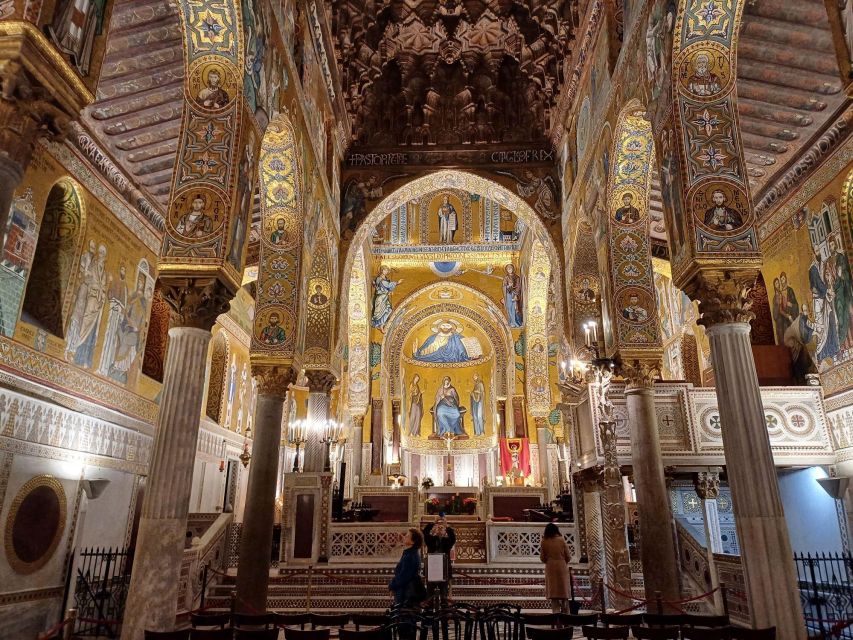
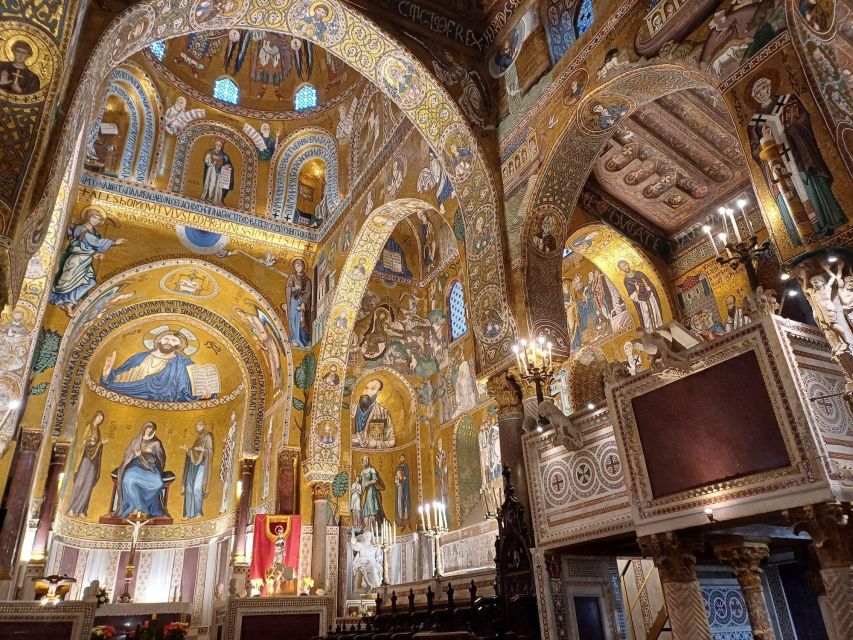
- The Palatine Chapel is the star: Its walls carry Byzantine mosaics, its ceiling uses Islamic muqarnas decoration, and its floor follows Romanesque marble patterns.
- The palace covers 2,700 years of history: You are visiting an active record of Palermo’s ancient, Norman, imperial, religious, and political past.
- The guide service costs $14 per person: The admission ticket must be bought separately at the palace ticket office or on the official website.
- Italian is the only tour language: Fabrizio and Claudio are praised for their lively presentations, but you need Italian to follow the explanations.
- Dress rules are strict: Shorts, short skirts, and sleeveless shirts are not allowed.
- Expect time on your feet: There are few places to sit, so this matters if standing for long periods is difficult.
Why the Royal Palace matters in Palermo
The Royal Palace, also called the Palazzo dei Normanni, is not simply a pretty building with an old name. It has more than 2,700 years of history and has served very different rulers and institutions over time.
The site began as a fortified settlement when Palermo was founded. Norman kings later rebuilt and enlarged it, turning it into their main residence. It held the royal court, treasury, and important workshops. That gives the building a practical side that is easy to miss when you focus only on its decoration.
Under Frederick II, the palace became a center of intellectual life as well as power. The Sicilian Poetic School met here, helping make the court an important place for literature and culture. Frederick was both king of Sicily and Holy Roman emperor, and the palace reflects the scale of his ambitions.
The building later served as the Court of the Inquisition, the seat of the viceroy, and the home of the Sicilian Parliament. A guided visit helps you connect those changing roles. Without explanation, you might simply see an impressive royal residence. With context, you begin to understand how one building could remain useful through centuries of political change.
I like this broad time span because it prevents the visit from becoming only a Norman-history stop. You see how Sicily’s rulers adapted an older site instead of starting from scratch each time.
A few more palace visits around Italy worth a look
- Venice: Doge’s Palace Reserved Entry Ticket
★ 4.6 · 42,716 reviews - Doge’s Palace & St. Mark’s Basilica with Terrace Access Tour
★ 4.7 · 10,697 reviews - Venice: Doge’s Palace and St Mark’s Basilica Walking Tour
★ 4.4 · 6,291 reviews
Meeting the guide beside the ticket kiosk
The meeting point is in front of the ticket office, at a kiosk about 100 meters from the palace entrance. This is worth noting because you should not walk straight to the main doorway expecting to find the guide there.
You will need to arrange your admission separately. The ticket can be purchased at the Royal Palace ticket office or online through the official website. Since the $14 price covers the professional guide service rather than entry, check the admission cost when planning your total budget.
That separation can be useful. You have the option of buying the ticket in advance, and the guide service remains a relatively inexpensive way to add explanation to the visit. It also means you need to take responsibility for the ticket before the tour begins. Do not treat the advertised price as the complete cost of entering the palace.
The activity is valid for one day, with the available start time shown during booking. The exact length of the guided visit is not specified, so allow enough room in your Palermo schedule rather than placing it between two tightly timed activities.
Entering the Palatine Chapel’s golden interior
The Palatine Chapel was built in 1140 by Roger of Hauteville, the first king of Sicily. He intended it as a statement of royal power, and the room still makes that purpose clear.
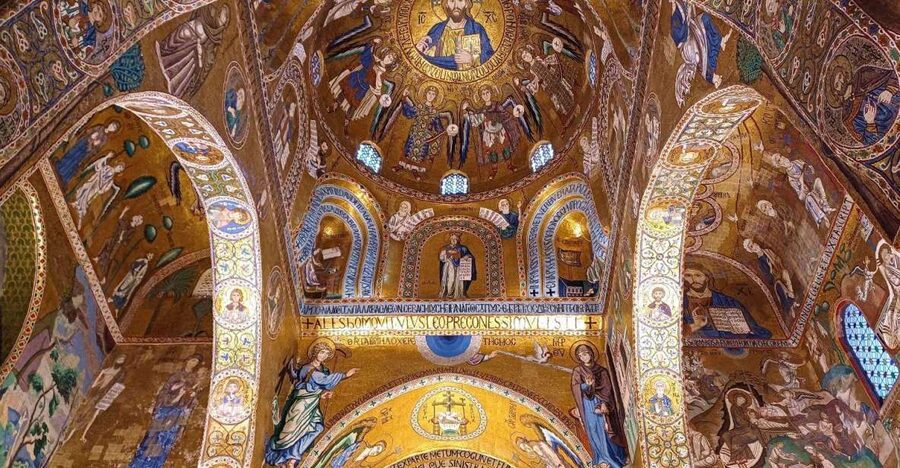
The chapel’s most famous feature is its gold mosaic decoration. Byzantine-style scenes cover the walls, creating a surface that catches your attention immediately. The effect is not limited to one altar or a small decorative panel. The chapel is presented as a unified work, with images, architecture, and surface decoration working together.
The mosaics also tell stories. A good guide can point out the narrative cycle and explain what you are seeing instead of leaving you with a general impression of gold and glitter. Fabrizio is praised for describing the story shown in the mosaics of the chapel with precision, which is the kind of detail that makes this part of the visit more rewarding.
Look up as well as forward. The Islamic muqarnas ceiling gives the chapel a very different visual character from the mosaics on the walls. Muqarnas uses small, tiered forms to create a honeycomb-like architectural surface. Here, it forms a canopy above the Christian imagery, showing how several artistic traditions were brought together in Norman Sicily.
Then look down at the marble floor. Its inlaid patterns belong to the Romanesque tradition and add another layer to the room. The result is a rare combination of Byzantine wall decoration, Islamic ceiling design, and Romanesque flooring in one royal chapel.
This mixture is one of the strongest reasons to book the guided service. The chapel can be beautiful at first glance, but the guide can explain why its parts matter and how they reflect Sicily’s position between cultures.
The palace rooms and the Chinese-style queen’s chamber
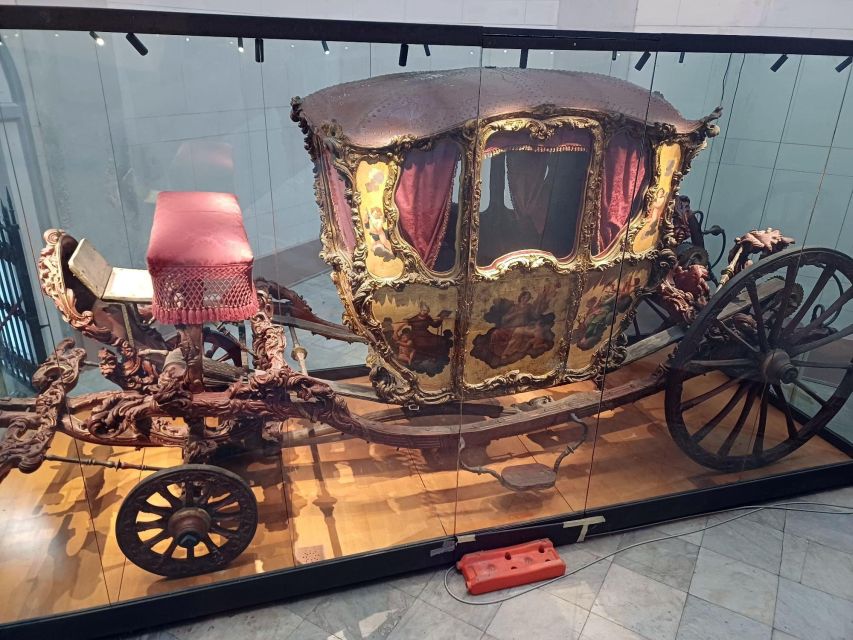
The Royal Palace visit also includes the royal rooms. The available information specifically highlights a queen’s chamber in Chinese style, an unexpected feature in a Norman royal residence.
That room is useful because it keeps the palace from feeling locked in one period. The building passed through many stages, and its rooms show that later rulers and occupants added their own tastes. The Chinese-style design is a reminder that royal interiors could change long after the Norman kings were gone.
The palace rooms are also where the building’s former domestic role becomes easier to picture. The chapel tells you about royal ceremony and religious authority. The chambers give you a sense of court life and the private side of power.
Do not expect every room to offer a place to sit. One practical warning from the experience is that there are very few seats along the route. If you find long periods of standing difficult, plan carefully and consider asking in advance about the specific route and available arrangements.
The tour does not appear to be a fast photo stop. The guide service is intended to explain the rooms, the royal setting, and the stories represented in the decoration. That makes it a better fit for someone who wants context than for someone looking only to take a quick look inside.
Same place, a different set of state rooms:
- Legendary Venice: Doge’s Palace, St Mark’s & VIP Terrace Access
★ 4.5 · 5,033 reviews - Florence: Palazzo Vecchio Entrance Ticket & Audioguide
★ 4.4 · 4,822 reviews - Florence: Entrance Ticket to Pitti Palace
★ 4.5 · 4,528 reviews - Venice: Doge’s Palace and St. Mark’s Basilica Tour
★ 4.5 · 3,734 reviews
Frederick II and the palace’s intellectual side
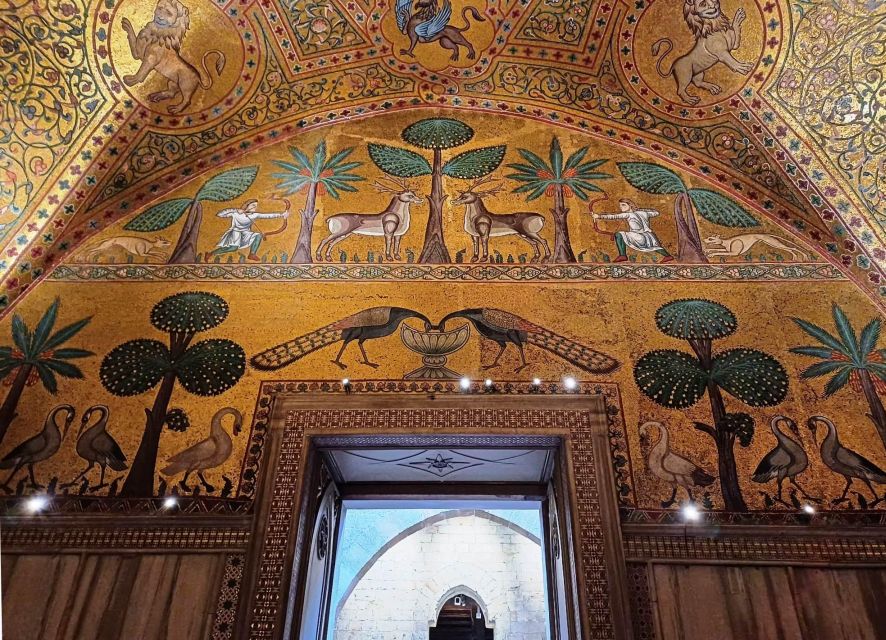
Frederick II gives the palace one of its most interesting human connections. He was a king, emperor, and major political figure, but his court was also linked with the Sicilian Poetic School.
That detail changes how you read the building. The palace was not only a place for ceremonies, administration, and royal display. It was also connected with writing and intellectual activity. You can think of it as a working center of government and culture, not just a preserved monument.
The palace’s relationship with Frederick also explains why the visit has a larger European frame. Sicily was not an isolated kingdom. Its rulers operated across the Mediterranean and Europe, and Frederick’s position brought the island into major political and cultural debates.
A guide can help keep these connections from becoming a list of names. Fabrizio’s presentation is described as precise and engaging, with clear attention to the palace’s history, the chapel’s mosaics, and the royal rooms. Claudio is also praised for an energetic and involving approach. Since the service is in Italian, those strengths are most useful if you can follow the language comfortably.
The value of a $14 Italian guide service
At $14 per person, the guide service is reasonably priced for an important Palermo sight, but the value depends on how you use it. You still pay admission separately, so compare the combined cost with your available budget before booking.
I see the main value in the explanation rather than the entry itself. You can buy a ticket on your own, but the Royal Palace contains several eras and artistic styles that are easy to blur together. The guide gives you a way to sort them out.
The price also works well for visitors who want a focused cultural stop without committing to a full-day excursion across Sicily. The activity is listed as valid for one day, and the location makes it suitable for building into a day of sightseeing in Palermo.
Still, this is not a bargain for everyone. If you do not understand Italian, the central service has little practical value. You may prefer to visit independently, provided you can obtain an admission ticket and are comfortable taking in the palace without a guided explanation.
I would book the guide if you enjoy history, architecture, and religious art, especially if Italian is one of your stronger languages. I would skip it if you only want a quick look or if you need an English-language tour.
Dress rules and comfort during the visit
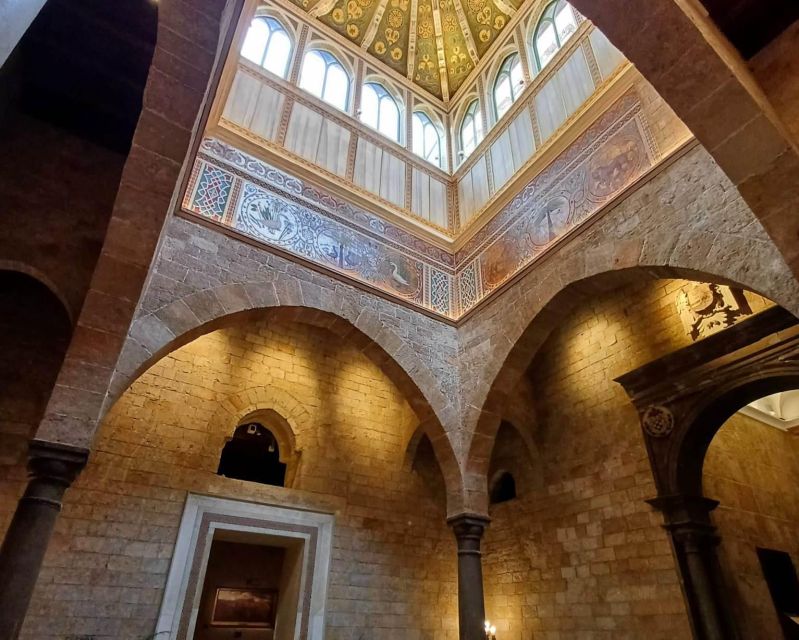
The palace and chapel require respectful clothing. Shorts, short skirts, and sleeveless shirts are not allowed. Choose clothing that covers your shoulders and reaches below the required length before you arrive, since changing your outfit at the entrance could be inconvenient.
Comfortable shoes are also a sensible choice. The experience includes several interiors and may involve standing while the guide explains the site. There are few places to sit, so anyone who tires quickly should take that seriously.
The information supplied for this activity gives mixed accessibility details. It describes the tour as wheelchair accessible but also lists it as not suitable for wheelchair users. Because those statements conflict, a wheelchair user should confirm the route and current access arrangements directly before booking.
This uncertainty matters more here than it might at an ordinary museum. Historic royal buildings can have complicated routes, and the tour may involve spaces with limited seating or access. Ask for a clear answer before paying for the service.
How to make the most of the chapel and palace
Buy or arrange your admission ticket before the tour begins, then go to the kiosk in front of the ticket office, about 100 meters from the palace entrance. Arriving at the wrong point could create avoidable confusion.
Wear suitable clothing from the start. The dress code is not a small suggestion, and the chapel is a religious space as well as a major monument.
If Italian is not your first language, be honest with yourself about how much you will understand. The guide service is not multilingual, and its main benefit comes from the spoken account of the palace, mosaic scenes, and royal rooms.
Give yourself time to look carefully. In the chapel, your attention will be pulled toward the gold mosaics, but the ceiling and floor deserve equal notice. In the palace rooms, compare the formal royal setting with the more unusual Chinese-style queen’s chamber.
If Fabrizio is leading your visit, expect a detailed presentation with special attention to the mosaic cycle and the history of the building. If Claudio is leading, expect an energetic style that keeps the visit moving. Guide assignments can vary, so treat these as useful possibilities rather than guarantees.
Who should book this Palermo experience?
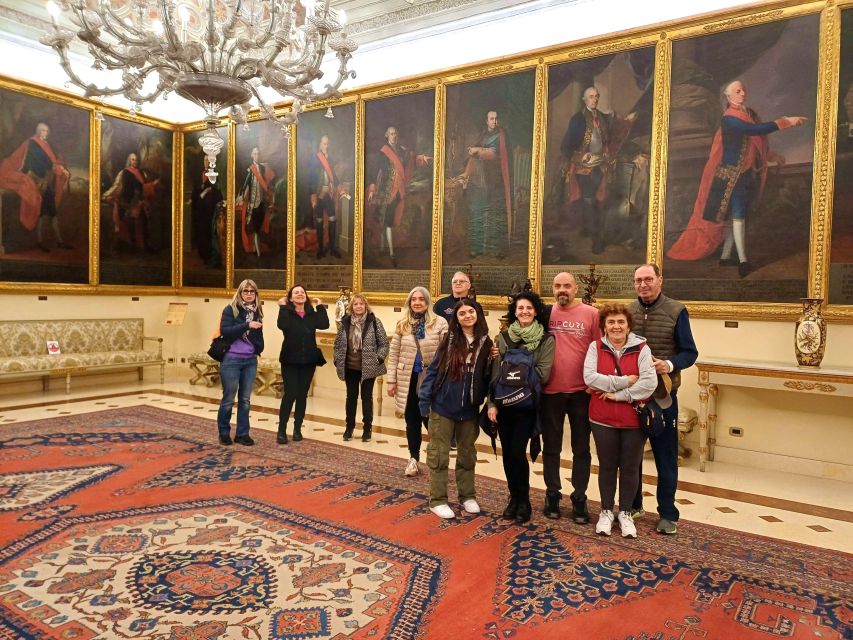
This tour suits you if you want a historical explanation in Italian and would rather not sort out the palace’s many periods on your own. It is especially good for anyone interested in Norman Sicily, Byzantine art, Islamic architecture, royal power, or Frederick II.
It also works for a visitor who wants to spend part of one day in Palermo at one major site. The Palace of the Normans and Palatine Chapel offer plenty to study without requiring a separate trip outside the city.
Families with older children who understand Italian may find the mix of gold mosaics, kings, emperors, and unusual royal rooms easier to remember than a plain museum visit. People who dislike standing, or who need a fully confirmed wheelchair route, should investigate the practical limits first.
Should you book the Royal Palace and Palatine Chapel tour?
Book it if you speak Italian and want the palace to make sense as more than a beautiful old building. The chapel’s gold mosaics alone are reason to go, but the guide adds the story behind the images, the ceiling, the floor, and the royal rooms.
The $14 fee is fair for a professional Italian guide, provided you remember to add the separate admission ticket. Fabrizio and Claudio both receive strong praise for clear, engaging presentations, with Fabrizio especially noted for explaining the mosaic cycle and palace history.
Skip this particular service if you need English, cannot comply with the dress rules, or find extended standing difficult. In those cases, an independent visit or another format may suit you better. For Italian-speaking visitors who want art, politics, and Sicilian history in one place, this is a smart addition to a Palermo itinerary.
FAQ
Is the entrance ticket included in the $14 price?
No. The entrance ticket for the Royal Palace and Palatine Chapel must be purchased separately at the palace ticket office or online through the official website.
What language is the tour conducted in?
The tour is conducted only in Italian. The guide service and professional guide are included, but no other language is listed.
Where is the meeting point?
The meeting point is in front of the ticket office, at a kiosk about 100 meters from the entrance to the palace.
How much history does the Royal Palace have?
The Royal Palace has more than 2,700 years of history. It has served as a fortified site, royal residence, court, treasury, seat of the viceroy, and home of the Sicilian Parliament.
What should I wear?
Shorts, short skirts, and sleeveless shirts are not allowed. Wear clothing that meets the site’s modest dress requirements.
Can I cancel the booking?
Yes. You can cancel up to 24 hours in advance for a full refund. The activity also offers a reserve-now-and-pay-later option.
Is the tour suitable for wheelchair users?
The information gives conflicting accessibility details, describing the activity as wheelchair accessible while also listing it as not suitable for wheelchair users. Confirm the current route and access arrangements directly before booking.
Just added around Italy
- Palermo: City & Palazzo dei Normanni Guided Walking Tour★ 4.7 · 28 reviews
- Palermo: Norman Palace Ticket & Audio App Downloadable★ 3.5 · 4 reviews
- Palermo: Palatine Chapel, Audio App & optional Norman Palace★ 3.8 · 70 reviews
- Palazzo Vecchio Secret Passages Tour & Lunch or “Gelato”★ 4.3 · 16 reviews
- Palazzo Vecchio Small Group Tour★ 4.9 · 10 reviews
- Palazzo Normanni and Palatine Chapel Tour – Ticket Included (Italian)★ 3.8 · 14 reviews
- Palazzo Vecchio: Private Guided Museum Tour & Tower Tickets★ 4.7 · 18 reviews
- Palazzo Vecchio 90-Minute Morning Guided Tour★ 4.7 · 104 reviews
Palermo Palace Tours, compared.
Norman Palace and Palatine Chapel Tour with Tickets
Read our review →
Cappella Palatina and Palazzo dei Normanni Tour
Read our review →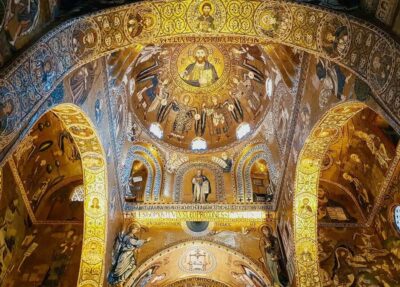
Palatine Chapel, Audio App & optional Norman Palace
Read our review →
City & Palazzo dei Normanni Guided Walking Tour
Read our review →
Golden Palermo: Visit the Cathedral, Royal Palace, and Palatine Chapel
Read our review →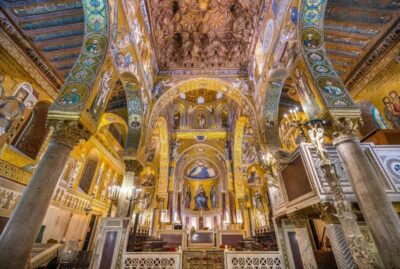
Palazzo Normanni and Palatine Chapel Tour – Ticket Included (Italian)
Read our review →
Palatine Chapel & Norman Palace Tour in Palermo with ticket
Read our review →Browse the lists this tour appears in