
REVIEW · SEVILLE
Seville: Palacio de Las Dueñas, La Macarena & Las Setas Tour
Seville’s north side rewards curious walkers. This three-hour tour links the Metropol Parasol and its Roman remains with Feria Market, the Basilica of La Macarena, old churches, and the elegant Palacio de las Dueñas. I especially like the wide sweep of Seville’s past, from Roman planning to the 21st-century Las Setas, and the chance to enter places you might otherwise pass without understanding. I also like that Palacio de las Dueñas admission and a guided visit are included.
The main thing to consider is the pace. You cover several churches and historic streets on foot before spending about an hour at the palace. There is no food included, though you can buy something at a café, so wear comfortable shoes and plan a proper meal before or after.
Five details worth knowing before you book
- The tour begins at Metropol Parasol: Meet at the main stairs in Plaza de la Encarnación, beneath Seville’s famous Las Setas structure.
- The route focuses on northern Seville: Feria Street, the Macarena neighborhood, San Luis Street, and several historic churches receive more attention than the city’s main cathedral district.
- La Macarena is the emotional center: You enter the basilica connected with Seville’s most venerated Virgin, the Virgin of Hope of Macarena.
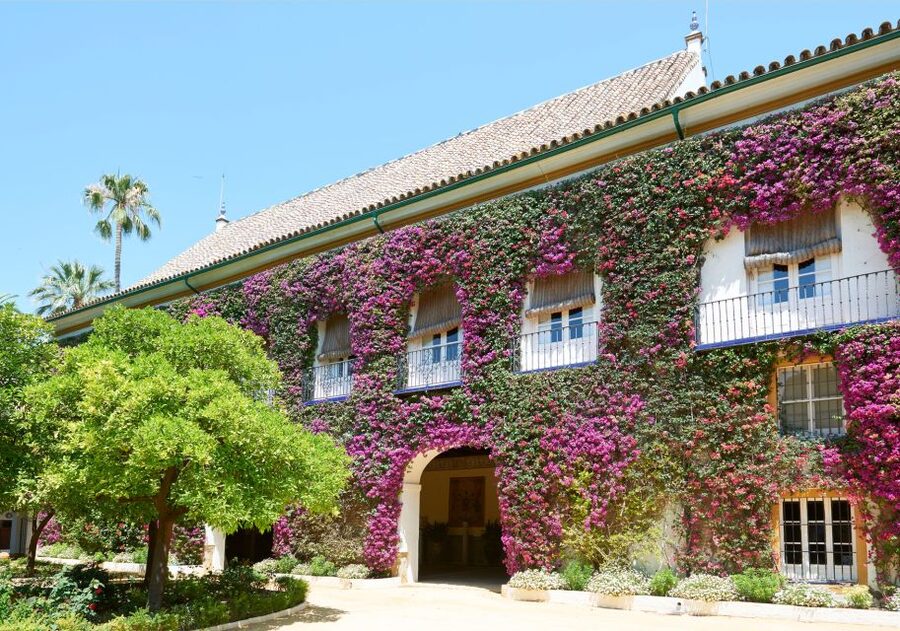
- Palacio de las Dueñas takes about an hour: The former residence of the Dukes of Alba contains art, gardens, and personal belongings linked to this important Spanish family.
- The guide makes the difference: English and Spanish tours are available. Emilio, Jesus, and Julian are specifically praised for clear explanations, warmth, and strong knowledge of Seville.
- The price is $46 per person: That is fair if you want several admissions and a local guide rather than a simple street walk.
Starting beneath Las Setas and the Roman city
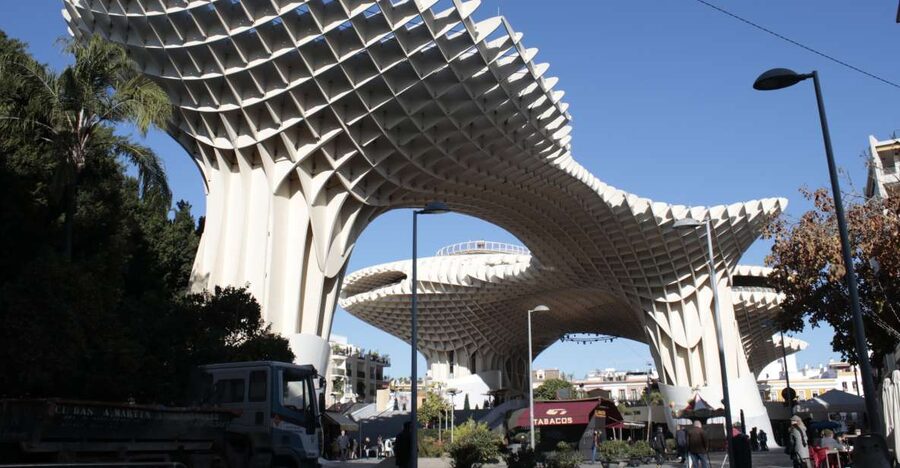
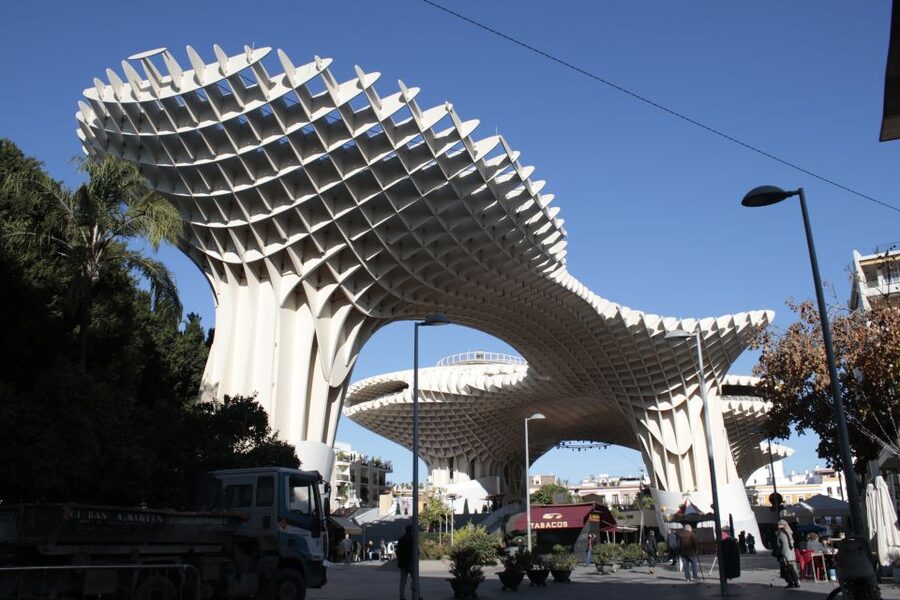
Your meeting point is the main staircase of Metropol Parasol, better known as Las Setas. It is an easy central landmark, but give yourself enough time to find the correct stairs. The tour uses this modern structure as a doorway into much older Seville.
The first stop is the Antiquarium, an archaeological museum beneath the wooden parasols. Its remains connect the modern plaza with Seville’s Roman past and the ancient street system. The tour description places the old Cardo Máximo, the main north-south Roman road, within this broader route.
This opening is useful because it gives you a time frame for everything that follows. Seville is not only a city of Moorish arches and grand baroque buildings. Its story reaches back more than 2,000 years, and the first stop helps you see the city center as a layered place rather than a collection of pretty façades.
The Antiquarium portion is listed at about 15 minutes. That is enough for an introduction and a look at the archaeological remains, but not enough for a long museum visit. If Roman archaeology is your main interest, you may want to return on your own. For most people, the short visit works well as a starting point.
A few more palace visits around Seville worth a look
- Seville: Flamenco at El Palacio Andaluz with Optional Dinner
★ 4.6 · 1,319 reviews - Seville: Alcázar Guided Palace Tour with Priority Access
★ 4.4 · 994 reviews - Granada Day Trip: Alhambra & Nazaries Palaces from Seville
★ 4.5 · 292 reviews
San Juan de la Palma and the rhythm of old Seville
From Plaza de la Encarnación, the group walks toward Iglesia de San Juan de la Palma. The listed walking time is about 10 minutes, followed by a short stop for photographs, explanation, and a guided look.
The value here is not just the church itself. The guide helps place it within the old north district, where churches, markets, narrow streets, and long-standing local customs sit close together. You get a sense of how daily life developed around parish churches rather than only around Seville’s headline monuments.
The stop is brief, so expect a focused explanation rather than an extended visit. That pattern continues through much of the tour. You see a lot, and the guide supplies the connections, but you do not spend half an hour studying every altar or architectural detail.
Feria Street, Omnium Sanctorum and a local market
The route continues to Iglesia de Omnium Sanctorum and Feria Market. Omnium Sanctorum is another short guided stop, with time for photographs. The church adds another layer to the architectural story, while the nearby market gives you a more ordinary view of the neighborhood.
Feria Street is especially useful for understanding the local character of this part of Seville. It is not simply a corridor between tourist sights. The street and market belong to a living district, and the guide can explain its old traditions, landmarks, and changing way of life.
The market stop is listed at about five minutes. That is a quick look, not a full food tour. You will not be served lunch, and the activity does not include tastings. Still, a short market visit can add something a polished monument cannot: a glimpse of how people shop and meet in the neighborhood.
If you want to buy food, the tour information notes that a café is available. I would not count on having time for a relaxed meal during the walk. Eat beforehand or plan to stop after the tour.
Entering the Basilica of La Macarena
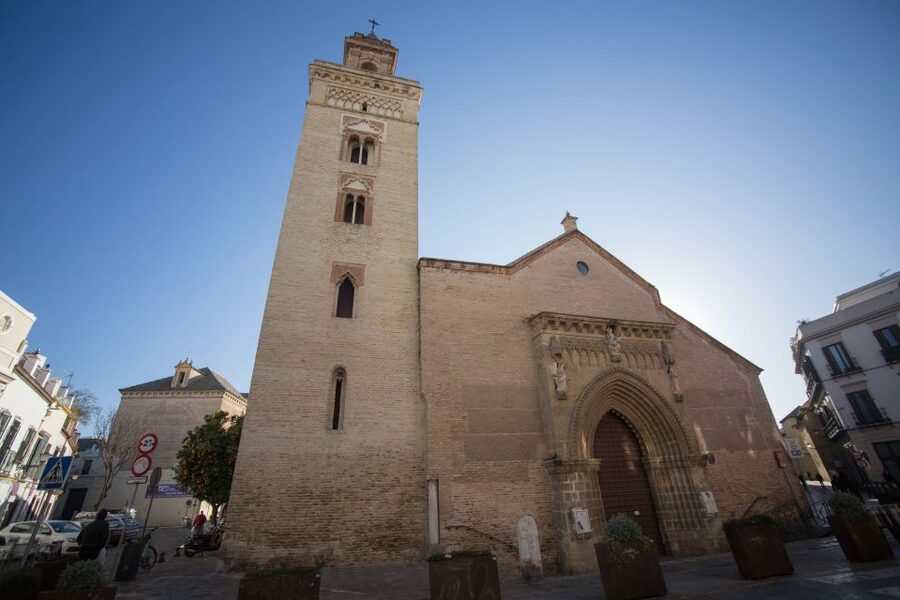
The route’s strongest cultural stop is the Basilica de la Macarena. The guided visit lasts about 20 minutes, and admission is included. This is where the tour moves from architecture into Seville’s powerful religious traditions.
Inside, you see the Virgin of Hope of Macarena, described as the most venerated Virgin in Seville and one of the most famous religious images in Spain. Even if you are not religious, the visit helps explain the importance of brotherhoods, processions, and local devotion in Andalusian life.
The guide’s role matters here. A quick independent visit may show you the image, but it may not explain why Macarena carries such weight for Seville. The tour promises stories, legends, secrets, and traditional customs, so this is one place where a good guide can turn a short stop into a meaningful one.
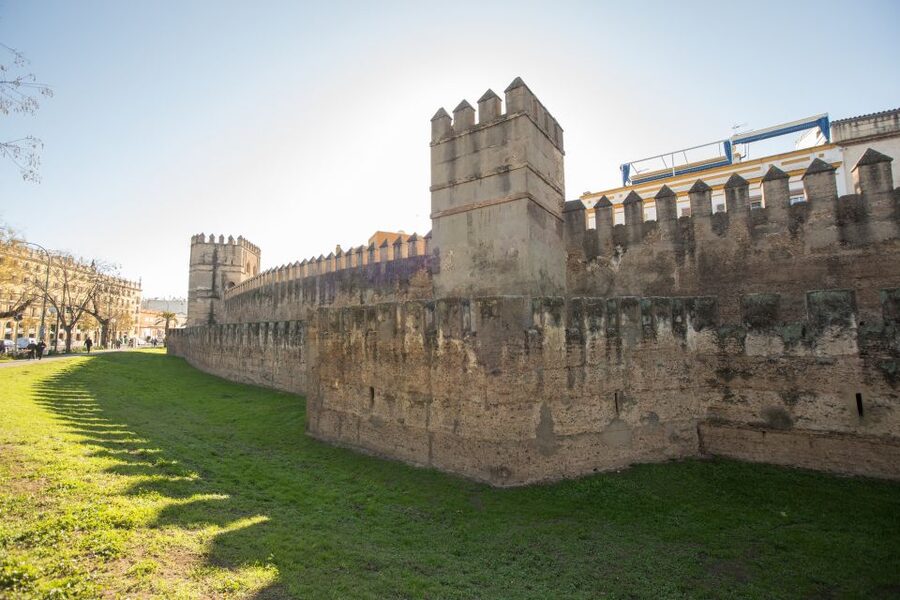
After the basilica, you walk to the Arco de la Macarena. The arch receives another guided stop of about 10 minutes. Together, the basilica and arch give the neighborhood a clear identity. One represents devotion and community. The other points to Seville’s older defenses and urban history.
The route is not built around rushing from one famous sight to another. Instead, it connects the church, the arch, the streets, and the neighborhood around them. That makes it a good choice if you have already seen the cathedral area and want a less obvious side of central Seville.
Same place, a different set of state rooms:
- “Las Dueñas” Palace ticket + Audioguide
★ 4.5 · 242 reviews - Flamenco Show at El Palacio Andaluz Admission Ticket in Seville
★ 4.5 · 136 reviews - Alhambra Private Tour & Nazaries Palaces from Seville with Pickup
★ 5.0 · 86 reviews - Seville: Palacio de Las Dueñas Entry Ticket and Guided Tour
★ 4.5 · 79 reviews
Santa Marina and San Luis Street
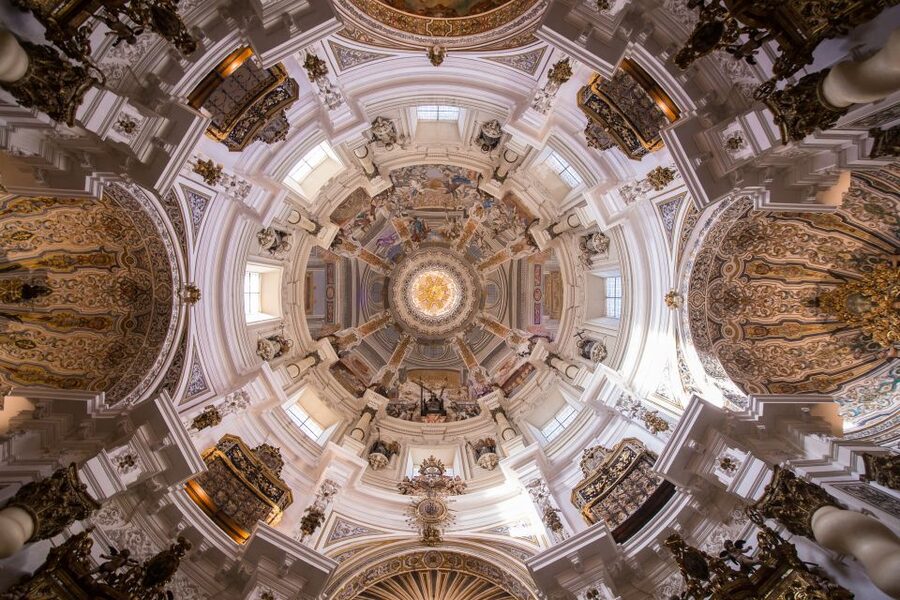
Next comes Iglesia de Santa Marina, with another short guided visit and time for photographs. The itinerary promises six different churches in Gothic, Moorish, baroque, Renaissance, and 20th-century styles. That variety is one of the tour’s best features, especially if you enjoy comparing buildings rather than seeing only one grand church.
Do not expect every church to receive the same amount of time. The route has only three hours, and several stops are listed at roughly 10 minutes. You get an informed overview of architectural changes and local history, not a specialist study of each building.
The tour then passes along San Luis Street and by San Luis de los Franceses. Admission to San Luis de los Franceses is included among the church entries, although the schedule describes this part as a pass-by stop. Since timing can change, ask the guide early in the walk how much interior time is planned there.
This section also brings in the story of Alfonso X, one of the historical figures named in the tour’s highlights. The exact amount of attention given to him may depend on the guide and the group, but the reference fits the tour’s wider purpose: showing how Seville’s religious buildings and streets reflect many periods of Spanish history.
Palacio de las Dueñas: the tour’s grand finish
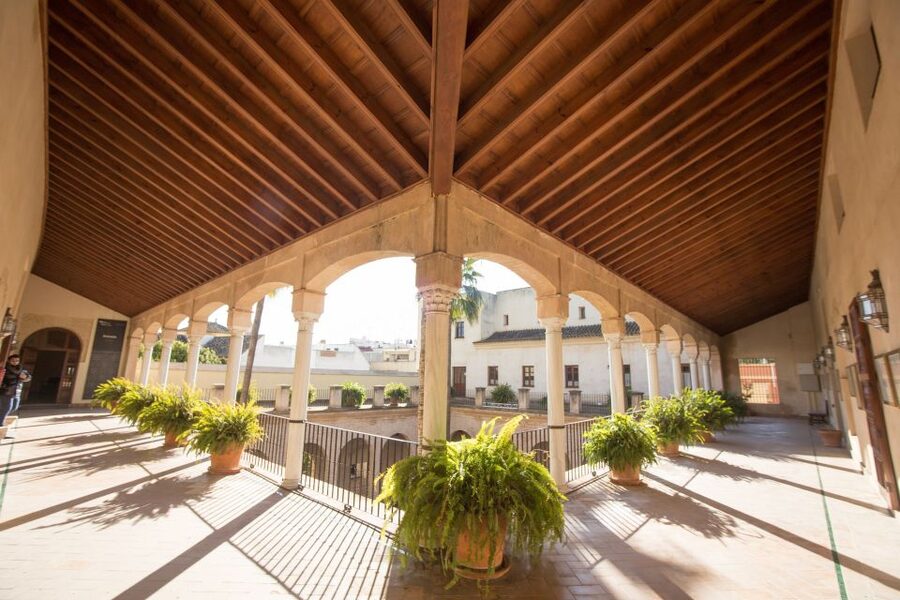
The final and longest stop is Palacio de las Dueñas. You finish at the palace, rather than returning to Las Setas, so plan your later movements from there.
The palace was the former residence of the Dukes of Alba and dates to the 16th century. The guided visit lasts about an hour, giving it far more time than any church on the route. Admission is included, and the tour information highlights art, gardens, and personal objects connected with the family.
This is where the $46 price begins to make sense. You are not paying only for a walk through public streets. The cost includes the Antiquarium, the Macarena church, the listed church admissions, a guided palace visit, and a local guide who ties the stops together.
Dueñas also changes the mood of the tour. Earlier, you move through parish streets, a market, and places of public devotion. At the palace, you see how an influential family lived, collected art, and shaped private spaces. The contrast between neighborhood Seville and aristocratic Seville is part of the appeal.
Allow yourself time to look beyond the grand rooms. The gardens and personal belongings are central to the experience because they make the palace feel connected to real people, not only to architecture. If you want a detailed museum visit at every stop, the schedule may feel tight. If you like a well-planned introduction to several parts of Seville, the hour at Dueñas is a strong finish.
Guide quality and the value of the explanations
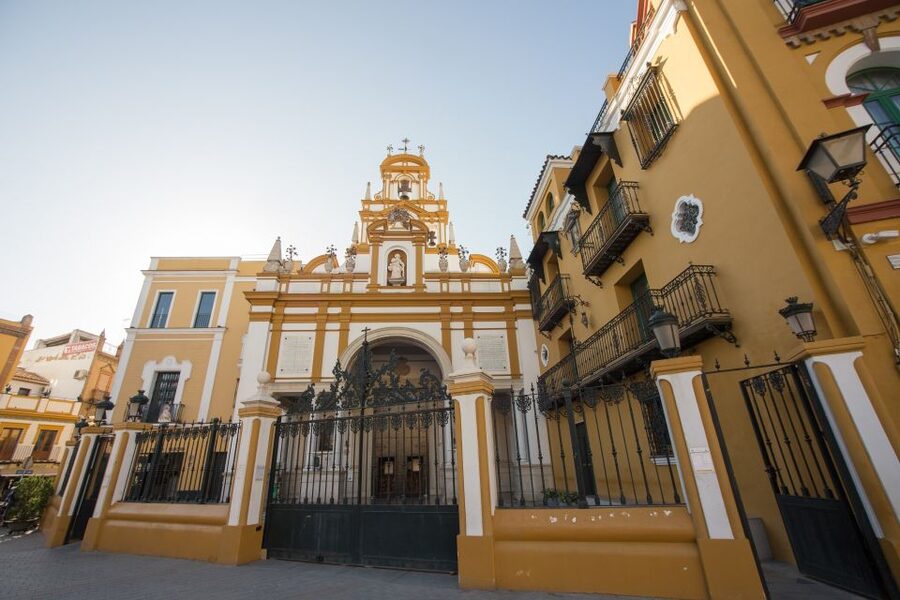
The available rating is 4.3 from 11 reviews, with the strongest praise directed at the guides. Emilio is described as attentive, engaging, and able to keep the group interested for more than three hours. His English received specific praise. Emilio and Jesus are also described as friendly and passionate about their city, while Julian is praised for being well prepared.
One booking happened to become a private tour, which made the experience feel especially personal. You should not assume that will happen for your departure, but it shows how much the format can improve when the group is small. With a good guide, the walk becomes a conversation about streets, churches, customs, and Seville’s past.
The guide is particularly important because the route has many short stops. Without explanation, you might see a series of churches and arches without understanding why they matter. A strong guide turns the route into one connected story.
The language options are English and Spanish. If you need a tour in another language, this is not the right choice.
Walking comfort, timing and practical value
The tour lasts three hours and includes repeated walks of about 10 minutes between some stops. Comfortable shoes and comfortable clothes are specifically recommended. That advice is basic, but important. You will be on your feet for most of the experience, with only the church and palace visits breaking up the walking.
The schedule is full. You visit the Antiquarium, San Juan de la Palma, Omnium Sanctorum, Feria Market, the Basilica of La Macarena, the Arco de la Macarena, Santa Marina, San Luis de los Franceses, and Palacio de las Dueñas. Some stops are photo opportunities or short explanations, while Dueñas receives about an hour.
Wheelchair access is listed as available. Because the activity includes a walking route through several parts of the city, you may want to confirm the practical details of each entrance when booking, especially if you need specific assistance.
The tour offers free cancellation up to 24 hours before departure and a reserve-now, pay-later option. Those terms are useful if your Seville plans are still shifting, but the main decision should be the route itself. Book it for the northern city center, the churches, and the palace, not merely for a flexible reservation.
Who should book this Seville walk?
I would choose this tour if you want a guided introduction to Seville beyond the cathedral, Alcázar, and Plaza de España. It suits you especially well if you enjoy local religious traditions, old markets, architecture, and stories about how neighborhoods developed.
It is also a good first or second day activity. You get a useful map of the north side of the center, then you can return to the places that caught your attention. The tour finishes at Dueñas, so you can continue exploring from there rather than retracing your steps to the starting point.
You may prefer another option if you dislike walking, want long museum visits, or expect a food experience. The market visit is brief, no food is served, and the churches are seen in quick succession. The route gives breadth more than slow, detailed study.
Should you book it?
Book this tour if you want a broad, guided walk through Seville’s northern center, with the special benefit of entering La Macarena and Palacio de las Dueñas. The combination of Roman remains, local streets, churches, market life, religious tradition, and aristocratic rooms gives you a fuller picture of the city than a standard monument-only tour.
At $46, the value is solid because several admissions and a one-hour palace visit are included. The best reason to book, though, is the guide. Emilio, Jesus, and Julian have received especially strong praise for clear English, warmth, and enthusiasm. If you prefer a slower pace or a food-focused outing, skip it. If you want context, variety, and a well-planned three hours on foot, this is a smart choice.
FAQ
Where does the tour begin?
It begins at the main stairs of Metropol Parasol in Plaza de la Encarnación.
Where does the tour finish?
The tour finishes at Palacio de las Dueñas.
How long does the tour last?
The experience lasts three hours.
What is the price?
The listed price is $46 per person.
Is the Antiquarium included?
Yes. Entry to the Antiquarium and a guided visit are included.
Is entry to Palacio de las Dueñas included?
Yes. Entry and a guided visit to the palace are included, with about one hour scheduled there.
Can I enter the Basilica de la Macarena?
Yes. Entry to the Macarena church is included, with a guided visit listed at about 20 minutes.
Is food included?
No. Food is not served. A café is available where you can purchase something.
What languages are available?
The live guide is available in English and Spanish.
Is the tour wheelchair accessible?
Yes, the activity is listed as wheelchair accessible.
What should I wear?
Bring comfortable shoes and comfortable clothes because the experience includes several walks between stops.
Can I cancel the booking?
You can cancel up to 24 hours in advance for a full refund.
Just added around Seville
- Private tour Palace of Dueñas★ 5.0 · 2 reviews
- Private tour Royal Palace+Old Jewish neighbourhood★ 5.0 · 6 reviews
- Secret Palaces Tour★ 5.0 · 9 reviews
- Seville Palaces: Dueñas Palace and Pilate House Tour★ 5.0 · 28 reviews
- Guided walking tour to Setas, La Macarena and Dueña’s Palace in Seville★ 4.5 · 8 reviews
- Private tour to the Royal Palace.★ 5.0 · 8 reviews
- Alhambra Private Tour & Nazaries Palaces from Seville with Pickup★ 5.0 · 86 reviews
- Las Dueñas Palace Guided Tour in Seville with Entrance Included★ 5.0 · 14 reviews
Seville Palace Tours, compared.
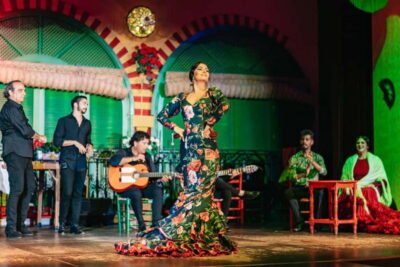
Flamenco at El Palacio Andaluz with Optional Dinner
Read our review →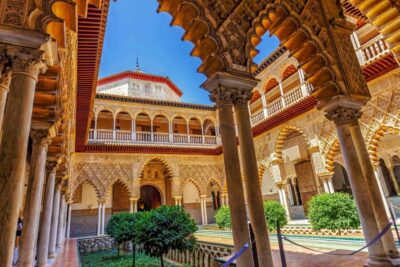
Alcázar Guided Palace Tour with Priority Access
Read our review →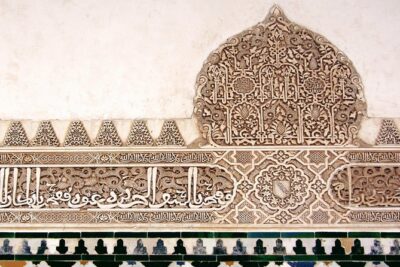
Granada Day Trip: Alhambra & Nazaries Palaces from Seville
Read our review →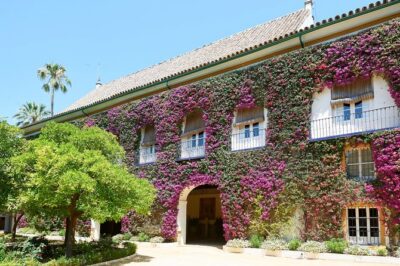
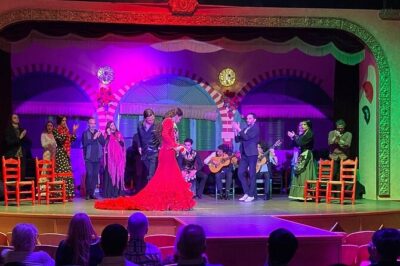
Flamenco Show at El Palacio Andaluz Admission Ticket in Seville
Read our review →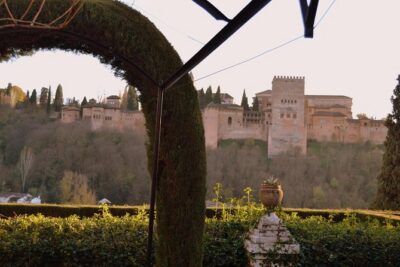
Alhambra Private Tour & Nazaries Palaces from Seville with Pickup
Read our review →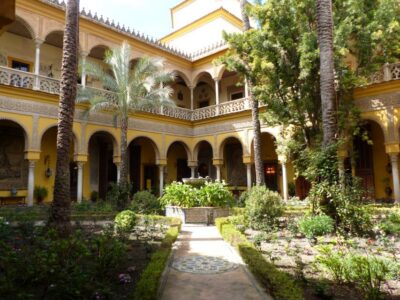
Palacio de Las Dueñas Entry Ticket and Guided Tour
Read our review →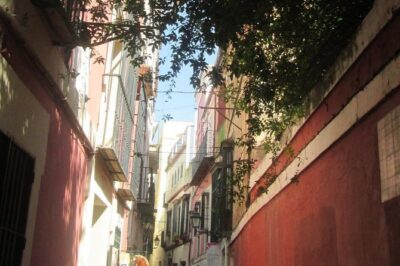
Private tour Royal Palace+Cathedral+old Jewish neighbourhood
Read our review →Browse the lists this tour appears in