
REVIEW · ROME
Rome: Colonna Palace Guided Tour
Rome hides some of its best art behind ordinary doors. Palazzo Colonna rewards you with grand halls, Renaissance paintings, and gardens that feel far removed from the city outside. I especially like the chance to see rooms linked to Pope Martin V and the personal world of Princess Isabelle, rather than just another famous painting gallery.
I also like that you can choose between a guided tour in English, French, or Italian and a self-guided entry option. The main drawback is timing: the palace is open to the public only on Friday and Saturday mornings, so this is not an easy stop to fit into every Rome schedule.
Key things to know before visiting
- Friday and Saturday mornings only: Plan around the palace’s limited public opening hours.
- Two hours well spent: The visit covers the grand gallery, historic rooms, courtyard, gardens, and, with the appropriate ticket, Princess Isabelle’s Apartments.
- Strong art collection: Look for works associated with Tintoretto, Pinturicchio, Guido Reni, Bronzino, and Guercino.
- Excellent guide option: Guides such as Fabiana, Alessandro, and Erica have earned praise for clear, informed presentations.
- A film connection: The palace appeared in the classic movie Roman Holiday.
- Price and access: Tickets cost about $49.31 per person, the ticket line is skipped, and the site is wheelchair accessible.
Why Palazzo Colonna feels different from Rome’s big museums
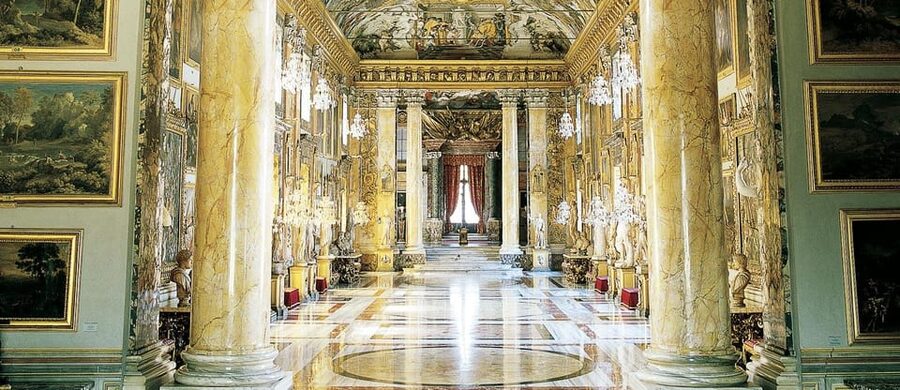
Rome gives you plenty of famous museums, but Palazzo Colonna offers something more personal. You are not simply moving from one painting to the next. You are walking through a family palace that developed over more than five centuries, with art, architecture, and domestic life all sharing the same rooms.
The palace dates back to the 14th century and is tied to the Colonna family, one of Rome’s major aristocratic families. Pope Martin V also lived here. That connection helps explain the scale of the interiors. This was not a modest residence with a few decorative touches. It was a place built to project power, wealth, and family importance.
I like the way the visit combines public grandeur with private details. The grand gallery gives you the spectacle, while Princess Isabelle’s Apartments offer a closer look at how an aristocratic woman lived. The contrast keeps the experience from becoming one long procession of ornate rooms.
The palace is also a useful choice if you want art without the crowds and scale of Rome’s largest collections. You will still see major works and lavish decoration, but the setting gives them a stronger sense of place.
A few more palace visits around Rome worth a look
- Rome: Opera Concert at Palazzo Poli – Fontana di Trevi
★ 4.7 · 1,026 reviews - Rome: Colonna Palace Entry Ticket
★ 4.8 · 609 reviews - The Great Opera Arias Concert at Palazzo Poli – Trevi Fountain
★ 5.0 · 533 reviews
Starting in the Galleria Colonna
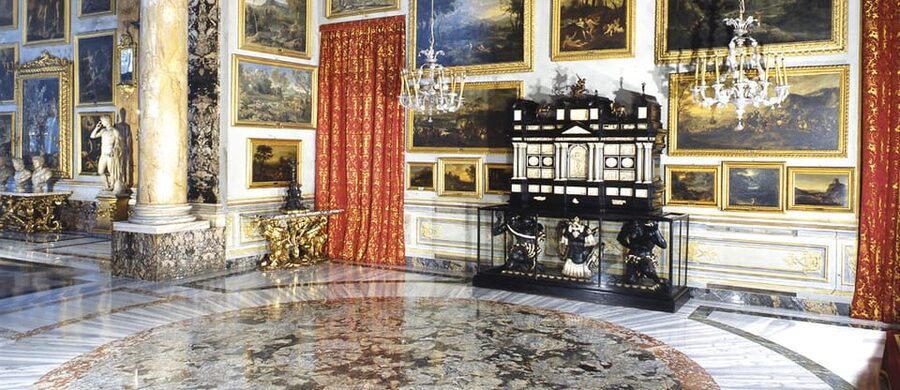
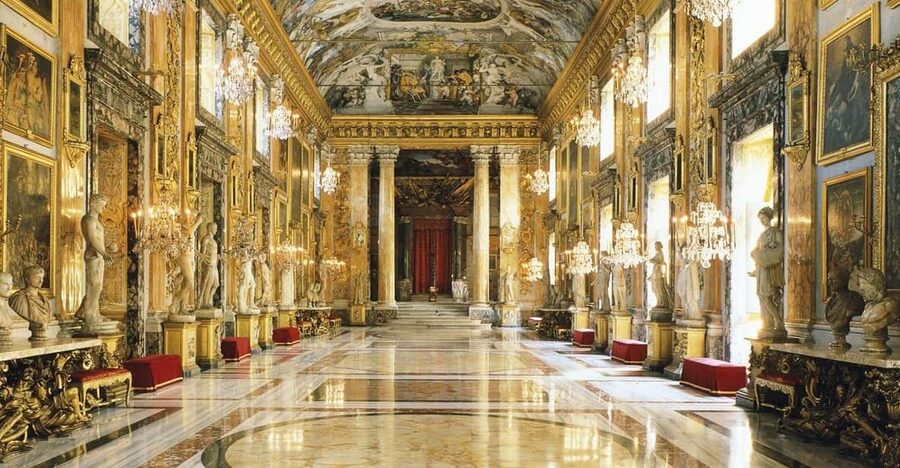
The Galleria Colonna is the visual centerpiece of the visit. Expect a long, richly decorated gallery lined with paintings from the late Renaissance and Baroque periods. The room itself is part of the attraction, with polished surfaces, grand proportions, and decorative details competing for your attention.
This is where a guide adds real value. A quick walk through the gallery can leave you focused only on the gold, color, and sheer amount of decoration. A good guide helps you slow down and notice how the paintings fit into the room and the family’s ambitions.
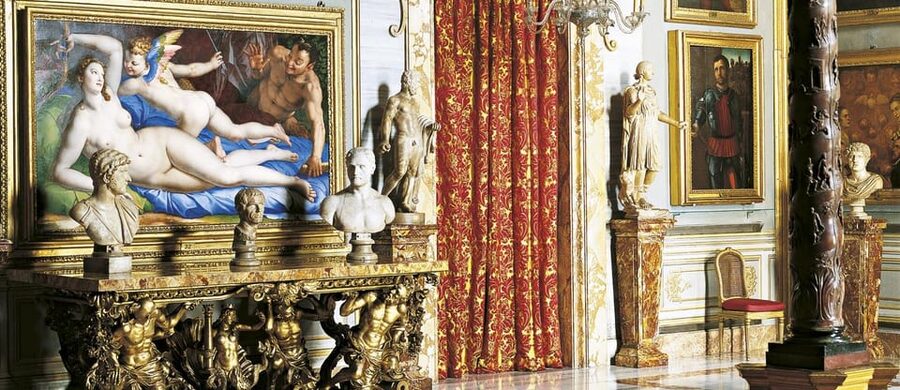
Look for works associated with Tintoretto, Pinturicchio, Guido Reni, Bronzino, and Guercino. These names give you a useful thread through Italian painting, from late Renaissance elegance to the stronger drama of the Baroque period.
You may also see trompe l’oeil paintings. These works use painted effects to trick your eye into seeing depth, architecture, or objects that are not really there. They reward a few extra seconds of attention. Step back, look again, and notice how the painted surfaces play with the real room around them.
The gallery is impressive even if you are not an art specialist. You do not need to arrive with a list of artists memorized. The setting provides plenty to enjoy, while the guide can explain the most important details without turning the visit into a lecture.
Art by Tintoretto, Reni, and Guercino
The collection’s appeal comes from its range. You are not seeing one narrow school or one period of painting. Instead, the palace brings together art from several stages of Italian culture, displayed in rooms designed for aristocratic life.
Tintoretto’s work is known for movement and theatrical energy. Guido Reni brings a more polished, controlled style. Bronzino’s paintings offer the refined look associated with the Florentine court, while Guercino is known for expressive Baroque drama. Pinturicchio adds another important Renaissance voice.
These paintings matter partly because of the names attached to them, but the surroundings matter just as much. In a modern museum, a painting usually gets its own wall and a label. Here, you see art as part of an interior made for ceremonies, family gatherings, and formal display.
That setting changes the way you look. You can ask why a particular picture was placed in a certain room, how its scale worked with the architecture, and what a wealthy family wanted its collection to communicate.
The palace also appeared in Roman Holiday, giving film fans an extra reason to pay attention. The movie connection should not be the main reason you book the visit, but it adds a pleasant bit of popular culture to a very old setting.
The rooms where popes and aristocrats lived
After the gallery, the visit moves through rooms linked to the palace’s former residents. The architecture reflects changes made across five centuries, so you should expect more than one uniform design style.
This variety is one of the palace’s strengths. Some rooms may feel formal and ceremonial, while others offer a more intimate sense of domestic life. Together, they show how a residence can change as families, fashions, and political circumstances change.
The reference to Pope Martin V gives these rooms particular weight. You are not only looking at expensive decoration. You are also seeing a setting connected to the political and religious world of medieval and Renaissance Rome.
A guide can help you separate documented history from the visual drama of the interiors. That is especially useful in a palace where the details can compete with one another. Fabiana received praise for making the rooms and paintings accessible, while Alessandro was described as an excellent guide with a strong command of Italian art and culture. Erica was also singled out for her clear presentation.
Those individual guide names matter because the quality of a palace tour depends heavily on explanation. The building will impress you on its own, but a strong guide helps turn decoration into a story.
Same place, a different set of state rooms:
- Colosseum Underground, Roman Forum & Cesar Palace Special Access
★ 4.5 · 421 reviews - Rome: Palazzo Barberini Galleria Corsini Ticket & Audioguide
★ 3.9 · 322 reviews - Rome: Vittoriano with Rooftop & Palazzo Venezia Hosted Entry
★ 4.2 · 306 reviews - Colosseum Special Access on Arena Floor, Roman Forum and Palaces
★ 4.5 · 260 reviews
Princess Isabelle’s Apartments and the personal side of the palace
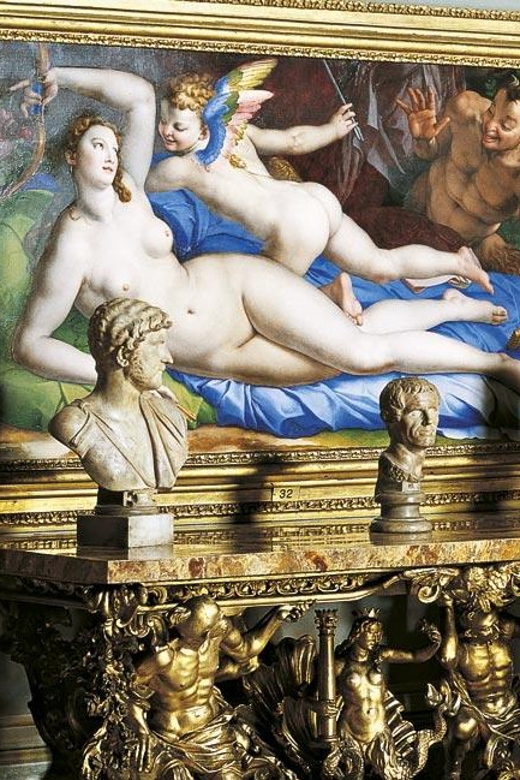
The Princess Isabelle’s Apartments provide a different experience from the formal gallery. They focus more on daily life and private rooms, giving you a closer look at the people who occupied the palace.
This part is particularly useful if you sometimes tire of grand state rooms. Lavish halls tell you about status, but apartments can show habits, taste, and routine. You may find yourself paying attention to furniture, smaller decorative choices, and the way rooms were arranged for personal use.
The apartment option is also a good reason to consider the entry ticket if you prefer to explore at your own pace. You can spend longer with details that interest you instead of keeping up with a group. On the other hand, the guided tour may give you a fuller explanation of who Princess Isabelle was and why these rooms matter.
The supplied information does not specify every room or object inside the apartments, so I would keep expectations focused on atmosphere and context rather than a fixed checklist. You are paying for access to a historic aristocratic interior, not for a staged recreation of daily life.
The palace gardens and the final courtyard
The gardens offer a welcome change after the enclosed rooms. They give you space to appreciate the palace from another angle and to pause after the concentration required by the artwork.
I like that the gardens are part of the experience rather than an unrelated add-on. A Roman palace made its status visible not only through painted ceilings and galleries, but also through controlled outdoor space. The gardens help complete that picture.
The visit concludes in the palace courtyard. This is a natural place to pause and gather the various parts of the experience: the art, the papal connection, the family apartments, and the long architectural history.
Do not rush the courtyard simply because it comes at the end. After the decorated rooms, an open space can help you notice the building’s overall scale. It is also a useful point for deciding what you remember most, since the visit gives you several different kinds of interest rather than one single highlight.
Guided tour or entry ticket?
The guided option is the better choice if you want the palace’s art and history explained as you go. The available languages are English, French, and Italian. The strongest guide feedback centers on clear delivery and expertise in art and archaeology, so this is a sensible pick for anyone who wants more than a quiet walk through beautiful rooms.
Choose the entry ticket if you prefer independence. It allows access to the gardens and Princess Isabelle’s Apartments for a more relaxed visit. This option may suit you if you already know Roman art well, dislike fixed commentary, or want to spend your time on visual details.
There is a tradeoff. A self-guided visit gives you freedom, but it may leave the paintings and rooms less connected. A guided tour gives you structure and context, though you have less control over how long you linger in one spot.
The available information describes a two-hour duration. That is enough time for a focused visit, but you should not expect to examine every painting at museum length. If a particular artist matters to you, tell your guide or make a point of asking about that work.
Is $49.31 a fair price?
At about $49.31 per person, this is not a cheap palace visit. The value depends on what you want from Rome.
If you only want a quick look at an ornate interior, the cost may feel high. Palazzo Colonna is a specialized experience, and its limited opening schedule means you are paying for access to a private aristocratic setting that is not available every day.
I think the guided option offers the stronger value for most first-time visitors. You receive entry, a two-hour visit, and an explanation of the art and rooms in a setting where context makes a major difference. The combination of gallery, palace interiors, gardens, and apartments gives you more variety than a single-room attraction.
The value is also better for art and culture fans who already have Rome’s major landmarks on their list. Once you have seen the Colosseum, Vatican Museums, and other headline sights, a palace visit can provide a quieter and more specialized look at Roman life.
Food and drinks are not included, but that is not a serious concern for a two-hour cultural visit. You should simply plan your meal separately.
Timing, access, and practical concerns
The most important planning detail is the opening schedule. Palazzo Colonna is open to the public every Friday and Saturday morning. Check the available start times before you build the rest of your day around it.
The activity lasts two hours, and the ticket process skips the ticket line. That saves time, but it does not remove the need to arrive with your schedule in mind. Since the opening window is narrow, missing the chosen time could be especially inconvenient.
The palace is wheelchair accessible, which makes it a practical option for visitors who need step-free access. The available information does not provide further details about routes within each room, so you may want to confirm any specific mobility requirements before booking.
The activity is non-refundable. That matters here because the Friday and Saturday morning schedule gives you fewer backup choices than a daily attraction. Book only once your Rome plans are firm.
Who will enjoy Palazzo Colonna most?
I would recommend this visit to:
- Art lovers who want to see Renaissance and Baroque works in an aristocratic setting
- Visitors interested in papal and Roman family history
- Film fans who enjoy locations connected with Roman Holiday
- People who prefer smaller, focused cultural visits to huge museums
- Anyone who wants a guided experience in English, French, or Italian
- Repeat visitors looking for a less familiar side of Rome
I would be more cautious if your schedule does not include a Friday or Saturday morning. I would also think twice if you want a completely casual stop that requires no fixed timing.
Families with older children may find the painted illusions and grand rooms engaging, especially with a guide who explains what to look for. Very young children may have less patience for a two-hour art and architecture visit, though the gardens provide some visual variety.
Should you book the Palazzo Colonna tour?
Book it if you want art with a strong sense of place. The paintings are important, but the real appeal is the combination of gallery, papal rooms, aristocratic apartments, gardens, and courtyard.
Choose the guided version if this is your first visit or if you want the paintings explained. The praise for Fabiana, Alessandro, and Erica suggests that the guide can make a major difference. Choose the entry ticket if you prefer a quieter visit focused on the gardens and Princess Isabelle’s Apartments.
The price is reasonable for a two-hour guided cultural experience, but the limited Friday and Saturday morning schedule is the key condition. If that timing works, Palazzo Colonna is a thoughtful addition to a Rome itinerary, especially after you have seen the city’s most famous sights.
FAQ
How long does the Palazzo Colonna visit last?
The experience lasts two hours.
When is Palazzo Colonna open to the public?
It is open to the public every Friday and Saturday morning.
Which languages are available for the guided tour?
Guided tours are available in English, French, and Italian.
What does the guided tour include?
The guided option includes entry to Palazzo Colonna and a live guided tour.
What can I see with the entry ticket option?
The entry ticket option provides access to the gardens and Princess Isabelle’s Apartments.
Is Palazzo Colonna wheelchair accessible?
Yes, the activity is listed as wheelchair accessible.
Does the ticket include food or drinks?
No. Food and drinks are not included.
How much does the experience cost?
The listed price is about $49.31 per person.
Just added around Rome
- Prince for a day, Colonna Palace complete tour, package price★ 5.0 · 5 reviews
- Skip-the-Lines Barberini Palace Museum and Gallery Private Tour★ 5.0 · 4 reviews
- The Colonna Palace Walking Tour★ 5.0 · 6 reviews
- Roman Domus of Palazzo Valentini Ticket★ 4.0 · 42 reviews
- Paint & Sip in a 17th-Century Palazzo with Wine & Pizza★ 4.5 · 18 reviews
- Rome, Vittoriano Rooftop View and Palazzo Venezia Official Entry★ 4.0 · 12 reviews
- Rome Barberini Palace Guided Tour★ 3.5 · 5 reviews
- Private Chauffeured Tour to Caserta Royal Palace from Rome and Designer Outlet★ 5.0 · 2 reviews
Rome Palace Tours, compared.

Opera Concert at Palazzo Poli – Fontana di Trevi
Read our review →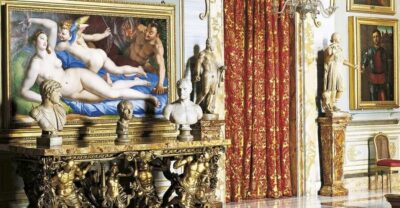

The Great Opera Arias Concert at Palazzo Poli – Trevi Fountain
Read our review →
Colosseum Underground, Roman Forum & Cesar Palace Special Access
Read our review →
Palazzo Barberini Galleria Corsini Ticket & Audioguide
Read our review →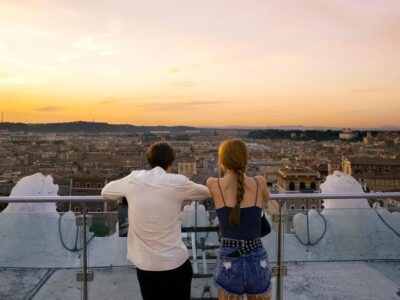
Vittoriano with Rooftop & Palazzo Venezia Hosted Entry
Read our review →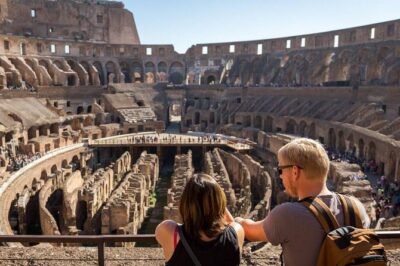
Colosseum Special Access on Arena Floor, Roman Forum and Palaces
Read our review →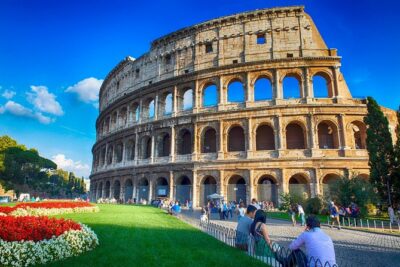
Colosseum Arena tour with Roman Forum and Cesar’s Palace
Read our review →Browse the lists this tour appears in