REVIEW · RIYADH PROVINCE, SAUDI ARABIA
Riyadh: Masmak Fort, Souq AlZal, and Murabba Palace Tour
Riyadh’s past comes alive in old mudbrick walls. This six-hour guided outing links the city’s most important heritage sites, from Masmak Fort and Souq AlZal to Murabba Palace, the National Museum, Al Bujairi Heritage Park, and a Najdi meal. I like the strong mix of places: you get political history, old-market atmosphere, royal architecture, and local food in one day. I also like that hotel pickup and drop-off are included, with English- and Arabic-speaking guides available.
The main thing to consider is the pace. Six hours covers a lot of ground, and several stops involve walking, standing, and moving between exhibits. The tour is listed as wheelchair accessible but also not suitable for people with mobility impairments, so you should confirm the practical arrangements before booking. Recent booking feedback gives the experience a 4.8 rating from seven reviews, with specific praise for guides Sultan and Thamer.
Key points to know before booking
- Masmak Fort tells the political story of modern Saudi Arabia, using a simple clay and mudbrick structure as the setting.
- Souq AlZal is best for browsing old objects, including antiques, coins, utensils, instruments, and old record players.
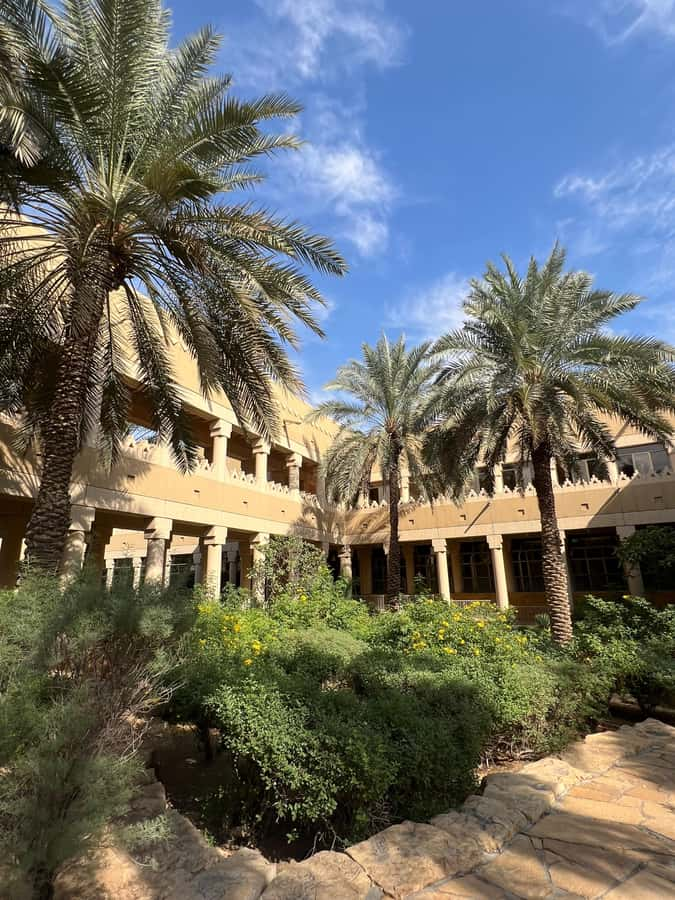
- Murabba Palace offers a close look at traditional royal architecture, especially its central foyer and room layout.
- The National Museum adds wider historical context, with about 3,700 artifacts across a large museum space.
- Al Bujairi Heritage Park provides a change of pace, with views toward At Turaif and Wadi Hanifah.
- Najdi Village finishes the day with regional food, giving the tour a useful connection to living Saudi culture.
Why this six-hour route works
Riyadh can feel spread out, especially if you are trying to connect old districts, museums, and heritage areas on your own. This tour groups several major sites into one route and includes transportation from either the Kingdom Centre or King Khalid International Airport. That makes it useful for a first visit, a short stopover, or anyone who wants a guided introduction instead of arranging several separate rides.
The route also moves through different types of history. Masmak Fort is tied to the formation of the modern kingdom. Murabba Palace shows how King Abdulaziz lived and governed. The National Museum widens the story beyond Riyadh, while Souq AlZal brings you into a market where old objects still change hands.
I would not treat this as a slow, specialist museum day. It is better understood as a broad introduction. You will see many important places, but your time at each one may feel limited, especially if you enjoy reading every museum panel or lingering over market stalls.
A few more palace visits around the world worth a look
- Venice: Doge’s Palace Reserved Entry Ticket
★ 4.6 · 42,716 reviews - Paris: Versailles Palace and Gardens Full Access Ticket
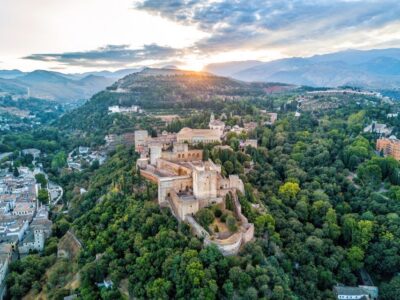
★ 4.6 · 41,579 reviews - Granada: Alhambra & Nasrid Palaces Tour with Tickets
★ 4.7 · 19,801 reviews
Masmak Fort and the story of unification
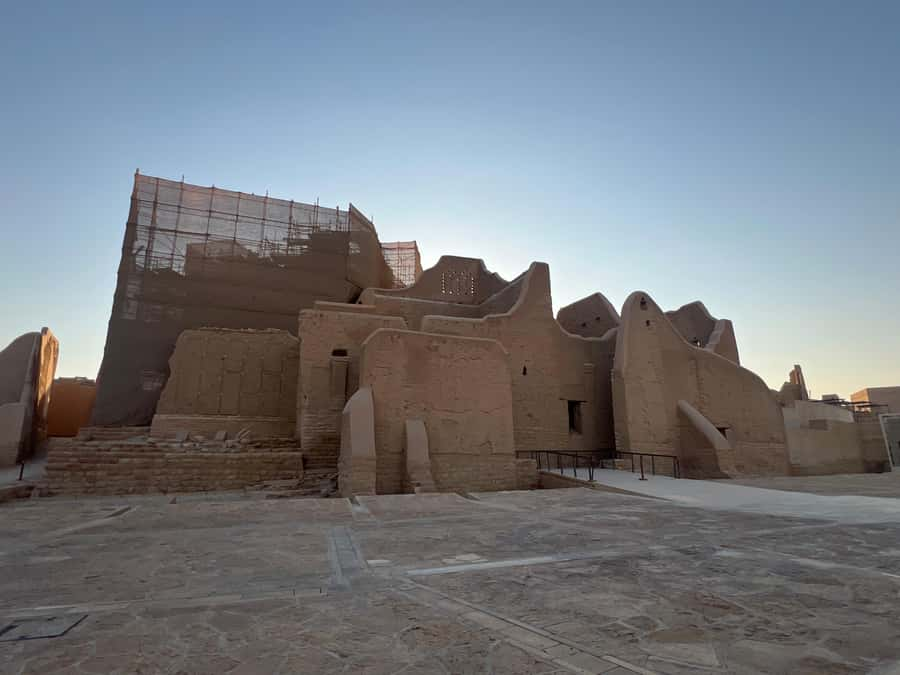
Masmak Fort is a powerful place to begin. Its clay and mudbrick construction gives it a plain, earthy appearance, but its importance is far greater than its modest materials suggest. The fort was the scene of a battle that shifted control toward the House of Saud and helped pave the way for present-day Saudi Arabia.
A guide can make this stop much more meaningful than a quick photograph from outside. Look closely at the fort’s material and form. The heavy walls, traditional construction, and defensive purpose connect the building to an earlier Riyadh, before the city’s modern towers and wide roads changed its appearance.
The entrance is included, so you do not need to arrange a separate ticket. Plan to wear comfortable shoes, since the visit includes walking and may involve uneven historic surfaces. A hat, sunscreen, and water are sensible in Riyadh’s strong sun, particularly if you are visiting during a hot part of the year.
Masmak is also a good place to ask questions. If your guide is Sultan or Thamer, the positive feedback attached to their tours suggests you may get a particularly warm and informative introduction. Still, guide assignments can vary, so you should not book on the assumption that one named guide will lead your group.
Souq AlZal and its old objects
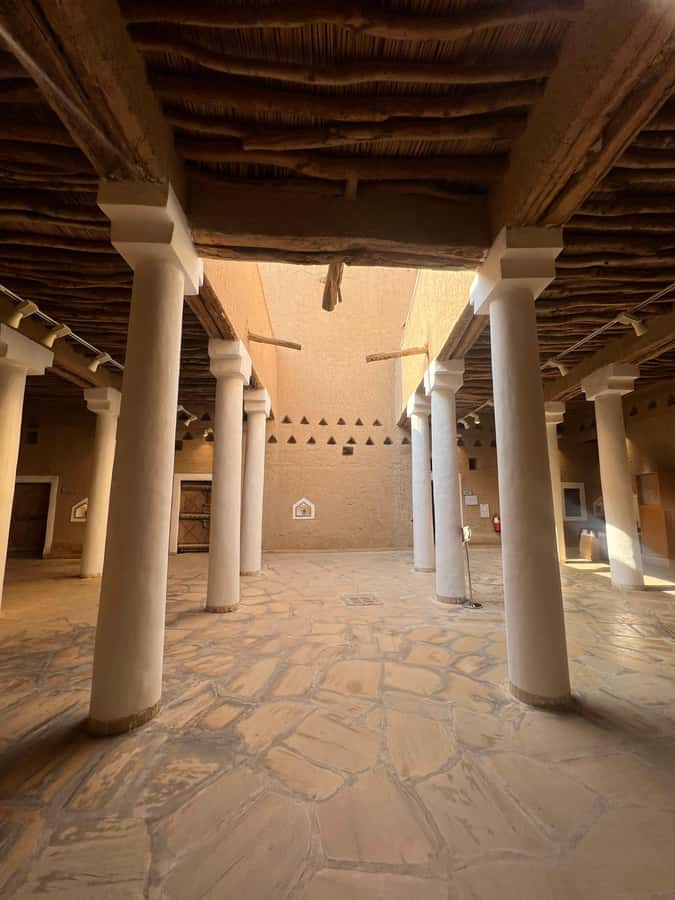
After Masmak, Souq AlZal gives you a very different view of Riyadh. This is one of the city’s oldest traditional markets, with around a century of activity connected to its alleyways. The atmosphere is less polished than a modern shopping center, which is exactly the point.
The market is known for antiques, rare coins, old utensils, musical instruments, and old record players. You may also find many small objects that seem better suited to a folk museum than a working shop. Sellers’ voices and auction activity add sound and movement, making this one of the more sensory parts of the day.
I like this stop because it leaves room for curiosity. You are not simply looking at labeled displays. You might spot something familiar from another era, ask about an item’s use, or find an unusual souvenir. Personal spending is not included, so purchases are your responsibility. The tour price does not cover anything you buy here.
Give yourself realistic expectations. Souq AlZal is not described as a modern retail district, and the selection will vary. Some people will love the odd objects and old-fashioned feel. Others may prefer the formal displays at the National Museum. Keep your camera ready, but ask before photographing people or sensitive items.
Murabba Palace and a different side of royal history
Murabba Palace was established by order of King Abdulaziz, the founder of the Kingdom. Its most interesting design feature is the foyer at the center, with rooms arranged around it. The layout reflects traditional building ideas of the period and gives the palace a strong sense of structure.
This visit is valuable because it puts royal history into a physical setting. Masmak helps explain a turning point in political history. Murabba helps you picture the world of the ruler who shaped the new state. The building’s design also gives you something more precise to study than a general palace label. Pay attention to the relationship between the central space and surrounding rooms.
The palace is part of a walking segment, listed at about one hour. That is enough time for an introduction and a look at the main features, but not necessarily enough for a slow architectural study. If you enjoy design, ask your guide to point out how traditional ideas appear in the palace’s arrangement.
The route also includes the King Abdulaziz Foundation for Research and Archives, known as Darah, on the way to the palace. It serves the history, geography, literature, and heritage of Saudi Arabia. Even a short visit helps connect the palace to the wider record of the country, rather than treating it as an isolated building.
Same place, a different set of state rooms:
- Sintra: Pena Palace and Park Entrance Ticket
★ 4.2 · 17,410 reviews - Granada: Alhambra and Nasrid Palaces Entry Ticket
★ 4.6 · 15,130 reviews - Madrid: Royal Palace Fast-Access Admission Ticket
★ 4.6 · 13,856 reviews - Doge’s Palace & St. Mark’s Basilica with Terrace Access Tour
★ 4.7 · 10,697 reviews
The National Museum and 3,700 artifacts
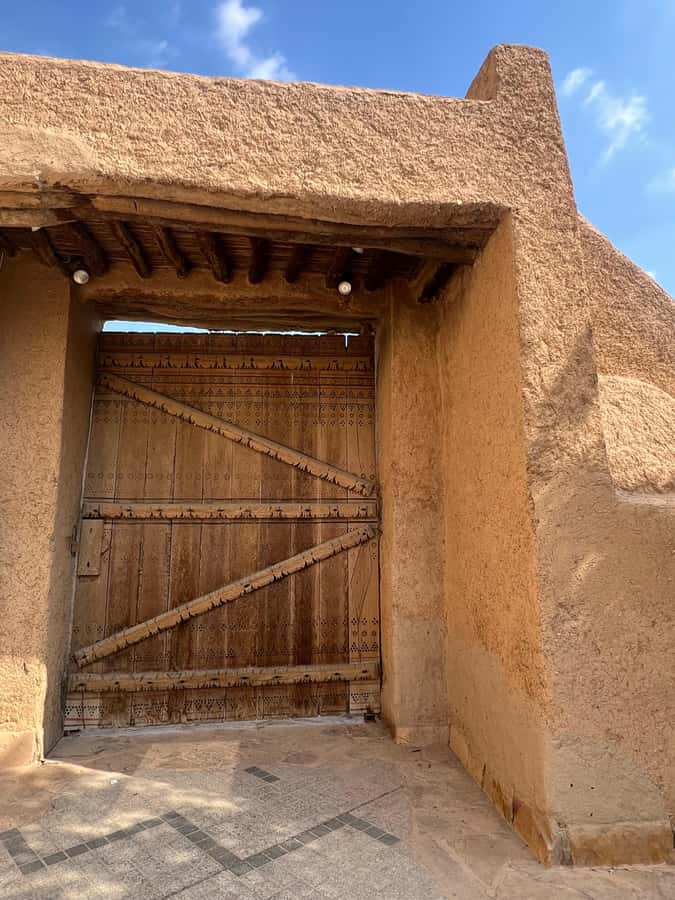
The National Museum adds the broadest historical frame to the outing. It is located in the Al-Murabba neighborhood near King Abdulaziz Palace and contains about 3,700 artifacts, including statues, scripts, and sculptures. The museum covers a large area, listed as 17,000 square meters.
This is the place where the day’s separate pieces can begin to fit together. At Masmak, you focus on Riyadh and the House of Saud. At Murabba, you look at one royal setting. In the museum, you can place those stories within the longer history of Saudi Arabia.
A museum of this size can be demanding after several earlier stops. I recommend deciding what interests you most before you enter. You might focus on the objects, the written material, or the parts that relate to the city’s political development. Your guide can help you avoid wandering without a clear sense of what you are seeing.
The National Museum admission is included. Photography is allowed, but local sensitivities still matter. Follow instructions from staff and your guide, and avoid photographing people without permission.
Al Bujairi Heritage Park and views toward At Turaif
Al Bujairi Heritage Park brings the route into the historic Diriyah district. The park overlooks At Turaif, a UNESCO World Heritage Site, as well as Wadi Hanifah, a desert oasis running through the area.
This is a useful pause after the fort, market, palace, and museum. Instead of concentrating on rooms and objects, you can look across the historic district and the valley. The park helps you understand how Riyadh’s heritage areas relate to their setting.
The stop is called an exploration rather than a detailed visit to At Turaif itself. That distinction matters. The tour includes views toward the UNESCO site, but the supplied details do not say that entry into At Turaif is part of the admission. If that site is your main reason for visiting Diriyah, confirm exactly what you will see and how much time you will have there.
Bring a hat, sunscreen, and water. Walking outdoors in Riyadh can be tiring, and the full route includes several stops before this one. Comfortable shoes will make the day easier.
Najdi Village and the final meal
The final food stop is Najdi Village, a restaurant with a heritage character that serves popular Saudi food, especially dishes from the Najdi region. This is a fitting end because it gives you a taste of local culture after a day spent looking at buildings and artifacts.
The meal is highlighted as part of the expected experience, but the included-services list does not specifically say that food is included in the $149 price. Personal expenses are excluded. I would confirm the meal arrangements before booking, especially if you are planning your budget around a fully covered lunch or dinner.
Najdi food is part of the tour’s regional focus. You are not simply being dropped at a generic restaurant after sightseeing. The setting is intended to reflect heritage, and the menu focuses on local cooking. If you have dietary restrictions, ask the provider ahead of time, since the available details do not list specific dishes or substitutions.
Is $149 a fair price?
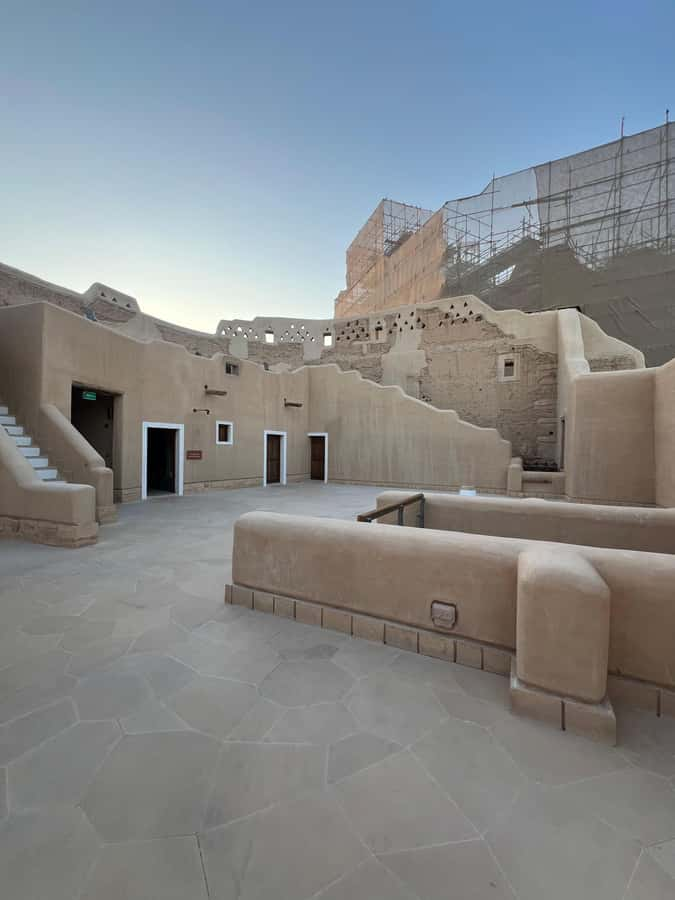
At $149 per person, this is not the cheapest way to see Riyadh. The value depends on how much you want handled for you. The price includes hotel pickup and drop-off, entrance to Masmak Fort, the National Museum, Murabba Palace, Souq AlZal, and Al Bujairi Heritage Park, plus a live guide in English or Arabic.
For a first-time visit, that combination can make sense. You avoid piecing together transport between sites and gain context at places that are easy to see without understanding. The airport pickup and drop-off option is especially useful if you are using Riyadh as a stopover, although you should allow enough time around your flight and confirm the timing directly.
The value is weaker if you already know Riyadh well, prefer long museum visits, or want plenty of unstructured shopping time. This route covers a lot in six hours, so you are paying partly for organization and interpretation, not just entry tickets.
Free cancellation up to 24 hours before the start gives you some flexibility. You can also reserve now and pay later, which helps if your schedule is still changing.
Walking, clothing, and practical comfort
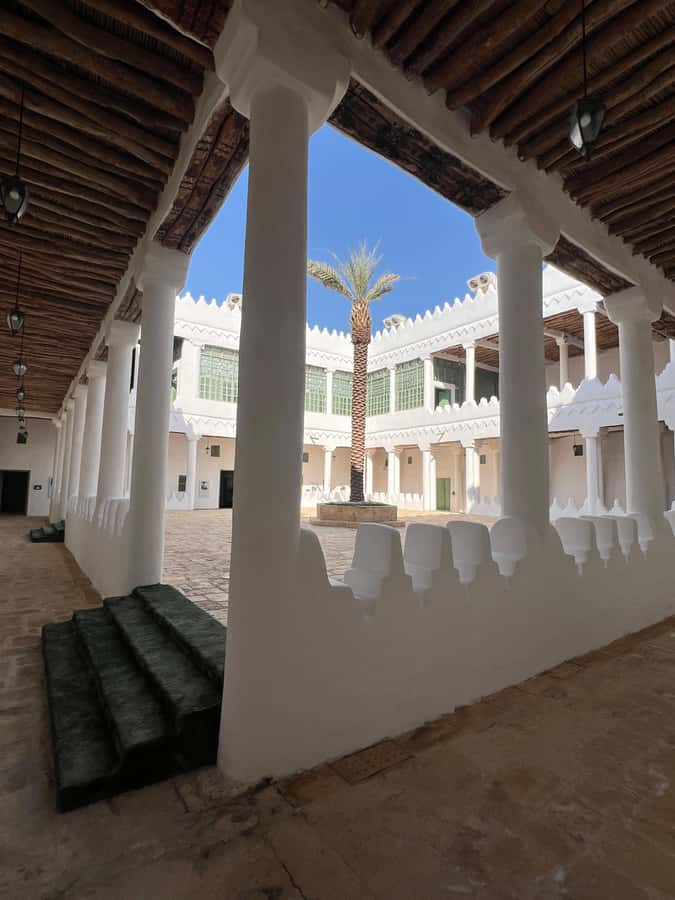
Wear modest clothing that respects local customs. Comfortable walking shoes matter more than stylish ones here, since the day includes forts, market lanes, palace grounds, museum floors, and an outdoor heritage park.
Bring:
- A hat
- Sunscreen
- Water
- A camera
- Comfortable shoes
Smoking is not allowed during the activity. Photography is permitted, but you should remain aware of local sensitivities and follow any site rules.
There is a practical contradiction in the accessibility information. The activity is marked wheelchair accessible, but it is also described as not suitable for people with mobility impairments. If you use a wheelchair, walk with difficulty, or need frequent rest, contact Abha Trips before paying. Ask about vehicle access, walking distances, surfaces, and assistance at each stop.
Who will enjoy this tour most?
I would recommend it to first-time visitors who want a firm introduction to Riyadh’s past without spending days organizing separate visits. It suits people who like a mix of museums, architecture, markets, outdoor viewpoints, and food.
It is also a good choice for short stays. The two pickup options, Kingdom Centre and King Khalid International Airport, make the route practical for some stopover schedules. Just verify the start and finish time against your flight.
History-minded visitors will appreciate the connection between Masmak Fort, King Abdulaziz, Murabba Palace, Darah, and the National Museum. Shoppers who enjoy antiques may prefer the time at Souq AlZal, while food-focused visitors will value the Najdi Village finish.
I would be cautious about booking if you need a slow pace, dislike walking, or want detailed time inside one museum. The route is broad by design. Its strength is variety, not deep specialization at every stop.
Should you book the Riyadh heritage tour?
Book it if you want one organized day covering Riyadh’s main historic sights, with transport, admissions, guides, and a local food stop brought together. The strongest parts are the contrast between Masmak Fort and Souq AlZal, the architectural focus at Murabba Palace, and the wider historical setting provided by the National Museum.
Before booking, confirm the exact schedule, meal coverage, and accessibility arrangements. Also remember that the tour’s pace may leave limited time for serious shopping or detailed museum study.
The high rating and specific praise for Sultan and Thamer point to strong guiding as one of the experience’s best features. If you want a friendly, efficient introduction to Riyadh and prefer someone else to manage the route, the $149 price can be fair. If you want freedom and long visits at each site, choose a slower private plan instead.
FAQ
How long does the tour last?
The tour lasts six hours.
Where can pickup take place?
Pickup is available from the Kingdom Centre or King Khalid International Airport.
Where can drop-off take place?
Drop-off is available at King Khalid International Airport or the Kingdom Centre.
Which languages are available?
The live guide is available in English and Arabic.
Is admission to Masmak Fort included?
Yes, entrance to Masmak Fort is included.
Is the National Museum included?
Yes, admission to the National Museum is included.
Does the tour visit Souq AlZal?
Yes, the tour includes a visit to Souq AlZal, one of Riyadh’s oldest traditional markets.
Is the tour wheelchair accessible?
The activity is marked wheelchair accessible, but it is also described as not suitable for people with mobility impairments. Confirm your specific needs with the provider before booking.
Can I cancel for a full refund?
Yes. You can cancel up to 24 hours in advance for a full refund.
Just added around the world
- Wine Tasting near Royal Palace of Turin★ 4.5 · 24 reviews
- Reggia di Venaria and Stupinigi Hunting Palace★ 5.0 · 5 reviews
- Stupinigi Hunting Palace & Sacra di San Michele★ 4.5 · 13 reviews
- Royal Palace and Sacra di San Michele★ 4.0 · 9 reviews
- Turin Royal Palace Private Guided Tour with Skip-the-Line Entry★ 5.0 · 5 reviews
- Private Turin Royal Palace Tour with Holy Shroud Chapel★ 4.5 · 73 reviews
- Turin: Royal Palace Guided Tour★ 5.0 · 4 reviews
- Skip-the-Line Ticket and Guided Royal Palace of Turin Group Tour★ 4.5 · 10 reviews
Tours, compared.
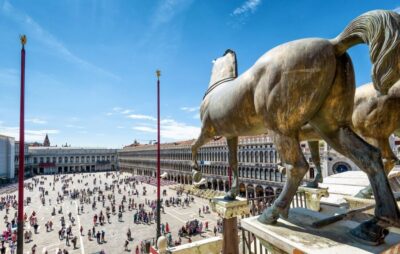
Doge’s Palace & St. Mark’s Basilica with Terrace Access Tour
Read our review →
Skip-the-Line Tour of Palace and Gardens Access
Read our review →
Royal Palace Expert Guided Tour with Skip-the-Line
Read our review →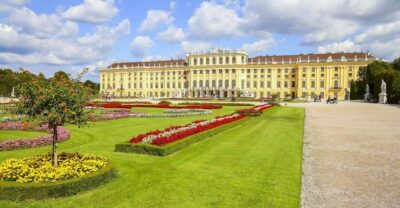
Schönbrunn Palace & Gardens Skip-the-Line Tour
Read our review →
Neuschwanstein & Linderhof Castle-Fairytale Day Tour from Munich
Read our review →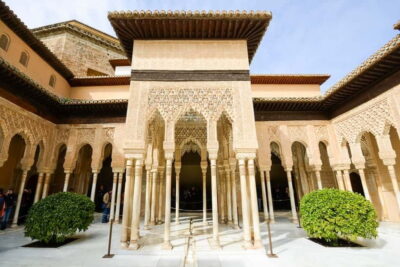
Alhambra & Gardens Tour w/Nasrid Palaces Option
Read our review →