
REVIEW · GERMANY
Premiumstadtführung (historische Altstadt und Schlossberg)
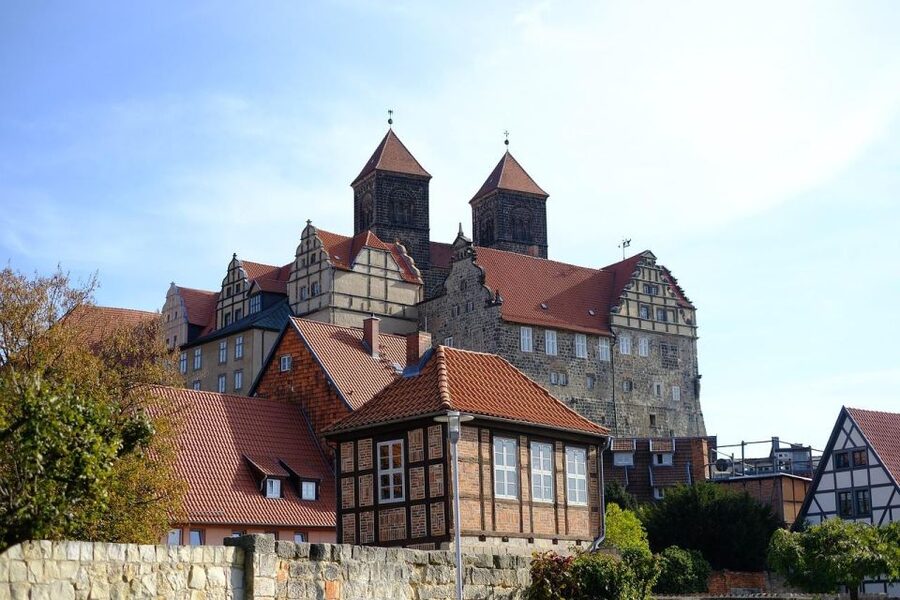
Quedlinburg rewards a slow, uphill walk. This two-hour tour links the town’s UNESCO World Heritage old town with the Schlossberg, giving you a clear introduction to more than 1,100 years of local history. I like the route because it combines grand landmarks with small medieval lanes, and because the guide points out Quedlinburg personalities, half-timbered details, and places to eat.
I especially like the compact two-hour format, which works well if you have only part of a day in town. I also like that the walk includes both the market square and the hilltop St. Servatii church, rather than treating the old town as a collection of pretty façades. The main drawback is the Schlossberg climb, with cobblestones and a steeper section that can become slippery in winter or wet weather.
The tour costs about $10 per person, and children and adolescents up to age 16 go free. That is strong value for a live local guide, especially since the price also includes food recommendations. The tour is conducted in German only, so you will get the most from it if you understand German.
Key points to know before you book
- The route begins at Quedlinburg’s market square, directly outside the city information office with its green sign.
- You visit both sides of the town, from the town hall, St. Benedikti’s Market Church, and Schuhhof to the Schlossberg and St. Servatii.
- The walk covers more than 1,100 years of history, with attention to famous people connected with Quedlinburg.
- Half-timbered architecture gets proper attention, not just a quick photo stop.
- The Schlossberg includes a climb over cobblestones, so sturdy shoes matter.
- The St. Servatii collegiate church is viewed from outside, since interior admission is not included.
Starting at the market square and town information office
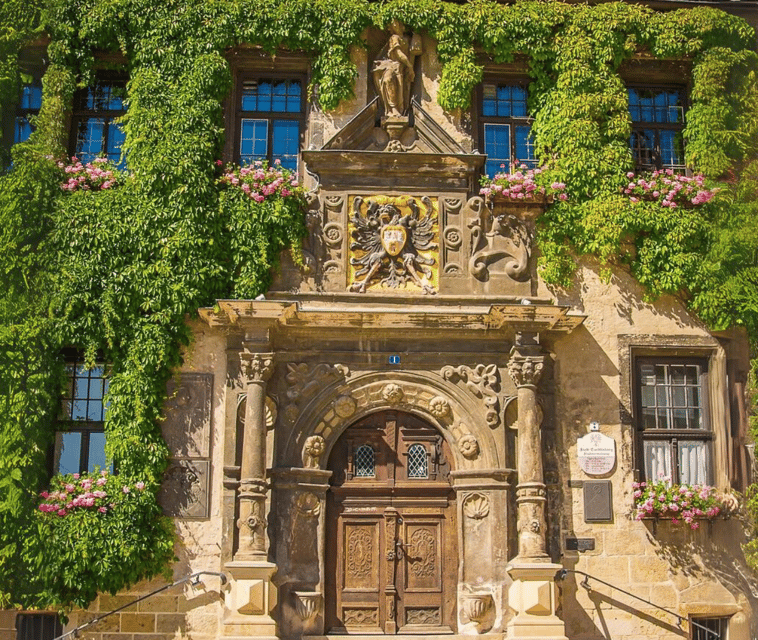
Your meeting point is easy to identify. Go to Quedlinburger Marktplatz and look for the friendly city information office with the green sign. At the agreed time, show your ticket to the guide waiting there.
This is a sensible place to begin. The market square puts you near the town hall, the Market Church of St. Benedikti, and several streets that quickly reveal Quedlinburg’s unusual mix of medieval planning and half-timbered construction. You do not need a separate transfer to the starting point, and the tour gets moving without a long introduction.
The timing matters here. A two-hour walk can give you a strong first look at Quedlinburg, but it is not long enough for every museum or church interior. Think of it as a guided orientation with historical depth, not a full-day museum program.
The experience has a rating of 4.4 from 627 ratings, with many top marks for the guide’s clear explanations, friendly manner, and group size. One recent high-scoring assessment praised an especially detailed guide and the chance to ask questions throughout the walk. That is useful because Quedlinburg has enough small streets and historical names to become confusing without a good storyteller.
Other palaces people visit around Germany:
- Neuschwanstein & Linderhof Castle-Fairytale Day Tour from Munich
★ 4.5 · 7,275 reviews - Potsdam: Palace Tour by Boat
★ 4.5 · 2,369 reviews - Potsdam: Sanssouci Palace and Prussian Palaces Entry Ticket
★ 4.5 · 2,101 reviews
Town hall, St. Benedikti, and Quedlinburg’s civic center
The first section takes you around the town hall and market area. The town hall gives the tour a formal starting point, showing the civic side of Quedlinburg before the route turns into narrower lanes and older residential quarters.
The Market Church of St. Benedikti adds another layer. You are not simply looking at a pretty square. You are seeing how religion, local government, and trade were arranged close together in a compact historic center.
I like this opening because it helps you read the town. Quedlinburg is full of handsome façades, but the guide can explain why the buildings matter and how the town developed around them. Without that context, it is easy to spend the whole visit photographing timber patterns without noticing the larger story.
The tour also introduces famous people connected with Quedlinburg. The supplied details do not name those personalities in advance, so you should treat this part as a guided discovery rather than a fixed checklist. If a particular figure interests you, ask questions while the group is still in the central area.
Schuhhof and Hölle: small lanes, big character
The route continues through Schuhhof and Hölle, two of the most atmospheric parts of the old town. Their names alone make them memorable, but the real appeal is their scale. Narrow medieval lanes and closely packed half-timbered houses give you a better sense of daily town life than a broad ceremonial square can.
This is where the tour’s focus on half-timbered art becomes especially useful. Quedlinburg has a wide range of timber-framed buildings, and a guide can direct your eye to differences in façades, construction, and decoration. I would not expect a technical architecture lecture, but you should come away with more than the general impression that the houses are old and attractive.
Keep your footing in mind. Cobblestones are part of the charm and part of the practical challenge. Comfortable shoes with a secure sole will make the walk easier, especially if the weather is damp.
The lanes also give the tour a more personal feel. The grand buildings tell you about institutions. Schuhhof and Hölle bring you closer to the spaces where ordinary residents once lived and worked. That contrast is one of the strongest reasons to take the walk rather than explore only by yourself.
Blasii Church and the Half-Timbered Museum
The town route includes Blasii Church and the Half-Timbered Museum. These stops broaden the picture beyond the market square and hilltop church.
Blasii Church adds another religious landmark to the route, but the value is not simply in counting churches. Quedlinburg’s churches reflect the town’s long development, and seeing several of them helps you understand how important religious institutions were to its identity.
The Half-Timbered Museum is a natural match for the walk. Since the old town is known for its timber-framed buildings, this stop gives the subject a clearer focus. You can connect what you see in the museum with the façades outside, rather than treating the architecture as decoration only.
The supplied information does not say that museum admission beyond the planned visit is included, so ask the guide what portion of the museum experience is part of the tour. The important point is that the museum appears in the route, giving you a chance to place Quedlinburg’s building styles in context.
Same place, a different set of state rooms:
- Berlin: Charlottenburg Palace Entry Ticket
★ 4.4 · 2,076 reviews - Koblenz: Rhine Valley Castles and Palaces Boat Tour
★ 4.4 · 1,824 reviews - Neuschwanstein Castle and Linderhof Palace Day Trip from Munich
★ 4.5 · 1,756 reviews - From Berlin: Potsdam and Sanssouci Palace Tour with Entry
★ 4.7 · 1,219 reviews
The Schlossberg climb and Klopstock-Haus
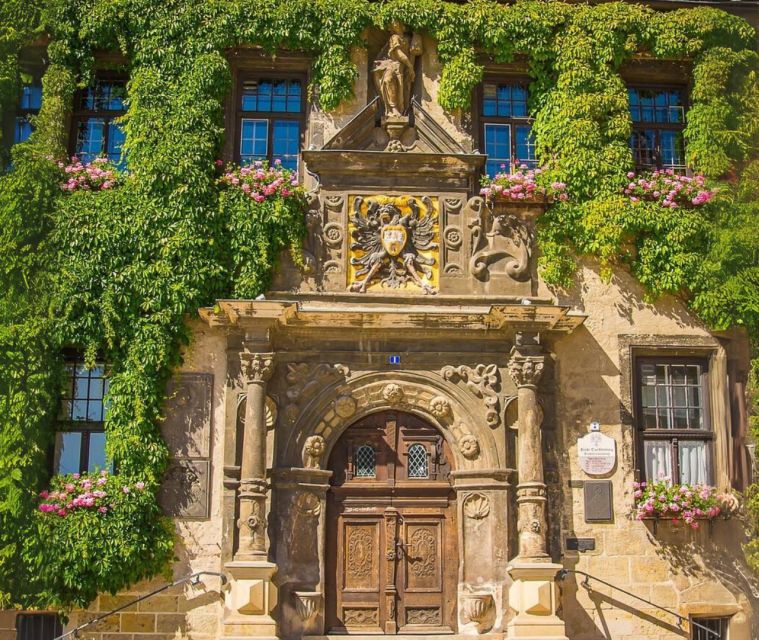
The second half of the walk heads toward the Schlossberg. This is the physical high point of the experience, and also its main historical payoff.
The climb is not described as extreme, but it does include a steeper section over cobblestones. That matters for anyone with limited mobility, young children who tire easily, or visitors arriving during icy weather. The tour runs in rain or sunshine, so check the forecast and dress for the conditions.
Along the Schlossberg route, you pass Klopstock-Haus. The house connects the hill to one of Quedlinburg’s famous personalities and gives the walk a literary and personal angle. The tour does not merely point toward the major church and stop. It uses the surrounding buildings to explain the people associated with the town.
You also pass the Museum Lyonel-Feininger. Its presence adds an art connection to the historical route. The tour does not include a separate museum visit according to the supplied details, so plan extra time if you want to explore inside on your own.
That distinction is important. The guided walk gives you the setting and the story. It does not replace a museum visit, and you should not expect to spend long periods indoors at every stop.
Schlossgarten and St. Servatii from the outside
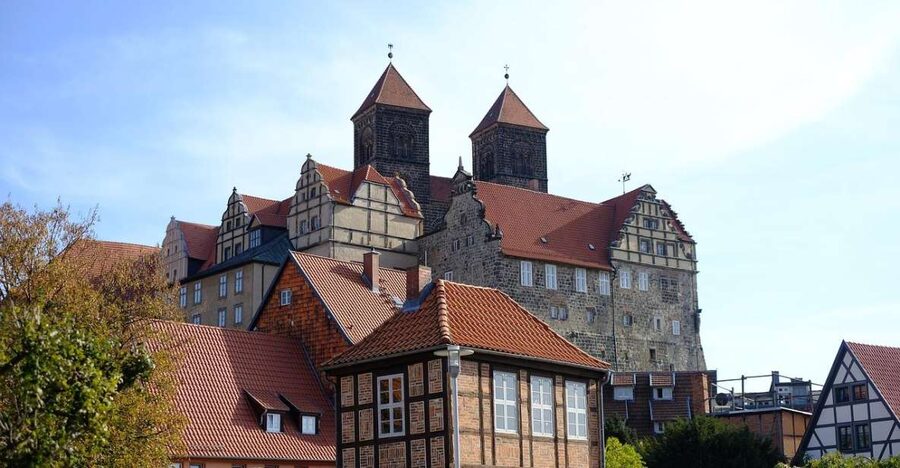
The Schlossgarten provides a pause near the top of the hill. From here, the route reaches the collegiate church of St. Servatii, the central highlight of the Schlossberg section.
The church is included as an exterior stop only. Entry inside is not part of the experience, so you should plan a separate visit if seeing the interior matters to you. This is the clearest limitation in the program, particularly for anyone choosing the tour mainly because of the collegiate church.
Even from outside, the church gives the hilltop section a strong finish. The tour shows how Quedlinburg’s religious and political importance was tied to this elevated site, while the old town below provides the setting for everyday life, trade, and craft.
The hill also changes your view of the town. The supplied information does not promise a particular panorama, so I would not book the tour solely for a guaranteed viewpoint. Still, reaching the Schlossberg gives the visit a sense of place that a flat walking route would miss.
If the weather turns icy, conditions deserve serious attention. One scheduled tour was canceled because the Schlossberg was considered too slippery. The operator offered a refund and a place on the following day, but the episode shows that safety can override the published schedule. In winter, keep a little flexibility in your plans.
Food advice adds practical value
The guide presents culinary hotspots and recommendations during the tour. That is a small feature, but it can save time in a town where restaurants may not all be open, especially outside the main season.
One January visit found many restaurants closed at the same time, leaving a café as the only practical lunch choice. You should not assume that every dining option operates year-round. Ask the guide about current opening patterns and which places fit your budget or preferred meal.
This food guidance also makes the tour more useful beyond sightseeing. You get help deciding where to eat after the walk, when the town’s layout and street names are still fresh in your mind.
The recommendations are not a meal and do not include food. Think of them as local pointers, not a dining package.
Price, group feel, and the German-only format
At around $10 per person, this is an inexpensive way to put Quedlinburg’s old town into context. The price covers two hours with a live guide, the historic center, the Schlossberg, and food suggestions. Children and adolescents up to age 16 are free, making it particularly appealing for families.
The value depends heavily on language. The tour is conducted in German, and no other language is listed. If you understand German, the price is easy to justify. If you do not, you may still enjoy the architecture and route, but you will lose much of the historical explanation.
Group size can make a big difference on a walking tour. A recent booking described the group as a good size, with enough room to ask questions. The operator also states that a tour can proceed with only one person, although winter scheduling can still change if the Schlossberg is unsafe.
You can cancel up to 24 hours ahead for a full refund, and a reserve-now, pay-later option is available. Keep those terms in mind if the weather forecast looks poor, particularly between late autumn and early spring.
Who will enjoy this Quedlinburg walk?
I would recommend this tour to first-time visitors who want a clear introduction before exploring independently. It is also a good fit for anyone interested in historic buildings, religious sites, half-timbered design, local personalities, and the practical shape of an old town.
Families benefit from the free admission for children and adolescents up to 16, though parents should prepare young children for the hill and uneven paving. Older visitors or anyone unsteady on cobblestones should consider the Schlossberg carefully.
The walk suits you best if you speak German and want a local perspective rather than a self-guided route. It is less suitable if you need an accessible path, want to tour the St. Servatii interior as part of the ticket, or prefer a museum-heavy experience.
Should you book this tour?
Book it if you want two useful hours that connect Quedlinburg’s market square, medieval lanes, half-timbered houses, churches, museums, and hilltop history. The price is modest, the route covers the town’s major themes, and the guide’s explanations give meaning to details you might otherwise pass without noticing.
Skip it if you need a step-free route, require an English-language guide, or are visiting during icy weather with no room to change your plans. For most German-speaking visitors, though, this is a sensible first introduction to Quedlinburg, with enough practical advice to improve the rest of your stay.
FAQ
Where does the tour begin?
It begins at the Quedlinburg city information office on Quedlinburger Marktplatz. Look for the green sign and show your ticket to the guide at the agreed time.
How long does the tour last?
The walking tour lasts two hours.
What language is the tour conducted in?
The live tour guide conducts the experience in German.
What places are included in the old town section?
The route includes the town hall, Market Church of St. Benedikti, Schuhhof, Hölle, Blasii Church, and the Half-Timbered Museum.
What places are included on the Schlossberg?
The Schlossberg section includes Klopstock-Haus, the Museum Lyonel-Feininger, Schlossgarten, and St. Servatii collegiate church.
Is entry to St. Servatii collegiate church included?
No. The tour includes the collegiate church as part of the Schlossberg route, but interior admission is not included.
Is the tour suitable in rainy weather?
Yes. The tour operates in rain or sunshine. You should also be prepared for cobblestones and a steeper section on the Schlossberg.
Are children admitted free?
Yes. Children and adolescents up to age 16 can join free of charge.
Just added around Germany
- Munich: Neuschwanstein Castle and Linderhof Palace Day Trip★ 4.8 · 5 reviews
- Munich: Nymphenburg Palace with official Guide★ 5.0 · 12 reviews
- Munich: Nymphenburg Palace OR Residenz Guided Tour★ 4.4 · 31 reviews
- Festive Concert at Schleißheim with Residence-Soloists★ 4.7 · 25 reviews
- From Munich: Herrenchiemsee Palace and Boat Trip Day-Tour★ 4.8 · 129 reviews
- Hamburg: Reeperbahn tour with Daniel Schmidt from the Elbschlosskeller★ 4.7 · 52 reviews
- Goslar: Führung durch die Kaiserpfalz★ 4.5 · 50 reviews
- From Berlin: Gardens & Palaces of Potsdam Bike Tour★ 5.0 · 61 reviews
Germany Palace Tours, compared.
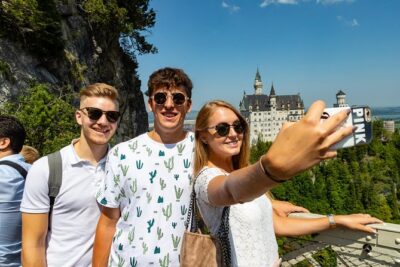
Neuschwanstein & Linderhof Castle-Fairytale Day Tour from Munich
Read our review →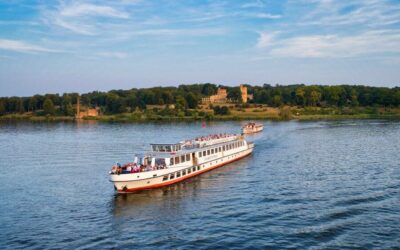
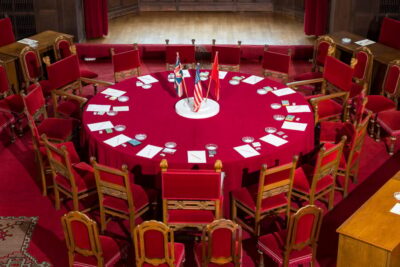
Sanssouci Palace and Prussian Palaces Entry Ticket
Read our review →
Koblenz: Rhine Valley Castles and Palaces Boat Tour
Read our review →
Neuschwanstein Castle and Linderhof Palace Day Trip from Munich
Read our review →
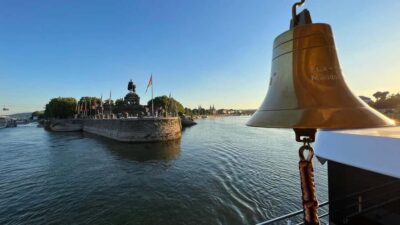
Koblenz:Rhine Valley boat tour along the castles and palaces
Read our review →Browse the lists this tour appears in