
REVIEW · PRAGUE
Prague Castle, St. Vitus Cathedral, Royal Palace, St. George’s Basilica
Prague’s grandest story unfolds uphill. This three-hour German-language tour brings Prague Castle to life through its Gothic cathedral, royal rooms, ancient basilica, and tiny Golden Lane houses. I especially like the historian-led guidance and the chance to see the castle interiors without having to work out the complicated past on your own. I also like that guide Robert Procházka helps with the admission tickets, saving you time at the castle cashier.
The main consideration is cost. The tour is $43 per person, but the entrance ticket is separate: €18 for adults or €14 for seniors aged 65 and over. The presentation is also information-heavy, which is excellent if you enjoy detail, but it may feel like a lot if you prefer a quick architectural stroll.
Key points to know before you book
- Robert Procházka leads in excellent German: He is a historian with a clear speaking voice and a strong command of Prague’s political, religious, and architectural past.
- The tour covers four major castle sights: St. Vitus Cathedral, the Old Royal Palace, St. George’s Basilica, and Golden Lane.
- You start at the Prague Castle tram stop: Take tram 22 or 23 toward Bílá hora and meet the guide at Pražský hrad.
- The admission fee is not included: Budget another €18 per adult or €14 for a senior ticket, paid at the castle cashier with the guide’s help.
- The tour ends on Golden Lane: You finish among the small historic houses rather than returning to the starting stop.
- Warm clothing matters: The castle interiors can be very cold, especially in winter.
Why Prague Castle works best with a guide
Prague Castle is not one building waiting to be admired and left behind. It is a large complex shaped by centuries of rulers, church leaders, builders, wars, and royal ceremonies. Without context, you can easily notice the stonework without understanding why the buildings matter.
That is where this tour earns its keep. Robert Procházka is a historian, and his job is not simply to point out a doorway. He connects the people, events, and architectural changes that made the castle what it is today. You hear about Bohemian kings, important saints, the Thirty Years’ War, Rudolf II, and Franz Kafka while moving through the actual rooms and courtyards linked to their stories.
The tour lasts three hours, so this is not a quick photo stop. You get time for explanation at each major site, along with room for questions. The experience is offered in German only, and the German is described as easy to understand, with a calm voice that works well inside large church and palace spaces.
The tour can also be quite personal. At times it may operate with only a couple or a family, rather than a large group. That gives you a better chance to ask about details that catch your eye. It also means the exact pace may depend on how much you want to discuss.
More Royal Palace Tours in the world:
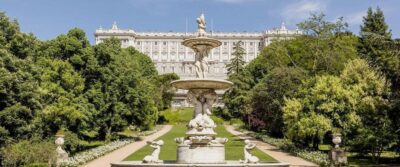
- Madrid: Royal Palace Fast-Access Admission Ticket
★ 4.6 · 13,856 reviews - Madrid: Royal Palace Expert Guided Tour with Skip-the-Line
★ 4.7 · 8,407 reviews - Amsterdam: Royal Palace Entry Ticket + Audio guide
★ 4.6 · 7,889 reviews
Meeting at Pražský hrad tram stop
The meeting point is simple once you know the Czech name. Take tram 22 or 23 in the direction of Bílá hora and get off at Pražský hrad. Robert Procházka waits at the tram stop.
This is a sensible starting point because you arrive directly at the castle complex instead of walking uphill from the lower parts of town. Pay attention to the direction of the tram. The instructions specify Bílá hora, so check the destination before boarding.
Bring your booking details and arrive ready to identify the guide. The meeting point is at the stop itself, not at one of the individual monuments inside the grounds. That saves you from wandering through the castle gates trying to find the right courtyard.
The tour finishes at Golden Lane. Plan the rest of your day from there, rather than assuming you will return to the tram stop with the group. You can then continue exploring the castle area or make your way onward through Prague.
St. Vitus Cathedral and the Bohemian crown
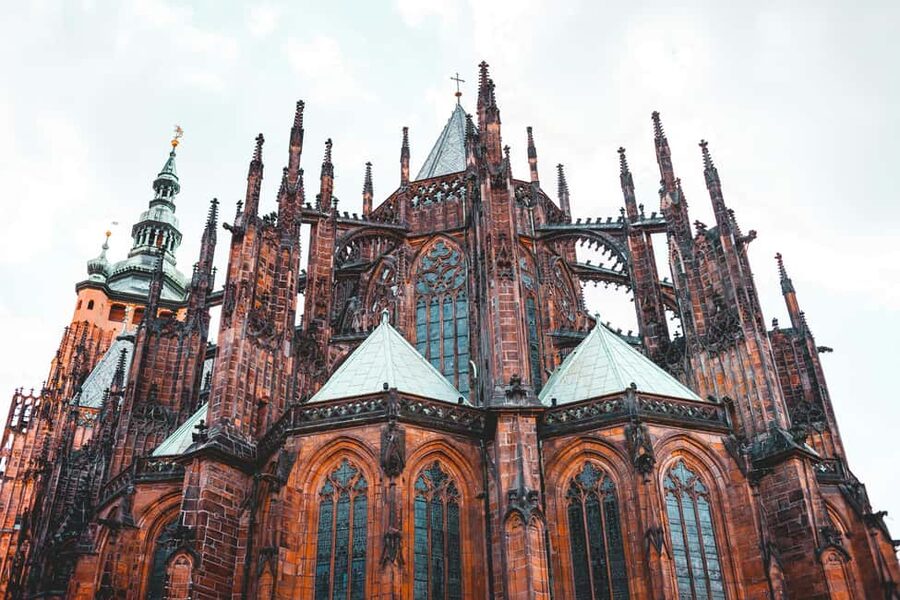
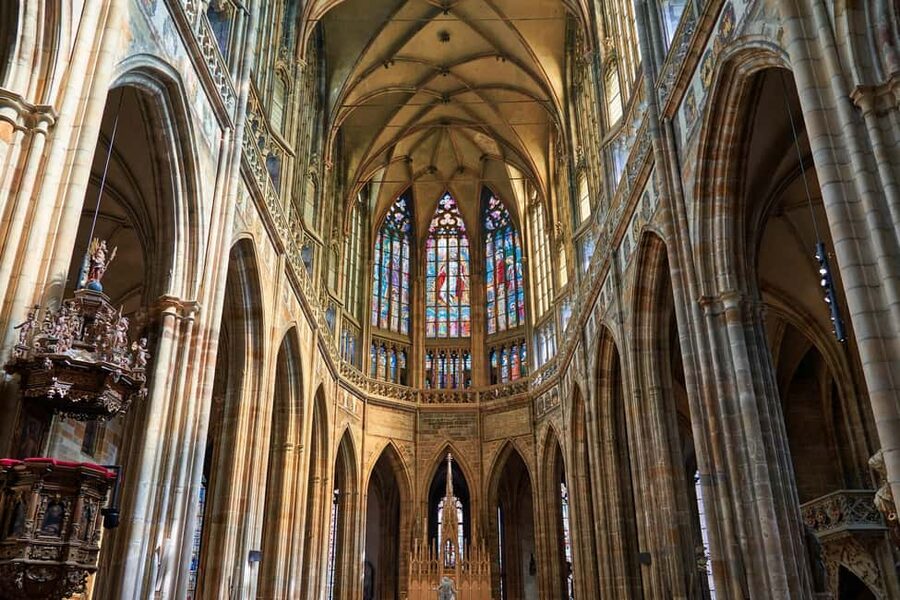
St. Vitus Cathedral is the emotional center of the visit. Its Gothic architecture gives you the biggest visual impact, but the stories inside are just as important. This is where Bohemian kings were crowned and buried, and where several of the country’s most important patron saints are honored.
The cathedral’s oldest predecessor was a Romanesque rotunda founded around 925. The present Gothic building belongs largely to the great building period of the 14th century. That long development helps explain why the cathedral feels like several eras gathered into one powerful structure.
The Wenceslas Chapel is a key stop. It is decorated with semi-precious stones and contains the bones of St. Wenceslas in a Gothic shrine. St. Wenceslas is one of the central figures of Czech national and religious identity, so this is not just another side chapel.
The cathedral also honors St. Adalbert and other major patron saints. A spiral staircase from the Wenceslas Chapel leads toward the Crown Chamber, where the coronation insignia are kept. The guide’s explanation helps you understand the importance of these objects even when you are not simply looking at a display and moving on.
Give yourself time to look upward. Gothic churches reward slow attention, and St. Vitus has plenty of vertical detail. The downside is that the cathedral can feel crowded, and three hours pass quickly when a guide has a great deal to explain. If you want long, quiet periods for photography, this organized visit may feel more directed than independent sightseeing.
The Old Royal Palace and the Defenestration that changed Europe
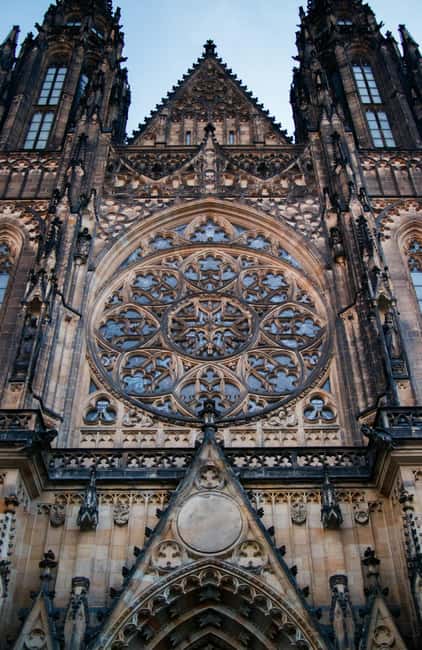
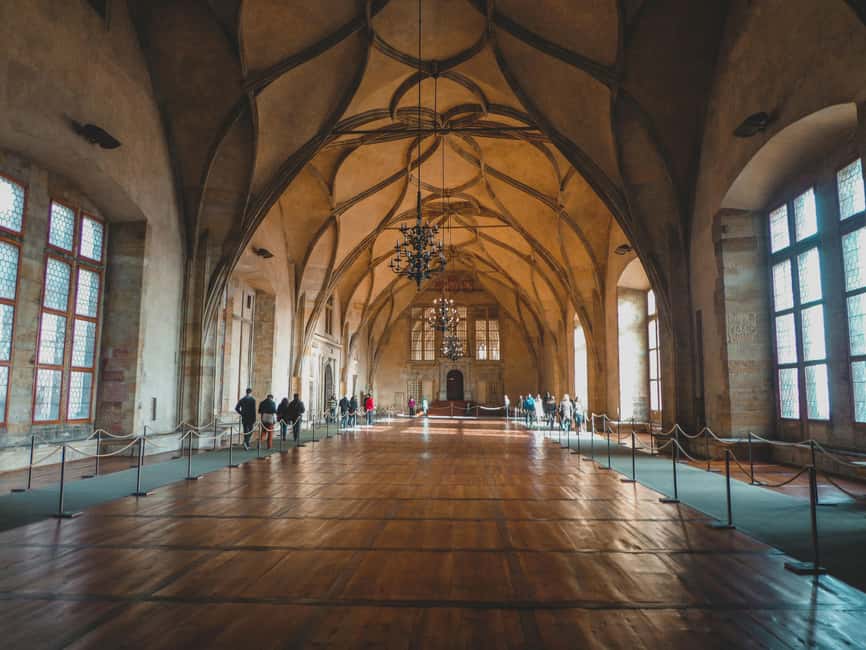
The Old Royal Palace shifts the mood from sacred ceremony to royal power and political conflict. Here you see a replica of the Bohemian crown jewels and visit the largest late Gothic throne room in Central Europe.
The major historical stop is the State Chancellery, linked to the Third Defenestration of Prague. In 1618, officials were thrown from a window, an event that helped ignite the Thirty Years’ War. The room matters because it turns a vast European conflict into a specific place with a specific act of political rebellion.
This is the sort of moment when a historian adds real value. The palace is not only a sequence of old rooms. It is a place where authority was argued over, challenged, and sometimes expressed with alarming directness. You gain a better sense of why Prague mattered far beyond Bohemia.
The crown jewel replica is useful for seeing the symbols of royal power without the pressure of viewing the original regalia. The great throne room provides the scale, while the State Chancellery provides the drama. Expect a presentation that favors explanation over a quick checklist of rooms.
If you already have strong background knowledge of European history, you may appreciate the extra detail. If you do not, the information can feel dense. Listen for the main threads: monarchy, religion, Bohemian identity, and the political tensions that spread across Europe.
A few more palace visits around the world worth a look
- Venice: Doge’s Palace Reserved Entry Ticket
★ 4.6 · 42,716 reviews - Paris: Versailles Palace and Gardens Full Access Ticket
★ 4.6 · 41,579 reviews - Granada: Alhambra & Nasrid Palaces Tour with Tickets
★ 4.7 · 19,801 reviews - Sintra: Pena Palace and Park Entrance Ticket
★ 4.2 · 17,410 reviews
St. George’s Basilica and a quieter medieval mood
St. George’s Basilica offers a sharp contrast to the cathedral. The basilica dates to the 10th century and carries a more compact, older atmosphere. After the grand Gothic spaces of St. Vitus and the royal rooms, this smaller church helps you see the earlier layers of the castle.
Among its important features is the tomb of St. Ludmila, the grandmother of St. Wenceslas. Her story is grim and memorable. She was strangled by Viking warriors acting on behalf of her daughter-in-law.
That detail may sound like a medieval crime tale, but it also shows how religion, family power, and succession were closely linked. The basilica is a good place to let the guide connect personal stories with the larger formation of Bohemian Christianity.
Do not expect the same scale or visual drama as St. Vitus. St. George’s strength is its age and atmosphere. It gives the tour balance, moving you away from the huge Gothic statement and toward an earlier chapter of the castle’s development.
The information can come quickly here, especially if you are not used to European saint stories or dynastic names. I would keep an ear out for St. Ludmila and St. Wenceslas, since their family story helps make the rest of the castle’s religious history easier to follow.
Golden Lane, alchemy, and Franz Kafka
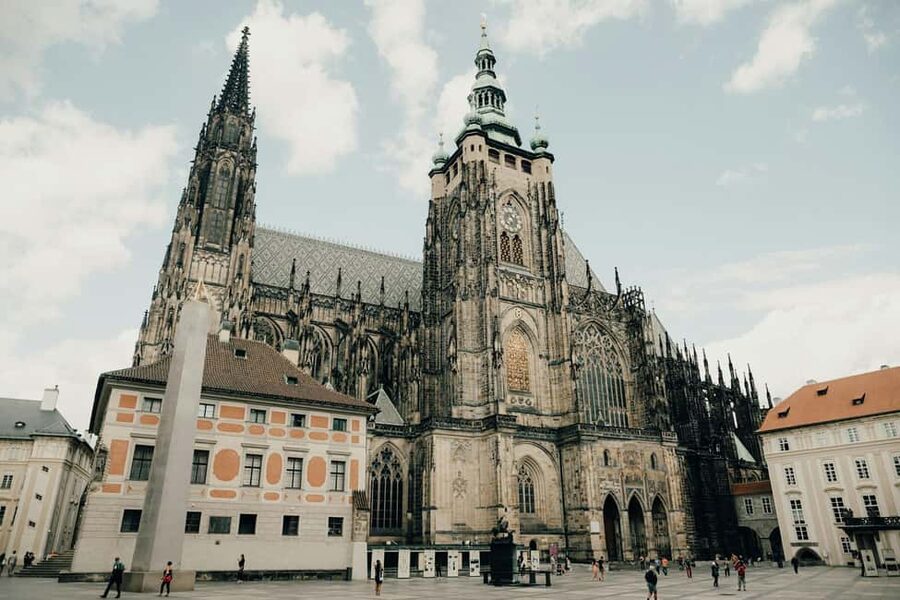
Golden Lane is the most playful part of the route. Its small, colorful houses make the castle feel less like a seat of power and more like a compact historic neighborhood. The lane gives you a strong visual change after the cathedral and palace interiors.
The houses are linked with the period of Emperor Rudolf II, when alchemists were said to search for an elixir of life and try to turn lead into gold. You hear about the mixture of science, superstition, royal ambition, and courtly curiosity that made Rudolf’s Prague famous.
Franz Kafka also lived in one of the small houses. That connection adds a literary layer to the lane, though you should not expect a full Kafka museum visit here. The appeal is seeing the modest setting associated with one of Prague’s best-known writers.
Golden Lane is also where the tour ends. This makes practical sense because it leaves you in one of the castle’s most memorable areas, with time to look around before moving on. It also means the final part may feel more crowded or commercial than the earlier interiors.
I like the way Golden Lane closes the route. You finish with small spaces and human-scale stories after spending much of the morning or afternoon in places built for kings, bishops, and national ceremonies.
The views from the castle grounds
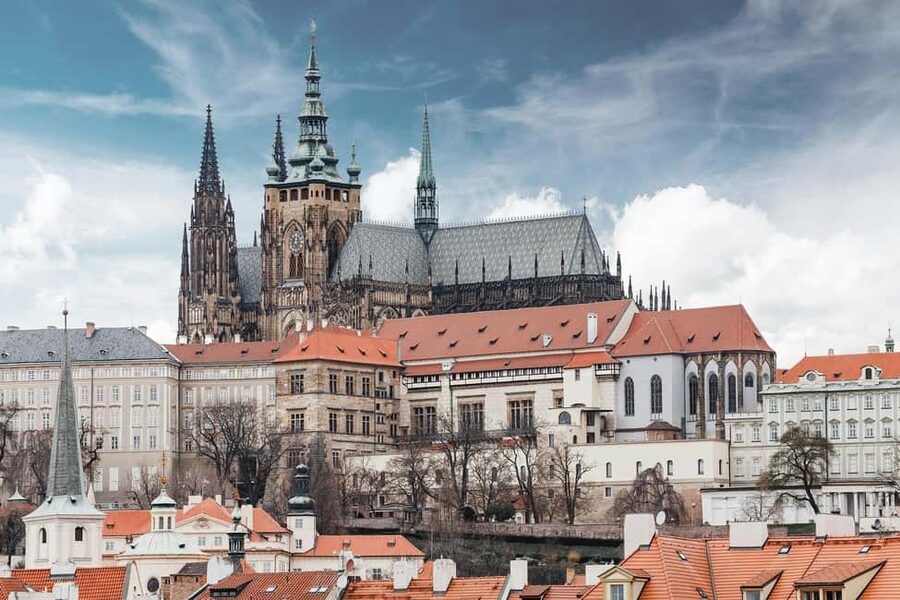
The castle grounds offer broad views across Prague, including the city below and the historic areas beyond the river. The setting is one of the tour’s clear rewards. You are not only touring interiors, you are also seeing how the castle occupies the city.
The grounds are listed in the Guinness Book of Records as the largest enclosed castle grounds in the world. That claim helps explain why the visit feels like a small district rather than a single attraction. Three hours gives you an introduction, but you will not see every corner in detail.
Wear shoes suited to walking through a large complex. The supplied information does not specify the full walking distance or surface conditions, so I would plan for a normal sightseeing pace rather than a short indoor museum visit. Comfortable footwear will make the experience easier, especially if you want to keep exploring after the tour ends.
The views also give you a useful pause between historical explanations. If Robert is covering a complicated political story, take a moment to look across Prague and place the castle in the wider city. The best sightseeing often alternates between facts and simply noticing where you are.
Price, tickets, and what the fee really covers
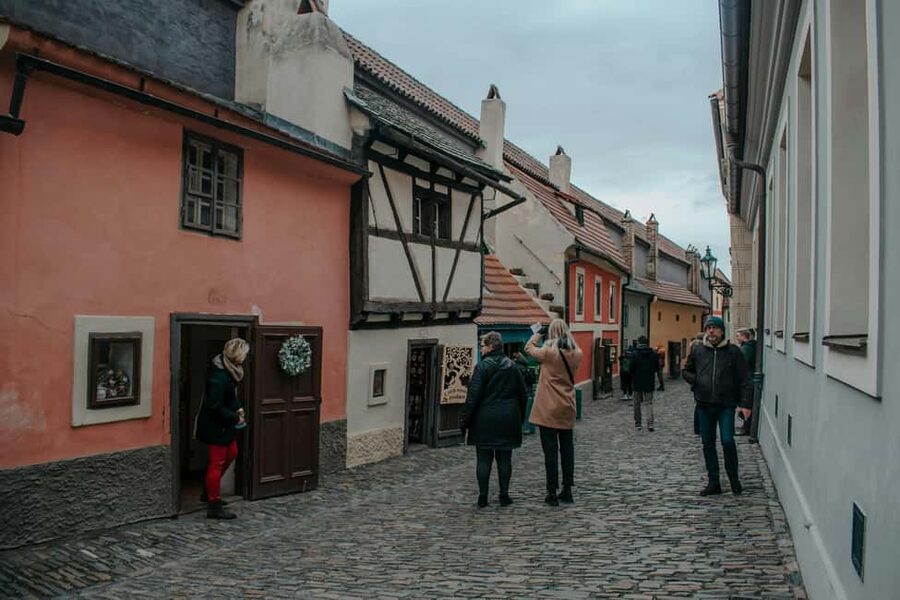
The tour costs $43 per person. That price covers the three-hour guided visit in German with a historian through the castle complex and the interiors of the historic buildings.
Admission is separate. Adults pay €18, while seniors aged 65 and over pay €14. The guide accompanies you to the castle cashier, and you can pay by card. You can also give the guide the amount in euros, and he will obtain the ticket for you.
The useful part is the assistance at the cashier. You do not have to sort out the ticket process alone, and the guide can help you use the counter reserved for guides, which avoids a long wait. That matters at a major sight where time in line can quickly eat into your day.
Taken together, the price is reasonable for someone who wants serious historical explanation in German. It is less attractive if you only want access to the buildings and plan to read the displays yourself. You are paying mainly for Robert’s interpretation, the organized route, and help navigating the admission process.
Free cancellation is available up to 24 hours before the start for a full refund. You can also reserve now and pay later, which is useful if your Prague schedule is still moving around.
Who will enjoy this castle visit most
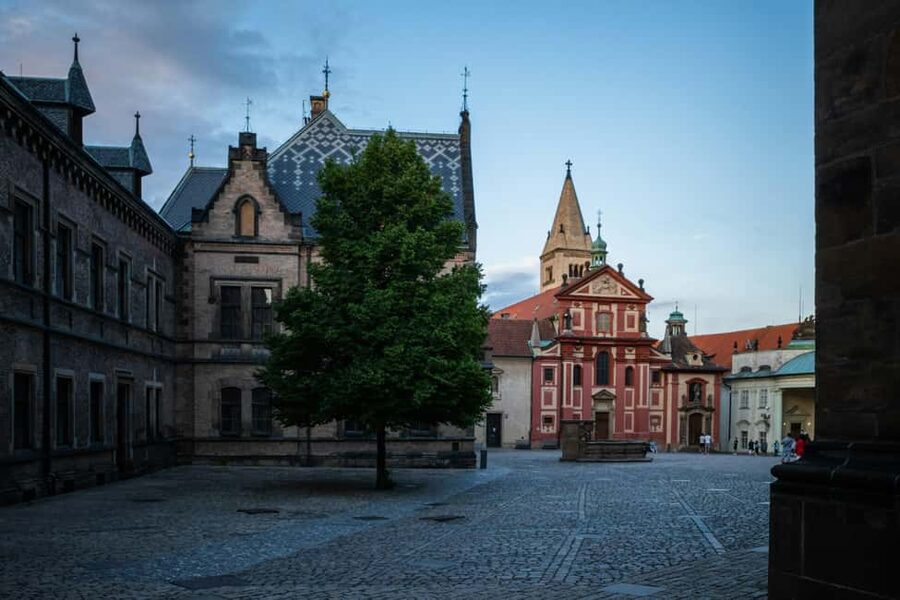
I would choose this tour if you:
- Prefer German-language sightseeing
- Want a historian rather than a general escort
- Enjoy political, religious, and architectural detail
- Like asking questions during a small-group visit
- Want the main castle interiors covered in one organized route
- Are at least 10 years old and comfortable with a three-hour visit
The tour suits adults and older children who already have some interest in history. The minimum age is 10, and the amount of information makes this a better fit for children who can stay focused through church, palace, and political history.
I would think twice if you want a relaxed, lightly narrated walk. One especially useful caution is the cold. The castle interiors can be very chilly, so bring a warm layer even if Prague feels mild outside.
The guide’s style also matters. Robert Procházka has been praised for his friendly manner, strong German, clear voice, and ability to explain difficult material in an understandable way. He also makes room for questions. Still, the tour can feel packed with information if you do not bring much interest in the subject.
Should you book this Prague Castle tour?
Book it if you want Prague Castle to make sense, not just look impressive. Robert Procházka’s historian-led approach is the main reason to choose it, especially if you speak German and enjoy detailed stories about saints, kings, palace politics, and the Thirty Years’ War.
The strongest features are the clear German presentation, the coverage of four major sights, the guide’s help with admission, and the chance for a small-group feel. Budget the extra €18 or €14 for entry, wear something warm, and expect a serious three-hour history lesson rather than a casual photo walk.
Skip it if you want to move at your own pace or prefer minimal narration. For everyone else, this is a well-focused way to understand why Prague Castle is much more than a pretty viewpoint over the city.
FAQ
What language is the tour conducted in?
The live tour is conducted in German. Some content may also be shown in its original language.
Where does the tour meet?
Meet Robert Procházka at the Pražský hrad tram stop. Take tram 22 or 23 in the direction of Bílá hora.
How long does the tour last?
The tour lasts three hours.
Which sights are included in the route?
The route includes St. Vitus Cathedral, the Old Royal Palace, St. George’s Basilica, and Golden Lane. The tour ends at Golden Lane.
Is the entrance ticket included in the $43 price?
No. Admission costs €18 for adults and €14 for seniors aged 65 and over. The guide helps you purchase the ticket at the castle cashier.
Can children join the tour?
Children under 10 are not suitable for this activity. The tour is conducted in German and lasts three hours.
Just added around the world
- Pena Palace, Moorish Castle,Quinta ad Regaleira:Walking tour★ 5.0 · 3 reviews
- Porto Bishop’s Palace Guided Tour★ 4.5 · 8 reviews
- Paris: Versailles Palace and Queen Hamlet E-Bike Tour★ 5.0 · 126 reviews
- Phnom Penh: Full-Day City Tour with Royal Palace & Killing …★ 4.7 · 2 reviews
- Petchaburi Temples & Royal Palace – small Join Group Tour★ 4.6 · 46 reviews
- Paris: Versailles Golf Cart & Bike Tour with Palace Entry★ 4.8 · 58 reviews
- Petit Palais Paris Museum of Fine Arts Tour with Tickets★ 4.2 · 3 reviews
- Paris: Palace of Versailles Private Tour with Transportation★ 5.0 · 2 reviews
Royal Palace Tours, compared.
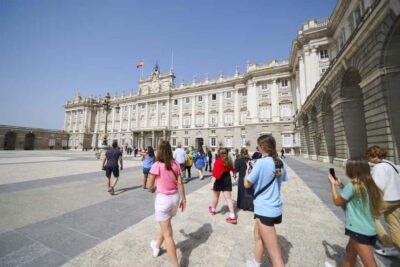
Royal Palace Expert Guided Tour with Skip-the-Line
Read our review →
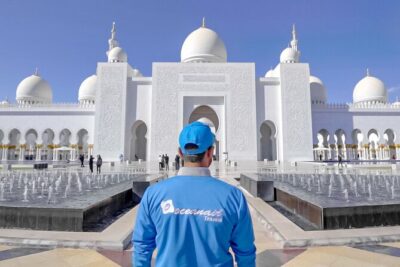
Dubai To Abu Dhabi: Grand Mosque, Royal Palace & Etihad Towers
Read our review →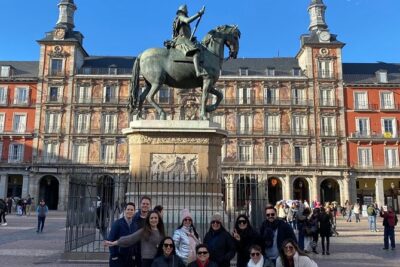
Madrid Essential: Historic Center, Plaza Mayor & Royal Palace
Read our review →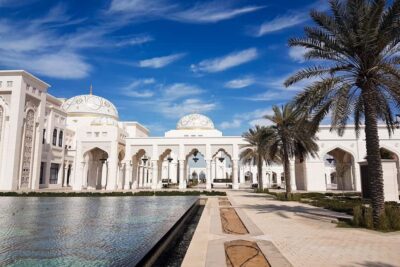
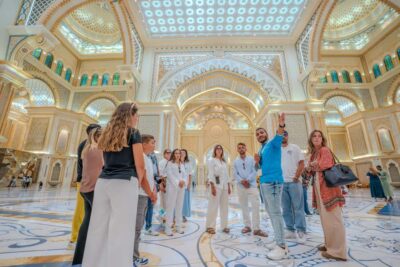
Abu Dhabi Day-Trip Grand Mosque, Royal Palace & Lunch
Read our review →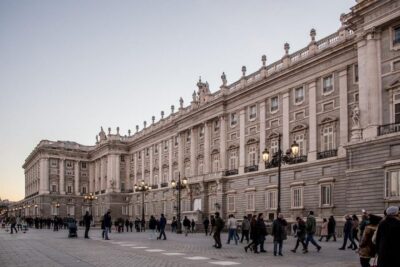
Browse the lists this tour appears in