
REVIEW · FRANCE
Narbonne: visit the Archbishops’ Palace and Cathedral
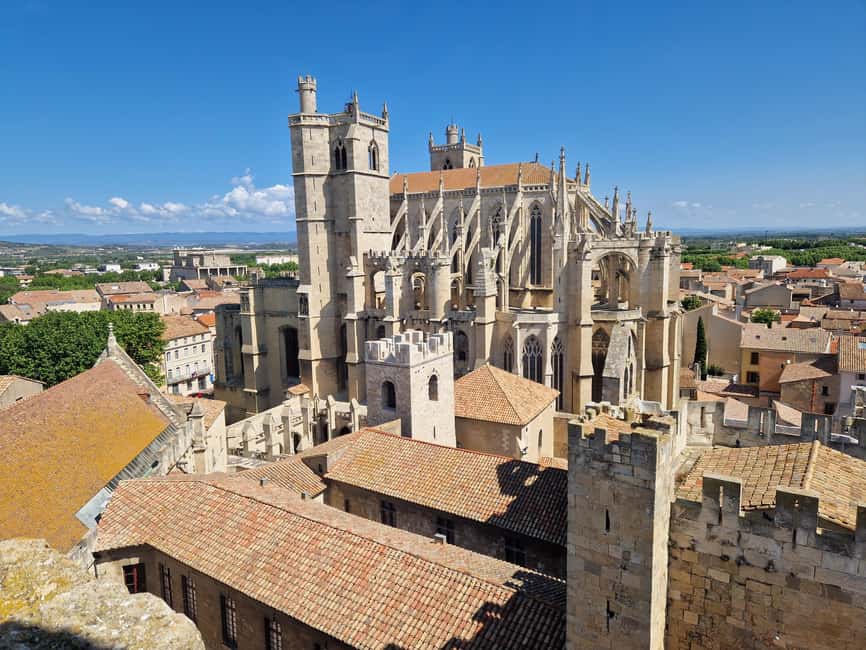
Ancient roads lead to surprising places. This two-hour walk ties Narbonne’s Roman past to its medieval center, with the Archbishops’ Palace and Saint-Juste and Saint-Pasteur Cathedral at the heart of the story. I like the clear route through major sights, and I like that the walk finishes at Les Halles, where the city’s daily life replaces its grand church architecture.
The main consideration is pace. Two hours is enough for a strong introduction, but not enough for every museum room or tower. Admission to the Donjon, the town’s art collection, and the Treasure Room costs an additional €12, so you will need extra time and money if you want the full palace experience.
Guide Marion Quart has earned especially warm praise for her enthusiasm, humor, and ability to explain without making the visit feel like a lecture. The tour is private, wheelchair accessible, and conducted in French and Sangro, with some content presented in its original language.
Key points to know before you book
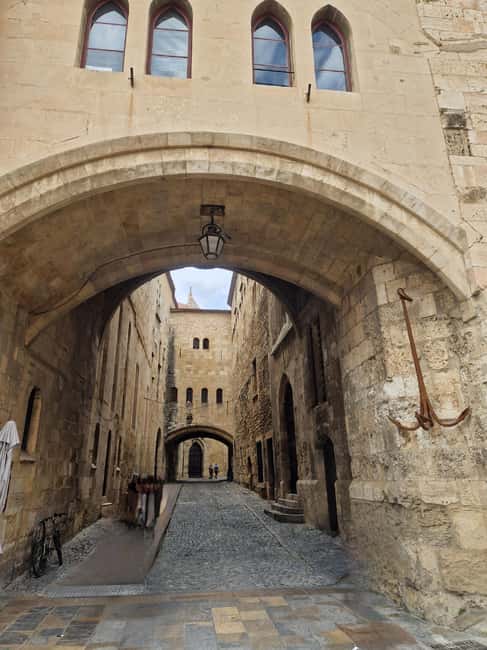
- The palace is more than a pretty façade: You enter the main courtyard and see the Grand Staircase, interior spaces, exterior courtyards, the Passage de l’Ancre, and the archbishop’s garden.
- The cathedral is the visual high point: The soaring vaulted ceiling, monumental organ, 17th-century altarpiece, and 14th-century sculpted altarpiece give the visit real substance.
- Roman Narbonne appears under your feet: The Via Domitia helps explain why this city mattered long before the medieval bishops arrived.
- The route ends in a useful place: The Promenade des Barques leads to Pont des Marchands and Les Halles, a good spot to continue exploring or stop for food.
- Marion Quart is a major strength: Her style is described as warm, passionate, clear, and lightly humorous, with a gift for making two hours pass quickly.
- The $23 price is reasonable for a private walk: The price covers the guided route and listed sites, but not the Donjon, museum, or Treasure Room.
Starting at Les Halles and walking into old Narbonne
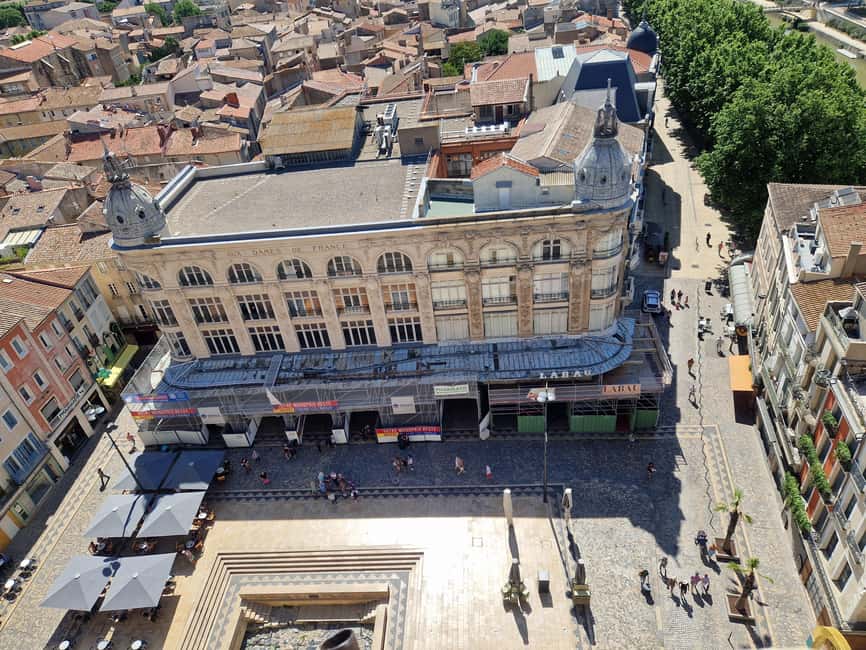
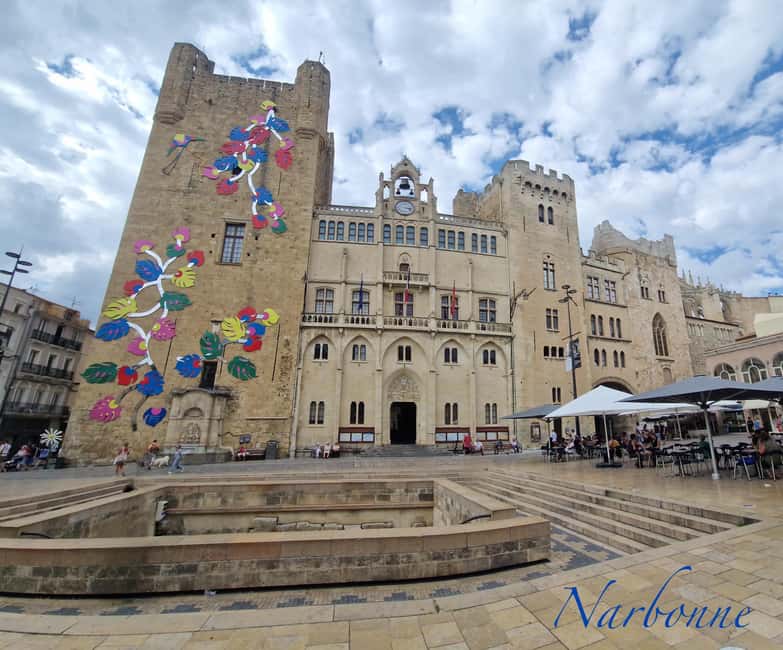
You meet in front of the main entrance to Les Halles de Narbonne, near the war memorial. Look for a guide wearing a green neckerchief and carrying a professional card. This is a useful meeting point because Les Halles is one of the city’s best-known landmarks, and it gives you a clear place to orient yourself before the walk begins.
The tour then moves toward today’s Place de l’Hôtel de Ville. This square is not simply a modern civic space. It occupies the site of the former palace complex, where people in Narbonne have lived and worked since ancient times. That layering is the central idea of the visit: Roman streets, medieval church power, and present-day city life all occupy the same compact area.
I like this opening because it gives you context before you begin admiring architecture. Instead of treating the palace as an isolated monument, the guide can show how it shaped the city around it. You are not just looking at old stone. You are seeing the place where political, religious, and civic life once met.
The walk is private, which matters if you want to ask questions or adjust the amount of detail. You will not be tied to the needs of a large mixed group. That said, a private format can be only as good as the guide, and the strongest praise for this experience is directed at Marion Quart’s way of explaining Narbonne.
A few more palace visits around France worth a look
- Paris: Versailles Palace and Gardens Full Access Ticket
★ 4.6 · 41,579 reviews - Versailles: Skip-the-Line Tour of Palace and Gardens Access
★ 4.7 · 10,429 reviews - From Paris: Versailles Palace & Gardens with Transportation
★ 4.6 · 6,222 reviews
Reading the façade of the Archbishops’ Palace
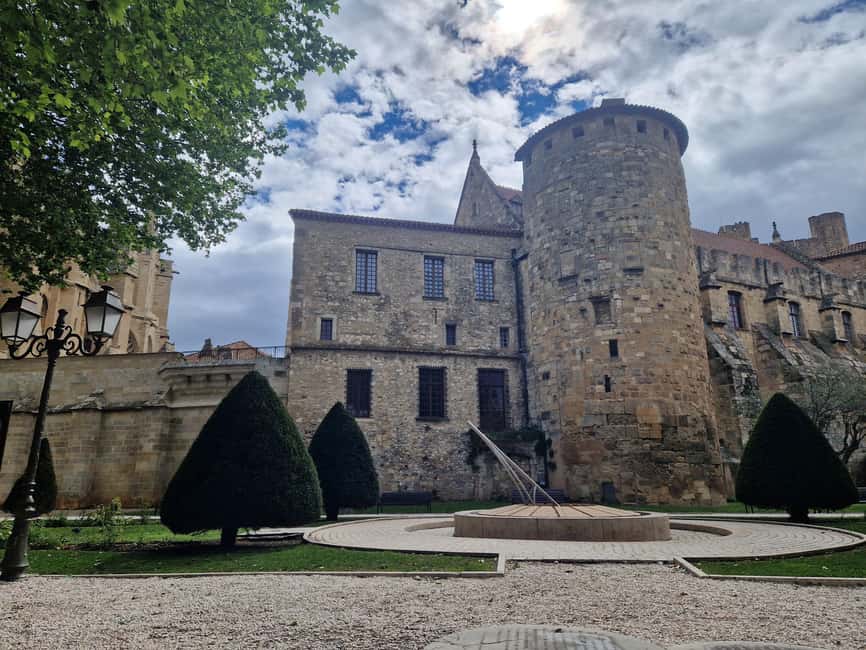
The exterior façade of the Archbishops’ Palace is the first major stop. It has plenty to tell you, though you will get more from it once the guide points out the details and places them in context. The palace is not presented as a single construction from one moment. Its appearance reflects the long role of the archbishops and the changing needs of the city.
The tour continues inside the palace’s main courtyard. Here, the Grand Staircase gives you a sense of the scale and ceremony associated with the building. It is an important shift from looking at the palace from the square to entering the space where its residents and officials actually moved.
You also visit the exterior and interior courtyards, the Passage de l’Ancre, and the archbishop’s garden. These spaces help break up the grand public image of the palace. Courtyards and passages often reveal how a building functioned, while a garden gives you a quieter view of the complex.
The palace portion should suit you if you like architecture explained through use and setting. If you prefer a long, room-by-room museum visit, you may find the two-hour format too brief. The Donjon, the town’s art collection, and the Treasure Room are not included in the main price. They can be visited with a separate €12 admission ticket, so consider adding that only if you want more time inside the palace complex.
Crossing the cloister beneath the gargoyles
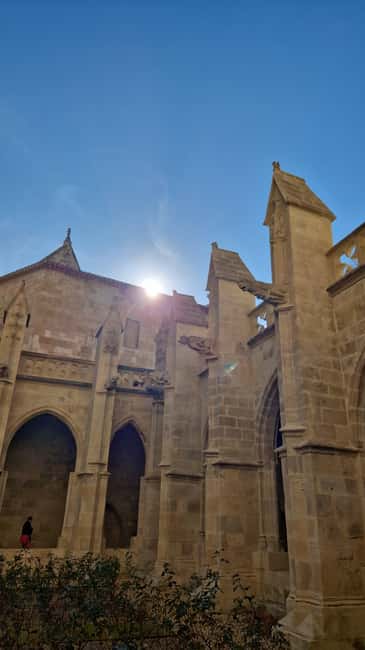
From the palace, the route follows the archbishops toward Saint-Juste and Saint-Pasteur Cathedral. The walk crosses the cloister, where gargoyles tower above you. This is one of the more atmospheric sections of the tour because the cloister creates a clear transition from civic space to sacred space.
The gargoyles are not merely decorative oddities. Their position above the cloister adds a slightly comic edge to an otherwise formal setting. Look up as you walk, but also notice how the cloister frames the cathedral and controls the movement between the buildings.
The guide’s role is especially useful here. Without explanation, a cloister can become another attractive medieval passage. With a good guide, it becomes part of the larger story of how the archbishops organized their religious center. Marion Quart is praised for giving information in manageable pieces, using humor and simple explanations rather than flooding you with dates.
This is also a good point to consider accessibility. The experience is listed as wheelchair accessible, which is important for anyone planning around mobility needs. The route includes several historic spaces, so it is still sensible to confirm any personal access concerns when booking, but wheelchair access is part of the stated tour details.
Looking up inside Saint-Juste and Saint-Pasteur Cathedral
The cathedral is the architectural centerpiece. Its 14th-century Gothic design is known for its height, and the vaulted ceiling gives you the first big visual impact when you enter. I would allow yourself a quiet moment here before following the guide’s explanation. High Gothic interiors make more sense when you first take in their vertical scale.
The visit does not stop at the ceiling. You pause at the monumental organ, the 17th-century altarpiece, and the 14th-century sculpted altarpiece. Each offers a different way into the cathedral’s story. The organ draws your eye upward and toward music, while the altarpieces focus attention on sculpture, painting, and religious devotion.
The 14th-century sculpted altarpiece is described as a picture book, and that is a useful way to approach it. Rather than seeing it as one large object, look at its individual scenes and figures. A guide can help you understand how a medieval viewer might have read those images.
The cathedral is visited both inside and outside. That matters because the exterior and interior work together. The outside gives you the mass and Gothic structure, while the inside shows how height, light, and decoration shaped the experience for worshippers.
If you have a strong interest in church art, you may wish the cathedral portion lasted longer. The tour also has to cover the palace, Via Domitia, cloister, riverfront, bridge, and market hall. Still, the route makes a sensible choice by focusing on the organ, two altarpieces, and vaulted ceiling rather than trying to mention every object.
Same place, a different set of state rooms:
- Versailles: Skip-the-Line Guided Palace Tour and Full Access
★ 4.6 · 5,214 reviews - From Paris: Versailles Palace Guided Tour & Gardens Access
★ 4.7 · 3,574 reviews - Versailles Palace and Gardens Tour from Paris
★ 4.5 · 3,390 reviews - Versailles Palace Bike Tour with Market & Marie-Antoinette hamlet
★ 5.0 · 2,680 reviews
Finding the Via Domitia beneath modern Narbonne
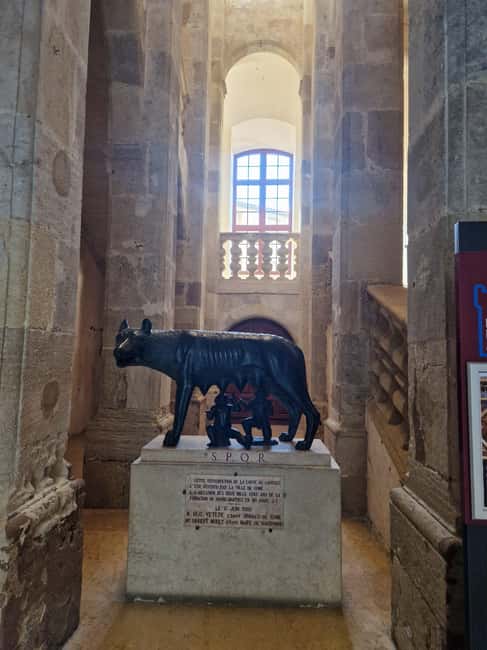
The Via Domitia adds a Roman layer to the visit. This ancient road helps explain Narbonne’s early importance and gives you a physical link to the city’s beginnings. You will see it as part of the opening section of the route, before the tour concentrates on the palace and cathedral.
I like this stop because it prevents the walk from becoming only a medieval architecture tour. Narbonne has been shaped by several periods, and the Via Domitia shows how much of the city’s importance predates the archbishops. It also gives you a useful mental map: old roads often explain why later buildings and public spaces developed where they did.
Do not expect a separate archaeological excursion. The experience is a compact city walk, and the Roman road is one stop within that wider route. Its value comes from the connection it makes between ancient Narbonne and the later buildings you see a few minutes afterward.
Ending along the Promenade des Barques
The final section follows the Promenade des Barques toward Pont des Marchands and Les Halles. After the palace and cathedral, this change of mood is welcome. You move from formal monuments to an open route beside the city’s waterways and toward one of Narbonne’s best-known gathering places.
Pont des Marchands is an important part of the route because it gives you another example of how the city developed around movement and trade. It is also a pleasant contrast with the enclosed cloister and cathedral. You can finish the tour with a clearer sense of Narbonne as a living city, not just a collection of historic buildings.
The walk ends with access to Les Halles. Since you met there, you will already know where it is, but visiting at the end gives the market a different meaning. After hearing about bishops, Roman roads, and Gothic worship, you can see where residents meet for ordinary city life.
This ending also makes the tour practical. You can continue your day from Les Halles rather than being left at an unfamiliar corner. If you are hungry, interested in local food, or simply ready for a break, the market is a natural next stop, although the tour price does not include food or drinks.
What the $23 price really covers
At $23 per person, this is a good value if you want interpretation rather than a self-guided walk. The price covers a two-hour private tour with the Via Domitia, palace courtyards and interiors, the Passage de l’Ancre, archbishop’s garden, cloister, cathedral, Promenade des Barques, Pont des Marchands, and Les Halles.
That is a lot to cover in two hours. You are paying for a focused route and a guide who connects the places, not for an all-day museum ticket. I would see the price as particularly fair for anyone who wants an introduction to Narbonne before exploring on their own.
The extra €12 admission ticket deserves attention. It covers access to the Donjon, the town’s art collection, and the Treasure Room. These areas are not part of the $23 experience, so budget for the extra charge only if those interiors are a priority.
You also get flexible booking terms: cancellation is allowed up to 24 hours in advance for a full refund, and you can reserve now and pay later. Those policies are useful if your South of France plans are still changing, but the main value remains the guide and the concentrated route.
Marion Quart’s guiding style
The most consistent strength is Marion Quart. Her style is described as passionate, professional, approachable, and easy to follow. That combination matters in a city tour because Narbonne offers plenty of dates, names, and architectural terms that could become heavy in less capable hands.
I especially like the repeated description of her use of humor and simplicity. A guide can know a great deal and still lose you in a cloud of facts. Marion’s approach appears to be more conversational, giving you information in a way that keeps the buildings in view.
One French participant described her as someone who can make you travel through time while remaining enthusiastic and professional. Another praised the way she shared details without making the visit boring. An English-language review also valued her knowledge, thoughtful manner, and attention to historical detail.
The listed languages are French and Sangro. If you need a tour in another language, this experience may not suit you. Some content is presented in its original language, so ask about language needs before booking if that point matters to your group.
Who should book this walk?
I would recommend it to first-time visitors who want a structured introduction to Narbonne. It suits people who enjoy architecture, church art, Roman sites, and local urban history, especially when those subjects are tied together by one guide.
It is also a good choice for a private group that wants room for questions. Families with older children may appreciate the mix of roads, courtyards, gargoyles, organ, market, and bridge. The route is not just a sequence of formal interiors, which helps keep the experience varied.
You should think twice if you want a slow museum visit or extensive time in the Donjon and Treasure Room. Those require the separate €12 admission and may need more time than the two-hour walk allows.
Should you book the Narbonne palace and cathedral tour?
Book it if you want to understand how Narbonne’s Roman road, archbishops’ palace, Gothic cathedral, riverfront, and market fit together. At $23, the tour gives you a well-shaped route and a private guide, with Marion Quart’s warm and lively style adding much of the value.
Skip it if you prefer exploring entirely alone or if your main goal is the Donjon, art collection, and Treasure Room. In that case, plan for the separate €12 admission and allow time beyond the guided walk.
For most visitors, I would book this near the start of a Narbonne stay. It gives you the city’s main landmarks, points out details you might otherwise pass, and leaves you at Les Halles with a useful sense of where to continue.
FAQ
How long does the Narbonne palace and cathedral tour last?
The tour lasts two hours.
What is the price?
The price is $23 per person.
Where does the tour meet?
Meet in front of the main entrance to Les Halles de Narbonne, near the war memorial.
How will I recognize the guide?
The guide will be wearing a green neckerchief and carrying a professional card.
Which languages are available?
The listed languages are French and Sangro. Some content is presented in its original language.
Is the tour private?
Yes. It is offered as a private group experience.
Is the tour wheelchair accessible?
Yes, the experience is listed as wheelchair accessible.
What is included in the tour?
The tour includes the Via Domitia, the Archbishops’ Palace interior and exterior courtyards, the Passage de l’Ancre, the cloister, the cathedral inside and outside, the archbishop’s garden, the Promenade des Barques, Pont des Marchands, and access to Les Halles.
Are the Donjon, museum, and Treasure Room included?
No. Admission to the Donjon, the town’s art collection, and the Treasure Room is separate and available with a €12 admission ticket.
Just added around France
- Pierrefonds: Château de Pierrefonds Entrance Ticket★ 4.7 · 152 reviews
- Paris: Versailles Palace and Queen Hamlet E-Bike Tour★ 5.0 · 126 reviews
- Paris: Versailles Golf Cart & Bike Tour with Palace Entry★ 4.8 · 58 reviews
- Petit Palais Paris Museum of Fine Arts Tour with Tickets★ 4.2 · 3 reviews
- Paris: Palace of Versailles Private Tour with Transportation★ 5.0 · 2 reviews
- Paris: Royal Palais, Tuileries and D’Orsay Tour★ 4.8 · 3 reviews
- PARIS: Private transfer Château Versailles van 7 people 4H★ 3.0 · 4 reviews
- Paris: Palace of Versailles Ticket with Private Transfer★ 4.4 · 24 reviews
France Palace Tours, compared.
Versailles Palace and Gardens Full Access Ticket
Read our review →
Skip-the-Line Tour of Palace and Gardens Access
Read our review →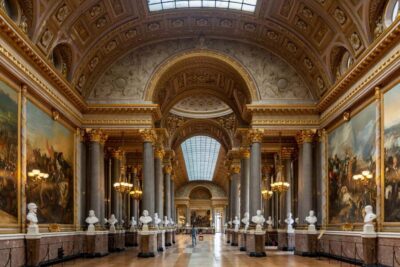
Versailles Palace & Gardens with Transportation
Read our review →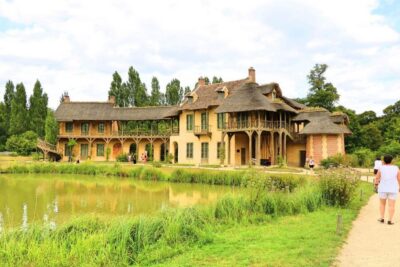
Skip-the-Line Guided Palace Tour and Full Access
Read our review →
Versailles Palace Guided Tour & Gardens Access
Read our review →
Versailles Palace and Gardens Tour from Paris
Read our review →
Versailles Palace Bike Tour with Market & Marie-Antoinette hamlet
Read our review →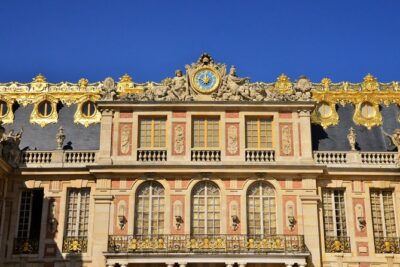
Versailles Palace Guided Tour with Reserved Entry
Read our review →Browse the lists this tour appears in