
REVIEW · MEXICO CITY
Mexico City: A Day in the Colonial Era Through its Palaces
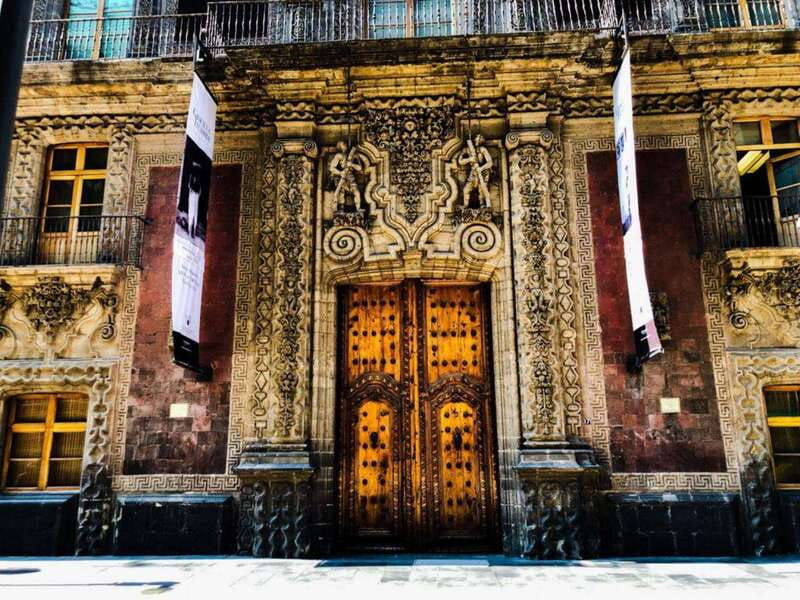
Palaces reveal more than dates. This 3.5-hour Mexico City walking tour uses colonial palaces, plazas, markets, and old city life to show how New Spain’s elite ate, prayed, rested, and socialized. I like the focus on ordinary routines rather than a parade of names and years, and I like that the guide has advanced academic training in art history, history, or architecture. The stories also include period gossip and small human details, which can make a grand building feel less remote.
The main consideration is the price: $145 per person is a serious spend for a walking tour of this length. Transportation, lunch, and drinks are not included, although a museum ticket and a fresh juice or sweet treat are covered. You will also need comfortable shoes and protection from sun or rain, since the experience moves through city streets.
Key details that shape the experience
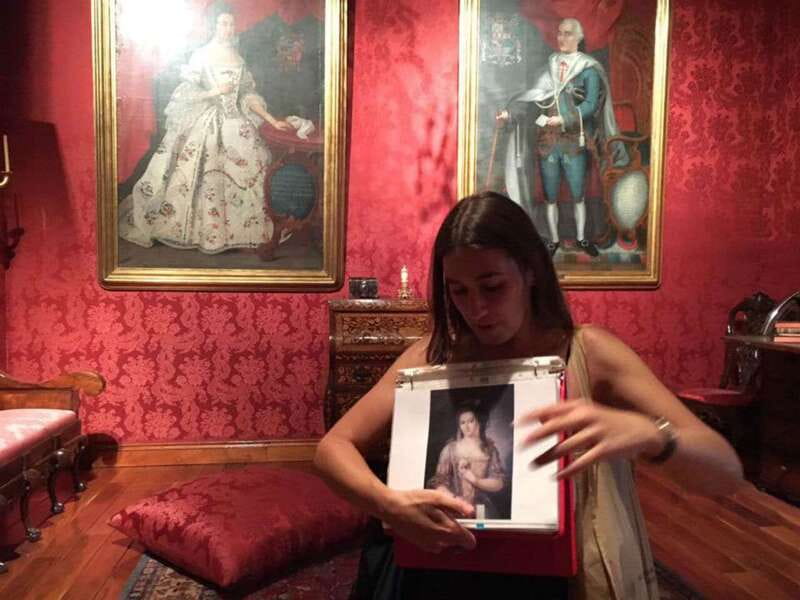
- Colonial life takes center stage: You learn how people used palace rooms, chapels, salons, dining spaces, and private quarters.
- The guide brings academic training: Your guide is an art historian, historian, or architect with a graduate degree.
- Period gossip adds a human edge: Anecdotes and lesser-known stories help you picture New Spain beyond official dates.
- The route is entirely on foot: Meet at Ojo de Agua Restaurant and plan for 3.5 hours of walking.
- A museum visit is included: Your admission ticket is covered, along with fresh juice or a sweet treat.
- English and Spanish are available: Large groups receive headsets, and the tour is wheelchair accessible.
Seeing New Spain through rooms, not rulers
Many colonial history tours turn into a long list of viceroys, battles, and construction dates. This one takes a more useful route. It asks you to picture the people who lived inside these grand buildings and how each room worked during a normal day.
You begin with the idea of a full colonial day, from dawn through evening. The focus is not simply on what a palace looks like, but on what happened there. Where did people dine? Where did they pray? Which rooms were meant for public display, and which were reserved for family or private devotion?
That approach gives the architecture a practical purpose. A salon was not just a handsome room. It was a place for social visits, ceremony, conversation, and status. A chapel was not just a decorative feature. It formed part of the daily routine and signaled the importance of faith in colonial society.
I like this method because it gives you something to look for. Instead of passing through a palace and admiring painted ceilings without context, you can ask how servants, family members, clergy, and visitors moved through the space. The tour is aimed at showing the social rules behind the design.
A few more palace visits around the world worth a look
- Venice: Doge’s Palace Reserved Entry Ticket
★ 4.6 · 42,716 reviews - Paris: Versailles Palace and Gardens Full Access Ticket
★ 4.6 · 41,579 reviews - Granada: Alhambra & Nasrid Palaces Tour with Tickets
★ 4.7 · 19,801 reviews
Ojo de Agua Restaurant is your starting point
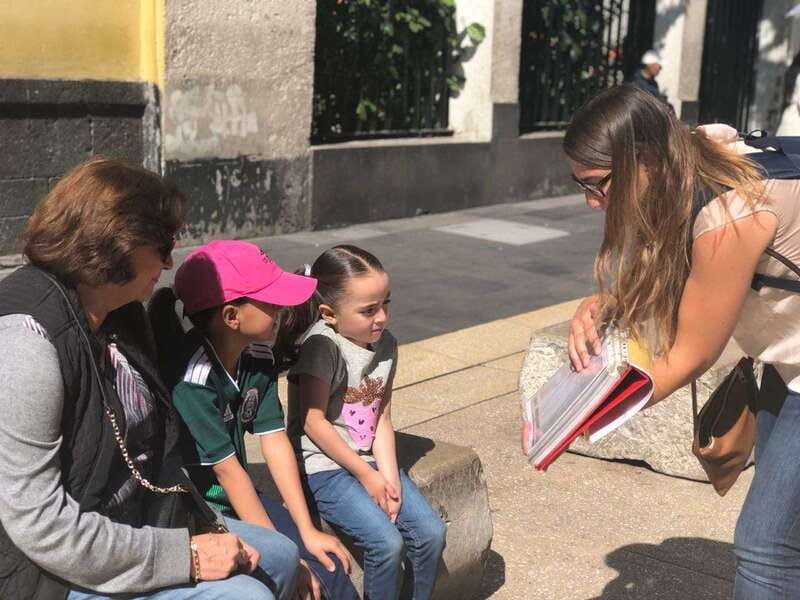
The meeting point is Ojo de Agua Restaurant. Your guide waits there with the WALK MEXICO project logo, so you have a clear way to identify the group.
No transportation is provided. That matters in Mexico City, where traffic can turn a short distance into a slow trip. Give yourself enough time to reach the restaurant, especially if you are crossing town. Since the supplied information does not name a precise neighborhood or starting time, you should check the available departure options before booking.
The route is a walking tour, so wear shoes that can handle several hours on city streets. A sun hat, sunscreen, comfortable clothing, and rain gear are sensible choices. Large bags, luggage, pets, and valuables are not allowed, so this is not a good activity to schedule while carrying airport baggage or shopping purchases.
Palaces where daily life takes shape
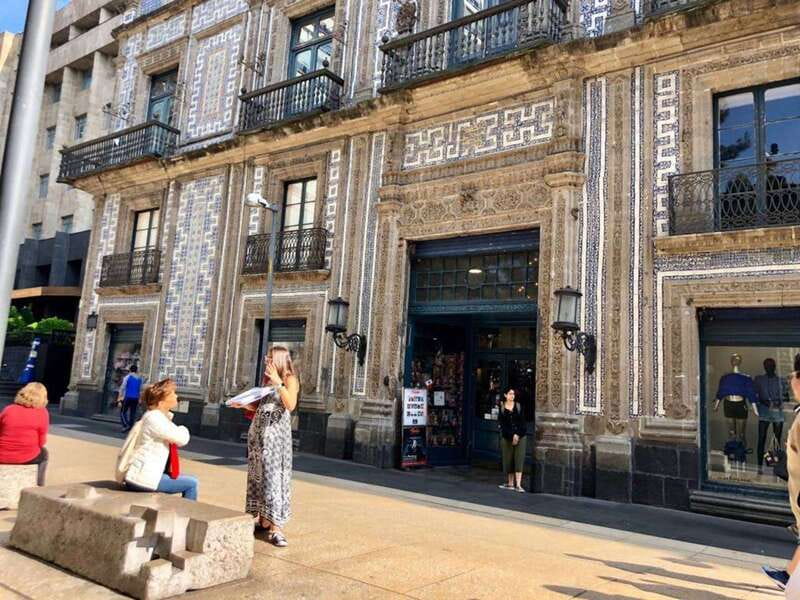
The central part of the experience brings you into some of Mexico City’s most impressive colonial palaces. The specific palace names are not provided, but the purpose of the visits is clear: you will study how these buildings functioned as homes, workplaces, social stages, and religious settings.
The guide explains the link between architecture and routine. A grand entrance could help announce rank. A dining room could show how food and social order were organized. A private chapel could reveal how prayer fitted into the household. Resting spaces and salons help you picture a day that was governed by ceremony, family custom, and public reputation.
You might find the contrast between grand rooms and ordinary habits especially useful. Wealthy colonial life was not only about luxury. It also involved strict expectations, religious practice, formal visits, and the constant business of maintaining status.
The guide’s academic background should help with visual details that are easy to miss on your own. Paintings, furnishings, room arrangements, and decorative choices can carry social meaning. A specialist in art history or architecture can connect those details to how people actually used the building.
The experience also promises lesser-known facts and period gossip. That is a welcome change from a dry lecture. Gossip is not a substitute for history, but it can show how reputation, family ties, and social behavior mattered in a tightly managed society.
Plazas, markets, and canals beyond the palace walls
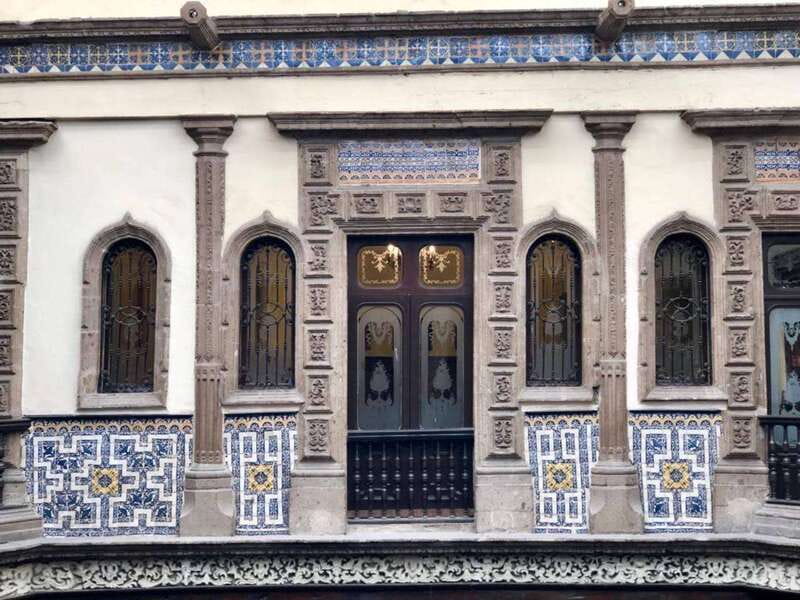
The tour does not keep you indoors. It moves through plazas and considers the city beyond elite residences, including markets and canals that formed part of colonial urban life.
This wider view matters. A palace made sense because it was connected to suppliers, workers, religious institutions, public squares, and trade. The city was not a collection of isolated monuments. It was a working place where people bought goods, traveled, met friends, attended religious services, and watched the movements of the powerful.
The route encourages you to picture Mexico City with carriages, fountains, and public gatherings. These images help bridge the gap between the present-day streets and the colonial setting the guide is describing.
You should keep your expectations realistic. This is not presented as a boat ride through canals, a food tour through markets, or a transportation experience in a colonial carriage. Markets and canals are part of the historical setting and discussion, while the activity itself is a guided walk.
That distinction helps explain the value of the tour. You are paying for interpretation and access to selected places, not for a string of separate activities. If you prefer hands-on food tasting or a larger number of attractions, this may feel too focused. If you want context for what you see in central Mexico City, the approach makes good sense.
Same place, a different set of state rooms:
- Sintra: Pena Palace and Park Entrance Ticket
★ 4.2 · 17,410 reviews - Granada: Alhambra and Nasrid Palaces Entry Ticket
★ 4.6 · 15,130 reviews - Madrid: Royal Palace Fast-Access Admission Ticket
★ 4.6 · 13,856 reviews - Doge’s Palace & St. Mark’s Basilica with Terrace Access Tour
★ 4.7 · 10,697 reviews
The museum visit adds a second layer
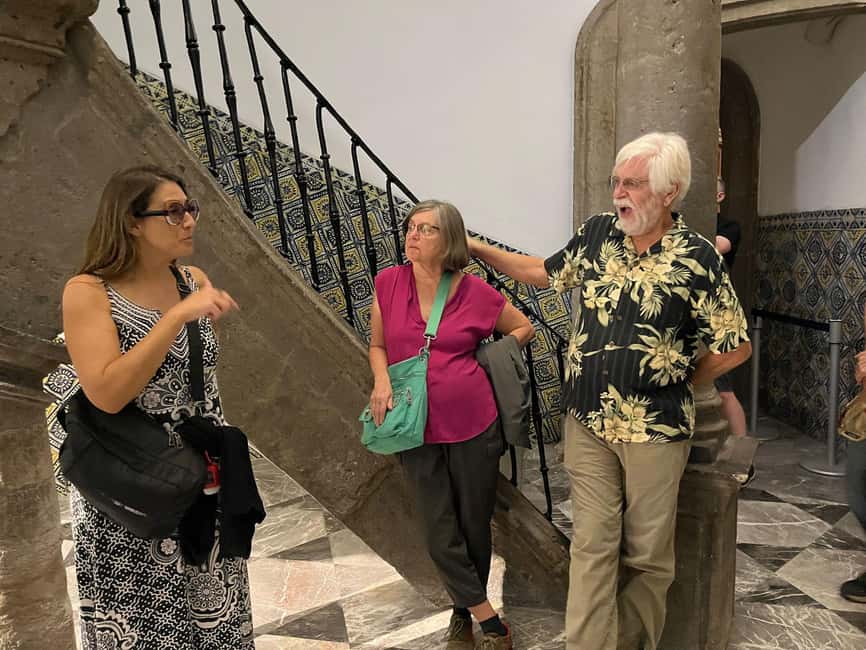
A museum ticket is included in the price. The museum gives the guide another setting for explaining colonial art, objects, and social customs.
Museums can be hard to read without help. You may notice an attractive painting or finely made object, but miss the clues about devotion, wealth, family identity, or public rank. A guide trained in art history can point out why an object matters and how it connects with the buildings visited earlier.
The museum stop also breaks up the walk. After moving through streets and palace rooms, you get time to focus on displayed objects in a more controlled setting. Since the museum itself is not named, check the final meeting details and route information before you go if the exact collection matters to you.
This portion is likely most useful for travelers who enjoy paintings, architecture, and material culture. If you are mainly interested in political events, the museum discussion may feel less central. The tour’s subject is everyday colonial life, not a full survey of Mexican history.
A taste at the end, but not lunch
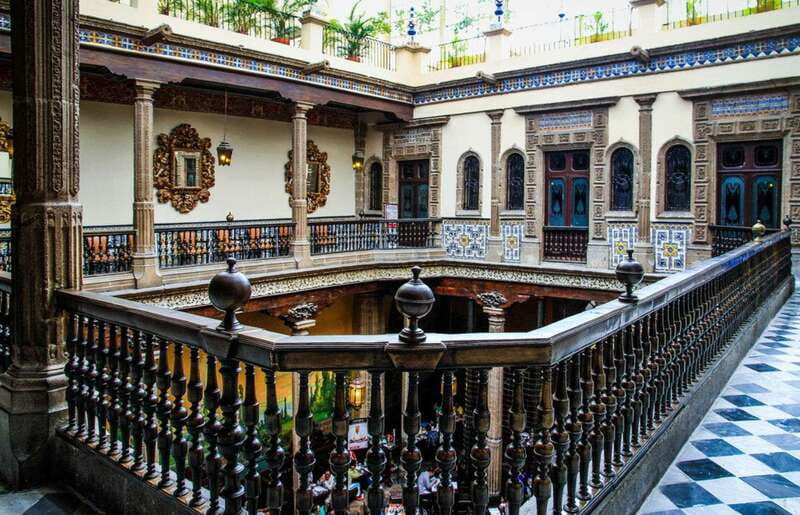
The experience includes fresh juice or sweet treats. One particularly praised detail is chocolate at the end, which gives the finish a pleasant connection to Mexico’s food traditions.
Do not mistake this for a meal. Lunch is not included, and the tour does not provide general food or beverages beyond the listed refreshment. Plan your meal separately, especially if you are booking a departure near midday.
The small treat matters less for its size than for the way it rounds out the subject. Colonial food, trade, social customs, and hospitality all fit naturally with a discussion of daily life. Still, you should not book this as a food tour. The refreshment is a modest extra, not the main attraction.
What the guide can add to the walk
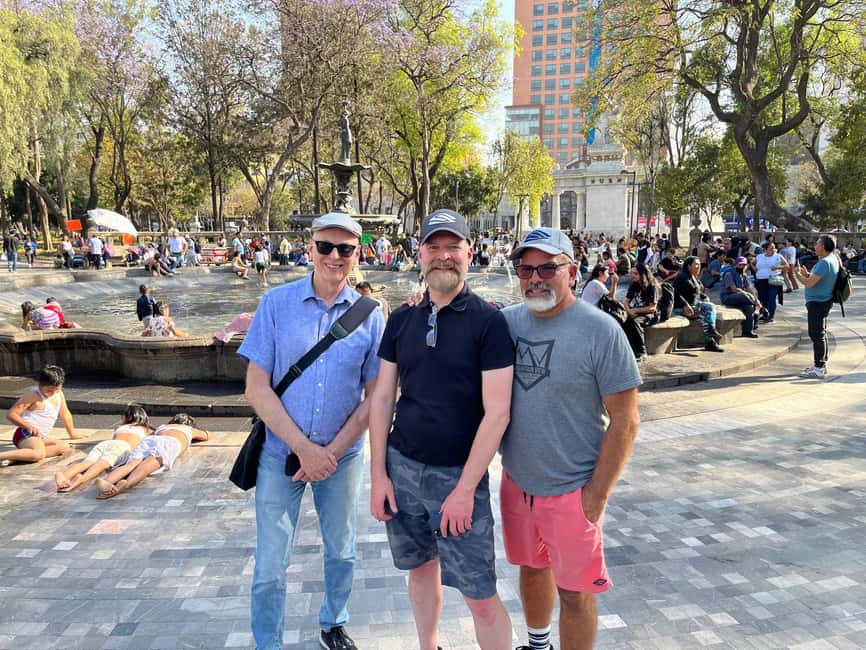
The strongest part of this experience is likely the person leading it. The guide must have a graduate academic degree as an art historian, historian, or architect, and tours are offered in English or Spanish.
The guide is expected to explain both art and behavior. That is important because colonial buildings can otherwise become a blur of carved stone, religious imagery, and grand rooms. A strong explanation connects what you see with how people lived.
Natalia is specifically named in the available feedback, and she was praised for making the visit interesting and enjoyable. Another review singled out the fun stories about Mexico City’s history and the chocolate at the end. Those details suggest a warm, story-led style rather than a stiff academic recital.
Keep in mind that a specialist guide may spend time on points that appeal more to some people than others. You might hear a detailed explanation of a room, object, or custom before moving on. If you enjoy asking questions and noticing small details, that pace should suit you. If you want rapid sightseeing, the 3.5-hour format may feel slower.
In a large group, headsets are provided. This is useful in city streets, where traffic and street noise can swallow a soft voice. Smaller groups may not need them, but the equipment helps keep the guide’s commentary audible when the group spreads out.
Is $145 a fair price?
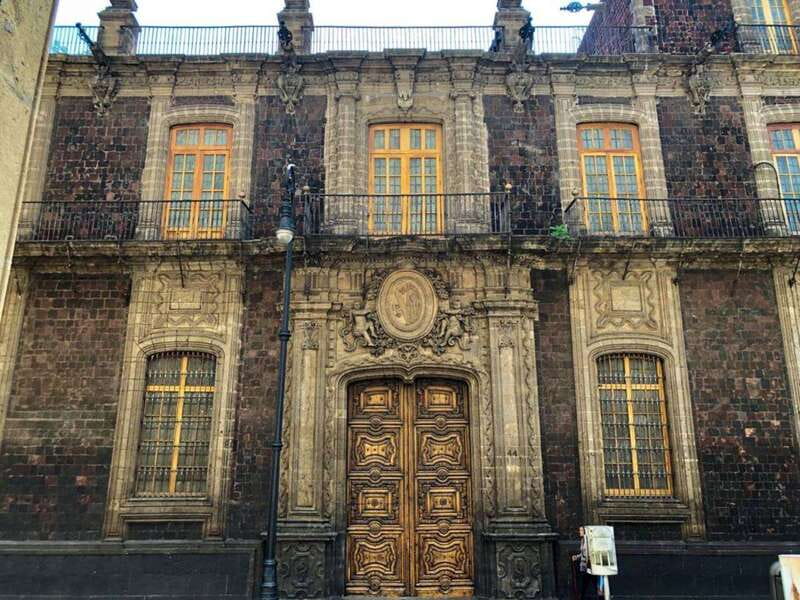
At $145, this is not a budget walking tour. The cost includes an expert guide, a museum admission ticket, and a small refreshment, but not transportation, lunch, or other drinks.
The price makes the most sense if you value expert interpretation and want a focused look at colonial interiors. You are paying for a specialist who can explain how architecture, art, religion, and household routines fit together. That can be worthwhile in a city where many important buildings are easy to admire but harder to understand.
The value is weaker if you only want to see the outside of monuments or cover a large number of sights quickly. A self-guided walk costs much less, and you can eat wherever you like. You would, however, lose the academic commentary, period anecdotes, museum guidance, and organized route.
I would treat this as a specialist experience for a particular interest, not a general introduction to every side of Mexico City. It suits you best if colonial architecture, art, social customs, and historical storytelling are high on your list.
Who should book this colonial palaces tour?
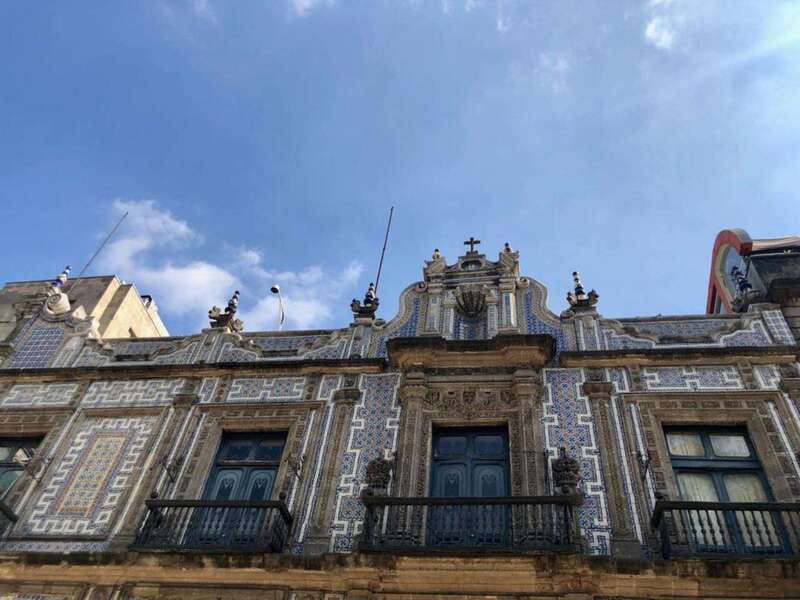
This tour is a good fit for you if you:
- Enjoy architecture and want to know how rooms were used.
- Prefer social history to a list of military dates.
- Like stories about customs, reputation, religion, and daily habits.
- Want an English or Spanish guide with formal academic training.
- Are comfortable spending 3.5 hours on a guided city walk.
- Want a museum visit included in the same experience.
- Appreciate a small juice, sweet, or chocolate break rather than a full meal.
It may not suit you if you are carrying luggage, traveling with pets, or looking for a food-focused outing. You should also think twice if a $145 walking tour feels high for your budget, especially since you will need to arrange transportation and lunch separately.
The route is wheelchair accessible, which makes it more practical for many visitors. Still, the tour takes place on foot, so it is wise to confirm the current route details and any specific mobility needs when booking.
Practical planning before you go
Check the departure time and allow extra time to reach Ojo de Agua Restaurant. Look for the guide holding the WALK MEXICO logo, and keep your belongings light.
Wear comfortable shoes. Add sunscreen and a hat for sunny weather, plus rain gear during the wet season. Since large bags and luggage are not allowed, leave heavy items at your accommodation.
English and Spanish are available. Free cancellation is offered up to 24 hours before the tour for a full refund, and you can reserve now and pay later. These policies are useful if your Mexico City plans are still shifting.
Should you book it?
Book this experience if you want Mexico City’s colonial past explained through rooms, routines, art, faith, and gossip. The guide training, museum ticket, and focus on daily life give it more substance than a basic photo walk.
Skip it if you want a low-cost orientation, a full meal, or a broad tour of modern Mexico City. At $145, the best value comes from listening closely and caring about how people lived inside the palaces, not simply checking buildings off a list.
FAQ
How long does the tour last?
The walking tour lasts 3.5 hours.
How much does the tour cost?
The price is $145 per person.
Where does the tour meet?
You meet your guide at Ojo de Agua Restaurant. The guide waits with the WALK MEXICO project logo.
Is transportation included?
No. Transportation is not included.
Is lunch included?
No. Lunch is not included. Food and beverages are not included beyond the listed fresh juice or sweet treats.
What languages are available?
The live tour guide is available in English or Spanish.
Is the tour wheelchair accessible?
Yes, the experience is listed as wheelchair accessible.
Can I cancel for a full refund?
Yes. You can cancel up to 24 hours in advance for a full refund.
Just added around the world
- Porto Bishop’s Palace Guided Tour★ 4.5 · 8 reviews
- Pena Palace, Moorish Castle,Quinta ad Regaleira:Walking tour★ 5.0 · 3 reviews
- Paris: Versailles Palace and Queen Hamlet E-Bike Tour★ 5.0 · 126 reviews
- Phnom Penh: Full-Day City Tour with Royal Palace & Killing …★ 4.7 · 2 reviews
- Petchaburi Temples & Royal Palace – small Join Group Tour★ 4.6 · 46 reviews
- Paris: Versailles Golf Cart & Bike Tour with Palace Entry★ 4.8 · 58 reviews
- Petit Palais Paris Museum of Fine Arts Tour with Tickets★ 4.2 · 3 reviews
- Paris: Palace of Versailles Private Tour with Transportation★ 5.0 · 2 reviews
Mexico City Palace Tours, compared.
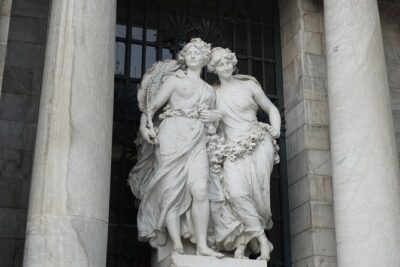
EXCLUSIVE TOUR to Palacio de Bellas Artes – small groups
Read our review →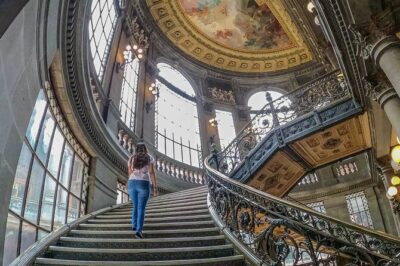

Enjoy the Folkloric Ballet at the Palacio de Bellas Artes
Read our review →Browse the lists this tour appears in