
REVIEW · INDIA
Individual Gujarat tour 2024-2025 (nature and palaces)
Gujarat rewards curiosity. This 16-day private tour links Ahmedabad’s old quarters, former royal homes, Jain temples, desert villages, and some of India’s best wildlife encounters. I like the private car with an air-conditioned vehicle and driver, which gives you room to travel at your own pace, and I like the unusual route through Gujarat rather than a standard first-time India circuit.
The two main considerations are the long road days and the physical effort involved. Climbing Shatrunjaya Hill means roughly 3,700 steps each way, and several transfers take five or six hours. This is a strong choice for a returning India visitor who wants culture, scenery, and local contact, but it may feel demanding if you prefer short drives and a fixed city base.
Five details that define this Gujarat journey
- Two leopard safaris at Jawai: The itinerary gives you two chances to search for leopards around Jawai Dam, with one night in a tented camp under the stars.
- The Great and Little Ranns of Kutch: You see the white salt desert, craft villages, and the Wild Ass Reserve in one broad sweep through western Gujarat.
- Palace hotels in Bhavnagar and Gondal: Former royal residences provide memorable overnight stops, not just daytime photo visits.
- A private driver throughout: Your own air-conditioned car makes the long distances more manageable and gives the trip a personal feel.
- Real physical variety: Expect city walks, steep temple steps, jeep safaris, village strolls, and quiet time by a hotel pool.
- A strong focus on local life: The route includes Pol houses, handicraft families, Siddi communities, traditional shipbuilding, and an Ayurvedic company.
Ahmedabad begins with old houses and Gandhi’s ashram
Your arrival day is gentle. After a traditional welcome, you transfer to the hotel and have dinner there. Rooms are available from noon, so an early arrival may still require some patience before check-in.
The sightseeing begins in Ahmedabad’s Old Town. The walk through the Pols is one of the most rewarding parts of the route. These old residential quarters were organized into close communities, and the narrow lanes reveal a side of the city that a standard vehicle tour would miss.
You also visit Swaminarayan Temple, Jama Masjid, and Sidi Sayad Mosque. The famous carved stone window screen at Sidi Sayad Mosque is especially worth slowing down for. The schedule allows about four hours, enough for a useful introduction without turning the first major sightseeing day into a march.
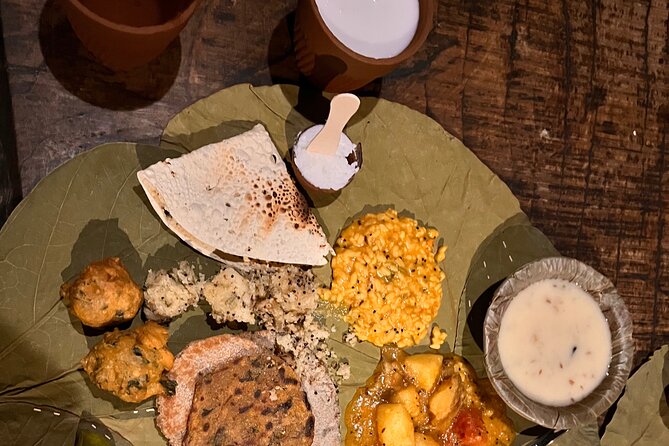
Later, you visit Sabarmati Ashram, where Mahatma Gandhi lived for several years. This stop gives the busy streets and grand monuments a quieter counterpoint. The afternoon is free, with the option to swim or obtain a license at an alcohol shop for beer and other drinks. Gujarat has restrictions on alcohol, so this small practical detail matters.
Dinner is at a local restaurant, offering a chance to try regional food outside the hotel. I would keep the afternoon flexible. Ahmedabad sightseeing can be intense, and the pause helps you adjust to India’s pace.
A few more palace visits around India worth a look
- Jaipur Guided City Tour: City Palace, Jantar, Hawa & Jal Mahal
★ 5.0 · 186 reviews - Tipu Palace + Koté Vishnu + Fort + KR Market + Jain Temple = Bengaluru Pété Walk
★ 5.0 · 150 reviews - Full-Day Jaipur City Tour with Amber Fort and City Palace
★ 5.0 · 99 reviews
Lothal and Bhavnagar trade ruins for royal comfort
The drive from Ahmedabad to Bhavnagar takes about five hours, with a stop at Lothal. The ruins belonged to an Indus civilization settlement that existed around 3700 BC and functioned as a trading port. Lothal adds ancient history to the trip without requiring a separate detour later.
After reaching Bhavnagar, you have time for about an hour in the city center before checking into Neelam Bagh Palace Hotel. The palace was designed by a German architect, an unexpected detail in a royal Indian setting. Staying here is more than a convenient overnight stop. It changes the mood of the trip and gives you a taste of former court life.
The long drive and short city visit mean Bhavnagar itself receives less attention than the palace. That is a fair trade if you value atmosphere over a packed urban sightseeing program.
Shatrunjaya Hill tests your legs
Palitana is one of Gujarat’s great religious stops. More than 800 Jain temples sit above Shatrunjaya Mountain, reached by a stairway of about 3,700 steps one way. The climb generally takes around two hours, with about an hour for the descent.
This is not a casual stroll. You need a moderate level of fitness, comfortable shoes, water, and a willingness to move slowly. The route is used by pilgrims, saints, and local families, so the climb itself forms part of the experience.
Porters can carry visitors in a palanquin. The supplied price is about 50 to 60 euros for a group of four porters, plus a tip. That cost is not included, and you should settle the amount before starting. A palanquin can make the climb possible for someone who cannot manage the stairs, but it remains a long uphill journey.
The reward is the temple complex above, where the scale and concentration of Jain religious architecture are remarkable. Plan for roughly four hours here, and do not schedule anything strenuous afterward.
Gir National Park brings the Asiatic lion into view
Gir is the wildlife centerpiece of the Gujarat portion. It is one of the only places where you can see Asiatic lions living freely in the wild, and the early-morning safari gives you the best chance to watch the reserve before the heat builds.
The safari lasts about three hours. Lions are not guaranteed, and the reserve also contains other animals and many bird species, so you should approach it as a wildlife search rather than a staged show.
Another special feature is the human presence around Gir. Rebari and Siddi communities live close to the reserve. The Siddi have ancestry linked mainly to Southeast Africa and have a long history connected with trade, seafaring, forced labor, and military service. Seeing Siddi families in Gujarat adds an important human dimension to the wildlife stop.
The afternoon is free. That matters after an early safari. You can rest outdoors, spend time at the hotel, or leave room for an unscheduled surprise from the tour leader.
Same place, a different set of state rooms:
- Bangalore: Palace, Temples, Fort & Markets Walking Tour
★ 4.9 · 97 reviews - Old Bangalore Historical Walk thro Palace, Temples, Fort & Market
★ 5.0 · 60 reviews - Bangalore: Walking Tour of Fort, Palaces, and Market
★ 5.0 · 58 reviews - Heritage Walk with HiTea at Falaknuma Palace
★ 4.5 · 45 reviews
Junagadh and Gondal mix several architectural traditions
On the way to Gondal, you visit Junagadh Fort, Bibi ka Makbara, and Buddhist caves associated with the Ashoka period. The buildings show Hindu, Muslim, and European influences, giving the day a useful lesson in Gujarat’s layered past.
Gondal then shifts the focus to royal India. The City Palace, including Navlakha Palace overlooking the river, is more than 30 meters high and is among the town’s oldest grand buildings. You also stay in a former palace converted into a hotel.
The day includes an Ayurvedic company, a collection of Ravi paintings, and old-timer cars. These smaller visits make Gondal more personal than a quick palace photo stop. You have breakfast and dinner at the palace hotel, which helps create a proper royal interlude.
This is another four-hour sightseeing day, but the driving adds to it. Expect a full day rather than four hours from hotel door to hotel door.
Bhuj opens the door to Kutch crafts
The drive to Bhuj is long, but the reward is a three-night base near a lake. The first visit is the Textile Museum of Kutch, which prepares you for the village visits that follow.
Kutch is known for family craft traditions, and the museum gives you a way to recognize the work you see later. Your hotel’s setting by the lake also provides a welcome pause after the road journey. Dinner and breakfast are included during this part of the trip.
The three nights in Bhuj are useful. They prevent the Kutch section from becoming a string of rushed day trips, even though several excursions still involve substantial driving.
Mandvi combines Jain worship, shipyards, and damaged palaces
The excursion to Mandvi includes a Jain temple, Vijay Vilas Palace, and the town’s old trading and shipbuilding traditions. Mandvi once attracted wealthy merchants dealing in diamonds and precious stones. Its wooden shipbuilding remains especially interesting because traditional methods are still used.
At the shore, you may see unfinished wooden ships. This is a working craft tradition, not a polished museum display, so the scene can be rough around the edges. That is precisely its value.
Back in Bhuj, you visit Prag Mahal and the palace commissioned by Maharao Lakhpatji in 1750. Prag Mahal uses Italian Gothic design and was damaged by the major earthquake. The earthquake damage is part of the building’s present story, though visitors should not expect every room or feature to be perfectly preserved.
The day lasts about six hours and includes several different kinds of stops. It is one of the route’s better combinations of architecture, commerce, and living craft.
Kutch villages and the Great Rann show Gujarat at its most distinctive
The village day takes you through northern and southern parts of Kutch. Families from different clans live and work in these settlements, making textiles and other goods. Meghwal families are known for detailed embroidery, and you can see the homes, fabrics, and daily setting directly.
Buy thoughtfully. The villages are places where families sell their own work, but you should ask about prices and avoid treating the visit as a rapid shopping stop. The value comes from seeing how craft fits into community life.
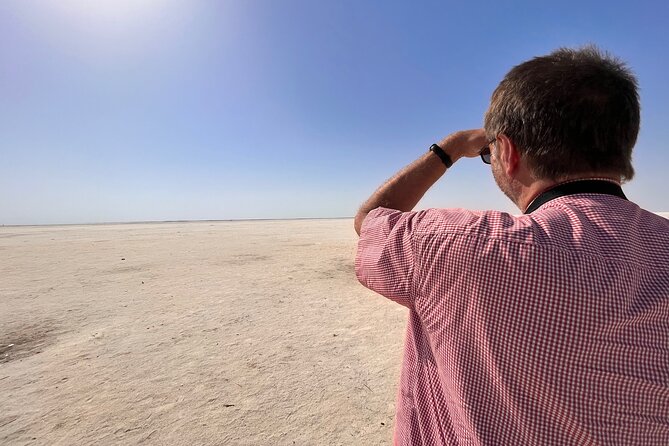
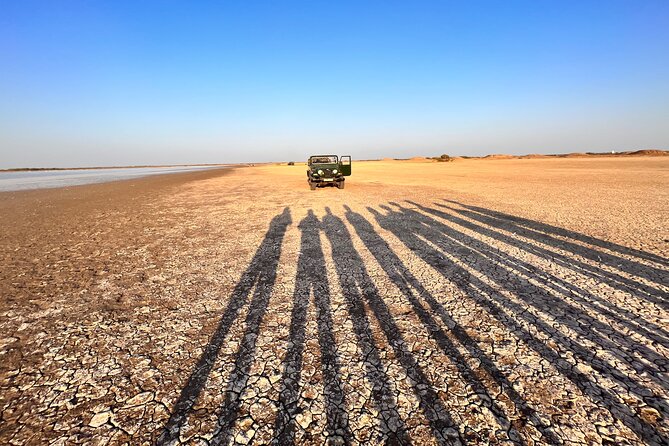
Later, you reach the Great Rann of Kutch, the famous White Desert. The salt surface and open horizon are unlike anything else on this route. Return in the evening, when the heat and glare have eased.
The schedule lists about four hours for this day, though the actual time depends heavily on driving between villages and the desert. Bring sun protection and expect little shade.
Little Rann of Kutch trades salt flats for wild asses
You continue to Bajana and stay at Royal Safari Camp near Dasada, a few minutes from the Little Rann of Kutch Wild Ass Reserve. The eco-friendly camp provides a change from palace hotels and city lodging.
Lunch is included here, followed by a late-afternoon safari. The reserve is known for wild asses and birdlife, so binoculars would be useful if you have them. The safari gives the wildlife section a different character from Gir: less about a single famous predator and more about open country, hoofed animals, and birds.
You have dinner, breakfast, and lunch included at this stop. The camp setting may appeal to you if you enjoy simple outdoor accommodation, but it will not offer the same polished comfort as a palace hotel.
Modhera, Patan, and Sidhpur reveal Gujarat’s architectural range
The route back toward Palanpur includes three excellent cultural stops. Modhera Sun Temple is an 11th-century monument and one of the finest examples of temple architecture from that period. Its design and stone detail make it one of the strongest heritage stops on the trip.
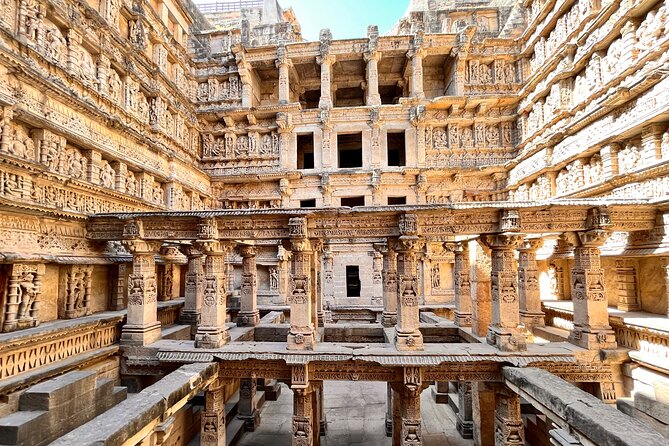
At Patan, Rani Ki Vav is an ornate 11th-century stepwell built by Queen Udaymati in memory of her husband, Bhima I. The structure turns practical water storage into a monumental work of art. Give yourself time to look downward into the levels rather than only photographing the facade.
Sidhpur brings a different mood. Its European-influenced houses, called Manzils, line the streets with an unusual blend of Indian and European design. A walk here has an old adventure-film quality, but the real appeal is architectural rather than theatrical.
The day ends at Balram Palace, a 19th-century residence beside the Macchu River. Its spacious suites and decorative interiors continue the royal theme before the final wildlife stop.
Jawai offers two chances to find leopards
The drive to Jawai passes through the mountains and includes Ranakpur Jain Temple. Ranakpur is an important stop for its detailed temple work, and the one-hour visit gives you a focused introduction without taking over the day.
Jawai then shifts the trip back to wildlife. You go on a jeep safari in search of leopards and spend the night in a tented hotel under the stars. The first safari is the main reason to come here, but the setting matters too. The area offers a quieter, more open experience than a conventional national park visit.
A second leopard safari follows the next day. Two attempts make this section more worthwhile than a single rushed outing, though no wildlife encounter can be guaranteed. One supplied estimate says most safari participants see leopards, but you should still bring patience and treat any sighting as luck rather than a promise.
The second afternoon is free for the pool or rest. That balance is welcome after two safari outings and the long drive from Gujarat toward Rajasthan’s border region.
Adalaj Vav brings the route back to Ahmedabad
The final road day returns to Ahmedabad, with a stop at Adalaj Ki Vav. This stepwell provides one last look at Gujarat’s practical architecture and decorative stonework before you check into your final hotel.
The last evening is not overloaded with sightseeing. That is sensible because your return flight is scheduled for Day 16. You can use the time to rest, organize purchases, and prepare for the airport.
Price, transport, meals, and practical value
At $2,808.17 per person, the price is substantial, but it covers 16 days of private transportation, an air-conditioned car, a driver, accommodation, GST, two leopard safaris, one lion safari, and one wild donkey safari. Breakfast is included on 13 days, dinner on 14 days, and lunch on two days.
The value depends on how much you would otherwise pay for private transport, wildlife drives, palace lodging, and regional planning. For a solo visitor or a couple, the private format can be costly. For a small private group, the price becomes easier to justify because the vehicle and driver costs are shared.
Flights are not included. The route suggests booking a direct flight from Frankfurt to Ahmedabad, arriving on Day 2 and departing Ahmedabad on Day 16. Booking directly in Germany may preserve rights under European air passenger regulations, so this is worth considering before using a third-party booking site.
There is no restroom on board. That matters on the five and six-hour road days, so use facilities whenever you stop. The tour is private, and only your own group participates, which gives you more control than a coach tour but also means the pace depends on your group.
Free cancellation is available up to 24 hours before the start time. Poor weather or failure to reach the required minimum number of participants can lead to a different date or a full refund.
Who should book this Gujarat route?
I would recommend it most strongly to a returning India visitor who wants a regional journey with wildlife, architecture, handicrafts, and palace stays. It is also suitable for couples, families, and friends who prefer a private car to public transport or a large group.
You should be comfortable with long drives, early starts, uneven walking, heat, and the 3,700-step climb at Palitana. The tour is not ideal if you want a slow beach holiday, a short daily schedule, or guaranteed wildlife sightings.
The strongest praise attached to the trip focuses on its personal organization and cultural contact. Piyush Mathur, the organizer named in the feedback, was described as reachable before and during the journey. The route also earned special approval for meeting local people, seeing handicrafts, and covering very different scenery and temples.
Should you book this 16-day Gujarat tour?
Book it if you want India to feel less like a checklist and more like a long, varied road journey. The combination of private transport, unusual heritage stops, palace hotels, Kutch crafts, and three types of wildlife safari is hard to reproduce independently without considerable planning.
Skip it if you dislike long transfers or need guaranteed comfort at every stop. For the right person, this is a rewarding introduction to Gujarat’s quieter side, especially if you want more than the usual northern India circuit.
FAQ
How long is the Gujarat tour?
The journey lasts approximately 16 days, beginning with the flight from Europe to Ahmedabad and ending with the return flight from Ahmedabad.
Is the tour private?
Yes. It is a private activity, and only your own group participates.
Is transportation included?
Yes. Private transportation in an air-conditioned vehicle with a driver is included.
Are flights included in the price?
No. International flights are not included.
Which safaris are included?
The tour includes two leopard safaris, one lion safari in Gir, and one wild donkey safari in the Little Rann of Kutch.
How difficult is the Palitana temple visit?
The climb involves about 3,700 steps one way. Going up generally takes around two hours, and coming down takes about one hour. Porters with a palanquin can be hired for an additional cost.
Are meals included?
Breakfast is included on 13 days, dinner on 14 days, and lunch on two days. The Little Rann of Kutch camp includes lunch, dinner, and breakfast.
Can I cancel for a full refund?
Yes, if you cancel at least 24 hours before the experience start time. Cancellations or changes made less than 24 hours before the start are not refunded.
Just added around India
- Visit Brihadeeswara Temple, Saraswati Library, Palace And Gallery In Thanjavur★ 5.0 · 4 reviews
- Virtual Tour of Padmanabhapuram Palace,largest wooden palace of the World★ 5.0 · 2 reviews
- Culture trip in Pune to Aga Khan Palace, a dargah and temples★ 5.0 · 3 reviews
- 8 Days Private Luxury Tour of Taj Mahal & Palaces of India – Timeless Royalty★ 5.0 · 9 reviews
- Palaces and Forts of Royal Jaipur over 2 days from Delhi by private car★ 5.0 · 3 reviews
- Private Jaipur Sightseeing Day Trip with Royal Palaces visit and Lunch from New Delhi★ 4.0 · 3 reviews
- 3-Day Private Tour of Jaipur from Delhi: City Palace, Jantar Mantar and Amber Fort★ 3.5 · 5 reviews
- 7 Days Private Tour of Taj Mahal, Tigers, Palace and Forts of India★ 5.0 · 4 reviews
India Palace Tours, compared.
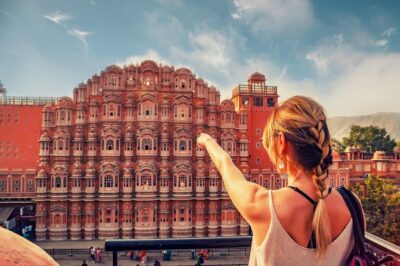
Jaipur Guided City Tour: City Palace, Jantar, Hawa & Jal Mahal
Read our review →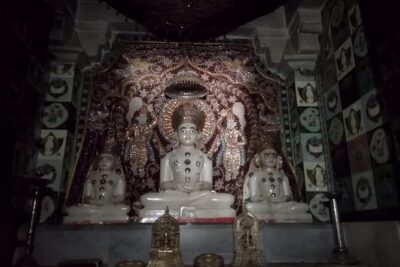
Tipu Palace + Koté Vishnu + Fort + KR Market + Jain Temple = Bengaluru Pété Walk
Read our review →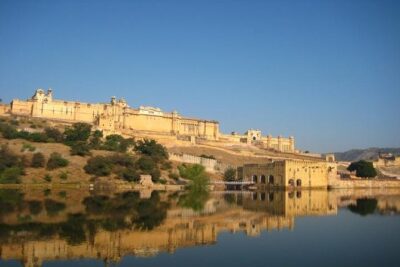
Full-Day Jaipur City Tour with Amber Fort and City Palace
Read our review →
Old Bangalore Historical Walk thro Palace, Temples, Fort & Market
Read our review →
2-Day Private Tour of Jaipur from Delhi: City Palace, Hawa Mahal and Amber Fort
Read our review →Browse the lists this tour appears in