
REVIEW · INDONESIA
East Bali: Lempuyang Gates, Tenganan, & Water Palaces Tour
Wake before sunrise for Bali’s most famous gate. This nine-hour East Bali tour combines the photo-famous Lempuyang Gates with Goa Lawah Temple, Tenganan village, Tirta Gangga, and Taman Ujung. I like the private car and guide, especially for a long day with several stops, and I like that the route shows more than Bali’s usual beach and café scene. The main drawback is time: East Bali is far from the southern resorts, and traffic can turn this into a very long day.
The early start is not optional if you want a decent chance at Lempuyang. Pickups are generally around 5:00 AM, though some bookings have started closer to 6:00 AM. I also like that guides such as Agung, Gede Susila, Made Sucita, Cok, Pande, and Edi have been praised for safe driving, cultural explanations, and taking good photos. Bring cash, though, since entrance fees are separate and many stops do not accept cards.
Key points to know before booking
- Lempuyang comes first: Arrive early to reduce the wait for the famous gate photo, though queues can still be long.
- Four major cultural stops: Goa Lawah, Tenganan, Tirta Gangga, and Taman Ujung each offer a different look at East Bali.
- Private transport matters: You get an air-conditioned car, a personal English-speaking guide, hotel pickup, and bottled water.
- Entrance fees are extra: The estimated total is about IDR 150,000 per person, but costs can vary by stop, so carry more cash.
- Lunch is not included: Pack food and snacks, particularly because the day starts early and the schedule is full.
- Expect a long road day: The stops are rewarding, but traffic from southern Bali can add several hours to the driving.
Why this East Bali route is worth your day
This is not a relaxed village stroll with one nearby attraction. It is a road trip across eastern Bali, built around four very different places and one highly popular photograph.
I like the mix. Lempuyang gives you the iconic image, but Tenganan adds a human and cultural side. Tirta Gangga is decorative and photogenic, while Taman Ujung feels more spacious and architectural. Goa Lawah adds a temple visit with an unusual natural setting.
The private format also gives the day a more personal feel than a large bus excursion. Your guide can explain Hindu customs, answer questions, adjust the pace, and stop for photographs. Several guides have also helped solo visitors frame pictures, which is a real benefit at places designed for photos.
The tradeoff is distance. From Seminyak, Canggu, Kuta, Sanur, Jimbaran, Nusa Dua, or Ubud, you may spend a good part of the day in the car. That is not a flaw in the tour so much as a fact of Bali geography and traffic. If you dislike early mornings or long drives, this may feel tiring by the final palace.
A few more palace visits around Indonesia worth a look
- Bali: Ubud Palace Legong Dance Show Ticket
★ 4.4 · 3,979 reviews - East Bali Tour: Gate of Heaven, Water Palace, Sleeping Gajah
★ 5.0 · 1,726 reviews - Bali: Lempuyang Quick Access, Waterfall, Water Palace & More
★ 4.7 · 1,072 reviews
Lempuyang Gates: arrive early and expect a wait
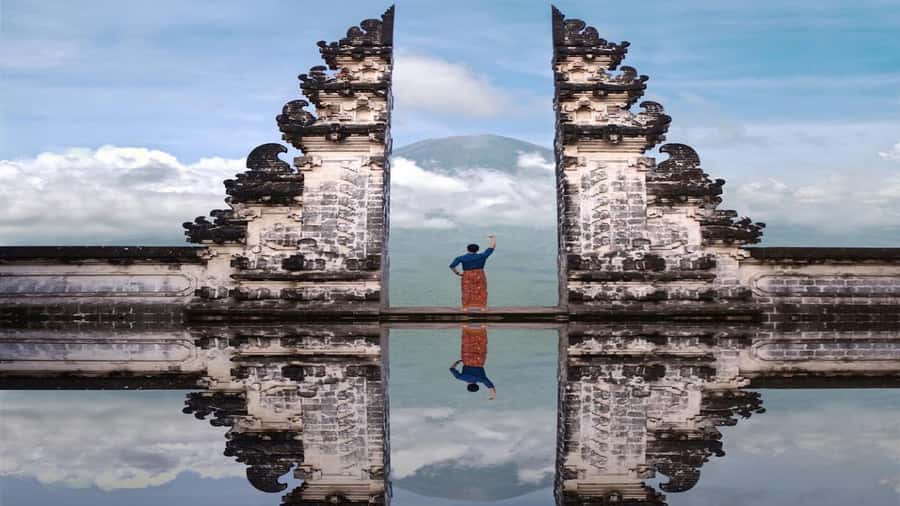
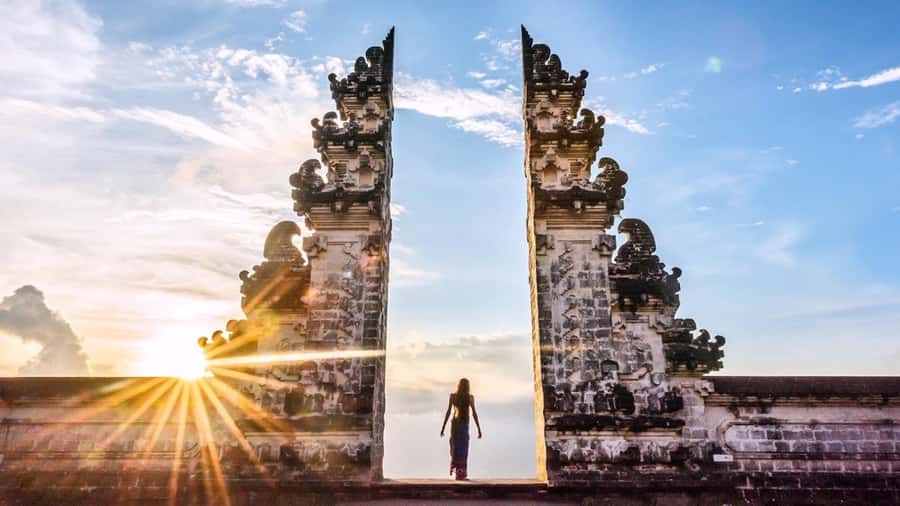
The day begins at Lempuyang Temple, home of the famous Gates of Heaven. The gate frames Mount Agung when the weather cooperates, creating the image that has become one of Bali’s best-known travel photographs.
The early departure is designed to beat the worst crowds. It helps, but it does not guarantee an immediate turn. One booking arrived around 6:00 AM and still waited about an hour and a half. Another visitor noted that arriving late could mean a wait of around three hours. Your guide should help you get a number and explain the process, but the waiting system remains part of the experience.
Use the time well. Guides often take informal photographs and videos while you wait, and several have been praised for producing excellent images. You will want a phone or camera ready, but do not expect to walk straight up, pose, and leave in five minutes.
The gate itself is a photo point, not a huge temple complex that you will spend half a day exploring. The appeal is the view, the setting, and the chance to see a major Balinese temple site. Cloud can hide Mount Agung, so keep expectations sensible. The photograph depends on weather, timing, and the queue.
Wear comfortable shoes and bring water. The early hour can be cool by Bali standards, but the day becomes hot quickly. Modest clothing is appropriate at temple sites, and your guide can explain local customs.
Goa Lawah Temple and its bat-filled cave
Goa Lawah means Bat Cave, and the temple is built around a cave where large numbers of bats live. You can look toward the cave entrance and may also spot pythons, which are associated with the site in the tour description.
This is an active religious place, not simply a wildlife attraction. You may see local rituals, prayer, and offerings. One particularly memorable visit included joining the local community in prayer, while another booking happened to coincide with temple ceremonies. That is why a guide adds value here: the setting makes more sense when someone explains what you are seeing.
Keep expectations measured. The cave is not a huge underground attraction with a long route through it. Some people find the bat cave less impressive than expected, especially if they imagine an extensive cavern. The temple atmosphere and the sight of the bats are the real point.
Goa Lawah is also a useful contrast with the grand gardens later in the day. Here, the focus is devotion and the unusual cave setting. At Tirta Gangga and Taman Ujung, you will be thinking about design, water, and royal architecture. Together, the stops give the day more variety.
Tenganan village and the Aga people
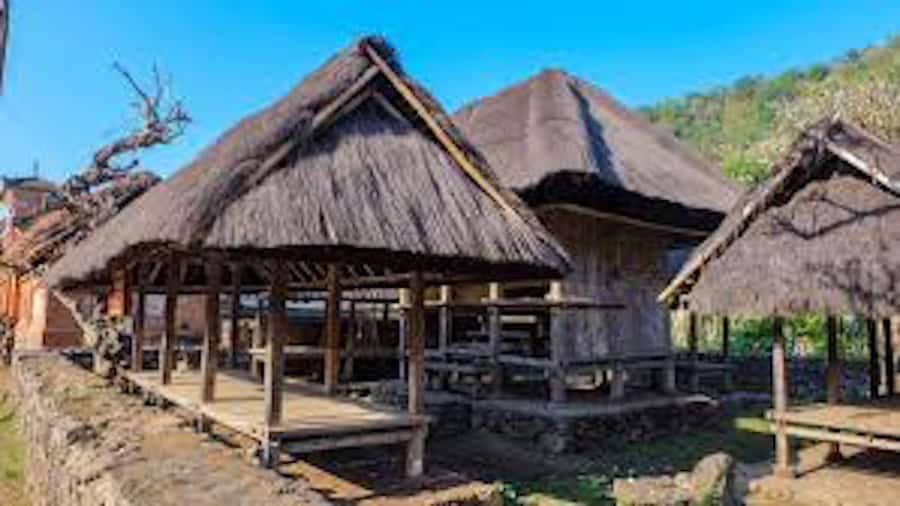
Tenganan is associated with Bali’s indigenous Aga people, who lived on the island before the arrival of the Majapahit kingdom from Java. A walk through the village introduces you to traditions that differ from the more familiar tourist image of Bali.
The village is known for its weaving and batik textiles. Your guide can help explain the distinctive customs and the way traditions are maintained. This is a better stop for slow observation than quick sightseeing. Look at the village layout, craft work, and daily details rather than treating it as another photo backdrop.
Some tours have included explanations about plants, local life, and traditional practices. That sort of conversation is one of the strongest reasons to choose a private guide. Guides such as Gede Susila and Cok have been praised for explaining Balinese culture, Hindu traditions, and everyday life in clear English.
Tenganan is also where the tour feels most different from the standard Bali circuit. The water palaces are beautiful, but they are designed attractions. Tenganan gives you a closer look at a community with its own identity and customs.
Respect matters here. Dress modestly, ask before photographing people or textiles, and listen when your guide explains local rules. This is a living village, not a staged historical exhibit.
Same place, a different set of state rooms:
- Bali: Ujung Water Palace, Candidasa and Sidemen Village Tour
★ 4.8 · 80 reviews - Yogyakarta: Yogyakarta Palace & Water Castle Guided Tour
★ 4.7 · 70 reviews - Legong Dance Show at Ubud Palace Bali
★ 4.0 · 45 reviews - Yogyakarta: Palace, Water Castle & UNESCO Temple Guided Tour
★ 4.4 · 37 reviews
Tirta Gangga: fountains, fish, and palace gardens
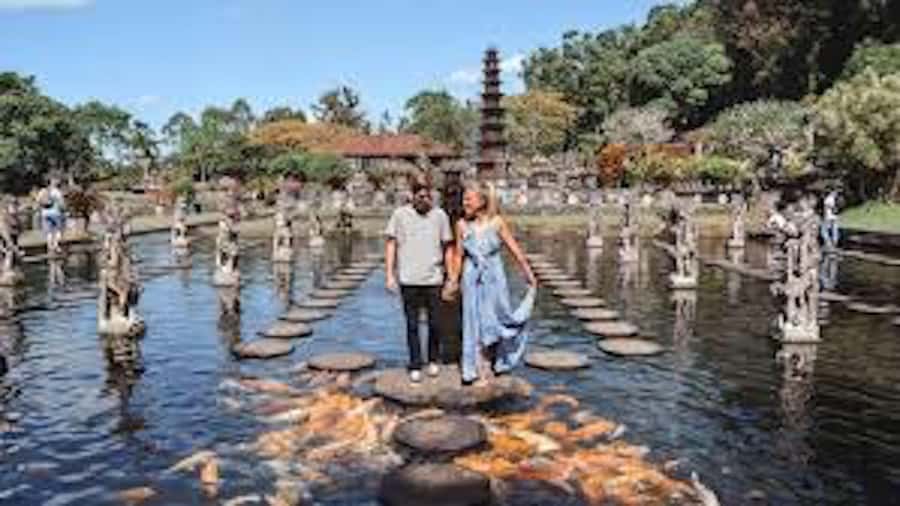
Tirta Gangga translates as Water of the Ganges, and the complex is known for pools, fountains, statues, plants, and decorative paths. It is one of the most visually appealing stops on the route.
The water gardens invite you to slow down. You can walk across stepping stones, look at the statues, and take in views toward rice fields and the sea. The famous stepping stones can become crowded, so do not expect every photograph to show an empty pool. Going early helps, but Lempuyang’s queue can affect the rest of your timing.
The site has a strong connection to Karangasem’s royal family, and your guide can explain the palace’s purpose and design. The combination of Balinese detail, water features, and open views makes Tirta Gangga particularly easy to enjoy even if you are not deeply interested in architecture.
The heat is the main practical concern. There is little reason to rush, but the stone paths and open gardens can feel hot in the middle of the day. Wear a hat, use sunscreen, and keep the mineral water provided in the car with you.
If you enjoy photography, this is one of the best stops on the tour. You will find statues, pools, reflections, and garden details rather than only one famous viewpoint. If you are tired after Lempuyang, take a slower walk instead of trying to cover every corner.
Taman Ujung Water Palace is the quieter favorite
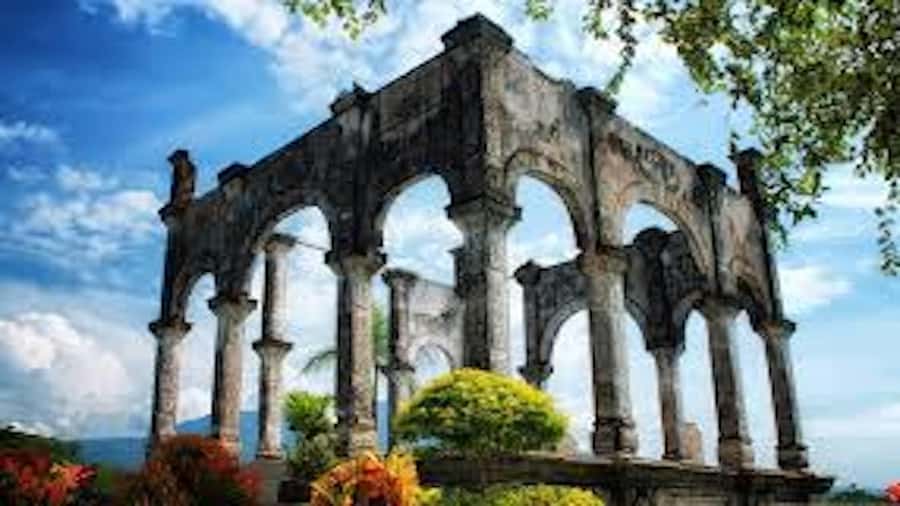
Taman Ujung, also called the Ujung Water Palace, occupies a large complex in Karangasem at the foot of Mount Agung. It includes ponds, bridges, pathways, and Balinese architectural features, with views toward the coast.
I would give this stop plenty of attention. Tirta Gangga is often the better-known palace, but Taman Ujung can feel more spacious and less compressed. One visitor considered it the most breathtaking stop of the day, especially because the grounds were nearly empty during the visit.
The complex works well for a walk. You are not limited to one fountain or one gate. Bridges cross the water, paths lead through the gardens, and higher points offer wider views. The scale also gives you a break from the close queues and stepping stones at Lempuyang and Tirta Gangga.
Your guide can point out the mix of Balinese architectural ideas and the royal history of Karangasem. The site is particularly rewarding if you like buildings, gardens, and open views more than crowded photo points.
Do not assume the tour ends quickly after Tirta Gangga. Taman Ujung is another substantial stop, and the final drive back can be long. If you want to enjoy it fully, pace yourself earlier in the day and eat something before fatigue takes over.
The private car and guide are the real value
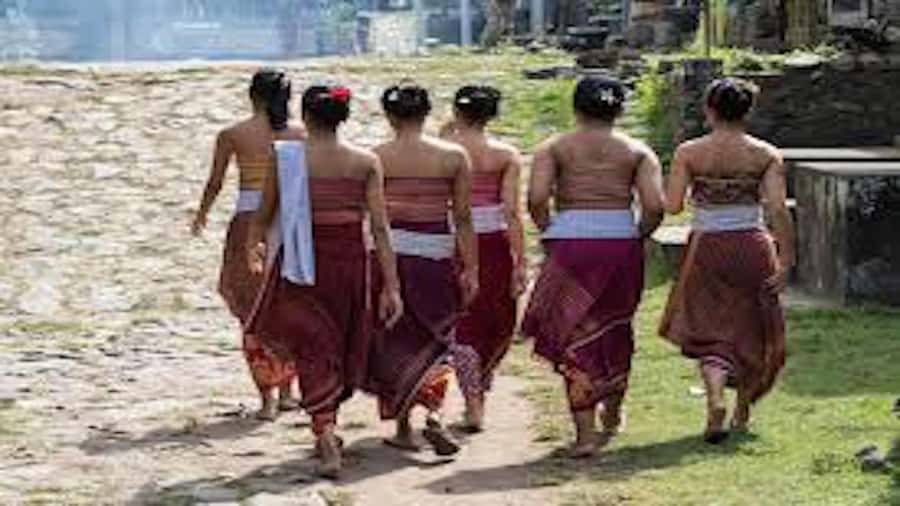
At $41 per person, the tour offers strong value if you want several East Bali sights in one day. You receive private transportation in an air-conditioned car, an English-speaking guide, insurance, hotel pickup in listed areas, and mineral water.
The private car matters in Bali. You avoid handling several taxi rides, negotiating each transfer, or trying to connect distant sites by yourself. You also have someone who knows the order of the stops and can help with parking, tickets, photographs, and local customs.
Guides are assigned rather than guaranteed, but several names have drawn especially warm praise. Agung has been appreciated for cultural explanations and photographs. Gede Susila has been praised for patience, safe driving, and teaching visitors about Hindu traditions. Made Sucita has also been singled out for helpful answers and strong photos. Cok has been praised for a calm driving style and for helping visitors avoid motion sickness.
The transport rating is very high, with 90 percent of ratings reported as perfect. That fits the practical strengths of this experience: dependable pickup, a comfortable vehicle, and a guide who stays with you through a demanding day.
The price does not cover admission. The estimated entrance cost is around IDR 150,000 per person, but individual comments suggest that some stops may charge around IDR 100,000. Bring enough Indonesian rupiah for the day. Card payment may not be available, and one guide used personal cash to help a visitor enter before being repaid.
The Uluwatu pickup note also needs attention. One part of the details lists an extra IDR 100,000 per car, while another states an additional $8 per person. Confirm the current charge before booking if you are staying in Uluwatu.
Timing, food, clothing, and who should book
Plan on roughly nine hours, but allow extra time if you are staying far from East Bali or if traffic is heavy. The southern resort areas can be a long way from Lempuyang, and the return drive may take longer than expected.
Lunch is not included. Bring a packed lunch and snacks, especially if you need food at a particular time. The tour description specifically advises carrying your own food, so do not depend on finding a full meal at exactly the moment you want one.
Pack:
- Comfortable walking shoes
- Sunglasses
- A sun hat
- Snacks and a packed lunch
- Extra cash for entrance fees
- A phone or camera with spare battery power
The tour is not suitable for pregnant women or wheelchair users. It is also not permitted for women who are menstruating, according to the supplied tour rules. That restriction relates to temple access and local religious customs, so check the current conditions before reserving.
This tour suits you best if you want culture, temples, gardens, and photography in one ambitious day. It is a good choice for first-time visitors who want to see a different side of Bali without arranging four separate trips. Solo visitors can also benefit from the private guide and help with photos.
It is less suitable if you want a slow holiday morning, dislike queues, or prefer to stay close to the coast. Lempuyang can be crowded, the drive is long, and the day begins before sunrise.
Should you book this East Bali tour?
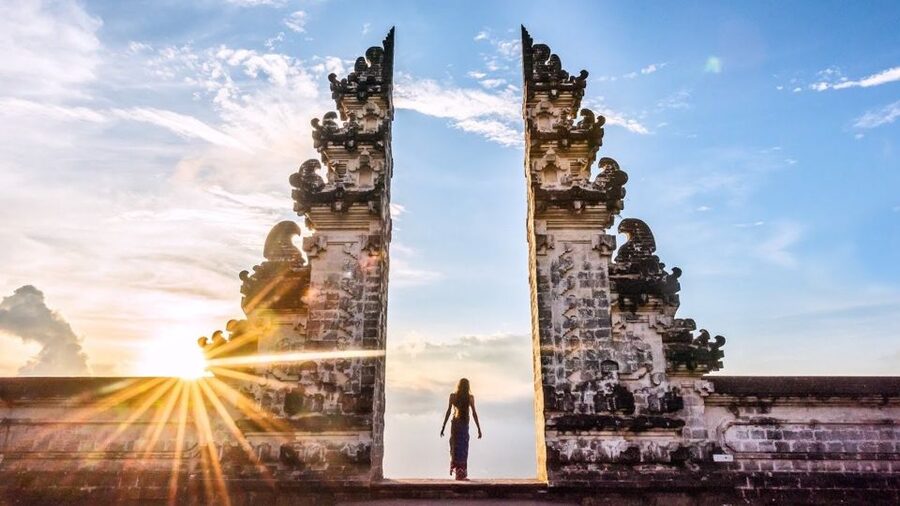
I would book it if your Bali plans include only a short stay and you want to pack several major East Bali sights into one day. The mix of Lempuyang’s gate, Tenganan’s traditions, Goa Lawah’s cave temple, and two water palaces gives you more range than a simple temple tour.
Book with clear expectations. The famous gate may involve a long wait, the bat cave may feel modest, entrance fees are extra, and lunch is your responsibility. If you arrive early, carry cash, wear sensible shoes, and let your guide set a practical pace, the $41 price is a good deal for a private car, local guidance, and a full day of East Bali sightseeing.
FAQ
What time does the tour start?
Pickup is described as beginning around 5:00 AM, with some bookings starting around 6:00 AM. The early departure is intended to reach Lempuyang Gates before the crowds grow.
Is hotel pickup included?
Pickup is included from accommodations in Ubud, Sanur, Kuta, Nusa Dua, Jimbaran, Seminyak, Canggu, and Denpasar. Pickup from Uluwatu requires an additional charge, and the supplied details list different amounts, so confirm the current fee before booking.
Are entrance fees included in the price?
No. Entrance fees are separate. The estimated total is about IDR 150,000 per person, although individual stop prices can vary. Carry Indonesian cash because card payment may not be accepted.
Is lunch included?
No. Bring a packed lunch and snacks. Mineral water is included.
Is the tour private?
Yes. The experience includes a private guide and transportation in an air-conditioned car. The guide also accompanies you at the attractions.
Is the tour suitable for wheelchair users or pregnant women?
No. The tour is listed as unsuitable for wheelchair users and pregnant women. It also states that women who are menstruating cannot take the tour.
Just added around Indonesia
- Javanese Dance Workshop with Kraton Palace Dancer★ 5.0 · 2 reviews
- Jakarta : Taman Safari, Panda Palace, and Waterfall★ 4.7 · 11 reviews
- Bali: Trip to Tirta Gangga Palace and Tukad Cepung Waterfall★ 3.9 · 7 reviews
- Bali: Ujung Water Palace, Candidasa and Sidemen Village Tour★ 4.8 · 80 reviews
- Bali: Safari Zoo and Ubud Palace and Market Day Tour★ 4.7 · 6 reviews
- Bali:Heaven Gate, TirtaGangga Palace, and Beach Escape Tour★ 5.0 · 3 reviews
- Bali: Lempuyang Temple, Water Palace, and Waterfall Tour.★ 5.0 · 2 reviews
- Bali: Gate Of Heaven and Water Palace Tirta Gangga Package★ 4.7 · 3 reviews
Indonesia Palace Tours, compared.

East Bali Tour: Gate of Heaven, Water Palace, Sleeping Gajah
Read our review →
Lempuyang Quick Access, Waterfall, Water Palace & More
Read our review →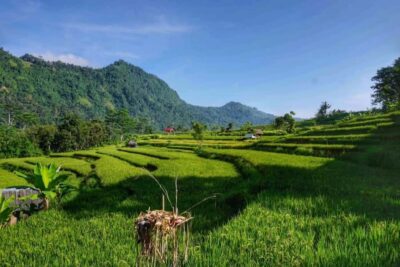
Ujung Water Palace, Candidasa and Sidemen Village Tour
Read our review →
Palace, Water Castle & UNESCO Temple Guided Tour
Read our review →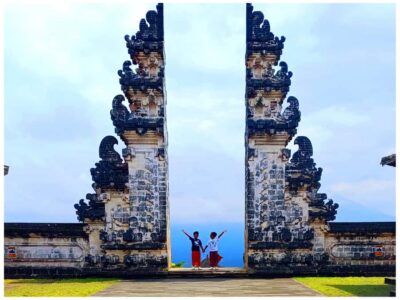
Heaven Gate Lempuyang, Water Palace & Waterfall Tour
Read our review →Browse the lists this tour appears in