
REVIEW · COPENHAGEN
Copenhagen: Christiansborg Palace Entry Ticket
Christiansborg puts Denmark’s royal rooms, working stables, and buried medieval past in one visit. I like the Great Hall and Throne Room for their ceremony and scale, and I like that one $35 ticket also reaches the Royal Kitchen, stables, and 800-year-old ruins. The main drawback is that the palace areas are spread around the grounds, so you need to watch the clock and find several entrances.
This is not a guided tour, so you set your own pace. That works well if you want to linger over the Queen’s woven works, move quickly through the kitchens, or spend extra time below ground. Just remember that the palace is still used for state business, and official events can change or cancel access.
Key things to know before you go
- Five separate palace experiences: Visit the Royal Reception Rooms, Royal Stables, Royal Kitchen, ruins, and Christiansborg Chapel.
- The Great Hall is the showpiece: The room gives you the grand ceremonial setting, while the Throne Room adds a more formal royal atmosphere.
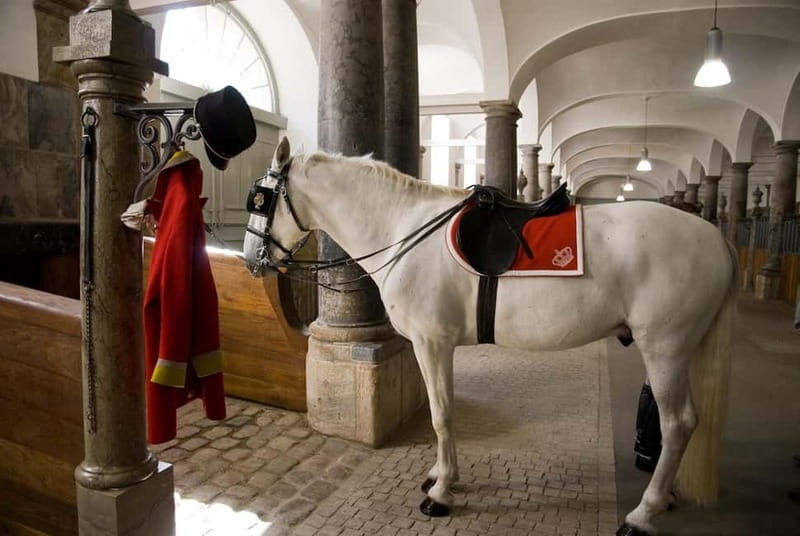
- Real horses may be in the stables: The Royal Stables remain a working part of the palace, with beautiful white horses sometimes present.
- The ruins explain the site’s age: Beneath the modern palace, you can see remains connected to more than 800 years of building and rebuilding.
- One ticket covers nearly everything: The $35 palace ticket includes the reception rooms, kitchen, stables, and ruins. The chapel is free to enter and open on Sundays.
- Plan around closing times: Last entry is at 4:30 p.m., but some areas may close earlier than the palace’s official 5 p.m. closing time.
Why Christiansborg is more than a royal palace
Christiansborg is Denmark’s center of power, not simply a pretty royal residence. The Folketing, Denmark’s parliament, uses most of the palace, while the Prime Minister’s Office, the High Court, and the Royal Reception Rooms are also connected with the complex.
That mix gives the visit extra weight. You are seeing ceremonial rooms used for royal occasions, but you are also visiting a place where modern Danish government still operates. The palace is active, practical, and occasionally unavailable because of state visits, audiences, or official events.
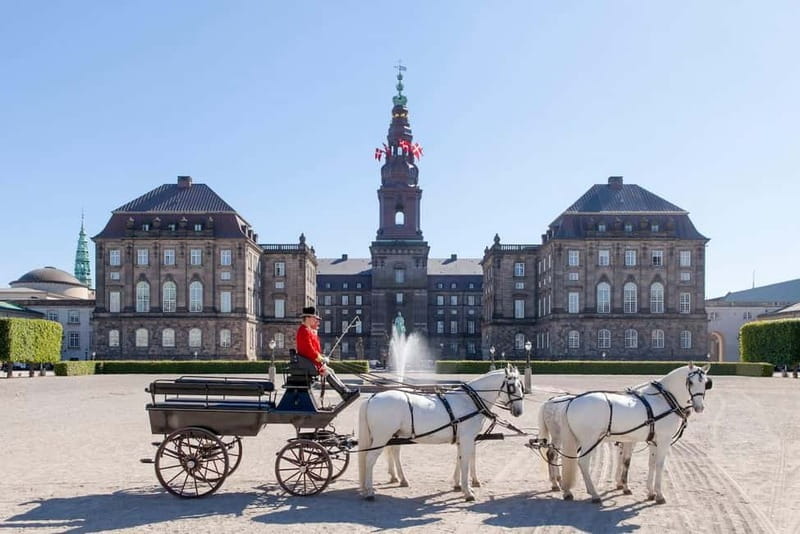
The site has served as a center of power since the early 1400s. The building you see today is the third Christiansborg Palace. The first palace, built between 1734 and 1745 under Christian VI, burned in 1794. A second palace was completed in 1828 during Frederik VI’s reign, then burned in 1884. The current palace was built between 1907 and 1928, with Frederik VIII laying the cornerstone and Christian X opening it.
That pattern of fire and rebuilding is important. Christiansborg is not one untouched medieval castle. It is a layered record of Danish royal and political life, and the ticket lets you see those layers above and below ground.
More Palace Entry Tickets in the world:
- Venice: Doge’s Palace Reserved Entry Ticket
★ 4.6 · 42,716 reviews - Sintra: Pena Palace and Park Entrance Ticket
★ 4.2 · 17,410 reviews - Granada: Alhambra and Nasrid Palaces Entry Ticket
★ 4.6 · 15,130 reviews
Starting with the Royal Reception Rooms
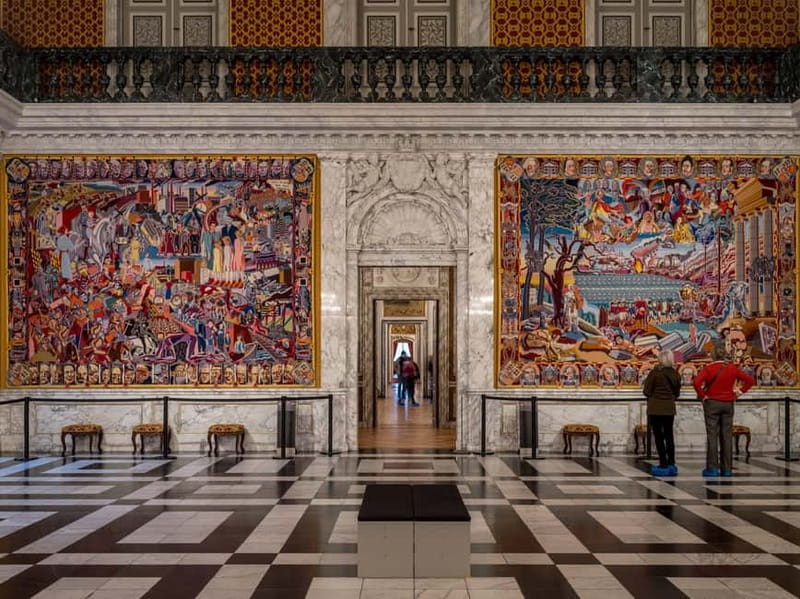
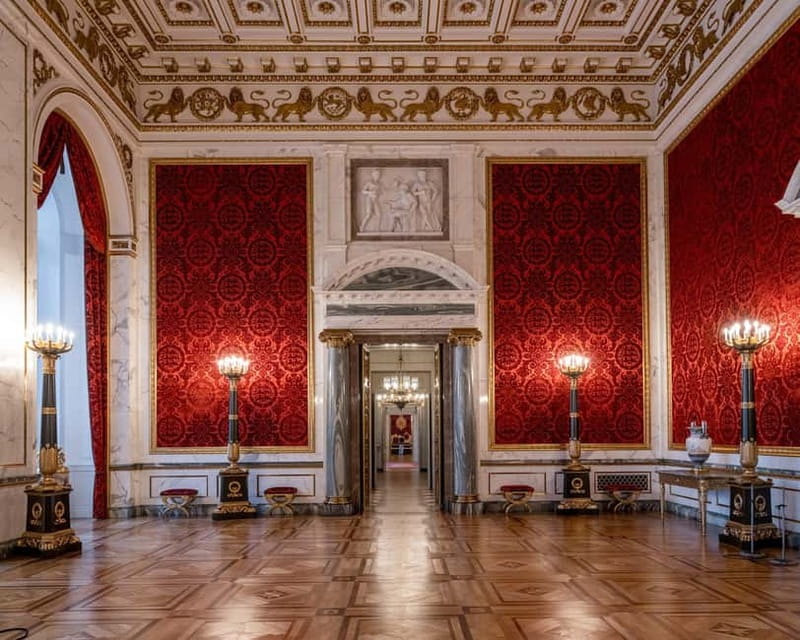
The Royal Reception Rooms are the natural place to begin. This is where the palace feels most formal, polished, and royal, with elaborate decoration designed for official gatherings rather than everyday domestic life.
The Great Hall is the visual centerpiece. Its scale gives you the grand feeling people expect from a royal palace, while the Queen’s Tapestries add an unusual modern element to the historic setting. Give yourself time here instead of treating the room as a quick photo stop. The decoration rewards a slower look.
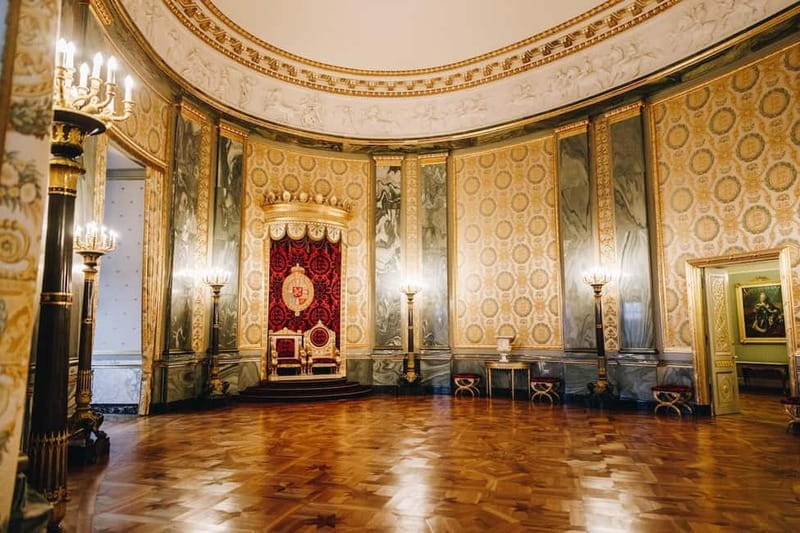
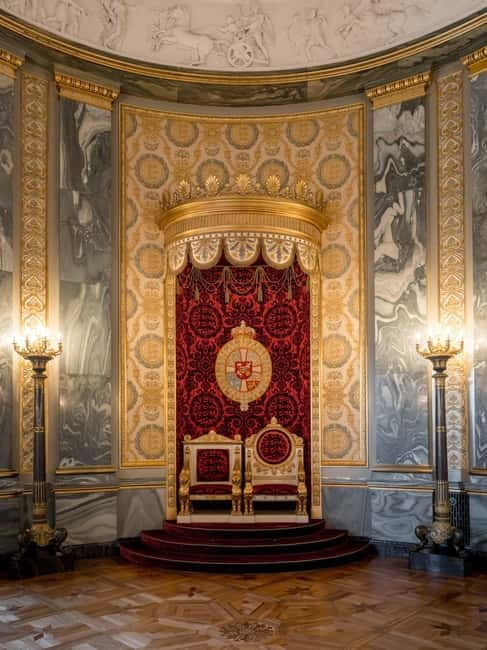
The Throne Room has a different mood. It is less about size and more about ceremony, authority, and royal tradition. This is the room to picture official audiences and major occasions. You get a close look at the setting where Denmark’s monarchy presents itself to the public and to visiting dignitaries.
Photography is allowed in the rooms, which makes the visit more enjoyable for people who like to record architectural details. Still, photographs do not fully convey the scale of the Great Hall or the careful decoration in the smaller rooms.
The displays also provide a useful overview of Danish royalty, including costumes, traditions, and royal possessions. Explanations are present without turning every room into a wall of text. If you prefer a detailed guided interpretation, note that a guided tour is not included.
The Royal Stables and Denmark’s white horses
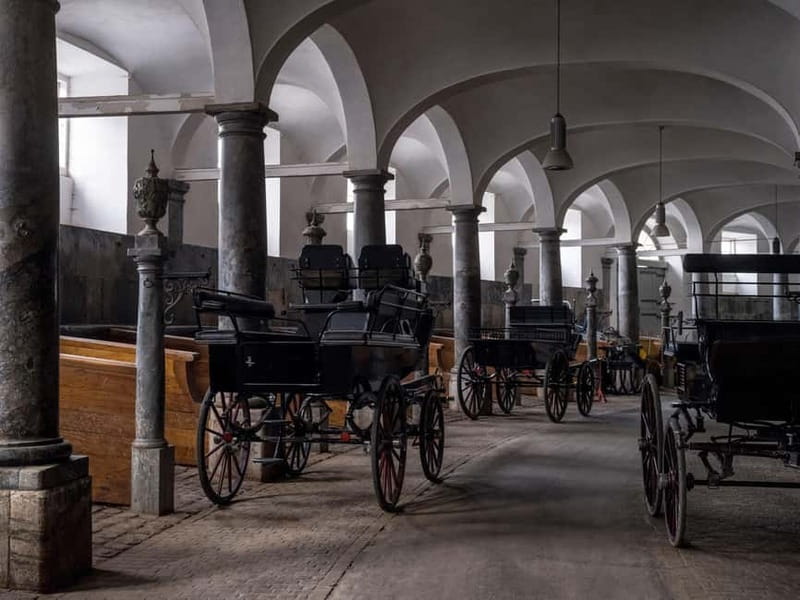
The Royal Stables are one of the most distinctive parts of the ticket. Many palace visits give you formal rooms and portraits, but few let you see the working horse facilities connected with a royal household.
The stables can feel more immediate than the reception rooms. You may encounter the palace’s white horses, an experience that gives the royal institution a living, practical side. For children, animal lovers, and anyone who finds grand rooms a bit distant, this may be the most memorable stop.
The setting also helps balance the palace visit. Instead of seeing only polished floors and formal furniture, you see an active part of royal tradition. The stables show that ceremonial life depends on people, animals, care, and routine.
The trade-off is that the stables are not simply another decorated palace room. If you expect a long historical exhibition at every stop, this section may feel more focused. I would still make time for it because the horses give the visit a character you cannot get from the Great Hall alone.
The Royal Kitchen, where ceremony becomes practical
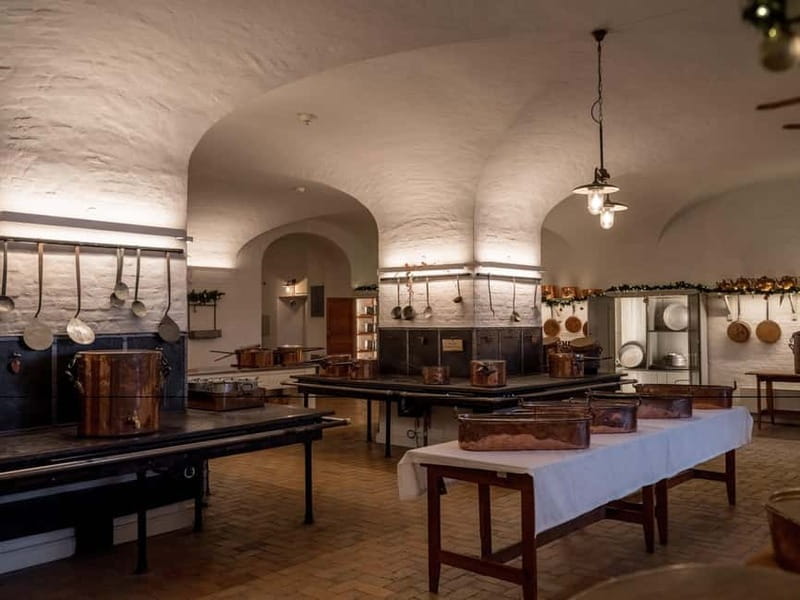
The Royal Kitchen offers a behind-the-scenes view of palace life. Formal dinners may look effortless when you see them in the reception rooms, but the kitchen reminds you of the work required to prepare and serve them.
This stop is valuable because it changes your view of the palace. The reception rooms show the public face of royal life. The kitchen shows the preparation behind it. You can consider the staff, equipment, timing, and organization needed to support official meals and ceremonies.
It is also a good place to visit if you are less interested in portraits or ornate architecture. The kitchen gives the palace a human scale and makes the ceremonial rooms easier to understand.
The five areas are located in different parts of the palace grounds, so do not assume you will walk through one continuous indoor route. Allow time to follow signs and locate each entrance. Staff can help if you are unsure where to go.
A few more palace visits around the world worth a look
- Paris: Versailles Palace and Gardens Full Access Ticket
★ 4.6 · 41,579 reviews - Granada: Alhambra & Nasrid Palaces Tour with Tickets
★ 4.7 · 19,801 reviews - Madrid: Royal Palace Fast-Access Admission Ticket
★ 4.6 · 13,856 reviews - Doge’s Palace & St. Mark’s Basilica with Terrace Access Tour
★ 4.7 · 10,697 reviews
Going below ground to the 800-year-old ruins
The ruins are the strongest reason to buy the full palace ticket rather than visit only the reception rooms. Beneath the present building, you can explore remains tied to the site’s long past and its earlier fortifications and palaces.
This is where Christiansborg’s repeated rebuilding becomes clear. Above ground, the current palace presents a finished, formal face. Below ground, the ruins show that Copenhagen’s seat of power has been destroyed, rebuilt, and altered over centuries.
The contrast is striking. You move from carefully arranged royal interiors to exposed masonry and archaeological remains. The experience is less about royal glamour and more about time, damage, and survival.
The ruins also help explain why Christiansborg matters beyond the current building. You are not just visiting one palace from the early twentieth century. You are visiting a site with more than 800 years of political importance.
Wear comfortable shoes for the whole visit, especially if you plan to see all five areas. The ruins are a separate stop, and moving between areas adds walking even though everything belongs to the same palace complex.
Christiansborg Chapel and the Sunday detail
The Palace Chapel is included in the wider collection of places to see, but it is free to enter and open on Sundays. That makes it slightly different from the other areas covered by the $35 ticket.
If the chapel matters to you, check the opening information before planning your day. Do not assume that a palace ticket guarantees access at any hour. The chapel’s Sunday opening detail is particularly important for visitors who have limited time in Copenhagen.
The chapel adds a quieter religious dimension to the palace. After the formal rooms, working stables, kitchen, and ruins, it offers another way to understand the royal complex and its traditions.
Is the $35 ticket good value?
At $35 per person, this is not a cheap single-room admission. The value comes from the number of separate experiences included: the Royal Reception Rooms, Great Hall, Royal Kitchen, Royal Stables, and ruins.
I think the ticket makes sense if you will visit at least three or four areas. The cost is harder to justify if you only want a quick look at one grand room. Since the palace ticket covers several locations, you should plan to use it as a half-day-style cultural visit even though the ticket itself is valid for one day.
The greatest value is the variety. You get formal royal interiors, horses, working palace facilities, archaeology, and modern political context. That range makes Christiansborg more rewarding than a palace visit built around decoration alone.
There is also a practical advantage to having access to all the areas. You can choose the parts that suit your interests. If the reception rooms are crowded or you have limited energy, you can spend your time on the ruins or stables instead. If you love architecture, linger in the Great Hall and Throne Room.
How to plan your day inside the palace grounds
Do not arrive near closing and expect to see everything comfortably. The palace closes at 5 p.m., with last entry at 4:30 p.m., and some sections may close as early as 4 p.m.
I would begin earlier in the day and allow enough time to walk between the separate entrances. The areas are not arranged as one simple corridor, and this is the main logistical wrinkle of the visit. Clear signs help, and staff can point you in the right direction.
A sensible order is to start with the Royal Reception Rooms, then visit the Royal Stables and Royal Kitchen, and finish with the ruins. This is only a suggestion, not a fixed route. If you care most about the horses, go to the stables early. If the underground ruins are your priority, make them your first stop.
You cannot bring food, drinks, luggage, large bags, backpacks, pets, baby strollers, or baby carriages into the experience. Assistance dogs are allowed. Pack lightly and avoid arriving with a large day bag, since these rules can affect how easily you enter each section.
The ticket is valid for one day. Free cancellation is available up to 24 hours in advance, and you can reserve now and pay later if you need flexibility. These terms are useful when your Copenhagen schedule may shift, but they do not remove the risk of official palace events changing access.
What the visit feels like without a guide
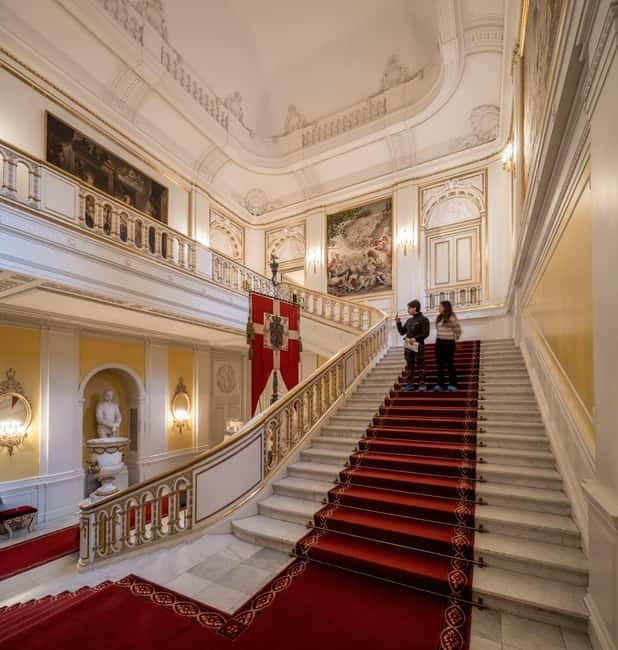
There is no guided tour included, so this is a self-paced visit. That is good news if you dislike being hurried from room to room or want to take photographs without holding up a group.
An audio app is described as concise and educational, which may suit you if you want basic context without a long lecture. The displays also provide explanations, and the written information is intended to give you an overall view of Danish royalty, its traditions, and its possessions.
The lack of a guide is a drawback for anyone who wants detailed commentary on every object. You will need to read the displays, use the audio option if available, and make your own connections between the rooms, ruins, and political institutions.
A small group limit of nine participants is listed for the experience, though the ticket itself is primarily an entry product rather than a guided group excursion. Either way, do not expect a guide to lead you through a fixed itinerary.
Who will enjoy Christiansborg most?
I would recommend Christiansborg to first-time visitors who want one place that covers several sides of Danish history and public life. It works especially well if you want royal rooms but also prefer a visit with more substance than decoration alone.
Families may enjoy the horses and the underground ruins. Architecture fans will appreciate the Great Hall, Throne Room, and elaborate interiors. People interested in government will value the fact that the Folketing, Prime Minister, High Court, and royal rooms all connect to the same palace complex.
The visit is less ideal if you have only a short window and want a simple, single-building route. It is also not the best choice if a guided explanation is essential to your enjoyment. The palace grounds require some orientation, and the closing schedule rewards careful planning.
The building’s exterior may not impress you as much as the inside. That is worth knowing before you arrive. The interiors, separate collections, and ruins provide the stronger experience.
Should you book Christiansborg Palace?
Yes, if you want variety and can give the palace enough time. For $35, you get access to royal reception rooms, the Great Hall, Throne Room, Royal Kitchen, Royal Stables, and 800-year-old ruins, with the chapel adding another stop on Sundays.
I would skip it only if your schedule is too tight to see several areas or you want a fully guided tour. Arrive well before the 4:30 p.m. last entry, pack light, and keep the separate entrances in mind. Do that, and Christiansborg gives you a rare look at Denmark as a monarchy, a working government, and a site built over centuries.
FAQ
How long is the Christiansborg Palace ticket valid?
The ticket is valid for one day.
What does the Christiansborg Palace ticket include?
It includes access to the Royal Reception Rooms and Great Hall with the Queen’s Tapestries, the Royal Kitchen, the Royal Stables, and the ruins beneath Christiansborg Palace.
Is the Palace Chapel included?
The Palace Chapel is free to enter and is open on Sundays. It is listed separately from the paid palace areas.
Is a guided tour included?
No. A guided tour is not included. The visit is self-paced, and an audio app is described as concise and educational.
What time is the last entry?
Last entry is at 4:30 p.m. The palace closes at 5 p.m., although some areas may close earlier.
Can I bring a backpack or large bag?
No. Backpacks, luggage, large bags, food, and drinks are not allowed.
Are baby strollers allowed?
No. Baby strollers and baby carriages are not allowed.
Can the palace close or change access for official events?
Yes. Christiansborg is an active palace used for state visits, audiences, and official events, so access or bookings may change or be canceled.
Can I cancel the booking?
You can cancel up to 24 hours in advance for a full refund. The booking also allows you to reserve now and pay later.
Just added around the world
- Pena Palace, Moorish Castle,Quinta ad Regaleira:Walking tour★ 5.0 · 3 reviews
- Porto Bishop’s Palace Guided Tour★ 4.5 · 8 reviews
- Paris: Versailles Palace and Queen Hamlet E-Bike Tour★ 5.0 · 126 reviews
- Phnom Penh: Full-Day City Tour with Royal Palace & Killing …★ 4.7 · 2 reviews
- Petchaburi Temples & Royal Palace – small Join Group Tour★ 4.6 · 46 reviews
- Paris: Versailles Golf Cart & Bike Tour with Palace Entry★ 4.8 · 58 reviews
- Petit Palais Paris Museum of Fine Arts Tour with Tickets★ 4.2 · 3 reviews
- Paris: Palace of Versailles Private Tour with Transportation★ 5.0 · 2 reviews
Palace Entry Tickets, compared.




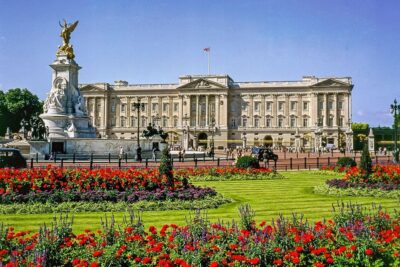
Buckingham Palace: The State Rooms Entrance Ticket
Read our review →
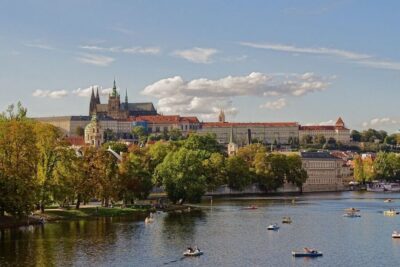
Prague Castle and Lobkowicz Palace Entry Tickets
Read our review →Browse the lists this tour appears in