
REVIEW · BORDEAUX
Bordeaux: Château Saint Ahon classic tour
Wine does not begin in the bottle. At Château Saint Ahon, you see the full path from vineyard to cellar in a compact one-hour visit. I like the clear look at a working family estate, and I like that the tour explains both traditional winemaking and Level 3 High Environmental Value farming. The main consideration is time: one hour gives you a useful introduction, but not a long, leisurely estate visit.
The tour also works well for mixed-age groups. Children receive artisanal fruit juice while adults taste two or three wines, depending on the season. The English tour has received strong praise for its clear delivery and friendly pace, though the small number of published ratings means you should treat the perfect score as encouraging rather than final proof.
Key points to know
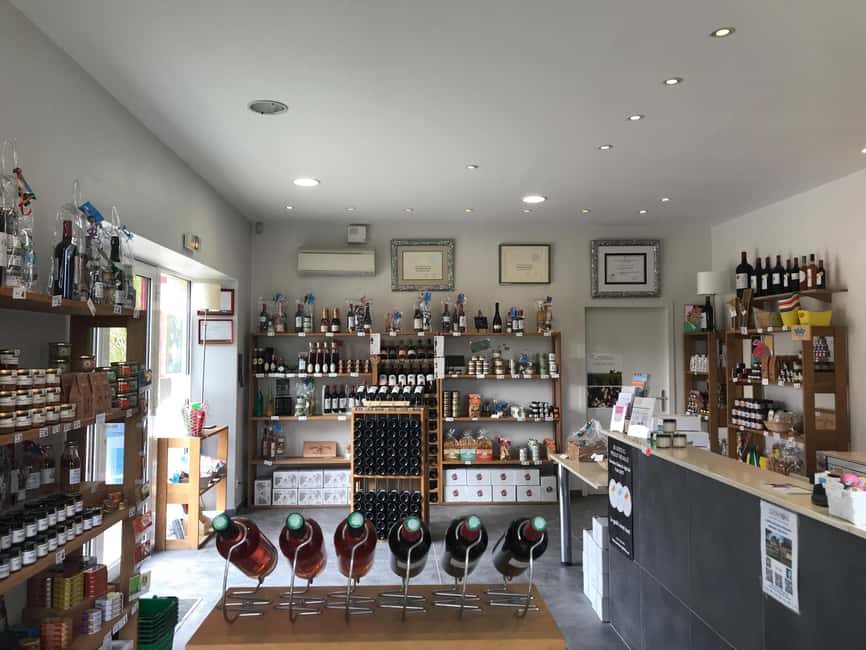
- A full estate story in one hour: You visit the vineyard, vinification cellar, and barrel cellar before returning to the château for a tasting.
- A working Haut-Médoc estate: The visit explains what goes into producing a Cru Bourgeois du Haut-Médoc, from cultivation to ageing.
- Level 3 environmental certification: You learn how the estate manages its vines under High Environmental Value standards.
- Good for families: Adults taste two or three wines, while children receive artisanal fruit juice.
- English and French tours: A live guide leads the visit in either language, with some material presented in its original language.
- Strong value at $16: The price covers the tour and tasting, making this a sensible short stop near Bordeaux.
Why Château Saint Ahon makes a good short wine visit
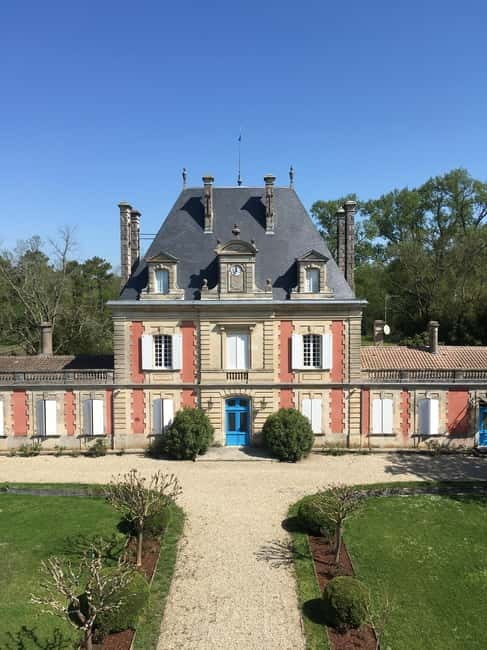
Many Bordeaux wine experiences ask you to commit half a day or more. Château Saint Ahon takes a different approach. Its classic tour lasts one hour and still covers the main parts of estate life: the vineyard, the vinification cellar, the barrel cellar, the estate story, and the final tasting.
That short format matters. You can fit this visit into a day of exploring Bordeaux without giving up a large block of time. If one person in your party knows a lot about wine and another is simply curious, the compact structure should keep the visit from becoming tiring.
I especially like the connection between the place and the bottle. You are not only tasting finished wine. You are shown where the grapes grow, where the juice is handled, and where the wine rests in barrels. That basic sequence makes technical information easier to follow.
The estate is a family-run property, and the tour presents it as an active business rather than a museum piece. You hear about the history of the domain, but the focus stays practical: how the estate works today and what choices shape its wines.
More Chateau and Wine Estate Tours in France
- Medoc or Saint Emilion Wine Tasting and Chateau from Bordeaux
★ 5.0 · 1,415 reviews - From Paris: Full-Day Loire Valley Chateaux Tour
★ 4.4 · 1,269 reviews - Versailles Château and Gardens Walking Tour
★ 4.5 · 727 reviews
Starting at 57 Rue de St Ahon
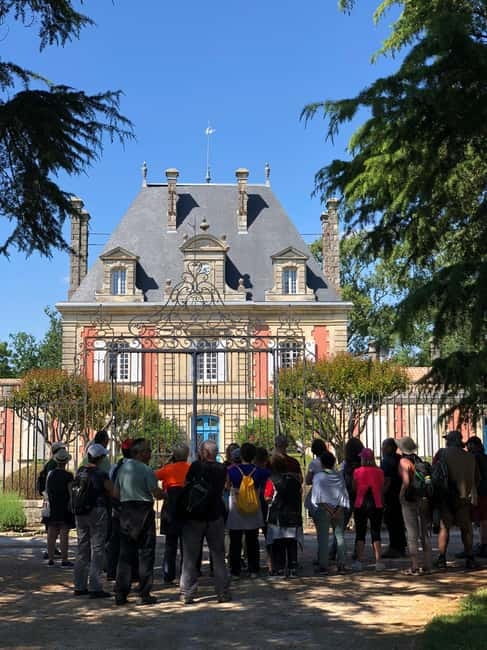
The visit begins at Château Saint Ahon, located at 57 Rue de St Ahon in the Nouvelle-Aquitaine region. This is both the meeting point and the end point, so the tour has a simple layout. You do not need to change locations during the experience.
The first minutes are likely devoted to orientation and the story of the estate. This opening gives the rest of the visit some context. Bordeaux wine names can feel like a maze of appellations, classifications, and family properties, so learning where Château Saint Ahon fits helps the later cellar explanations make more sense.
You will hear about the château as a family-run estate and about its place as a Cru Bourgeois du Haut-Médoc. That designation is useful context for anyone trying to understand Bordeaux beyond the most famous names. It points you toward the character of a recognized Médoc property without requiring the price or ceremony of a major prestige château visit.
The tour is guided in French or English. One family group specifically enjoyed an English-speaking young woman who explained the estate’s past and the wine-making process at a pace that suited both adults and less committed wine fans. That is a good sign for parties with mixed interests, though the exact guide may vary.
Walking through the vineyard
The vineyard portion connects the estate’s environmental choices to the grapes in your glass. Here, the guide explains the estate’s Level 3 High Environmental Value certified cultivation methods.
That certification gives the visit a useful modern angle. You are not simply hearing about old vines, old barrels, and old family traditions. You are also learning how the estate approaches biodiversity, resource use, and vineyard care under a recognized environmental standard. The supplied information does not list every farming technique used on the property, so you should expect an explanation of the certification rather than a detailed technical lecture on each field practice.
This is one of the tour’s strongest features for visitors who want more than a tasting. The vineyard is where wine begins, and understanding that work helps you notice why growing conditions, timing, and cultivation decisions matter. Even if you do not remember every French wine term, you should leave with a clearer idea of how farming affects the final product.
The vineyard visit may be especially useful for first-time Bordeaux visitors. You get a direct introduction to the region’s wine culture without needing to book a longer countryside excursion. Just keep your expectations in line with the one-hour format. This is an overview, not a full agricultural workshop.
Inside the vinification cellar
Next comes the vinification cellar, where the grapes are turned into wine. This is the stage many casual wine drinkers skip when they go directly from vineyard to tasting room, so I consider it an important part of the experience.
The guide explains the wine-making process in plain terms, connecting what happens in the cellar with what you later taste. You learn how the estate handles the grapes and develops the wine before it reaches the ageing stage. The exact equipment and technical details can vary by season and by the day’s presentation, but the main goal is to show the steps between harvest and finished wine.
This section gives you a better way to taste. Instead of treating wine as a mysterious product with a long label, you can think about it as the result of a chain of decisions. The guide also discusses the details involved in producing a Cru Bourgeois du Haut-Médoc, placing the cellar work within the standards and identity of the estate.
For a serious wine student, the cellar explanation may feel brief. For most visitors, that is a fair trade. You get the essential process without spending an hour on fermentation charts and production statistics.
Same place, a different set of state rooms:
- Paris: Versailles Palace and Gardens Full Access Ticket
★ 4.6 · 41,579 reviews - Versailles: Skip-the-Line Tour of Palace and Gardens Access
★ 4.7 · 10,429 reviews - From Paris: Versailles Palace & Gardens with Transportation
★ 4.6 · 6,222 reviews - Versailles: Skip-the-Line Guided Palace Tour and Full Access
★ 4.6 · 5,214 reviews
The barrel cellar and the patience of ageing
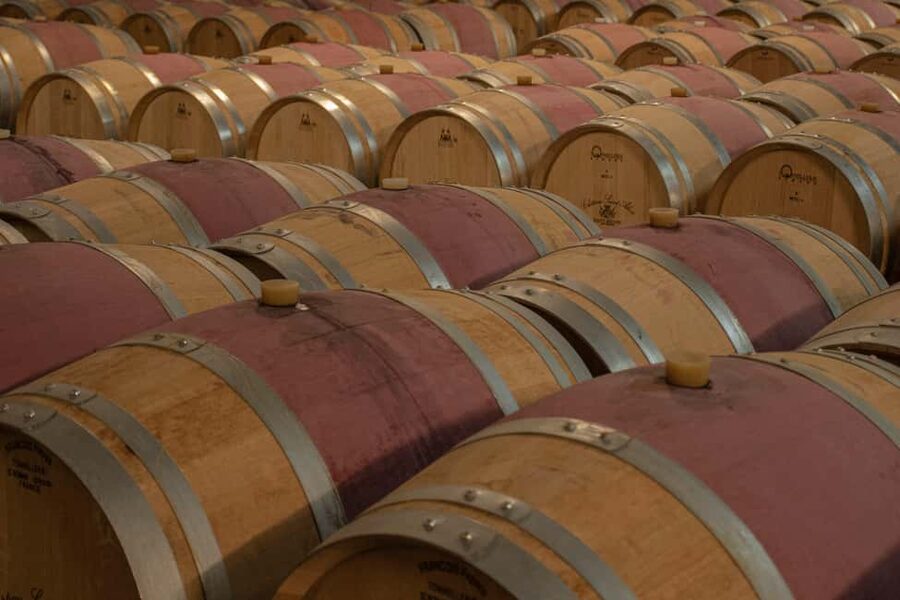
The barrel cellar shifts the story from production to time. Here, wine rests and develops after the initial vinification stage.
This is often the atmospheric part of a château visit, but the real value is not just the setting. The guide explains the ageing process and the subtleties involved in producing the château’s wines. You gain a sense of why Bordeaux wine is rarely made in a hurry and why the final character depends on more than the grape variety alone.
The cellar also helps explain the difference between a young wine and a wine that has spent time developing. If you are new to Bordeaux, this is a useful place to ask questions about how ageing affects aroma, texture, and structure. The tour is educational without requiring you to arrive with a technical vocabulary.
Again, the one-hour limit shapes the experience. You will see the cellar and learn its role, but this is not an extended barrel-by-barrel comparison. If you want a long tasting of older vintages or a detailed study of barrel management, you may prefer a larger or more specialized wine program.
Tasting two or three Château Saint Ahon wines
The tour ends with a tasting of two or three wines, depending on the season. This closing sample is important because it puts the earlier explanations to work.
I like this structure. You first hear about the estate’s history, farming, vinification, and ageing. Then you taste the results. The tasting is not an isolated drink at the end of a sightseeing stop; it is the practical conclusion to the tour.
The seasonal variation is worth noting. You should not book this expecting a fixed flight of exactly the same wines every time. Two or three selections can be offered, depending on what is appropriate at that point in the year. That may limit predictability, but it also reflects how a working estate operates.
At $16 per person, the value is strong. You are paying for a guided look at three important estate areas plus a wine tasting. In Bordeaux, tasting fees can add up quickly, so this price makes Château Saint Ahon a useful choice for visitors who want to sample the region without booking an expensive private excursion.
The tasting may not satisfy someone seeking a long comparison across many vintages or appellations. It is designed to introduce you to this estate, not to act as a complete Bordeaux wine course. For a first visit, that focus is an advantage.
Bringing children and mixed-interest groups
Families are specifically considered. Children receive a tasting of artisanal fruit juice, so they are not left waiting while adults taste wine.
That small detail improves the whole outing. A child who has something of their own to sample is more likely to stay engaged, and adults can pay attention to the explanation rather than rushing through the wine. The family group that praised the tour found the length comfortable for people with different levels of interest.
I would recommend this format for couples, families, and small groups where not everyone is a wine expert. The one-hour duration keeps the experience manageable, and the educational content gives more enthusiastic wine drinkers something useful to discuss.
Still, remember that this remains a château tour. Children may enjoy the fruit juice and the change of surroundings, but the core subject is wine production. Very young children may not find every part equally interesting.
Guide style, language, and access
The tour is available in French and English with a live guide. The English presentation has been praised for being easy to follow, with a friendly pace that was neither too short nor too long.
Some content is shown in its original language. If you are relying fully on English, ask the guide when you arrive if a particular sign, handout, or display needs explanation. The live tour itself is offered in English, but not every piece of material is necessarily translated.
The experience is wheelchair accessible, which makes the tour possible for a wider range of visitors. Specific details about surfaces, restroom access, or assistance are not provided, so anyone with particular mobility needs should confirm those points before booking.
You can cancel up to 24 hours in advance for a full refund, and you can reserve now while paying later. Those policies are useful if your Bordeaux schedule is still shifting, but the main practical point is to check the available starting time before you commit. The tour lasts one hour and returns to the same château where it begins.
Who should book this Bordeaux château visit?
I would choose Château Saint Ahon if you want a short, affordable introduction to a real Bordeaux estate. It suits first-time wine visitors who need the basics, families who want a manageable activity, and experienced wine drinkers who prefer a small family property to a grand, formal château setting.
It is also a smart pick if environmental practices matter to you. The Level 3 High Environmental Value certification gives the tour substance beyond the usual cellar walk and tasting.
You may want something else if your main goal is a full-day wine route, a large number of tastings, rare vintages, or an intensive technical seminar. The tour is intentionally compact, and the tasting includes two or three wines rather than a broad survey.
Final verdict: Is the $16 tour worth it?
Yes, for most visitors interested in Bordeaux wine. Château Saint Ahon offers a clear one-hour route through the vineyard, vinification cellar, and barrel cellar, followed by a tasting that ties the whole visit together.
The strongest reasons to book are the fair price, the English and French guide options, the family-friendly setup, and the chance to learn about both wine production and environmental certification. Just remember that the perfect rating comes from only two published ratings, so take it as a positive signal rather than a guarantee.
Book it if you want an approachable estate visit that respects your time. Skip it only if you are looking for a longer, more technical wine experience with a larger tasting flight.
FAQ
Where does the Château Saint Ahon tour begin?
The tour begins at Château Saint Ahon, at 57 Rue de St Ahon.
How long does the experience last?
The guided tour and tasting last one hour. The visit returns to the château where it began.
What does the tour include?
You visit the estate’s vineyard, vinification cellar, and barrel cellar. The guide also explains the estate’s history, cultivation methods, wine-making process, and ageing process.
How many wines are included in the tasting?
The tasting includes two or three wines, depending on the season.
Is the tour available in English?
Yes. Live guided tours are available in French and English. Some content is presented in its original language.
Is Château Saint Ahon wheelchair accessible?
Yes, the experience is listed as wheelchair accessible. Specific details about every part of the property are not provided, so you may wish to confirm any particular access needs before booking.
Just added around France
- Pierrefonds: Château de Pierrefonds Entrance Ticket★ 4.7 · 152 reviews
- Paris: Versailles Palace and Queen Hamlet E-Bike Tour★ 5.0 · 126 reviews
- Petit Palais Paris Museum of Fine Arts Tour with Tickets★ 4.2 · 3 reviews
- Paris: Versailles Golf Cart & Bike Tour with Palace Entry★ 4.8 · 58 reviews
- Paris: Palace of Versailles Private Tour with Transportation★ 5.0 · 2 reviews
- Paris: Royal Palais, Tuileries and D’Orsay Tour★ 4.8 · 3 reviews
- PARIS: Private transfer Château Versailles van 7 people 4H★ 3.0 · 4 reviews
- Paris: Palace of Versailles Ticket with Private Transfer★ 4.4 · 24 reviews
Chateau and Wine Estate Tours, compared.
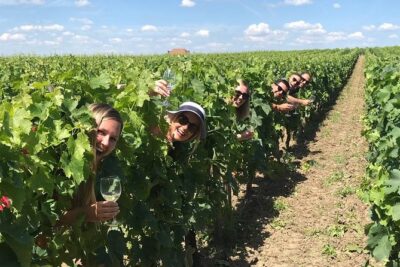
Medoc or Saint Emilion Wine Tasting and Chateau from Bordeaux
Read our review →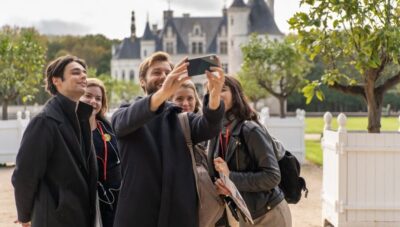
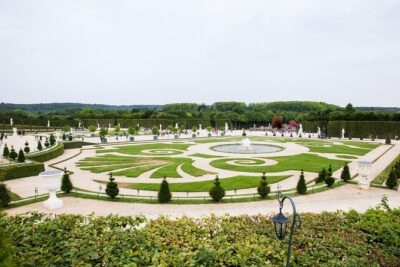
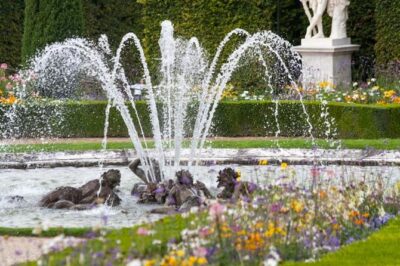
Versailles Château and Gardens Walking Tour from Paris by Train
Read our review →
Loire Valley: Château Royal d’Amboise Entrance Ticket
Read our review →
Fontainebleau & Vaux-le-Vicomte Châteaux Day Tour from Paris
Read our review →
Browse the lists this tour appears in