
REVIEW · PORTUGAL
Guimarães: Palace of the Dukes of Bragança Entry Ticket
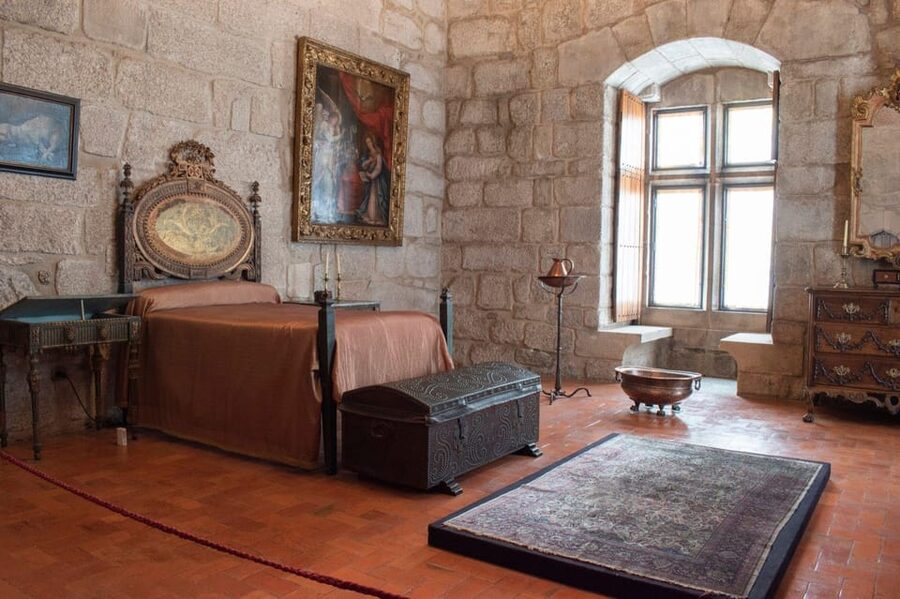
History feels close here. For about $5, you can walk through the Palace of the Dukes of Bragança in central Guimarães, a grand stone residence filled with period furniture, woven wall hangings, porcelain, paintings, sculpture, and weapons. I like the low price and the way the permanent exhibition is arranged as a real house, not just a string of empty rooms.
I also like the palace’s useful location, since it gives you an easy starting point for exploring Guimarães on foot. The main caution is important: the palace is under renovation, and the ticket is non-refundable, so check current access before you commit.
Key points to know before entering
- Built by the first Duke of Bragança: D. Afonso founded the palace in the 15th century, linking the building to one of Portugal’s most important noble families.
- A house rather than a bare monument: Rooms are arranged to suggest how the palace functioned, making the collections easier to understand.
- Strong 17th and 18th-century collections: Look for woven wall hangings, porcelain, paintings, furniture, sculpture, and weapons.
- A working political connection: One wing is used as an official residence of the Presidency of the Republic.
- Gardens complete the visit: The outdoor area gives you a quiet pause after the formal rooms.
- Plan around renovation: Admission is discounted, but some areas or displays may be affected.
Why the Palace of the Dukes matters in Guimarães
Guimarães is closely tied to the formation of Portugal, and this palace gives that story a noble, domestic setting. It was built in the 15th century by D. Afonso, the first Duke of the House of Bragança. The building later became associated with a family that would eventually produce Portugal’s royal dynasty.
The palace is often described through its 17th-century seigneurial character, even though its foundation reaches back to the 15th century. That distinction is useful. You are not looking at a building created in one single moment. Its appearance and collections reflect changes across several centuries.
I find that this layered story makes the visit more rewarding than a quick look at an old façade. You can see the palace as both an architectural monument and a place shaped by changing tastes, political power, and domestic life.
It also helps explain the ticket’s value. At around $5 per person, you are getting access to a major historic building and its museum collections, not just a view from the outside. The cost is modest enough to fit easily into a day of sightseeing in Guimarães.
More Palace Entry Tickets in Portugal:
- Sintra: Pena Palace and Park Entrance Ticket
★ 4.2 · 17,410 reviews - Mafra: National Palace of Mafra Entry Ticket
★ 4.5 · 190 reviews - Venice: Doge’s Palace Reserved Entry Ticket
★ 4.6 · 42,716 reviews
Entering the grand rooms and restored interiors
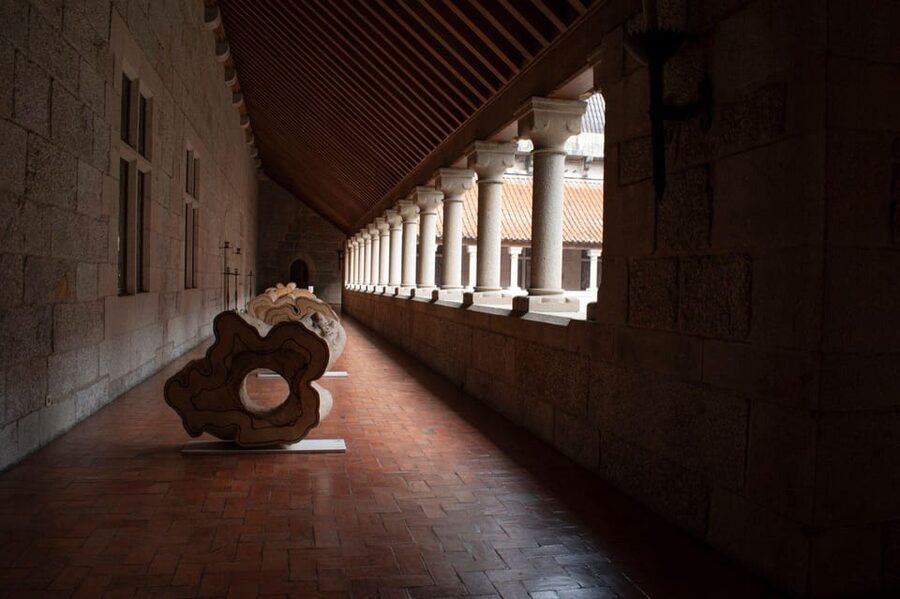
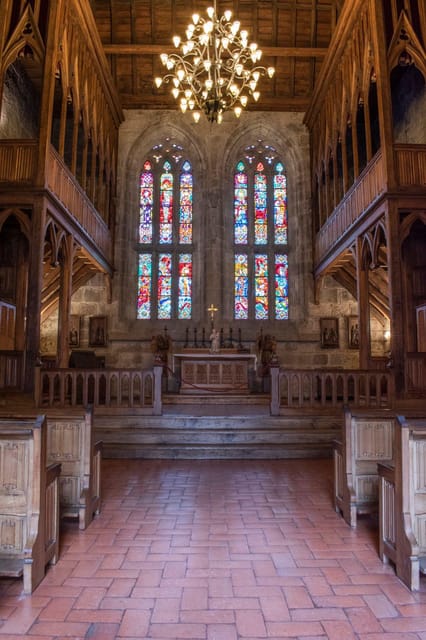
Your visit begins with the palace’s large halls and formal rooms. These spaces were restored to suggest the scale and richness of the residence, so the first impression comes from height, stonework, furnishings, and the sense of ceremony built into the architecture.
The permanent display is designed to feel like a home. That approach matters because objects make more sense when you can picture them in use. A piece of furniture is not merely an old object behind a barrier. It helps show how a room worked. A painting, sculpture, or porcelain service gives clues about taste, status, and daily life among the nobility.
You will see furniture, sculpture, weaponry, paintings, porcelain, and woven wall hangings. The collection is broad rather than focused on one art form. I like that variety because it keeps the visit moving. If one room does not hold your attention, the next may offer a different kind of detail.
The display also avoids making the palace feel like a warehouse of precious things. Rooms are arranged with the idea that you are moving through a house. You can think about where people would have gathered, received visitors, displayed wealth, or carried out formal duties.
That does not mean every space will feel equally full or equally dramatic. Some rooms may make a stronger impression than others, particularly while renovation work continues. Still, the house-like arrangement gives the palace a clearer purpose than an isolated collection of objects.
What to look for in the collections
The woven wall hangings deserve your attention. Large decorative textiles were not only attractive. They helped soften and decorate stone interiors, while also showing the wealth of the household. Their scale makes them especially effective in the palace’s grand rooms.
Porcelain offers a different view of status and taste. Fine tableware could signal wealth, refinement, and connections to wider trade networks. In a palace setting, even a small object can tell you something about how the household presented itself.
Paintings and sculpture add the formal public face of the residence. They helped shape the mood of rooms and reinforce the family’s position. Look at how these works sit alongside furniture and architectural details rather than treating each item as a separate museum piece.
The weapons provide a more practical reminder of noble identity. They connect the palace to military power and public authority, not only to banquets and decoration. Together, the collections show a household built around ceremony, wealth, politics, and defense.
I recommend taking your time in each room instead of rushing toward the garden. The palace is not a large amusement attraction with a packed schedule. Its value comes from noticing how the objects relate to the rooms around them.
Photography is allowed, but flash photography is not. That rule protects the collection and is easy to follow. Keep your camera ready for quiet, architectural details, but do not expect to photograph every area under identical conditions during renovation.
The Bragança story inside the building
The House of Bragança is the central thread running through the palace. D. Afonso’s decision to build the residence established a connection between the site and one of Portugal’s most influential families.
You do not need a detailed knowledge of Portuguese royal history to enjoy the visit. The rooms and objects provide enough visual information to make the story approachable. The palace helps you picture how noble power was displayed through architecture, possessions, and controlled access to formal spaces.
The permanent exhibition also works well for visitors who prefer social history to a long list of dates. You can ask simple questions as you move through the building. What was this room used for? Why was this object displayed here? How did the household show its rank?
That style of visit is one of the palace’s strengths. You are encouraged to read the building as a living residence, even though the original household is gone. The result is more personal than simply viewing an exterior monument.
At the same time, the palace does not replace a guided tour. A guide is not included, and no guided explanation forms part of the ticket. If you want detailed context about each room, you will need to rely on the available museum information and your own preparation.
For many people, that is no problem. The modest admission cost and flexible one-day validity make it easy to explore independently. If you want every political and architectural detail explained, the self-guided format may feel limited.
A few more palace visits around Portugal worth a look
- Lisbon: Pena Palace, Sintra, Cabo da Roca, & Cascais Daytrip
★ 4.7 · 9,981 reviews - Small Group Tour to Sintra, Pena Palace, Cabo Roca and Cascais
★ 5.0 · 3,559 reviews - Lisbon: Sintra, Pena Palace, Cabo da Roca, & Cascais Tour
★ 4.9 · 3,509 reviews - Lisbon: Sintra Cascais & Pena Palace Small Group Tour
★ 4.8 · 3,218 reviews
The presidential wing and modern Portugal
One unusual feature is the palace wing used as the official residence of the Presidency of the Republic. This gives the building a modern political role alongside its museum function.
That detail changes how you see the palace. It is not only a preserved noble residence frozen in the past. Part of the building still has official importance today. The connection between historic architecture and current public life adds a useful layer to the visit.
Access to every presidential area should not be assumed. The ticket provides entry to the Palace of the Dukes of Bragança and its museum collections, but the information does not promise access to all official spaces. Treat the presidential connection as context rather than a separate attraction.
The arrangement also explains why you should follow signs and staff directions carefully. A building with a current official function may have limits on where you can go, especially while work is underway.
Finishing in the palace gardens
The gardens give you a natural end to the visit. After the heavy stone rooms and formal collections, the outdoor area offers a chance to slow down and take in the palace from a different angle.
I like this part because it costs no extra time or money and helps prevent the interiors from becoming a blur of similar rooms. You can pause, review what you have seen, and decide where to go next in Guimarães.
Do not expect the gardens to replace a full botanical attraction. Their main value is as part of the palace setting and as a quiet break. The experience is strongest when you treat them as the final chapter of the visit rather than the main reason to buy a ticket.
The central location makes that easy. Once you leave the palace, you can continue exploring historic Guimarães without arranging transport. The attraction works well as an early stop because it gives you useful context for the city and its connection to Portugal’s past.
How long to allow and when to go
The ticket is valid for one day, with opening hours from 10:00 am to 6:00 pm. Last admission is at 5:30 pm, so do not arrive at the final minute and expect a relaxed visit.
The supplied information does not set a fixed visit length. I would allow enough time to move through the rooms without rushing, especially if you care about the collections. Your pace will depend on how closely you study the objects and how much time you spend in the gardens.
Morning or early afternoon gives you the safest schedule. That leaves room for delays, renovation-related changes, or another sight in Guimarães afterward. Arriving late in the day is possible, but the 5:30 pm entry cutoff gives you less flexibility.
The palace closes on January 1, Easter Sunday, May 1, June 24, and December 25. June 24 is Guimarães’ city holiday, so that date is especially easy to overlook if you are planning around a summer visit.
Because the attraction is under renovation, check availability and current conditions before you travel. The discounted price reflects the work, but a lower ticket does not guarantee access to every part of the building.
Is the $5 ticket good value?
For most people, yes. Around $5 is a small charge for entry to a major palace, its permanent collections, and its gardens. The ticket also includes the booking fee, so you do not need to add that cost separately.
The value is strongest if you enjoy historic interiors and museum collections. You will see several types of objects in one visit, including porcelain, paintings, furniture, sculpture, weapons, and woven wall hangings. The house-style display gives those objects a setting and purpose.
The value is less clear if you expect a fully active palace with unrestricted access to every room. Renovation may affect what you can see, and there is no guided tour included. You are paying for access and interpretation, not for a long hosted program.
The non-refundable policy makes timing important. If your schedule is uncertain, verify the opening status before booking. A recent booking problem involved someone arriving to find the palace and another associated building unavailable, which is a useful warning to confirm exactly which site your ticket covers and whether it is operating on your date.
The overall rating for this experience is 4.3 out of 5 from 44 ratings, which fits the attraction’s strengths: low cost, attractive collections, and a memorable setting, balanced against occasional access and condition concerns.
Who will enjoy this palace most?
I recommend this experience for:
- First-time visitors to Guimarães who want historical context before walking around the city
- People who enjoy architecture, decorative arts, and noble residences
- Families looking for a short cultural stop at a low price
- Independent visitors who prefer setting their own pace
- Anyone interested in the House of Bragança and Portugal’s royal past
It may be less suitable if you need step-free access. The attraction is listed as not suitable for wheelchair users, so check your specific mobility needs before booking.
It may also disappoint you if you want a guide to explain every room. No guided tour is included. The visit rewards curiosity and patience, but you will need to make your own connections.
Photography fans should be comfortable working without flash. You can take photographs, but the flash restriction applies throughout the visit.
My advice before you book
Check the palace’s operating status first, since renovation is ongoing and the ticket cannot be refunded. Plan to arrive well before the 5:30 pm last admission time, and keep June 24 and the other closure dates in mind.
Once inside, do not rush through the first formal rooms. Pay attention to how the furniture, porcelain, paintings, weapons, and wall hangings work together. That is where the palace becomes more than an old building.
I would book this ticket if you want an affordable, self-guided look at Guimarães’ noble past and you are happy to accept some renovation-related uncertainty. I would wait or seek more confirmation if full access is essential, if you need wheelchair access, or if your visit date cannot change.
FAQ
How much does entry to the Palace of the Dukes of Bragança cost?
The listed price is $5 per person. The booking fee is included.
How long is the ticket valid?
The ticket is valid for one day.
What are the opening hours?
The palace is open from 10:00 am to 6:00 pm. Last admission is at 5:30 pm.
Is a guided tour included?
No. The ticket includes entry to the palace and access to the museum collections, but not a guided tour.
Can I take photographs inside?
Yes, photography is allowed without flash. Flash photography is not allowed.
When is the palace closed?
The palace is closed on January 1, Easter Sunday, May 1, June 24, and December 25. It is also currently under renovation, so check current conditions before booking.
Just added around Portugal
- Pena Palace, Moorish Castle,Quinta ad Regaleira:Walking tour★ 5.0 · 3 reviews
- Porto Bishop’s Palace Guided Tour★ 4.5 · 8 reviews
- National Sintra Palace E-Ticket and Audio Guide★ 3.4 · 28 reviews
- Monumental and historic Porto with the Stock Exchange Palace★ 5.0 · 6 reviews
- Mateus Palace – In the Footsteps of Wine History★ 5.0 · 3 reviews
- Mafra: National Palace of Mafra Entry Ticket★ 4.5 · 190 reviews
- Madeira: Botanical, Monte Palace, and Palheiro Gardens★ 5.0 · 4 reviews
- Lisbon:Pena Palace, Regaleira, Monserrate Palace & Roca Cape★ 4.9 · 10 reviews
Palace Entry Tickets, compared.


Buckingham Palace: The State Rooms Entrance Ticket
Read our review →

Prague Castle and Lobkowicz Palace Entry Tickets
Read our review →Browse the lists this tour appears in