
REVIEW · ITALY
Anagni: Entrance ticket to the Boniface VIII Palace
History gets personal here. The Palace of Boniface VIII puts you inside a medieval power struggle, with frescoed rooms, art, furniture, and the famous Hall of the Slap. I like the low $10 price and the chance to visit a former papal residence in Anagni’s city center. The main drawback is the audio guide, which may take longer than the palace itself.
I also like the skip-the-line entry and the freedom of a self-guided visit. You can move at your own pace, use the Italian, English, or French audio guide, and take time with the rooms that interest you most. Plan carefully, though: one recent visitor found the commentary so long that more time was spent sitting on a bench listening than looking around.
Key points to know before entering

- A 13th-century palace: The building began as a medieval structure and was later enlarged with frescoed rooms, art, and period furniture.
- A former papal residence: The palace belonged to the Caetani family, whose most famous member was Pope Boniface VIII.
- The Hall of the Slap: The Sala dello Schiaffo marks the dramatic confrontation involving Boniface VIII, Giacomo Sciarra Colonna, and Nogaret’s French soldiers.
- Two hours is the suggested duration: That gives you time to use the audio guide without rushing, but the actual visit may feel shorter if you skip lengthy commentary.
- A useful budget stop: At $10 per person, the palace offers a focused history and art visit at a modest price.
- Audio support in three languages: You can listen in Italian, English, or French, with tourist information available at the entrance.
Why Boniface VIII Palace is worth your time
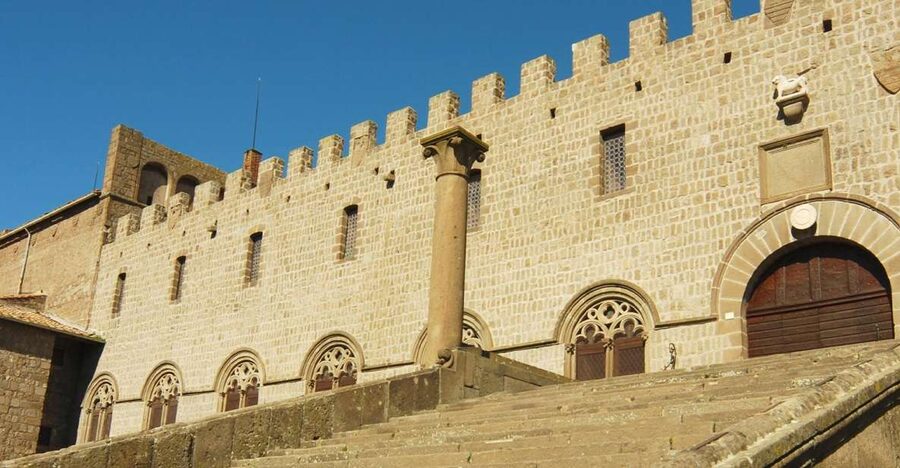
Anagni is closely tied to Pope Boniface VIII, and this palace lets you see that connection in a physical setting. You are not simply looking at an old building from the street. You are entering a former residence linked to one of the most forceful and controversial popes of the Middle Ages.
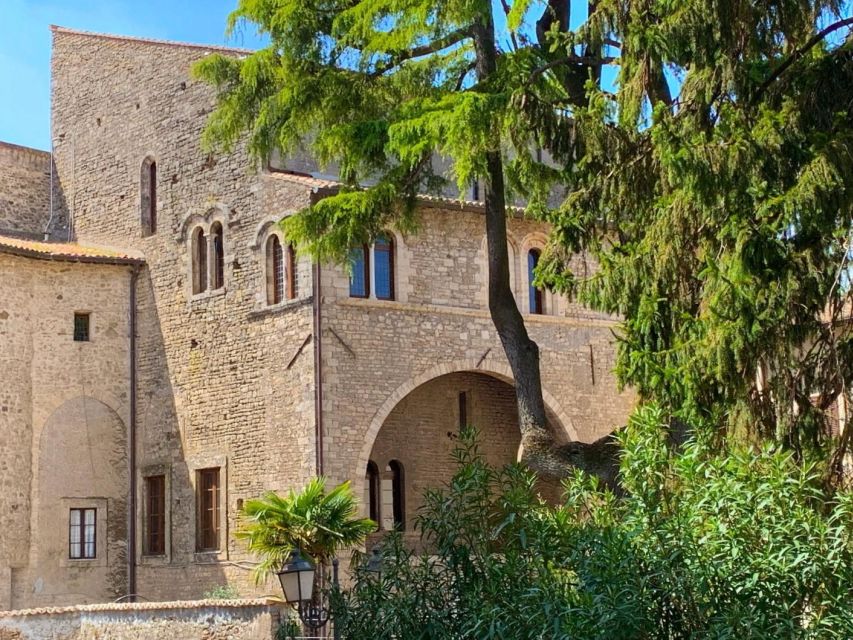
The palace began around the 13th century as part of a larger group of buildings owned by the Caetani family. Its later additions gave it broad frescoed rooms, painted decoration, works of art, and valuable furniture. That mix matters. You get medieval architecture, later interior decoration, and papal history in one compact visit.
I like this kind of attraction because it rewards visitors who want more than a quick photograph. The building itself is the main exhibit, but the rooms also hold the political story of medieval Europe. The palace gives you a place where family power, church authority, and international conflict meet.
At the same time, you should set realistic expectations. This is not described as a vast palace complex with a full day of rooms to explore. The visit is designed for about two hours, and the experience depends heavily on how you use the audio guide. If you want a short, focused cultural stop, that is a strength. If you expect a large museum with a constant stream of objects, you may find it limited.
More Palace Entry Tickets in Italy
- Venice: Doge’s Palace Reserved Entry Ticket
★ 4.6 · 42,716 reviews - Florence: Palazzo Vecchio Entrance Ticket & Audioguide
★ 4.4 · 4,822 reviews - Florence: Entrance Ticket to Pitti Palace
★ 4.5 · 4,528 reviews
Entering the Caetani family palace in Anagni
The palace is located in the city center, which makes it easy to add to a walk through Anagni. You do not need hotel pickup or drop-off because transportation is not part of the experience. Your job is simple: show your ticket at the main entrance desk.
The entry arrangement includes a separate skip-the-line entrance. That can save time, especially if other people are waiting at the regular access point. The information provided does not give a typical queue length, so I would treat skip-the-line entry as a convenience rather than a promise of a major time saving.
Once inside, the setting gives you the first important clue about the palace. It started as a medieval building, then grew over time. Its current character comes from that layering: an old structural core combined with large decorated rooms and later furnishings.
I would begin by looking at the architecture before starting the audio guide. Notice the scale and feel of the rooms, then use the commentary to add names, dates, and political meaning. This keeps the visit from becoming an exercise in listening with your eyes closed.
The frescoed rooms, paintings, and furnishings
The palace contains large rooms decorated with frescoes, along with paintings, works of art, and valuable furniture. The supplied details do not provide a room-by-room inventory, so you should not expect a precise museum checklist before arrival. Instead, think of the visit as a guided walk through a historic residence with art and furnishings helping you understand how the building was used and remembered.
The frescoes are especially important because they give the palace a stronger sense of place than a bare medieval shell would provide. Painted walls can explain a room’s status and ceremonial role, even when the original daily activities are hard to picture. The furniture adds another layer, showing how later generations presented and preserved the interior.
I would take time to compare the different types of evidence in each room. The building tells you about medieval construction. The paintings and frescoes tell you about decoration and religious culture. The furniture shows how the palace was furnished and maintained in later periods.
The audio guide is available in Italian, English, and French. That is a real help if you want context instead of simply walking from room to room. It also means you can visit without arranging a private guide.
There is one important catch. A recent visitor found the recordings longer than the visual material justified. You might spend a great deal of time seated on a bench listening to details, then need only a short period to examine the room itself. My advice is to treat the audio guide as a tool, not a command. Pause, skip, or shorten sections if the commentary starts to control your visit.
The Sala dello Schiaffo and the famous confrontation
The emotional center of the palace is the Sala dello Schiaffo, or Hall of the Slap. According to the historical account connected with the site, this is where Giacomo Sciarra Colonna, leader of the French soldiers commanded by Nogaret, struck Pope Boniface VIII.
The scene matters because it was not a minor personal quarrel. The confrontation became a major turning point in medieval European history. It helped set the stage for the period when the papacy was based in Avignon, known as the Avignonese period.
This is where the palace becomes more than an attractive old residence. You can connect a specific room with a clash between the papacy, powerful Italian families, and French political force. The names can feel distant when read in a history book. In the palace, the story has a physical setting.
I would give this room extra time, even if you move quickly through other sections. Listen to the explanation, then think about how much political weight was concentrated in one encounter. The room’s importance comes less from decoration alone and more from the event tied to it.
You should also keep the limits of the presentation in mind. The information provided does not promise a theatrical reconstruction or a live historical performance. This is a self-guided cultural visit, so the power of the Hall of the Slap depends on your interest in the story and your willingness to listen.
Same place, a different set of state rooms:
- Doge’s Palace & St. Mark’s Basilica with Terrace Access Tour
★ 4.7 · 10,697 reviews - Venice: Doge’s Palace and St Mark’s Basilica Walking Tour
★ 4.4 · 6,291 reviews - Legendary Venice: Doge’s Palace, St Mark’s & VIP Terrace Access
★ 4.5 · 5,033 reviews - Venice: Doge’s Palace and St. Mark’s Basilica Tour
★ 4.5 · 3,734 reviews
How to use the audio guide without losing the visit
The audio guide is included, and that adds value to a $10 admission. Without interpretation, the palace could be difficult to read. Names such as Boniface VIII, Giacomo Sciarra Colonna, and Nogaret carry far more meaning when the political background is explained.
Still, the guide may be too detailed for some people. One visitor’s main complaint was that the commentary felt longer than the amount of palace there was to see. That is useful advice, not a reason to reject the visit. It tells you to manage the pacing yourself.
A practical approach is:
- Listen to the introduction before entering the main rooms.
- Start each recording while standing in front of the object or space it describes.
- Pause when you want to look closely.
- Skip ahead if a section becomes repetitive.
- Save extra time for the Hall of the Slap and the rooms with frescoes.
The commentary is offered in Italian, English, and French. If you speak one of those languages, you can choose the version that lets you follow the history most comfortably. The activity also includes tourist information, which can help you place the palace within a wider visit to Anagni.
The best experience will suit a curious listener who enjoys context but does not feel obliged to hear every second. You are paying for access and interpretation, not for a test of endurance.
Is two hours the right amount of time?
The stated duration is two hours. That is a sensible planning figure if you want to listen to the audio guide, inspect the decorated rooms, and pause at the Hall of the Slap.
You may finish sooner if you move quickly through the artwork and furnishings. You may also use the full two hours if you listen to every recording and stop to examine the architecture. The recent criticism about long audio sections suggests that the time can feel uneven: long periods of listening, followed by shorter periods of visual exploration.
For that reason, I would not schedule this as a rushed stop between fixed appointments. Give yourself the full two-hour window, even if you suspect you will leave earlier. The palace is best approached as a calm, focused visit rather than a quick photo stop.
The city-center location makes the palace easier to fit into a day in Anagni, but no transport service is included. You will need to make your own way there and present your ticket at the entrance desk.
What the $10 admission really buys you
At $10 per person, the admission is reasonably priced for a site that combines a historic building, art, furnishings, a former papal residence, and an audio guide. The strongest value comes from the historical setting. You are paying to enter a real place tied to a major medieval conflict, not only to view a small collection of objects.
Skip-the-line access improves the practical value. The savings may be modest if the entrance is quiet, but the separate access point can make the arrival less frustrating when a queue forms.
The audio guide also supports the price, especially if you do not already know the story of Boniface VIII. The service is available in three languages, and tourist information is included. There is also a bookshop service, useful if you want to continue reading about the palace or the period after your visit.
Food and drinks are not included. That is not a major concern because the experience is short and located in the city center, but you should plan refreshments separately.
The value is weaker if you dislike audio tours or expect a large number of rooms. One visitor felt the commentary outweighed the physical visit. If you know you prefer fast, object-focused museum visits, the palace may feel less satisfying than it does to someone who enjoys historical explanation.
Who should book this palace visit?
I would recommend Boniface VIII Palace to you if you like medieval history, papal politics, historic interiors, and compact museums. It is especially suitable if the Hall of the Slap catches your interest, since that room gives the visit a clear historical focus.
It also suits budget-minded visitors. Ten dollars is a modest cost for a two-hour cultural stop with audio interpretation and skip-the-line entry. English, French, and Italian speakers can use the guide without needing to arrange translation.
Families and mixed-interest groups may need to agree on a pace. The palace can work well if everyone accepts a self-guided visit, but the long recordings may test the patience of anyone who wants to keep moving. You can solve much of that by listening selectively.
This is less suitable for someone who wants food, transport, or a guided group experience included. None of those services form part of the ticket. It is also not the best choice if your main goal is a large art museum with many galleries.
Booking advice and final verdict
I would book this experience if you are already visiting Anagni and want a meaningful stop in the city center. The combination of medieval architecture, papal history, decorated rooms, and the Hall of the Slap gives the palace more substance than its modest price suggests.
Go in with the right plan: allow two hours, use the audio guide selectively, and give the Sala dello Schiaffo proper attention. If you prefer a quick visit, you can shorten the recordings, but do not expect the palace to provide a large-scale museum experience.
The flexible booking terms also help. You can cancel up to 24 hours in advance for a full refund, and you can reserve now while paying later. For most visitors interested in Anagni’s medieval story, this is a good-value cultural stop. For visitors who dislike audio commentary or want a highly active tour, it is worth considering the pacing before you book.
FAQ
Where is Boniface VIII Palace located?
The palace is in the city center of Anagni, in Lazio, Italy.
How much does admission cost?
The listed price is $10 per person.
How long does the visit take?
The stated duration is two hours. Your actual time may vary depending on how much of the audio guide you hear.
Is skip-the-line entry included?
Yes. The ticket includes access through a separate skip-the-line entrance.
Where do I show my ticket?
You must show your ticket at the main entrance desk.
Is an audio guide included?
Yes. An audio guide is included with the activity.
Which languages are available for the audio guide?
The audio guide is available in Italian, English, and French.
What is the Hall of the Slap?
The Sala dello Schiaffo is the room associated with the confrontation in which Giacomo Sciarra Colonna struck Pope Boniface VIII.
Are food and drinks included?
No. Food and drinks are not included.
Can I cancel the booking?
Yes. You can cancel up to 24 hours in advance for a full refund.
Just added around Italy
- Palermo: City & Palazzo dei Normanni Guided Walking Tour★ 4.7 · 28 reviews
- Palermo: Norman Palace Ticket & Audio App Downloadable★ 3.5 · 4 reviews
- Palermo: Palatine Chapel, Audio App & optional Norman Palace★ 3.8 · 70 reviews
- Palazzo Vecchio Secret Passages Tour & Lunch or “Gelato”★ 4.3 · 16 reviews
- Palazzo Vecchio Small Group Tour★ 4.9 · 10 reviews
- Palazzo Normanni and Palatine Chapel Tour – Ticket Included (Italian)★ 3.8 · 14 reviews
- Palazzo Vecchio: Private Guided Museum Tour & Tower Tickets★ 4.7 · 18 reviews
- Palazzo Vecchio 90-Minute Morning Guided Tour★ 4.7 · 104 reviews
Palace Entry Tickets, compared.



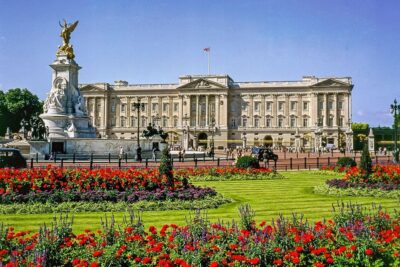
Buckingham Palace: The State Rooms Entrance Ticket
Read our review →

Prague Castle and Lobkowicz Palace Entry Tickets
Read our review →Browse the lists this tour appears in