
REVIEW · VENICE
Venice: City Pass with Museums including Doge’s Palace
Venice rewards a good plan. This $74 Venice City Pass gives you entry to Doge’s Palace and 11 museums, letting you build your own cultural route instead of buying tickets one by one. I like the access to the grand civic museums and the chance to reach Murano and Burano for more than just a quick photograph. The main catch is time: Doge’s Palace is restricted to 12 PM to 6 PM on your chosen date, so a one-day visit can feel rushed.
I also like the pass’s flexibility after that first palace visit. You can use the other museum entries within six months of entering Doge’s Palace, which is useful if your Venice stay is short or your first day disappears into rain, heat, or Venice’s famously confusing lanes. Just remember that St. Mark’s Basilica, the Gallerie dell’Accademia, food, transport, and a guide are not included in the stated package.
Key points at a glance
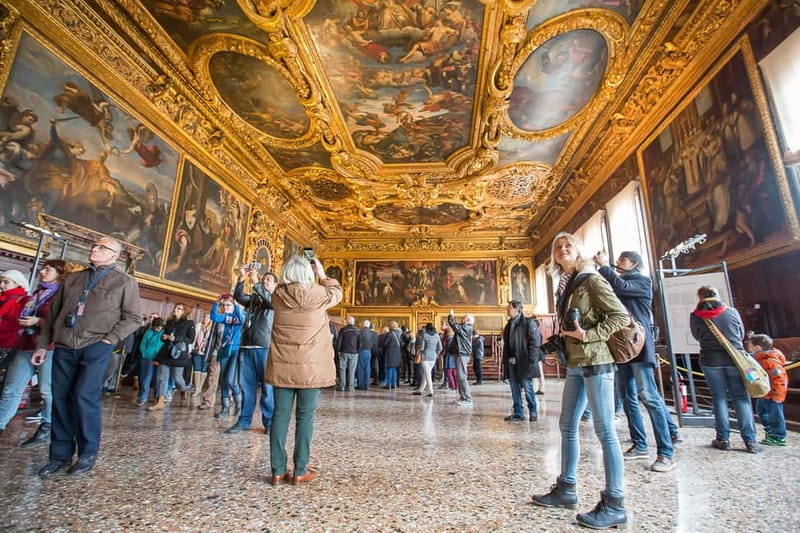
- Doge’s Palace entry is time-limited: Visit on your selected date between 12 PM and 6 PM, with final entry one hour before closing.
- Eleven additional museums are included: The selection covers civic art, archaeology, glass, lace, natural history, fashion, literature, and modern art.
- The pass can outlast your first day: You may visit the other museums within six months after your Doge’s Palace entry.
- Murano and Burano are part of the museum plan: The Glass Museum and Lace Museum give you a reason to visit two lagoon islands.
- No guide is provided: You set your own pace, but you need to read signs, plan locations, and manage opening hours.
- Value depends on your appetite for museums: It works best for an organized culture-focused visit, not for a slow weekend spent mainly wandering.
What the $74 Venice City Pass actually covers
At $74 per person, this is not a cheap sightseeing card. Its value comes from concentration. You are paying for a large group of museums and one major monument, rather than a single attraction with a guide.
The pass covers Doge’s Palace plus these 11 museums:
- Museo Correr
- Archaeological Museum
- Biblioteca Marciana
- Ca’ Rezzonico
- Ca’ Pesaro International Gallery of Modern Art
- Glass Museum on Murano Island
- Natural History Museum
- Museo di Palazzo Mocenigo
- Carlo Goldoni’s House
- Lace Museum on Burano Island
- Museo Fortuny
That is a wide mix. You can focus on Venetian government and painting, or switch gears with glassmaking, lace, natural history, costume, and modern art. I like that range because Venice is more than churches and grand palaces. You get a look at the city as a working republic, a trading power, an art center, and a place where craft still matters.
The pass is supplied as a voucher with a PNR code. You present it at the entrance to each included attraction. You do not need to begin at Doge’s Palace, but Doge’s Palace controls the main date of use. Once you enter it, the other museum entries can be used during the following six months.
That six-month window is the pass’s most useful feature. It protects you from the common mistake of buying too many sights for one packed day. If you live nearby, return to Venice, or have a long Italian trip, you can spread the museums out. If you are in Venice for only one day, the window matters less because you may not return.
More Doge's Palace and St Mark's Tours in Venice:
- Venice: Doge’s Palace Reserved Entry Ticket
★ 4.6 · 42,716 reviews - Doge’s Palace & St. Mark’s Basilica with Terrace Access Tour
★ 4.7 · 10,697 reviews - Venice: Doge’s Palace and St Mark’s Basilica Walking Tour
★ 4.4 · 6,291 reviews
Doge’s Palace from noon to 6 PM
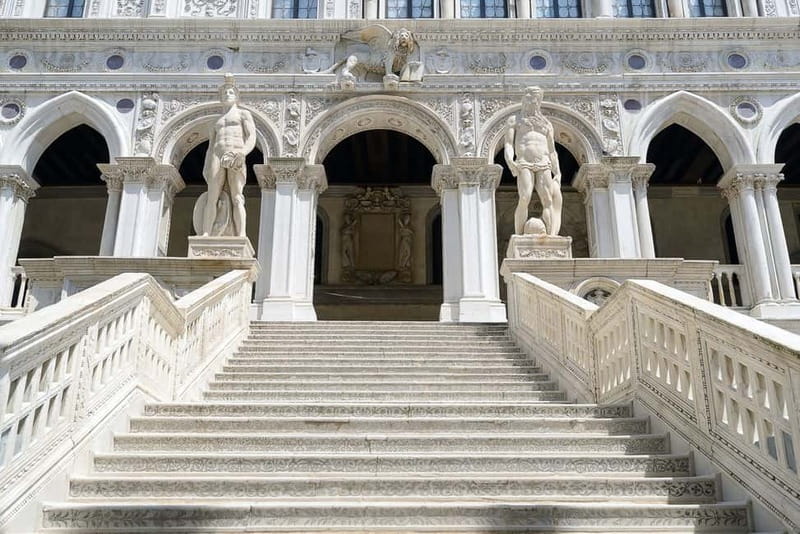
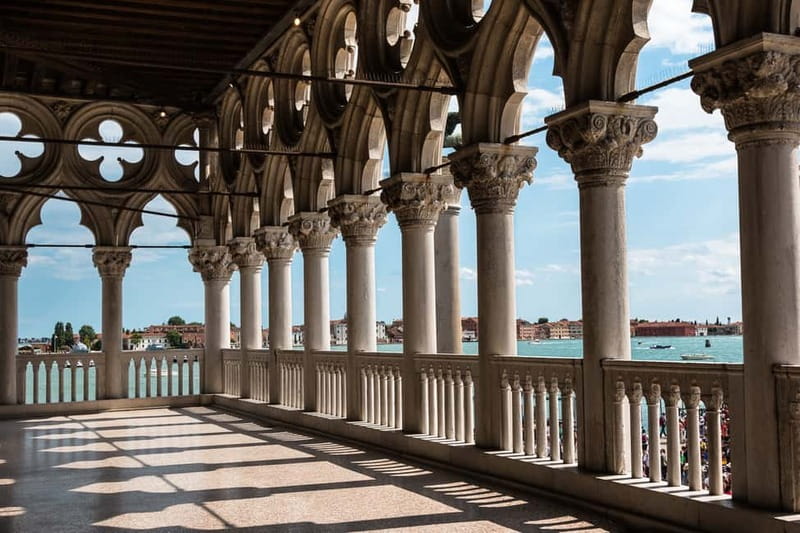
Doge’s Palace is the centerpiece. It was the seat of Venice’s government during the long life of the Venetian Republic, and its rooms connect political power with art, ceremony, and punishment.
Your entry is only valid on the selected date, from 12 PM to 6 PM. The last entrance is one hour before closing, so treat 5 PM as the practical cutoff. This is important: you cannot casually arrive first thing in the morning and use the palace before lunch.
I would plan Doge’s Palace early in your afternoon, not near the end of the time block. That leaves room for slow rooms, crowds, and the awkward business of crossing Venice between sights. If you arrive at 4 PM, the pass may still work, but you will have less freedom to stop and study the palace.
The palace is especially useful for anyone who wants context for St. Mark’s Square. Its Byzantine-style setting, state rooms, and political role help explain why the square feels grander than a simple public plaza. You will also see why Venice’s government was built to impress. This is not only an art stop. It is a lesson in how a republic presented itself.
St. Mark’s Basilica is not included. That is a major point when you calculate the price. The basilica and Doge’s Palace are close together, but they require separate planning and separate admission.
Three St. Mark’s Square museums in one cluster
The Museo Correr, Archaeological Museum, and Biblioteca Marciana sit in the St. Mark’s Square area, making them the easiest group to combine with Doge’s Palace.
The Museo Correr is a strong choice if you want to understand Venice through civic art, interiors, and objects tied to the city. It is also a practical stop when you want more time indoors after seeing the square. One day of sightseeing can become tiring quickly, and a museum with a broad collection lets you change pace without leaving the center.
The Archaeological Museum gives the pass a wider reach. Its works connect Venice to older civilizations and the collecting habits of European rulers. I would choose it if ancient art interests you, or if you want something different from Venetian painting and palace rooms.
The Biblioteca Marciana adds books, manuscripts, and the visual culture of learning. Its place beside the square makes it easy to overlook, but it helps show that Venice was a center of trade and ideas as well as ceremony.
These three museums are open from 10 AM to 5 PM, with last entry one hour before closing. Since Doge’s Palace cannot be entered until noon, you could visit one of them in the morning, eat lunch, and then enter the palace. That is one of the clearest ways to make a one-day plan work.
Still, do not assume you can race through all three. Their opening hours end earlier than the palace’s entry period, and Venice takes time to cross even when two locations look close on a map.
Ca’ Rezzonico and Ca’ Pesaro: two very different art stops
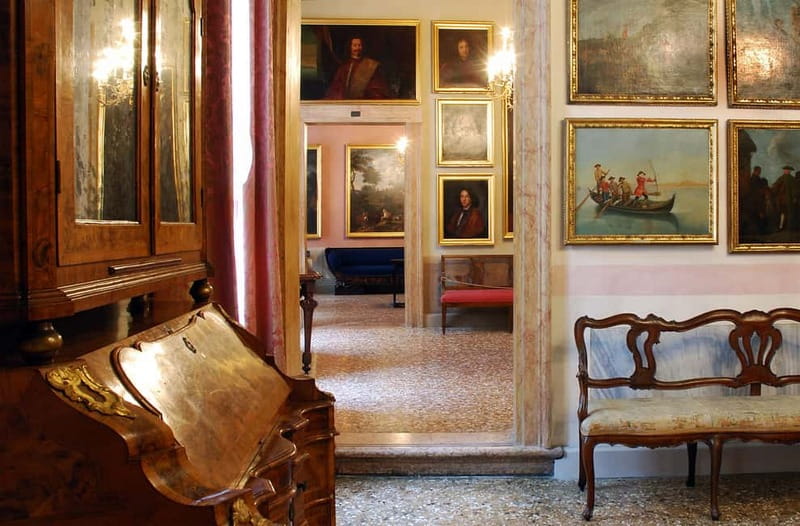
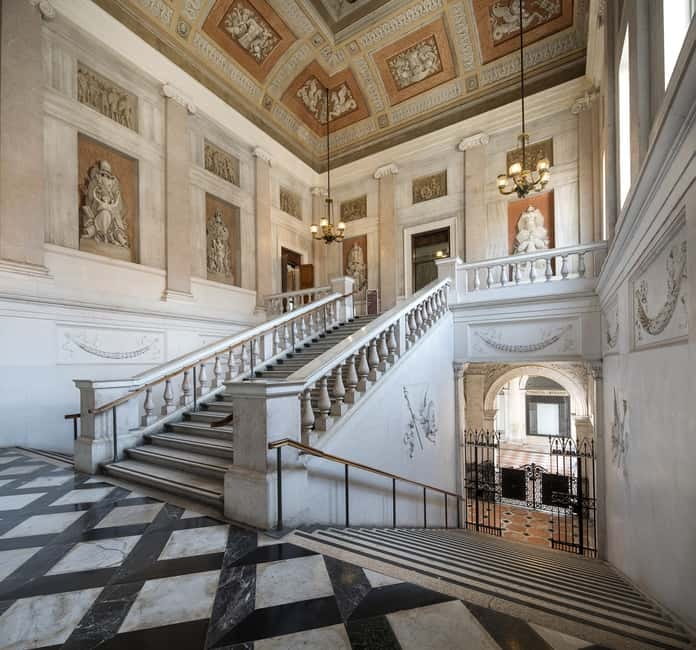
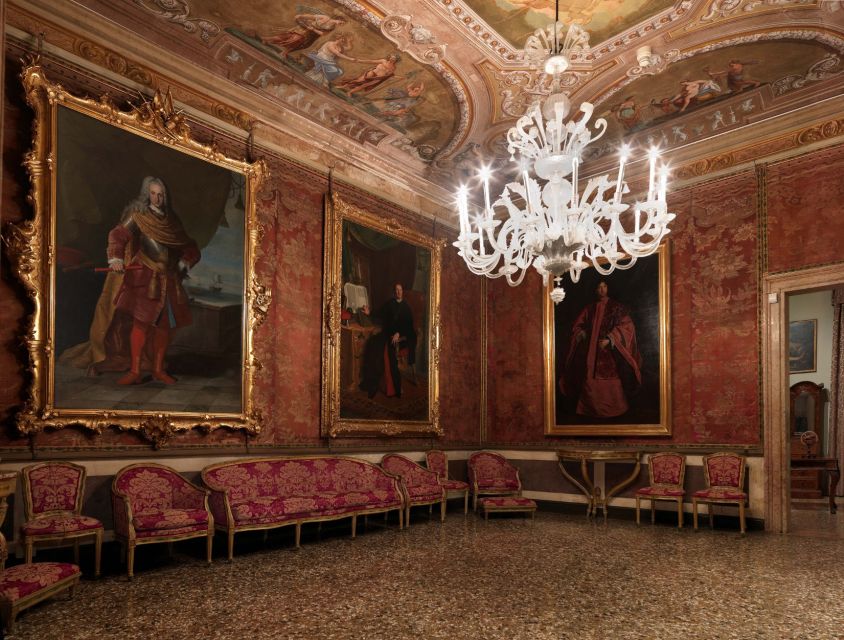
Ca’ Rezzonico gives you an elegant look at eighteenth-century Venice. The palace setting is part of the appeal. You are not simply walking through galleries with white walls. The building helps you picture the world of wealthy Venetian families and the style associated with the city’s later grand period.
Ca’ Pesaro takes you in another direction as the International Gallery of Modern Art. It is a useful counterpoint to the older collections around St. Mark’s Square. If you like comparing periods, put these two on the same day or on consecutive days. You will see Venice shift from aristocratic palace culture to modern artistic expression.
The practical advantage is choice. You do not need to force yourself through every museum just because it is included. Pick the subjects that appeal to you, then use the six-month window for the rest if your schedule allows.
More Museum Visits in Venice:
- Venice’s Best: Basilica, Doge’s Palace, Gondola & History Gallery
★ 4.5 · 2,478 reviews - Venice Museum Pass & Doge’s Palace Entrance Ticket
★ 3.9 · 769 reviews - Basilica, Doge’s Palace, History Gallery & Bell Tower Option
★ 5.0 · 586 reviews - Royal Palace & Prado Museum Skip the Line Guided Tour
★ 4.5 · 1,347 reviews
Murano’s Glass Museum and Burano’s Lace Museum
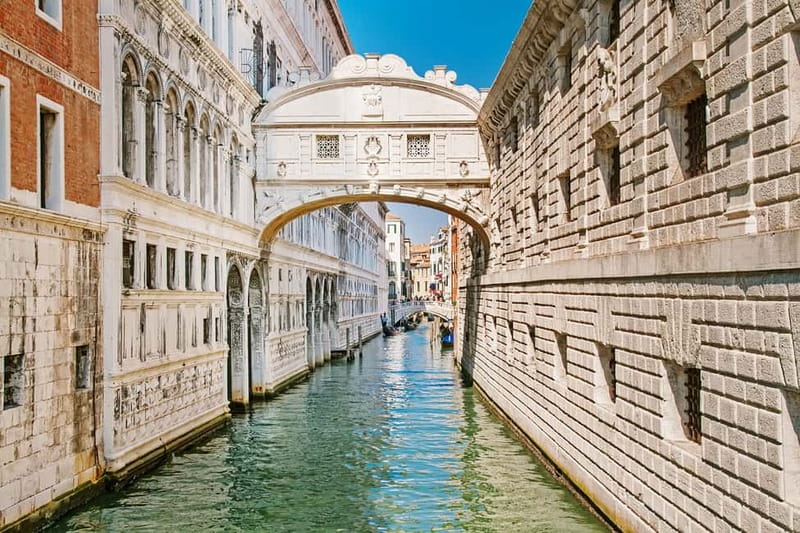
The Glass Museum on Murano Island and the Lace Museum on Burano Island give this pass its most distinctive geographic reach.
Murano is strongly associated with Venetian glassmaking, so the Glass Museum adds craft and production to a visit that might otherwise focus on paintings and palaces. It gives you a reason to see Murano as more than a stop for shopping. You can connect the objects in the museum with the island’s long glassmaking identity.
Burano’s Lace Museum does the same for lace. The island is known for its colorful setting, but the museum gives your visit a cultural purpose beyond taking pictures along the canals. You can see how a traditional craft fits into the larger story of the lagoon.
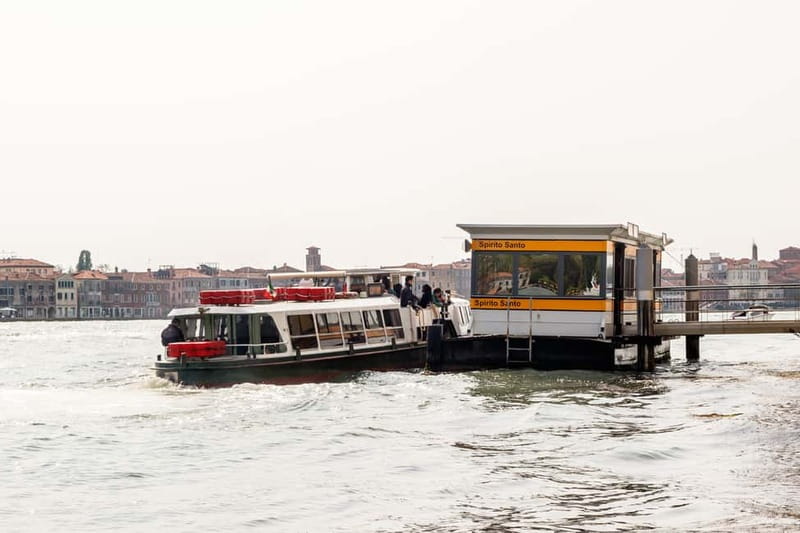
Plan these islands carefully. The pass includes museum admission, not a guide or food and drinks. The stated inclusions also do not include hotel pickup, drop-off, or transport. Some versions of Venice sightseeing products may be sold with public transport added, but this $74 package should not be treated as a vaporetto ticket unless your own booking specifically says so.
You can walk through much of central Venice, but Murano and Burano require a boat connection. Check your transport needs before you buy. A pass that looks excellent on paper can lose value if you cannot comfortably reach the island museums.
Natural history, fashion, literature, and modern Venice
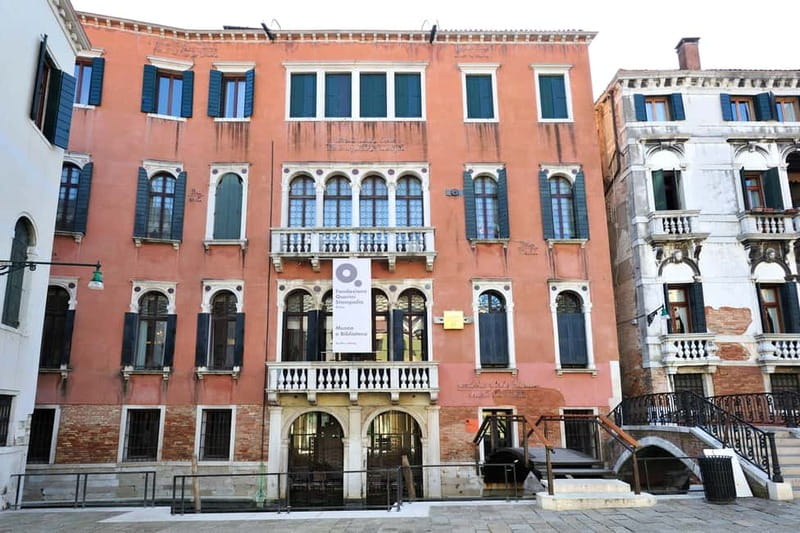
The Natural History Museum is a good choice for families and anyone who needs a break from churches and formal art. It changes the tone of the day and gives younger visitors something concrete to look at. The collection also shows Venice from a scientific angle, not only through its buildings and paintings.
Museo di Palazzo Mocenigo focuses on the world of clothing, fabrics, perfume, and aristocratic life. It is a smart pick if you enjoy design and daily life. The palace setting helps connect personal style with Venetian society.
Carlo Goldoni’s House is a smaller, more literary stop. Goldoni is closely tied to Italian theater, and his former home offers a more personal scale than the large civic museums. It suits you if you enjoy writers, performance, or domestic interiors.
Museo Fortuny brings you to the work and setting of Mariano Fortuny. Its inclusion gives the pass another unusual angle, with art and design presented in a historic Venetian building. It is not the obvious first stop, but it can be a good choice once you have seen the major square and palace.
These smaller museums may be especially valuable on a second day. You can choose one based on your mood rather than trying to check off every name.
How to plan one day without sprinting
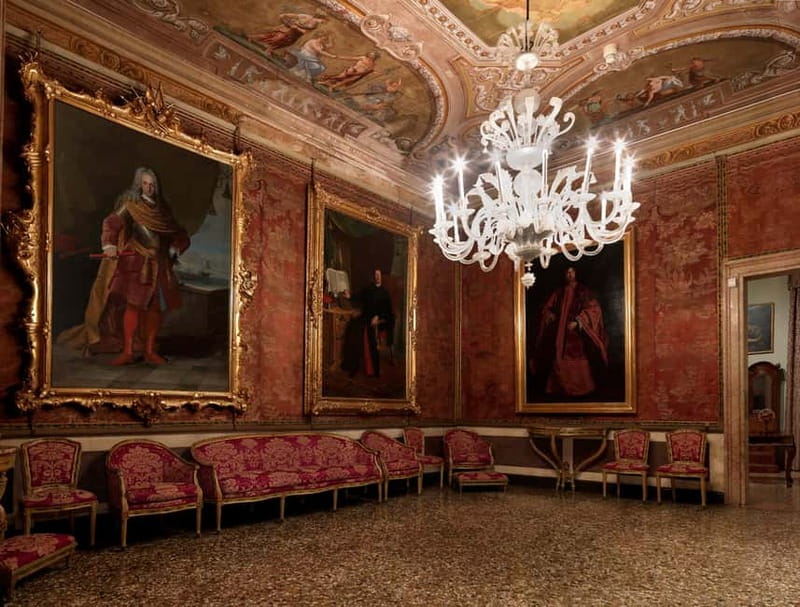
If you have just one day, I would keep the plan simple:
- Morning: Museo Correr, Archaeological Museum, or Biblioteca Marciana.
- Lunch: Stay near St. Mark’s Square so you do not lose your palace window.
- Afternoon: Doge’s Palace, ideally before the final hours.
- Late afternoon: A nearby included museum only if you still have energy.
Trying to add Murano or Burano to that same schedule could make the day uncomfortable. The islands are better saved for another day, especially since their museum entries can be used within six months after your palace visit.
For a longer stay, spread the pass across several outings. Combine Doge’s Palace with the St. Mark’s Square museums on the first day. Use another day for Ca’ Rezzonico, Ca’ Pesaro, and Fortuny. Save Murano and Burano for a separate lagoon outing.
Venice is full of narrow lanes and confusing turns. Give yourself extra time to find each museum. A map showing museum locations and boat routes would make planning easier, so you should prepare your own route before setting out.
What the pass does not cover
The exclusions matter as much as the inclusions.
You do not get:
- A guide
- Entry to St. Mark’s Basilica
- Hotel pickup or drop-off
- Food or drinks
- Stated public transport access
You also should not assume that every major Venice museum or church is part of the pass. The Gallerie dell’Accademia is not included, and the pass does not replace separate planning for other famous sights.
That is why the pass suits a particular kind of visit. If your priority is the basilica, the Accademia, and wandering through neighborhoods, you may spend less by buying only the entries you want. If you plan to visit Doge’s Palace plus several civic museums, the bundled access becomes more persuasive.
The pass is wheelchair accessible, and children under six and disabled visitors with their carers can receive free entry tickets from the ticket office. You still need to present the voucher and request those tickets on arrival.
Who should buy it?
I would consider this pass if you enjoy museums, want Doge’s Palace, and can name at least three or four additional included stops that genuinely interest you. It is also a good fit if you are staying long enough to use the six-month museum window or if you want Murano and Burano to be part of a culture-focused plan.
I would be cautious if you have only one rushed day, dislike indoor sightseeing, or mainly want St. Mark’s Basilica and the Accademia. The $74 price needs several visits to feel worthwhile, and the palace’s noon start makes early-day planning less flexible.
The pass has earned a 4.1 rating from 1,020 ratings, which fits its strengths and limits: strong access, useful flexibility, and some confusion around transport and activation. Read your voucher carefully, map the museums before you go, and treat Doge’s Palace as the fixed appointment.
Final verdict: good for museum-minded Venice
Book the Venice City Pass if you want a self-guided museum program built around Doge’s Palace. I especially like the mix of major civic sights, smaller specialty museums, and the two island collections. The six-month validity for the additional museums is a real advantage.
Skip it if you plan to spend most of your time outdoors or if the attractions missing from the pass are your main targets. At $74, this is a planning tool, not an automatic bargain. Use it with a clear route and enough time, and it can turn Venice’s maze into a rewarding cultural itinerary.
FAQ
What is included in the Venice City Pass?
The pass includes entry to Doge’s Palace and 11 museums: Museo Correr, the Archaeological Museum, Biblioteca Marciana, Ca’ Rezzonico, Ca’ Pesaro, the Glass Museum on Murano, the Natural History Museum, Mocenigo Palace, Carlo Goldoni’s House, the Lace Museum on Burano, and Museo Fortuny.
When can I enter Doge’s Palace?
You can enter Doge’s Palace on your selected date between 12 PM and 6 PM. The last entry is one hour before closing.
Can I visit the other museums on a different day?
Yes. You can visit the other included museums within six months of your entry to Doge’s Palace.
Is St. Mark’s Basilica included?
No. Entry to St. Mark’s Basilica is not included in this pass.
Does the pass include a guide or transport?
No guide is included, and the stated package does not include hotel transfers, food, drinks, or public transport. Check your own booking details if you are considering a version with transport added.
Is the Venice City Pass wheelchair accessible?
Yes. The activity is listed as wheelchair accessible. Children under six and disabled visitors with their carers can receive free entry tickets from the ticket office on arrival.
Just added around Venice
- Venice: Gondola Ride and a Gala Dinner in a Venetian Palace★ 4.8 · 17 reviews
- Doge’s Palace, St. Mark’s & Gondola Ride with Options★ 4.8 · 14 reviews
- Venice: Doge’s Palace and Basilica Tour with Gondola Ride★ 4.2 · 5 reviews
- Doge’s Palace & St Mark’s Basilica Entry + Campanile Options★ 4.4 · 41 reviews
- Doge’s Palace small group or private tour with a local guide★ 5.0 · 18 reviews
- Venice: Doge’s Palace, Bridge of Sights, St.Mark’s Basilica★ 3.0 · 12 reviews
- Venice: Basilica and Doge’s Palace Tour with Gondola Ride★ 4.4 · 85 reviews
- Basilica and Doge’s Palace tour with Lunch & Murano★ 3.8 · 4 reviews
Doge's Palace and St Mark's Tours, compared.
Doge’s Palace & St. Mark’s Basilica with Terrace Access Tour
Read our review →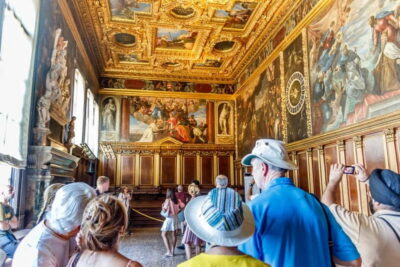
Doge’s Palace and St Mark’s Basilica Walking Tour
Read our review →
Legendary Venice: Doge’s Palace, St Mark’s & VIP Terrace Access
Read our review →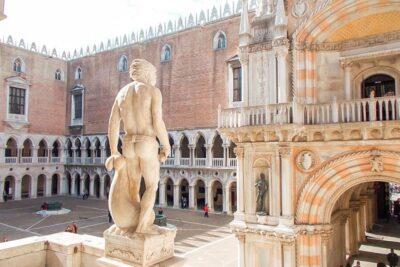

Venice In a Day: St Mark’s, Doges Palace Gondola Ride & City Tour
Read our review →
St. Mark’s Basilica & Doge’s Palace Tour with Ticket
Read our review →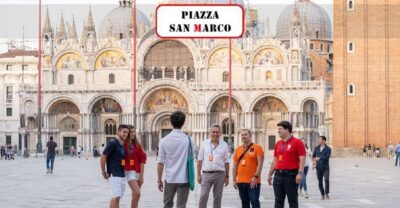
St Mark’s Basilica, Doge Palace, & Bell Tower Option
Read our review →Browse the lists this tour appears in