
REVIEW · AUSTRIA
Eisenstadt: Esterhazy Palace Admission Ticket
A palace with several stories to tell. Esterházy Palace gives you far more than a look at grand rooms: you get courtly art, Joseph Haydn’s musical career, Melinda Esterházy’s personal story, and a wine museum in old cellars. I especially like the chance to see the Esterházy family’s silver collection and the way the palace connects famous names to the building itself.
I also like the variety. You can move from polished Neoclassical silverware to multimedia displays about Haydn, then down into 300-year-old cellars filled with wine-making objects. The main consideration is that this is a self-guided admission ticket, with the audio guide costing an extra €2, so you may need to plan your own pace and background information.
Key points to know before you go
- The silver collection is a major highlight: The Esterházy family silver includes the world’s largest surviving ensemble of Neoclassical silverware preserved as a set.
- Haydn’s career is tied closely to the palace: Exhibits trace his work as a composer and director of music for the Esterházy princes.
- Melinda Esterházy gets her own first-floor exhibit: Her story covers her life as a ballerina, princess, and public figure facing personal highs and lows.
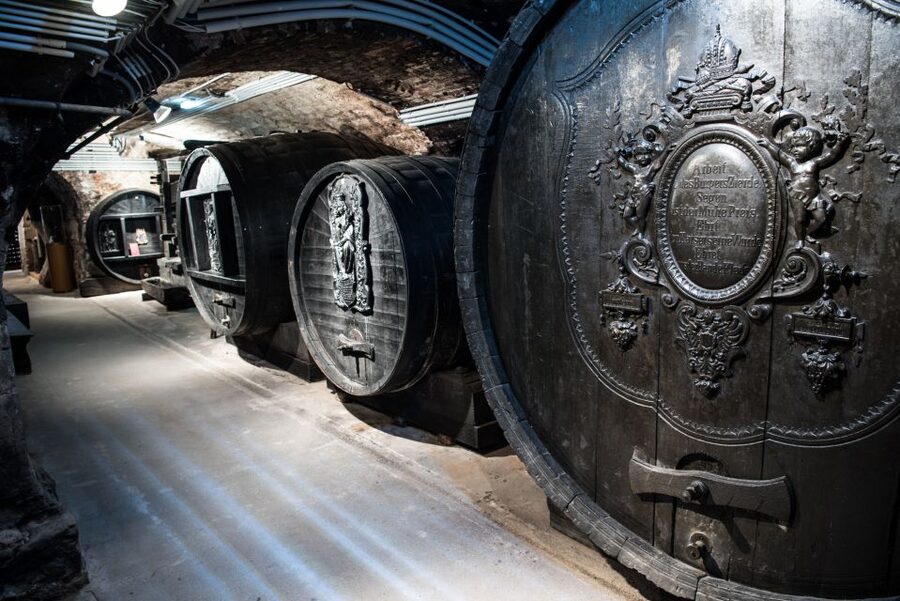
- The wine museum occupies old palace cellars: More than 700 objects show how wine and viticulture developed under the Esterházy family.
- The €22 ticket covers a full day: You can use the admission during the valid day, with availability and starting times checked at booking.
- A €2 audio guide is available: German, Hungarian, and English options make the visit easier to follow if you prefer structured commentary.
Why Esterházy Palace is worth your time
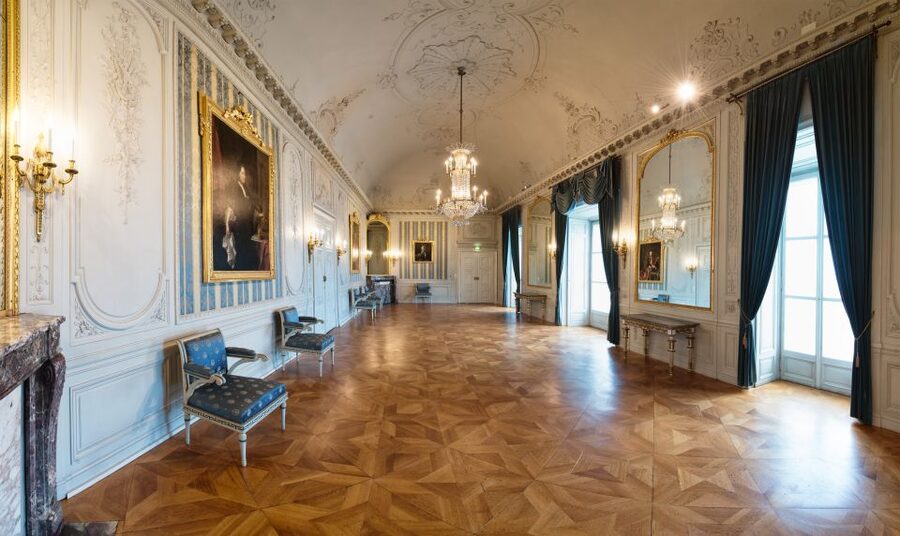
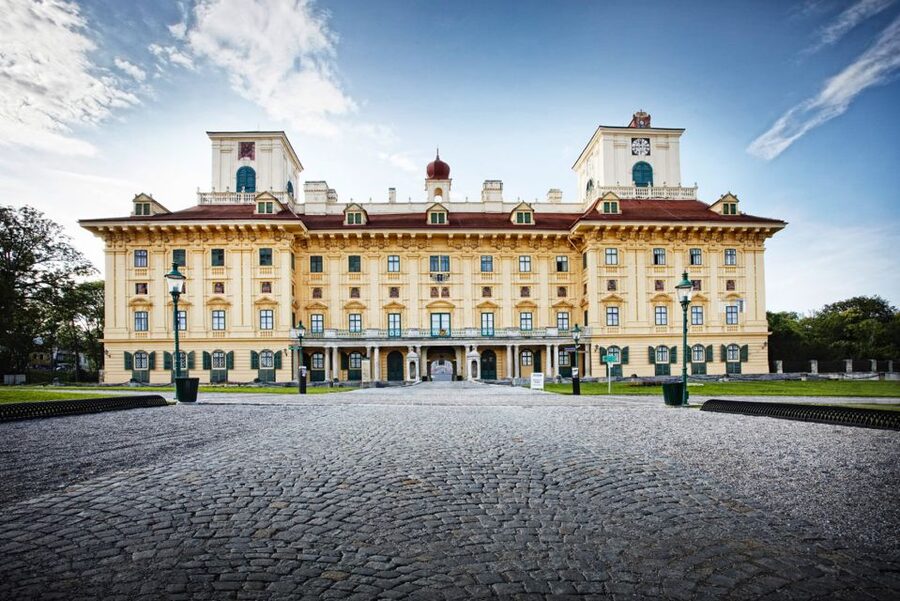
Eisenstadt is the capital of Burgenland, and Esterházy Palace sits at the heart of the city. That location makes it an easy cultural stop if you are already exploring the town, but the palace deserves more than a quick glance from outside.
The building tells the story of the Esterházy princes, one of the great aristocratic families of the region. You will see how power was expressed through rooms, objects, music, and wine. That combination gives the visit more range than a standard palace tour focused only on furniture and portraits.
I find the strongest feature here to be the connection between grand history and ordinary human details. The silver shows wealth and ceremony. Haydn shows the working life of a court musician. Melinda Esterházy shows the pressures of public identity. The wine museum brings the family’s social and agricultural world down to earth.
The ticket costs $22 per person. That is a reasonable price if you plan to spend time with all the sections rather than rushing through the main rooms. Since the ticket is valid for one day, you have room to set your own pace, though the exact starting times and available options should be checked before booking.
More Palace Entry Tickets in Austria:
- Vienna: New Hofburg Palace Audio-Guided Tour & Entry Ticket
★ 4.1 · 566 reviews - Vienna: Schönbrunn Palace Entry Ticket with Lunch
★ 4.4 · 299 reviews - Venice: Doge’s Palace Reserved Entry Ticket
★ 4.6 · 42,716 reviews
The bel étage and the palace collection
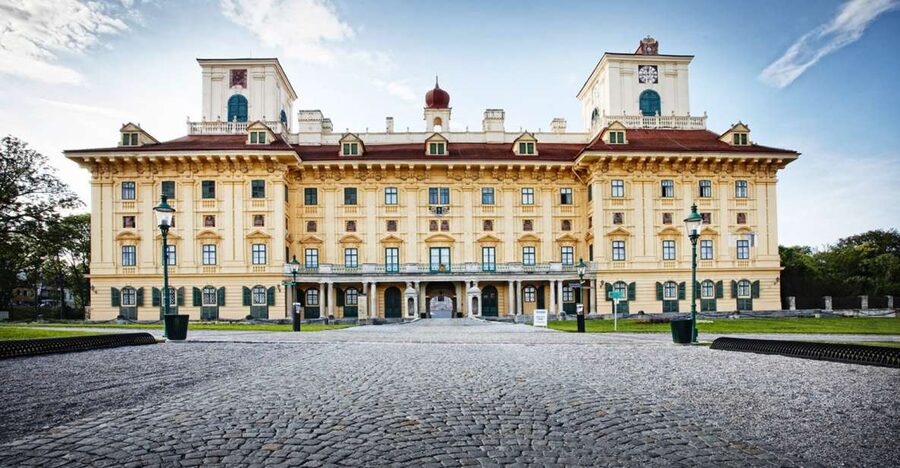
Your visit includes the magnificent rooms on the bel étage, the main ceremonial floor traditionally used for reception and display. This is the part of the palace most visitors imagine first: grand rooms, historic interiors, and the visual language of an aristocratic court.
The palace collection includes art-historical treasures connected to the Esterházy family. The most striking practical detail is the family silver. The collection is not simply a random group of old serving pieces. It is the world’s largest ensemble of Neoclassical silverware to survive as a set.
That matters because a complete set helps you picture how court life worked. One silver object can be beautiful, but a preserved group gives you a clearer sense of formal dining, ceremony, and the scale of aristocratic entertaining. Look at the collection as a working system, not just a display of expensive metal.
The rooms also provide a glimpse into the palace as a building. You are not only looking at objects placed behind glass. You are seeing spaces designed to signal rank and taste. The building’s history becomes easier to understand when you consider how the rooms and collections supported one another.
I would give the bel étage your full attention rather than treating it as a short walk-through. If you like decorative arts, court culture, or historic interiors, this may be the part that justifies the admission price by itself.
Joseph Haydn’s years with the Esterházy princes
Joseph Haydn is one of the palace’s central stories. The ground-floor exhibit follows his work as director of music and composer in service to the Esterházy princes.
This framing is useful because it places Haydn in a workplace and social setting. You learn about his beginnings in Eisenstadt and Eszterház, then follow the path toward his later music. The focus is not simply on Haydn as an isolated genius. It shows how his career developed within the demands of an aristocratic household.
The exhibit uses multimedia stations, project installations, and other displays. That gives the Haydn section a different feel from the formal palace rooms. You are moving from objects and interiors into a more active presentation of music, career, and place.
I like this change of pace. After studying silver and palace rooms, the multimedia material can help you understand why Eisenstadt mattered to Haydn. It also gives visitors with different interests a reason to stay engaged. You do not need to be a serious classical music expert to follow the basic story of his work for the Esterházy princes.
If you already know Haydn’s music, the value comes from the setting and the timeline. If you know very little about him, the exhibit gives you a useful introduction. The optional audio guide may help if you want more direction and context while moving through the displays.
A guide named Rebeca received particular praise for her explanations, background information, and clear affection for the palace. That is worth noting if your chosen option includes a guided element. The standard admission itself should not be confused with a guaranteed personal tour, so check the option details when you book.
Melinda Esterházy beyond the title of princess
The first-floor exhibit about Melinda Esterházy adds a more personal chapter to the palace visit. It presents her as a ballerina and as a woman whose life included ambition, difficult turns, and public responsibilities.
This section helps prevent the Esterházy story from becoming a parade of family names and formal rooms. Melinda’s career gives you a modern, human angle on the title of princess. You see someone with her own work and goals, not only a member of a famous dynasty.
The exhibit covers her professional ambition and turbulent personal life. That balance is important. A display about a royal or aristocratic figure can easily become polished and distant, but the focus here includes both achievements and struggles.
I would save enough attention for this exhibit even if your main reason for visiting is Haydn or the palace architecture. The themes are different, and that variety makes the overall visit feel less repetitive. It also gives you a better sense of how the palace continued to carry personal stories long after its earlier court life.
Because the material concerns a specific individual, you may find it more engaging if you prefer biography to formal art displays. On the other hand, if you want only architecture and decorative arts, this is the section you might pass through more quickly.
A few more palace visits around Austria worth a look
- Vienna: Schönbrunn Palace & Gardens Skip-the-Line Tour
★ 4.7 · 7,739 reviews - Vienna: Skip-the-Line Schönbrunn Palace & Gardens Tour
★ 4.8 · 5,411 reviews - Salzburg: Mozart Concert at Mirabell Palace
★ 4.8 · 3,498 reviews - Vienna: Bus & Schönbrunn Palace Skip-the-Line Guided Tour
★ 4.3 · 2,802 reviews
Down into the 300-year-old palace cellars
The Wine Museum is on the ground floor in the palace’s old cellars. This part of the visit changes the mood completely. Instead of ceremonial rooms and courtly objects, you get the practical world of wine production under the Esterházy princes.
The cellars are more than atmospheric background. They are over 300 years old and contain more than 700 objects connected with wine and viticulture. The collection includes historic barrels and Burgenland’s oldest Baumpresse, a type of basket press.
That basket press is a particularly useful object because it makes the process of wine production easier to picture. You can think about the labor, tools, storage, and organization behind the bottles served at aristocratic tables. The wine museum links the family’s social life to the work that supported it.
The phrase bacchanalian side of the Esterházy family may sound playful, but the exhibition has a serious point. Wine was part of regional economy, hospitality, ceremony, and daily work. This section shows the practical foundations beneath the palace’s polished public image.
I would not skip the cellars. They provide some of the most distinctive material in the palace, and the 700-object collection gives the visit a strong local connection to Burgenland. If you are interested in wine, old tools, or rural production, you may find this more memorable than another formal room.
How to plan your one-day visit
The ticket is valid for one day, but that does not mean you need to fill an entire day at the palace. The actual amount of time you spend will depend on how carefully you read displays, use the audio guide, and study the collections.
A sensible approach is to give the palace rooms and silver your best concentration first. Then move through the Haydn exhibit while your attention is still fresh. Finish with Melinda Esterházy and the Wine Museum, or reverse that order if wine and local production are your main interests.
The starting time depends on availability, so check the booking calendar before you commit to a particular day. The meeting point may also vary according to the option booked. That is a small detail, but it matters if you are choosing between standard admission and an option with extra guidance.
The audio guide costs €2 in addition to admission and is available in German, Hungarian, and English. I would consider it good value if you want a clearer route through the palace or prefer not to rely on reading every display. If you already enjoy setting your own pace and studying objects independently, you may decide to skip it.
The experience provider is Esterhazy Betriebe AG. Free cancellation is available up to 24 hours before the visit, and reserve-now-pay-later booking is offered. Those policies are useful if your Burgenland plans are still shifting, but they should not replace checking the exact option and meeting point you select.
Who will get the most from this admission
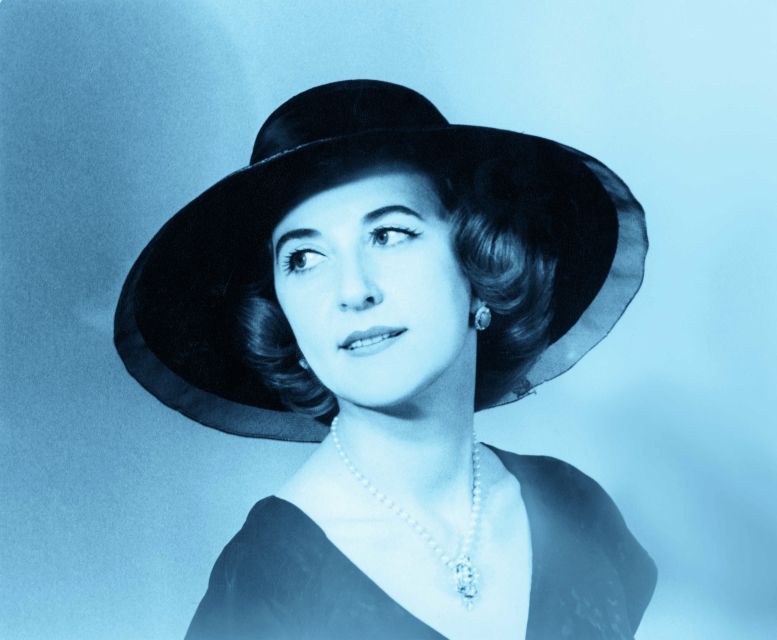
I would recommend Esterházy Palace to anyone interested in Austrian aristocratic culture, historic houses, classical music, decorative arts, or wine. It works especially well for visitors who want several subjects in one place rather than a single narrow museum theme.
It is also a good choice for mixed-interest groups. One person can focus on Haydn, another on silver and interiors, and another on Melinda’s life or wine-making equipment. The four sections give you several ways into the palace.
Families with older children may appreciate the multimedia Haydn displays and the unusual press in the wine museum, though the supplied information does not specify family programming or child-focused activities. I would not promise a dedicated children’s tour based on the information available.
You may want to think twice if you dislike museums without a fixed guide. The admission gives you access, but the audio guide costs extra, and a personal guide is not automatically part of the basic ticket. The positive mention of Rebeca suggests that a guided option can add a lot, so look carefully at what is included before booking.
Is the $22 price good value?
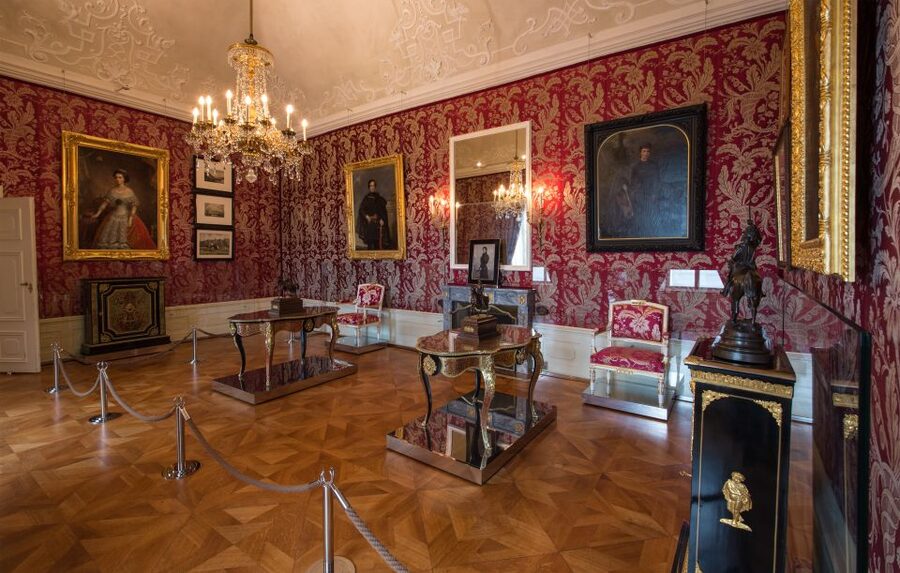
At $22, the ticket is fairly priced if you visit the palace as a multi-part museum rather than a quick photo stop. You are getting access to the bel étage rooms, the art and silver collection, the Haydn presentation, the Melinda Esterházy exhibit, and the wine museum in the old cellars.
The value comes from variety. Many palace admissions give you elegant rooms and little else. Here, the musical, biographical, and wine-related exhibits extend the visit beyond the usual aristocratic interiors.
The extra €2 for the audio guide is modest, especially if you want help connecting the exhibits. Still, it is worth remembering that the audio guide is not included in the advertised ticket price.
The overall rating is 4.8 from 40 reviews, and the praise includes a specific guide, Rebeca, for strong explanations, background knowledge, and evident enthusiasm for the palace. The small number of brief ratings offers less detail, so I would place more weight on the concrete comment about the guide than on the score alone.
Should you book Esterházy Palace?
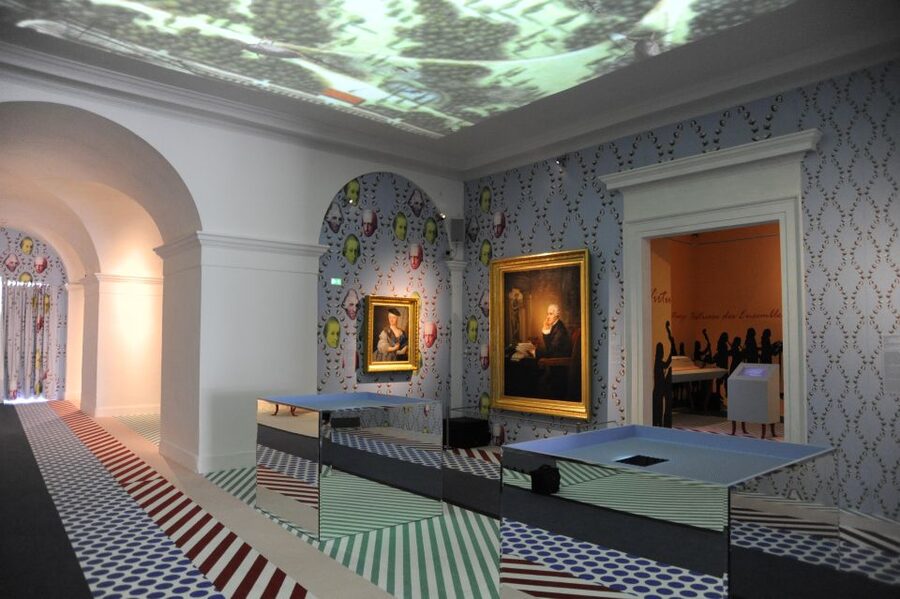
Book it if you want a well-rounded cultural stop in Eisenstadt with more than ornate rooms. The silver collection, Haydn exhibit, Melinda Esterházy story, and 300-year-old wine cellars create a useful mix of high court life, artistic work, personal biography, and regional production.
The ticket is especially worthwhile if you can give the palace a calm visit and use the full range of exhibits. Add the €2 audio guide if you want more structure, or choose a guided option if available and you value spoken explanation.
Skip it only if you want a very short exterior visit or a fully guided tour included in the basic price. For most culture-minded visitors spending time in Burgenland, Esterházy Palace offers solid value and a clear sense of why Eisenstadt mattered to the Esterházy family and to Joseph Haydn.
FAQ
Where is Esterházy Palace?
Esterházy Palace is in Eisenstadt, the capital of Burgenland, Austria.
How much does admission cost?
The admission ticket costs $22 per person.
How long is the ticket valid?
The ticket is valid for one day.
Is the audio guide included?
No. The audio guide costs an additional €2.
Which languages are available for the audio guide?
The audio guide is available in German, Hungarian, and English.
What does the admission ticket include?
It includes admission to Esterházy Palace and its exhibitions, including the palace rooms, collections, Haydn presentation, Melinda Esterházy exhibit, and Wine Museum.
Can I see Joseph Haydn-related exhibits?
Yes. The ground-floor exhibition covers Joseph Haydn’s work as director of music and composer for the Esterházy princes.
Who was Melinda Esterházy?
The first-floor exhibit presents Melinda Esterházy as a ballerina and princess, covering her career and personal life.
What is in the Wine Museum?
The Wine Museum presents the history of wine-making under the Esterházy princes and includes more than 700 objects, such as historic barrels and Burgenland’s oldest Baumpresse.
Can I cancel the booking?
Yes. You can cancel up to 24 hours in advance for a full refund. Reserve-now-pay-later booking is also available.
Just added around Austria
- Palais Lobkowitz Audio Guide Tour★ 4.0 · 3 reviews
- Innsbruck: Tickets for Schloss Ambras★ 4.6 · 204 reviews
- Imperial Gala Concert at Palais Auersperg★ 4.7 · 111 reviews
- Schönbrunn Palace & Gardens Tour★ 4.2 · 42 reviews
- Graz: Funicular Ride & Schlossberg Picnic Experience★ 4.8 · 4 reviews
- Belvedere Palace & Museum Tour★ 4.5 · 18 reviews
- Vienna Private City Tour: Palaces, Churches & Sacher Cake Option★ 4.5 · 41 reviews
- Vienna: Skip-the-Line Schonbrunn Palace Private Tour★ 4.8 · 85 reviews
Palace Entry Tickets, compared.

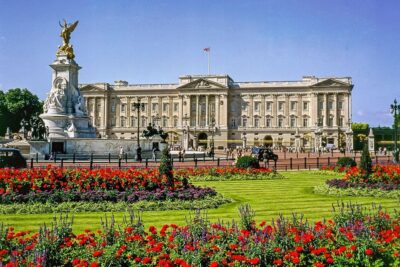
Buckingham Palace: The State Rooms Entrance Ticket
Read our review →
Prague Castle and Lobkowicz Palace Entry Tickets
Read our review →Browse the lists this tour appears in