
REVIEW · AUSTRIA
Salzburg: Palace Concert at the Marble Hall of Mirabell Palace
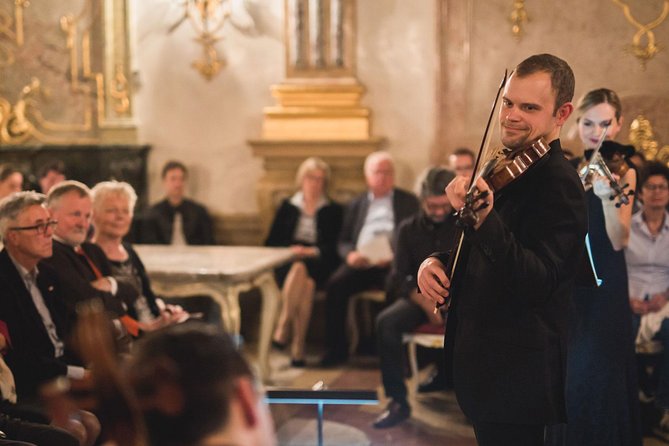
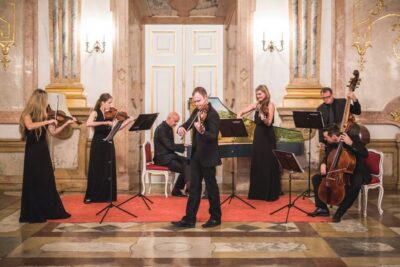
Mozart still has a room in Salzburg. The Marble Hall at Mirabell Palace gives you classical music in a grand 17th-century setting, with selected works by Mozart and his contemporaries performed by skilled soloists and chamber ensembles. I especially like the hall’s ornate baroque setting and the chance to hear music on historical instruments from Mozart’s time.
I also like the compact evening format. At about 1 hour and 45 minutes, including a 15 to 20 minute intermission, it fits neatly into a Salzburg sightseeing day. The main caution is seating: Category I costs more, but some seats can still have a blocked view, while Category II is open seating and may offer a better position if you arrive early.
Key points to know before booking
- Mozart in the Marble Hall: The palace is closely tied to Salzburg’s musical tradition, and Mozart performed here.
- Period instruments are often used: Many concerts feature instruments modeled on or preserved from Mozart’s era.
- Two seating choices: Category I includes numbered seats in rows 1 through 10. Category II is open seating.
- Arrive early for the best view: The hall opens 30 minutes before the concert, and Category II seating is first come, first served.
- A polished evening, not a full theater production: The focus is music, acoustics, and the room itself, with no meal included.
- Book ahead in busy periods: The experience is booked an average of 40 days in advance, and its current rating is 4.8 out of 5 from 469 ratings.
Why the Marble Hall matters
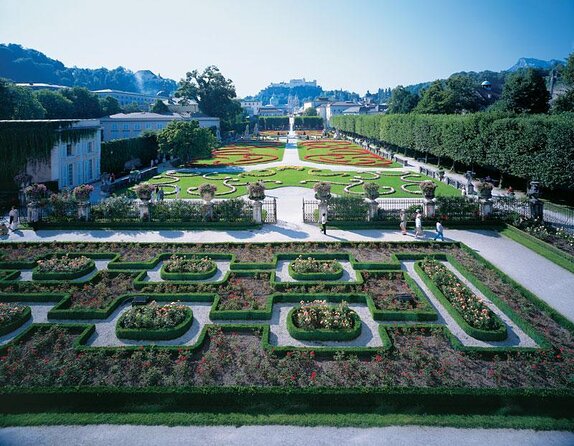
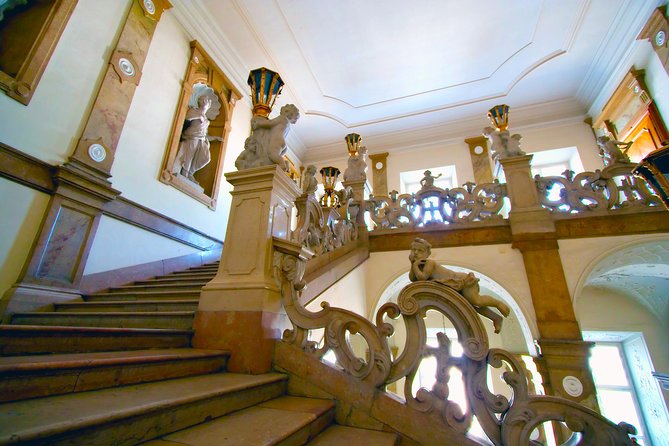
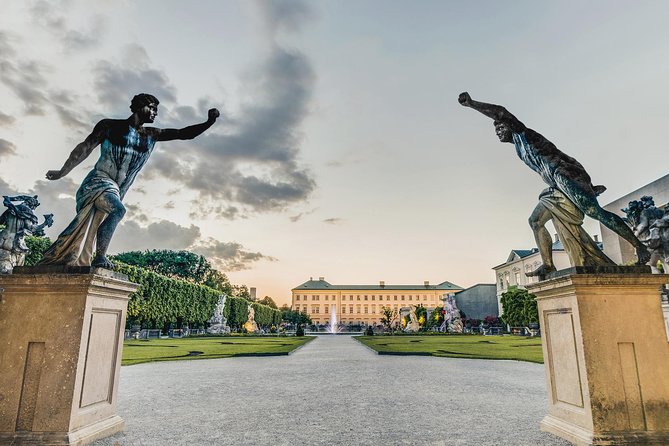
Mirabell Palace is not just a convenient concert venue. It is one of Salzburg’s most elegant historic buildings, built in 1606 by Prince-Archbishop Wolf-Dietrich. The name comes from the Italian words mirabile and bella, meaning admirable and beautiful.
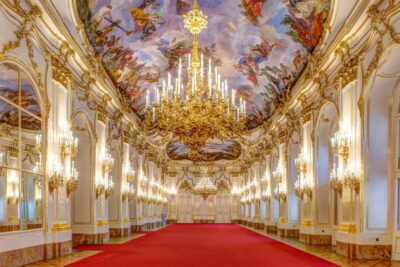
The palace’s Marble Hall is the star of the evening. Its baroque decoration gives the concert a sense of occasion before the first note is played. You are not sitting in a modern auditorium designed to hide every architectural detail. You are looking at carved decoration, polished surfaces, and a room that feels closely connected to Salzburg’s courtly past.
That setting changes how the music lands. Mozart’s work can sound familiar from recordings, films, and public concerts. Hearing it in a historic Salzburg room gives it a more direct connection to the city. The room does much of the storytelling without a long introduction.
The connection to Mozart is especially important. The hall is presented as a place where Young Mozart performed, so the concert feels tied to the city’s musical identity rather than simply using Mozart’s name to sell an evening out. You still need to judge the performance on its own quality, but the setting gives the program real character.
More Live Music Nights in Austria:
- Salzburg: Mozart Concert at Mirabell Palace
★ 4.8 · 3,498 reviews - Exclusive Evening at Schönbrunn Palace: After-Hours Audiotour, Dinner, Concert
★ 4.0 · 930 reviews - Schönbrunn Palace Concerts in Vienna
★ 4.5 · 889 reviews
What happens from arrival to the first note
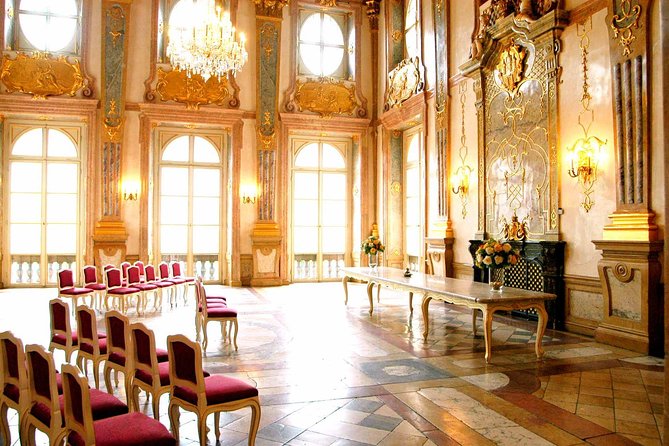
The ticket redemption point is Mirabell Palace, Mirabellplatz 4, in central Salzburg. The venue is near public transportation, so you do not need a special transfer or complicated arrival plan.
The evening box office opens one hour before the concert. You redeem your voucher at the box office in Schloss Mirabell, with the entrance to the Marble Hall on the first floor. The hall itself opens 30 minutes before the performance.
That timing matters, especially if you have Category II tickets. Open seating rewards an early arrival, and getting there when the doors open gives you more choice. It also lets you see the room before the seats fill and settle in without rushing.
A free cloakroom is included. Small snacks and alcoholic or non-alcoholic drinks are available, but they cost extra. There is also a program booklet in German and English, along with CDs for purchase.
The concert begins punctually. If you arrive late, entry is delayed until after one piece, which usually means waiting about 15 minutes. This is a small rule with a large practical effect: do not plan to walk in at the advertised start time. Give yourself room for the palace entrance, ticket redemption, and seating.
The music: Mozart, Vivaldi, and familiar sounds
The programs feature Mozart and other composers from his era. The exact works can vary, but the overall promise is a polished classical program in a chamber-style setting. Several performances have included Vivaldi’s Four Seasons, and Mozart selections such as Violin Concerto No. 5 have drawn strong praise.
That mix works well for a broad audience. If you already know classical music, you can focus on interpretation, tone, and the musicians’ interaction. If you are new to concerts, recognizable melodies make the evening easier to follow.
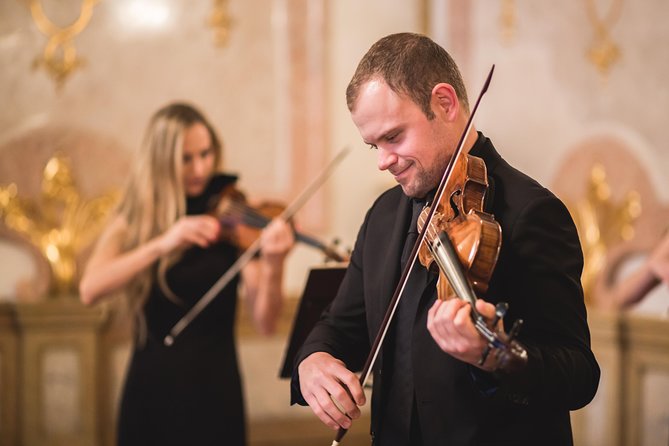
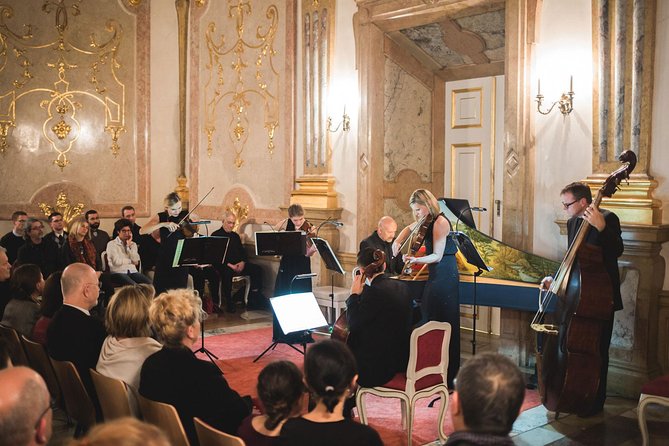
The performance is not presented as a lecture or a museum demonstration. The music takes center stage. You may hear a chamber orchestra, a smaller ensemble, or featured soloists, depending on the program. The musicians are described as highly skilled, energetic, and personable, with particular praise for violin, cello, harp, and natural French horn performances.
The use of historical instruments adds another layer. The sound may differ from the large, polished orchestral style you hear in a modern concert hall. Period instruments can give the music a lighter or more distinctive character, though the effect will depend on the particular ensemble and program.
The room’s acoustics are one of the most consistently praised parts of the evening. Even seats toward the back can provide strong sound. That makes Category II a reasonable budget choice if hearing the music matters more to you than having a close view of the performers.
Seating: where the real decision lies
The two ticket categories need careful thought.
Category I includes numbered seats in rows 1 through 10. On paper, this gives you more certainty and generally puts you closer to the performance area. It is the better choice if you want a reserved place or if sitting near the front matters to you.
Still, do not assume every Category I seat guarantees a clear view. The stage is raised, yet a person seated in front can block part of the performance. One particularly important complaint concerns Category I ticket holders discovering that people with unreserved seats had chosen better positions by arriving early.
Category II uses open seating. You give up a reserved seat, but you can choose your position when the doors open. If you arrive early, this can work very well, especially since the Marble Hall’s acoustics remain strong toward the back.
I would choose Category I if you value a guaranteed numbered seat and want to be closer to the musicians. I would choose Category II if you are willing to arrive early and care more about finding your own sightline than about being in the first rows.
The room is relatively intimate, which helps the sound but can make sightlines uneven. This is not a stadium where every seat has the same view. If watching the musicians’ hands, facial expressions, and physical rhythm is central to your enjoyment, arrive early or pay close attention to the seat arrangement.
A few more palace visits around Austria worth a look
- Vienna: Schönbrunn Palace & Gardens Skip-the-Line Tour
★ 4.7 · 7,739 reviews - Vienna: Skip-the-Line Schönbrunn Palace & Gardens Tour
★ 4.8 · 5,411 reviews - Vienna: Bus & Schönbrunn Palace Skip-the-Line Guided Tour
★ 4.3 · 2,802 reviews - Vienna: Imperial Treasury in the Hofburg Palace
★ 4.4 · 1,791 reviews
The concert length and evening rhythm
The advertised duration is about 1 hour and 45 minutes. A typical structure includes two musical sessions of roughly 45 minutes each, with a 15 to 20 minute intermission.
That is long enough to feel like a proper concert but short enough to fit around dinner or an evening walk through Salzburg. The break gives you time to stretch, use facilities, and buy a drink or small snack.
The evening does require concentration. This is a seated listening experience, not a casual background performance. If you are bringing children, admission begins at age six, but the event is not recommended for younger children. Older children who can sit quietly through a concert may enjoy the atmosphere and the direct connection to Mozart.
The concert can also work well for people who do not regularly listen to classical music. The venue supplies much of the excitement, and the program often includes familiar composers. You do not need to know the difference between every concerto and sonata to appreciate the sound in the room.
Is the $50.79 price good value?
At $50.79 per person, this is not a bargain if you measure value only by minutes of entertainment. It is a reasonable price for a live concert in one of Salzburg’s most important historic rooms, especially when you count the venue, professional musicians, cloakroom, and the chance to hear period instruments.
The value is strongest for three types of visitors:
- You want one special cultural evening in Salzburg.
- You care about Mozart’s connection to the city.
- You enjoy architecture and music as part of the same experience.
The price is harder to justify if you mainly want to see the palace itself. This ticket is for the concert, not a guided palace tour or a full evening with dinner. Refreshments, snacks, programs, and CDs are extra.
Category II lets you keep the cost under control while still benefiting from the acoustics and atmosphere. Category I may be worth the additional expense if you want a numbered seat and a better chance of sitting closer, but the sightline warning means you should not buy it blindly.
Since the concert is booked about 40 days ahead on average, I would reserve early if your Salzburg dates are fixed. That is especially sensible during Christmas, holiday periods, and other busy travel weeks.
What makes the atmosphere special
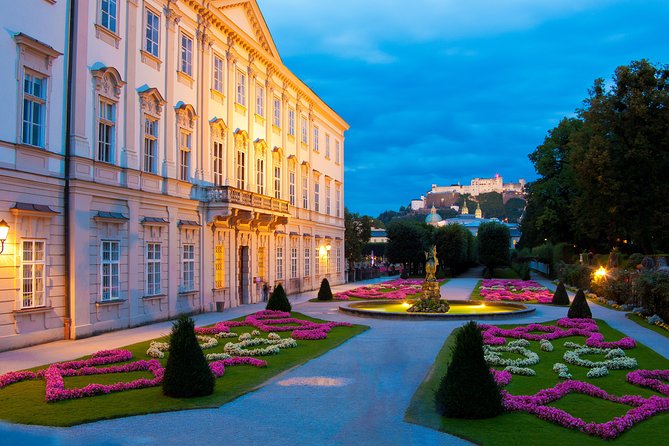
The best part of this experience is the way the pieces fit together. The palace, the Marble Hall, Salzburg’s Mozart connection, and the live performance all reinforce one another.
The hall can make the evening feel almost theatrical before the musicians begin. Once the music starts, the room’s scale keeps the performance personal. You are close enough to notice the musicians’ movement and communication, not just hear a wall of sound from a distant stage.
The atmosphere is formal, but not necessarily intimidating. The audience includes devoted classical music fans and people who simply want a memorable Salzburg evening. That mix makes the event accessible to newcomers.
The musicians also appear to be a major part of the experience. Strong performances have included expressive playing, visible engagement with the music, and impressive solo work. A harpist, guest cellist, violinist, and natural French horn player have each received special praise in different concerts.
There is no guarantee that every performance will affect you in the same way. Programs and performers change, and classical music is personal. Still, the combination of a beautiful room and experienced musicians gives the evening a strong foundation.
Practical advice for making the most of it
Plan to reach Mirabell Palace at least 30 minutes before the concert. If you need to redeem a voucher, want a drink, or hope to choose a good Category II seat, arriving earlier is wiser.
Wear something comfortable but presentable. No formal dress requirement is provided, and this is not a gala dinner, but the palace setting makes casual sightseeing clothes feel a little out of place.
Do not count on a full meal at the venue. Small snacks and drinks are available, but they are not included. Have dinner before the concert or plan a meal afterward.
Keep the punctual start in mind. A late arrival can mean waiting through one piece, or about 15 minutes. This protects the performance from interruptions, but it can be frustrating if you have misjudged your timing.
If you are choosing between ticket categories, ask yourself one simple question: do I value seat certainty or seating choice? Category I gives you a numbered place. Category II gives you the chance to choose, but only if you arrive early enough.
Free cancellation is available up to 24 hours before the start time for a full refund. Changes or cancellations made within 24 hours are not accepted, and the experience requires a minimum number of participants. If the concert is canceled for that reason, you are offered another date or experience, or a full refund.
Who should book this concert?
I would recommend it to anyone who wants a focused cultural evening rather than another fast sightseeing stop. It suits couples, solo visitors, families with older children, classical music fans, and first-time concertgoers who want an approachable introduction.
It is especially good for a short Salzburg stay. You can spend the day seeing the old town, then finish with music in a historic palace. The 1 hour and 45 minute length keeps it from taking over your whole evening.
You may want to skip it if you dislike seated performances, have no interest in classical music, or need a completely open schedule. The venue is beautiful, but the music remains the point. Also think twice about Category I if your main priority is an unobstructed view of every performer.
Should you book the Mirabell Palace concert?
Yes, if you want Mozart connected to a real Salzburg setting, strong acoustics, and a polished evening at a fair cultural price. The Marble Hall gives the concert a sense of place that a standard auditorium cannot match.
Book ahead, arrive early, and make a deliberate seating choice. I would favor Category II for budget-conscious listeners who can reach the hall early, and Category I for anyone who wants a numbered seat closer to the front. With those expectations in place, this is one of Salzburg’s more memorable ways to spend an evening.
FAQ
Where does the concert take place?
The concert takes place in the Marble Hall of Mirabell Palace at Mirabellplatz 4, 5020 Salzburg, Austria.
How long does the concert last?
The experience lasts approximately 1 hour and 45 minutes. It includes one intermission of about 15 to 20 minutes.
What music is performed?
Programs include works by Mozart and his contemporaries. Some performances also include music by Vivaldi, including selections from The Four Seasons. The exact program can vary.
What is included in the ticket?
Your ticket includes the live concert, a Category I numbered seat or Category II open seating, and use of the free cloakroom.
Are drinks and snacks included?
No. Alcoholic and non-alcoholic refreshments and small snacks are available for an additional charge.
When should I arrive?
The box office opens one hour before the concert, and the Marble Hall opens 30 minutes before the start. Arrive early if you have Category II seating or need to redeem your voucher.
Can children attend?
Admission is available from age six. The experience is not recommended for younger children.
Just added around Austria
- Palais Lobkowitz Audio Guide Tour★ 4.0 · 3 reviews
- Innsbruck: Tickets for Schloss Ambras★ 4.6 · 204 reviews
- Imperial Gala Concert at Palais Auersperg★ 4.7 · 111 reviews
- Schönbrunn Palace & Gardens Tour★ 4.2 · 42 reviews
- Graz: Funicular Ride & Schlossberg Picnic Experience★ 4.8 · 4 reviews
- Eisenstadt: Esterhazy Palace Admission Ticket★ 4.8 · 40 reviews
- Belvedere Palace & Museum Tour★ 4.5 · 18 reviews
- Skip-the-line Schonbrunn Palace Rooms & Gardens Private Tour★ 4.5 · 81 reviews
Concerts, compared.
Prague Castle: Midday Classical Concert at Lobkowicz Palace
Read our review →
Opera Concert at Palazzo Poli – Fontana di Trevi
Read our review →
Exclusive Evening at Schönbrunn Palace: After-Hours Audiotour, Dinner, Concert
Read our review →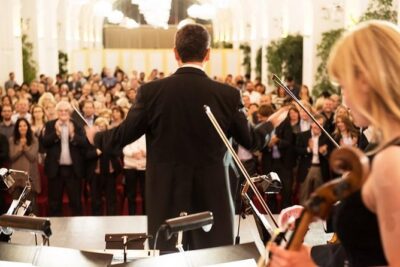
Schönbrunn Palace Evening Tour, Dinner and Concert
Read our review →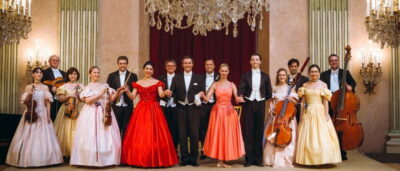
Mozart & Strauss Classical Concert at Börse Palace
Read our review →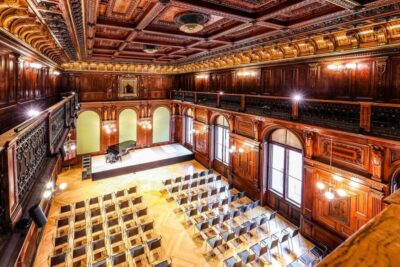
Browse the lists this tour appears in